Porsche’s Winter Deepens: Another 4,100 Jobs to Be Cut Amid Worsening Conditions
 09/23 2026
 563
563
Germany’s Handelsblatt reports that Volkswagen Group will intensify layoffs at Porsche in the coming days, with plans to cut approximately 4,100 more jobs to address an operational cost shortfall of around €700 million (approximately RMB 5.39 billion).
This is not the first major round of layoffs at Porsche. In July this year, Porsche’s management and labor representatives agreed to an additional 5,000 job cuts, building on the previously confirmed 4,000, bringing the total planned reductions to around 9,000 positions. If the new proposal is implemented, the scale of job adjustments at Porsche will grow even larger.
Behind these layoffs, Porsche’s operational pressures are increasingly impacting the overall performance of the Volkswagen Group. On September 18, Volkswagen Group lowered its full-year operating return on sales expectation for 2026 to a maximum of 1%, down from the previous range of 4.0%—5.5%. The group also set aside approximately €6 billion in non-cash impairments due to changes in Porsche’s business outlook. In short, Porsche’s operating performance has fallen short of Volkswagen’s expectations, placing greater pressure on the group’s overall results. For now, cost reduction remains the most urgent priority.
From ongoing workforce reductions to the gradual spread of operational pressures to its parent company, Porsche’s operational challenges are becoming more pronounced. This downturn is especially evident in the Chinese market. Once one of Porsche’s most important global markets, its business in China has faced sustained pressure in recent years. Data shows that Porsche’s sales in China reached 95,700 units in 2021 but have since declined: 93,300 units in 2022, 79,300 units in 2023, 56,900 units in 2024, and only 41,900 units in 2025. In the first half of 2026, Porsche delivered just 14,500 units in China, a 32% year-on-year decline. During an earnings call, Porsche CFO Lutz Meschke predicted that full-year sales in China for 2026 could drop to around 30,000 units, representing a nearly 70% decline from the 2021 peak in just five years.
This highlights the increasingly challenging situation for Porsche in the Chinese market. The reasons behind the consecutive sales declines are multifaceted, influenced by intensified competition in China’s luxury vehicle market and Porsche’s own product adjustments.
Competitive dynamics in China’s luxury vehicle market are quietly shifting. As the new energy vehicle (NEV) market accelerates its transition, Chinese domestic premium brands are also making upward strides, gradually eroding the market share once dominated by traditional luxury brands like Porsche. Brands such as Zeekr and Aito are gaining ground in this segment. For example, the Zeekr 9X sold 45,731 units in the first half of this year, while Porsche’s Cayenne sold only 6,191 units in China during the same period—a stark contrast.
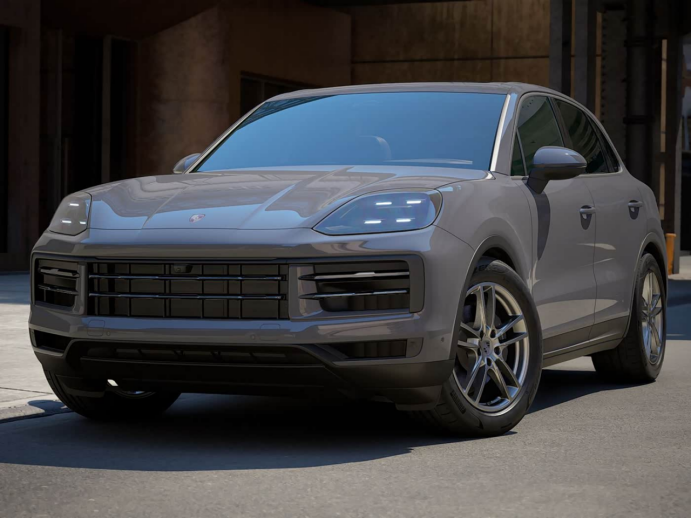
Additionally, Porsche’s product lineup in China is in a transitional phase, with a gap emerging in its all-electric vehicle offerings. While the all-electric Porsche Cayenne Turbo series made its domestic debut in April, the first deliveries are not expected until the end of this year or even the first quarter of next year. This means Porsche will face a relatively long gap in its all-electric product offerings in China. In a market where NEV models are rapidly evolving, this slower pace has undoubtedly increased business pressures for Porsche in China.
However, an even more critical concern than product continuity is Porsche’s gradually eroding pricing system. Reports indicate that the base price of the Taycan has dropped to as low as RMB 850,000; the Macan EV is being offered at a 24% discount; and some Macan fuel-powered models have even fallen below RMB 400,000. With prices continuing to decline, the high premium once supported by Porsche’s brand and performance is beginning to weaken.
Behind this shift is the changing definition of “luxury” in China’s high-end NEV market. Today, consumers value not just brand and performance but also intelligent cockpits, advanced driver-assistance systems, OTA updates, and charging experiences. As models like the Aito M9 and Zeekr 9X, priced around RMB 500,000, continue to raise the bar for intelligence, Porsche’s electric vehicles have failed to deliver a comparable product experience. The traditional logic of relying on brand and performance is becoming increasingly difficult to sustain.
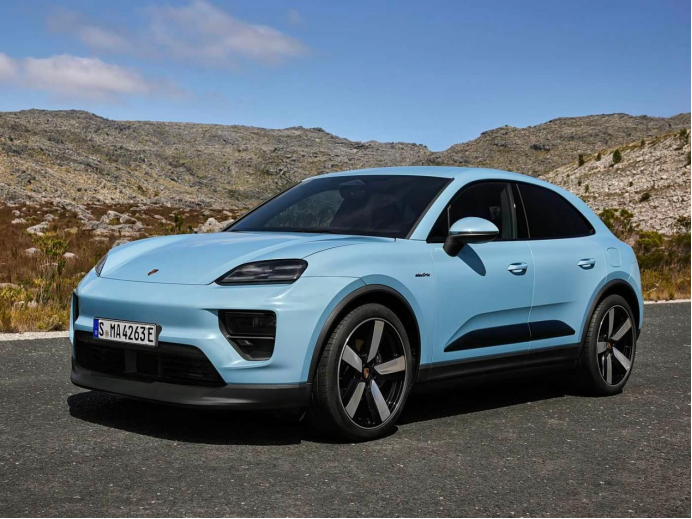
Nevertheless, in response to shifting market dynamics in China, Porsche is accelerating its adjustments. The company is speeding up its product and intelligent layout in China. The new all-electric Cayenne is expected to begin deliveries between late 2026 and early 2027. Meanwhile, Porsche’s German headquarters is advancing the development of B-segment and D-segment SUVs at “China speed,” with a flagship SUV positioned above the Cayenne planned for a 2028 debut.
In terms of intelligence, Porsche’s first China-exclusive infotainment system is expected to launch this year and will be featured in models such as the 911, Panamera, Cayenne, and Taycan. To better align its products with Chinese consumers, Porsche has established its first full-chain R&D center outside Germany in Shanghai, led by a Chinese team and developed in collaboration with Botai Automotive. The company is also continuing to seek suitable local partners for intelligent driving solutions.
It is clear that Porsche is accelerating its adaptation to the Chinese market. However, from R&D to new vehicle launches and ultimately market acceptance, there is still a long road ahead.
Currently, Porsche faces not just declining sales but also evolving demands from Chinese consumers for luxury vehicles. While layoffs aim to reduce costs, adjusting products, enhancing intelligence, and accelerating localization are efforts to find new growth paths. Whether these moves will resonate with the market remains to be seen, depending on the performance of upcoming new vehicle launches.
(Image sources: Internet. Removal upon infringement notice.)
-
![]()
Why Has CATL Reached This Point?
-
![]()
Tuopu Group Sees 10% Revenue Growth, But Profits Decline by 21%: Robot Business Contributes Just 14.0477 Million Yuan
-
![]()
Shenzhen Announces Procurement Results for 2,036 Buses: BYD, Nanjing Golden Dragon, and ZTE Secure Contracts
-
![]()
Behind 'Audi Sues Audi': Profiteers Flock to Germany, Rumors Stay in China
-
![]()
Seres' Stock Price Soars for Five Straight Days: Is Investor Confidence Rising Over AITO Brand Control?
-
![]()
Porsche’s Winter Deepens: Another 4,100 Jobs to Be Cut Amid Worsening Conditions
-
![]()
26 New Models Launch in 'Golden September', Automotive Market Hits Late-Month High
-
![]()
JAC Motors Hits Price Ceiling, Leverages Huawei to Step into the 'Post-Seres' Era