Chinese Cars Climb to Top of German Import Rankings, Driven by German Consumers
 09/28 2026
 375
375
China, for the first time, surpasses all traditional automotive powerhouses to become Germany's primary supplier of new cars.
By late September 2026, numerous automotive industry hubs in Germany, including Wolfsburg, Stuttgart, and Munich, were simultaneously engulfed in an unprecedented industry upheaval.
A total of 175,000 automotive industry workers took to the streets, staging protests at 280 locations across Germany against mass layoffs and ineffective industrial policies. This nationwide action, initiated by the German metalworkers' union IG Metall, brought industrial flagships like Volkswagen, Mercedes-Benz, BMW, and Bosch under intense public scrutiny.
The automotive industry, once hailed as the crown jewel of 'Made in Germany,' now teeters on the brink of a comprehensive decline.
Data Dispels Industrial Myths
According to Germany's Federal Statistical Office, automotive import and export data for the first seven months of 2026 reveal that from January to July, Germany's total exports of new cars stood at approximately 2 million units, marking a 4% year-on-year decline. The total export value plummeted by 8.9% to €73.5 billion.
The most striking aspect of these figures is that nearly all powertrain types experienced simultaneous declines. Exports of fuel-powered vehicles fell by 2.9% to around 1 million units, while exports of battery electric vehicles (BEVs) also dropped by 2.9% to 560,000 units. Hybrid models saw an even steeper decline of 8.2%, leaving only 380,000 units.
This indicates that the comprehensive export advantage built by the German automotive industry over decades has collapsed holistically in 2026, rather than experiencing short-term fluctuations in a single market segment.
In stark contrast, Germany's domestic market for imported new cars exhibited the opposite trend, with total imports reaching approximately 1.3 million units in the first seven months, surging by 16% year-on-year. The most symbolic change is that China, for the first time, surpassed all traditional automotive powerhouses to become Germany's largest supplier of new cars.
From January to July, Germany imported 175,000 cars from China, marking a staggering 120.9% year-on-year increase. Behind this figure lies a deeply ironic industrial reversal: German consumers are now voting with their wallets, opting for new energy vehicle models from China.
On one hand, German-made cars face increasing difficulties in global markets; on the other, German consumers are propelling Chinese cars to the top of import rankings with their orders. This dynamic has torn open an irreparable gap in the profit loop that the German automotive industry has built over decades, relying on a 'domestic market base + global export premium.'
This dual market squeeze from both internal and external forces leaves no room for maneuver or buffer for German automakers, ultimately igniting a long-simmering survival crisis across the industry. The immediate catalyst for this industry-wide protest was Volkswagen's shocking profit warning released on September 18.
This European automotive giant, with an 87-year history, publicly admitted that its operating profit margin for 2026 would reach a maximum of only 1%, while unveiling a restructuring plan to lay off 100,000 employees globally by 2030—the largest single-round layoff in the history of the global automotive industry.
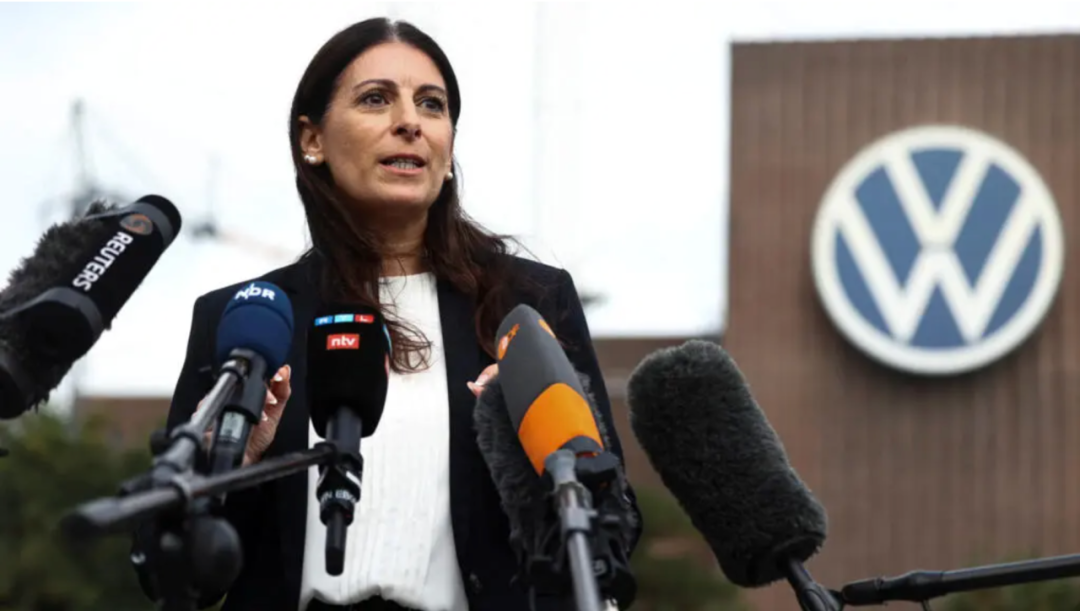
Volkswagen, once a perennial leader in global automotive sales rankings, now finds itself trapped in a dilemma.
The economies of scale that once supported its massive operations are rapidly eroding in the new energy era. Its supply chain, once renowned for 'rigorous efficiency,' has now become a burden slowing down its transition. High manufacturing costs and sluggish product iteration speeds have allowed Chinese automakers to continuously erode Volkswagen's global market share at a rate of 5% per month.
Other industry giants face similarly dire situations.
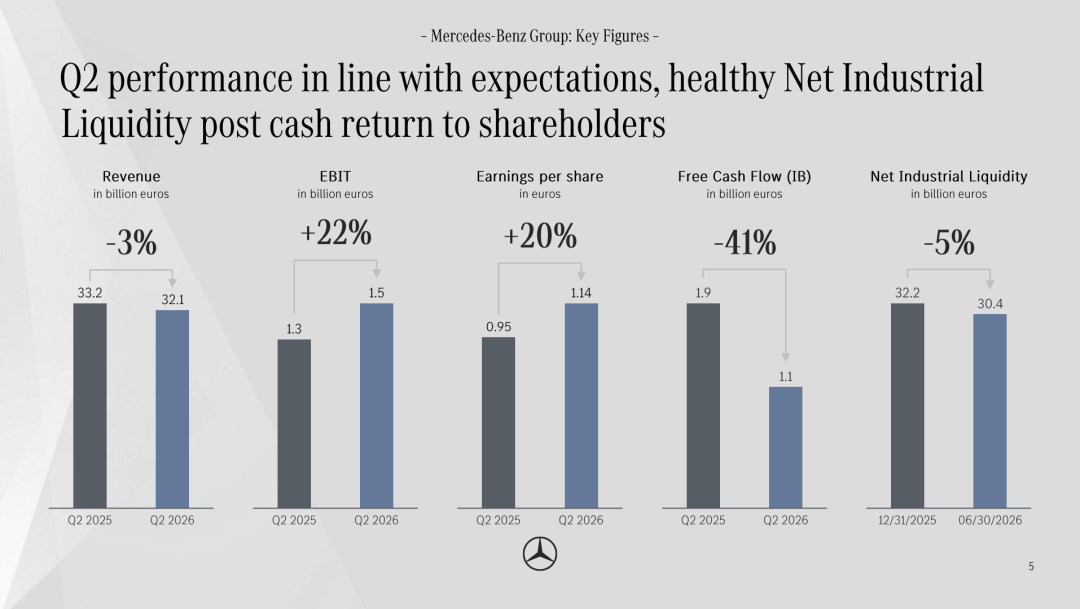
Mercedes-Benz urgently downgraded its full-year sales forecast in the summer of 2026, after already announcing multiple rounds of operational efficiency improvement measures. It has initiated layoffs in Germany while shifting some production capacity to lower-cost countries like Hungary, attempting to maintain profit margins by cutting labor costs.
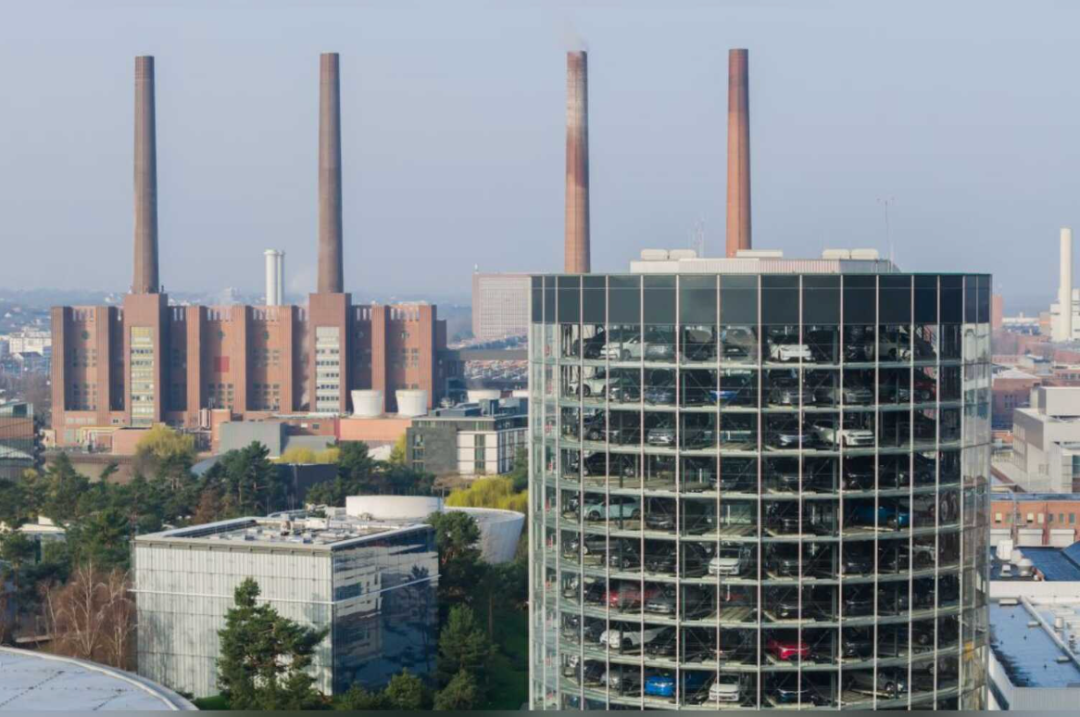
BMW also reached an agreement with employee representatives in July to launch a cost-cutting plan that could affect up to 8,000 jobs in Germany.
Bosch, the absolute leader in global automotive components, faces even greater challenges than automakers. After announcing 9,000 layoffs, it unveiled plans to cut an additional 13,000 jobs in the coming years. This giant, which once nearly monopolized the global supply chain for core automotive components, is now helplessly watching its traditional strengths being rapidly replaced by Chinese suppliers.
From Volkswagen to BBA and then to Bosch, the profit pools across the entire German automotive supply chain are shrinking at a visible pace. The 'high brand premium + high engineering premium' business model that once sustained German automakers has been completely shattered in the new energy era.
The Chinese Impact Is Not the Cause
In German public discourse, the prevailing narrative now blames the current industry crisis entirely on competition from Chinese automakers, even framing the market expansion of Chinese brands as an 'unfair assault' that 'smashes the rice bowls of German workers.' However, stripping away the emotional rhetoric reveals that the rise of China's automotive industry resembles the final straw that breaks the camel's back.
Executives from the German metalworkers' union spared no harsh words during protest activities, stating, 'Due to a lack of ambition and catastrophic misjudgments, most corporate managers have failed to keep pace with developments in electrification, digitalization, and battery technology, causing the German automotive and components industry to gradually fall behind.'
Union chair Christiane Benner directly criticized companies for 'years of mismanagement and strategic errors in crisis response,' warning that the German automotive industry 'faces the risk of total collapse.'
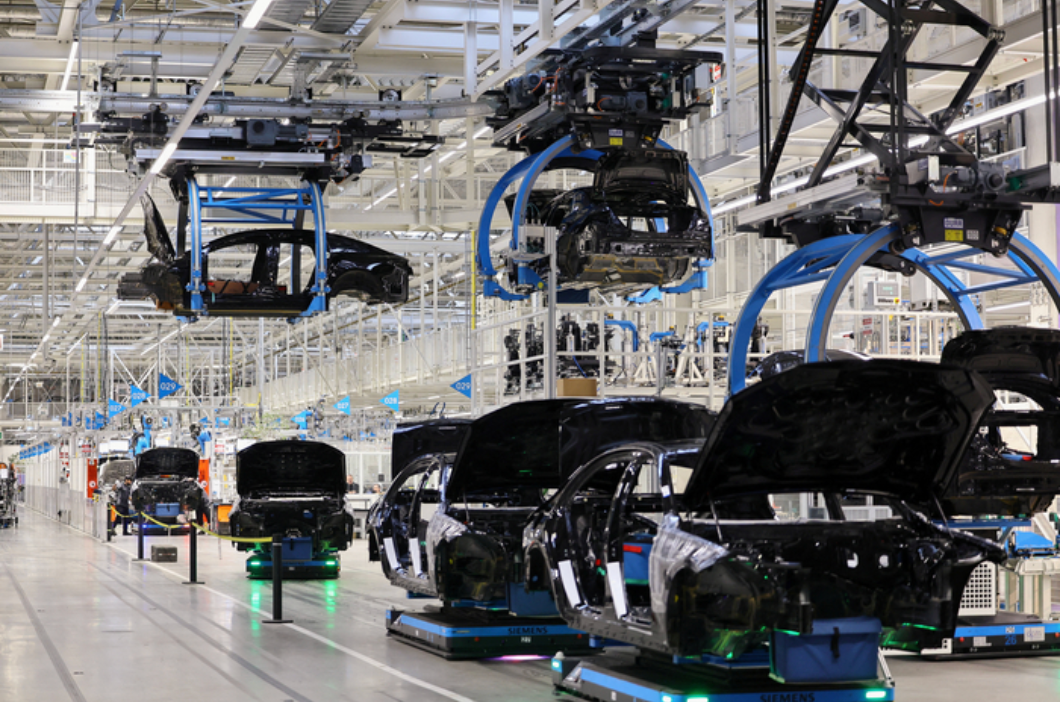
These criticisms are far from alarmist. For decades, German automakers rested on their laurels of technological dividends from the fuel-powered vehicle era, enjoying high-profit returns in global markets. During the critical window for electrification transition, they hesitated, unwilling to invest resources to disrupt their traditional advantageous businesses.
While Chinese automakers had already completed several iterations of smart cockpit and autonomous driving technologies, German automakers were still focusing their new energy vehicle models on optimizing traditional chassis quality, completely missing the core direction of changing consumer demands.
Deeper crises lurk within the industry's foundations. After the Russia-Ukraine conflict, Germany's energy costs soared. The average electricity price for energy-intensive enterprises in the EU is double that of the U.S. and about 50% higher than China's, marking a 65% increase compared to 2019—ultimately reflected in vehicle prices.
Today, upstream suppliers to German automakers still fret over monthly energy bills. This systemic gap in cost levels cannot be bridged by brand premiums alone.

Facing an unprecedented crisis, a dangerous tendency has emerged within the German automotive industry: an attempt to evade genuine structural reforms through trade protection measures.
Christiane Benner, chair of the German metalworkers' union, issued a public statement calling on the government to provide affordable energy prices and establish a reliable investment environment while explicitly demanding that the EU raise tariffs on Chinese car imports, attempting to build a 'protective wall' for domestic automakers through administrative means.
However, market practices over the past two years have proven that tariff shields cannot halt the pace of industrial transformation. After the EU raised the comprehensive maximum tariff rate on Chinese electric vehicles to 45.3%, it was expected to significantly limit the market penetration of Chinese models. Instead, Chinese automakers' exports to Europe surged by 84.7% year-on-year, with BEV exports jumping by 94.6%.
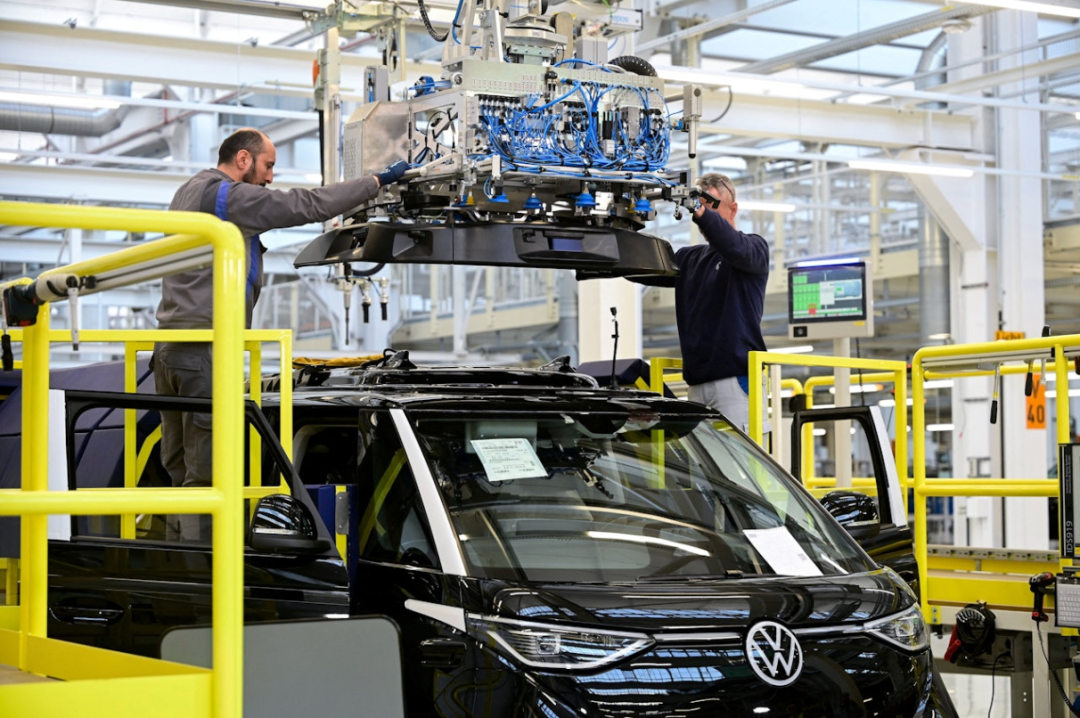
The additional costs imposed by tariffs ultimately did not fall on Chinese automakers but were entirely borne by European consumers.
Simulation calculations by the Technical University of Berlin have long reached a clear conclusion: if Europe attempts to protect its domestic industry by blocking Chinese technology, it will only significantly increase transformation costs for European automakers, further weakening their long-term competitiveness.
The Global Passenger Vehicle Market Forecast Report released by the Bochum Automotive Research Institute in late 2026 explicitly states that the future of the automotive industry lies in cooperation with China, not confrontation. The economies of scale brought by China's market and complete supply chain, along with its rapid innovation in cutting-edge fields like power batteries, new energy vehicles, and autonomous driving technologies, are the key drivers propelling the global automotive industry toward electrification and intelligence.
Hildegard Müller, president of the German Association of the Automotive Industry, also publicly acknowledged that China is both a partner and a competitor for German automakers. Germany's deep expertise in vehicle safety and system integration highly complements China's advantages in product iteration speed and understanding of local demands. Deep cooperation between the two sides could create industrial value far exceeding isolated efforts.
'If German politicians and entrepreneurs continue to evade genuine internal issues like high energy costs, inefficient approval processes, and lagging digital infrastructure, while blindly using China as a 'scapegoat' for industrial decline, then no amount of tariff protections or large-scale layoffs can prevent this once-glorious industrial system from continuing its slide into the abyss.'
Thus, the industry-wide strike that erupted in autumn 2026 is not merely a survival protest by 175,000 automotive workers but a warning signal from an industrial mythology that has endured for nearly a century.
For the German automotive industry, what is truly needed now is not building walls to block external competition but summoning the courage to confront internal maladies and rediscover its place within the new global automotive landscape.
Note: Images sourced from the internet. Please contact for removal if infringement occurs. -END-
-
![]()
Changsha Computing Power Firm Lands Another Order Worth Nearly 900 Million Yuan
-
![]()
Jiemei Technology’s Restructuring Plan Greenlit: Set to Acquire Afos Technology for 915 Million RMB
-
![]()
Revenue of 200 Million, Then Another 200 Million Invested! Transight Optoelectronics Takes a Bold Bet on Ultra-Precision Optics Pilot Production
-
![]()
What is the True Value of Zhipu's $3 Billion ARR Amid the 'Data Leak' Controversy?
-
![]()
Monthly Report | China's Online Notebook Computer Market in August 2026: Sales Volume Drops 21%, Apple and Xiaomi Buck the Trend to Gain Market Share; Average Price Rises 12%, Share of Models Priced O
-
【Focus】Low-drag disc brake assembly reduces energy loss and holds great potential in new energy vehicles
-
![]()
Lying Flat in a Car: Is There a 4.4-Fold Increase in the Risk of Severe Injury During a Collision?
-
![]()
Honor Magic9 Pro Max Review: Imaging Gets More Exciting, Agent System Impresses