September Auto Sales Data Unveiled: BYD and Leapmotor Surge Ahead, New Energy Players Reshape the Market!
 10/08 2026
 335
335
The traditional peak season of "Golden September, Silver October" has historically been a period of robust growth for automakers. However, this September, the retail sales of narrowly defined passenger cars reached approximately 1.69 million units, marking a 9.7% increase month-on-month but a significant 24.6% decline year-on-year. Without widespread growth, the market has entered a phase of intense inventory competition. Let's first examine the "Big Three" of domestic automakers.
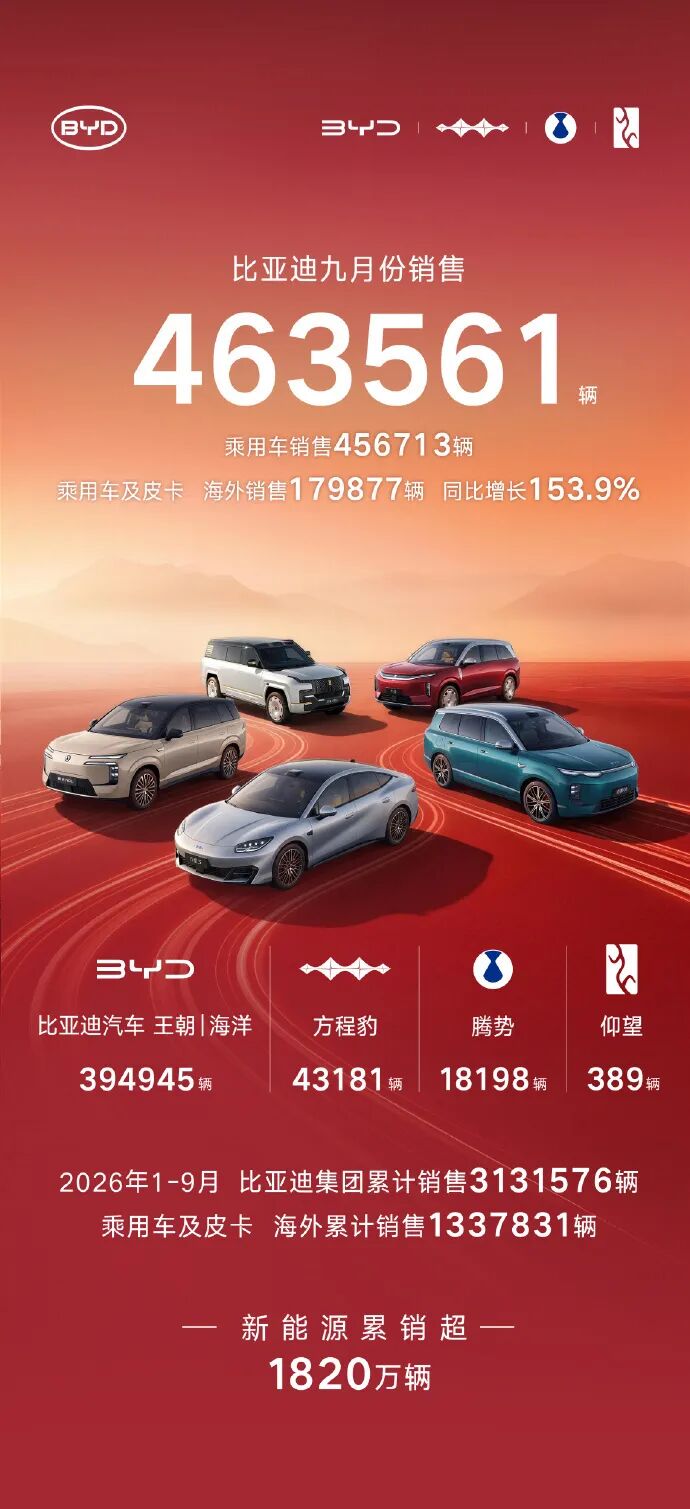
BYD led the pack with 463,561 vehicles sold in September, becoming the sole automaker to surpass 400,000 monthly sales, up approximately 17% year-on-year. Breaking down the numbers, sales of pure electric vehicles (EVs) reached 273,100 units, up 33% year-on-year, while plug-in hybrid sales stood at 183,600 units, down 2.36% year-on-year. With EV sales on the rise and plug-in hybrid sales declining, BYD's growth structure is undergoing a transformation. On the export front, BYD sold 180,700 vehicles overseas in September, up 154% year-on-year. By maintaining its domestic market share while capturing overseas growth, BYD is steadily advancing along this strategic path.
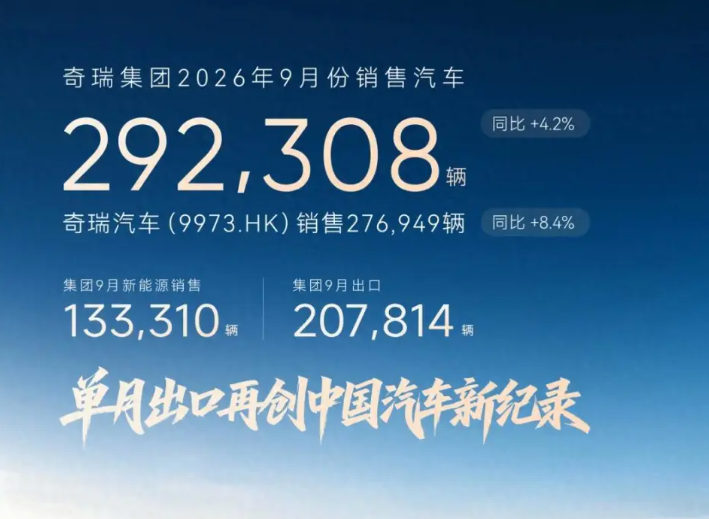
Chery Group sold 292,308 vehicles in September, up 4.2% year-on-year. Chery's true strength, however, lies in exports, with 207,814 vehicles shipped overseas in September, up a massive 51% year-on-year. This marked the second time this year that monthly exports exceeded 200,000 units, setting a new record for Chinese automakers' monthly exports. In the first three quarters, cumulative exports reached 1.551 million units, up 65.6% year-on-year. With exports accounting for nearly 70% of its sales, Chery boasts the highest proportion among mainstream automakers.
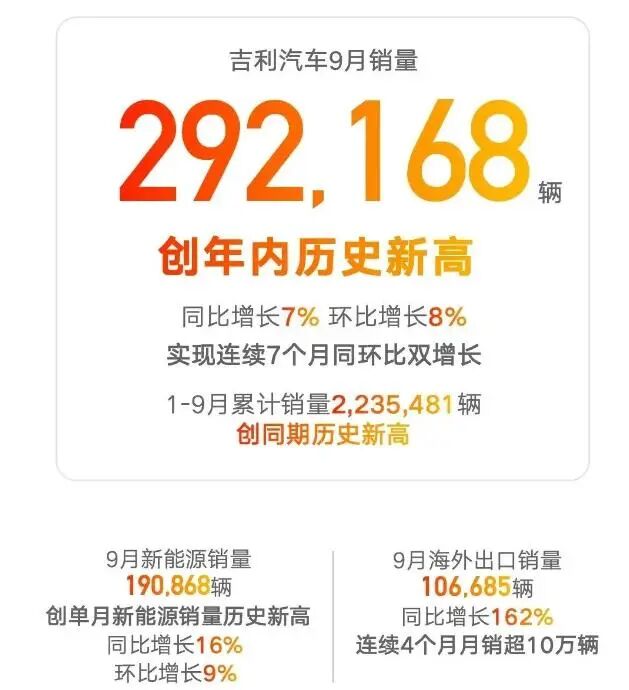
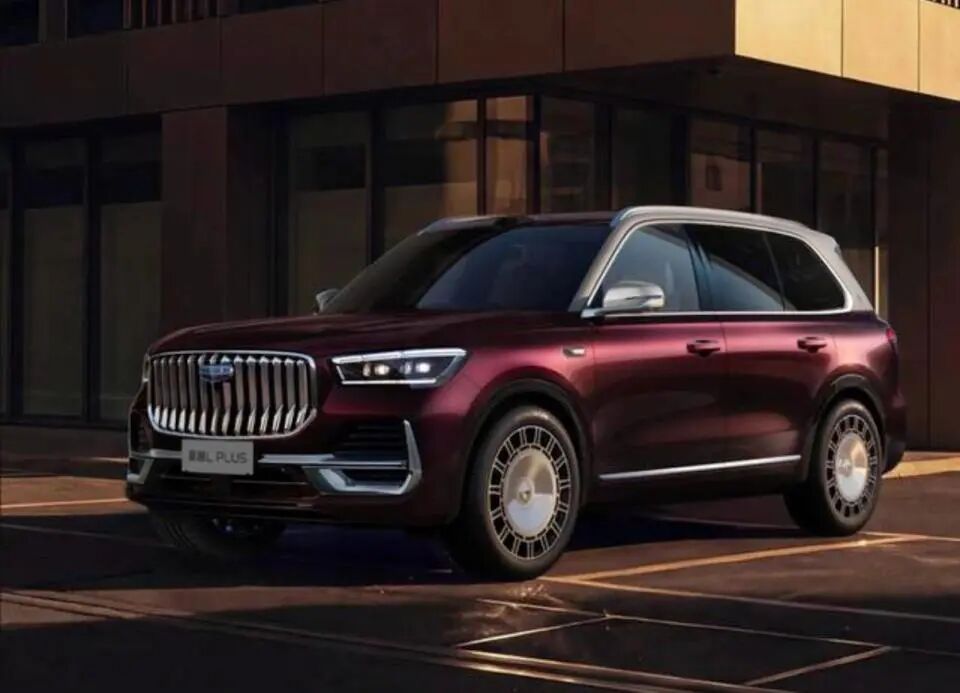
Geely sold 292,168 vehicles in September, up 7% year-on-year and 8.1% month-on-month, marking seven consecutive months of double-digit year-on-year and month-on-month growth. Its export performance was even more impressive, with 106,685 vehicles shipped overseas, up a staggering 162% year-on-year. The Zeekr brand delivered 37,216 units in a single month, more than doubling year-on-year. The Zeekr 9X was launched in Germany at a price exceeding one million yuan, earning it the title of the "most expensive Chinese car" from European media. As Chinese brands move upmarket, Geely is forging a path forward with Zeekr.
However, the real story lies in the reshuffling among the new energy players.
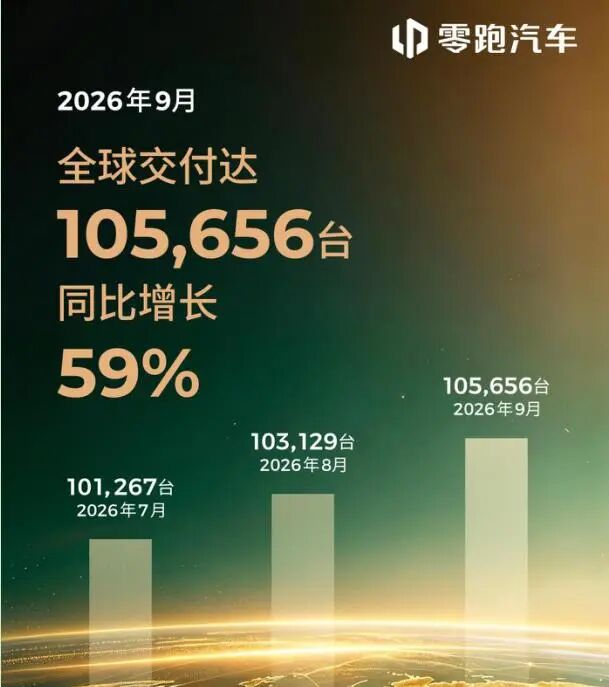
Leapmotor delivered 105,656 vehicles in September, surpassing 100,000 monthly sales for three consecutive months and solidifying its position as the sales champion among new energy players. More notably, Leapmotor announced its first overseas monthly sales figure of 27,000 units, accounting for a quarter of its total deliveries. With a solid domestic base and growing overseas exports, Leapmotor's growth engine is no longer reliant on a single market.
Xiaomi and XPeng both surpassed 40,000 units. Xiaomi delivered over 40,000 vehicles in September, with the Pengcheng series exceeding 10,000 deliveries in its first month, marking Xiaomi's first time surpassing 40,000 monthly sales this year. XPeng delivered 41,256 units, with the G9L launching and right-hand-drive versions shipped to Australia, while the second-generation VLA began rolling out.
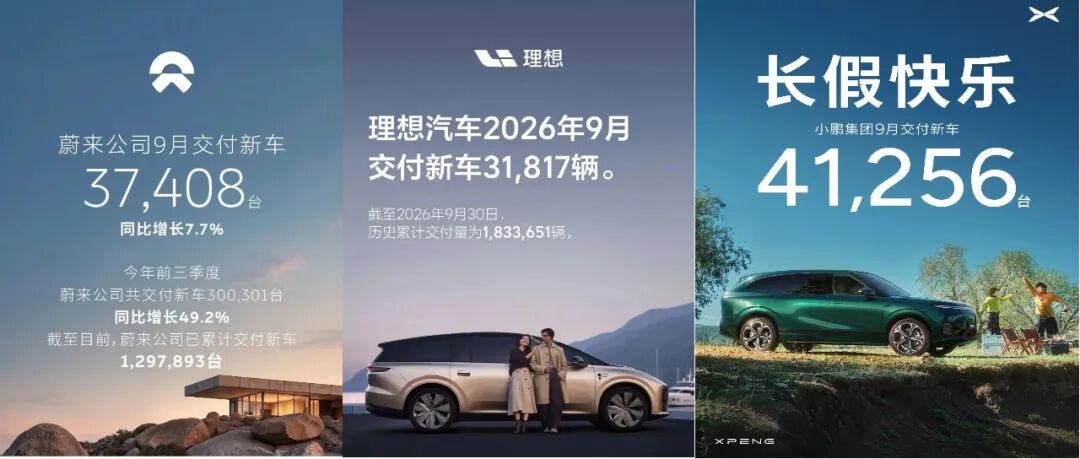
But for every winner, there's a loser. Li Auto delivered 31,817 vehicles in September, down 6.3% year-on-year and 15.56% month-on-month, marking the most significant decline among leading new energy players. Seres delivered 37,490 units in September, with orders for its main model's facelift not yet fully converting into sales. NIO delivered 37,408 units, up 7.7% year-on-year, but its Letv brand saw a 40% year-on-year decline, highlighting uneven performance across its three brands.
Now, let's turn our attention to joint venture brands, which are facing even tougher times.
Volkswagen Group announced on September 18 that it expects its full-year operating sales return rate to reach a maximum of just 1%, down from a previous forecast of 4% to 5.5%. What does a 1% profit margin mean? For every 100 yuan in car sales, they earn just 1 yuan. During the same period, Volkswagen delivered 973,000 vehicles in the Chinese market, down 25.9% year-on-year. Toyota China's September sales plummeted 22.8% year-on-year, dragging global sales down for seven consecutive months. GAC Toyota's best-selling model in September was the Camry, with 20,517 units sold, while the bZ3X sold just 9,017 units and the bZ7 only 2,774 units. Once-popular joint venture models that commanded premium prices now rely on heavy terminal discounts to move inventory.
 Finally, let's examine the most telling market segment—MPVs.
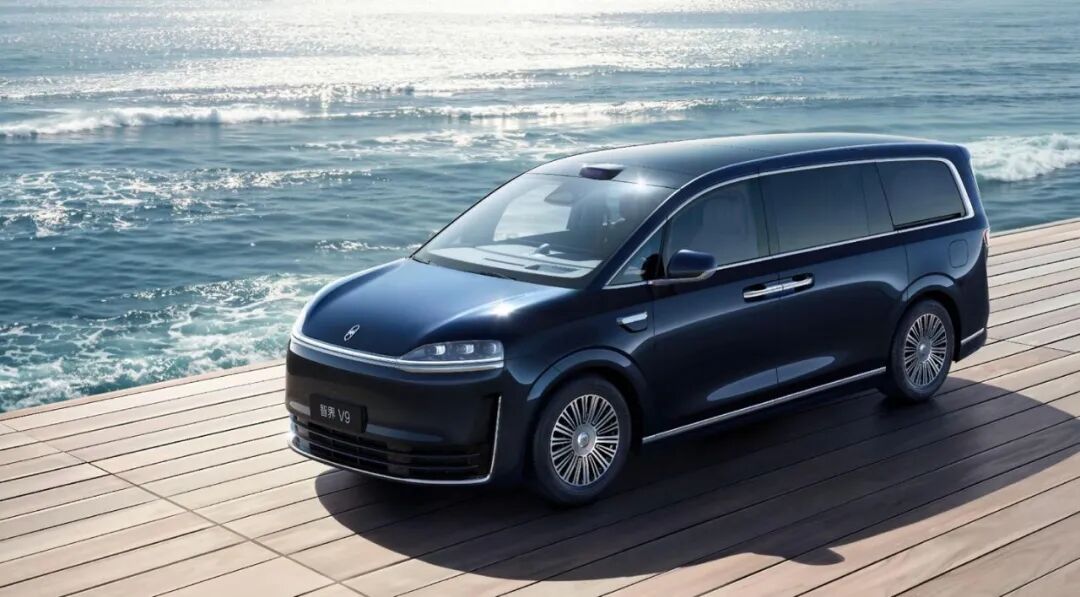
The MPV segment saw a sharp 18.7% year-on-year decline in September, but the top performers were red-hot. The Luxeed V9 topped the charts with 8,312 units sold, followed by the Sienna with 6,581 units, while the Voyah Dreamer and Denza D9 took third and fourth places, respectively. Meanwhile, the once-hard-to-get Buick GL8, with its fuel version selling just 2,327 units, fell out of the top ten. Among the top five MPVs, domestic new energy models occupied three spots. This segment, once a profit cow for joint venture brands, is now being steadily eroded by domestic new energy players.
In September's auto market, domestic brands relied on pure electric vehicles and overseas expansion to capture growth, while joint venture brands resorted to price cuts to defend market share but saw their profits squeezed. Among the new energy players, internal rankings accelerated their reshuffling. In this phase of intense inventory competition, the key isn't who runs the fastest but who can hold on when profits are elusive, waiting for rivals to fall first. How long can joint venture brands sustain with a 1% profit margin, and which new energy player will be the next to drop out? The answers to these two questions may become clear before year-end.
-
![]()
Is Fan the Only Option for Laptop Cooling Systems?
-
![]()
What is the role of language in autonomous driving VLA?
-
![]()
Why Does Apple’s Foldable Screen Feel So Uninspired, Even as a Late Entrant?
-
![]()
How Did the iPhone 18 Pro Conceal Face ID Beneath the Screen?
-
![]()
Qualcomm and Huawei Are Becoming Inseparable Partners
-
![]()
Why Are Automakers Embarking on Realignment: Insights from Geely-NIO to FAW-GAC Collaborations?
-
![]()
How Did iPhone 18 Pro Hide Face ID Under the Screen?
-
![]()
September Auto Sales Data Unveiled: BYD and Leapmotor Surge Ahead, New Energy Players Reshape the Market!