Changan Automobile Takes Action: What Lies Ahead for Deepal and Avatr?
 10/08 2026
 544
544
Author | Guanchejun
Changan Automobile has finally made a strategic move concerning its two key players in the new energy vehicle sector: Deepal and Avatr.
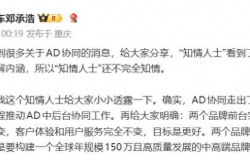
On September 29, amidst widespread rumors about the potential integration of the two brands, The Paper secured an exclusive confirmation from Changan officials. Changan has officially set up a top-tier core department, the AD Collaborative Development Department—an acronym derived from Avatr and Deepal—to specifically oversee and foster strategic collaboration between the two brands.
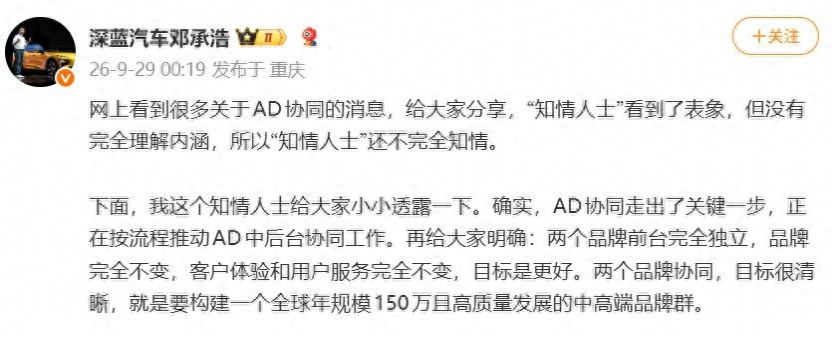
Contrary to what many believed, Deepal and Avatr are not merging. However, from Guanchejun's perspective, the strategic rationale behind this move is quite intricate.
01
Changan's initial market segmentation was well-defined: Deepal was positioned in the mainstream family market, with prices ranging from 100,000 to 200,000 yuan, focusing on sales volume, scale, and establishing a solid market foundation. Avatr, on the other hand, targeted the high-end intelligent vehicle segment, priced around 300,000 yuan, aiming to elevate the brand and command premium pricing.
However, the challenge lay in the two independent and comprehensive middle and back-end systems, which had been operating separately and duplicating efforts for years, resulting in a significant drain on resources.
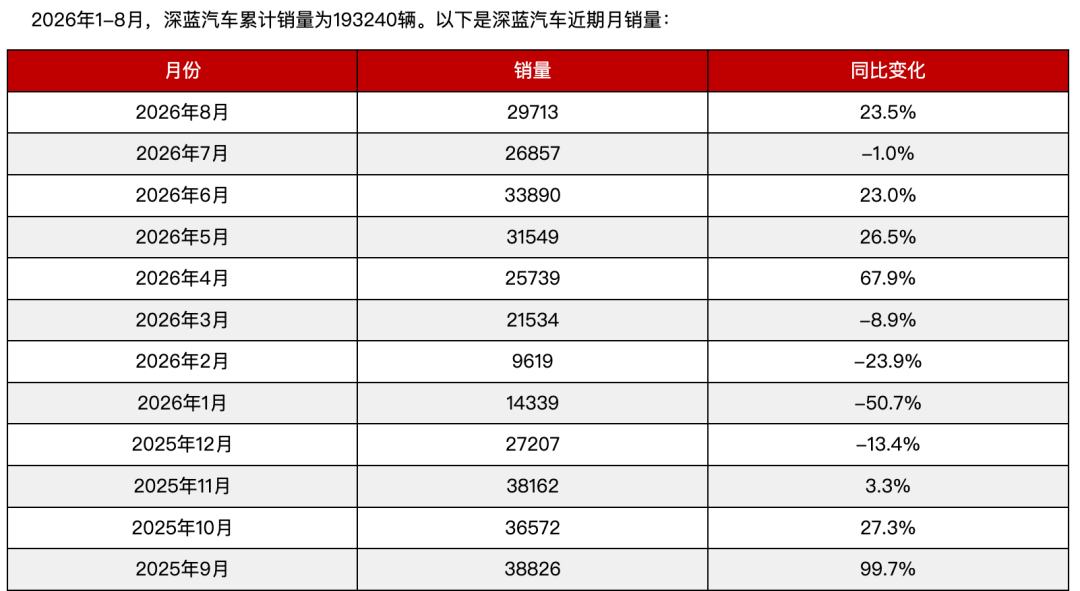
In terms of sales performance, Deepal's global sales from January to August exceeded 222,000 units, showing a modest year-on-year increase of 11.77%. While this appears stable, the growth is primarily driven by overseas markets, with negligible growth in the domestic market and even a month-on-month decline in sales in August.
Avatr's situation is even more precarious, with only 27,600 units delivered in the first half of the year, a year-on-year decline of 50%. The completion rate for its annual target of 220,000 units set at the beginning of the year stands at a mere 12.6%, and cumulative losses from 2022 to 2025 have surpassed 11 billion yuan.
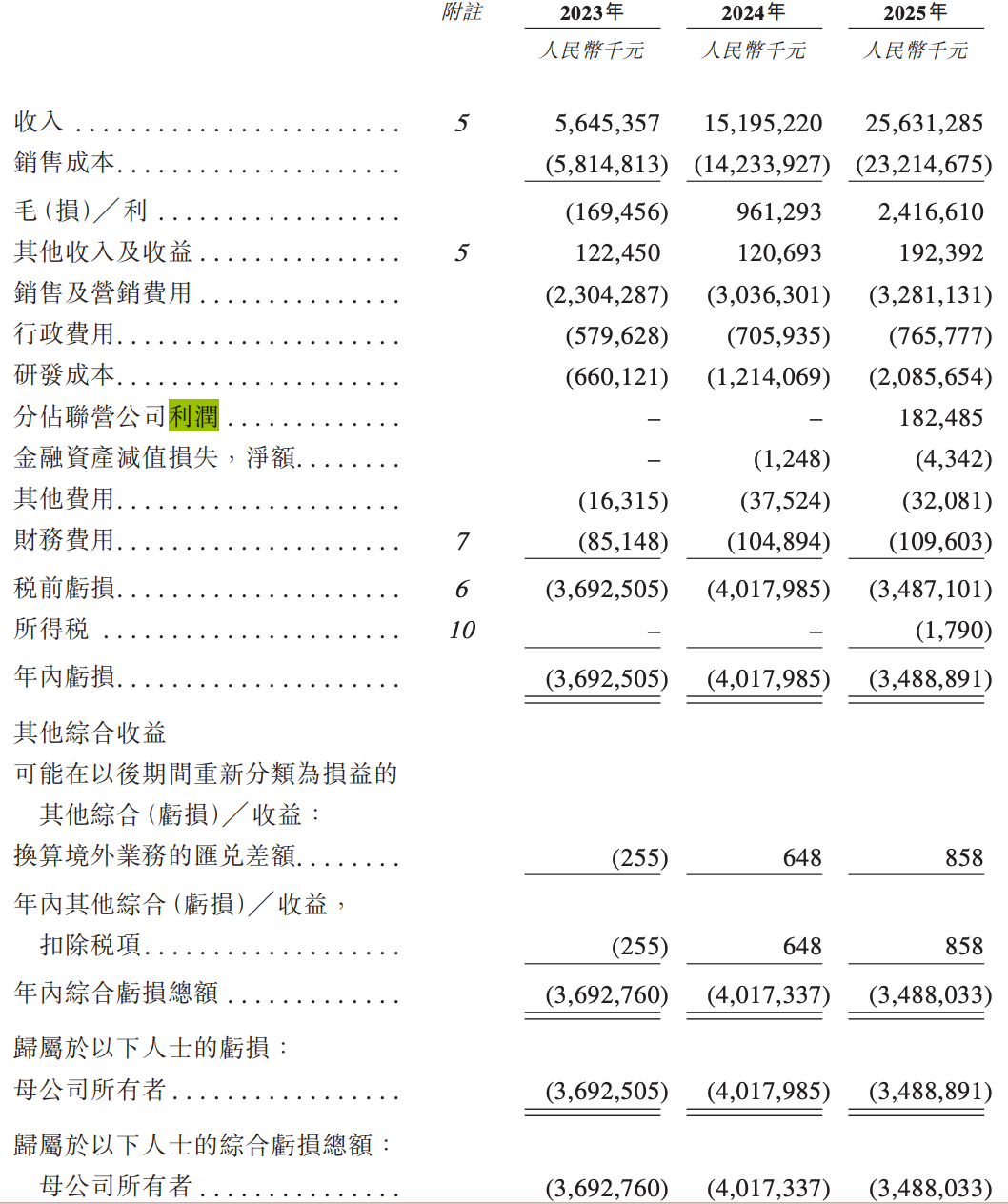
With persistent financial losses and sluggish sales, it is evident that this situation is unsustainable in the long run. In Guanchejun's opinion, this is also the primary reason for the swift establishment of the AD Collaborative Development Department: to enhance efficiency for profitability and curb losses through integration.
02
This collaboration brings at least two significant advantages. Firstly, it will eliminate internal friction and revitalize resources. The saved funds can be reinvested in core areas such as intelligent technology and new vehicle development, ensuring that money is allocated where it matters most.
Secondly, technologies from both the high-end and low-end markets will complement each other, addressing respective shortcomings.
Avatr possesses the core technologies of Huawei's advanced intelligent driving and the CHN high-end platform. However, its weaknesses lie in inadequate production capacity, high costs, and challenges in scaling up.
Deepal, on the other hand, boasts a mature mass-production system, a stable supply chain, and excellent cost control capabilities. Yet, its shortcomings include insufficient intelligence and a low brand ceiling.
After collaboration, the path forward becomes clear: Avatr's high-end intelligent technologies will be appropriately decentralized to upgrade Deepal's cabin and intelligent driving configurations, helping Deepal shed its "low-price, low-configuration" image.
Conversely, Deepal's mass-production capabilities will support Avatr, optimizing production processes, sharing manufacturing costs, and alleviating the pain points of high costs and difficult deliveries for high-end models, creating a virtuous cycle of "high-end enhancing technology and mass-market enhancing quality."
03
However, as the saying goes, "The best-laid plans often go awry," and perfect implementation comes with inherent risks.
Currently, there are conflicting demands between the two brands: Deepal prioritizes extreme cost control and scaling up for volume, while Avatr emphasizes high-end investment and technological innovation. In Guanchejun's view, successfully coordinating these demands will test the management's capabilities.
Regarding personnel arrangements, Guanchejun notes that this setup is a powerful combination: Deng Chenghao, Chairman of Deepal, also serves as the General Manager of the AD Collaborative Department, while Chen Zhuo, President of Avatr, serves as the Executive Deputy General Manager. Additionally, Avatr recently underwent a leadership change, with comprehensive adjustments to its management team.
These two executives represent the team interests and performance goals of Deepal and Avatr, respectively.
Finally, from the perspective of the entire automotive industry, since GAC's investment in FAW Toyota, a significant industry consolidation has already commenced. In this context, the collaboration between Deepal and Avatr is simply following the trend.
As the industry transitions from price wars to efficiency wars, ending internal friction is crucial for all automakers to survive. Changan's proactive self-correction and courage in taking this step are commendable, as it can indeed reduce costs, curb losses, and optimize operational efficiency in the short term.
However, as Guanchejun mentioned earlier, organizational reform can only address efficiency issues, not the core competitiveness of products and brands. Whether the funds saved from cost reduction can be truly converted into product innovation and technological advancement capabilities remains to be seen over time.
The charts in this article, unless otherwise stated, are sourced from public disclosures through various channels. We hereby acknowledge and express our gratitude! The views expressed in this article are for reference only and do not constitute investment advice.
This article is original content from Leverage Auto Observations and is prohibited from being reproduced without authorization. If you wish to reproduce it, please obtain authorization. Additionally, when reproducing with authorization, please indicate the source and author at the beginning of the article. Thank you!
-
![]()
After Testing ChatGPT dot, I Understand Why Big Companies Must Develop Personal Agents
-
![]()
SAIC Surpasses BYD! Automakers' 2026 Yearly Goals Prove to Be a Daunting Task
-
![]()
Leapmotor Surges Ahead! Li Auto and HiMo Harmony Intelligent Travel See Declines, September’s New Energy Vehicle Market a Blend of Triumph and Challenge
-
![]()
SERES and Huawei Make a Dramatic Shift! AITO Launches Ultimate Evolution Strategy
-
![]()
Changan Automobile Takes Action: What Lies Ahead for Deepal and Avatr?
-
![]()
World Model Track: Who's Consolidating, Who's Breaking Through?
-
![]()
AI Self-Generation: The Dawn of a New Era
-
![]()
Musk Changed the Name Again, But This Time It's No Simple Matter