China’s Auto Show Offensive in Paris: More Than Just Bigger Booths
 10/13 2026
 548
548
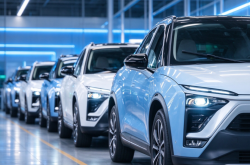
At the 2026 Paris Auto Show, a record-breaking 20 Chinese automotive brands made a unified appearance. According to Reuters, this figure not only doubled the number from 2024 but also accounted for nearly one-third of all participating automakers, marking a significant milestone in the global auto industry.
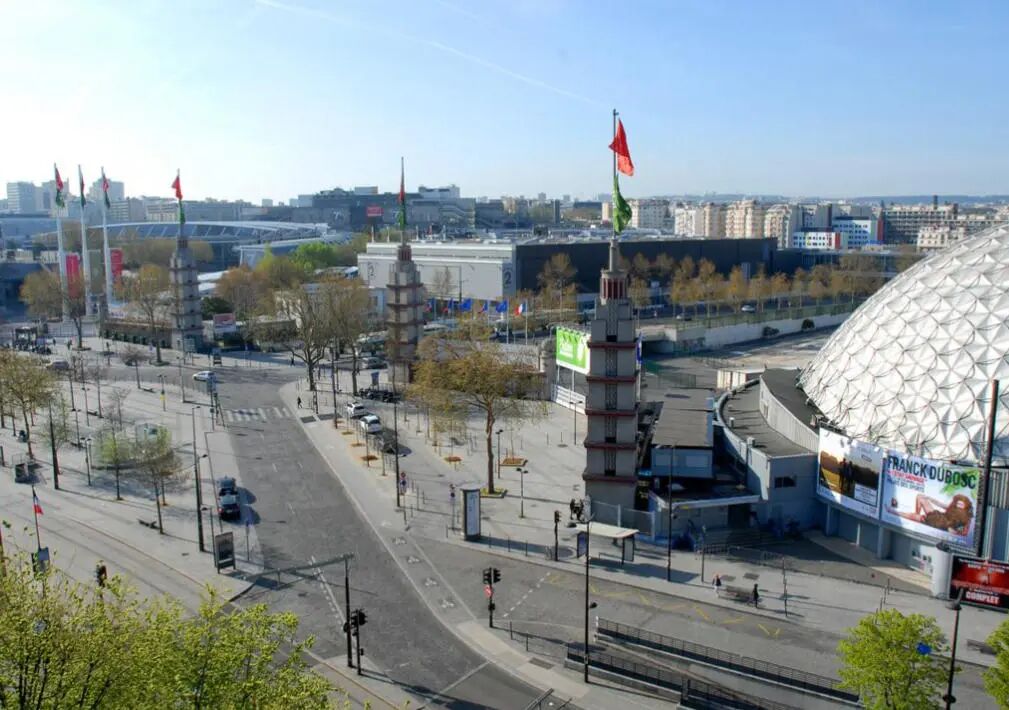
Some observers suggest that German and French automakers have been reduced to secondary players, a viewpoint supported by data but deserving of deeper scrutiny. A larger exhibition presence does not necessarily translate into greater market penetration. The true measure of success lies in the pricing strategies, channel distribution, progress in localized production in Europe, and the actual reception by the European market.
Product Pricing Reflects Clear Market Segmentation
Contrary to the perception that Chinese automakers in Europe rely solely on low-price competition, the reality is more nuanced.
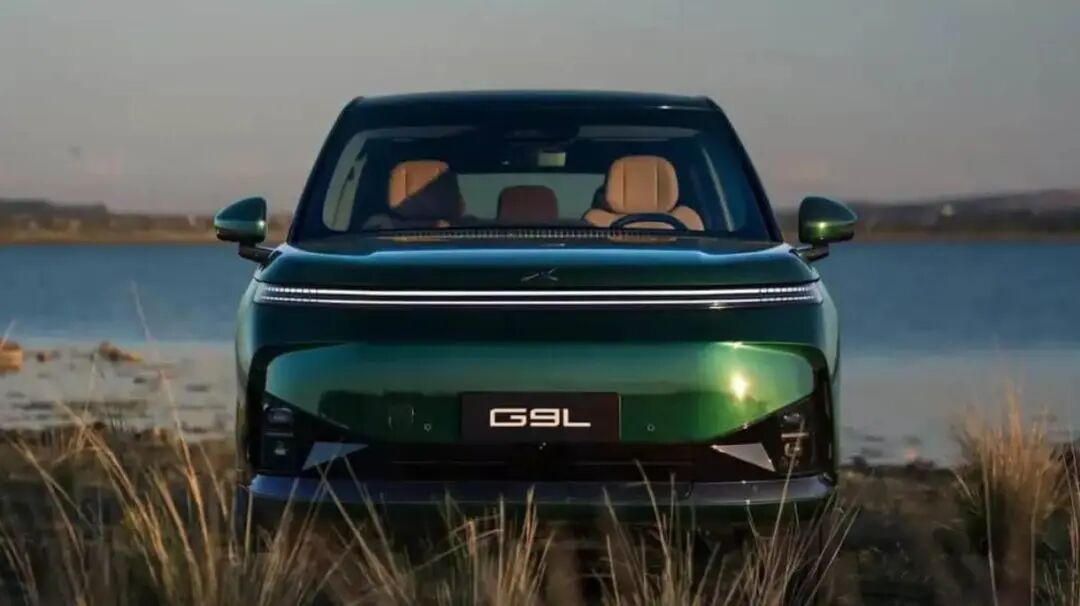
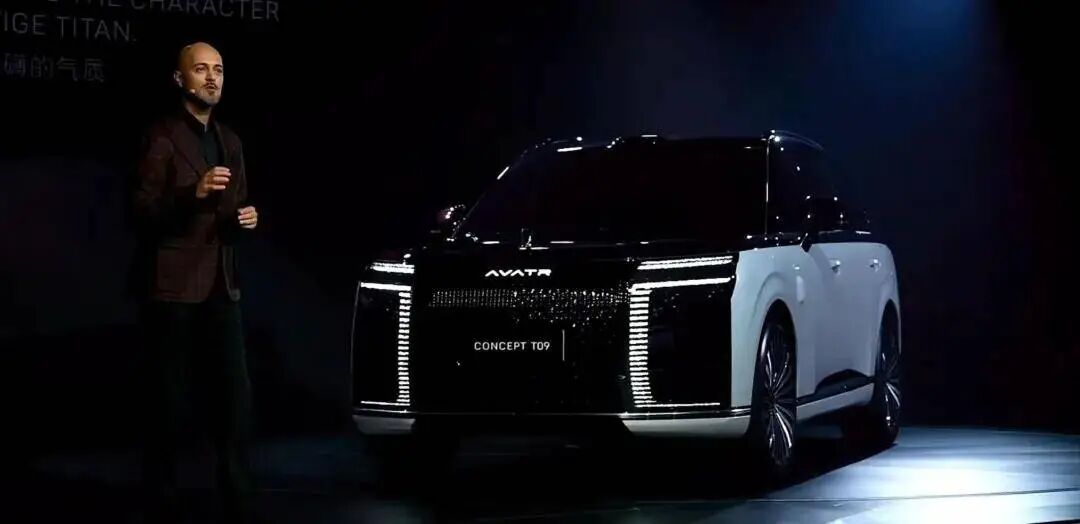
Announced pricing reveals a wide spectrum: BYD’s Seal 6 DM-i starts at €29,950 in Belgium, XPENG’s G9L at €74,990 in France, and DENZA’s Z9GT debuted at the Paris Opera with a starting price around €115,000. AVATR’s T09 concept, a luxury SUV priced over €70,000, also made its global debut, with plans for an official launch within the year. Chinese brands now span a price range from €30,000 to over €115,000, making the term “low-price” an oversimplification.
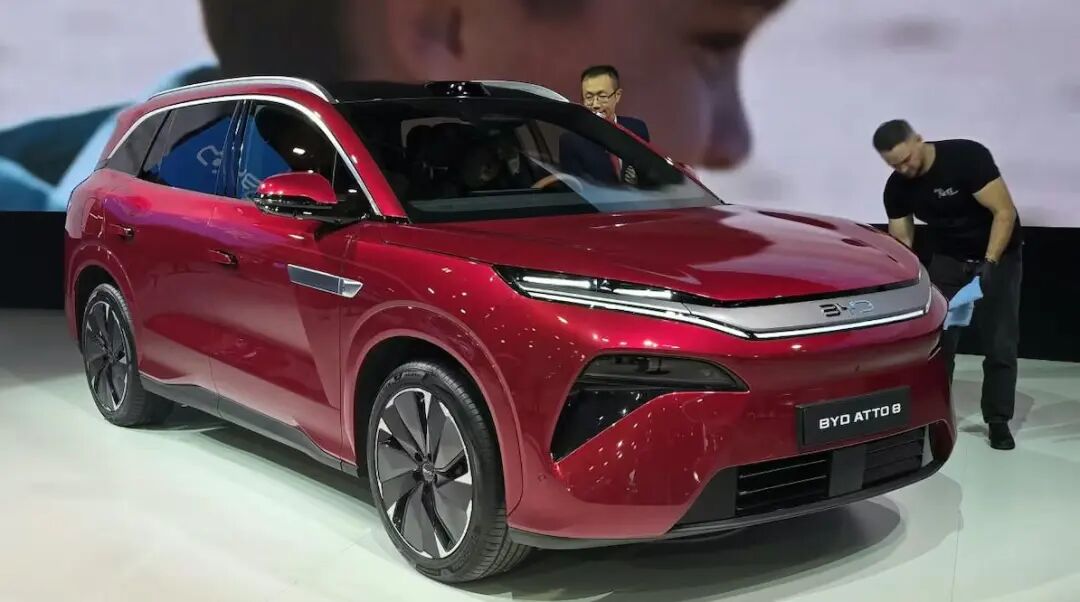
Notably, the EU has imposed anti-subsidy tariffs on Chinese-made battery electric vehicles (BEVs), while plug-in hybrid electric vehicles (PHEVs) face only a standard 10% tariff. This has prompted Chinese brands to showcase a record number of PHEV and extended-range models at the Paris Auto Show. BYD featured the ATTO 8 and its super hybrid lineup, while Geely and Chery prioritized PHEVs in their displays.
Chinese automakers are currently leveraging PHEVs to circumvent tariff barriers while differentiating themselves through smart configurations, forming their pricing strategy in Europe.
Accelerated Localization Efforts
Unlike two years ago, when brand display was the primary focus, Chinese automakers at this show have made significant strides in localization.
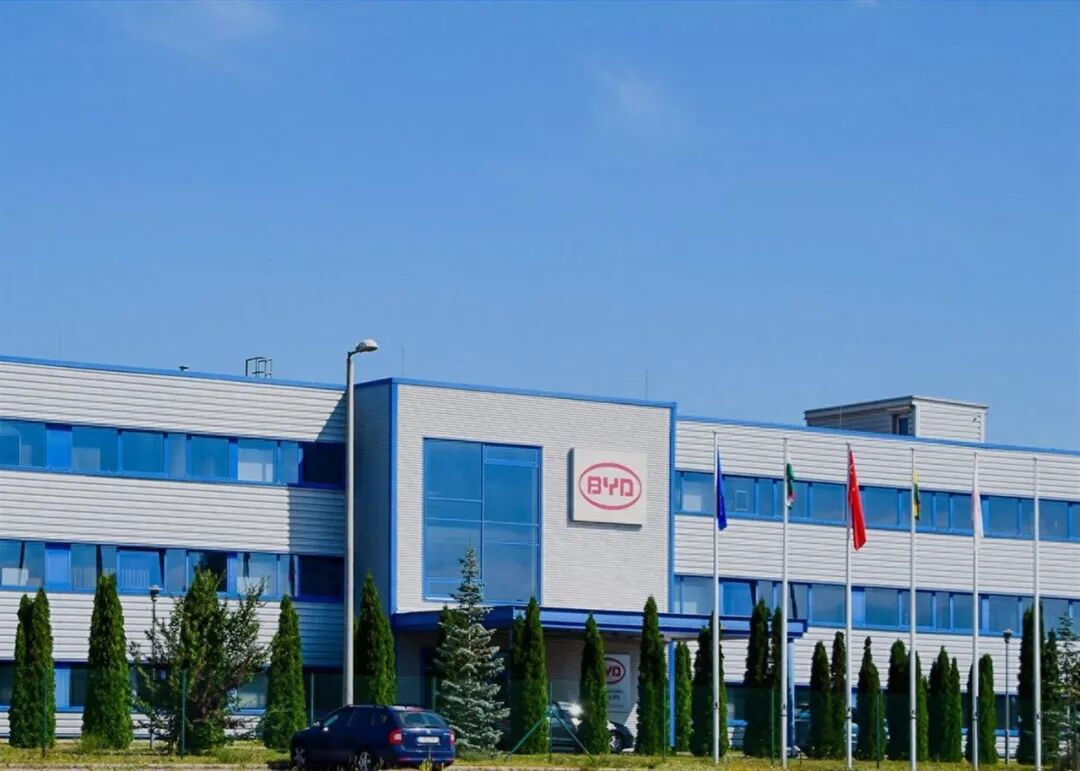
BYD’s first full-process European vehicle plant in Szeged, Hungary, is set to begin assembly in the fourth quarter of this year, with site selection for a second European plant underway—France and Spain being the most feasible options. Geely acquired a 34% stake in Ford’s Valencia plant for €221 million in July, with its Hungarian plant also slated for fourth-quarter production.
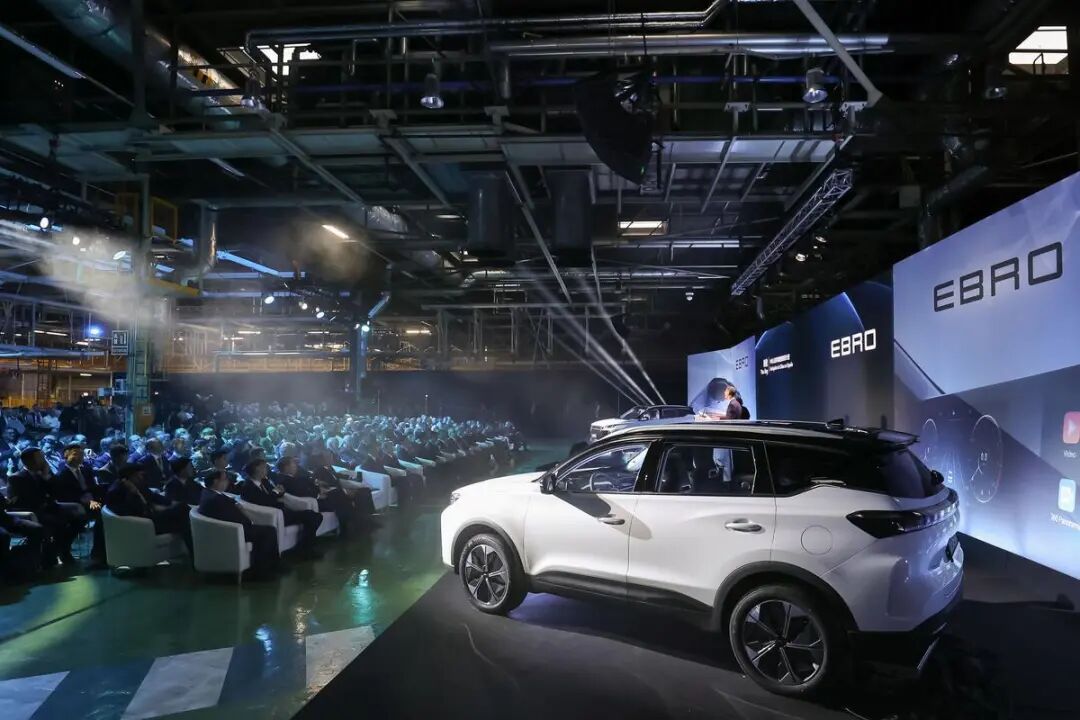
Chery’s joint venture with local automaker Ebro in Barcelona, Spain, has achieved mass production, launching an overseas regional operations center and Spanish research institute in April. Leapmotor is advancing localized production of its B10 model through Stellantis’ Spanish plant, while XPENG produces the G9L via Magna’s Graz, Austria facility, with production set to start in the third quarter of 2025.
In terms of channel construction, nine Chinese brands now hold direct sales qualifications in France: LYNK & CO, ZEEKR, BYD, DENZA, Chery Omoda/Jaecoo, SAIC MAXUS, XPENG, Leapmotor, and LEAPMOTOR. Others are still in the deployment phase.
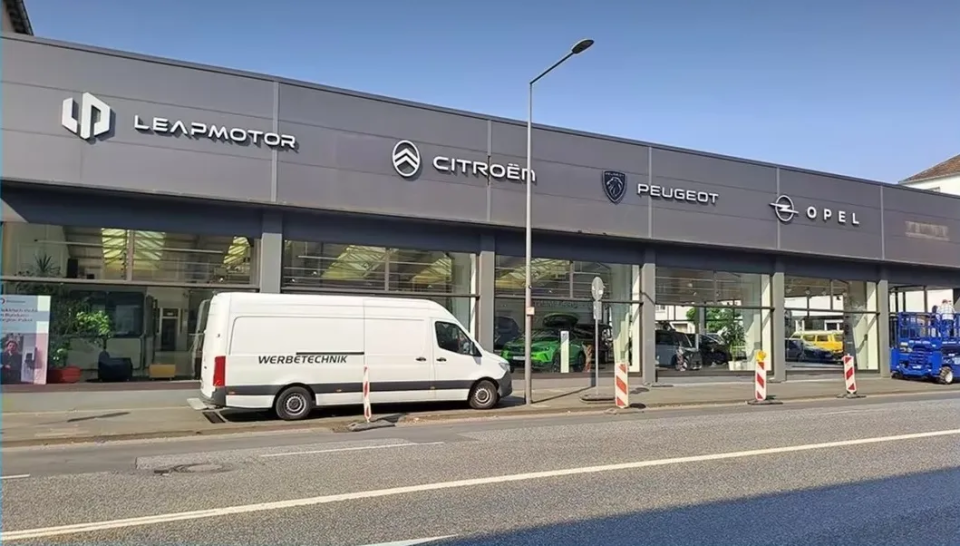
DENZA plans to cover over 30 European countries by late 2026, establishing more than 150 retail stores. GAC has set a longer-term goal of full European market coverage by 2028, with its European transit warehouse completed in 2025. From vehicle exports to local manufacturing, and from dealer dependence to self-built service networks, Chinese automakers’ European operating models are undergoing a structural transformation.
Changing European Consumer Attitudes
Market data reflects this evolving trend. According to Schmidt Automotive Research, Chinese brands captured 10.7% of the European market in the second quarter of 2026, doubling from 5.7% year-on-year and surpassing Japanese brands. In Western Europe’s PHEV market, Chinese brands now hold over a 26% share, up from just 2.2% two years ago.
The European market’s response is multifaceted. This Paris Auto Show featured its first intelligent assisted driving test rides on public roads, with invitations extended to all exhibitors. Only XPENG and Tesla participated, while European automakers collectively abstained.
France’s largest broadcaster, after test-riding XPENG’s model, praised its smooth performance in Paris’s complex traffic. European media reflected on whether local automakers lag behind Chinese and U.S. firms in intelligent driving. OICA Secretary-General Rudy argued that Chinese brands have revitalized the once-quiet Paris show, warning that non-participation signals a fading brand presence in Europe’s market.
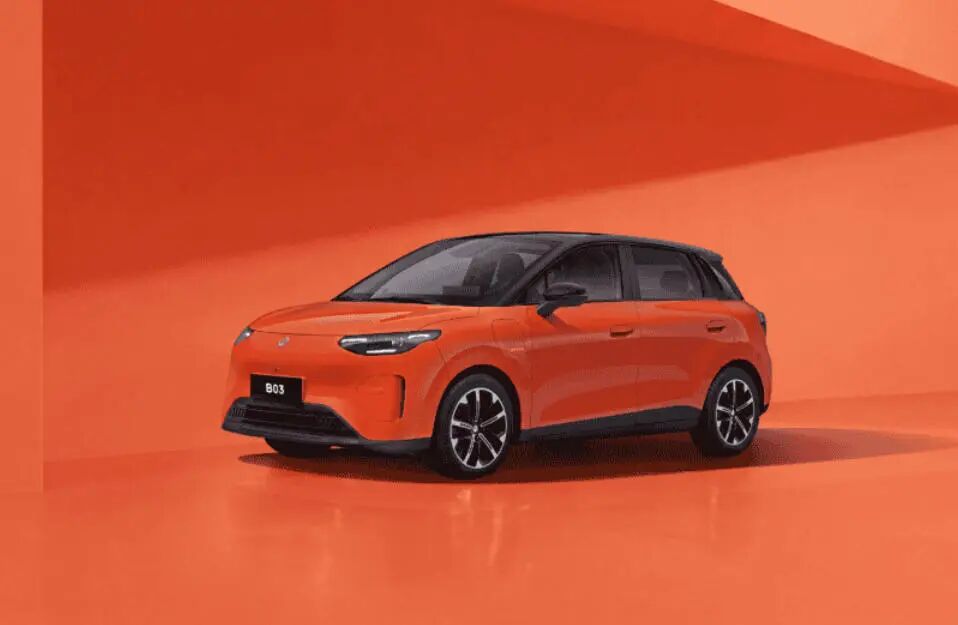
Consumer-level changes are equally evident. A survey by an international management consultancy found that over 50% of European respondents were willing to switch to Chinese brands. One European consumer noted that the cost-effectiveness of Chinese EVs was most appealing, offering unmatched smart features at similar budgets compared to European models, which often require costly optional upgrades. With high fuel prices straining household budgets, he emphasized practicality over brand sentiment.
Europe’s Proactive Response
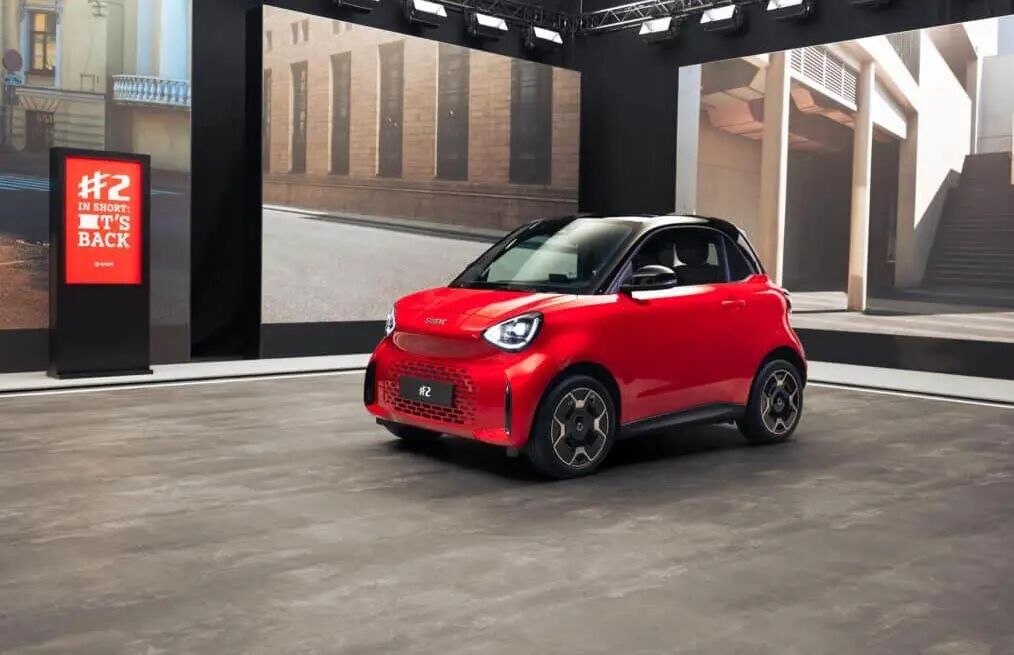
Europe is responding proactively. The EU is pushing for tariffs on Chinese PHEVs and drafting “Made in Europe” rules requiring minimum local content for subsidies and government contracts. Citroën revived its 2CV concept at this show, aiming to reclaim the entry-level market with nostalgia and affordability. Policy barriers and brand counterattacks will pose long-term challenges for Chinese automakers in Europe.
Overall, claims that “German and French automakers have been reduced to supporting roles” lean more toward emotional rhetoric than accurate market assessment. Chinese brands indeed gained greater visibility, media attention, and market share at this Paris show, but European automakers’ century-old brand recognition, supply chains, and policy influence won’t vanish overnight.
The more pertinent questions are whether Chinese automakers can convert exhibition enthusiasm into sustained sales growth, localized capacity into genuine market competitiveness, and smart advantages into long-term European consumer trust. This competition has just entered deep waters—far from any conclusive stage.
-
![]()
Who is Taking Away the Profits of Car Companies: Battery or Intelligent Driving?
-
![]()
Tencent Successively Discontinues Two AI Agents
-
![]()
Has the Brake Pedal of JAC Motors Really Broken? The Market Will Teach Every Automaker with 'Fatal Flaws' a Lesson
-
![]()
Changsha’s Emerging Powerhouse in Computing: Cancels RMB 3 Billion Contract!
-
![]()
Production Capacity Can’t Keep Up with Orders! This Optical Enterprise Soars 449% on Debut
-
![]()
Q3 Report | Yuanjie Technology's Net Profit Expected to Surge Fivefold, Transitioning from 'Shortage Dividends' to 'Delivery Challenges'
-
![]()
The Computing Power Price War Hits Silicon Valley
-
![]()
The AI Office Sector is Forming a 'Three-Pillar' Landscape