Geely's 'Resilience': A Testament to Adaptive Strength
 10/19 2026
 503
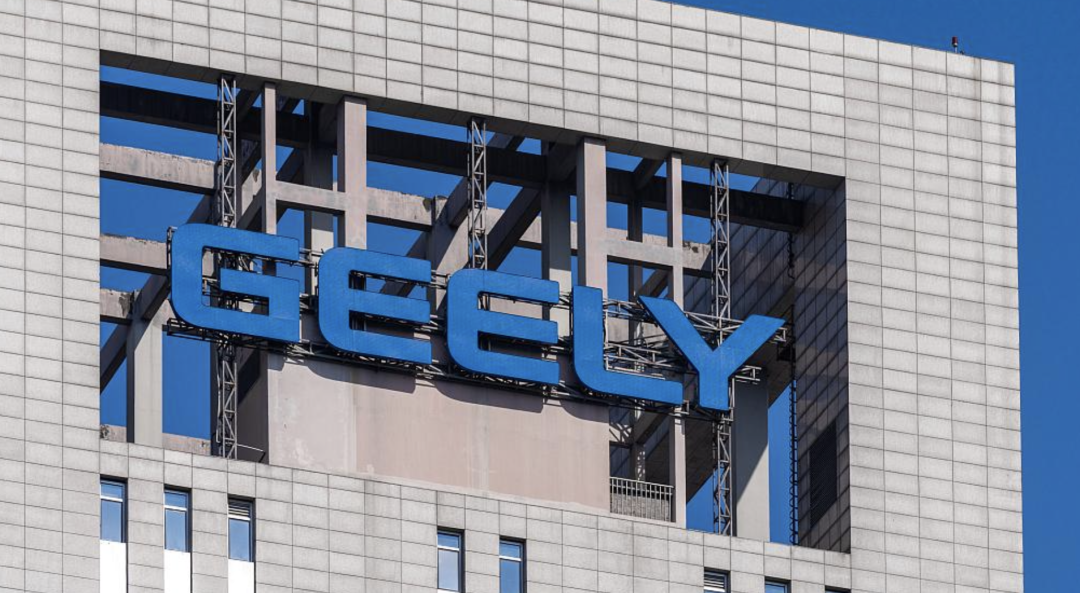
On October 15, Geely Holding Group released its sales figures for the first three quarters of this year. The cumulative sales reached 3.0026 million units, setting a new historical record for the same period, with 1.7926 million units being new energy vehicles, marking a year-on-year increase of 12.6% and a penetration rate of 59.7%.
While these numbers might typically elicit cheers, I see them as a testament to the company's resilience and the arduous journey it has undertaken.
The challenge? It lies in bucking the trend and defying market expectations.
Consider this: amidst a market decline exceeding 20%, Geely's record-breaking cumulative sales are particularly noteworthy. However, the true achievement lies not just in the numbers but in the process—797,700 units exported with a 169% increase, 1.7926 million new energy vehicles sold with a 12.6% increase, and a solid foundation in traditional fuel vehicles.
Geely's task has been to maintain its core strengths during the transition from old to new growth drivers, ensuring structural upgrades while safeguarding its foundation, and achieving mutual support between old and new engines within a stable framework. This is no small feat.
This challenge is aptly encapsulated by the Latin word 'resilire'—resilience.
Management scholar Meyer introduced resilience into organizational management, initiating research on corporate resilience. Scholars generally agree that resilience refers to the ability to quickly rebound and continue growing after being impacted by adverse events. Applied to Geely, this resilience has been transformed into quantifiable market competitiveness.
Editor | Li Jiaqi
Image Source | Internet
1. Geely: The Most 'Structurally Balanced' Company Among Scaled Automakers
The price war triggered by fierce competition has led to significant contraction and restructuring in the Chinese auto market. Consider these figures: from January to September this year, cumulative retail sales of narrow passenger vehicles in China reached 13.334 million units, a year-on-year decrease of 21.7%. In September alone, retail sales were 1.618 million units, a year-on-year decrease of 28.0%, with traditional fuel vehicles plummeting by 49%. These figures represent the largest year-to-date decline and signal the end of the long-standing 'Golden September, Silver October' trend in the Chinese auto market.
The 50% year-on-year decline in traditional fuel vehicles indicates a complete shift in consumer mindset towards automotive purchases and the disintegration of the century-old industrial system of traditional automobiles. However, Geely Holding's cumulative sales in the first three quarters reached 2.235 million units, a slight increase of 3%. Given the domestic retail market's decline exceeding 20%, this positive growth is commendable.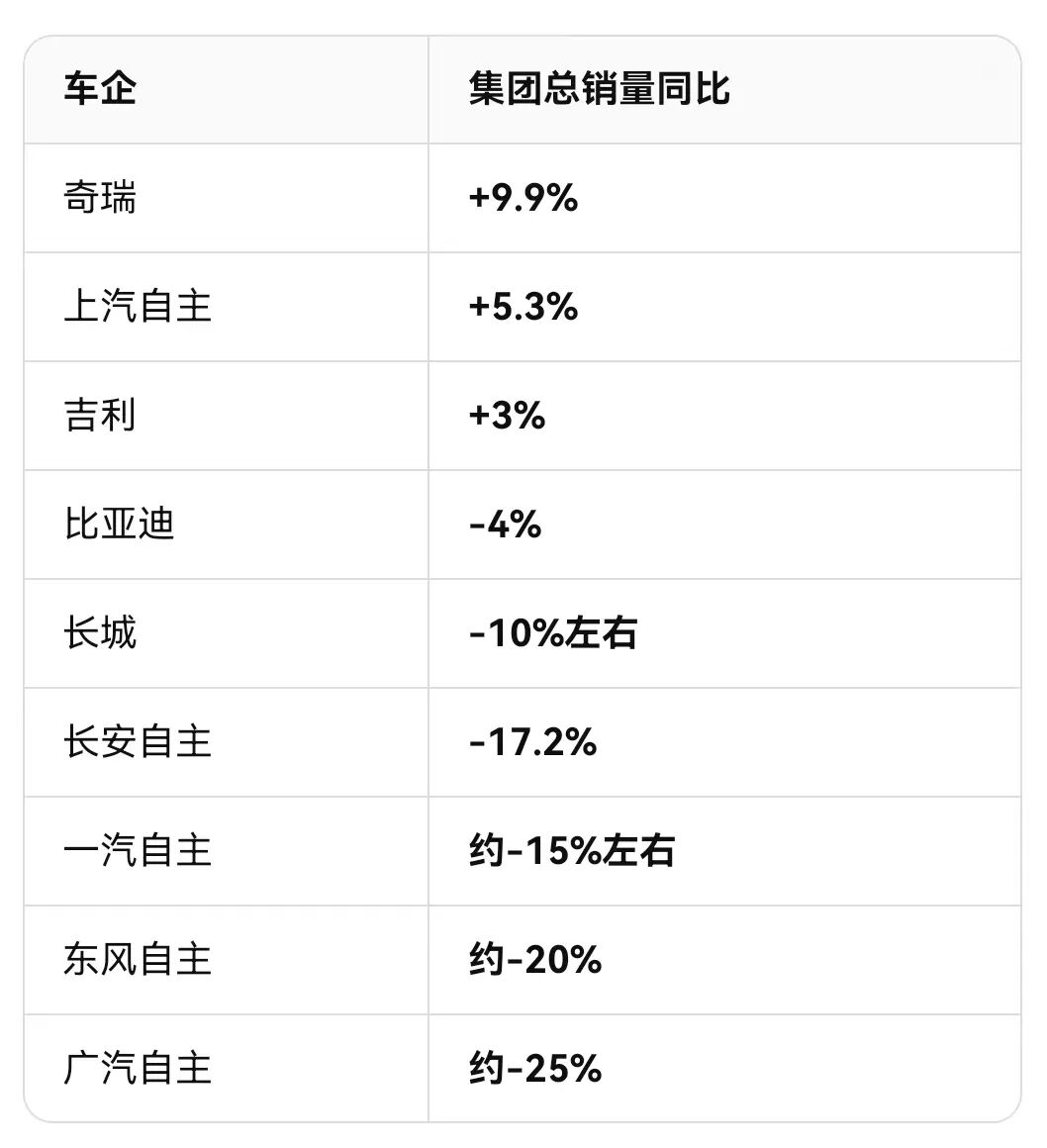
How are other automakers responding? BYD saw a 4% year-on-year decline, while Great Wall Motors experienced a decline exceeding 10%. Except for Chery, which achieved a 9% year-on-year increase through 70% overseas sales, Geely is the only scaled independent brand among major automakers to achieve positive year-on-year growth. Even when including other state-owned brands, Geely ranks among the top three in overall market control.
A deeper analysis of the data reveals that the structural transformation behind Geely's sales is even more noteworthy. In the first three quarters, Geely's China Star series sold a cumulative 873,800 units, securing a leading position in the domestic traditional fuel vehicle market. Geely Galaxy sold 877,200 units in the same period, with a penetration rate nearing 60%. Zeekr delivered 288,400 units, a year-on-year increase of 101%.
It is widely recognized that traditional fuel vehicles provide the cash flow and scale for the company's foundation, while new energy vehicles drive incremental growth and represent the future. Both are indispensable. We observe that Zeekr and Lynk & Co support the high-end market, while Galaxy handles the mainstream new energy volume, forming a 'dual-pillar' structure of scaled brands alongside China Star. Geely's multi-brand strategy avoids internal competition and achieves breakthroughs in each segment.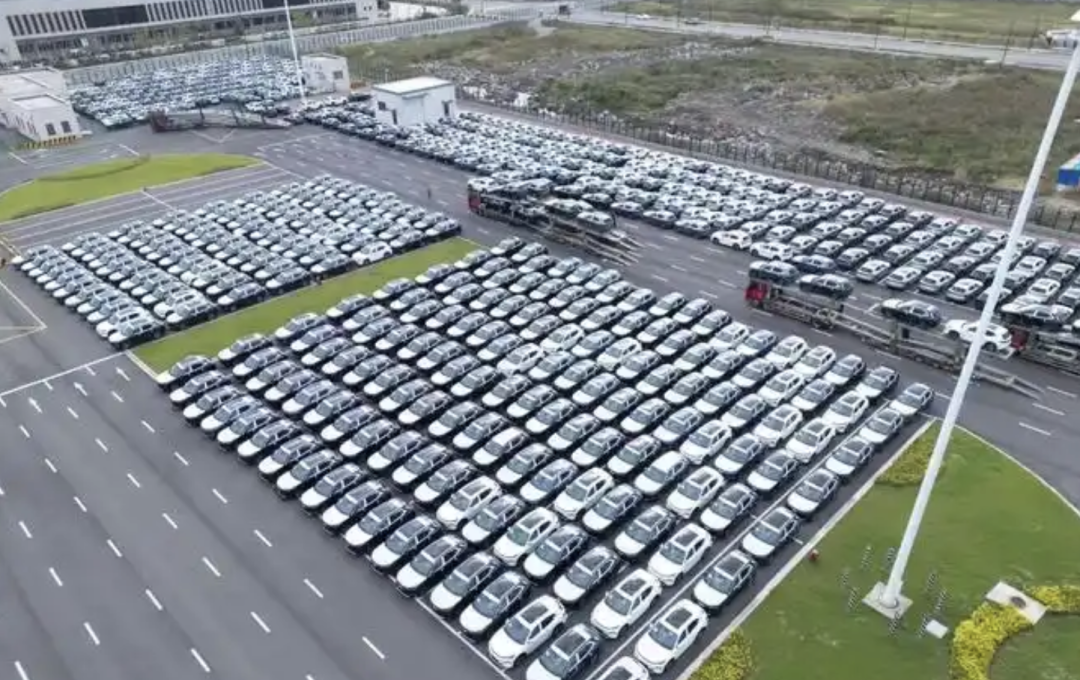
Most importantly, amidst an intensely competitive market and slowing overall growth, Geely demonstrates structural resilience and growth potential through its overseas market layout. As of September this year, Geely achieved over 100,000 monthly exports for four consecutive months, with September's exports accounting for 36.5% of the total monthly sales. In terms of absolute value, Chery's total exports are nearly double that of Geely. However, 70% of Chery's exports are traditional fuel vehicles, relying on established overseas channels and low-price volume sales. Geely's exports, although only 797,700 units, saw a year-on-year increase of 169%, the fastest growth among leading automakers, 2.5 times that of Chery and over four times that of SAIC.
A closer look reveals that Geely's export strategy involves multi-brand collaboration for overseas expansion: Zeekr enters Europe and the Middle East targeting the high-end market, Lynk & Co continues to expand in Europe, Galaxy focuses on volume in Southeast Asia and Latin America, while Volvo and Polestar enrich diversity. This multi-pronged approach ensures Geely has both volume and brand hierarchy domestically and overseas, without relying on a single price range or technology route, enhancing its overall resilience to cyclical risks.
2. Integration Dividends: Geely is Just Beginning to Reap the Rewards
It is evident that Geely's current advantages stem from the release of systemic efficiency brought about by internal integration two years ago. The core value of this integration began to manifest after Zeekr's privatization and Lynk & Co's consolidation. Geely's ability to 'develop against the trend' fundamentally stems from the company being in the phase of reaping the rewards of 'One Geely.'
Typically, in the automotive industry, a strategy is accompanied by three phases of dividend realization: cost reduction, synergy, and systemic and product dividends. In comparison, signs of Geely's cost reduction dividends were evident in last year's financial report. In 2025, with the industry's profit margin dropping to 4.1% and most automakers 'operating at a loss for potential gains,' Geely still achieved a core net profit attributable to shareholders of RMB 14.4 billion, a year-on-year increase of 36%.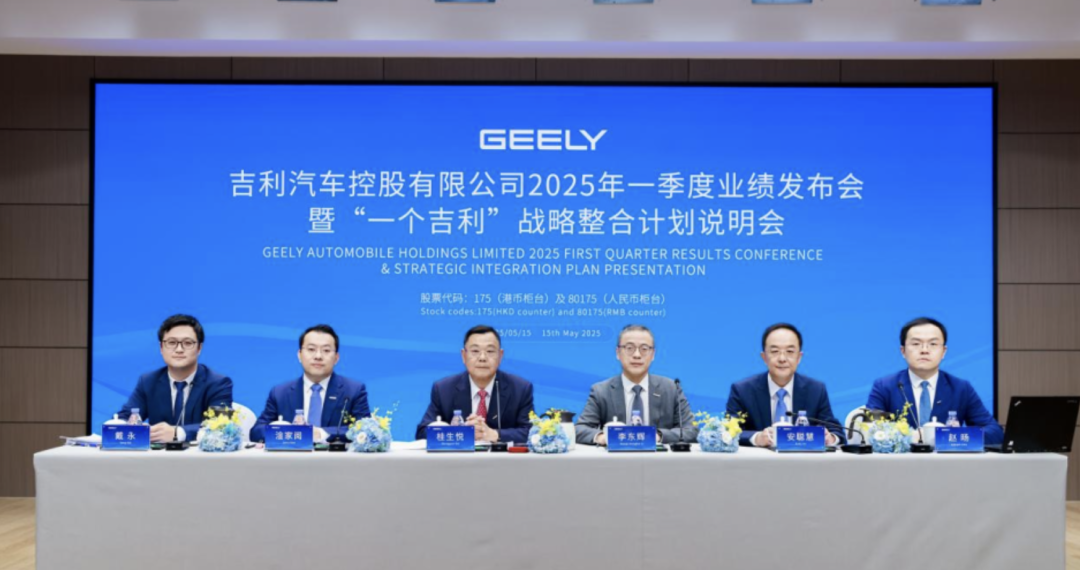
However, the benefits of this cost reduction phase ultimately stem from 'integration' leading to cost savings. This is most evident in the financial report, where administrative expense ratios were suppressed below 1.9%. It is important to note that the primary characteristic of the cost reduction dividend phase is the one-time release of efficiency, which is not unlimited. Further cost-cutting could cause significant harm. Therefore, it is crucial to swiftly transition to synergistic effects after this phase to rely solely on pure product competitiveness for growth. In other words, Geely's synergy truly began this year.
As a result, we observe that since this year, Geely has reused the SEA architecture and Thunder Hybrid technology across all brands in R&D and achieved cost dilution through centralized procurement. However, I believe the most critical move in this phase was the establishment of the Sales Headquarters in August 2026, consolidating the sales companies of China Star, Galaxy, Lynk & Co, and Zeekr under unified group scheduling. After all, organizational integration is far more challenging than equity integration.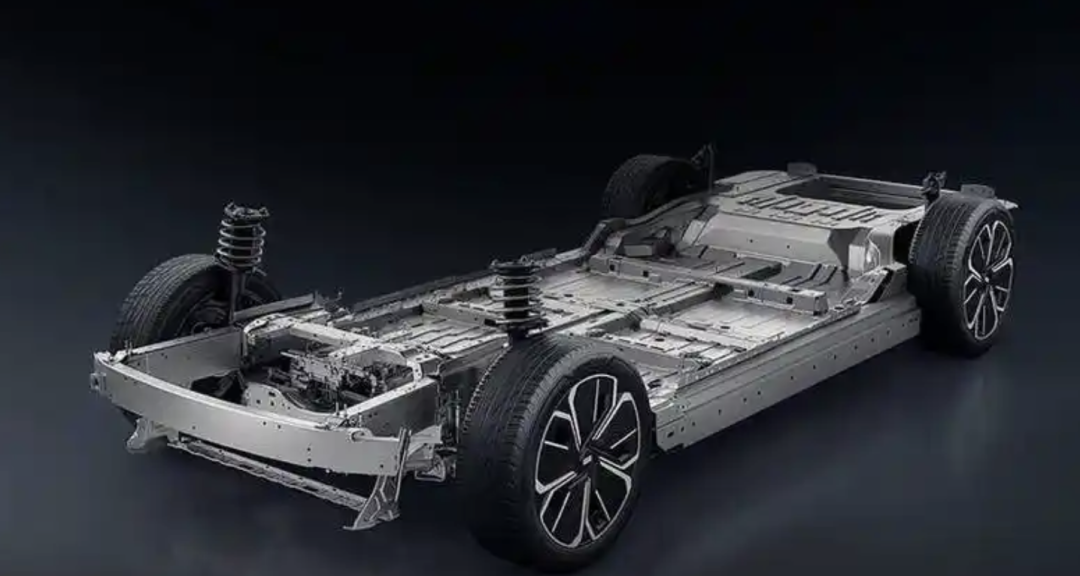
We know that sales companies manage resource allocation: determining which cities need additional dealerships, assigning leads to specific brands, and allocating marketing budgets—all meticulous tasks. For Geely, this necessarily involves restructuring the original business processes, information systems, and performance evaluation systems of each brand, incurring short-term integration costs. Li Shufu mentioned at the Chongqing Forum the need to 'orderly shut down, merge, or transfer redundant entities and concentrate superior resources to strengthen core platforms.' An Conghui also stated at the interim results meeting the intention to 'reduce unnecessary internal transactions and duplicate construction.'
While goals and actions may seem aligned, they often differ significantly in practice. In a fiercely competitive market environment, Geely has never been immune to challenges. In 2026, the average profit margin in vehicle manufacturing was only 1.5%, a near-decade low, with the industry's total profit declining by 19.5% year-on-year. If Geely's strategic implementation merely followed a one-size-fits-all approach, it would undoubtedly fail to adapt and yield no results. Therefore, Geely's appointment of Fan Junyi exemplifies its strategy to leverage Galaxy's channel efficiency and scale advantages to boost Lynk & Co.
As Geely's pivotal high-end brand, Lynk & Co has increased its new energy vehicle proportion but still needs to boost sales volume. Galaxy has a vast customer base, but its traffic dividends cannot directly benefit Lynk & Co. By having Fan Junyi, the executive deputy general manager, oversee both brands, the goal is to open a user flow channel and use the 'Geely' brand to dominate the new energy consumer mindset in the market.
However, truth be told, this integration process is not easy. So far, the Sales Headquarters has been established for only two months, with ongoing challenges in merging channels, connecting user data, and redesigning performance evaluations. Nevertheless, Geely's strong execution by internal talent has already shown results: in September, Lynk & Co's sales increased by 8.6% month-on-month from August, Zeekr saw a slight increase, and Galaxy's sales rose by nearly 10% month-on-month. As Fan Junyi often says in meetings, 'Roads are made by walking, and difficulties are overcome by people.'
3. Integration Without Merger Tests Wisdom, Integration With Merger Tests Capability
In the strategic evolution of split integration, Geely is not a lone ranger.
The rise and fall of almost all multinational corporations can be traced within this execution framework. Toyota integrated Daihatsu and Hino in the 1970s and later formed capital alliances with Subaru, Suzuki, and Mazda around 2000, spending decades seeking balance in integration without merger. After the 2009 financial crisis, General Motors retained only four brands, with their boundaries gradually blurring over the following decades. Shortly after Stellantis's establishment, adhering to the principle of not abandoning any brand, it shifted from retaining all to focusing on four within just five years. Thus, history repeatedly proves that integration without merger tests wisdom, while integration with merger tests capability.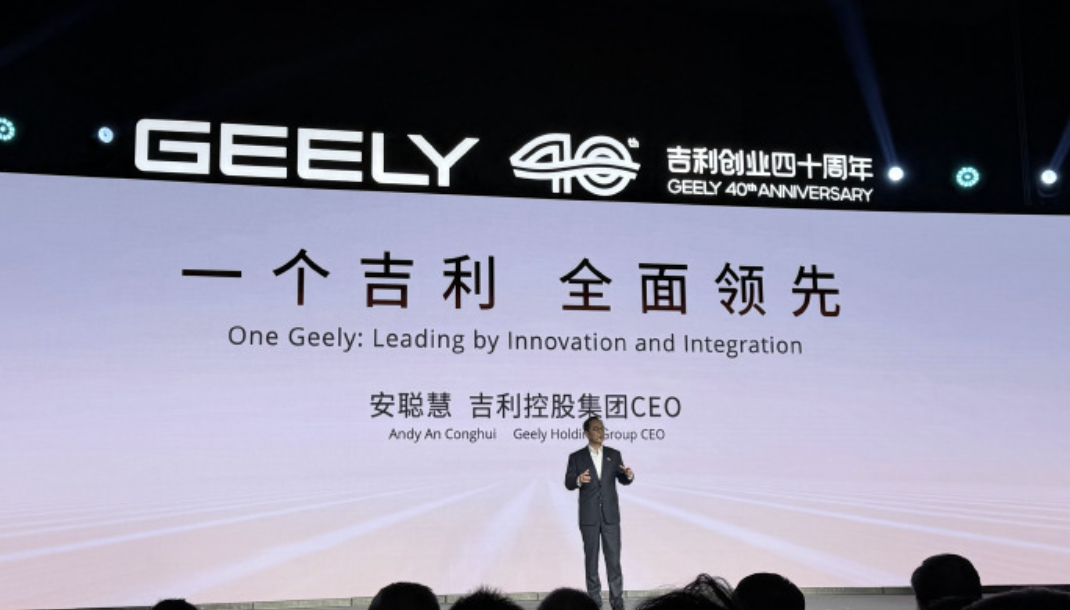
Today, Geely has entered the deep waters of coordinated operations, requiring the company to consider not just local fluctuations but how to efficiently allocate global resources around the goal of 'One Geely.' To date, Geely has expanded to over 100 countries and regions worldwide, with over 1,800 overseas sales and service outlets and over 20 million users. At this juncture, Geely has chosen not to consolidate but to continue coordinating and focusing. This foresight implies that in a downturn, stability is more crucial for corporate development than speed.
At this year's Chongqing Auto Forum, Li Shufu emphasized 'stability' throughout his speech: stable inheritance, stable foundations, and stable strategies. Even in his 'who rides slower and steadier' competition with Zhang Xue on CCTV's 'Dialogue' program, Li Shufu deliberately signaled that 'speed is not the priority; stability is.'
In the first half of this year, the A-share automotive sector collectively lost nearly RMB 900 billion in market value. Capital no longer pre-pays a premium for 'future stories' but revalues based on cyclical manufacturing, focusing on current unit profits, capacity utilization, and operating cash flow. In this environment, 'stability' means two things: the ability to generate cash without external support and avoiding elimination during industry shakeouts. Therefore, speed offers no dividends in the current climate; instead, 'stability' is a rare capability in this era.
As of now, the domestic retail market has declined by 28% in September, with little hope for a rebound in the fourth quarter. Variables such as EU tariffs and carbon tariffs will also impact export profits in the fourth quarter. Therefore, Geely's most valuable asset this year is not its sales figures but the validated model of 'earning more with fewer vehicles.'
It is important to note that once this model is compromised for short-term sales targets, it will be difficult to recover. Therefore, in the turbulent year of 2026, understanding Geely requires looking beyond sales figures and focusing on whether the company can maintain its established profit structure under pressure. Preserving this structure is essential for future coordination; failing to do so would undermine the current transformation narrative. These issues truly test the strategic vision of an international enterprise and represent the necessary process and mindset for China's automotive industry to transition from large to strong.
End
With Knowledge and Style, 'Whoosh'—Let's Go...
-
Smart #2 Sees 3,000 Yuan Price Increase for Order Transfers: Is It the Electric Vehicle Market's Answer to the iPhone Duo?
-
Is 55% of Domestic Computing Power Really Used for Videos and Short Dramas? Doubao Responds
-
![]()
How to Interpret the Data: 61.6% NEV Penetration in September, 24% Retail Decline in Early October
-
![]()
Q3 Report | Hengtong Optoelectronic’s Performance Soars, Achieving Up to 61% Quarter-over-Quarter Net Profit Growth in a Single Quarter
-
![]()
Manus Restarts Independent Operations, Yet Avoids Starting Anew
-
One Photo Suffices for Celebrity Endorsements: Merchants Offer Custom AI Videos from 150 to 1000 Yuan per Minute
-
![]()
Total Investment Reaches 450 Million Yuan! Luke Optical Launches Its First Pilot Production Line for an Annual Output of 20 Million Pairs of Glasses
-
Chery Leads in Auto Exports, But When Will It Dominate the Domestic Market?