BMW Layoffs: Employees Compete to Leave!
 10/22 2026
 417

Layoffs have propelled BMW into the trending topics.
BMW's severance compensation has turned 'being optimized' into a coveted opportunity.
Recently, Germany's Handelsblatt released news that has left workers with mixed feelings: BMW plans to cut approximately 8,000 white-collar jobs by the end of 2027 and has opened a voluntary severance compensation inquiry channel to tens of thousands of employees.
As a result, about 40,000 people flooded the internal HR system simultaneously, causing the server to crash within hours.
It is rare for layoffs to spark a rush akin to a shopping frenzy.

Some employees are eligible for severance compensation of up to €650,000, equivalent to nearly 4.9 million RMB at the current exchange rate.
A senior employee with 12 years of service at BMW could theoretically receive compensation of around €600,000. When the news reached domestic social media platforms, the most common comment in the discussion area was: 'Are you still hiring?'
What everyone envies is the buffer period for life after work ends. Layoffs affect a family's income, and employees are keenly aware of how much the company is willing to shoulder. 
Behind the High Compensation
As early as July 30, BMW announced that it had reached a staff restructuring agreement with employee representatives, which included voluntary severance compensation. The plan to cut approximately 8,000 jobs globally by the end of 2027 was reported by the media. 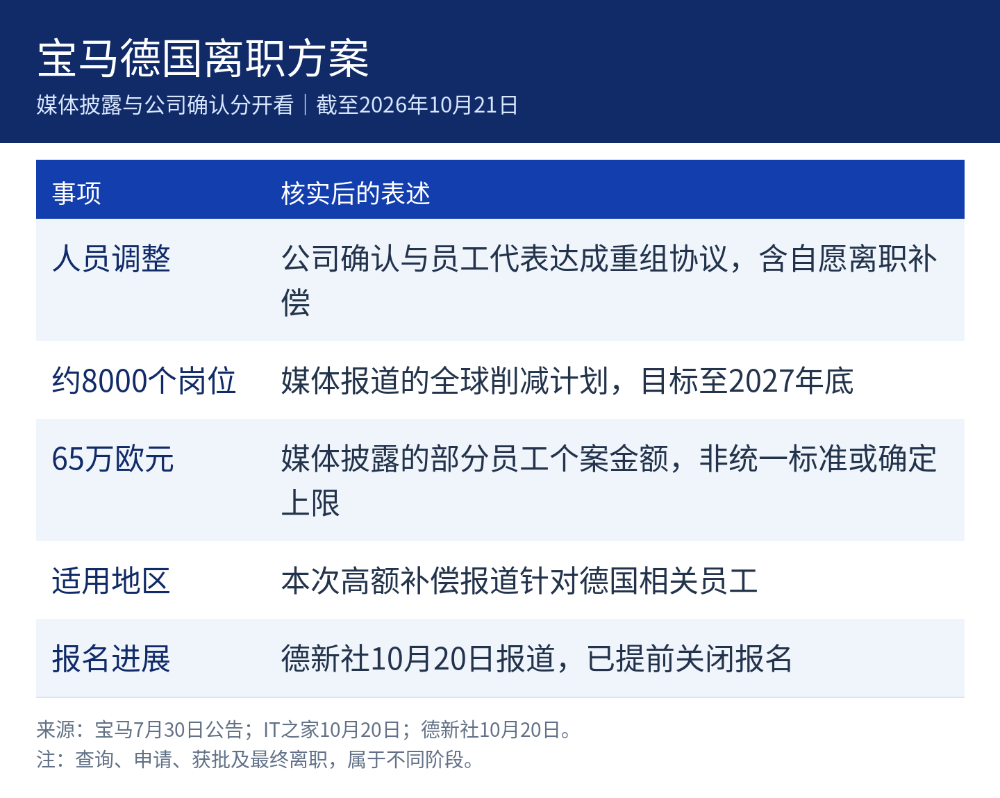
By October 20, DPA reported that BMW had closed the application channel for the German program early due to achieving its targets ahead of schedule. The €650,000 figure represents the compensation amount disclosed by the media for some individual employees, not for all employees. Specific offers vary by individual, and no publicly available formula applies uniformly to all employees. Describing this figure as a standardized compensation or a definite cap would be overly presumptuous.
The German program targets local relevant employees. When domestic readers see this news, they need to distinguish between regions. What policies apply to BMW China employees depends on their respective labor relations and agreements.
Compensation Buys Options
According to reports cited by IT Home, employees can choose to receive their compensation in a lump sum or installments and can allocate part of the funds to arrangements such as pensions. Those who meet certain age and other conditions may also retain some vehicle purchase discounts. Once the money arrives, job searching can be less hurried, and household expenses can be smoothly transitioned. Such arrangements are particularly attractive to employees nearing retirement.
Choosing to leave often means that employees believe the current compensation is sufficient to cover some of the uncertainties they face. The actual decision still depends on after-tax income, family burdens, and reemployment opportunities. While news of high compensation offers is eye-catching, individuals must calculate their own life equations. BMW has made similar transitional arrangements in the past.
In 2020, Interface News (Jimian News) cited a First Financial interview stating that BMW representatives mentioned the group encouraging early retirement for those nearing retirement age, providing financial support for some employees under 25 to continue their studies, and guaranteeing reemployment after graduation. At the time, these measures did not involve the Chinese market. The report did not disclose a standardized cash compensation, but it confirmed that the personnel adjustments included arrangements for retirement and continuing education. It is commendable that the company is willing to consider employees' lives after departure.
BMW Faces Significant Operating Pressures
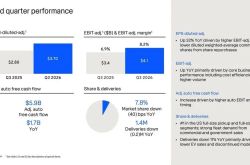
BMW's adjustments are driven by practical business reasons. Official announcements show that in the first half of 2026, revenue was €62.266 billion, down 8% year-on-year; pre-tax profit was €4.045 billion, down 29.4% year-on-year. The automotive business's EBIT margin fell from 6.2% to 3.6%. 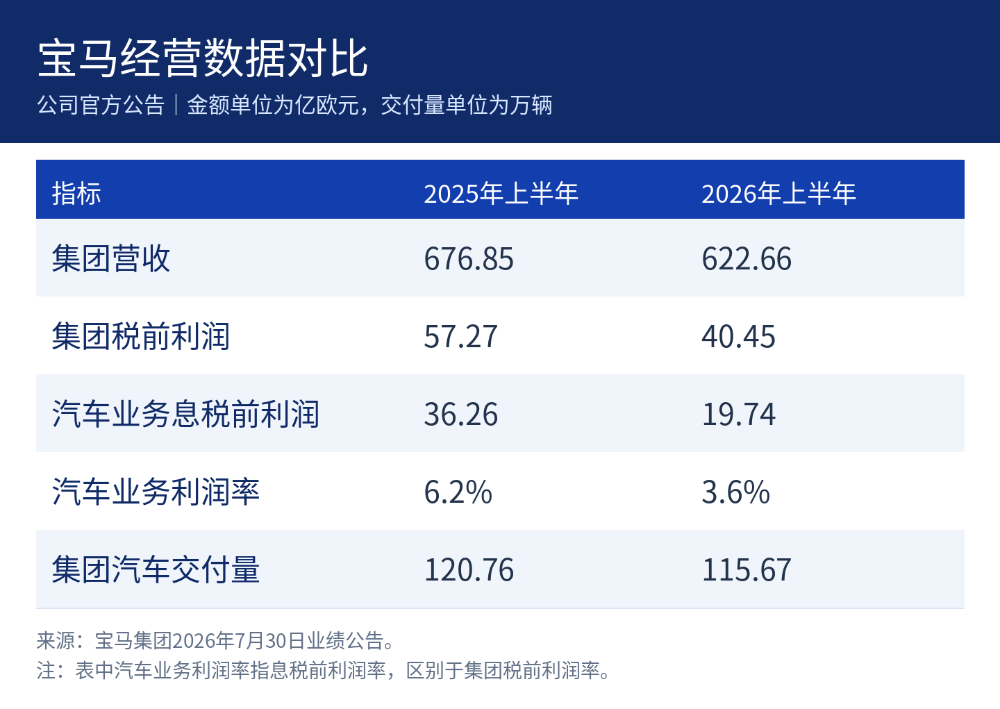
In the third quarter, the group delivered 551,100 vehicles globally, down 6.3% year-on-year; BMW and MINI delivered a combined 114,400 vehicles in the Chinese market, down 24.8% year-on-year. During the same period, the group's global pure electric vehicle deliveries increased by 7.2%. These figures indicate that BMW is facing sales and profitability pressures while also advancing its product transformation.
New vehicle R&D, factories, and sales networks all incur costs. With declining sales, it becomes more difficult to maintain past profit levels with the same organizational structure. Willingness to offer compensation indicates that the company has budgeted for the costs of personnel adjustments. It helps the company reduce future expenses and alleviates the pressure on employees who suddenly lose their income. Both sides have the opportunity to limit losses to a manageable level through negotiation. 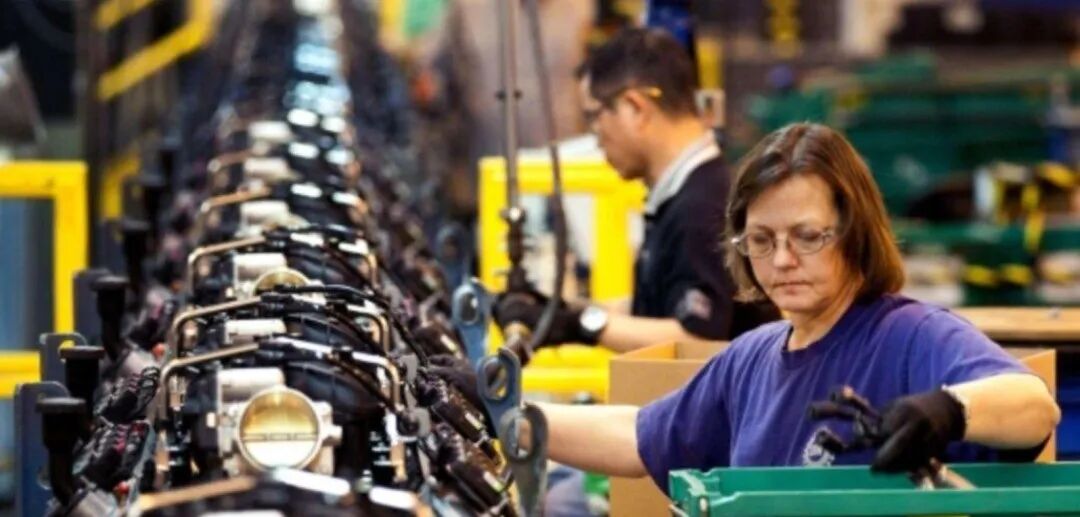
Personnel Adjustments in the Auto Industry Over the Past Year
Over the past year, traditional automakers and electric vehicle companies have been restructuring their workforces, involving positions in R&D, administration, and manufacturing. Different companies face varying market conditions, contracts, and union arrangements, so compensation standards must be evaluated separately. 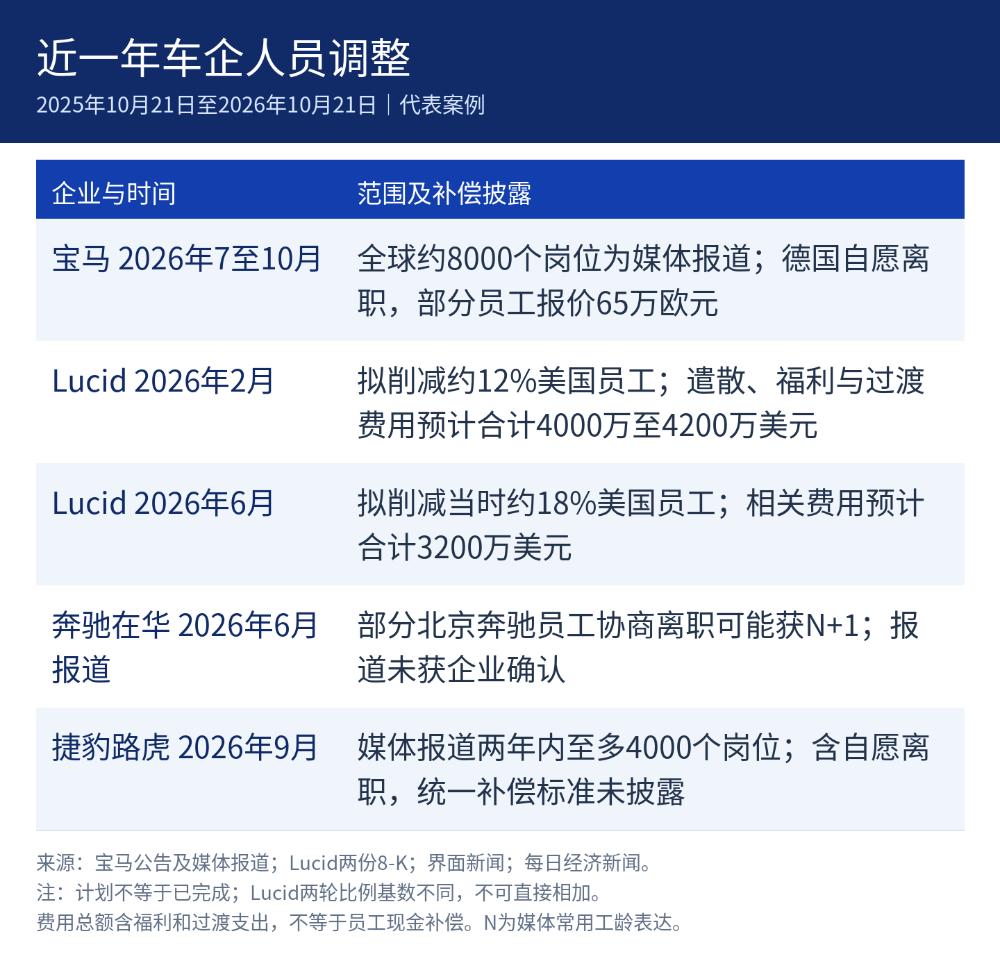
Lucid's two regulatory filings provided specific details on the scope of adjustments: the February plan excluded hourly workers in manufacturing, logistics, and quality, while the June plan included manufacturing hourly workers and eliminated the second shift at the factory. The filings also listed expenses for employee benefits and transition costs but did not allow for calculating how much each employee would receive. In September, Jaguar Land Rover was reported to plan cutting up to 4,000 jobs over two years. National Business Daily verified that the adjustments included voluntary departures. First Financial reported at the same time that there were no corresponding organizational optimization plans for the Chinese business at that time.
There are also differences within the same brand. In June, Interface News (Jimian News) reported that some Beijing Benz employees might receive N+1 compensation under negotiated departure quotas. The scope and standards of the relevant adjustments were not confirmed by the company at the time. Therefore, a compensation ranking can easily omit key conditions. Who the contract is with, which regional rules apply, and which round of adjustments is involved all affect the final amount an employee receives. 
Treating Employees Well Is Part of Brand Identity
Personally, I view positively companies that use negotiation and compensation to facilitate adjustments. When the business environment changes, the organization can adapt, and the value of employees' years of service should also be taken seriously. Employees care about specifics: how compensation is calculated, when it will arrive, how social security and benefits will be transitioned, and how much time they have to decide.
Clear rules and fulfilled promises reduce the toll of departures. Management must also consider what comes next. Capable individuals may be more likely to accept offers and find new opportunities. After people leave, whether projects can continue, customer service will be affected, and whether remaining employees will be overburdened must all be arranged in advance.
Treating departing employees well also stabilizes the remaining team. People will judge from a departure process whether the company is trustworthy in difficult times. The next batch of talent applicants will also inquire about these matters. While automotive brands are willing to spend on products, channels, and advertising, they should also be willing to bear the costs of employees' dignified departures.
A compensation package fulfilled as promised is more persuasive than much of the rhetoric about corporate responsibility. Companies need to adjust, and employees need to live. I hope more companies will consider both things together. Treating employees well should become a business habit and a long-term reputation for the brand. What are your thoughts on BMW's layoffs? I look forward to your civil and rational insights in the comments section.
Disclaimer: This article is solely for financial hotspot analysis, citing publicly available queries, company announcements, and Tonghuashun IFinD. The views are for reference only and do not constitute any investment or consumption advice. #FinancialHotspots #In-DepthAnalysis #BusinessFinance #InvestmentBankingCircle #ListedCompanies #PrimaryMarket #IPO #AISense
-
![]()
Post-85s AI Meteorology Entrepreneur from Changzhou, Jiangsu: Secures Multi-Million Funding
-
![]()
Why Is Light Able to Pass Through Holes Smaller Than Its Wavelength?—Exploring the Extraordinary Optical Transmission of Metasurface Infrared Filters
-
![]()
Film and Television Hurricane Delivers a Rigorous Review of the iPhone Duo! Withstands 10,000 Folds, Yet Falls Short in Software
-
![]()
Is the XPENG MONA L05’s Pre-sale Price 40,000 Yuan Steeper Than Its Rivals’?
-
![]()
Historic Windfall in Layoffs: BMW's Up to €650,000 Compensation Sparks Employee Exodus, Overwhelms System
-
![]()
Has Geely’s Debut Boxy SUV Shaken Up Off-Road Pricing?
-
![]()
GM China Reports $210 Million Net Profit in Q3: Two Consecutive Years of Profitability, Though CEO Warns of Tougher Market Conditions
-
![]()
BMW Layoffs: Employees Compete to Leave!