Final Verdict: Can Battery Swapping Become the Mainstream Energy Replenishment Approach for Electric Vehicles?
 10/23 2026
 494
Recently, the battery swapping model for electric vehicles (EVs) has emerged as a hot topic in public discussions. Some even assert that it will eventually become the primary energy replenishment method for EVs in the future.
However, there are also differing views. With over 30 million EVs currently in use in China and fewer than 2 million being swappable models, some argue that battery swapping is, and will continue to be, merely an auxiliary method, unlikely to become mainstream. 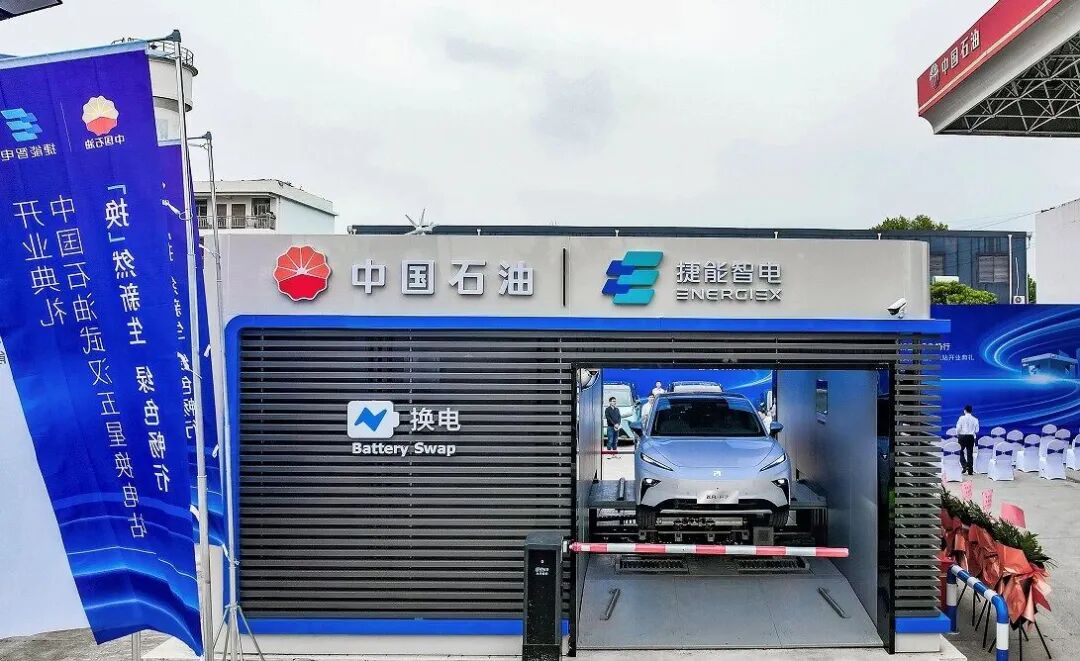
What Are the Advantages of the Battery Swapping Model?
The battery swapping model involves replenishing energy for EVs by swiftly replacing the power battery at a swapping station. Users drive their vehicles into the station, where the system automatically identifies the vehicle and locates the battery. A robotic arm then removes the depleted battery and installs a fully charged one.
There are four major advantages to the battery swapping model. Firstly, it offers rapid energy replenishment. It takes only 3-5 minutes, akin to refueling a gasoline vehicle, thus completely eliminating the waiting time for energy replenishment. 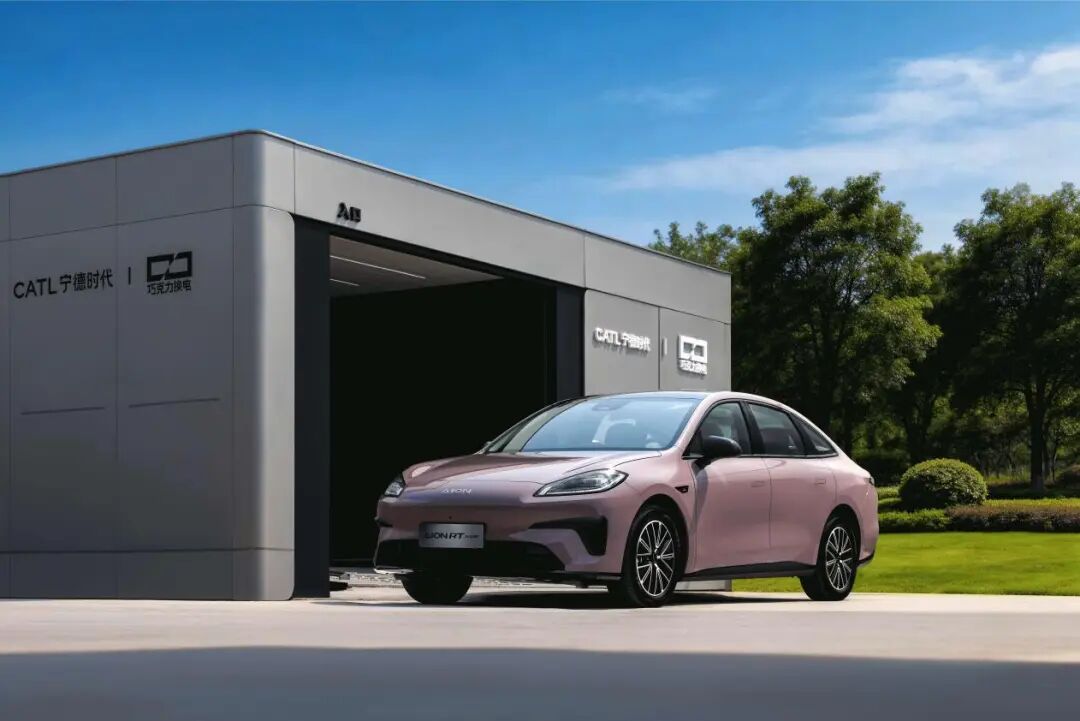
Secondly, it prevents battery degradation. The replaced batteries are all in excellent condition, ensuring a stable battery performance for the vehicle. Thirdly, with the separation of vehicle and battery ownership, users do not need to make a large upfront payment for the battery, thereby lowering the barrier to vehicle purchase. Fourthly, the batteries at swapping stations can be charged in bulk during off-peak hours, fully utilizing off-peak electricity and helping to balance the grid load.
The Four Major Challenges of the Battery Swapping Model
Analysts believe that despite its advantages, the battery swapping model also faces significant challenges, primarily in the following four areas:
Firstly, the battery swapping model is capital-intensive, imposing substantial financial pressure. The construction cost of a single swapping station can reach millions, not to mention the need for a large reserve of spare batteries. Ongoing expenses include site rental, equipment depreciation, and battery maintenance, necessitating continuous long-term investment. A single swapping station requires a high daily average number of swaps to break even. Currently, many swapping stations operate at a loss due to low utilization rates, necessitating continuous financial support from automakers. 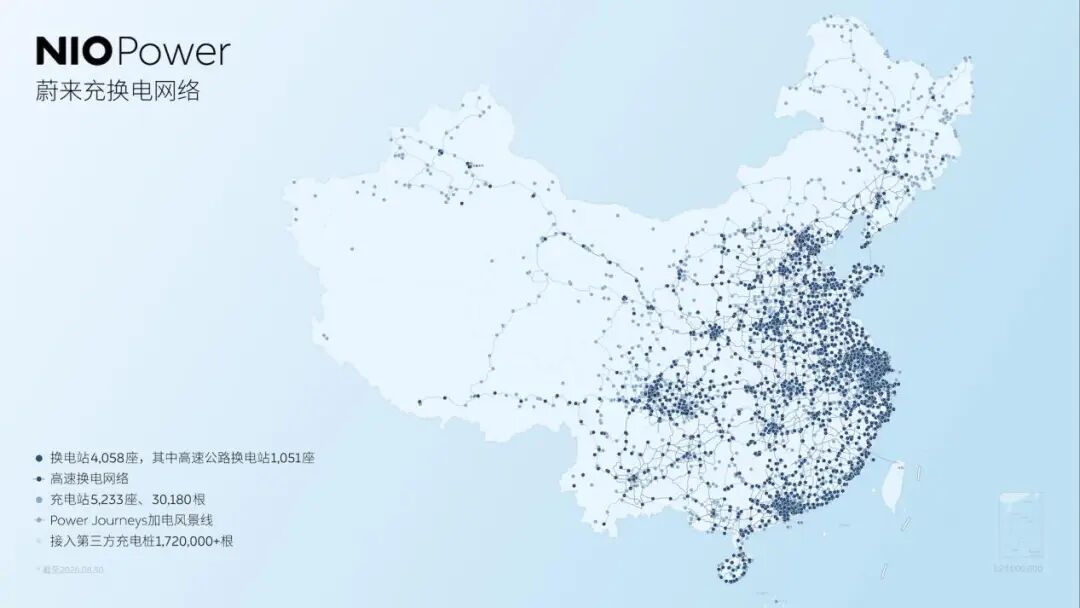
Secondly, inconsistent battery standards across brands hinder scalability. Currently, most EVs in China operate within single-brand, closed battery swapping systems, with each manufacturer defining their own battery pack dimensions, mechanical locking structures, and communication protocols. Batteries from one brand cannot be used in another, preventing universal compatibility like gasoline stations and making it difficult to achieve industry-wide scalability. The more swapping stations are built, the more pronounced the "island effect" becomes.
Thirdly, vehicle engineering designs are incompatible with popular CTC/CTB integrated technology routes. Swappable EVs require a removable battery pack structure in the chassis, making it impossible to adopt the mainstream CTC (cell-to-chassis) or CTB (cell-to-body) integration technologies. Integrated designs offer higher body strength, better space utilization, and lower vehicle costs, making them the preferred choice for most automakers and incompatible with swappable models. 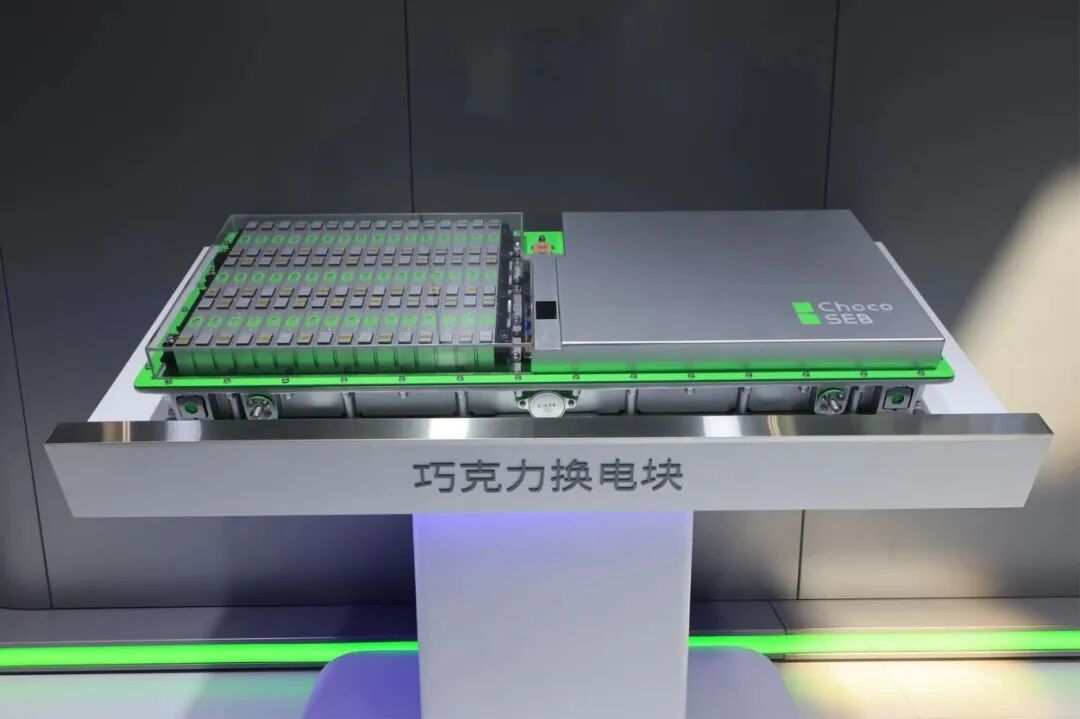
Fourthly, the coverage of swapping station networks is uneven. Most swapping stations are concentrated in first- and second-tier cities and major highway sections, leaving remote areas and peak holiday periods still facing queues. Swapping is not available anytime, anywhere.
Ultra-Fast Charging Diminishes the Advantages of Battery Swapping
The biggest selling point of battery swapping is the ability to recharge to full capacity in 3 minutes. However, automakers are now introducing ultra-fast and fast charging technologies that can also complete energy replenishment in just a few minutes. Ultra-fast charging stations are less capital-intensive and can be deployed much faster and at a higher density than swapping stations. Some in the industry predict that as ultra-fast charging technology continues to evolve, the core advantage of battery swapping—speed—will be increasingly diminished.
Additionally, with the gradual improvement of solid-state battery technology, EVs equipped with high-density, lightweight, and fast-charging solid-state batteries may no longer need battery swapping. 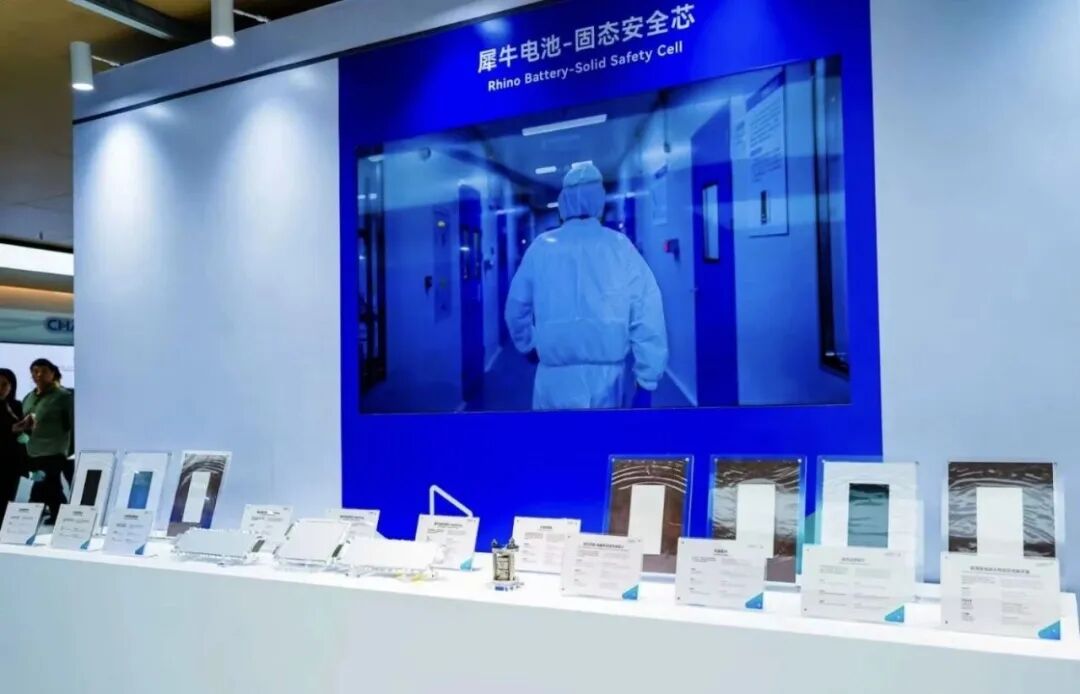
It is estimated that by the end of 2025, the cumulative number of registered swappable EV models in China will reach approximately 1.873 million. Among them, about 1.281 million (68.4%) will be for commercial use (taxis, ride-hailing vehicles, swappable heavy-duty trucks, and light trucks), while approximately 592,000 will be private passenger vehicles. During the same period, the total number of pure EVs in China will exceed 30 million, with swappable models accounting for less than 7%, making them a niche energy replenishment solution, with charging remaining the dominant approach.
Battery swapping is not entirely without value. In operational scenarios such as taxis, ride-hailing vehicles, and heavy-duty trucks, the battery swapping model still has a certain market. Additionally, swapping stations themselves have value for grid energy storage and peak shaving, potentially evolving into energy storage stations. 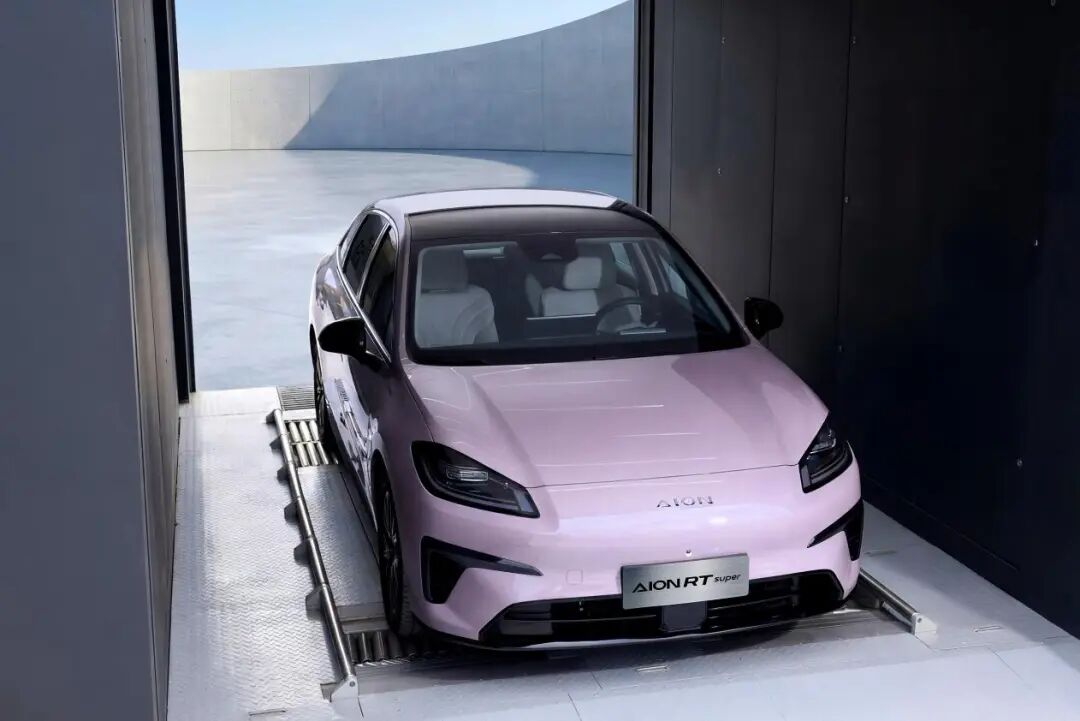
To address the challenges of battery swapping, CATL is attempting to promote cross-brand standardization and is currently collaborating with over 10 automotive brands to develop more than 20 swappable models. However, progress remains challenging. (End)
-
![]()
Post-National Day Sales of Xiaomi Revealed, Netizens: Pengcheng's Sales Take a Dive!
-
![]()
Understanding NVIDIA GTC Berlin at a Glance: AI in Manufacturing, Physical AI, and Three Key Strategies
-
![]()
Final Verdict: Can Battery Swapping Become the Mainstream Energy Replenishment Approach for Electric Vehicles?
-
With a 350,000-Yuan Budget for a Luxury Off-Road SUV, Is the 2027 Tank 500 a Wise Purchase?
-
![]()
Why Are Interpersonal Relationships Emerging as a Business Superpower in the AI Era?
-
![]()
Hot Topic | Microsoft's 2nm Self-Developed Chip Hits Third Iteration, Shifting Inference Workloads Away from NVIDIA
-
DeepSeek Inches Closer to the Largest IPO Financing in Chinese History
-
![]()
Lei Jun Reiterates the Centrality of Safety: In the Auto Industry, Safety Underpins All Else