For the First Time in Audi's History, the "Engineering Sign-Off" Pen Is in Chinese Hands
 11/11 2026
 580
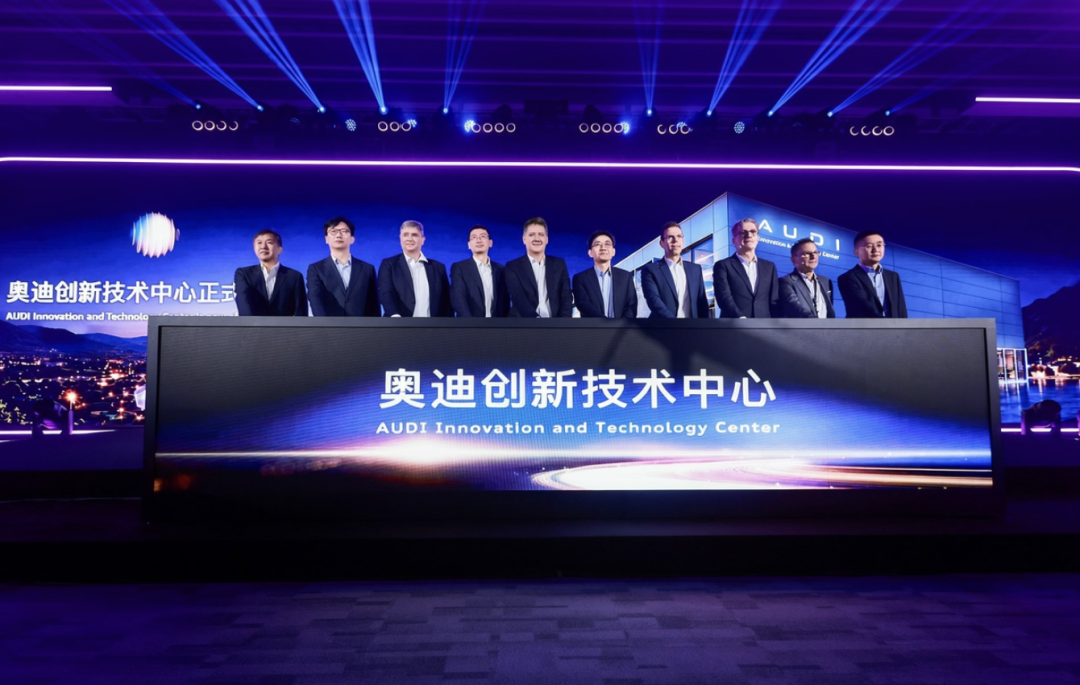
Shanghai, November 5. On the second anniversary of the AUDI brand's founding, the Audi Innovation Technology Center (AITC) was officially inaugurated. Gernot Döllner, Chairman of the Board of Management of AUDI AG, was there in person, describing this roughly 300-person R&D entity, jointly established by Audi and SAIC, as "a strategic investment by Audi to continuously enhance its long-term competitiveness in China."
Stretch out the timeline, and the process itself reveals an attitude: on September 3, the joint venture Audi (Shanghai) Technology Co., Ltd. was established, and just two months later the AITC was inaugurated. Under the official division of labor, the AITC will fully lead end-to-end development of AUDI brand models, from whole-vehicle concept definition to mass-production delivery, holding key decision-making authority over supplier selection, function definition and engineering sign-off. This is Audi's first full-stack localized R&D center for the AUDI brand outside Europe, and the first time a multinational luxury brand has handed the pen of "engineering sign-off" to a Chinese team. And the moment sign-off authority leaves the German headquarters, the referee's seat for responsibility moves south with it.
So Döllner's presence was less about showing support than about confirming one thing: when the starting point for decisions moves from Ingolstadt to Anting, what exactly will Audi's playbook in China become?
1 Sign-Off Authority Moves South: What Audi Is Handing Over Is Far More Than Power
Over the past three decades, the role boundaries of multinational automakers' R&D institutions in China were clear to the point of being rigid: the German headquarters decided platforms, architectures and core standards, while the Chinese team was responsible for tuning what had already been decided to better suit local tastes. Sign-off authority lay with the headquarters, not China, so when problems arose, responsibility could be traced upward along the organizational chart. The AITC breaks this logic. According to official disclosures, the AITC can independently complete supplier screening, intelligent function definition and whole-vehicle engineering sign-off. An industry insider analyzed: "Leading end-to-end also means responsibility moves forward. Deviations in product definition no longer have a headquarters link to fall back on, and the ability to continuously iterate OTA must also be borne by the local team itself."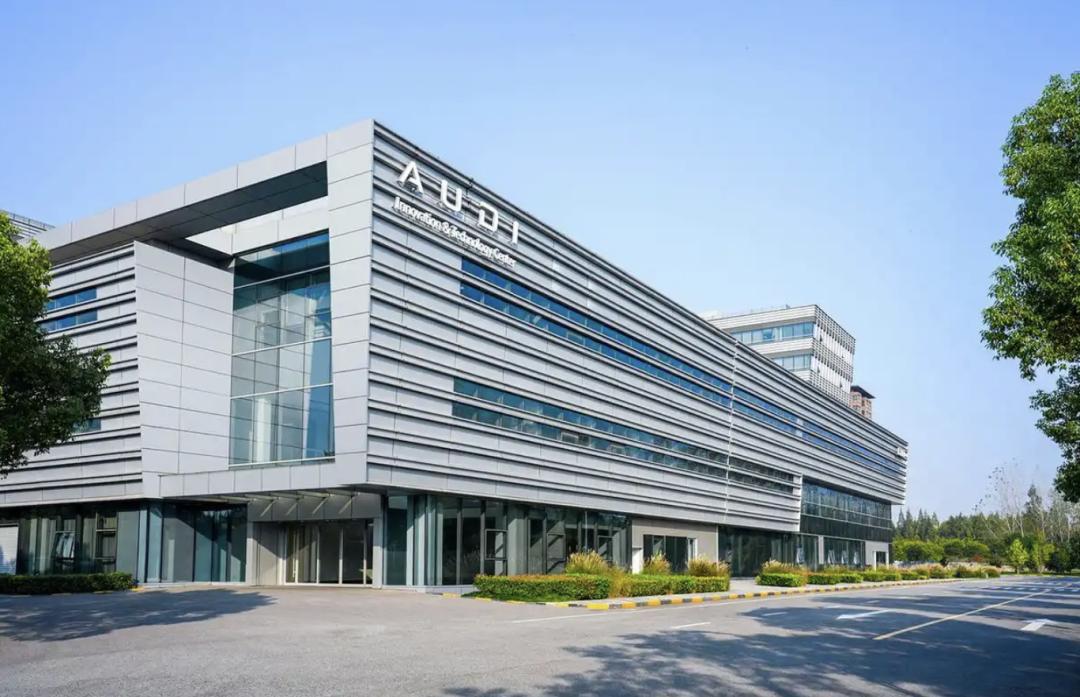
This forward shift in judgment is written into the very front end of R&D: the physical characteristics, driving and riding habits, and usage scenarios of Chinese consumers feed directly into the initial stage of whole-vehicle design. The back-and-forth localization adjustments of the past, made after the architecture was frozen, are now done once and for all at the product definition stage. Feng Siyuan said on opening day that "there are no traditional boundaries between Chinese and German sides; we are one team," and Shan Yunwei's addition was more down-to-earth: over the past two decades the supply chain has become vastly more sophisticated, but customers no longer "buy whatever you build"; the market has shifted from supply-driven to demand-driven. In the supply-driven era, execution and adaptation were enough; in the demand-driven era, judgment and accountability are the threshold.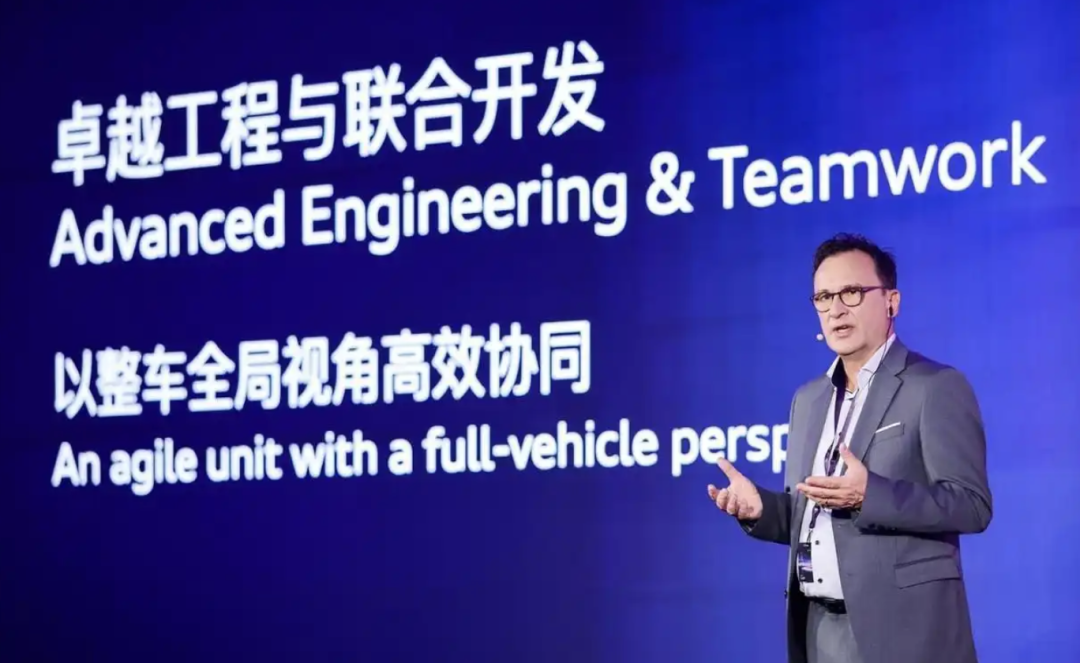
An easily overlooked detail is the organizational difference between the AITC and VCTC. Volkswagen's VCTC in Hefei is a wholly owned company whose results can serve multiple brands; the AITC is a joint venture between Audi and SAIC serving only the AUDI brand, and Feng Siyuan made clear that AUDI models currently have no plans for overseas export. This means the AITC's sign-off authority faces a closed loop of responsibility for a single brand and a single market. With no other projects to share the cost of trial and error, every word on the sign-off sheet corresponds directly to sales figures in the Chinese market in 2028. That is the reason Döllner "had to come": with signing authority handed to Shanghai, the referee's seat for responsibility moves south as well, and he needed to see with his own eyes that this 300-person team can carry it.
2 A R&D Gamble That Takes Twenty-Four Months
During the opening communication, Feng Siyuan stated clearly: "AUDI will maintain a complete R&D cycle of more than 24 months. Artificial intelligence can already improve efficiency in some software development, simulation testing and engineering validation work, but Audi will not reduce the necessary validation steps because of it." He offered a set of reference points: when he entered the industry, Audi's complete new-car development cycle was as long as 56 months; recently launched models have been compressed to around 30 months, and 24 months is the bottom line. Industry data for the same period: from January to September 2026, China implemented 617 recalls of intelligent connected vehicles involving 20.3938 million vehicles; on August 21 alone, nearly 8 million vehicles were recalled, mainly due to safety defects caused by new technologies. The hidden costs of excessively compressed cycles are rapidly becoming visible in the form of recall and warranty pressure. Translated: while Chinese new forces launch new cars in eighteen months or even less, Audi chooses "no shortening of validation" to define whether it still deserves to be called a luxury brand.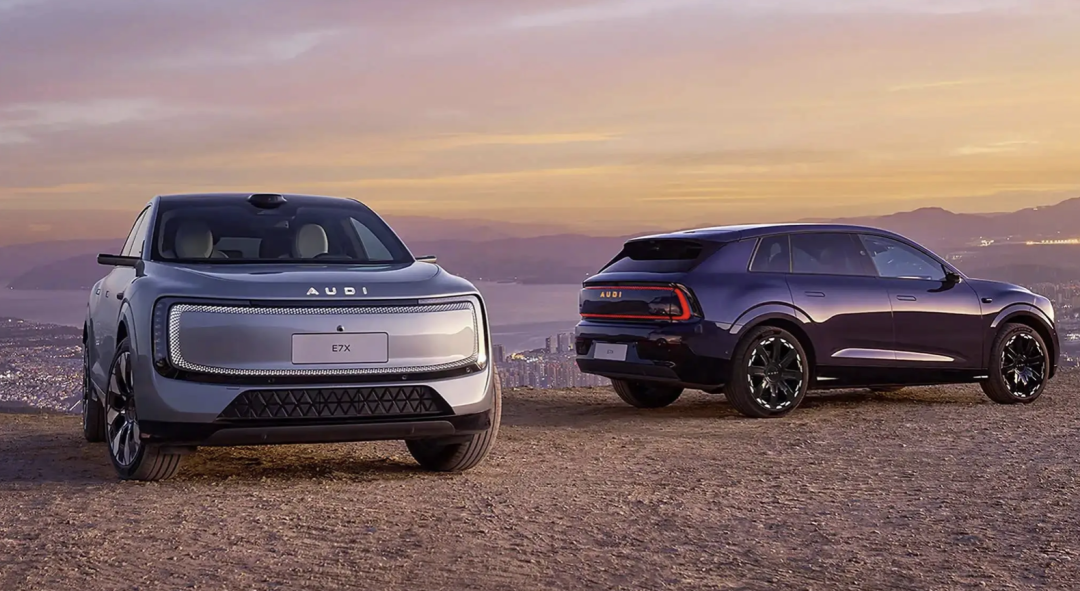
But the other side of the bet is equally clear: data from the China Passenger Car Association show that in October 2026 luxury car retail sales fell 39% year on year, with luxury brands' retail share at only 7%. The first model won't arrive until 2028, and the window from 2026 to 2027 may leave a product gap. Audi is betting that this downward curve will not compress the premium space for luxury cars to the point where there is no room for "24-month validation." Zhu Xichan's words can serve as a footnote to this bet: "Stacking can 'assemble' a car, but stacking will never assemble a leading automaker." In an era when the supply chain is mature enough to outsource all hardware, whole-vehicle safety, chassis tuning and a complete engineering validation system have instead become the most expensive things—the E7X retains quattro all-wheel drive, air suspension and all-wheel steering, and has undergone more than 3,200 hours of extreme tuning across multiple countries. These parts that "the supply chain cannot buy" are precisely Audi's annotation of the word "expensive."
3 Three Paths for the AITC to Feed Back into the Global System
There is a sentence in the official statement that is easy to overlook: the experience the Chinese team has accumulated in artificial intelligence, software development and efficient R&D processes "will have the opportunity in the future to empower Audi's global R&D system." Döllner also stated that "what is learned here and the business conducted here will also have a major impact on Audi's global business."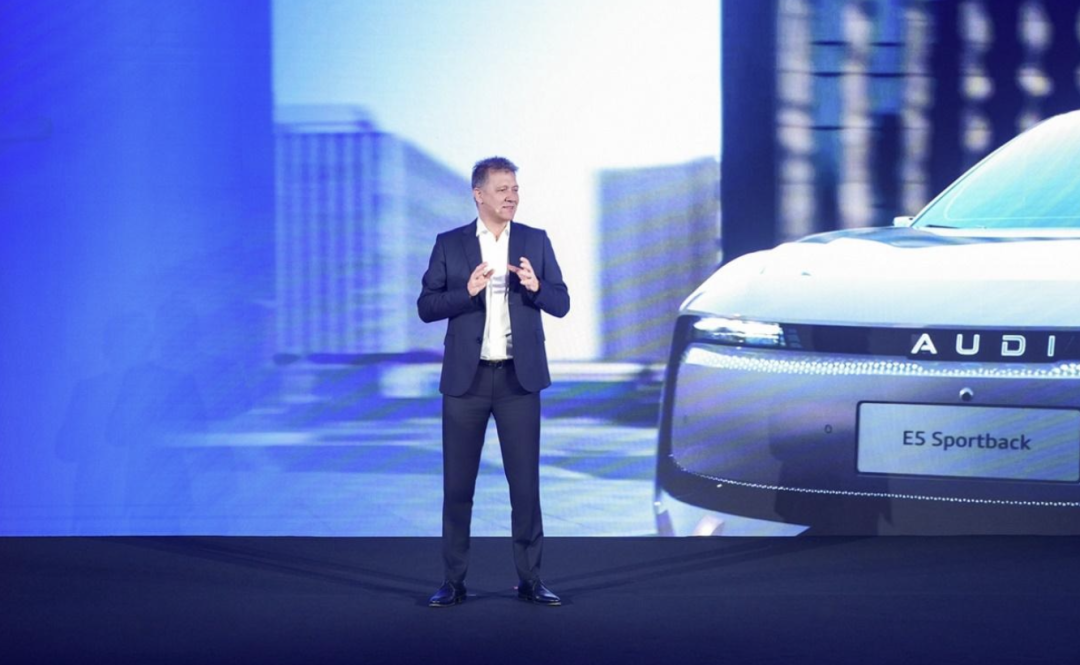
You should know that according to the plan, AUDI models currently have no plans for overseas export, so people may ask, on what basis would European project teams reuse them? In fact, what the official statement describes is module feedback, which represents two completely different channels from whole-vehicle export. If we break it down, we find that at least three layers of generality already hold: first, the electronic and electrical architecture is "grammar," not "content."
ADP 2.0 adopts an architecture combining central computing with zone controllers, reserving expansion space for L3 and L4—a globally recognized direction with no China-specific attributes. Audi's next-generation global products will likewise migrate toward central computing; rather than rebuilding it once in Ingolstadt, it is better to adopt a solution already validated at the whole-vehicle level.
Second, the cockpit framework is portable and the model replaceable: the Doubao large model will not go to Europe, but the AUDI OS architecture, multimodal interaction and the fusion framework of cockpit and intelligent driving co-built by the AITC and Volcano Engine are model-agnostic middleware; the European version can simply swap in a locally compliant model and reuse the whole thing. Third, the R&D process itself is an exportable asset—the organizational capability for a 24-month development cycle and AI-assisted validation methods do not depend on any single vehicle going abroad and are naturally transferable. Usually, regional R&D centers of multinational automakers rarely truly feed back into the global system; most remain "regional adaptation centers of excellence."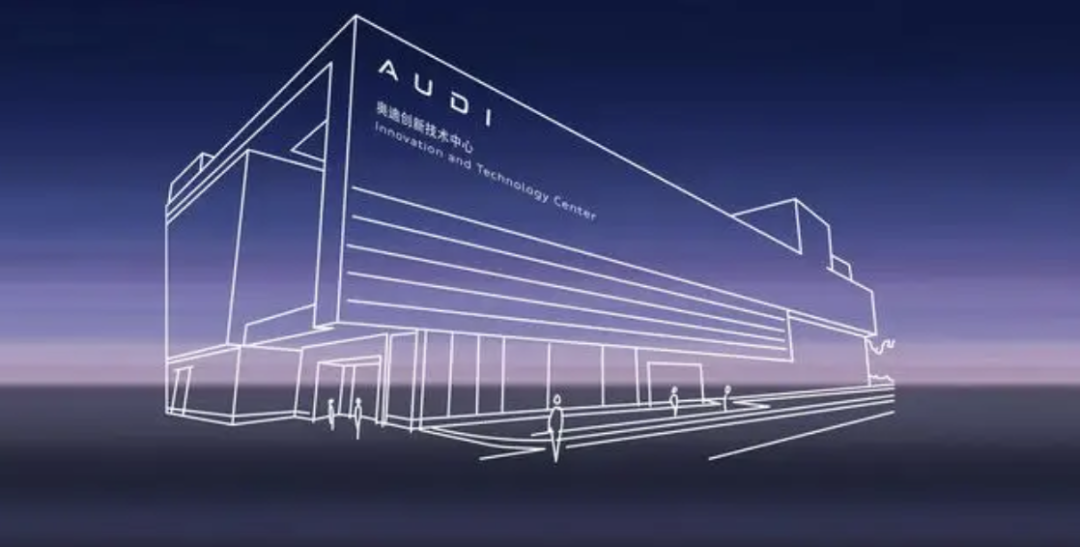
Now, the establishment of the AITC is meant to break this inertia. The only way is to make what Shanghai defines so solid that the German headquarters has no choice but to use it—and this is essentially no longer "experience sharing" but "module adoption." According to the plan, in 2028 four ADP 2.0 models will enter the Chinese market. If the reliability, intelligent experience and development efficiency of these vehicles are verified by data, Audi's global next-generation platform integration will have a rational basis to "directly ask for ready-made solutions."
This is also why Zhu Xichan's deterrent effect elevates this matter to "Joint Venture 2.0," calling it an exploratory milestone in the shift from "In China, For China" to "In China, For the World." It echoes Döllner's remark about "a major impact on Audi's global business." Looking at this sentence now, rather than simply reading it as diplomatic language, it is better to read it as the acceptance criteria he has left for the AITC.End
Stylish and knowledgeable, 「whoosh」~ off we go…
-
XFusion Set for Listing Review: A Bet on Computing Power in the Agent Era and a Growth Model for Domestic Computing Power Breakthroughs
-
![]()
StepFun Refuses to Be Just a Cloud-Side Water Seller
-
![]()
Another Computing Power Company IPOs: 70% of Revenue from ByteDance, with Oracle Close Behind
-
![]()
Who Is Squeezing Crystal Optech's Profits as Exclusive Supplier to a Major North American Customer?
-
![]()
Zhongrun Optics Finalizes New Management Team with Completed Board Reshuffle
-
![]()
Between the Pupil Function and the MTF Lies a Fourier Transform
-
Apple, Huawei, and Xiaomi Sales Over the Past 8 Years: Who Really Took Away Huawei's Users?
-
![]()
Huawei Starlight Phone Faces Uncertainty Even Before Launch: Stores Say No Notice Yet, and It Won't Come Cheap