A New Wave of Overseas Cars with a Full "Chinese Flavor" Is About to Debut at the Guangzhou Auto Show
 11/23 2026
 534
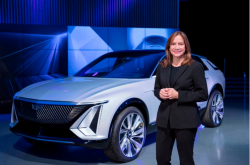
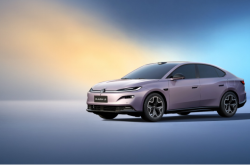
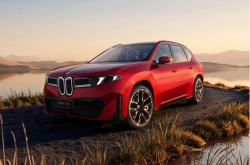
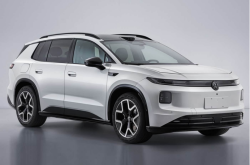
As the Guangzhou Auto Show approaches, overseas brands have also been rolling out their new car lineups one after another, preparing a good number of heavyweight new products. Models including the BMW Neue Klasse iX3 and i3, FAW-Volkswagen ID.AURA L5, Lexus TZ, Lincoln's new Nautilus and Aviator EX8, and Dongfeng Nissan NX7 will all make an appearance. There are first models of all-new series and next-generation products, as well as brand flagships and facelifted models—a rather substantial lineup. Notably, this batch of new cars is closer to the Chinese market in design, configuration, and technology, with an increasingly strong "Chinese flavor."
This "Chinese flavor" can be seen in how the new cars are developed. In the past, overseas automakers usually introduced global models into China and then made adjustments according to market demand. Now, some brands not only offer China-exclusive long-wheelbase versions but even develop new platforms specifically for the Chinese market. The BMW Neue Klasse iX3 long-wheelbase version is one example.
The new car is built on the global Neue Klasse pure electric platform, but it does not simply follow the overseas version. Instead, a Chinese team leads localized development, with adjustments made to the body structure and software. The new car's wheelbase reaches 3,005 mm, 108 mm longer than the overseas standard-wheelbase version, and rear passenger space is more generous. The Neue Klasse i3 is also built on this platform, with a wheelbase exceeding 3 meters as well.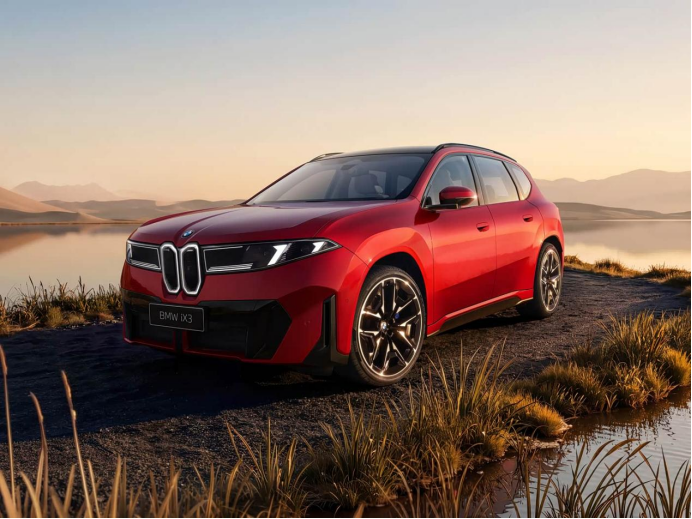
By comparison, the Volkswagen ID.AURA L5 adopts the CMP platform developed specifically for the Chinese market, jointly created by Chinese and German teams. Through a short-overhang, long-wheelbase design, space utilization is raised to 84.4%. BMW deeply customizes on the basis of a global platform, while Volkswagen directly adopts a China-market-exclusive platform. Both show that overseas brands are no longer merely introducing ready-made models, but are closely aligning with the needs of Chinese consumers at the very stage of vehicle development.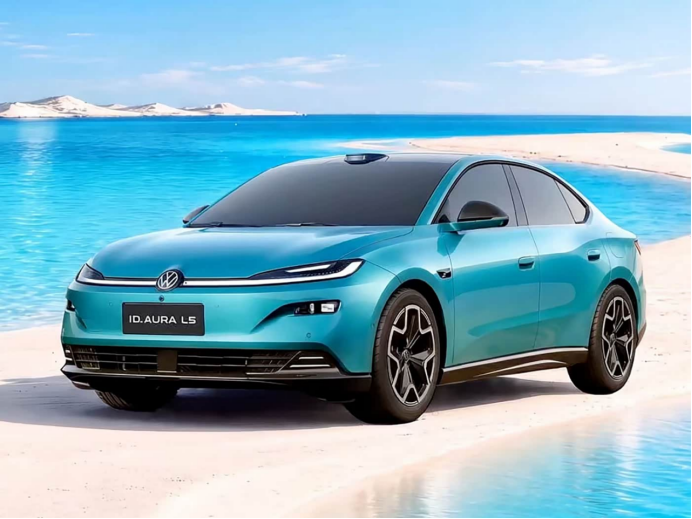
In addition to body design, cabin configuration also reflects overseas brands' consideration of domestic consumers' preferences. The Lexus TZ adopts a 2+2+3 seven-seat layout, with zero-gravity seats in the second row, heated seats throughout the vehicle, and ventilation in the first two rows; the Dongfeng Nissan NX7 is equipped with AI zero-pressure cloud carpet seats, with all four seats supporting ventilation and heating.
The BMW Neue Klasse iX3 is also equipped with front and rear seat heating, front-row ventilation, and driver's seat massage. Lincoln's new Nautilus offers front seats with 24-way power adjustment and massage, and the cabin is also equipped with a 48-inch panoramic connected screen. Generous space, comfortable seats, and rich in-car entertainment configurations are all adjustments the new cars have made to cater to Chinese consumers' preferences.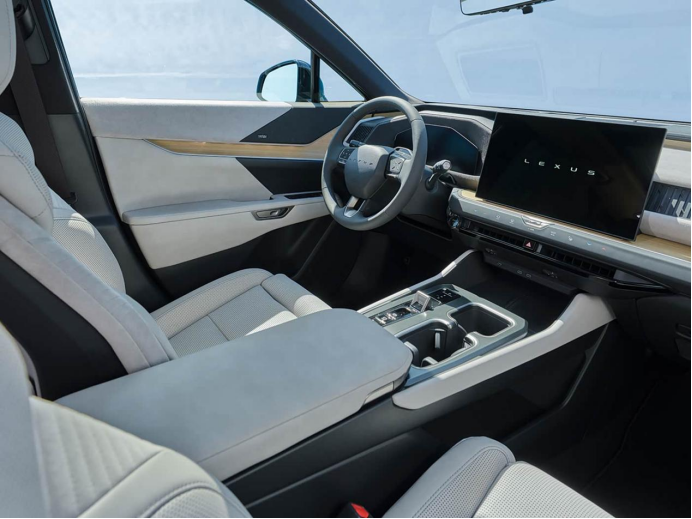
In terms of intelligent driving, overseas brands are also extensively adopting technology from Chinese tech companies. The BMW Neue Klasse iX3 is equipped with an intelligent driving assistance system jointly developed with Momenta; the Volkswagen ID.AURA L5 carries the Horizon Hyper Sense 8 end-to-end assisted driving solution, with some models also equipped with LiDAR; the Dongfeng Nissan NX7 adopts the Momenta R7 intelligent driving solution, supporting urban and highway navigation assistance.
It is evident that the intelligent upgrading of overseas brands is increasingly inseparable from the technology of Chinese companies. Localization is not only reflected in intelligent configurations but has also extended to the core components of overseas models. The Dongfeng Nissan NX7 is equipped with a 40.9 kWh battery from CATL; the Lincoln Aviator EX8 adopts a 1.5T engine produced by Changan Automobile and is matched with a lithium iron phosphate battery supplied by Shidai Changan. Core components such as batteries and engines all involve Chinese companies, showing that the localization of overseas brands has penetrated into the key links of vehicle manufacturing.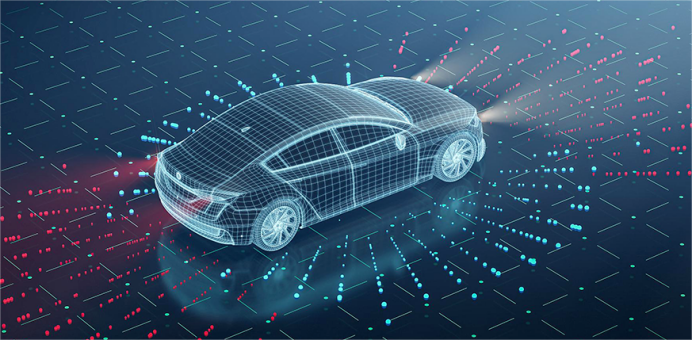
The reason overseas brands continue to deepen localization ultimately comes down to the changed competitive landscape of China's auto market. In the past, overseas automakers could secure a place in the Chinese market relying on brand influence and technological advantages. Today, Chinese domestic brands have risen rapidly in the fields of new energy and intelligence, and consumers no longer look only at brand and mechanical quality when buying a car; experiences such as smart cabins and assisted driving also affect purchasing choices. For overseas automakers, continuing to copy global models and follow past development approaches clearly no longer works. Only by accelerating localization and making products truly fit the needs of Chinese consumers can they keep up with market changes, retain consumers in competition, and stabilize market share.
From this batch of new cars, it can be seen that the localization of overseas brands is no longer just about lengthening wheelbases and adding configurations, but has deepened into new car development, intelligent technology, and core components. It is not easy for a big ship to turn around; product R&D, technology adjustments, and supply chain coordination all take time. After several years of accumulation, these localization efforts have gradually landed on specific models. This also gives this year's Guangzhou Auto Show a different highlight: overseas brands are no longer merely introducing global models into China, but are truly building cars according to the needs of the Chinese market. As for whether these new cars that better understand Chinese consumers can win the market, it will still depend on their performance after launch.
(Images are from the internet; infringement will be deleted)
-
![]()
After a Bloodbath, Nvidia Wipes Out 18 Trillion Yuan in Value—Is the AI Feast Coming to an End?
-
![]()
Weekly Stock Review | Profit Margin 1.4%: When 'Golden September and Silver October' Becomes 'Golden September, Silver Losses'
-
![]()
Ultrafast Nonlinear Optical Technology Series, Part 108: Multi-Pass Cells Generate Terawatt-Class Sub-Two-Cycle Pulses
-
![]()
Why Do Voyah and Luxeed Still Need This "Birth Certificate" in 2026?
-
![]()
Mary Barra's Exit Looms as General Motors Hunts for a Successor
-
![]()
First-Tier Joint Ventures Launch Counteroffensive—What About Second-Tier Players?
-
![]()
A New Wave of Overseas Cars with a Full "Chinese Flavor" Is About to Debut at the Guangzhou Auto Show
-
![]()
Low Prices No Longer the Whole Story: Joint Venture EVs Are Finally Catching Up