Why Do Voyah and Luxeed Still Need This "Birth Certificate" in 2026?
 11/23 2026
 536
From brand independence to qualification independence, the new story needs to shed the old label.
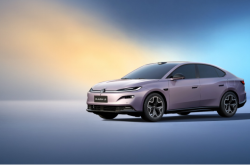
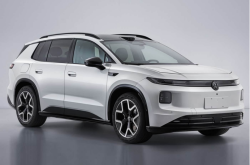
On November 16, the Ministry of Industry and Information Technology (MIIT) issued Announcement No. 31 of 2026. In the 412th batch of the "Road Motor Vehicle Manufacturing Enterprises and Products" catalog, two new names appeared: Voyah Auto Technology Co., Ltd. and Anhui Luxeed New Energy Vehicle Co., Ltd.
This marks only the second time new vehicle manufacturing entities have appeared in the MIIT catalog since Xiaomi Auto obtained its new energy vehicle manufacturing qualification in 2024.

More coincidentally, both companies obtained their qualifications in exactly the same way—through the group-based management channel. Voyah entered the access sequence as a member enterprise of Dongfeng Group, and Luxeed as a member enterprise of Chery Group.
Under this arrangement, the factory didn't move, the production line didn't change, and the workers didn't change. What changed was only the name in the "manufacturing enterprise" column of the catalog.
So we can't help but ask: why did Voyah and Luxeed do this seemingly invisible thing at this point in 2026?
Luxeed Grows Bigger and Stronger
First, let's look at Luxeed. It is not an ordinary new energy sub-brand of a traditional automaker, but a product of deep cooperation between Chery and Huawei, and an important brand in the HIMA system.
Luxeed's development model is that Huawei provides capabilities such as intelligent driving, intelligent cockpit, product definition, and marketing channels; Chery provides the vehicle R&D and manufacturing platform, supply chain, and production resources; the Luxeed brand completes product operations and market sales for consumers.
This model has obvious advantages in the brand's early stage, allowing it to quickly launch products by leveraging Chery's manufacturing foundation and Huawei's intelligent capabilities.
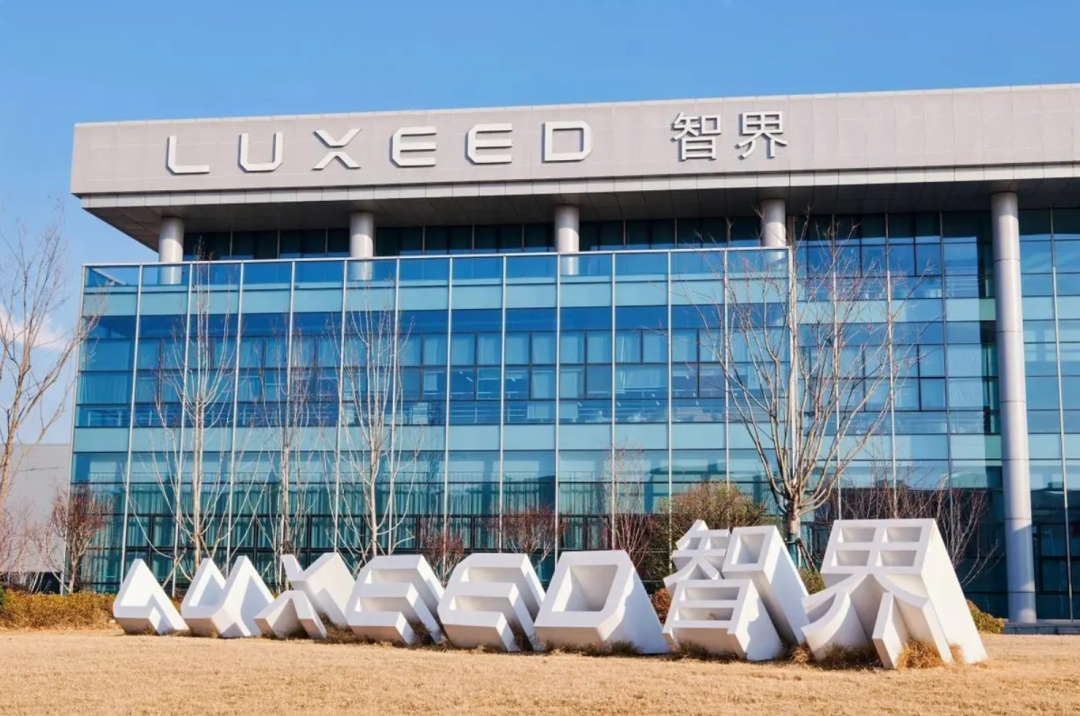
But as Luxeed's product line expanded, the original model also began to show some organizational-level limitations.
Most intuitively, the stores selling the cars are HIMA, the brand is Luxeed, but the tail badge and the certificate of conformity say Chery Auto, and the legal entity for vehicle manufacturing is still Chery.
This division makes it difficult for consumers to understand the difference between Luxeed and Chery Auto. Especially in areas such as product filings with the MIIT and OTA upgrade registrations, what consumers see is Chery Auto.
Although industry insiders understand that Luxeed is a brand of deep cooperation between Chery and Huawei Terminal, it is impossible to explain clearly to consumers in plain terms the relationship between Chery Auto and Luxeed Auto.
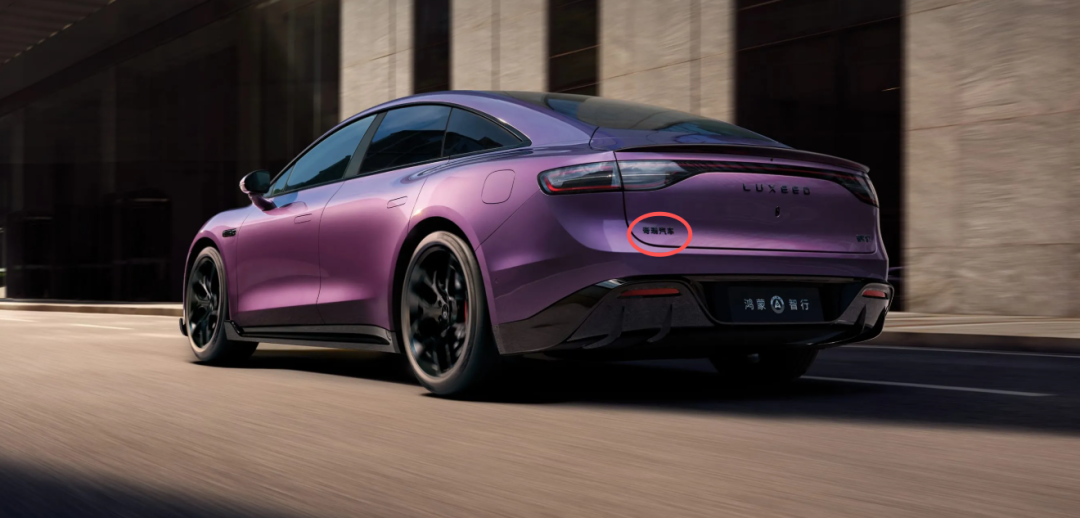
This creates a certain organizational boundary between brand operation and vehicle production.
After obtaining independent qualification, Luxeed can gradually concentrate product filing, production management, quality systems, and operating responsibility within its own corporate entity.
Qualification is only one milestone in Luxeed's independence. On January 23, 2025, Anhui Luxeed New Energy Vehicle Co., Ltd. was established in Wuhu with registered capital of 1 billion yuan; on August 7, 2025, Chery and Huawei signed the Luxeed brand strategic 2.0 cooperation agreement, announcing investment of more than 10 billion yuan and expansion of the R&D team to 5,000 people.
By the end of June 2026, the industrial and commercial change was completed. Chery's shareholding fell from 100% to 85%, while Wuhu Ruiqi and Wuhu Ruilian, two equity investment partnerships, each held 7.5%.
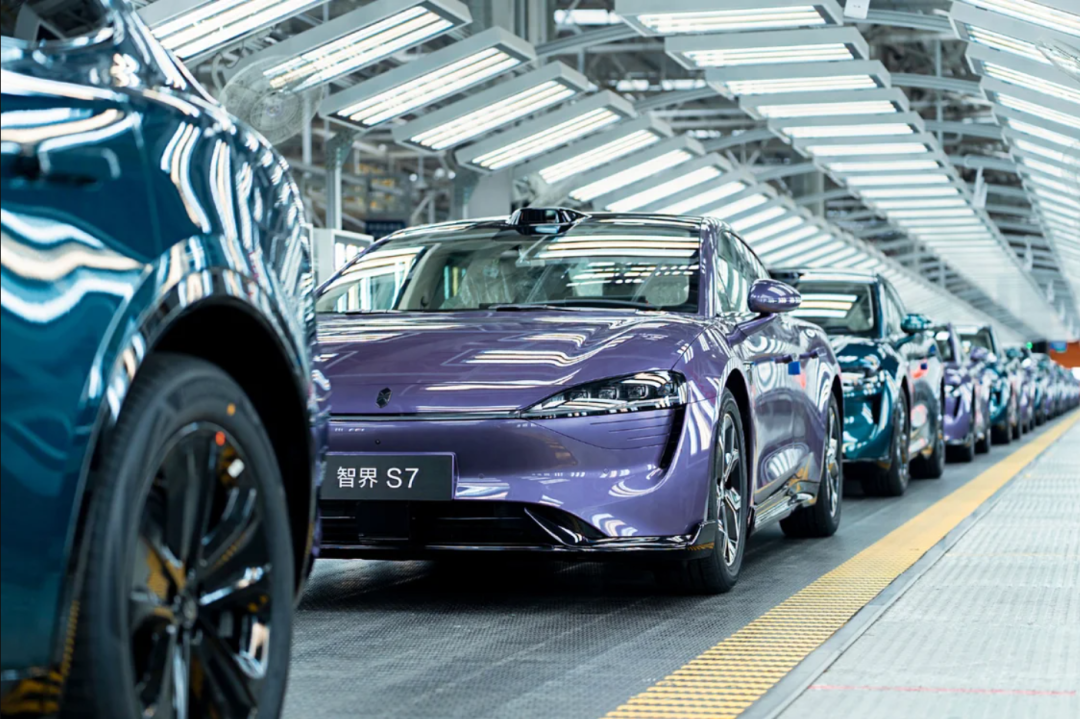
Legal person independence, team shareholding, and integrated production, sales, and service had been advanced for some time, and qualification is one part of it.
In HIMA, AITO is backed by Seres, Stelato by BAIC, Maextro by JAC, and Shangjie by SAIC. Each brand's qualification and production capacity entity are under the name of the cooperating automaker. This time, Luxeed attributed the manufacturing entity, announcement entity, and quality responsibility to itself, also providing a reference path for other brands in the system.
After the qualification was implemented, Luxeed became the first brand in the HIMA system to hold a certificate as an independent legal entity. New vehicle certificates of conformity, product nameplates, and recall responsibilities all belong to itself, and the tail badge will also change from "Chery Auto" to "Luxeed Auto."
This clears institutional obstacles for Luxeed's subsequent independent capitalization and also marks the "Huawei empowerment" model moving from ambiguous collaboration toward clarified property rights and responsibilities.
Compliant Operations
As for Voyah, in addition to needing to separate from the group like Luxeed, there is more of a capital compliance issue.
Voyah was founded within the Dongfeng system and has long been positioned as a high-end new energy brand. Compared with Luxeed, Voyah already had a relatively complete R&D, production, supply chain, and sales system.
Therefore, Voyah's acquisition of qualification this time is not mainly about solving whether it can build cars, but further solving the question of who bears the main responsibility for vehicle manufacturing operations.
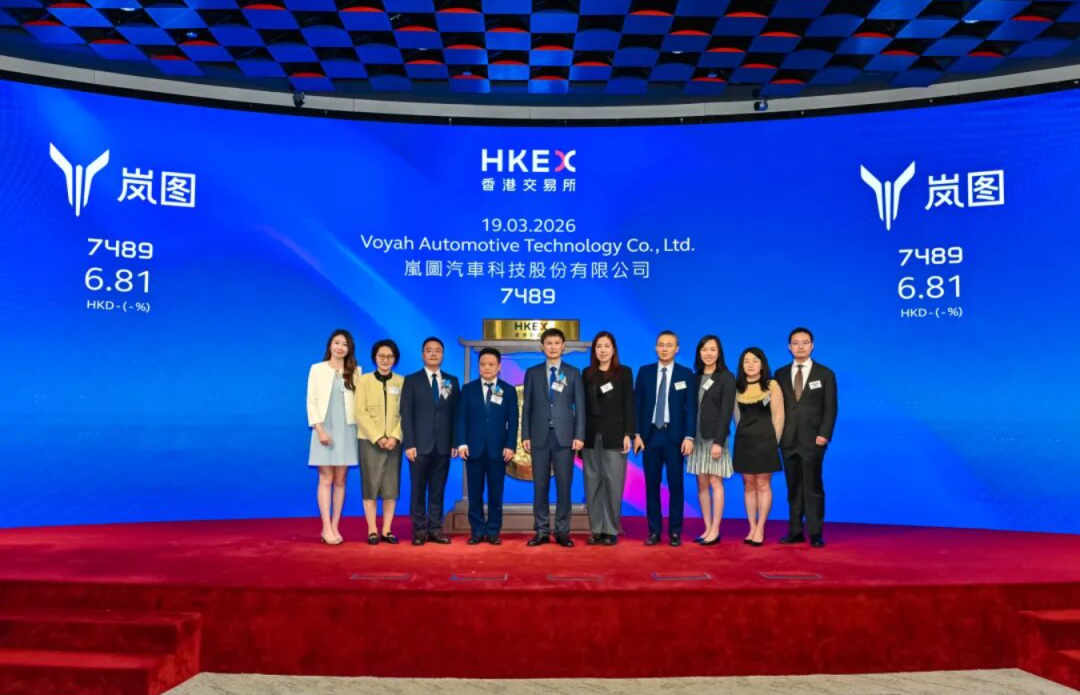
On March 19, 2026, Voyah was listed on the main board of the Hong Kong Stock Exchange by way of introduction (7489.HK), becoming the listed entity of Dongfeng Group's passenger vehicle system.
However, the listing document disclosed a long-standing issue. At that time, the production enterprises registered with the MIIT for 51 "Voyah brand" products were Dongfeng Company, and another 8 were registered as Dongfeng Motor Co., Ltd. R&D, manufacturing, and sales were all done by itself, but the legal "car builder" was the group.
Entity independence is a hard constraint in IPO review and subsequent capital operations. Having production qualification attached to the parent company means asset integrity is discounted, and capacity arrangements for fundraising projects, profit consolidation, and responsibility division all require additional explanation. This transfer filled in the last piece of the puzzle.
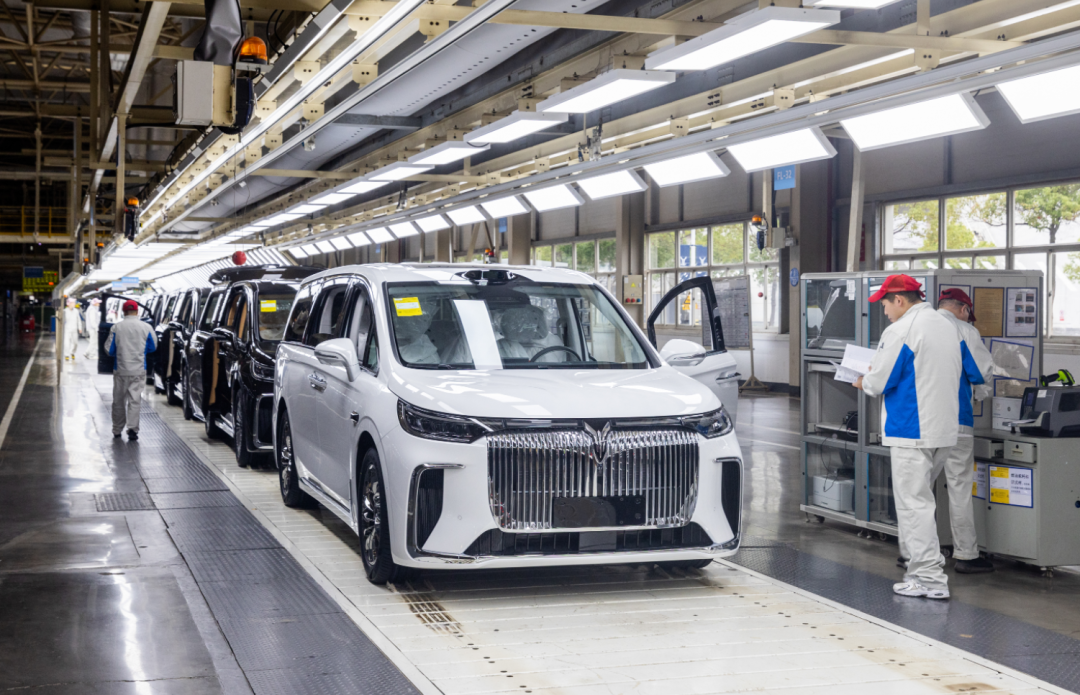
In addition to capital compliance, there is also the impact of overseas market operating compliance. Voyah Auto's revenue in the first half of the year was 18.159 billion yuan, up 42.4% year on year, with 76,264 vehicles delivered, up 35.9% year on year. Overseas revenue was 2.538 billion yuan, up 51.5% year on year, higher than the overall growth rate.
However, a series of export certifications, channels, and after-sales services all need to be handled by the legal entity. With independent qualification, Voyah no longer needs to handle these procedures in the name of Dongfeng Group, simplifying the approval process for overseas expansion.
Although Luxeed and Voyah obtained vehicle manufacturing qualification on the same day, the logic behind them is completely different. Luxeed is more about choices for the consumer market, while Voyah is more about capital market compliance and operational considerations.
After Luxeed and Voyah obtained independent qualifications, what the market is actually discussing more is who will be the next to obtain independent qualification.
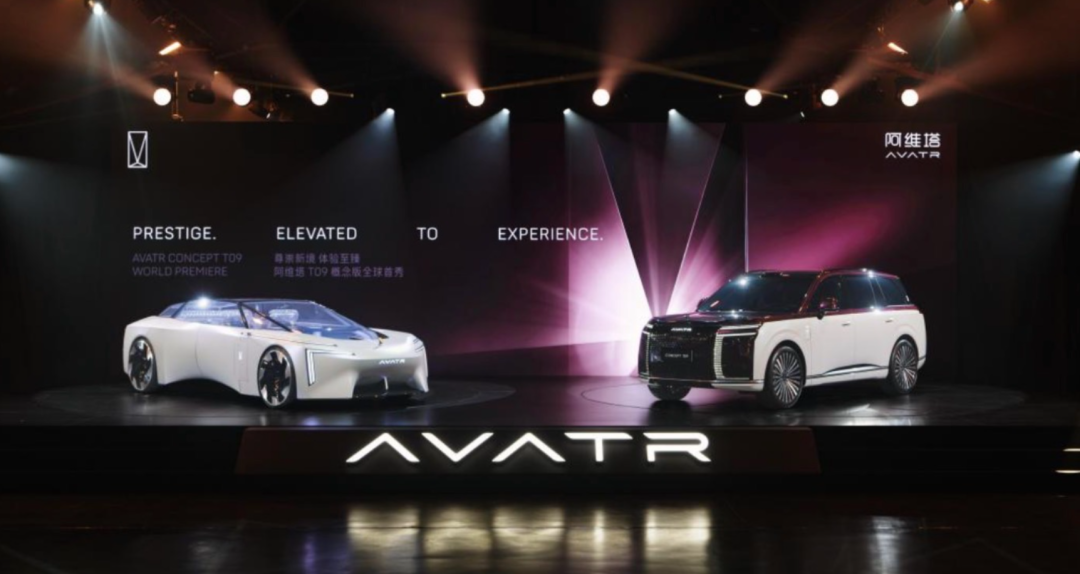
Among those with louder calls are Stelato, Maextro, and Shangjie in HIMA, as well as Avatr under Changan Auto, which is already in the listing process.
Avatr is sprinting toward a Hong Kong listing, and its prospectus frankly admits that it is a "manufacturing-free" company, with Changan Auto responsible for manufacturing. From the perspective of "integrity of the listing entity," it has the strongest incentive to replicate Voyah's path.
But Avatr has long regarded manufacturing outsourcing as an efficiency advantage and follows an asset-light operating model. Whether to apply for independent qualification essentially still depends on the constraints of Hong Kong stock review. If qualification is needed, it can obtain independent vehicle manufacturing qualification as quickly as Voyah.
As for the other "jie" brands of HIMA, there is unlikely to be independence in the short term. For example, Stelato already uses BAIC BluePark's production qualification, shared with BAIC Arcfox, and there is currently no clear signal of "entity transfer" within the BAIC system.
As for Shangjie, SAIC has in recent years already had independent brands such as IM Motors in new energy vehicles, but has still not separated an independent qualification. For Shangjie, which is still in its growth stage, it is even less likely to obtain independent production qualification before IM Motors.
Luxeed and Voyah are more about obtaining independence in identity. The premise for Voyah and Luxeed to succeed is that their product lines have already been expanded, sales are in the officially disclosed sequence, and the group has clear capital or strategic intentions. It is "business first, identity later."
As for the auto market, entry restrictions have actually long been tightened. It is almost impossible for new players outside the system to obtain a completely new qualification.
Luxeed and Voyah obtaining independent vehicle manufacturing qualification in 2026 is essentially Chery and Dongfeng, two major traditional automobile groups, readjusting internal assets, production qualifications, and the organizational structure of their new energy businesses.
Note: Some images are from the internet. If there is any infringement, please contact us for deletion.
-END-
-
![]()
After a Bloodbath, Nvidia Wipes Out 18 Trillion Yuan in Value—Is the AI Feast Coming to an End?
-
![]()
Weekly Stock Review | Profit Margin 1.4%: When 'Golden September and Silver October' Becomes 'Golden September, Silver Losses'
-
![]()
Ultrafast Nonlinear Optical Technology Series, Part 108: Multi-Pass Cells Generate Terawatt-Class Sub-Two-Cycle Pulses
-
![]()
Why Do Voyah and Luxeed Still Need This "Birth Certificate" in 2026?
-
![]()
Mary Barra's Exit Looms as General Motors Hunts for a Successor
-
![]()
First-Tier Joint Ventures Launch Counteroffensive—What About Second-Tier Players?
-
![]()
A New Wave of Overseas Cars with a Full "Chinese Flavor" Is About to Debut at the Guangzhou Auto Show
-
![]()
Low Prices No Longer the Whole Story: Joint Venture EVs Are Finally Catching Up