China Office Intelligent Agent Platform Market Research Report 2026
 05/28 2026
 473
473
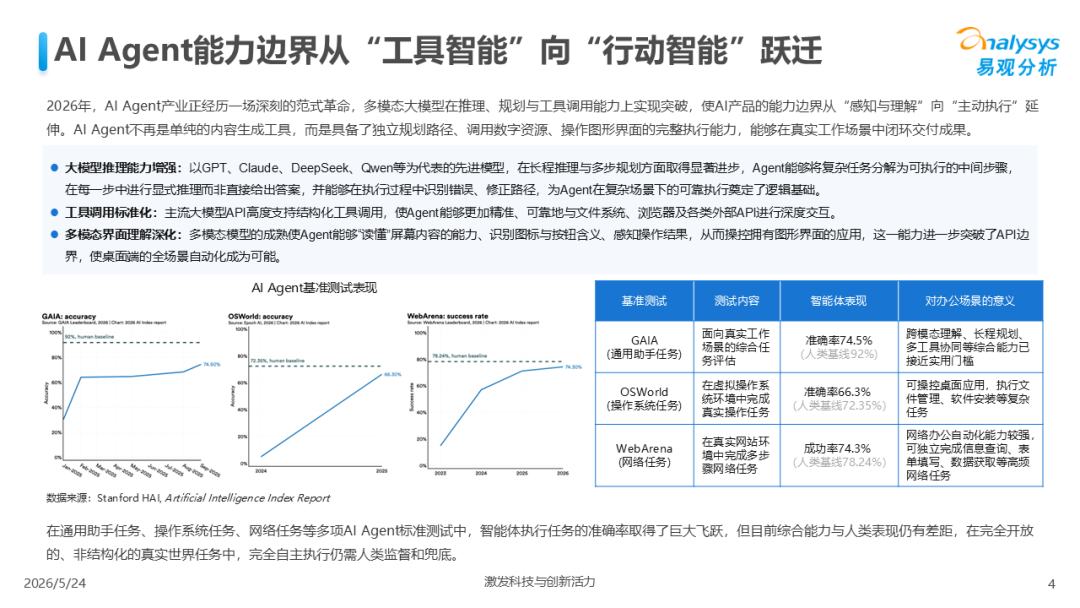
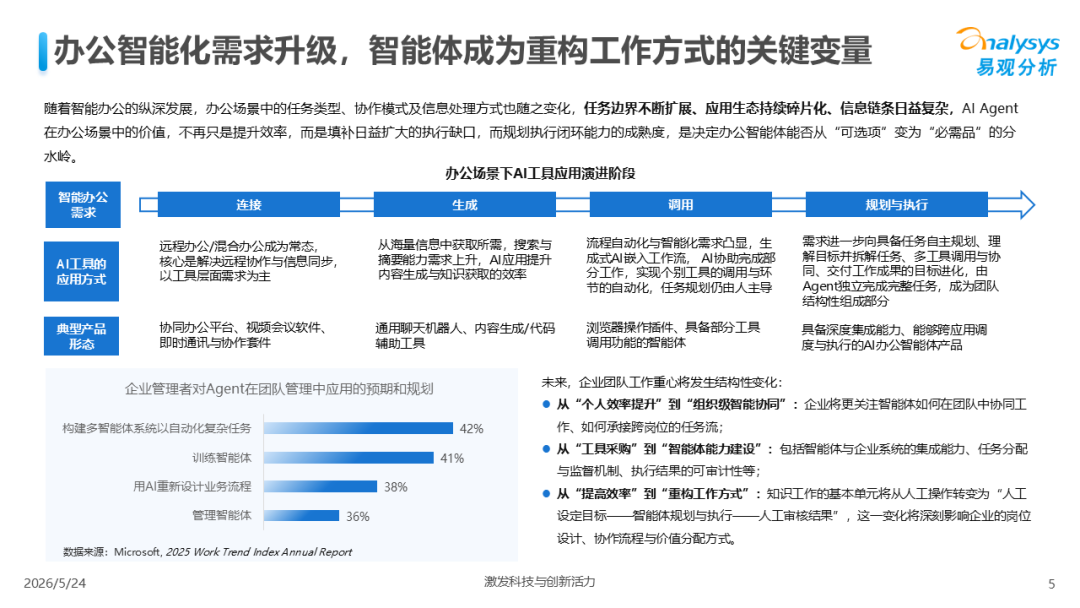
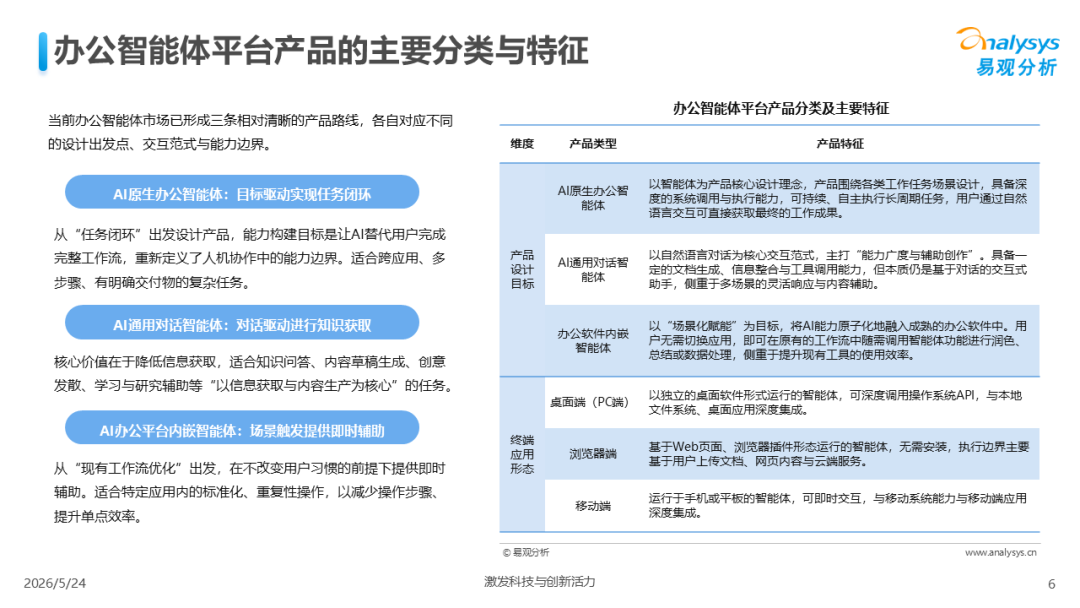
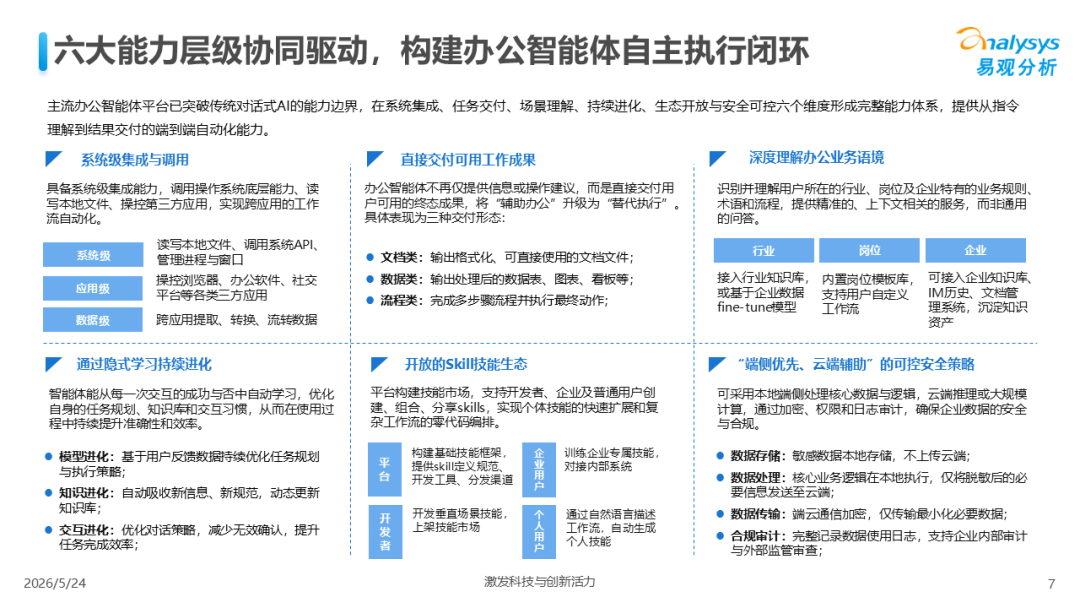
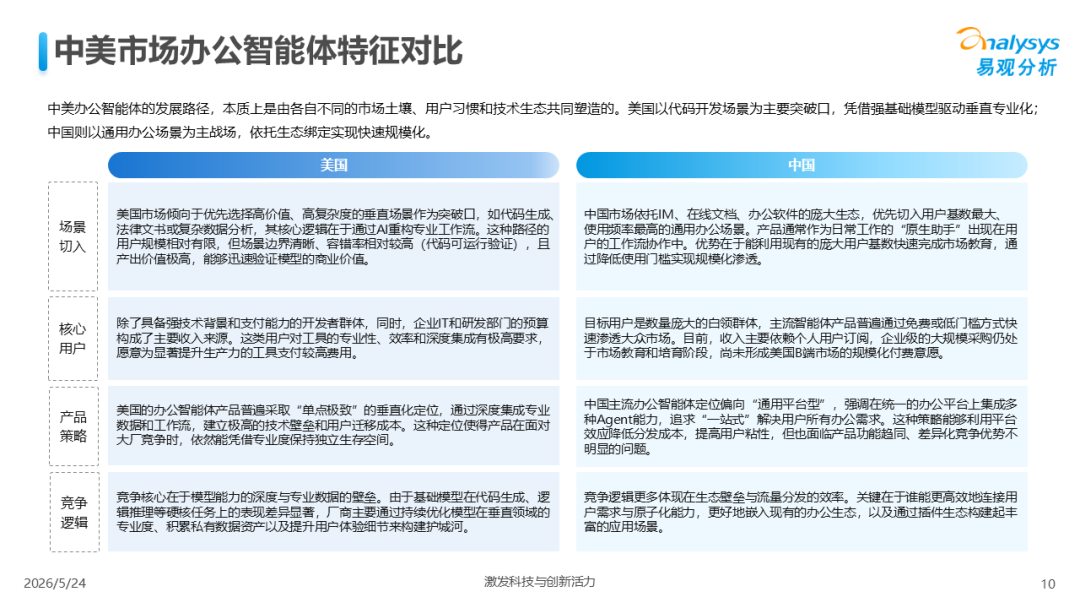
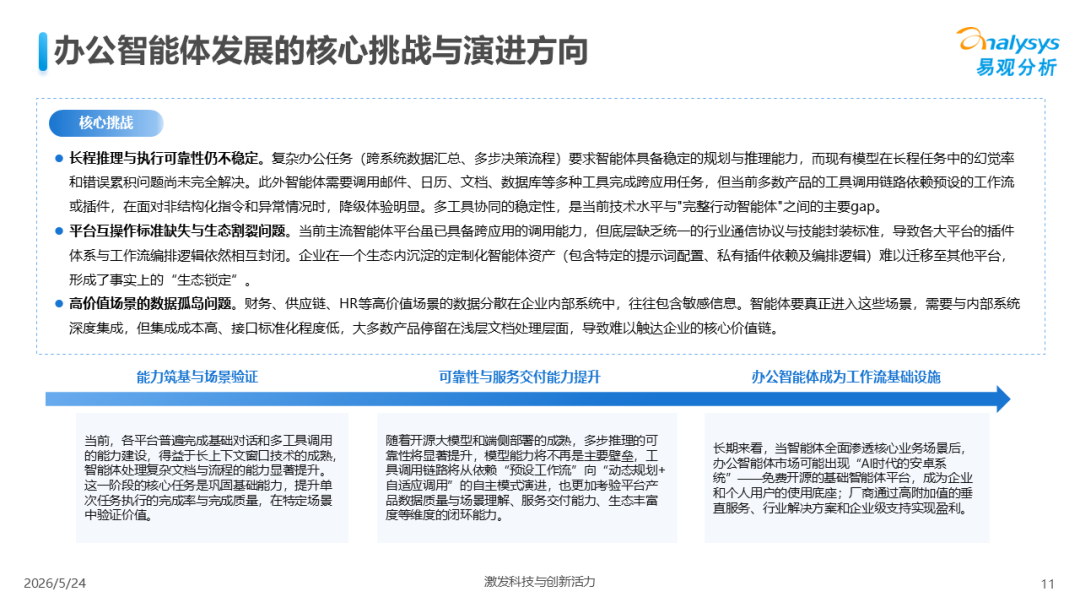
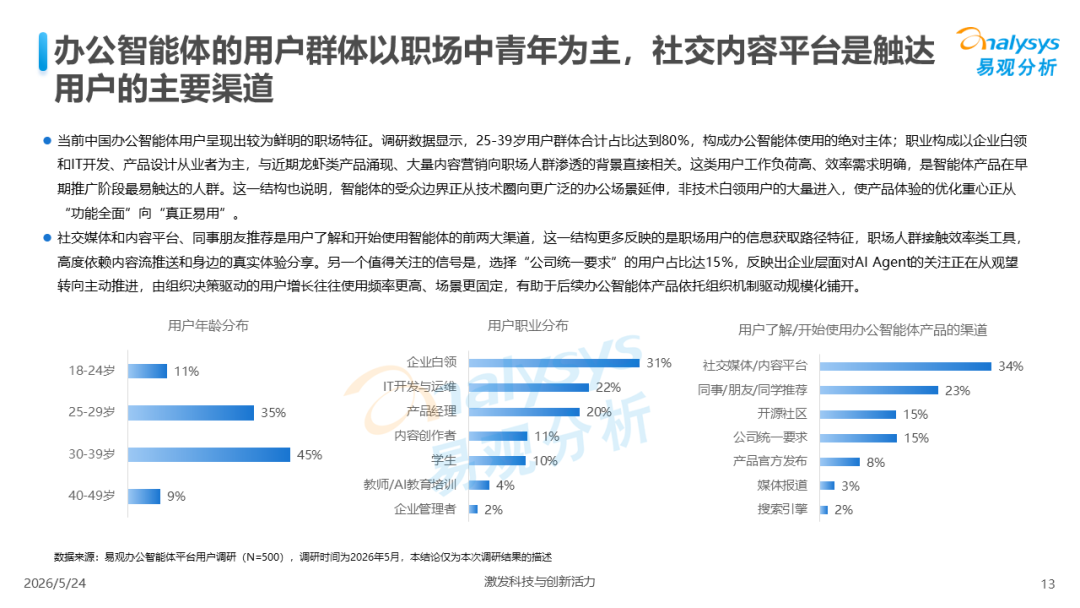
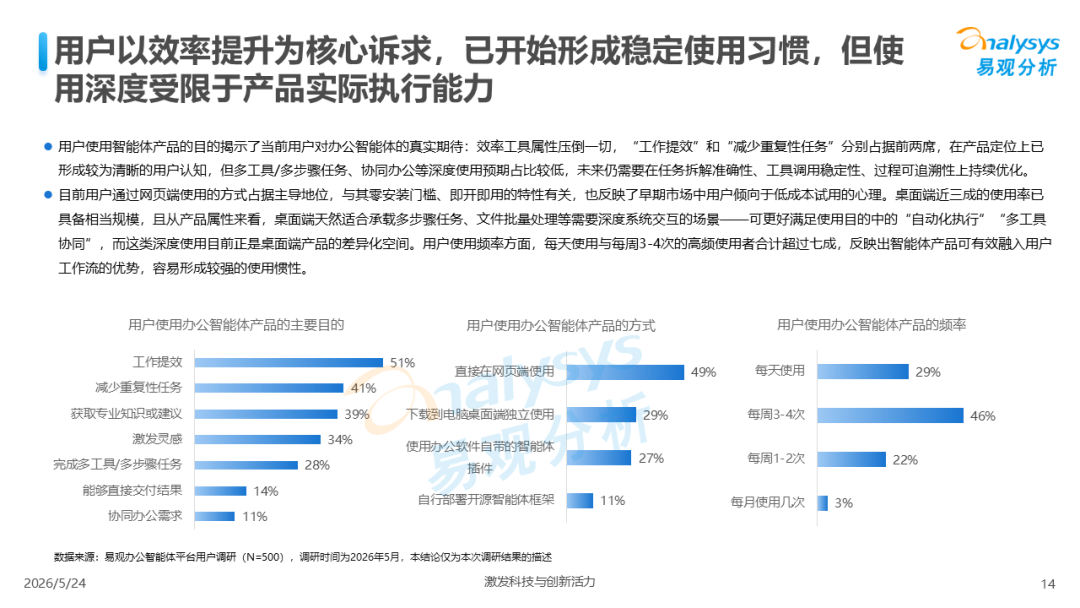
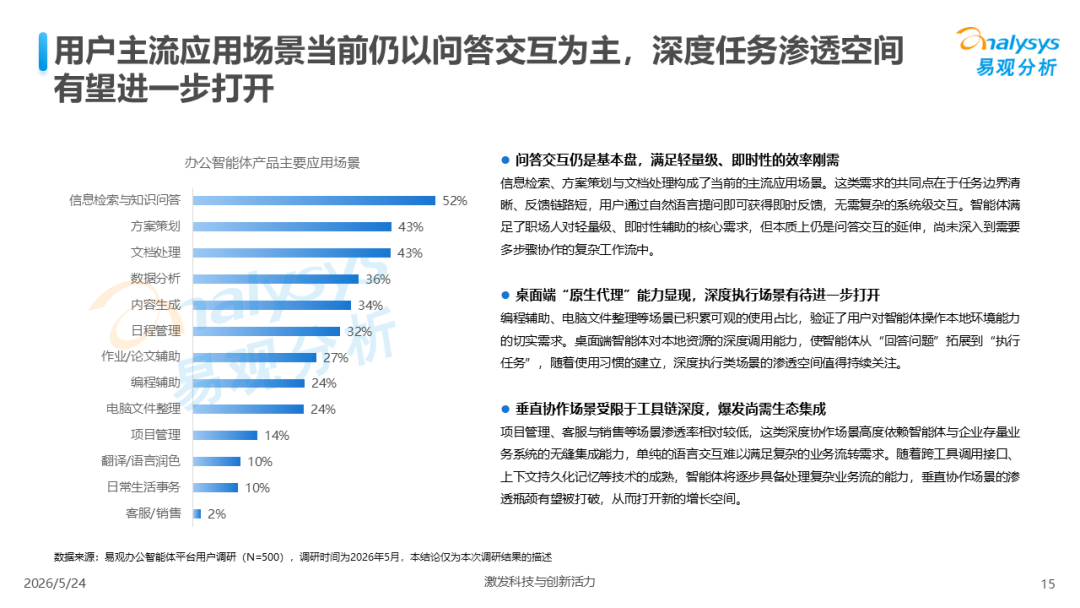
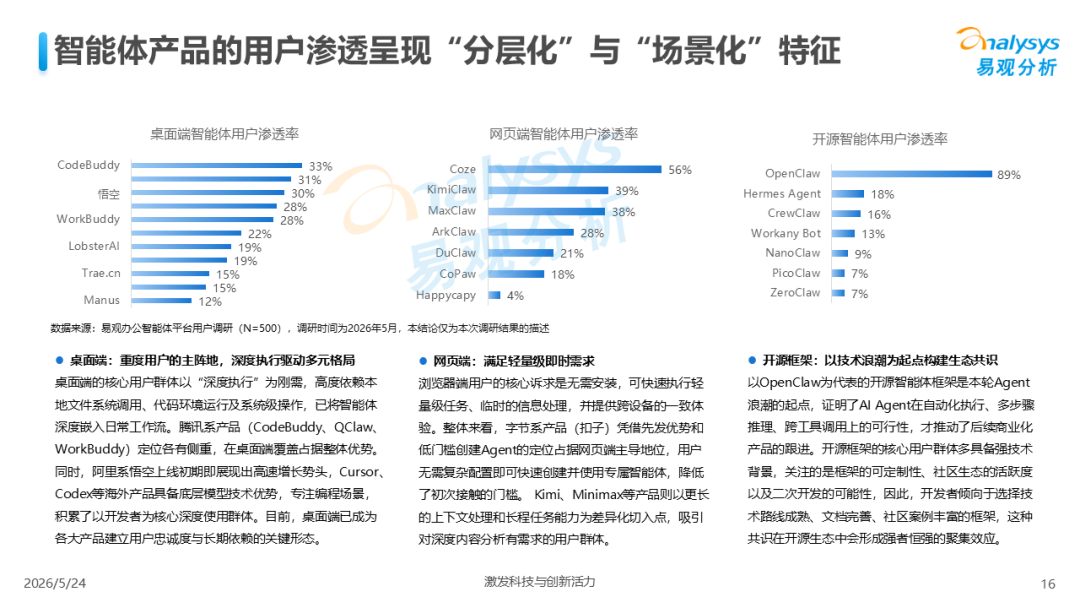
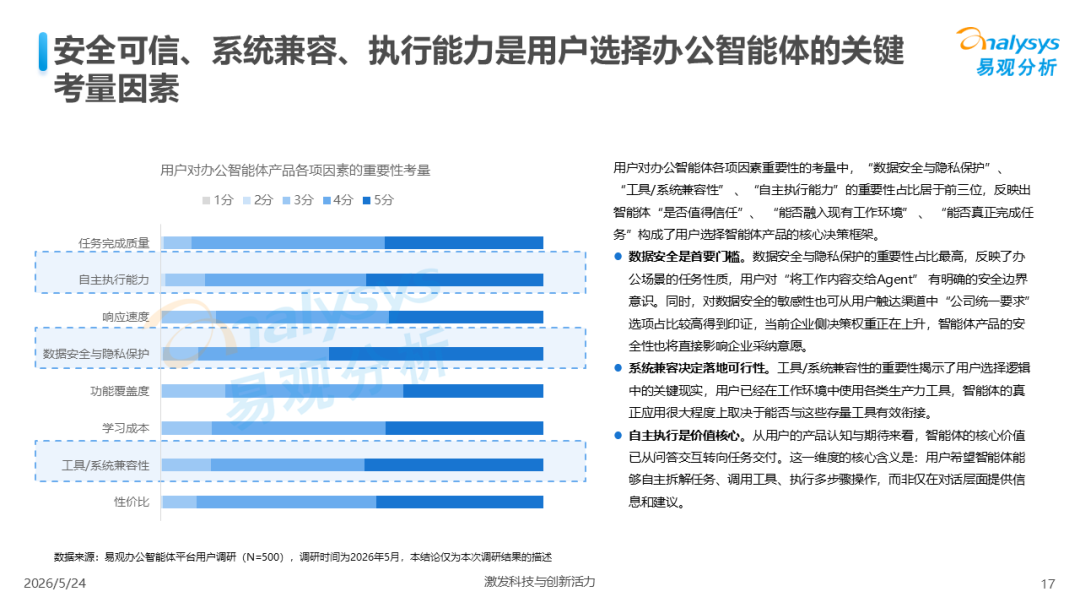
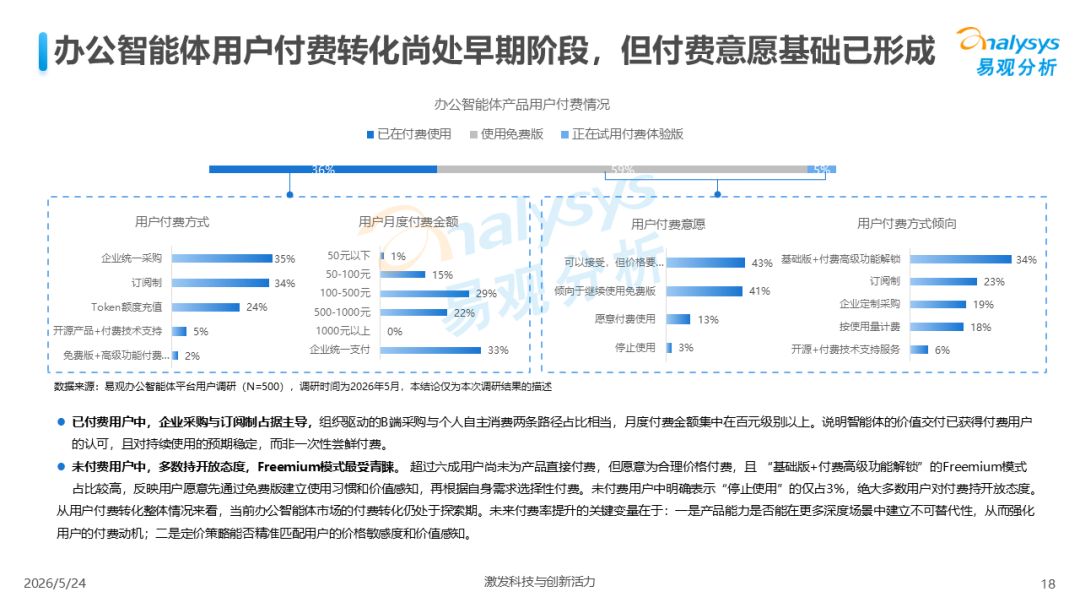
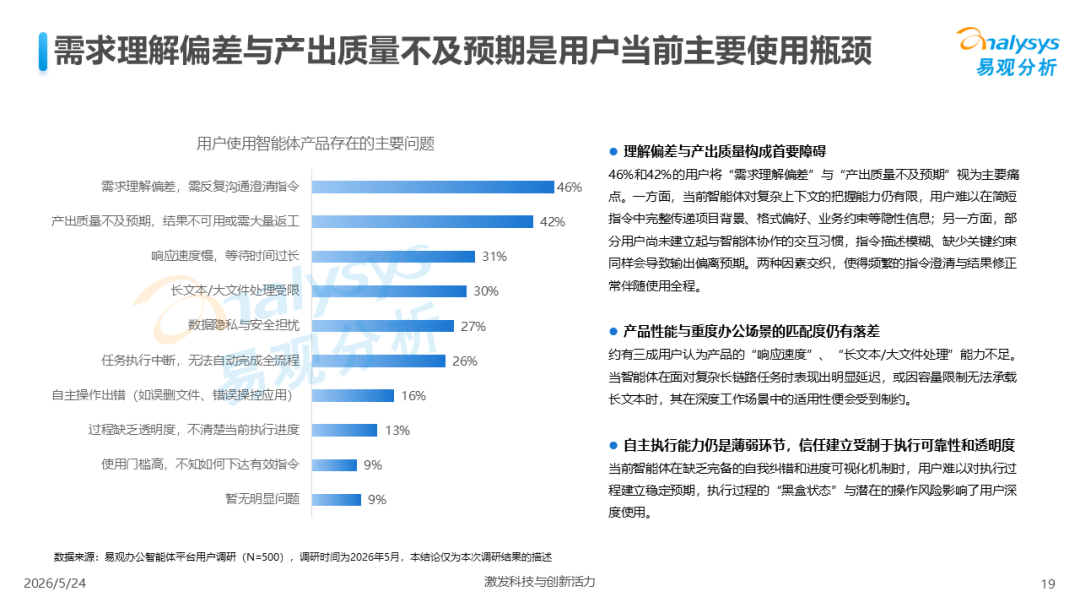
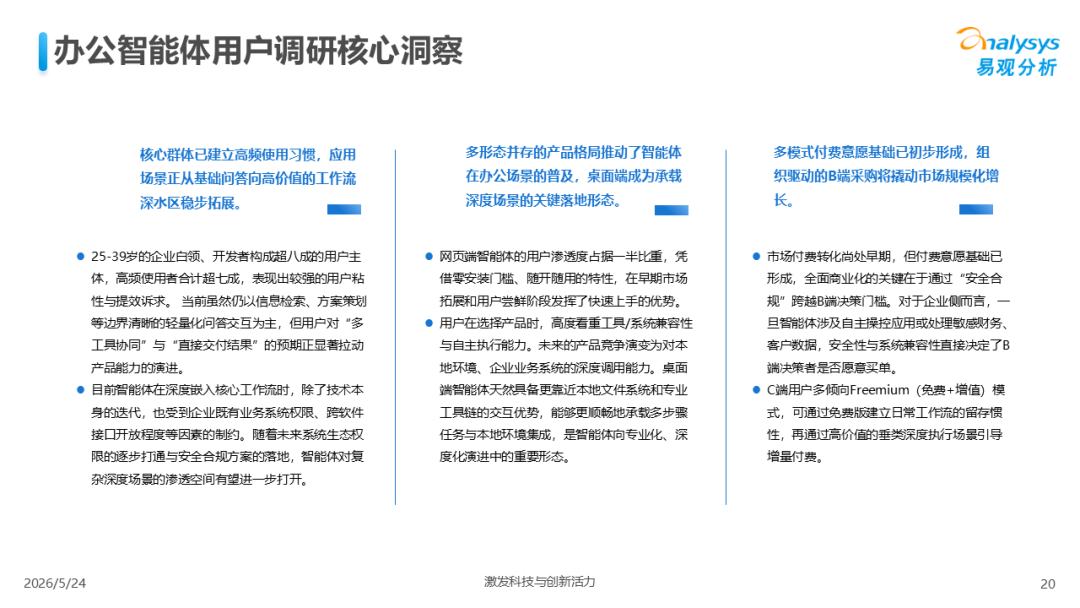
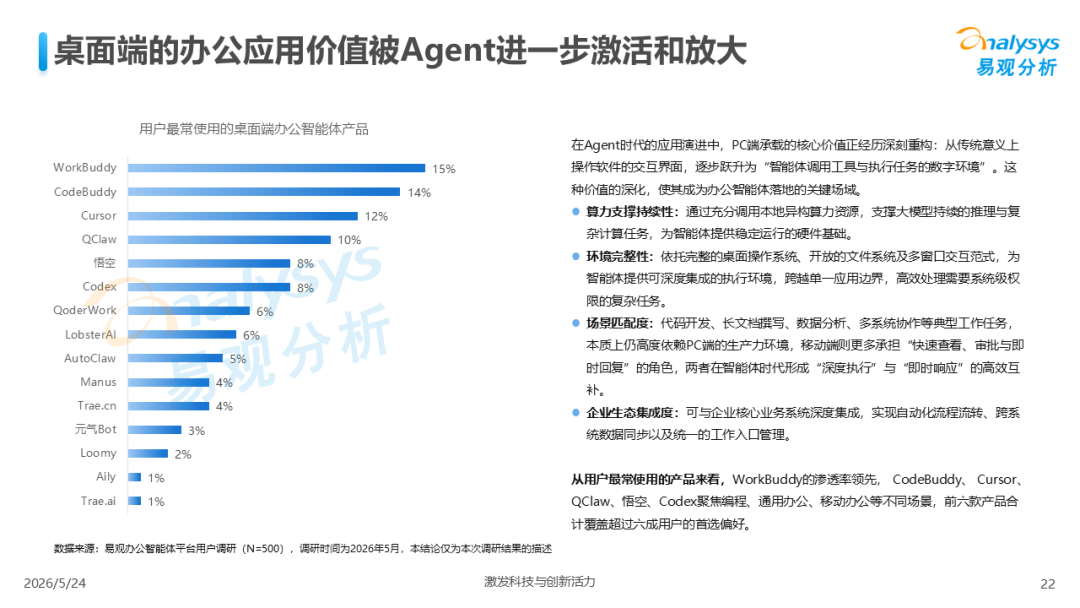
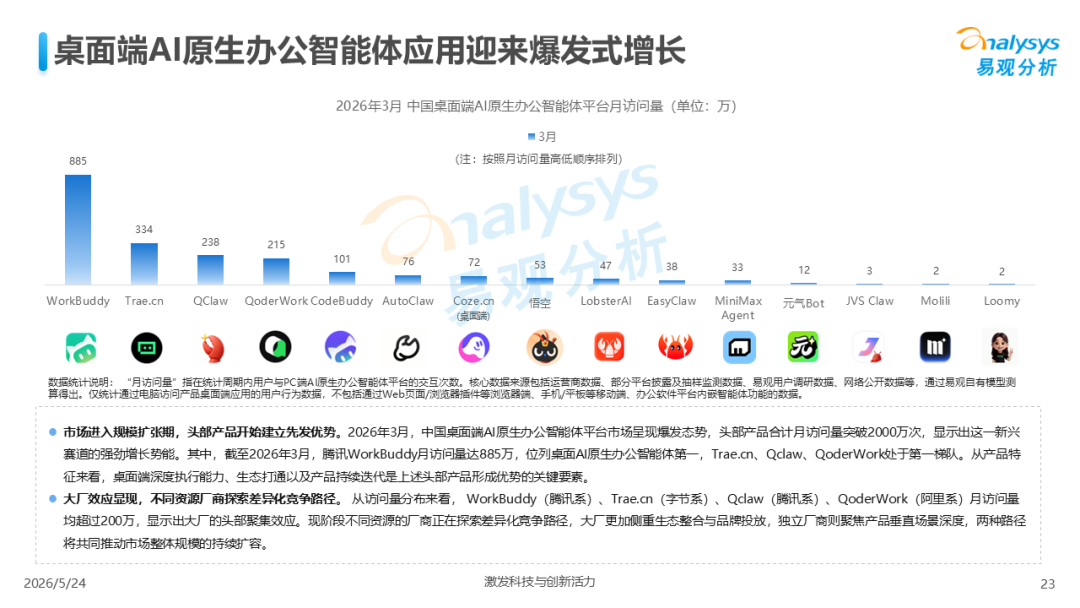
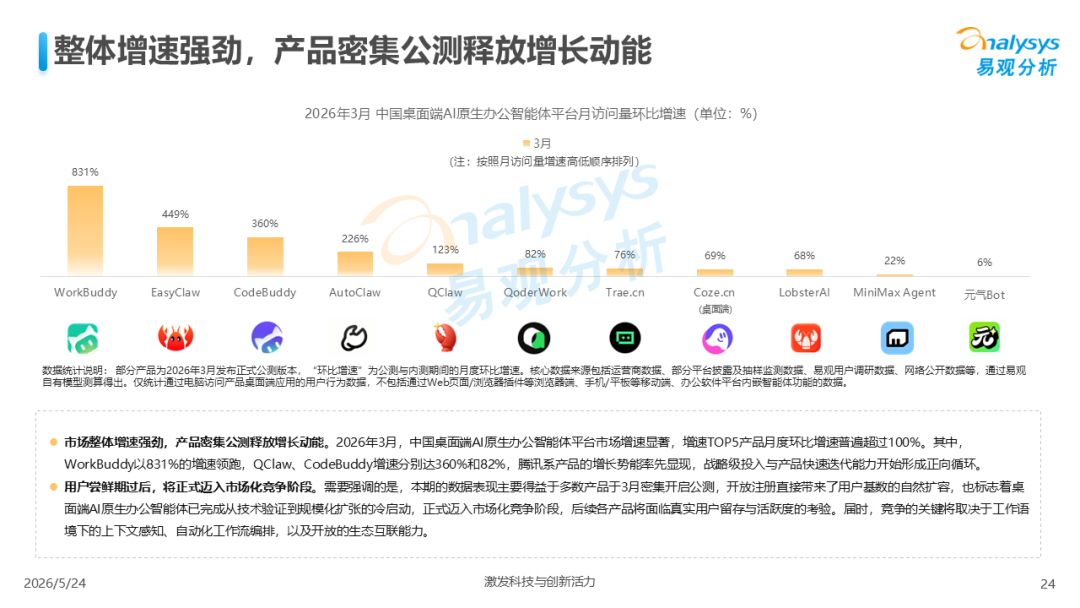
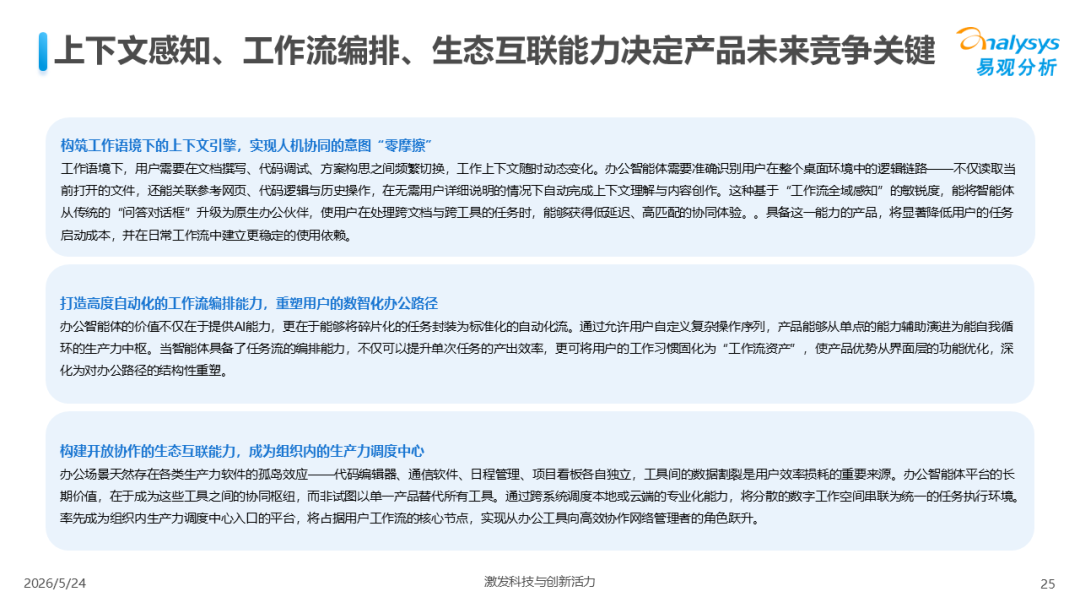
Analysys Insights: By 2026, AI Agent capabilities are rapidly evolving from conversational interaction and limited task execution to comprehensive action capabilities. During the transition from tool-based intelligence to actionable intelligence, office intelligent agents, through deep integration with local environments and closed-loop execution of multi-step tasks, are driving platforms to transform from human-computer interaction interfaces to intelligent agent-driven execution environments. This shift positions them as critical domains for handling complex office tasks. Meanwhile, core user groups have begun to establish usage habits, with application scenarios expanding from lightweight Q&A to high-value workflows. Security, trustworthiness, system compatibility, and autonomous execution capabilities constitute the core decision-making framework for user selection. 



Research Description
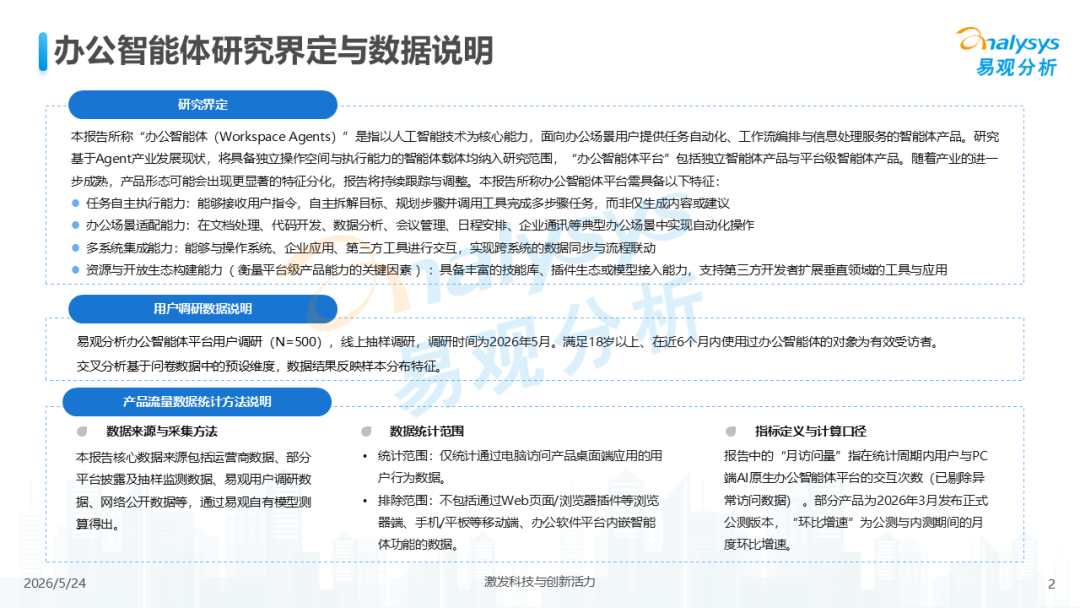
The industry analysis provided by Analysys is primarily based on macro industry data, quarterly end-user survey data, historical vendor data, and quarterly vendor business monitoring information. Utilizing Analysys' industry analysis model and combining market research, industry research, and vendor research methods, the analysis reflects market status, trends, turning points, and patterns, as well as the development status of vendors.
Analysys believes that the data derived from the aforementioned industry research methods falls within an acceptably recognized error range in the industry and can accurately reflect industry trends and patterns of change.
The research results obtained through professional research methods are intended for decision-making reference. For actual vendor data, please refer to the financial reports published by the vendors.
Copyright Notice
The third-party data and other information cited by Analysys in this document are sourced from public channels, and Analysys assumes no responsibility for them. Under no circumstances shall this document serve as anything more than reference material. The copyright of this document belongs to the publisher. Without authorization from Analysys, any reproduction, quotation, or use of any content published by Analysys in any manner is strictly prohibited. Any authorized media, website, or individual must quote the original text in its entirety and cite the source when using it. The analysis and viewpoints should align with those officially released by Analysys, and no deletions, additions, splices, interpretations, or distortions of any form are allowed. Analysys assumes no responsibility for any disputes arising from improper use and reserves the right to hold relevant responsible parties accountable.
-
![]()
Who’s Sounding the Alarm on ‘Rushed Vehicles’?
-
![]()
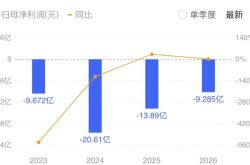
Over 5.3 Billion Yuan in Losses Over Three and a Half Years! Can Yonyou Reverse Its Fortunes Through Streamlining and AI Transformation?
-
![]()
Baidu AI Adopts Free Model: A Strategic Maneuver in Traffic and Monetization
-
![]()
Silicon-Based OLED Pioneer Unveils Financial Results: H1 Shipments Outpace Entire 2025 Volume
-
![]()
AI's First "Lost Summer"
-
![]()
Zeiss Makes Another €2.2 Million Bet: Will Eye Tracking Be the Next Big Thing in the Smart Glasses Industry?
-
![]()
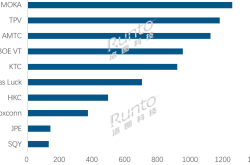
RUNTO Ranking | Global Top TV ODM Factories' Shipment Figures for July 2026
-
![]()
Dealer Service Operational Prowess | How After-Sales Managers Can Harness Efficiency and Expertise to Secure Trust in the New Energy Era