Silicon-Based OLED Pioneer Unveils Financial Results: H1 Shipments Outpace Entire 2025 Volume
 08/25 2026
 475
475
Dramatic Loss Reduction Achieved
By VR Gyroscope
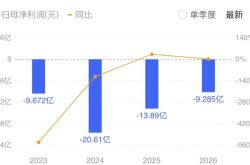
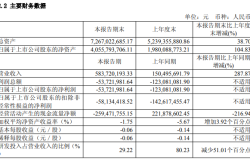
On August 20, Seeya Technology published its semi-annual financial report for 2026. The figures reveal that Seeya Technology secured RMB 584 million in revenue, marking a substantial 287.87% year-on-year surge. Gross profit soared to approximately RMB 164 million, a remarkable 433.77% increase compared to the same period last year. Despite a net loss attributable to shareholders of RMB 53.722 million, this represents a significant 56.35% reduction in losses from the previous year. The net loss after excluding non-recurring items stood at RMB 58.1344 million, with losses narrowing by 59.24%.
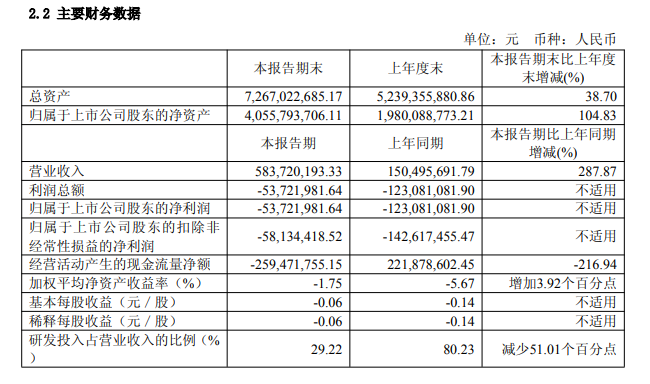
Calculations reveal that the company's comprehensive gross profit margin for the first half of the year reached approximately 28.0%, a notable increase of over 7 percentage points from 20.4% during the same period in 2025. Seeya Technology attributes this impressive revenue growth to escalating shipments, which diluted fixed product costs, coupled with a higher proportion of high-value-added products and ongoing production yield optimization.
In terms of assets and cash flow, bolstered by the IPO funds raised on the STAR Market in March, the company's total assets climbed to RMB 7.267 billion by the end of the period, a 38.70% increase from the previous year-end. Net assets attributable to shareholders surged to RMB 4.056 billion, up 104.83% year-on-year. The net cash flow from operating activities turned negative at -RMB 259 million, a shift from the positive cash flow recorded in the same period last year. The company clarified that this change was primarily due to the receipt of security deposits from specific customers during the previous year and an increase in raw material inventory to meet order growth in the current period.
From a quarterly perspective, revenue in the second quarter reached RMB 408 million, a 308.51% year-on-year increase, with the net loss attributable to shareholders narrowing to RMB 8.205 million. The operational improvement in the second quarter was notably more pronounced than in the first quarter, with mass production projects contributing significantly to performance in Q2.
01
H1 Shipments Surpass Entire 2025 Volume, Goertek Optics Contributes 42.37%
The financial report explicitly states that the primary driver behind the rapid revenue growth is the successful completion of R&D and the commencement of mass production and delivery for strategic product development projects tailored for specific customers, along with increased orders from other clients. During the reporting period, the company witnessed substantial order growth, with silicon-based OLED microdisplay shipments in the first half of 2026 exceeding the total for the entire previous year. Large-scale order deliveries directly propelled revenue to unprecedented levels.
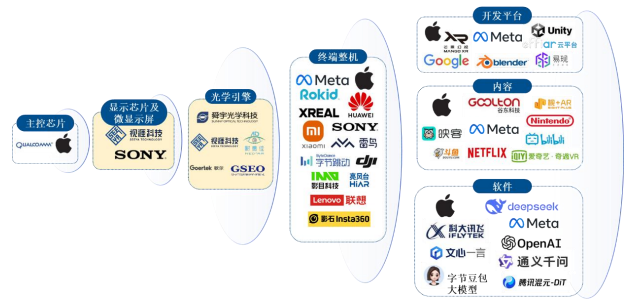
In terms of customer structure, the company's closed-loop model of deep collaboration with downstream leading manufacturers in "development + mass production" has proven highly effective. Leveraging its full-stack self-research capabilities in "display chips + microdisplays + optical systems," Seeya Technology offers customized development services for strategic customers and transitions to bulk supply once products are launched, fostering highly sticky partnerships.
Concurrent related-party transaction data reveals that in the first half of 2026, Seeya sold goods worth RMB 247 million to Goertek Optics Technology Co., Ltd., accounting for 42.37% of total revenue, a stark contrast to the mere RMB 40,200 recorded in the same period of 2025. This increase is truly remarkable. Related information indicates that Goertek Optics is a subsidiary of Goertek Inc., primarily responsible for the R&D and assembly of XR optical engines and optical modules.
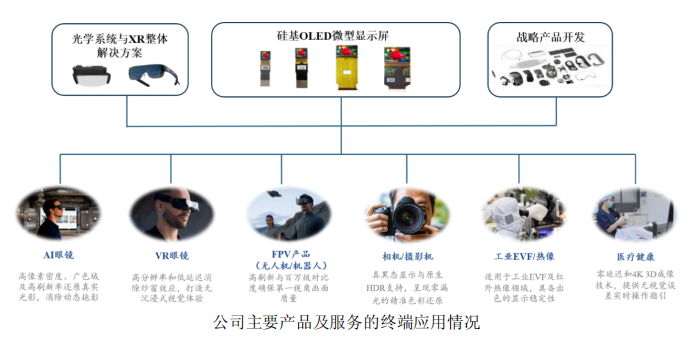
As Seeya Technology's core hardware, silicon-based OLED microdisplays span a full range of sizes from 0.3 inches to 1.4 inches. Boasting numerous performance advantages such as high resolution, high contrast, low power consumption, and wide color gamut, along with excellent mass-producibility, they have become the preferred solution for end-side devices like XR glasses. Downstream applications comprehensively cover consumer-grade scenarios such as AI glasses, VR/AR devices, and drone flight glasses, while also extending into professional fields like industrial EVF, medical, and night vision devices.
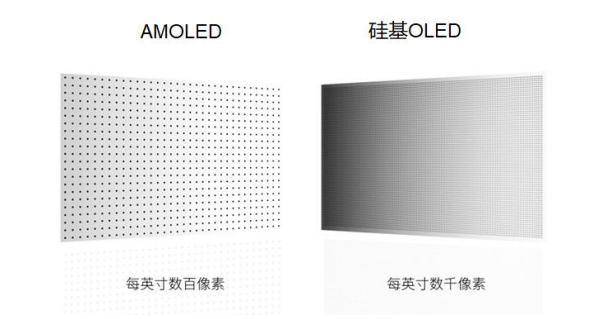
Comparison Between Traditional AMOLED Displays and Silicon-Based OLED Microdisplays
02
R&D Investment Up 41.24% Year-on-Year, Capacity Expansion Over Halfway Complete
While experiencing rapid performance growth, Seeya Technology continues to invest heavily in R&D and capacity building to solidify its long-term competitive edge.
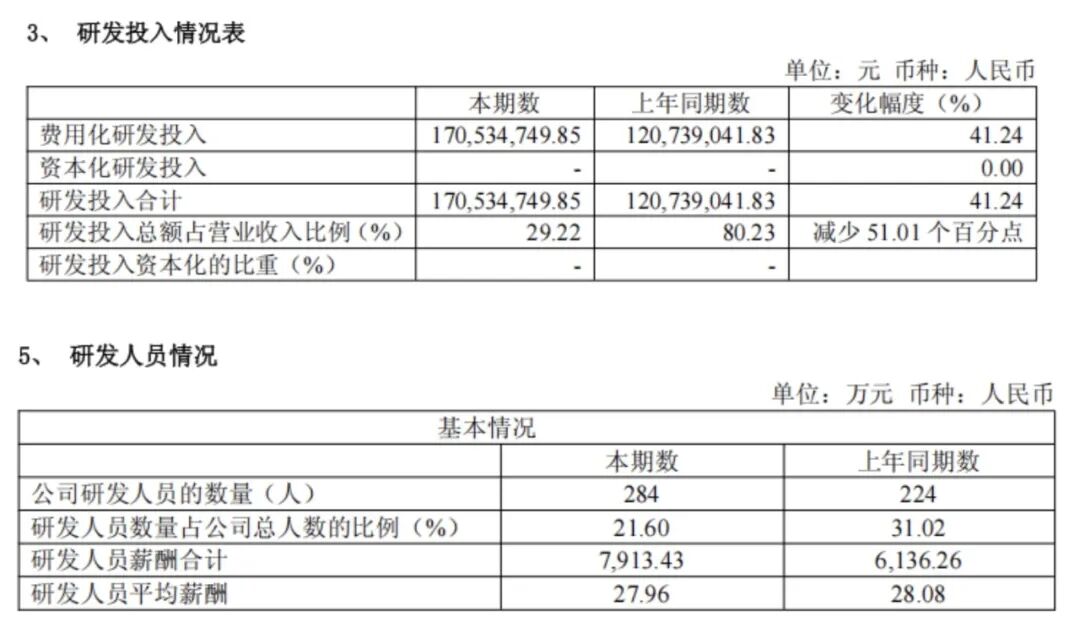
In terms of R&D, investment reached RMB 171 million in the first half of the year, a 41.24% year-on-year increase. The number of R&D personnel rose to 284, accounting for 21.6% of the total workforce. During the reporting period, the company applied for 12 invention patents and 8 utility model patents, accumulating a total of 348 intellectual property rights, including 202 invention patents.
Regarding core technologies, continuous iterations have been made in silicon-based OLED strong microcavity technology, crosstalk truncation technology, and high-efficiency stacked full-color technology. The stacked device solution reduces product power consumption by over 50%, while microlens technology enhances screen brightness by approximately 1.5 times.
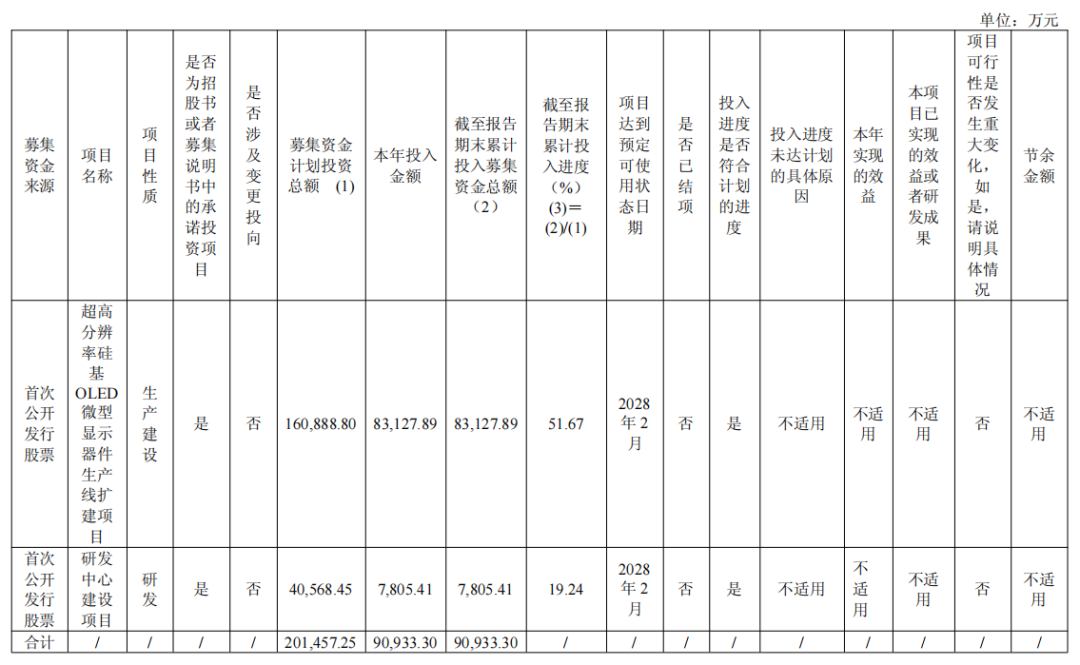
In terms of capacity building, IPO-funded projects are progressing steadily. The expansion project for the production line of ultra-high-resolution silicon-based OLED microdisplay devices invested RMB 831 million this year, with an investment progress of 51.67%. The project is expected to reach its intended usable state by February 2028, significantly boosting the company's supply capacity for high-end silicon-based OLED products upon completion.
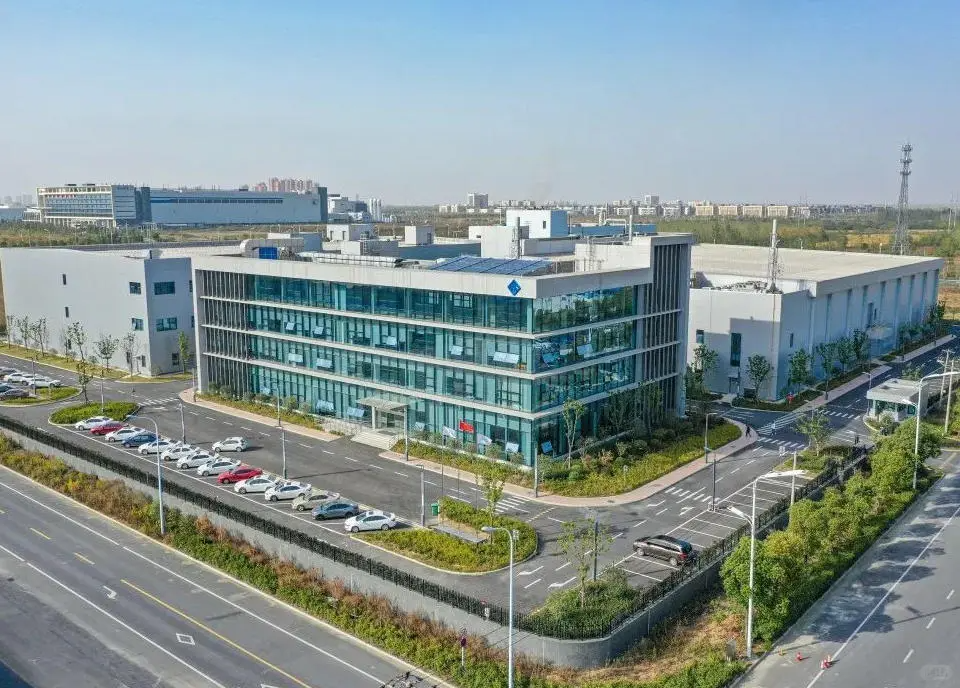
During the reporting period, the company's fixed assets reached RMB 1.912 billion, a 32.43% increase from the end of the previous year, primarily due to the completion of debugging and formal commissioning of many production facilities in the first half of the year, upgrading the factory's production line automation level. This also enables more silicon-based OLED screens to be produced with the same workforce, synchronously improving overall production scheduling and delivery speed.
03
Micro-OLED Accelerates Entry into XR Terminals
Currently, Meta, Samsung, and PICO have adopted Micro-OLED as their display solution for next-generation flagship headsets and multiple XR glasses. Compared to Fast-LCD display technology, Micro-OLED's core advantages lie in its compact design and ultra-high pixel density, making it ideal for lighter MR headsets and compact XR glasses.
PICO Space Pro is set to launch in Beijing on September 2, reportedly featuring a Micro-OLED display solution with 8K-level visual output for both eyes and a pixel density approaching 4000 PPI.
In March this year, it was reported that Seeya Technology had fully cleared its existing production lines in preparation for capacity and technology readiness for Meta's next-generation flagship VR headset. It is understood that Meta's next-generation VR headset, scheduled for release in 2027 (or potentially 2026), will officially return to a Micro-OLED display solution, featuring a single-eye resolution of 2.5K × 2.5K. Although this is lower in overall resolution compared to single-eye 4K, it may lead to a more affordable price point.
In terms of XR glasses, this year, Thunderbird Innovation's GT Max series, XREAL's sub-brand xbx a01 series, and Everysight's Maverick AI Pro released in April all adopt Micro-OLED microdisplays.
Judging from the semi-annual report, after core customer projects entered mass production in the first half of 2026, Seeya's existing technologies and capacity began to further translate into scalable revenue. The fact that shipments of silicon-based OLED microdisplays in the first half of the year exceeded the total for all of 2025 also indicates that downstream demand is entering a faster release phase.
According to a Frost & Sullivan report, global sales of silicon-based OLED displays grew from RMB 390 million in 2020 to RMB 1.27 billion in 2024, with a compound annual growth rate (CAGR) of 34.3%. It is expected to reach RMB 67.93 billion by 2030 at a CAGR of 94.11%. Global shipments of silicon-based OLED displays were 6.365 million units in 2024, with an expected 399.566 million units by 2030, representing a CAGR of 99.36% from 2024 to 2030.
-
![]()
Who’s Sounding the Alarm on ‘Rushed Vehicles’?
-
![]()
Over 5.3 Billion Yuan in Losses Over Three and a Half Years! Can Yonyou Reverse Its Fortunes Through Streamlining and AI Transformation?
-
![]()
Baidu AI Adopts Free Model: A Strategic Maneuver in Traffic and Monetization
-
![]()
Silicon-Based OLED Pioneer Unveils Financial Results: H1 Shipments Outpace Entire 2025 Volume
-
![]()
AI's First "Lost Summer"
-
![]()
Zeiss Makes Another €2.2 Million Bet: Will Eye Tracking Be the Next Big Thing in the Smart Glasses Industry?
-
![]()
RUNTO Ranking | Global Top TV ODM Factories' Shipment Figures for July 2026
-
![]()
Dealer Service Operational Prowess | How After-Sales Managers Can Harness Efficiency and Expertise to Secure Trust in the New Energy Era