From 30% Yearly Growth to a Slump: Supcon’s Struggle in Industrial AI Transformation
 07/13 2026
 418
418
By Yang Jianyong
Since the emergence of ChatGPT, large AI models have breathed new life into innovation across diverse industries, spurring digitalization and igniting a fresh wave of industrial intelligence.
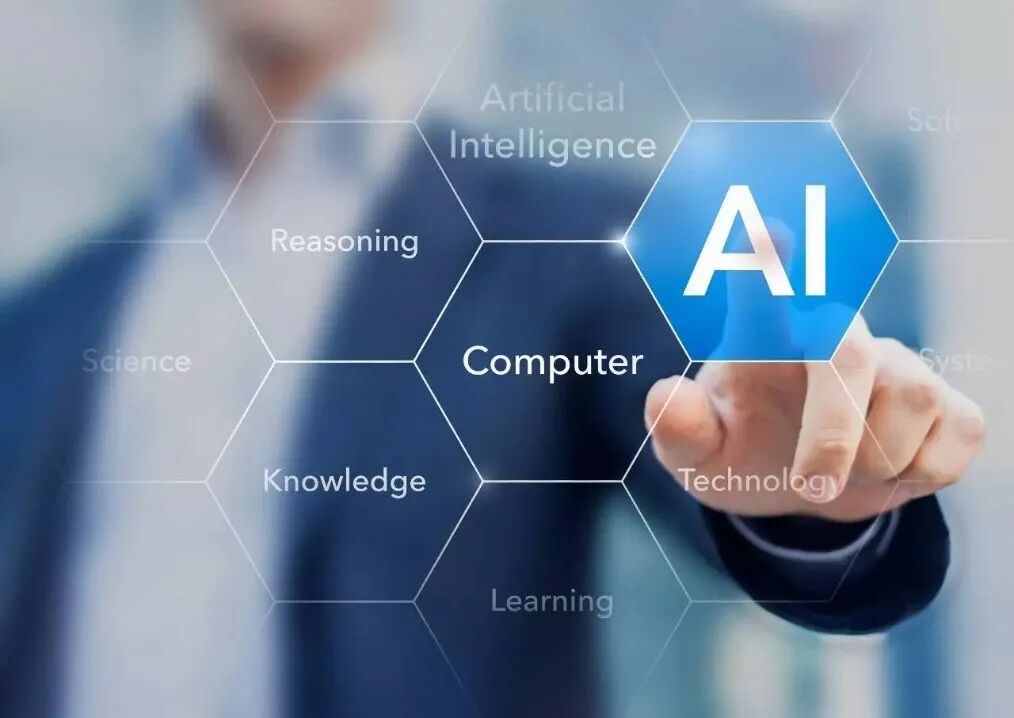
Facing the industrial opportunities presented by large AI models, Supcon Technology, a key player in the process automation sector, announced its core strategy of “All-in AI” as early as 2024. It launched TPT, the first AI time-series large model tailored for the process industry, marking the start of its AI-driven industrial transformation.
However, a simultaneous decline in revenue and net profit has cast a shadow over Supcon, which finds itself at a pivotal moment in its strategic shift towards industrial AI.
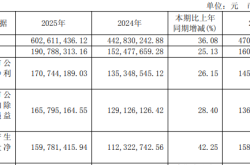
In the first quarter of 2026, Supcon Technology reported revenue of 1.5 billion yuan, a 6.29% year-on-year decrease, and a net profit of 74.68 million yuan, down 37.81% from the previous year. Notably, its net profit plummeted by 60% in 2025. This sharp downturn signals that Supcon is deeply entangled in a transformation challenge.
From 2017 to 2023, Supcon Technology capitalized on growth opportunities in the industrial automation market, achieving rapid performance expansion with a compound annual growth rate of 30% in both revenue and profit.
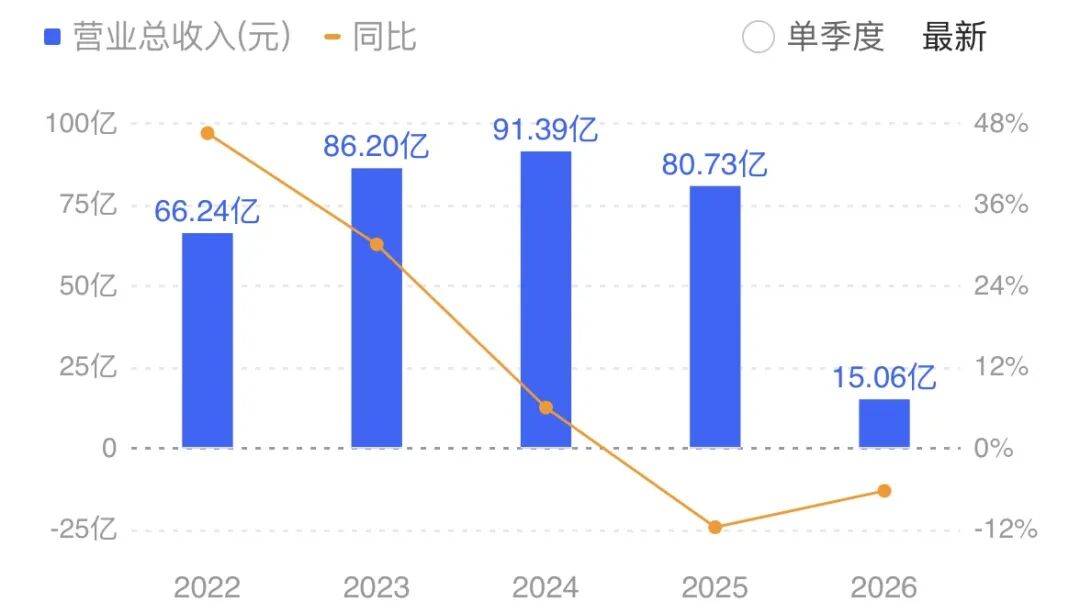
Today, weak downstream demand and heightened industry competition have not only ended Supcon’s era of high growth but also triggered a simultaneous decline in revenue and net profit.
It’s important to note that AI large models are reshaping industries by accelerating digital upgrades. In industrial manufacturing, these models are driving a comprehensive shift towards intelligence, boosting digitalization, automation, and smart capabilities. This has led to the widespread adoption of industrial robots and intelligent control systems, significantly enhancing production efficiency.
As a leader in process automation, Supcon Technology has proactively embraced these technological shifts and strategically positioned itself. Building on advancements in industrial AI and the latest strategic guidance, Supcon has charted a new development path: leveraging industrial data as its foundation, AI large models as its core, and full-scenario intelligent agents as its touchpoints to drive sustainable industrial development with AI and facilitate its transition into an industrial AI company.
Among its initiatives, the time-series large model TPT, dubbed the “industrial brain,” stands out. Developed through pre-training with vast amounts of industrial data and a MoE (Mixture of Experts) hybrid model architecture, TPT boasts five key capabilities: simulation, control, optimization, prediction, and assessment. It caters to a wide range of industrial scenarios, generating core industrial content such as control strategies, operational optimization plans, and bottleneck analysis reports. This deepens AI applications within the production entity domain, enhancing efficiency across various aspects of process industrial manufacturing and accelerating the intelligence of process industries.
To further its AI strategy, Supcon Technology has significantly increased its investment in developing industrial AI businesses. As a result, innovative ventures like the time-series large model TPT have accelerated their large-scale implementation, successfully penetrating key sectors such as oil refining, coal chemical industry, chlor-alkali, and wind-solar hydrogen production. This includes breakthrough applications in over 110 projects for clients like Ningxia Belite, Guizhou Phosphorus Chemical Group, and Xinlianxin Group. These achievements represent Supcon Technology’s phased progress in its comprehensive industrial AI strategic transformation.
It’s worth mentioning that Supcon Technology has partnered with Huawei to create the “TPT Ascend All-in-One.” This solution integrates Supcon’s time-series large model TPT with Huawei’s Ascend computing power base, offering a one-stop delivery method—one-click installation and one-click operation and maintenance. After receiving the equipment, enterprises simply need to connect it to power and network to gain stable and usable industrial AI capabilities within hours, eliminating the need to build their own computing power clusters or hire dedicated algorithm teams. This significantly lowers the barriers to digital transformation.
“Frontier technologies like AI are rapidly penetrating the manufacturing industry, with the intelligent upgrading of process industries holding immense potential,” said Chu Jian, the founder of Supcon. He stated that Supcon would fully embrace AI and focus on deep cultivation in the process industry sector, particularly in niche sub-sectors related to biomanufacturing, such as chemicals, biopharmaceuticals, food, and alcohol.
Overall, amid sluggish revenue and a significant profit decline, the commercialization of the TPT large model will be a key factor in enabling Supcon Technology to break through. Additionally, Supcon Technology is integrating industrial AI with robot technology, especially advanced technologies like humanoid robots, which are showing immense potential in the manufacturing sector.
Finally, intelligent manufacturing has become the main theme of industrial upgrading, with industrial enterprises showing strong demand for new technologies. In particular, the combination of new technologies such as AI large models and big data is bringing new momentum to industrial transformation and upgrading, significantly boosting production efficiency as manufacturing moves towards intelligent manufacturing transformation.
Crucially, as manufacturing advances towards high-end development, the self-control of high-end manufacturing equipment becomes paramount. For vendors with long-term expertise in industrial automation and intelligent manufacturing, enduring short-term transformation pains is expected to pave the way for broader development prospects.
Yang Jianyong, a contributor to Forbes China, expresses views that represent his personal opinions. He is dedicated to in-depth interpretations of frontier technologies such as AI large models, artificial intelligence, IoT, cloud computing, and industrial robots.
-
![]()
Why Hasn’t AI-Driven Payment Flourished Despite Tech Giants’ Push?
-
![]()
Intensify Efforts in the High-End Optoelectronic Semiconductor Sector! Aipu Dingchun and Jiangsu Meidong Forge a New Joint Venture
-
![]()
From Endoscopes to Optical Interconnects for AI Computing Power: A Veteran Optical Company's Strategic Shift
-
![]()
Behind the Scenes of Token Factories' Rise as a Capital Market Sensation
-
![]()
What Does MaaS Ultimately Bring to Chinese Cloud Providers? | In-Depth Industry Analysis
-
![]()
China’s Auto Resale Value Report Unveiled: AITO M9 Electric and Hybrid Variants Dominate Rankings
-
![]()
Dialogue with Huang Yangming: On the Eve of the Physical AI Boom, the Value of Data Infrastructure Begins to Materialize
-
![]()
The Experience is a Bit Unusual! Logitech G Cloud Review: Great Feel, but Not Ideal for Cloud Gaming