ZTE Teases Doubao Phone 2, Yet GUI-Based Operation of Doubao Phone Assistant Still Lacks Mainstream App Support. Will It Mirror WeChat and Alipay’s Success?
 07/10 2026
 527
527
Nubia, in partnership with ByteDance, is set to unveil the Doubao Phone 2, but the new technological approach still faces hurdles in ecosystem integration.
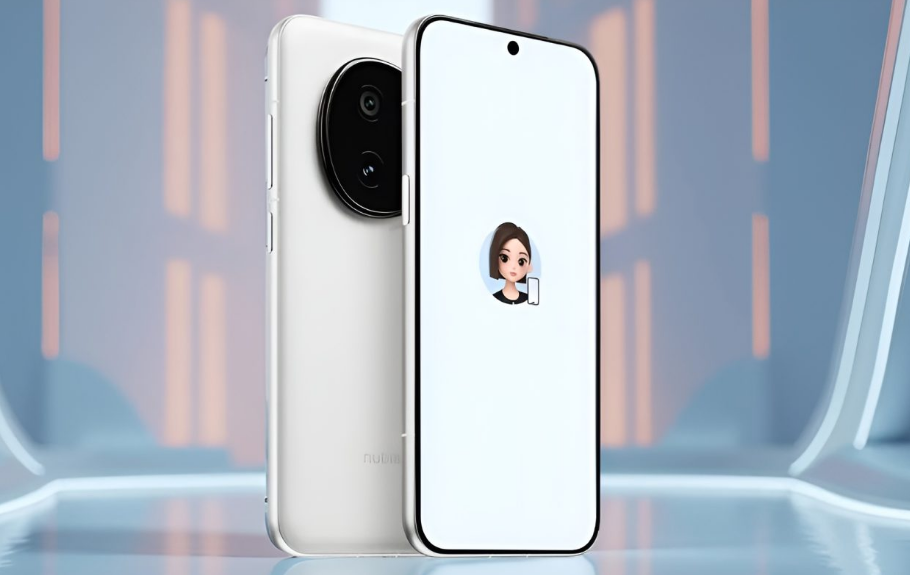
On July 8, according to the Southern Metropolis Daily, Ni Fei, Senior Vice President of ZTE Corporation and President of the Terminal Business Division, confirmed in a post that Nubia will introduce the world’s first AI agent-powered smartphone, which will make its debut at the 2026 World Artificial Intelligence Conference (WAIC). This device is poised to be a flagship model for mass production.
When ByteDance’s Doubao large model and ZTE Nubia jointly launched the first-generation Doubao AI phone in December 2025, it stirred up the industry. Priced at 3499 yuan, the limited-edition phone sold out instantly upon release, with prices on the second-hand market skyrocketing to as high as 12,999 yuan.
In terms of technical execution, the device uses "Doubao Doubao" as its wake word and leverages Android system-level "INJECT EVENTS (simulated touch)" lower-level permissions to enable cross-app voice execution. After a user issues a voice command, the AI can function as a digital butler, automatically clicking and swiping on the screen to perform operations across different apps.
Based on previously disclosed information from industry insiders, the second-generation model maintains the previous strategic path, with ZTE handling hardware manufacturing and supply chain, while Doubao focuses on refining the AI system and agent capabilities.
According to Leikeji, details about the hardware of the second-generation Doubao AI phone are limited. However, it is expected to feature the fifth-generation Snapdragon 8 Supreme Edition. Given that the new generation M153 already utilizes the Snapdragon 8 Supreme Edition, 16GB+512GB storage, a 6.78-inch LTPO screen, and a 6000mAh battery, it’s no surprise that the second generation will continue to employ a flagship platform.
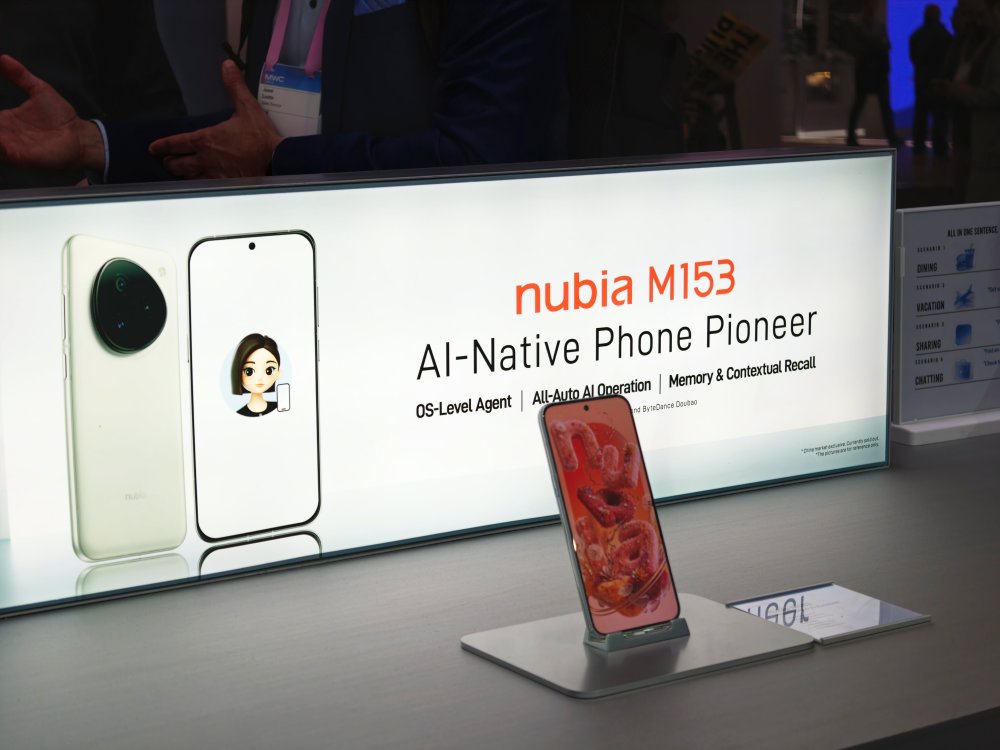
Image source: Leikeji (first-generation Doubao phone)
More importantly, AI takes center stage. It is almost certain that the second-generation Doubao AI phone will undergo significant changes in its "agent" approach, as the external environment has drastically evolved.
Over the past six months, heavyweight products like OpenClaw, Claude Code, and Codex have brought about notable shifts in the Agent ecosystem, with internet platforms accelerating their adoption of Agents and enabling Agent interactions through MCP, A2A protocols, or official Skills.
The first-generation Doubao phone aimed to "operate apps on behalf of users," but the GUI-based Agent technological approach had a substantial impact on the existing ecosystem. In contrast, the protocol-based Agent technological approach has been gaining momentum. For instance, WeChat has previously enhanced A2A assistant capabilities with several phone manufacturers, sending a clear signal.
Currently, the first-generation Doubao phone still faces numerous challenges in ecosystem development, which is the core issue hindering its practicality.
According to Xinhuanghe, on May 28, the first-generation Doubao phone received a 2.0 version update, introducing a cross-device migration function for global memory data, providing conditions for data migration for first-generation users when upgrading their phones.
However, tests conducted by journalists from Xinhuanghe Dayu Finance revealed that commonly used apps such as WeChat, Taobao, Pinduoduo, Alipay, and Meituan still do not support operation via GUI through the Doubao Phone Assistant. When using the Alibaba Qianwen client, the system also displays a message stating, "An abnormal device login environment has been detected," requiring users to switch devices for login.
In March of this year, ZTE Corporation clarified the technological direction for the new generation of Doubao AI phones at its 2025 annual performance briefing. Management stated that the company is deepening cooperation with ecosystem partners such as ByteDance to jointly advance the research, development, and launch of the new generation of products. The new phone will continue to deeply integrate AI agents into the operating system, rather than treating them as an add-on feature, and will incorporate ZTE's self-developed Co-Claw scheduling technology to enhance cross-app, cross-ecosystem collaboration, and complex task execution capabilities.
According to the plan disclosed by ZTE Corporation, the new generation of AI phones will enhance on-device processing capabilities and protect user information through localized data processing, model operation isolation, and user behavior desensitization.
Based on the available information, while the second-generation Doubao phone may see improvements in hardware and large model capabilities, addressing product performance shortcomings, ecosystem compatibility will be crucial in determining whether AI agent-powered phones can reach the mainstream market.
If the adaptation issues with mainstream apps like WeChat and Alipay remain unresolved after the official release of the second-generation Doubao phone, the new product may continue to be seen as a "technical showcase" and struggle to gain widespread adoption in the consumer market.
-
![]()
China’s AI Computing Power: Embracing a New Organizational Paradigm
-
Same Bloodline, Two Fates: How Two AI Giants Took Divergent Paths?
-
![]()
Combined Market Value Plummets by Nearly One Trillion Yuan: What’s Behind the Decline of Two AI Powerhouses?
-
![]()
Detailed Explanation of the Impact of Hikvision Guanlan Coding on Video Quality and Key Frame Quality
-
![]()
The Key Distinctions Between AI-Driven Smart Coding and Traditional Coding
-
![]()
Memory Prices Skyrocket, Becoming ‘Digital Black Gold’ as Shenzhen’s Huaqiangbei Spawns a Wave of Billionaires
-
![]()
Kuaishou Unleashes Its Secret Weapon: Kling
-
Copilot is Over, Industrial AI Enters the Autopilot Era (Part 1)