Samsung’s Latest Foldable Phone Skips S Pen Again! Is AI Ushering in the End of Styluses?
 08/25 2026
 524
524
Don’t Let ‘AI’ Become a Convenient Excuse for Feature Reductions.
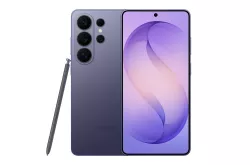
In 2026, Samsung unveiled its ‘wide-folding’ phone, the Galaxy Z Fold 8, boasting thinner hinges, brighter screens, and even more advanced imaging capabilities, with specs that remain unmatched. However, Leitech quickly spotted a key detail: like its predecessor, the Galaxy Z Fold 7, the Z Fold 8 still doesn’t support the S Pen. This means the Galaxy S26 Ultra has truly become the last bastion of Samsung’s S Pen legacy.
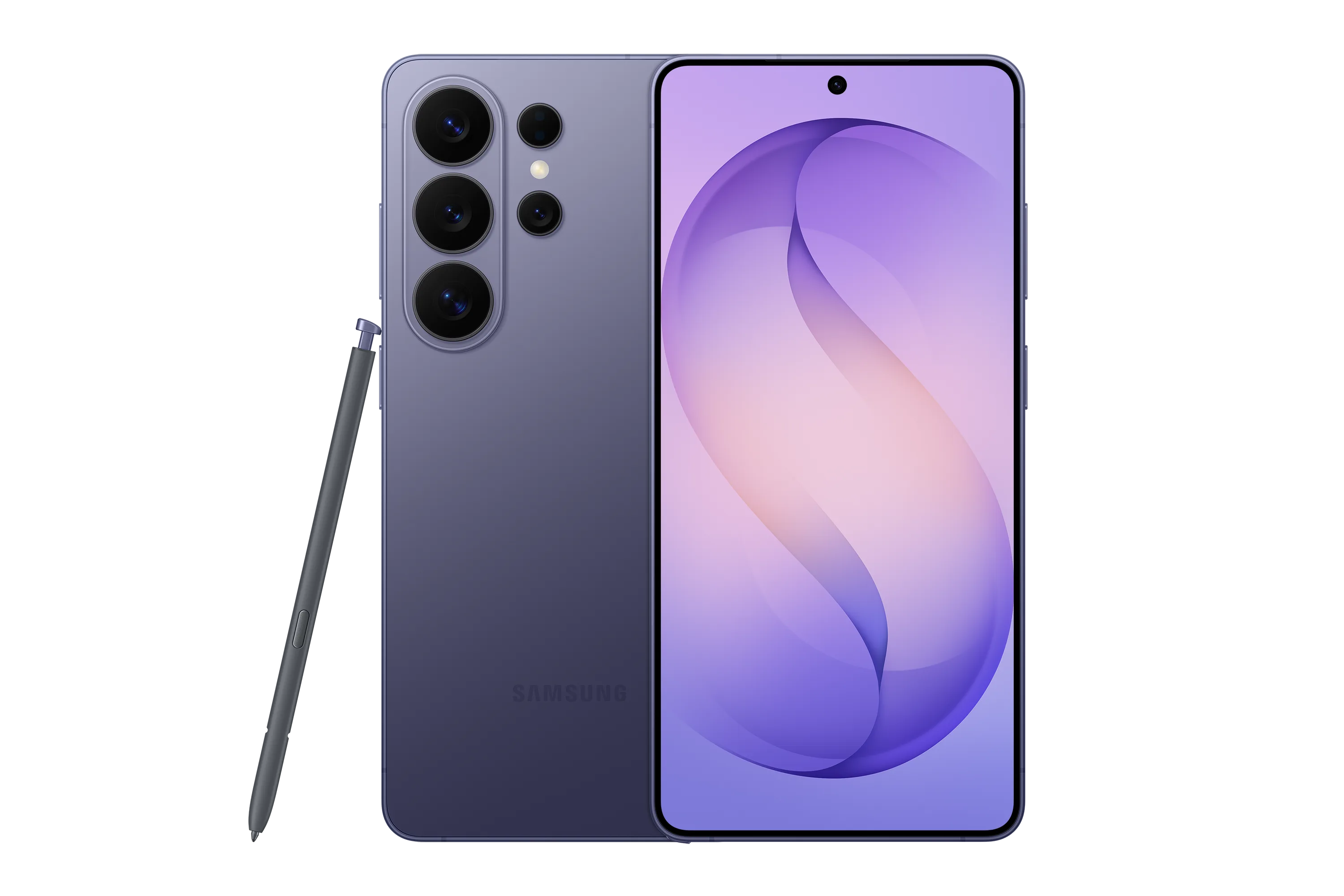
Image Source: Samsung
From Leitech’s perspective, Samsung’s willingness to part ways with the stylus is telling. The S Pen has been a hallmark of Samsung’s flagship devices since the Note era, later making its way into the S series Ultra models and then onto the inner screens of foldable phones. Samsung firmly established ‘handwriting’ as a unique selling point, setting itself apart from Apple and domestic rivals. Even after the Note series was discontinued, the S Pen remained a symbolic element of Samsung’s brand identity.
More importantly, for a long time, the S Pen served as a technological edge that differentiated Samsung’s foldable phones from the competition: Samsung’s horizontally folding phones were once the only foldable flagships capable of writing on the inner screen. Thus, the removal of the S Pen is far from a simple loss of an accessory; Leitech believes Samsung’s decision marks a turning point, signaling the smartphone industry’s shift from the large-screen entertainment era to the AI era.
Are Foldable Screens and Styluses Incompatible?
However, based on Leitech’s experience with foldable phones over the years, the combination of foldable screens and the S Pen was always destined to be a challenging match.
As everyone knows, the hinge of a foldable screen is the most complex and delicate mechanical component in the device. To accommodate the pressure sensitivity of the S Pen, Samsung had to add an extra digital layer beneath the soft inner screen; the physical pressure from the S Pen’s touch would inevitably transmit to the hinge.
This external pressure could potentially deform the phone’s hinge, leading to irreversible damage to the soft inner screen when folded. If you’ve ever seen instances of inner screen leakage in foldable phones, you’ll know that such damage typically occurs for only two reasons: foreign objects getting ‘pinched’ by the foldable screen or the hinge ‘puncturing’ the inner screen from the inside out.
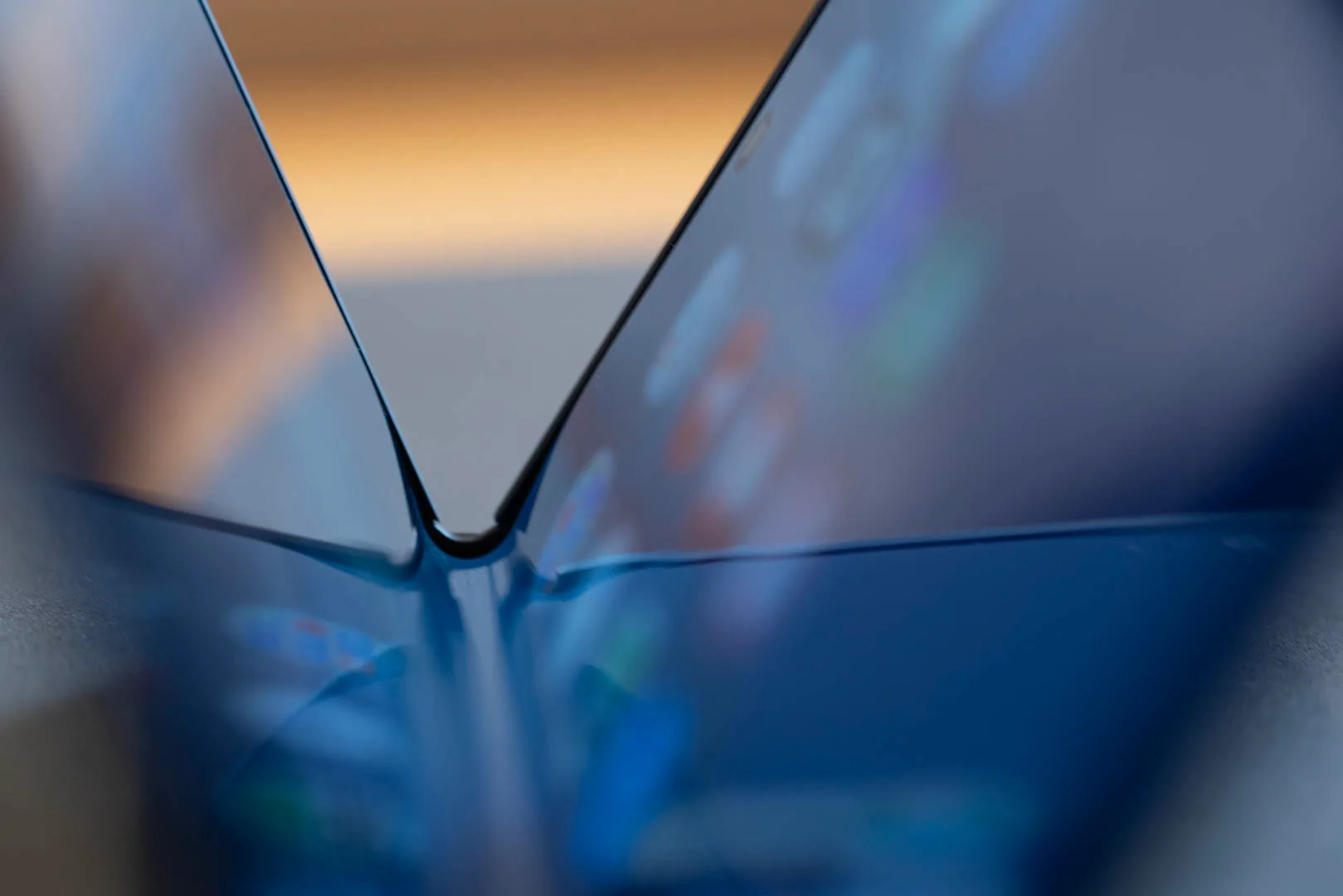
Image Source: Leitech
As a result, even during the era when the Z Fold series supported the S Pen, Samsung never allowed just any stylus to work on its foldable screens. Users had to purchase a specially designed custom S Pen. Judging by sales, users weren’t particularly enthusiastic about this separately sold S Pen.
Moreover, in terms of form factor, the evolution of foldable screens in recent years has also begun to diverge from styluses: Honor and Vivo have designed their foldable phones as square-shaped mini-tablets, focusing on multi-app usage rather than traditional tablet scenarios; Huawei and Samsung have also started exploring the ‘wide-folding’ route, making handwriting increasingly awkward.
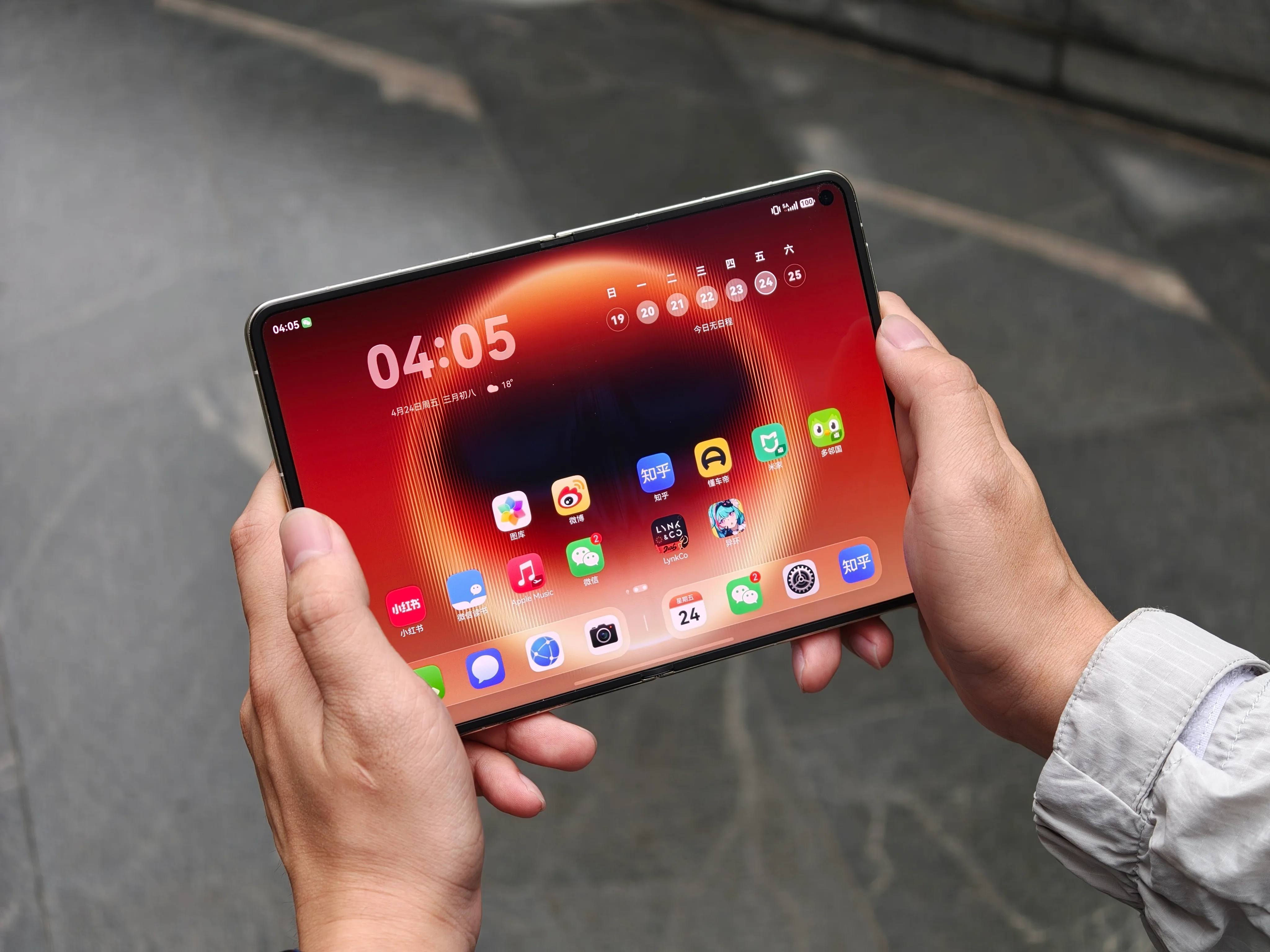
Image Source: Leitech
Hardware form dictates application scenarios, and application scenarios determine accessory ecosystems. Since brands don’t favor the combination of foldable phones and styluses from a product positioning perspective, the abandonment of the S Pen was inevitable.
AI: The True ‘Terminator’ of Styluses
However, from Leitech’s perspective, hardware and experience issues can only be considered the ‘internal factors’ behind the S Pen’s decline. Additionally, ‘external factors’ within the mobile phone industry have also played a role in the S Pen’s fall from grace. And this ‘external factor’ is, of course, the current hottest topic in the mobile phone industry: AI.
From the perspective of input modes, the greatest value of stylus-based input, represented by the S Pen, is to provide the possibility of ‘precise input’ for touch interactions. However, with the rise of AI agents, our demand for precise smartphone interactions has steadily declined: tasks like document formatting, image editing, and note-taking can now be handled by smartphone agents. Since these tasks can be accomplished with simple voice commands, why bother doing them manually?
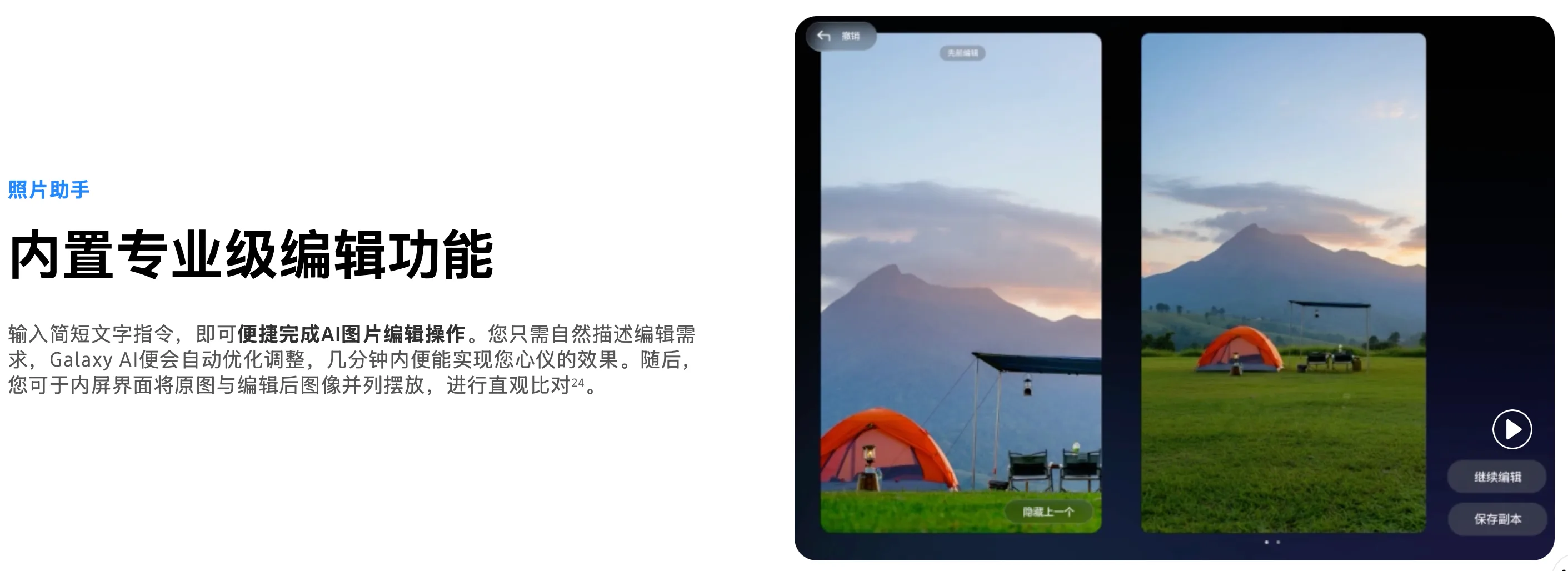
Image Source: Samsung
Furthermore, foldable phones have limited internal space: the hinge occupies one section, dual batteries take up two sections, and the imaging components occupy another. To achieve decent battery life within a millimeter-thin body, manufacturers are eager to shave off even a fraction of the metal frame. Clearly, to ensure AI remains ‘always online,’ phone brands must cram in as large a battery as possible.
However, for its own reasons, Samsung has been ‘rather indifferent’ to increasing battery energy density; the Galaxy Fold 7’s battery capacity is only 4,400mAh. To increase battery capacity without adding thickness, it’s natural to target ‘low-frequency components’ within the phone. The sensing components that support the S Pen have become a ‘sacrifice’ in the balance of phone configurations.
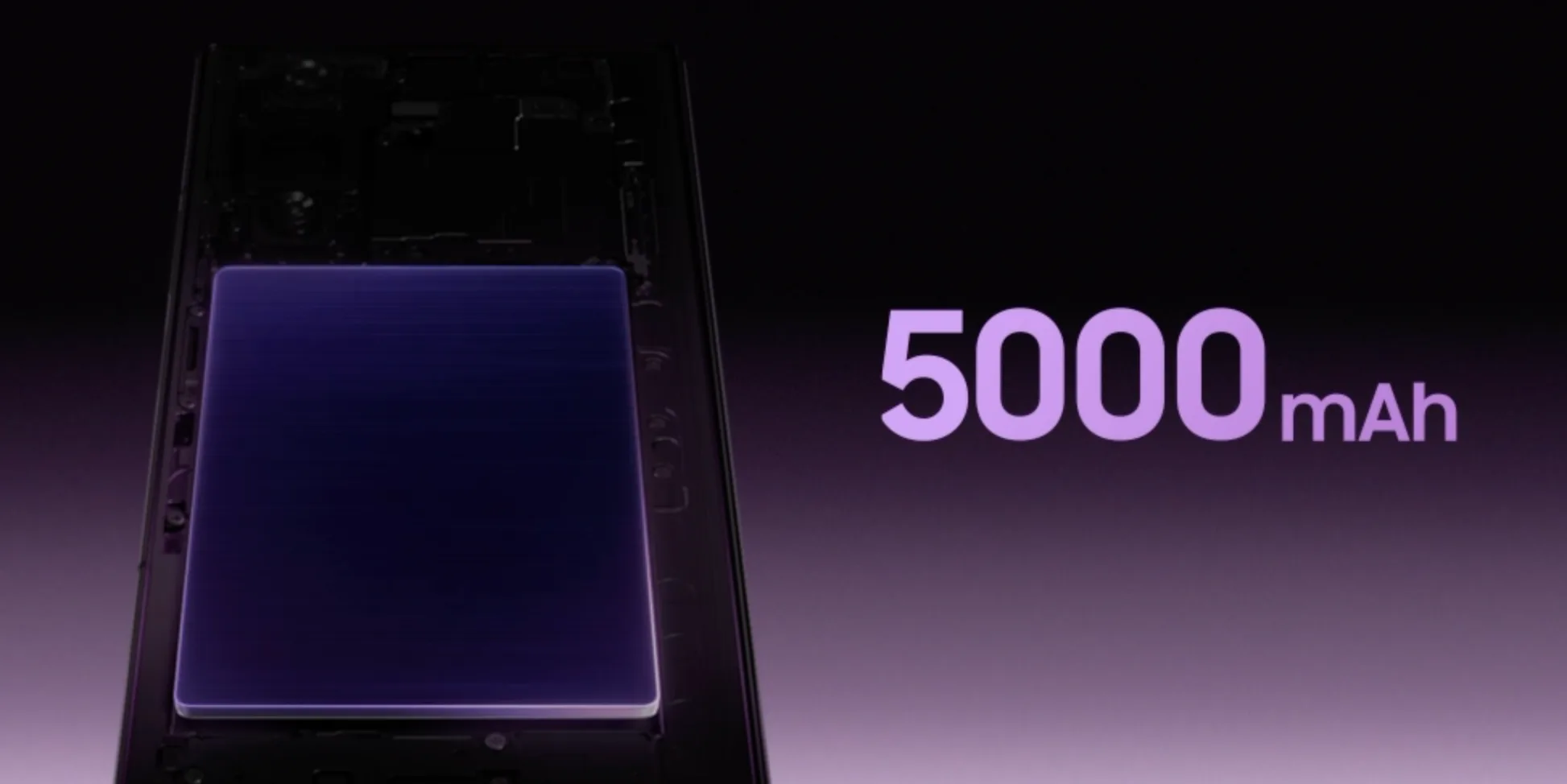
Image Source: Samsung
From Keyboards to Styluses: What’s the Next Accessory to Go?
From the perspective of industry progression, it is certain that styluses, represented by the S Pen, will not be the last casualty in the ‘streamlining’ plans of AI-era smartphones.
To ensure smartphones remain thin and light, the industry has already removed many ‘essential’ hardware components over the past two decades: physical keyboards were the first to go in the touchscreen era, followed by removable batteries, 3.5mm headphone jacks, physical home buttons, and microSD card slots, all gradually disappearing as phones became thinner. Each time a key component was removed, the industry would first engage in heated debates, then users would realize that nothing significant was missing, and eventually, no one would care anymore.
Therefore, Leitech believes that the S Pen is neither the first nor the last ‘casualty’ of the AI era. For example, a few years ago, some phone brands attempted to replace physical earpieces with piezoelectric ceramic speakers; the status of physical volume buttons and power buttons has also begun to waver under the influence of pressure-sensitive buttons; even the once-indispensable physical SIM card is now being replaced by eSIMs.
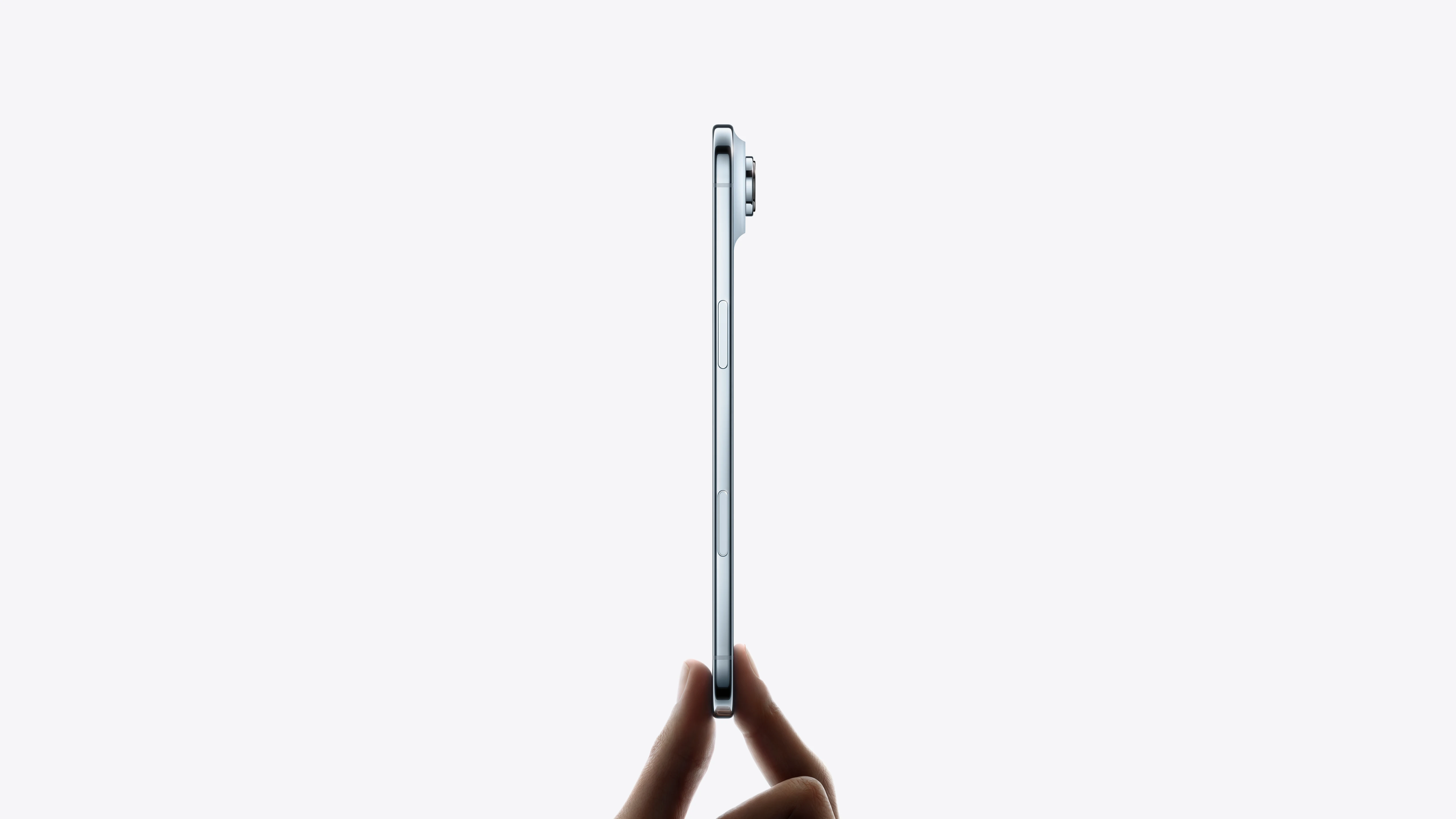
Image Source: Apple
However, compared to speculating about the next ‘casualty,’ what deserves more attention, in Leitech’s view, is the emergence of the next ‘new component.’ When smart hardware is no longer constrained by old thinking, new hardware forms gain opportunities for development. For instance, Honor has created ‘embodied AI’ phones like the Robot Phone; products such as earphones with built-in cameras, modular coolers, and magnetic robot stands at CES are also exploring new possibilities beyond traditional hardware forms, leveraging the perceptual capabilities of AI agents.
From this perspective, although we have lost the S Pen, we have gained a richer AI hardware ecosystem. No matter how you look at it, this is not a bad thing.
Phone Manufacturers: Don’t Let ‘AI’ Become a Universal Excuse for Feature Reductions
Looking back at the S Pen removed by the Z Fold 8, in Leitech’s view, its removal signifies much more than just the loss of a stylus. Over the long term, the phone industry has continuously streamlined features, but in the past two decades, each reduction was always followed by a more convenient solution. We complained, but ultimately accepted it; however, the removal of the S Pen targets ‘hardware itself’—interaction has been integrated into AI, eliminating the need for a replacement.
Therefore, Leitech believes that there is no need to mourn the S Pen, as we have gained more efficient and natural interaction methods. What truly warrants caution is that ‘making way for AI’ is becoming a universal excuse for manufacturers to reduce features: previously, reducing features would invite criticism from users, but now manufacturers can justify reductions by simply stating, ‘We’re making space for the battery.’
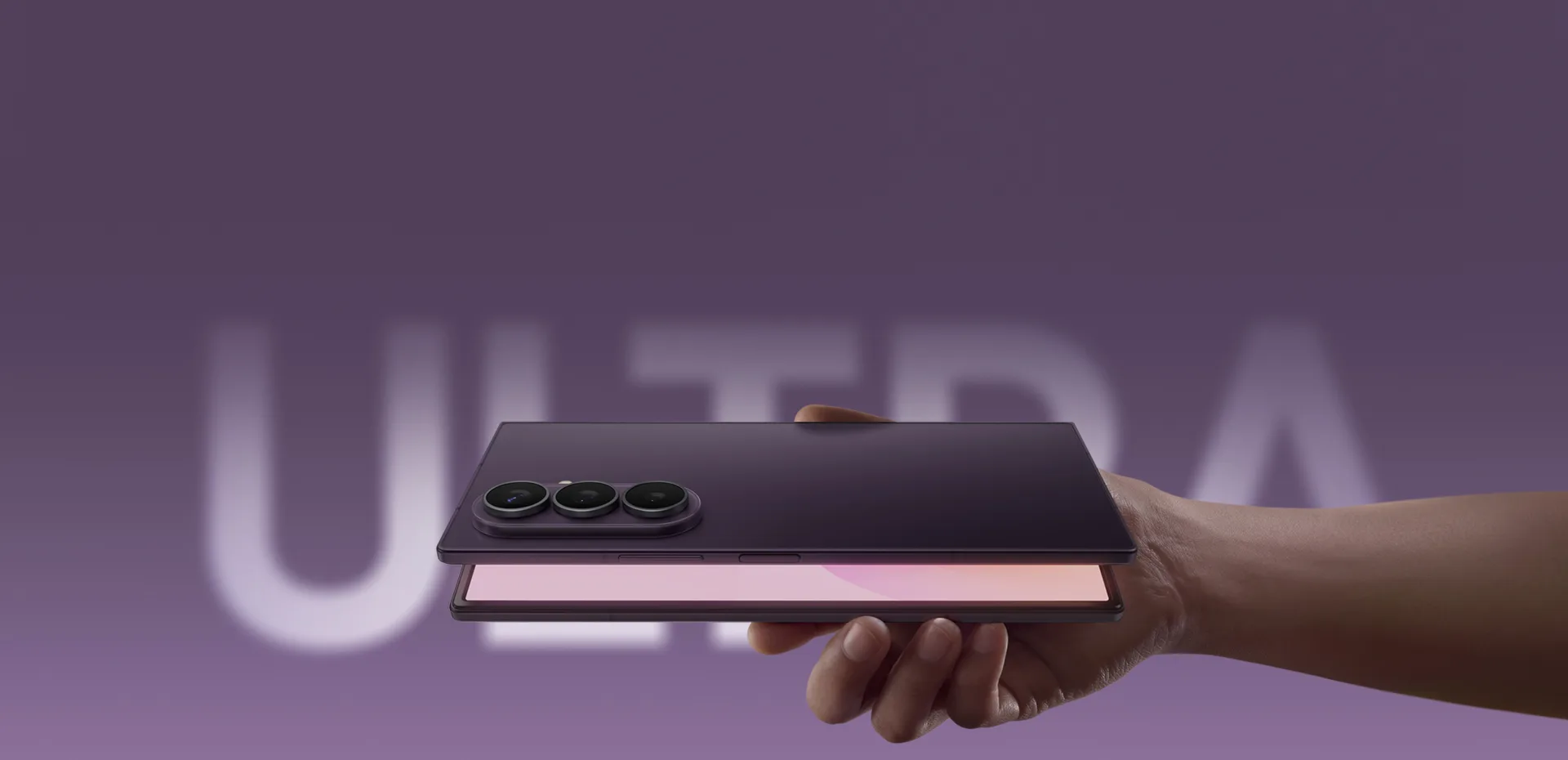
Image Source: Samsung
As users, we must acknowledge that streamlining phones can lead to a better experience, but if reductions are no longer aimed at improving usability and are instead driven solely by cost-cutting, such ‘optimizations’ will eventually backfire on users.
As for how long the S Pen on the S26 Ultra can last, only Samsung knows.
Samsung, Stylus, AI, Mobile Phone Accessories, Foldable Screen
Source: Leitech
Images in this article are from the 123RF Authentic Library (123RF Royalty-Free Image Library) Source: Leitech
-
![]()
DJI Osmo 360 II Review: Impeccable Hardware, Yet Software Still Lags Behind
-
![]()
The 'Dichotomy' in Alibaba's AI Ledger
-
Reinventing the 'Old Guard' with AI: A $12 Billion Venture in Just a Year
-
![]()
Alibaba's Q2 Profit Plummets by 32.6 Billion Yuan, with 67.7 Billion Yuan Earmarked for Capital Expenditures
-
![]()
DJI Osmo 360 II In-Depth Review: How Does It Achieve Significant Image Quality Enhancements Without Sensor Changes or Excessive Spec Stacking?
-
![]()
Samsung’s Latest Foldable Phone Skips S Pen Again! Is AI Ushering in the End of Styluses?
-
![]()
Registered Capital Slashed to 372 Million Yuan! Yutong Optical Finalizes Industrial and Commercial Change Registration
-
![]()
Zhuque-3 Successfully Lands, and 'Time Traveler' Secures Another ¥100 Million in Funding: China's Commercial Space Industry Experiences a 'Dynamic August'