Will Car Prices Go Up? Memory Prices Skyrocket by 300%, AI Giants Get Supply Priority, Li Bin Says 'We’re Outmatched'
 02/12 2026
 491
491
When money can’t even guarantee a steady supply, it spells major trouble.
The automotive industry is gripped by panic as 2026 begins—not because of sluggish sales, but due to AI snatching up critical resources and a chip shortage strangling supply chains.
According to TrendForce’s market monitoring, since the second half of 2025, prices for automotive-grade DDR4 memory have surged by over 150%, while DDR5 prices have skyrocketed by more than 300%.
Automaker executives have openly voiced the pressure from these soaring memory costs:
Lei Jun remarked during a recent livestream: “Memory prices are now climbing every quarter. They jumped 40–50% last quarter alone and are expected to keep rising in Q1. At this pace, memory costs for each vehicle will increase by several thousand yuan this year.”
NIO’s Li Bin was even more direct: “Memory price hikes have become the biggest cost pressure this year—it’s an industry-wide concern.”
Li Xiang Auto’s supply chain VP, Meng Qingpeng, had earlier sounded the alarm: “The fulfillment rate for automotive memory chip supplies in 2026 could drop below 50%.”
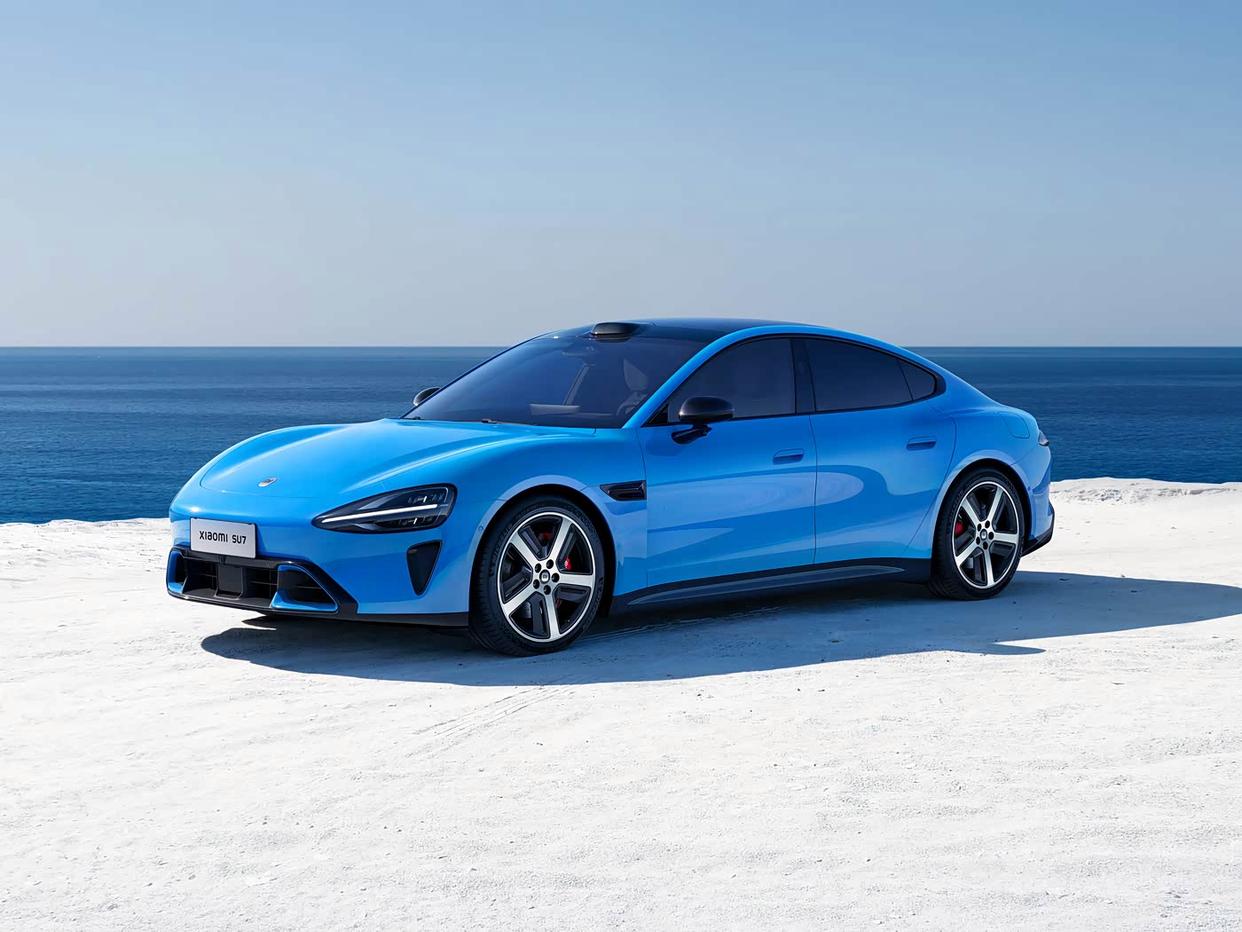
Image Source: Xiaomi Auto
But what truly keeps automakers awake at night isn’t just high prices—it’s the inability to secure supplies, even with deep pockets. Compared to AI giants wielding hundreds of billions in capital to lock down production capacity, the automotive industry’s modest share of the global DRAM market pales in significance.
Faced with an escalating memory shortage, automakers worldwide have shifted into “panic-buying mode.”
Why Can’t Automakers Secure Memory When AI Giants Are Prioritized?
To grasp the ruthlessness of this resource competition, one must first look at semiconductor manufacturers’ balance sheets.
GigaDevice noted: Current mainstream AI servers use over 20 memory modules per unit—double that of traditional servers—while a smart car’s memory demand is merely a few GB.
But quantity isn’t the deciding factor—profit margins are.
AI-grade HBM (High Bandwidth Memory) offers far higher gross margins than automotive-grade memory. For Samsung, SK Hynix, and Micron—the three storage giants—producing AI memory yields several times the profit margins of automotive memory. Micron executives warned: “The AI boom is triggering unprecedented storage chip shortages.” Micron’s new capacity is fully booked by cloud providers, while SK Hynix’s 2026 HBM4 capacity has already been snapped up by NVIDIA and Google.
This advance-ordering behavior makes sense—it’s about risk management. Missing the AI server deployment window could leave competitors behind. In contrast, automakers’ order scales and payment capabilities pale in comparison. Meanwhile, AI firms place orders worth tens of billions, securing priority supply and even negotiating customized production adjustments.
Simply put, AI giants have deep pockets and massive demand, while automakers have smaller needs and stricter “automotive-grade” requirements. If you were the “AAA Memory Wholesale King,” you’d prioritize AI giants too.
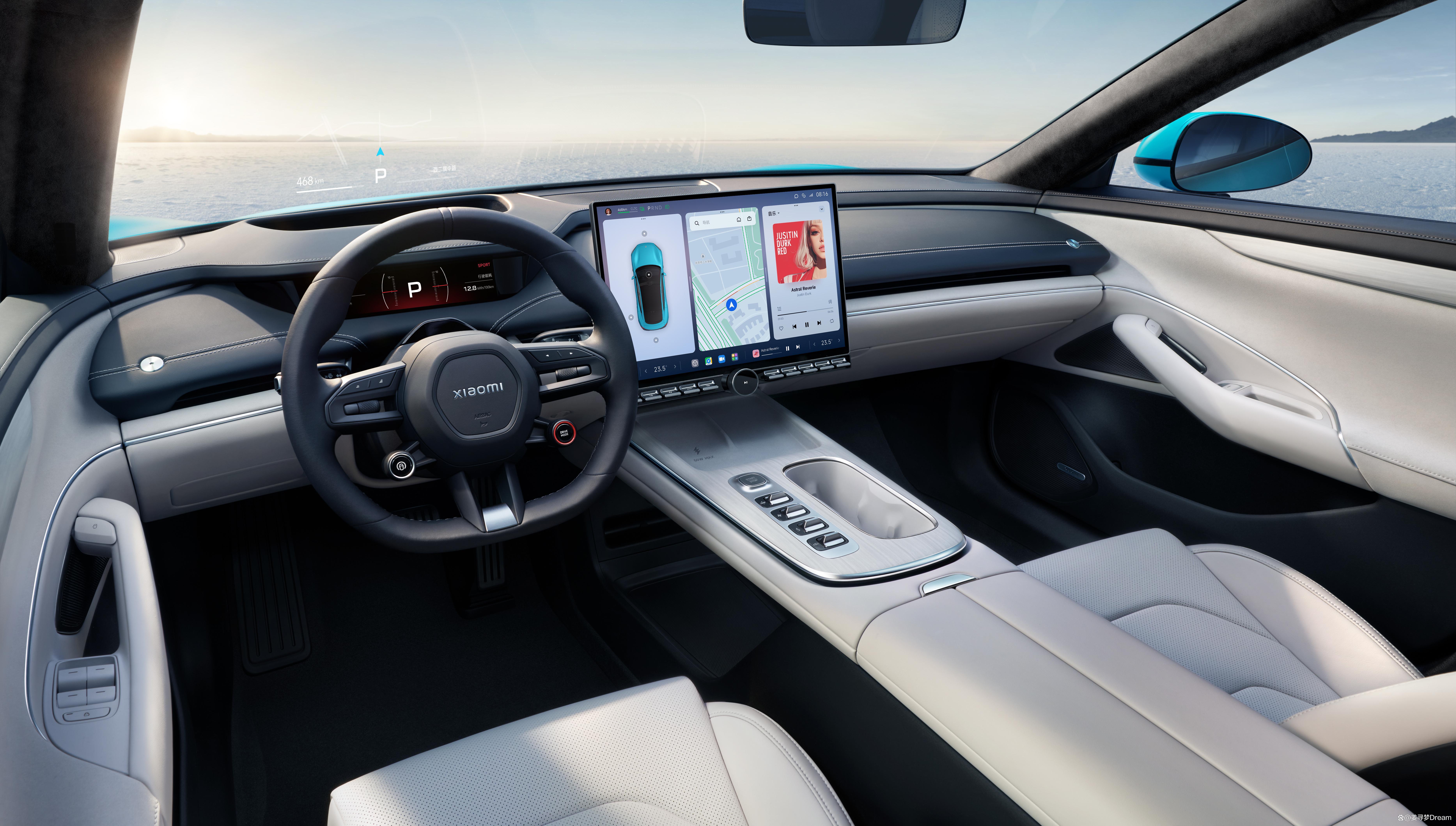
Image Source: Xiaomi Auto
Beyond external pressures, the automotive industry faces internal technological upgrade pains.
DDR4 memory currently dominates the automotive electronics market due to its maturity and cost-effectiveness. However, to free up capacity for higher-profit AI products, giants are accelerating DDR4 phase-outs. Samsung has already cut production, and SK Hynix plans to drastically reduce DDR4 capacity.
Unfortunately, automakers can’t switch chips as rapidly as consumer electronics. According to automotive-grade chip standards, automotive memory must pass AEC-Q100 certification, operate at temperatures from -40°C to 125°C, maintain defect rates below 10PPM, and last 10–15 years—far stricter than consumer-grade standards.
In short, it must withstand extreme temperatures, durability, and rough handling. These stringent reliability requirements make capacity transitions impossible overnight.
Meanwhile, production capacity for next-gen products like LPDDR5 is being heavily squeezed by AI demand, leaving automakers stuck in the middle.
Li Bin also acknowledged this issue: “We’re competing with AI and computing centers for resources. Their investments are in the hundreds of billions—we can’t compete.”
In storage chip manufacturers’ customer priority rankings, hyperscale cloud providers and AI accelerator clients unquestionably top the first tier, followed by consumer electronics, with automotive clients often at the bottom.
Currently, Samsung, SK Hynix, and Micron control over 90% of the global automotive-grade storage chip market, while domestic manufacturers hold less than 5%. This monopoly leaves automakers with virtually no bargaining power during supply crises, forcing them to accept “highest bidder wins” market rules.
Automakers Face Rising Costs, But Supply Disruptions Are the Greater Concern
From a consumer perspective, memory price hikes directly impact automotive costs.
According to China Economic Net: A domestic new energy sedan priced near 100,000 yuan with monthly sales of tens of thousands has 28GB of RAM and 256GB of ROM. Before price hikes, its total storage BOM (bill of materials) cost was under 1,200 yuan; it now approaches 2,000 yuan. For mainstream new energy vehicles priced above 200,000 yuan, memory costs alone have risen by several thousand yuan.
Shenlan Auto chairman Deng Chenghao admitted in a livestream that production costs have risen by several thousand yuan, primarily due to volatile prices for power batteries and automotive storage chips. Lei Jun calculated it more precisely: “Memory costs alone will increase by several thousand yuan this year, and with rising commodity material prices, the cost pressure is immense.”
For automakers already struggling with razor-thin margins in price wars, memory price hikes are the last straw.

Image Source: Shenlan Auto
New energy vehicles already operate on thin margins in the post-price-war era, and with memory costs adding thousands per vehicle, profits are pushed to the limit. More critically, this price surge hasn’t peaked—TrendForce predicts general-purpose DRAM prices could rise 50–55% in Q1 2026, with increases continuing into Q2.
Notably, cost pressures are cascading upstream. If sustained, Tier 1 suppliers’ profits will decline, R&D investment will shrink, further exacerbating industrial innovation challenges. Some automakers or Tier 1 suppliers may eventually pass on costs through price hikes.
In this crisis, traditional models are less affected, while high-end intelligent driving flagship models heavily reliant on large memory face greater impact. UBS warns that shortages could disrupt global automotive production as early as Q2 this year, with electric vehicle manufacturers dependent on advanced chips hit hardest. Traditional automakers like Ford and GM face relatively minor impacts, though their premium models also face challenges.
However, compared to price hikes, companies fear supply disruptions more. Faced with escalating memory shortages, automakers worldwide have shifted into “panic-buying mode.”
The most direct approach is signing long-term direct supply agreements. While long-term contracts may cost more, they secure supply priority during critical moments through commitments to long-term procurement.
According to China Economic Net, facing memory shortages, an autonomous vehicle brand’s smart cockpit executive said: “It’s all about snatching! Domestic storage companies’ thresholds are being trampled. Everyone’s fighting for production lines and capacity—securing supply means staying ahead.”
How Can Automakers Regain Initiative?
Of course, being perpetually led by the nose isn’t sustainable. The Chinese automotive industry must seize the strategic window for self-reliant R&D alternatives rather than passively enduring blows.
Tesla and BYD are spearheading efforts to achieve technological self-sufficiency by developing AI chips in-house and building semiconductor production chains to reduce reliance on external supply chains.
In computing power deployment, the two have adopted differentiated strategies: Tesla pursues an aggressive in-house R&D and construction approach. Its next-gen AI5 chip will deliver 40x performance over the current AI4 chip, with mass production planned for 2027. Simultaneously, Tesla is advancing construction of its “mega-chip factory,” deeply integrating the Dojo supercomputer with xAI’s Grok3 model to further strengthen computing power.
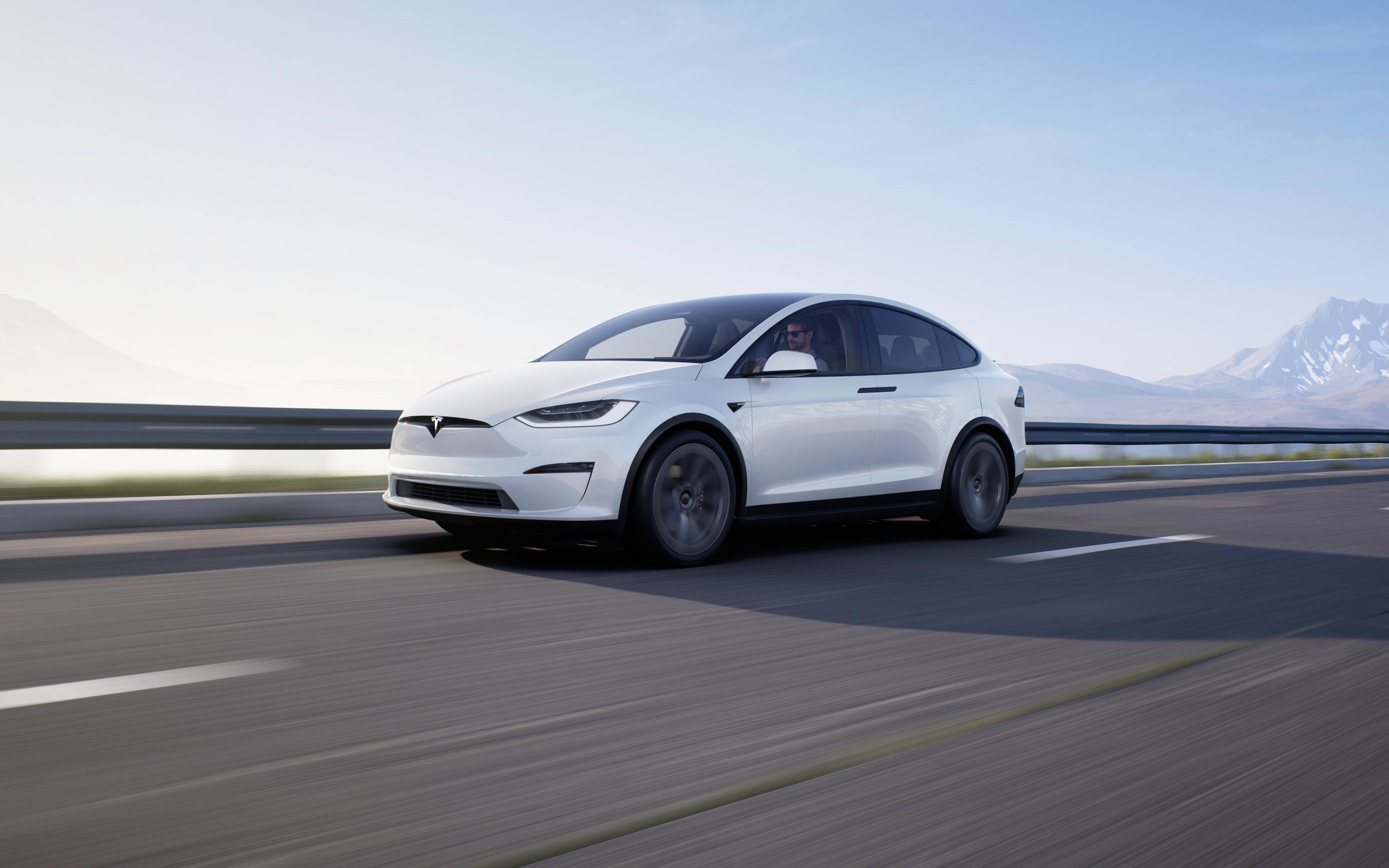
Image Source: Tesla
BYD focuses on core computing power needs for automotive scenarios, optimizing intelligent driving systems through cross-business collaboration to enhance product intelligence while deliberately avoiding resource dispersion into non-core areas, ensuring precision in R&D and capacity investment.
Beyond core chip autonomy, BusinessCars reports that some automakers are exploring stable storage supply chain paths by signing long-term capacity agreements or even directly investing in joint ventures with domestic storage manufacturers to lock in core storage resources.
This “automaker-invests-in-storage-maker” collaboration model effectively streamlines supply chain tiers, granting automakers direct priority access to storage capacity and significantly reducing risks from supply chain volatility.
Indeed, as vehicles evolve from mechanical products into “data centers on wheels,” they inevitably compete with AI, cloud computing, and other industries for core resources. In this struggle, automakers have exposed weaknesses in the semiconductor supply chain: lack of pricing power, vertical integration capabilities, and technological alternatives.
But crises breed opportunities. The Chinese automotive industry must confront a reality: intelligent competition isn’t just about software algorithms—it’s about the underlying hardware supply chain. Without self-sufficient chip supply chains, true intelligent autonomy remains unattainable.
As for consumers wondering, “Will buying a car cost more this year?” most automakers currently choose to absorb costs internally. Compared to memory price pressures, their greater concern is supply security. Thus, ordinary consumers need not worry excessively.
(Cover image source: Xiaomi Auto)
Xiaomi, NIO, Li Auto
Source: Leikeji
Images in this article are from 123RF’s licensed library
-
![]()
Model Giant Jieyue Xingchen Steps into Smartphone Arena: A Strategic Alliance with Huaqin Technology
-
![]()
Big Model Firm Dives into Phone Market: StepFun and Wingtech Forge a ‘Dynamic Duo’
-
![]()
Zhongrun Optics Makes a Bold Move with 1 Billion Yuan Investment: Is a Turning Point on the Horizon for the Precision Optics Industry?
-
![]()
Deploy CLBO Crystals and YIG Single Crystals! Erythritol Leader Invests 30 Million in Youwei Optoelectronics
-
CXMT’s July 16 Subscription: Leading Domestic Memory Manufacturer—What’s the Earning Potential per Lot?
-
![]()
Rhythm Discrepancy and Premium Value Erosion: Foreign Luxury Brands Must Re-evaluate Their China Strategy
-
![]()
Half-Year, 1 Billion Yuan Financing, 7 Billion Yuan Valuation: A New Dark Horse Emerges in the Embodied AI Sector
-
![]()
Strong Rebound for Tech Stocks in Hong Kong Stock Market: Is It Time to Bottom-Fish?