By 2025, the Import Car Market Faces a Precarious Future
 02/14 2026
 470
470
Introduction
A Two-Thirds Decline from the Peak
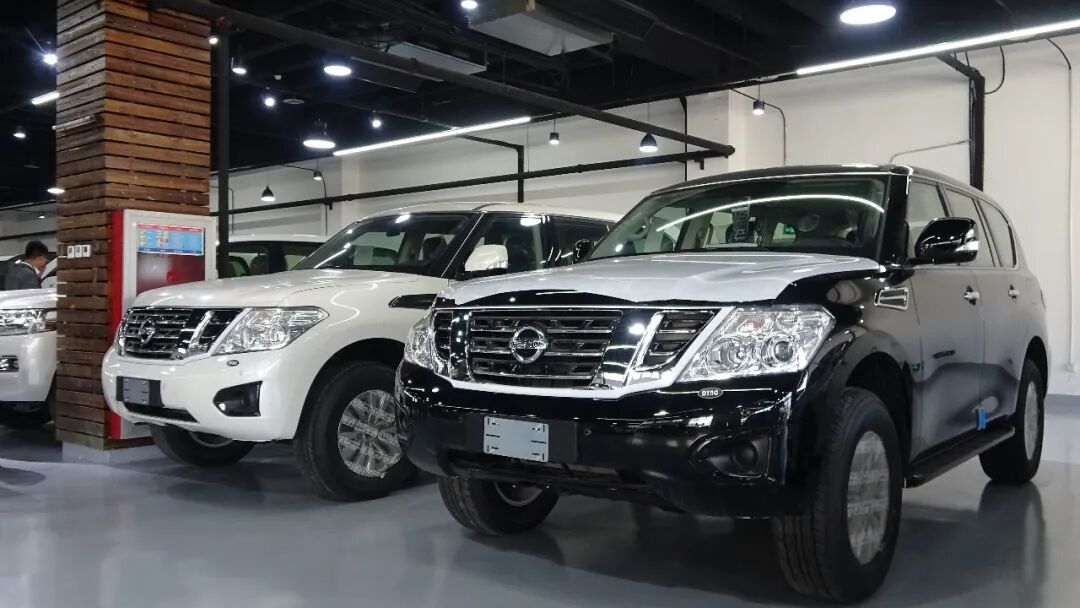
Over the past few decades in China's automotive market, if there existed a hierarchy of prestige—a so-called "contempt chain"—that spanned "from rugged to luxurious," imported cars undoubtedly sat at the pinnacle.
Many individuals utilized these vehicles to flaunt their refined taste, elevated status, and considerable wealth. In an era dominated by traditional fuel-powered vehicles, imported cars were undeniably the highly sought-after "hot commodity" on everyone's lips.

Against this backdrop, brands from Germany, Japan, the United States, South Korea, and France all reaped substantial profits, their coffers brimming with success.
However, the narrative has undergone a dramatic transformation.
With the wave of electrification sweeping through every corner of China's automotive market, the rules of engagement and the competitive landscape are being rapidly reshaped. This time around, Chinese domestic brands have firmly seized the initiative to define and price their blockbuster models.
Now, with the monthly retail penetration rate of new energy vehicles nearing 60%, the aforementioned "contempt chain" has been duly reshaped. For many potential buyers, particularly young users, purchasing an outstanding domestic electric vehicle has gradually become the most rational choice.
This shift in consumer sentiment has rendered imported cars, which once comfortably reaped profits in China, less appealing. A gradual process of disillusionment has set in.
The most direct evidence lies in the stark data, which does not lie.
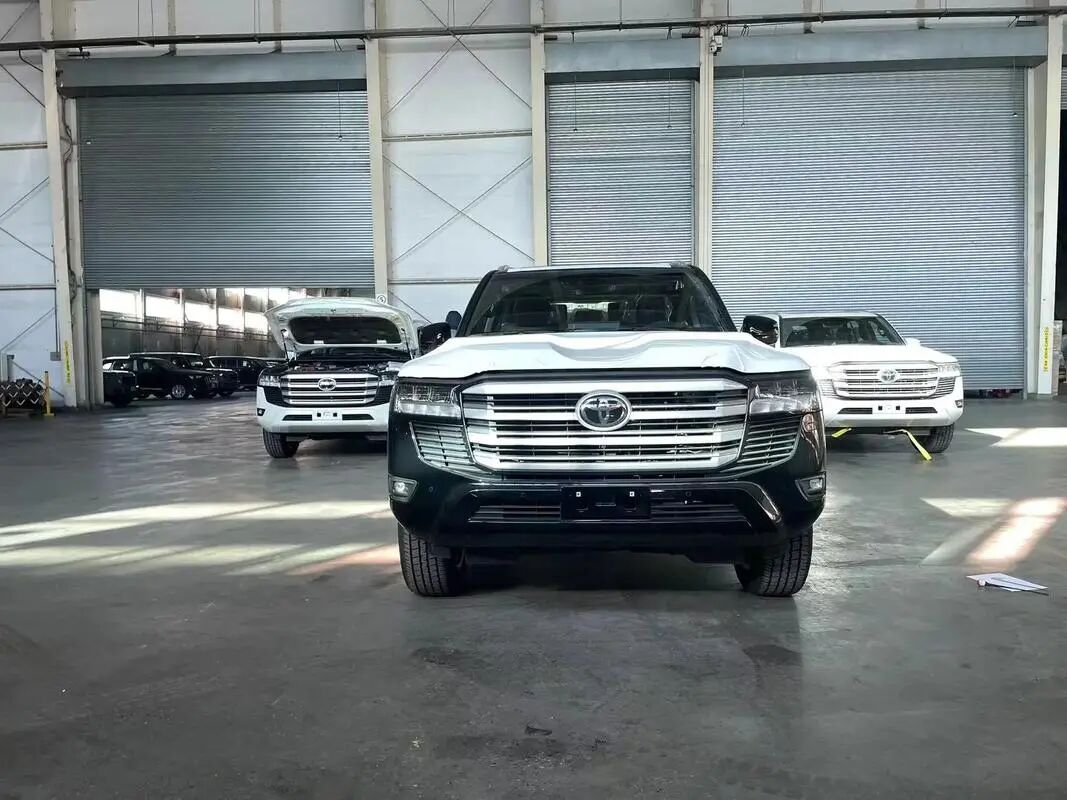
In 2025, China's auto production and sales both surpassed 34 million vehicles for the first time, reaching a record high. Among these, export sales amounted to 8.324 million vehicles, reaffirming China's status as the world's largest auto exporter.
In stark contrast, the imported car segment has encountered a significant downturn.
According to the latest data released by the General Administration of Customs, the total volume of imported cars in 2025 stood at only 476,000 vehicles, representing a 32.4% year-on-year decline; the total value was merely $23.64 billion, down 39.7% year-on-year.
Extending the timeline further, we observe that imported car sales have been on a downward trajectory for many years since peaking at 1.43 million vehicles in 2014, with an accelerated contraction since 2018. By 2025, sales had plummeted by two-thirds from their peak.
And when the avalanche strikes, no entity remains unscathed.
Breaking it down by brand, whether it's Porsche, Mercedes-Benz, BMW, Audi, Lexus, Cadillac, Volvo, or ultra-luxury brands like Ferrari, Lamborghini, Maserati, Aston Martin, and even Bentley and Rolls-Royce, each is feeling the increasingly biting chill.
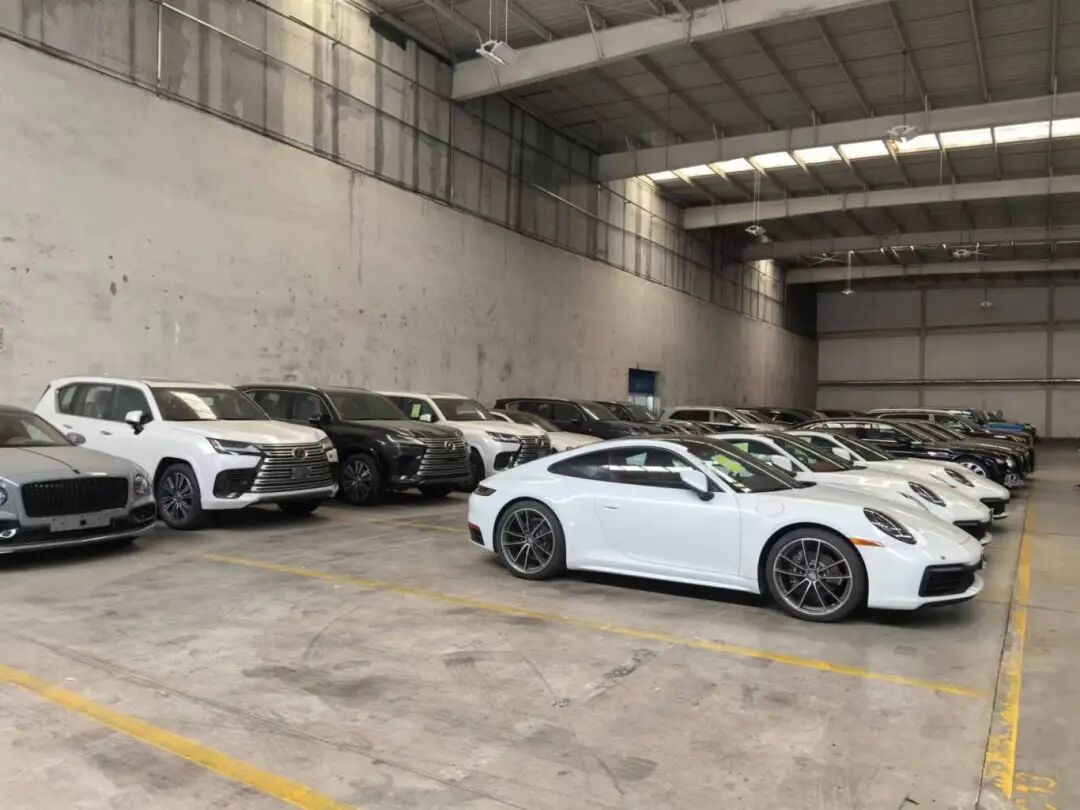
Take Porsche as an example. Its sales in China in 2025 concluded at 42,000 vehicles, marking a 26% year-on-year decline. Such a downturn undoubtedly sounded a loud alarm for the brand.
According to insurance retail data, BMW's imported sales plummeted by 62% in 2025, with only 64,400 vehicles sold; Mercedes-Benz's imported sales fell by 37%, with 94,800 vehicles sold; Audi's imported sales declined by 41%, with merely 29,900 vehicles sold throughout the year.
The ultra-luxury segment has not been spared either, with most brands maintaining annual import volumes in the hundreds to thousands of vehicles, and declining year after year. Among them, Bentley, the best-selling brand, also witnessed a 13% year-on-year decline in sales in 2025, with just over 2,000 vehicles sold.
Thus, for most of the aforementioned players, the Chinese market has always been their most critical battleground and a key factor in their past high-growth trajectories globally.
However, now, due to various challenges, their pivotal effect is continuously weakening.
So, a new question arises: "Why have imported car sales continued to decline? Especially in 2025, why did they even show signs of collapsing?"
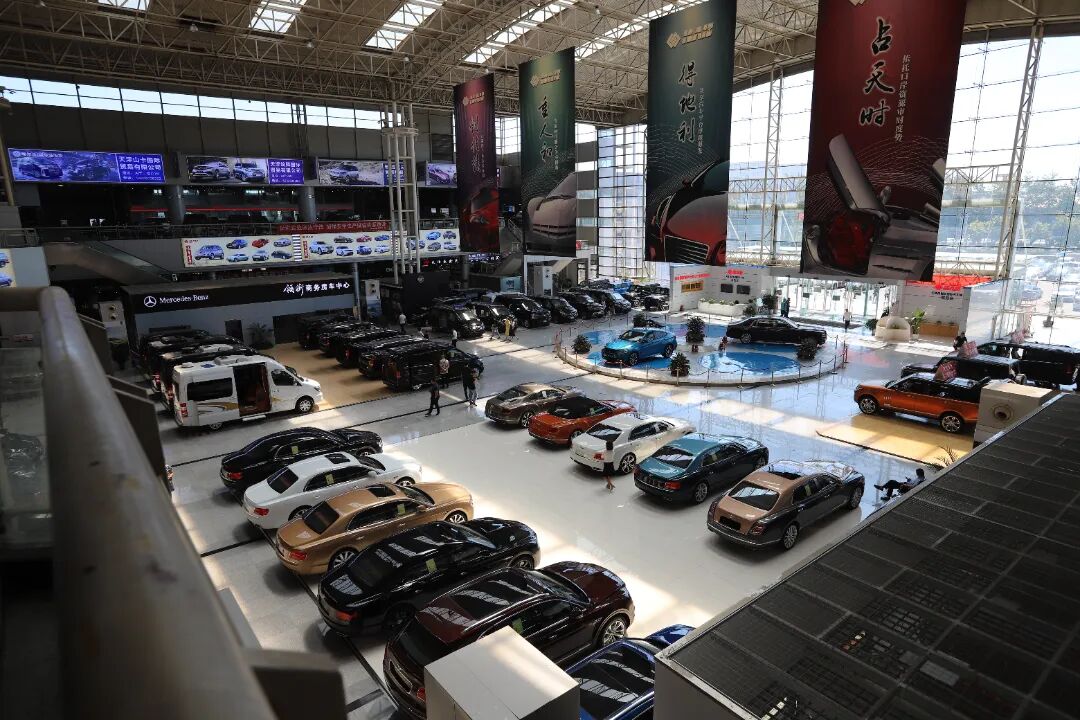
In my opinion, the answer lies in two main aspects.
Firstly, as previously mentioned, the unstoppable advance of Chinese domestic brands through electrification. In 2025, for many Chinese automakers, investing heavily in human, material, and financial resources to aggressively move upmarket was a core strategic task.
From the results, indeed, a batch of outstanding products has emerged. For instance, the Aito M9; the all-new Nio ES8; and the Zeekr 9X. Without exaggeration, they have directly caused a seismic shift in the full-size SUV segment, which was once firmly dominated by imported cars.
The Zenith S800 has almost single-handedly become the "new king" of the D-segment executive sedan market. The Porsche Panamera, BMW 7 Series, Mercedes-Benz S-Class, Maybach S-Class, and Audi A8 have all been left far behind.
However, in the eyes of many skeptics, the reason why Chinese domestic brands have been able to successfully move upmarket and expand their territory is still attributed to their low-price strategy. In response, I would argue, "Why not consider that imported cars were sold at excessively high prices in the past?"
Chinese new energy vehicles have simply brought pricing back to a relatively reasonable level based on superior experience, superior configuration, and lower costs, allowing everyone to enter the market at a lower threshold.
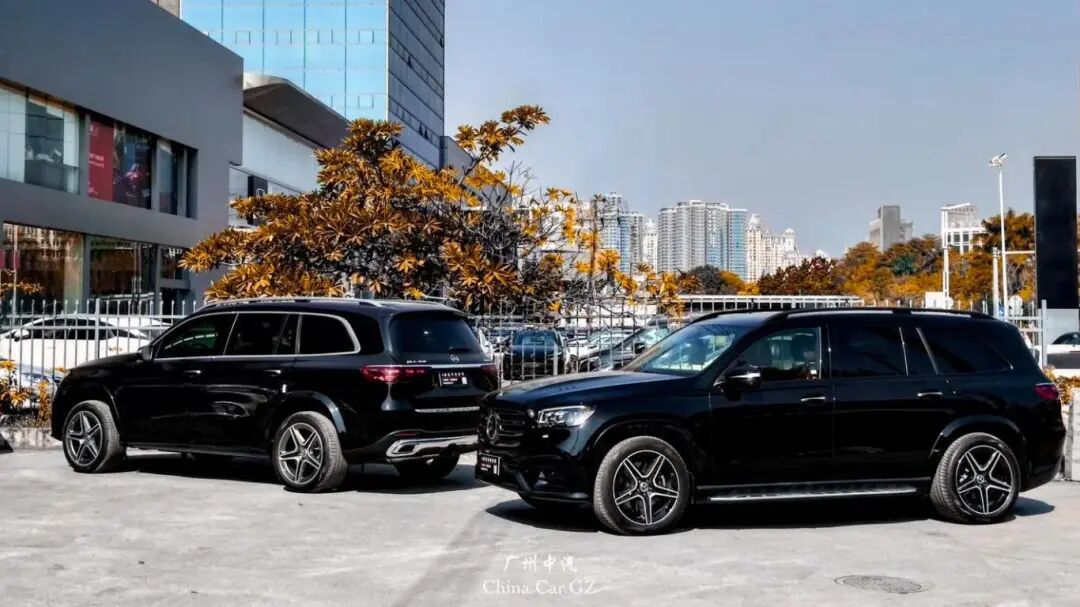
Now, it's time for imported cars, which have been living comfortably, to taste the bitterness of reality.
Of course, besides the relentless siege from Chinese domestic brands, the accelerated collapse in sales of the protagonist in today's article is also related to the cooling economic environment.
More bluntly put, many people are no longer buying expensive cars. For imported cars, which primarily sell sentiment, prestige, and brand premium, this is undoubtedly another heavy blow. Additionally, in terms of smart technologies, which Chinese consumers increasingly care about, imported cars are indeed becoming increasingly "disconnected" from the experience of mainstream products.
In short, imported cars in 2025 are facing "unfavorable timing, unfavorable location, and unfavorable human factors." Under the accumulation of various internal and external challenges, the collapse of their myth is entirely understandable.
As for 2026, which is slowly unfolding, it is highly likely that imported cars will continue their decline in China. According to Cui Dongshu, Secretary-General of the China Passenger Car Association, sales may fall by another 10% year-on-year. In simple terms, the scale will shrink to only around 400,000 vehicles.
The collapse of imported cars is also triggering a series of chain reactions. Just like the many dealers who rely on them for survival, they must now seek business transformation or even a timely retreat to stop losses. Otherwise, they will find themselves mired in even greater difficulties.
In any case, the same principle applies: "Every era has its own window of opportunity. But most of the time, these opportunities are fleeting."
Imported cars are no longer the coveted hot commodity in China that they once were.
Editor-in-Chief: Cao Jiadong Editor: He Zengrong
-
![]()
Model Giant Jieyue Xingchen Steps into Smartphone Arena: A Strategic Alliance with Huaqin Technology
-
![]()
Big Model Firm Dives into Phone Market: StepFun and Wingtech Forge a ‘Dynamic Duo’
-
![]()
Zhongrun Optics Makes a Bold Move with 1 Billion Yuan Investment: Is a Turning Point on the Horizon for the Precision Optics Industry?
-
![]()
Deploy CLBO Crystals and YIG Single Crystals! Erythritol Leader Invests 30 Million in Youwei Optoelectronics
-
CXMT’s July 16 Subscription: Leading Domestic Memory Manufacturer—What’s the Earning Potential per Lot?
-
![]()
Rhythm Discrepancy and Premium Value Erosion: Foreign Luxury Brands Must Re-evaluate Their China Strategy
-
![]()
Half-Year, 1 Billion Yuan Financing, 7 Billion Yuan Valuation: A New Dark Horse Emerges in the Embodied AI Sector
-
![]()
Strong Rebound for Tech Stocks in Hong Kong Stock Market: Is It Time to Bottom-Fish?