Six Decades On, a Leadership Shift! Chinese Brands Top Sellers at Thailand Auto Show Amidst Electrification Revolution
 04/09 2026
 514
514
Thailand’s Auto Market Crown Changes Hands!
The 47th Bangkok International Motor Show has drawn to a close, with organizers revealing a total of 132,951 pre-orders placed during the event.
While this figure may seem ordinary at first glance, it has sent Japanese automakers into a state of unease: For the first time, the aggregate pre-orders for Chinese brands in Thailand have eclipsed those of Japanese counterparts.
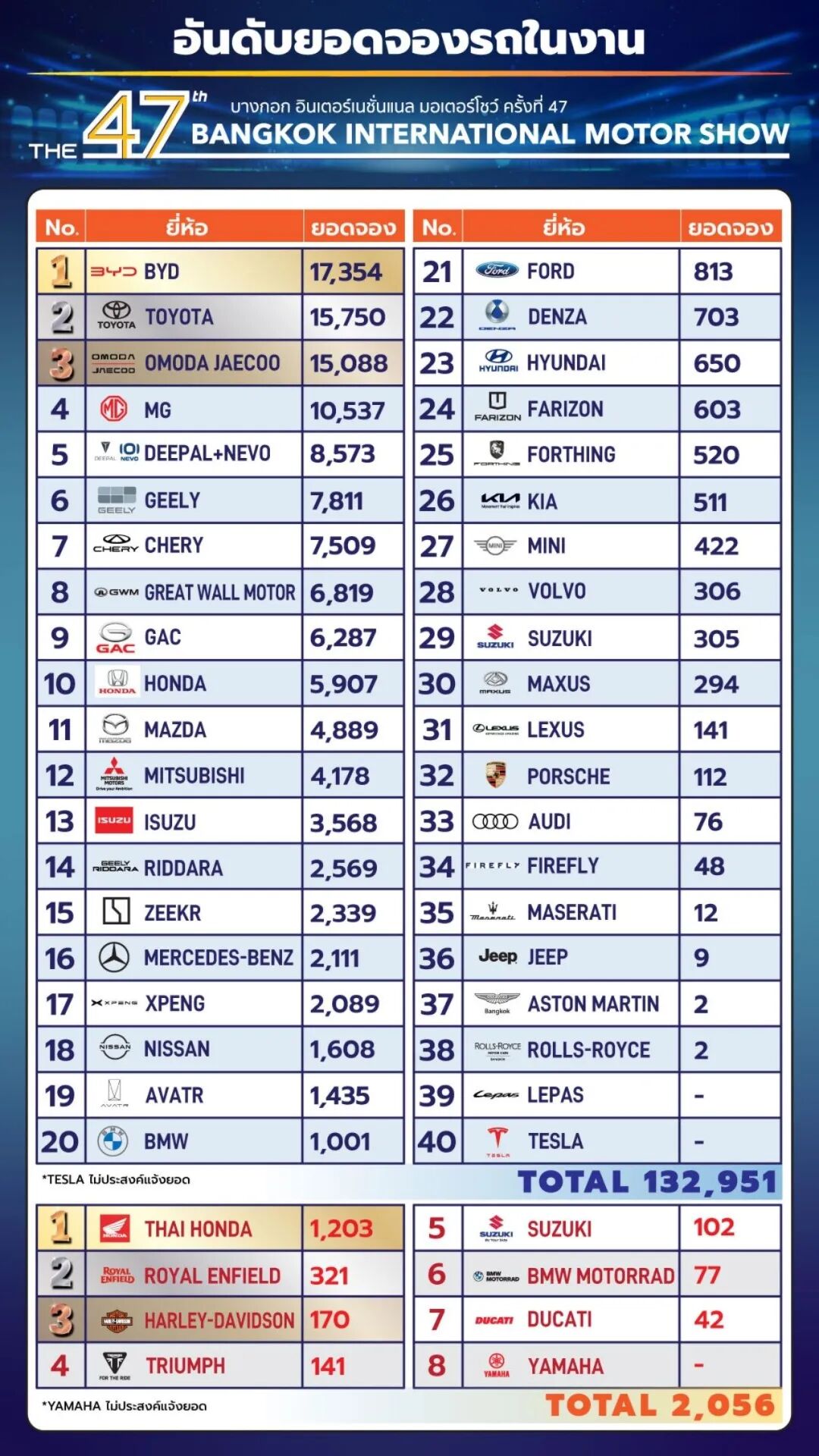
Source: Bangkok Auto Show Organizing Committee
Among these, BYD outperformed Toyota with 17,354 units, clinching the top spot. In the top ten pre-order rankings, Chinese brands secured seven positions, while only Toyota and Honda managed to retain their places among Japanese brands. Veteran automakers like Suzuki and Subaru were notably absent from the list.
Southeast Asia was once hailed as the “backyard” of Japanese cars, where the “Toyota Tsunami” would wash away all competition. Now, it appears that the “Green Tide” from China is proving to be a far more formidable force.
The Turning Point Revealed by Bangkok Auto Show Data
For the past half-century, Japanese brands have constructed a comprehensive product lineup in Southeast Asia, spanning pickups, sedans, and SUVs, leveraging their well-established fuel vehicle supply chains. Toyota, Honda, and Isuzu have long held sway over the market.
However, the dominance of Japanese brands is rapidly waning.
According to Nihon Keizai Shimbun, sales of Japanese cars in six key countries, including Indonesia, Thailand, and Vietnam, plummeted by 22% in 2025 compared to 2019, with a particularly sharp decline of 68% in Thailand. Meanwhile, Yiche Rankings data indicates that Chinese brands’ combined market share in Thailand reached 47.34% in January of this year, narrowly surpassing Japanese brands (47.338%) for the first time, marking a historic reversal.
This trend was fully evident at the 2026 Bangkok International Motor Show.
A closer examination of the auto show’s order data reveals that this is the inaugural instance where Chinese brands have dethroned Toyota, a perennial leader, at a major Southeast Asian auto exhibition.
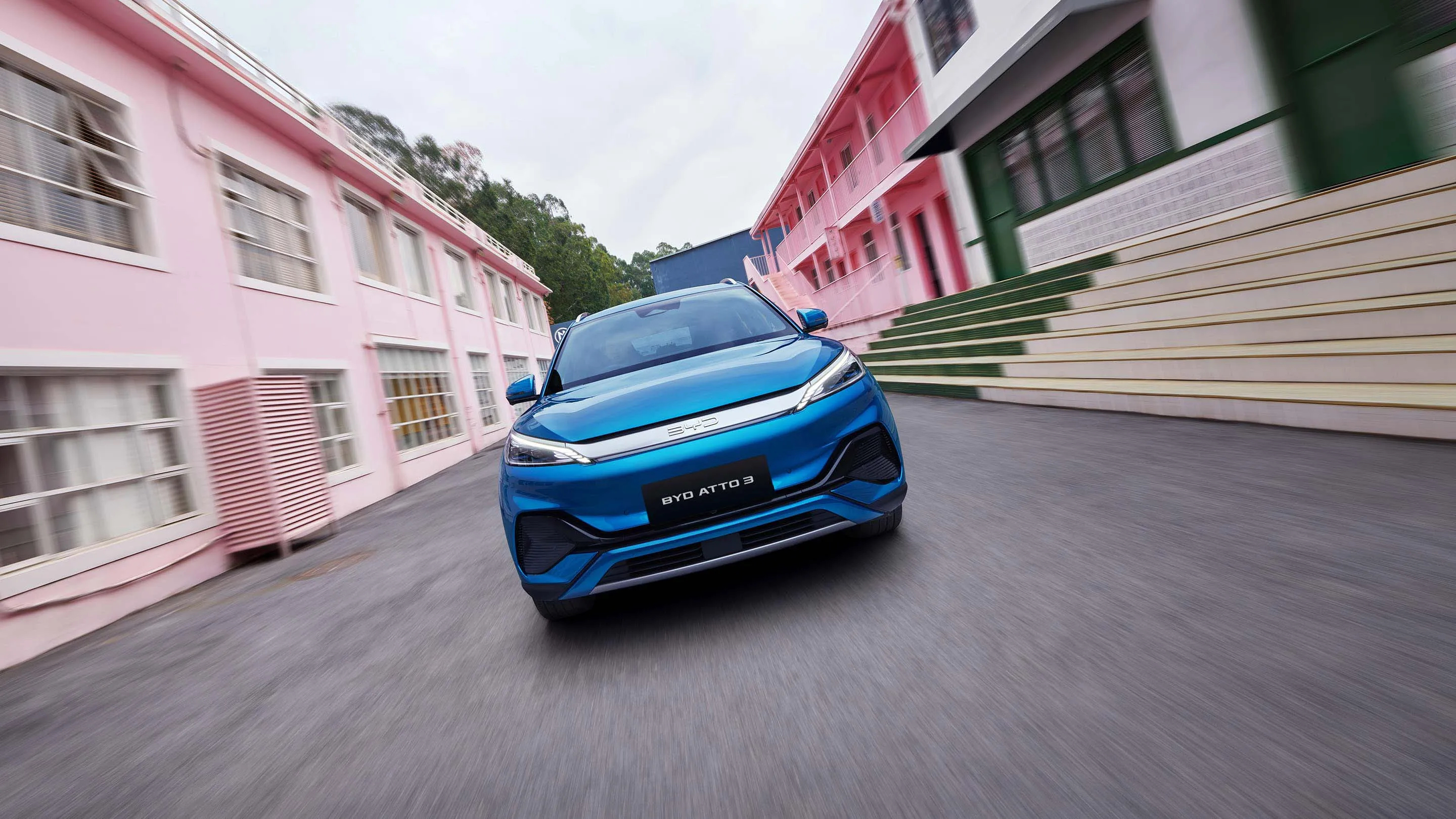
Source: BYD Thailand Official Website
Furthermore, seven Chinese automakers—MG, Changan, Great Wall, Geely, GAC, and others—collectively broke into the top ten, mounting a formidable “pincer attack” on Japanese brands.
Moreover, the electrification wave sweeping the Thai market has further widened the gap between the two.
According to the Federation of Thai Industries, sales of pure electric vehicles in Thailand surpassed 120,000 units in 2025, marking an 80% year-on-year increase, with Chinese brands capturing over 80% of the market share. Even in the premium new energy segment, brands like Zeekr, XPeng, and Avatar secured over a thousand orders each, further solidifying their advantages.
One might argue that this is merely a turning point for electrification in the Thai market, where domestic brands focused on new energy are flourishing. However, Dianchetong (ID: dianchetong233) contends that this is a consequence of Japanese brands’ complacency in electrification, allowing Chinese brands to seize the timing advantage.
Consider this: Japanese brands are not devoid of technology. In terms of new energy technology patents, Toyota still ranks among the top. The issue lies in the fact that Japanese brands have been deeply entrenched in the Thai market for too long, with vast fuel vehicle assets, supply chains, and vested interests that make them hesitant to disrupt their own fuel vehicle base with electric vehicles.
Chinese brands, unburdened by such historical baggage, have immediately attracted users with technologies like intelligent cockpits, advanced driver-assistance systems, and high-voltage fast charging.
Simply put, this is a game-changing move.
The Game-Changing Impact of Supply Chains, Technology, and Ecosystems
How did Chinese cars manage to make such significant inroads in just three years into a market where Japanese cars have been entrenched for six decades?
Many people’s initial reaction is price. Indeed, the BYD Dolphin is priced below 600,000 baht, nearly 30% cheaper than the Toyota Corolla in the same class. However, this is merely the surface; the key lies in the value chain.
Japanese cars are notoriously conservative when it comes to intelligence. Step into a Toyota Yaris, and the interior still feels plasticky, with a center console screen that seems like a relic from a decade ago. In contrast, Chinese automakers offer rotating large screens and intelligent cockpits, transforming cars into “smartphones on wheels.”
Additionally, Chinese automakers have caught Japanese cars off guard with “micro-innovations” tailored to the Southeast Asian market.
XPeng has optimized its battery thermal management system for Thailand’s high-temperature and high-humidity climate, while BYD has invested heavily in charging network infrastructure, rolling out branded charging stations across Thailand. This customized capability based on real-world scenarios is something Japanese cars, accustomed to “globally unified models,” struggle to match.
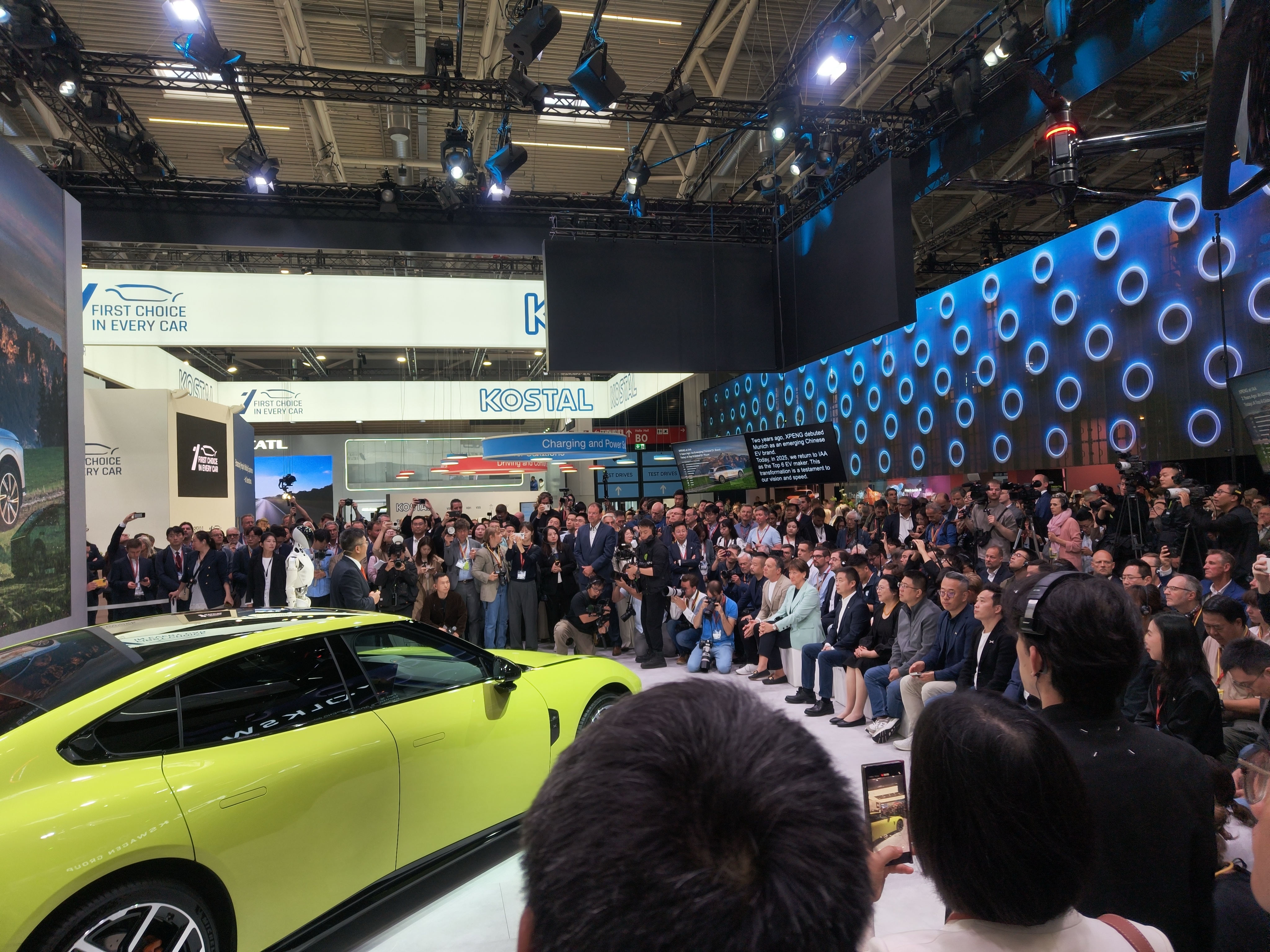
Source: Dianchetong Photography
Now, let’s talk about supply chains. The moat that Japanese cars have built in Southeast Asia over decades is their zero-inventory system and dealer network. However, this system is built on “engines plus transmissions.” In the era of electrification, this advantage has diminished significantly.
How have Chinese automakers responded? By starting from scratch.
CATL has invested nearly $4 billion in Indonesia to build a battery industry chain, while companies like Gotion High-Tech have established battery pack factories in Thailand. According to data from Thailand’s Ministry of Industry, the number of Chinese auto parts companies registered in Thailand reached 420 in the first quarter of 2025, tripling from 2020.
This means that in the core areas of electric vehicles—the battery, electric motor, and electronics—Chinese automakers have achieved local production, reducing costs and enabling faster supply chain responses. In contrast, Japanese cars either import batteries from Japan or purchase them from Chinese suppliers. This alone puts Japanese cars at a disadvantage right from the starting line.
Finally, there’s the difference in brand strategies. Japanese cars have succeeded in Thailand largely through pickups and entry-level sedans, their traditional strongholds.
Chinese brands, on the other hand, have adopted different approaches: some have established their brand image with high-end SUVs and sedans, while others have quickly entered the B-end mobility market. For instance, GAC Aion, since entering the market with its first model in 2023, captured about 43% of Thailand’s pure electric mobility market in the first ten months of last year.
In Dianchetong’s (ID: dianchetong233) view, Chinese automakers are not just selling cars; they are simultaneously building an ecosystem closed loop of mobility, finance, and charging. This “systemic” approach is something Japanese cars have never encountered before.
Southeast Asia: Not Just a Market, but a “Springboard for Counterattack”
For Chinese automakers, defeating Toyota in Thailand holds strategic significance far beyond Southeast Asia itself.
If we broaden our perspective, we’ll notice a more interesting trend: Chinese automakers are using Southeast Asia as a springboard to infiltrate other territories traditionally dominated by Japanese cars.
For a long time, Japanese cars have been unchallenged in places like Australia, New Zealand, and the UK. It’s not that Chinese automakers didn’t want to enter these markets; they simply lacked experience in developing right-hand-drive vehicles and had no production bases there.
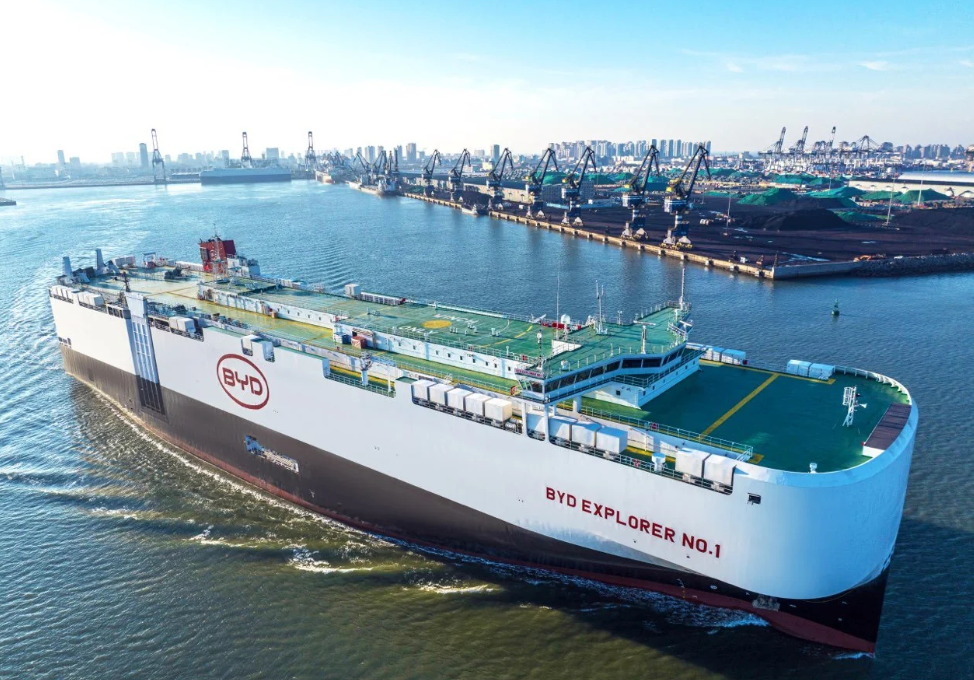
But things are different now. Thailand, being one of the world’s largest producers of right-hand-drive vehicles, has become a bridgehead for Chinese automakers to overcome this challenge. Great Wall, BYD, and Dongfeng Fengxing have all established right-hand-drive production bases in Thailand.
In the future, these “Made in Thailand” Chinese new energy vehicles can enter the Australian market with zero or low tariffs.
Source: BYD Official
Then there’s the issue of taxes and local subsidies that automakers face when going global. The EU has imposed hefty tariffs on Chinese pure electric vehicles, and Japan’s subsidy policies for Chinese new energy vehicles are unfriendly.
Thailand, however, has free trade agreements with many major markets. For example, last year, Thailand signed a Free Trade Agreement (FTA) with the European Free Trade Association (EFTA), helping to expand trade and investment opportunities in European markets.
By assembling and exporting from Thailand, Chinese automakers can circumvent many geopolitical risks.
Dianchetong (ID: dianchetong233) believes that once Chinese brands establish a foothold in Southeast Asia, a global automotive battleground, it will serve as a natural demonstration for regions like Latin America, the Middle East, and Africa.
Finally, let’s talk about technology. While Japanese cars still hold an advantage in hybrids, Chinese automakers have built significant technological barriers in pure electric and plug-in hybrid vehicles. At the Bangkok Auto Show, domestic brands showcased not just automotive products but also 800V high-voltage platforms, urban NOA (Navigate on Autopilot) pilot assistance, and extreme energy management technologies.
The technological barriers of “fuel efficiency and durability” that Japanese cars have built over decades now appear pale in comparison to the “extremely low usage costs and superior acceleration performance” of Chinese electric vehicles.
Perhaps Japanese brands have established high brand loyalty in the Thai and even Southeast Asian markets, but how long can they hold up in the face of tangible benefits?
Chinese Brands Shouldn’t “Pop the Champagne” Too Soon
While we’ve achieved impressive results at the Bangkok Auto Show, now is not the time to “pop the champagne” prematurely.
We must soberly recognize that fuel vehicles still account for the vast majority of Thailand’s total car ownership; although Japanese cars’ market share has fallen below 70%, their volume remains extremely high.
Therefore, in the second half of the Southeast Asian market, Chinese brands can no longer focus solely on sales; they must establish “brand” and “quality” as their core pillars.
Why do Japanese cars command high prices and still sell well? The reason is simple: Toyota dealerships have high market coverage in Thailand, even reaching remote villages. This is currently a weakness for Chinese automakers and a key area they must address. Fortunately, some automakers have already taken the lead. For example, Dongfeng Fengxing plans to create a “10-kilometer service radius” in Bangkok, deepening and broadening its after-sales network.
Another point is to engage in a value war rather than a price war. Thailand has introduced the “3030 Policy,” which aims for at least 30% of cars produced in Thailand to be zero-emission vehicles by 2030. The policy wind is clearly blowing in favor of Chinese automakers, and what they need to do is ride this wave to truly embed their brands locally.
Source: Dianchetong Photography
Looking back at the Bangkok Auto Show, this result represents a true breakthrough for Chinese automakers going global. More and more young Thais are now choosing Chinese cars as their first option. In this decades-long “Asian Auto King” contest, the scales are visibly tipping.
It took Japanese cars six decades to build a solid castle in Thailand. Chinese automakers took just three years to knock down the city gates.
In Dianchetong’s (ID: dianchetong233) view, the overseas market will be a prolonged street fight, a tough battle, but this time, Chinese automobiles will not give their opponents a chance to catch their breath.
(Cover image source: BYD Thailand Official Website)
Going Global, Automakers, New Energy, Chinese Brands
Source: Leikeji
All images in this article are from 123RF Authentic Library (123RF Royalty-Free Image Library)
-
![]()
The Allure of 'Acquisition Spree': Li Shufu's Left Turn, Xu Jiayin's Right
-
![]()
Strategic Transformation Yields Results: Phoenix Optics Reports 10.9% YoY Rise in Core Net Profit for H1 2026
-
![]()
Three Key Growth Trajectories Synergize! Crystal-Optech Reports 3.478 Billion Yuan in Revenue for H1 2026
-
![]()
Semi-Annual Report Sparks XPENG Motors Buzz
-
![]()
1.6 Billion Big Order Secured! SeeYA Technology's Revenue Soars by 287.87% in the First Half of the Year
-
![]()
Baidu's Profits Plunge by 68%: Unraveling the Mystery Behind the Numbers
-
![]()
Baidu’s Profits Tumble by 68%! Where Has All the Money Gone?
-
![]()
Hynix’s Taobao Store Shuts Down Abruptly: What Should Customers Do About Warranty Services for Memory Modules?