For BEV Sedans Priced at 200,000 RMB, This Year Marks the Final Opportunity to Excel in Sales
 04/10 2026
 626
626
Lead-in
Introduction
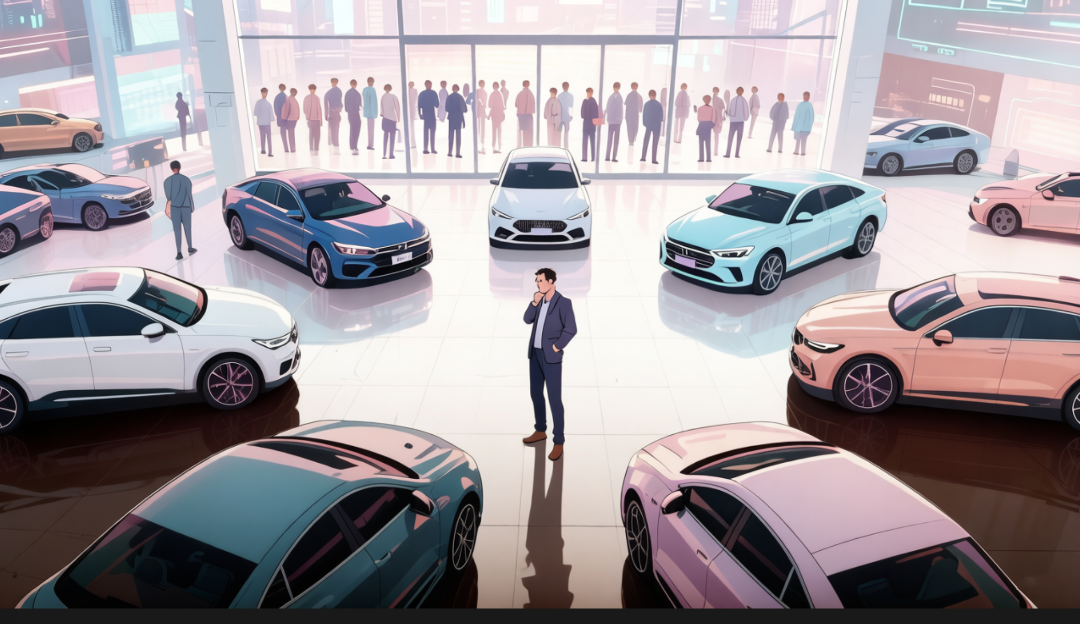
The potential for BEV sedans within the 200,000 RMB price bracket hinges on the market space that Tesla and Xiaomi are prepared to concede to their competitors.
Initially, it was anticipated that the Chinese automotive market would sustain its growth momentum this year, propelled by fierce competition. However, the escalation of hostilities in the Strait of Hormuz has thrust the "soaring oil prices" black swan event into the limelight. Consequently, the debate between fuel-powered vehicles and new energy vehicles has taken on a new dimension.
Recent performance in the terminal market indeed suggests a downturn in sales for fuel-powered vehicles. But does this pave the way for new energy vehicles, particularly BEVs, to experience a surge in sales?
Reports indicate that within BYD's product portfolio, BEV orders are witnessing robust year-on-year growth. With uncertainty looming over when oil prices will stabilize, many believe that the Chinese automotive market in 2026 should fully embrace new energy vehicles, irrespective of the segment.
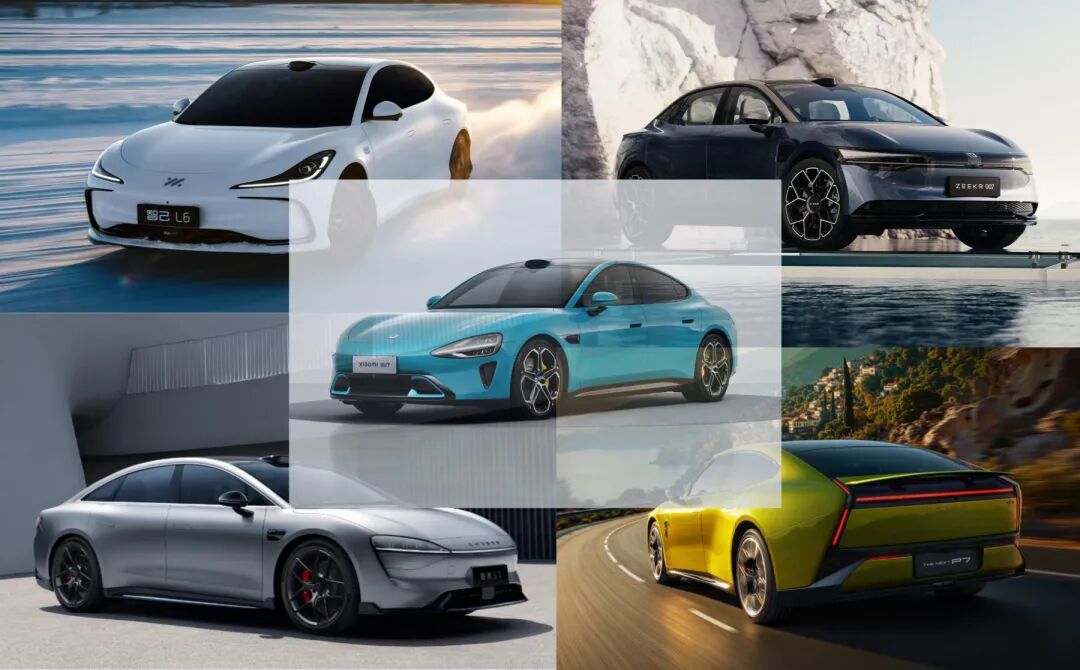
Nevertheless, despite the fervor surrounding the new energy market over the past two years, one segment has consistently struggled to gain traction. In the 200,000 RMB BEV sedan market, new entrants come and go, yet only the Tesla Model 3 and Xiaomi SU7 consistently lead the sales charts. Other contenders have largely faded into obscurity.
This price range is not devoid of competitive new models; the XPeng New P7, Zhijie S7, and Zhiji L5 are all formidable competitors. Yet, surprisingly, even as other segments witness new developments, consumers willing to spend 200,000 RMB on a BEV sedan remain fiercely loyal to Tesla and Xiaomi, adhering to the mainstream choice.
As we step into 2026, the external environment undoubtedly favors the new energy vehicle market. This prompts questions: Why has the 200,000 RMB BEV sedan market formed such a formidable duopoly amid the global new energy wave? Why have subsequent entrants, initially poised to disrupt the industry, largely fallen short?
On the flip side, do recent indicators suggest that newcomers have finally found an opening to turn the tables? Especially with the arrival of the Toyota bZ4X, will the dynamics of the 200,000 RMB BEV sedan market undergo a complete transformation?
01 Are 200,000 RMB BEV Sedans Losing Their Appeal?
Since the new energy industry began to thrive, the market has underscored that Chinese consumers' decision-making logic in the 200,000-300,000 RMB price range is undergoing profound shifts. In the era of traditional fuel-powered vehicles, brand prestige, mechanical excellence, and residual value were paramount. In the electric era, technological sophistication, intelligence level, and ecological experience have emerged as new value benchmarks.
Over the years, Tesla has cultivated a global brand image as a "tech pioneer" by capitalizing on its first-mover advantage. Xiaomi, meanwhile, has swiftly captured the imagination of young internet users by leveraging its vast "Mi Fan" base and the concept of a "human-vehicle-home ecosystem." Particularly when Xiaomi vehicle owners are already loyal users of Xiaomi products, this high degree of ecological integration naturally makes it arduous for latecomers to intervene.
With this foundation, the industry seems to have acknowledged a fact: Whether it's traditional automakers transitioning to electrification or new forces embarking on second ventures, all face the daunting challenge of brand reshaping. However, for today's consumers, there is a clear inclination to trust brands and products already validated by the market.
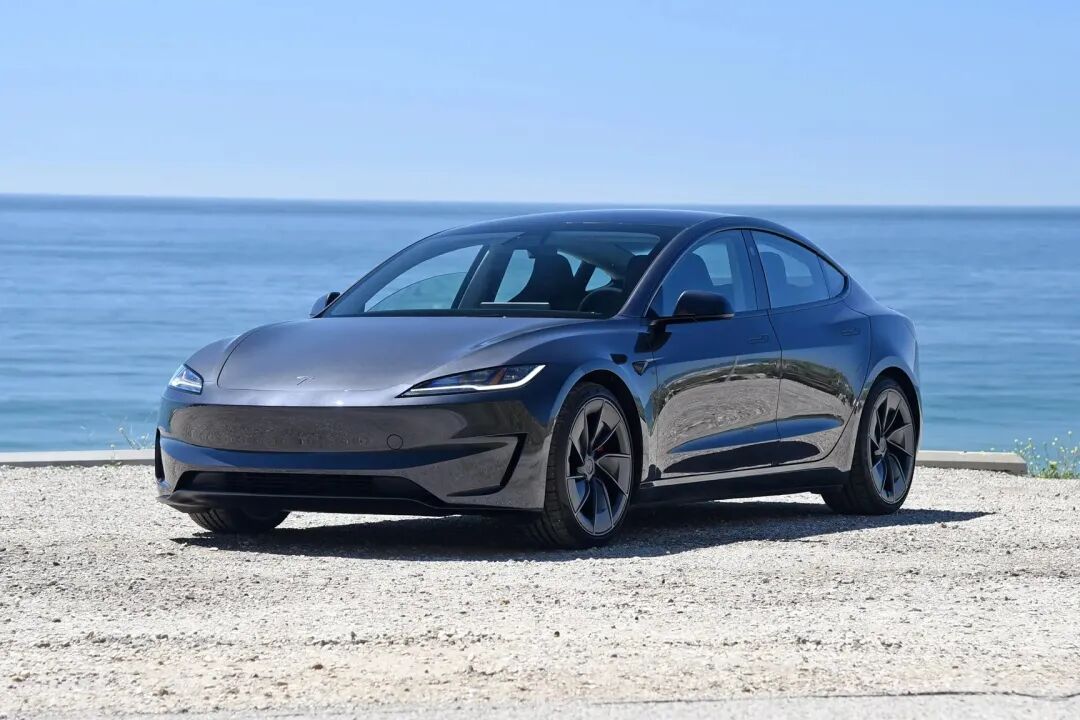
As this "Matthew effect" becomes increasingly pronounced in the fiercely competitive 200,000 RMB sedan market, doesn't it effectively block the path for most competing products?
Theoretically, adhering to this trend, if competitors are unable to secure price advantages in procuring core components like batteries and chips, nor can they reduce R&D and manufacturing costs through scaled production, it further suggests that when Tesla and Xiaomi can offer products with equal or higher configurations at lower prices, the survival space for others becomes even more constrained.
Moreover, the 200,000 RMB BEV market is a fiercely contested arena.
In the fuel-powered era, the sedan market produced numerous reputable and powerful products, such as the Passat, Magotan, Accord, and Camry—each posing a significant challenge to newcomers. In the new energy era, perhaps the Model 3 and SU7 play similar roles.
In this new era where old and new forces coexist, the difficulty of breaking through has undoubtedly grown exponentially. Additionally, in the current economic climate, pragmatism has become the primary consideration for most families when purchasing vehicles. Faced with a plethora of similarly priced large SUVs or MPVs, as well as numerous new models focusing on extended-range and pure electric powertrains, consumers are less enthusiastic about BEV sedans.
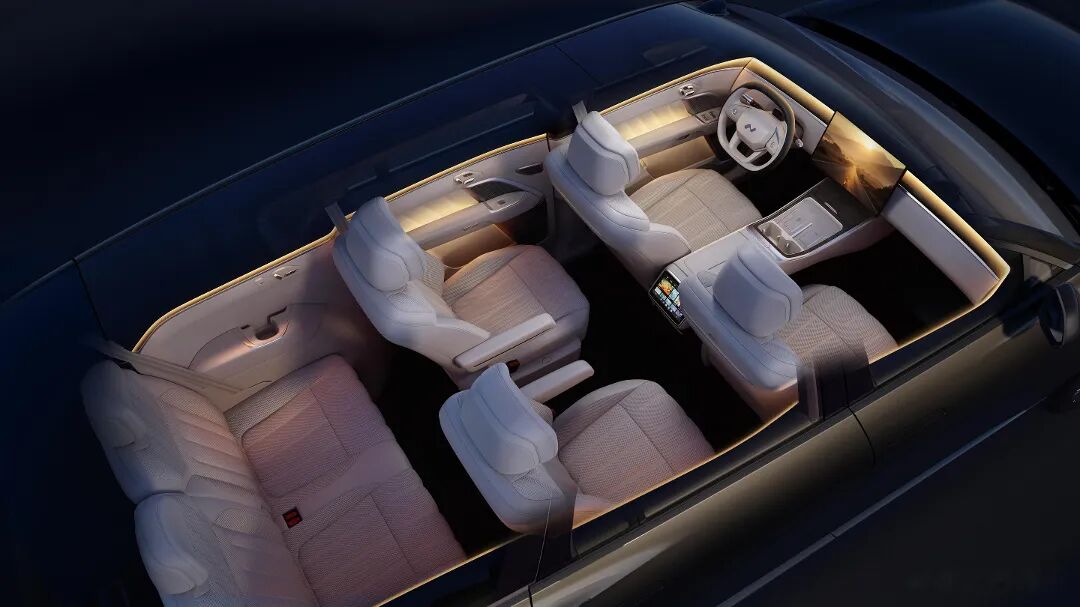
On a positive note, in the Chinese market, consumer habit changes tend to be gradual yet steady.
Currently, extended-range and plug-in hybrid models with large bodies dominate the market above 200,000 RMB due to their perfect solution to user anxiety over range and charging. However, as charging infrastructure improves and battery technology advances, the convenience of using BEVs is set to gradually increase.
At the policy level, the relentless pursuit of "carbon peak and carbon neutrality" goals will provide long-term support for the BEV route. The implementation of trade-in policies has also reduced purchasing costs for consumers to some extent. If more favorable policies are introduced in the future regarding purchase taxes, road rights, and charging infrastructure construction, the popularization speed of BEVs will further accelerate.
More importantly, younger consumers have a higher acceptance of electrification and a stronger demand for intelligent technology. As this demographic gradually becomes the main force in vehicle purchases, market preference for BEVs is expected to continue growing.
Based on these foundational conditions, regardless of whether Tesla started in the high-end niche market and gradually penetrated downward to achieve its current success, or whether Xiaomi quickly occupied the mainstream market by leveraging its ecological advantages and cost-effectiveness strategy, as long as someone can find a new differentiated path or their own unique solution, breaking through is not entirely out of reach.
02 Only Alternative Paths Will Lead to Breakthroughs
Should one opt for a sedan priced at 200,000 RMB?
Globally, this question has already surfaced. During the heyday of SUVs, consumers had already made subconscious choices.
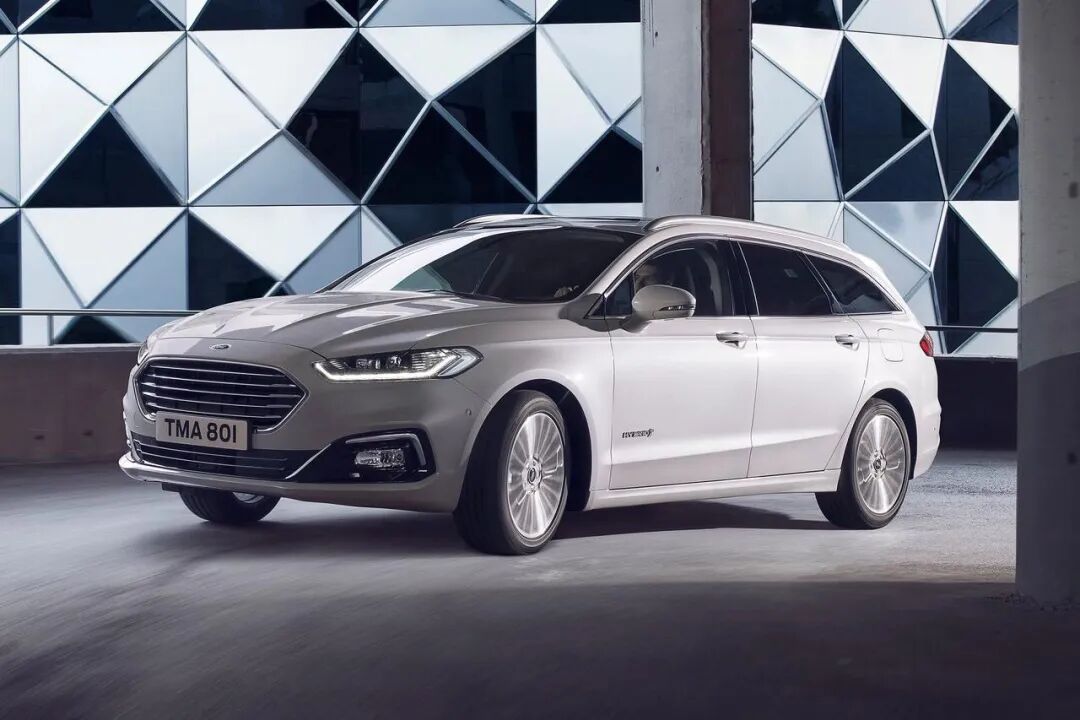
In March 2022, Ford officially announced it would discontinue the Mondeo in Europe and not introduce a successor model. At that time, it already indicated that China would become the only major market where the Mondeo continued to be sold. Subsequently, Volkswagen announced in 2023 that the new generation Passat would cancel the sedan version and only offer a station wagon variant. By 2025, Mazda decided to discontinue the Mazda 6...
Considering these decisions collectively, who can still claim that the decline of sedans in the 200,000 RMB price range is exaggerated?
Similarly, irrespective of whether the Chinese automotive market in 2026 is at a delicate turning point, behind the seemingly unbreakable dominance of Tesla and Xiaomi in the 200,000 RMB BEV sedan market lies the reality of a shrinking boundary for the entire segment.
Therefore, even though there are no eternal kings in the market, the success of Tesla and Xiaomi largely stems from their first-mover advantages and specific time windows. As technology diffuses, supply chains mature, and consumer awareness improves, the gap between pioneers and latecomers gradually narrows. For Chinese automakers, relying solely on so-called component stacking and price offensives is not the best strategy for breaking through.
In late March, GAC Toyota's bZ4X, with its attractive pricing and product strength, sounded the rallying call for 200,000 RMB BEV sedans. Securing thousands of orders in just 10 days injected a strong dose of confidence into the market. However, it goes without saying that in an era of overall decline in joint venture brand strength, GAC Toyota's approach is highly unique to the brand and not easily replicable by other automakers.
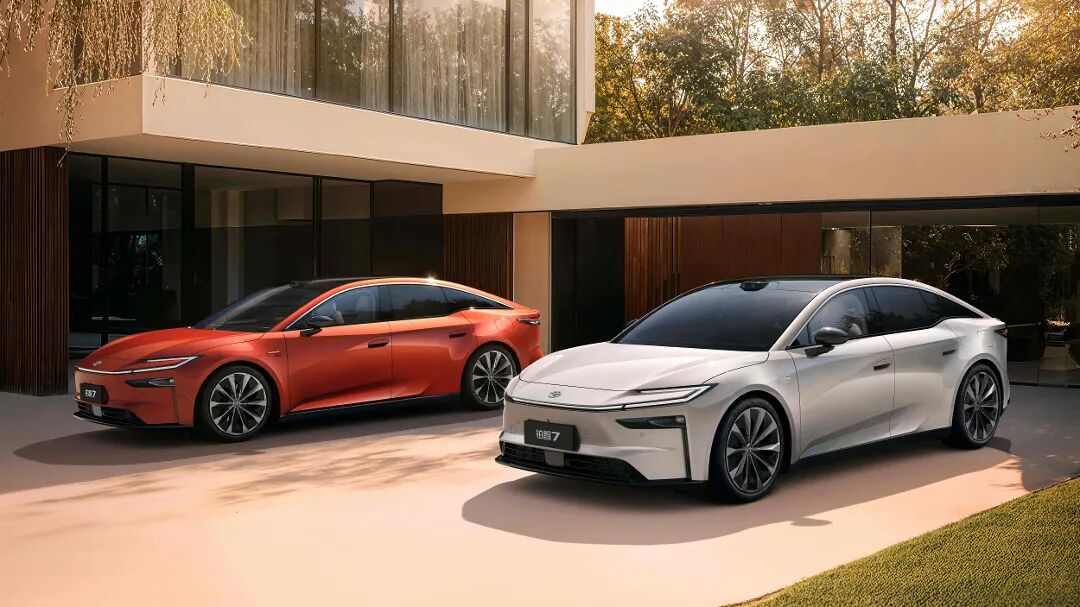
Are there any replicable cases?
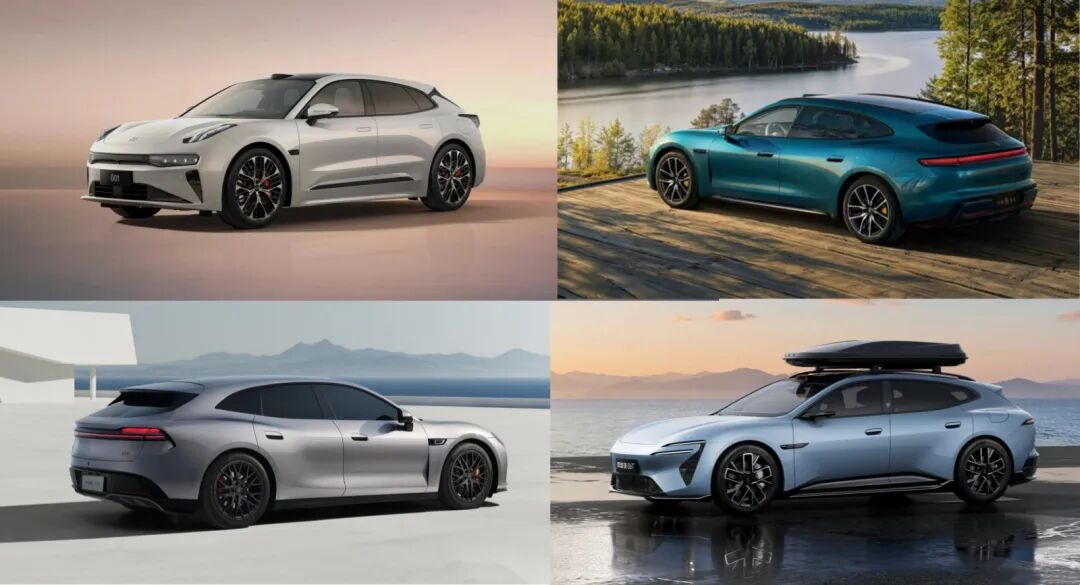
It's hard to fathom that, after years of targeting the mid-to-large SUV market, station wagons/shooting brakes have now been collectively unearthed from the annals of history by Chinese automakers, transforming from niche, personalized products into a touchpoint everyone wants to exploit for market share. Is this envy of the Zeekr 001 and NIO ET5T's exclusive success, or a genuine belief in the market's potential?
Rationally speaking, I believe the reasons are a mix of both. With every segment fermenting into a red ocean, automakers seeking to stand out with their products have no choice but to explore once-overlooked areas. When successful precedents exist, everything seems more justified.
Compared to traditional sedans, so-called station wagons/shooting brakes have always been more expensive than their sedan counterparts on the same platform, carrying a certain degree of model premium for most people. Moreover, due to their closer alignment with Western driving contexts, they offer more pronounced emotional value and personalized attributes.
At this moment, new models like the Qijing GT7, Shangjie Z7T, and Avita 06T are undoubtedly targeting this aspect. Regarding outcomes, given the absolute capacity of this market or the popularity of user awareness, can we say that all of them will achieve success like the Zeekr 001? Naturally, that remains uncertain. After all, even the seemingly successful NIO ET5 and Xiangjie S9T got to where they are today by sacrificing sedan version sales.
To put it nicely, such models are more like a transitional form in the process of automotive consumption upgrade, satisfying some consumers' dual demands for personalization and functionality but unable to replace sedans or SUVs as the primary family vehicle choice. To put it bluntly, relying on such models to save the traditional B-class sedan market, compete head-on with similarly priced SUVs, or sustain a brand's later-stage development only exists in ideal scenarios.
The days of "reaping where others have sown" have long vanished in the Chinese automotive market. Amid endless internal competition, any market either becomes a winner-takes-all scenario or implements a rotating system where newcomers replace incumbents. There is no lasting stability.
The high-priced BEV sedan market has long anticipated the worst-case scenario.
After the maneuvers of 2026, if no latecomer can maintain a net monthly sales increase of over 5,000 units in the 200,000 RMB BEV sedan segment, they will have no right to challenge Tesla or Xiaomi. At best, they will have tested their mettle before being slapped down by reality. If that's the outcome, starting next year, it might be wiser to focus on SUVs or affordable sedans instead.
Editor-in-Chief: Shi Jie Editor: He Zhengrong
THE END
-
![]()
The Allure of 'Acquisition Spree': Li Shufu's Left Turn, Xu Jiayin's Right
-
![]()
Strategic Transformation Yields Results: Phoenix Optics Reports 10.9% YoY Rise in Core Net Profit for H1 2026
-
![]()
Three Key Growth Trajectories Synergize! Crystal-Optech Reports 3.478 Billion Yuan in Revenue for H1 2026
-
![]()
Semi-Annual Report Sparks XPENG Motors Buzz
-
![]()
1.6 Billion Big Order Secured! SeeYA Technology's Revenue Soars by 287.87% in the First Half of the Year
-
![]()
Baidu's Profits Plunge by 68%: Unraveling the Mystery Behind the Numbers
-
![]()
Baidu’s Profits Tumble by 68%! Where Has All the Money Gone?
-
![]()
Hynix’s Taobao Store Shuts Down Abruptly: What Should Customers Do About Warranty Services for Memory Modules?