Changan Delivers 1.195 Million Vehicles in H1, Faces Five Key Challenges to Reclaim TOP 3 Spot Over Chery and Geely
 07/08 2026
 689
689
Despite a promising sales performance in the first half of the year, new central SOE Changan Automobile still has reasons to remain cautious rather than celebrate prematurely.
Firstly, in terms of market performance in June, Changan ranked fourth among the top five independent brands. Over the first half of the year, Changan Automobile delivered a total of 1,195,600 new vehicles, including 402,000 overseas shipments, marking a 35.1% year-on-year increase, and 456,000 new energy vehicles, up 5.2% year-on-year. However, this performance still lags behind BYD, Geely, and Chery.

Among these competitors, BYD's cumulative sales in the first half of the year showed a decline, with 180,511 vehicles sold, a 15.72% year-on-year decrease. Nevertheless, BYD rebounded to sell 400,000 vehicles in June alone, with expectations of maintaining this sales level subsequently. Geely, on the other hand, sold 240,799 vehicles in June, up 2% year-on-year, and achieved a cumulative sales volume of 1,422,958 vehicles in the first half, up 1% year-on-year. Chery achieved sales of 1.35 million vehicles in the same period, with an overall growth of 7.7%. Thus, surpassing these competitors will pose a significant challenge for Changan.
From the perspective of annual target achievement, Changan also finds itself in the second tier. Among the five automakers, Geely and Chery have exceeded 40% in target achievement. Changan's target achievement rate this year stands at 36.23%. To meet its annual sales target of 3.3 million vehicles, Changan must sell 2.105 million vehicles in the next six months, averaging 350,000 vehicles per month. Achieving monthly sales of over 300,000 vehicles in the current market environment is indeed a formidable task for Changan.
Secondly, from a capital market perspective, as of July 7th, Changan Automobile's stock price has plummeted by 40.39% (Wind data), one of the two highest declines among top automakers. Great Wall Motor (Hong Kong stock down 40.97%, A-share down 31.46%), Chery Automobile (Hong Kong stock down 16.29%), BYD (A-share down 11.73%), and Geely Automobile (Hong Kong stock up 10.16%) present a mixed picture.
In terms of financial performance, Changan Automobile's first-quarter report for 2026 revealed a revenue of 32.7 billion yuan, down 4.26% year-on-year. Affected by exchange gains and losses, net profit attributable to shareholders was 350 million yuan, down 74.09% year-on-year. This profit scale and decline also rank last among the five automakers. Although the first-half financial reports of automakers have yet to be released, Changan, once the "top independent brand," is clearly dissatisfied with its current fourth-place position or any other aspect. Especially as a new central enterprise, Changan must project a new image and deliver new achievements.
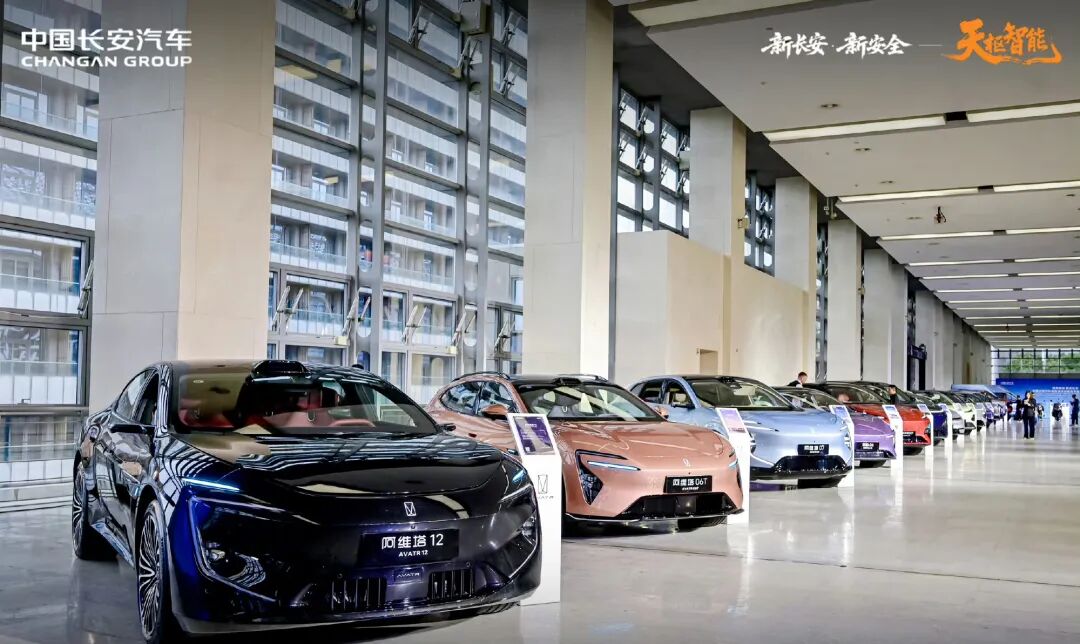
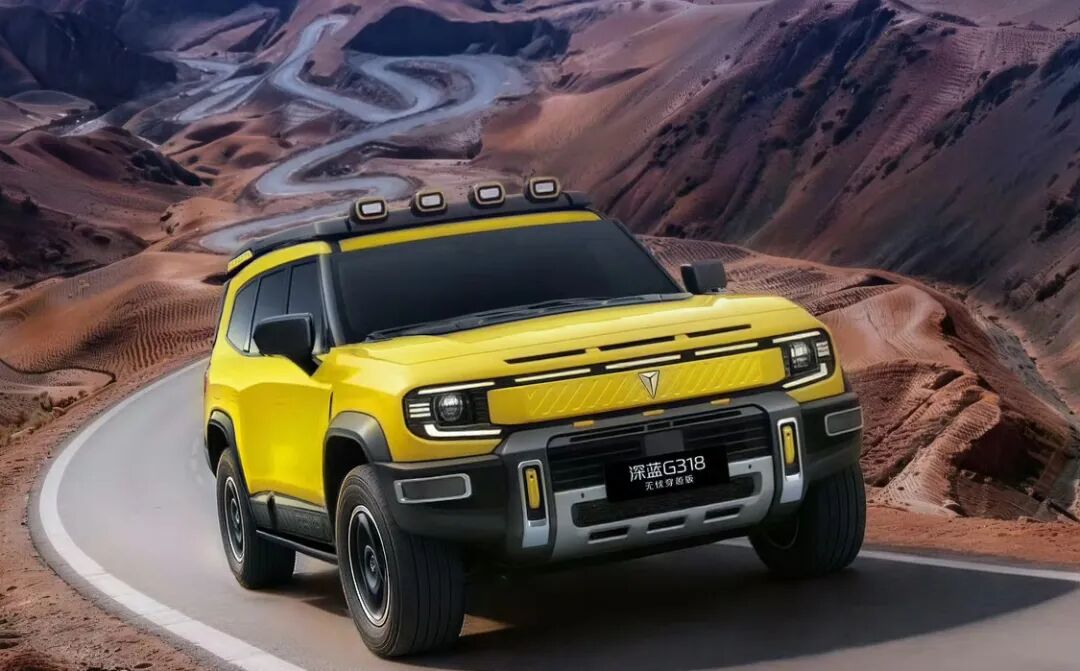
Behind these surface-level data lie several hidden challenges. Firstly, in Changan's sales structure, high-end products account for a relatively small proportion, with products concentrated in the market segment below 150,000 yuan. In the first half of this year, Changan's best-selling vehicles included Qiyuan Q05, Qiyuan A06, Shenlan S05, Shenlan L06, Changan CS75 PLUS, Changan X5 PLUS, Eado, etc. Products priced above 150,000 yuan represent a relatively low proportion, and the sales volume of Shenlan and Avatr in this higher-priced market segment needs improvement, which is crucial for affecting Changan's profit and brand growth.
Secondly, the growth rate of new energy vehicles (NEVs) needs a boost. Changan's cumulative sales volume of NEVs in the first half of the year was 456,000 vehicles, up 4.2% year-on-year. Currently, some new forces, represented by Leapmotor, have achieved monthly NEV sales of over 90,000 vehicles. With the shrinking fuel vehicle market, major automotive groups must confront the impact brought by these new forces. For Changan, accelerating the capture of the new market is inevitable.
Thirdly, the brand premium level requires enhancement. From the comprehensive gross profit margin data of listed automakers in 2025, Changan Automobile's performance in 2025 is average. Specifically, Seres leads with the highest at 28.21%; followed by Great Wall at 18.04%; third is BYD at 17.74%; Geely at 16.6%; Changan at 15.54%; Chery at 13.8%; SAIC at 10.1%; and GAC at -1.33%. Due to the low proportion of high-end models and best-selling models (monthly sales over 10,000, about 4 models), Changan Automobile's cost control and premium capabilities have not been fully demonstrated, affecting its gross profit performance.
In light of these challenges, Changan decisively initiated a new round of integration and reform in April this year. Landmark events include promoting the integration of Shenlan and Avatr, followed by completing Avatr's listing.
On April 21st, at the communication session after the global strategy launch event (press conference) of Changan Automobile Group, Zhu Huarong, Chairman of Changan Automobile, stated that strategic integration would be carried out for the two brands, Avatr and Shenlan. The integration has three primary goals:
In the market, after integration, Shenlan and Avatr aim to form a combined sales volume of 1.5 million vehicles by 2030, with Avatr targeting 500,000 vehicles and Shenlan Automobile targeting 1 million vehicles. Secondly, in terms of branding, after the integration of Shenlan and Avatr, they aim to establish a "mid-to-high-end brand." This means that Shenlan's price range will not decline but will be maintained above the mid-end brand level. Currently, Shenlan's cheapest model is the Shenlan S05, priced between 100,000 and 150,000 yuan. Thirdly, after integration, efficiency will be further improved, meaning better control over costs and other aspects.
In terms of integration form, Shenlan and Avatr will remain independent, with integration occurring at the backend. In terms of effectiveness, Avatr's executives have previously conducted a relatively detailed cost analysis—after integration, the target cost reduction for public resources is 20%-30%. However, the company's top management expects that a comprehensive cost reduction of 20%-30% for software and hardware is still relatively conservative and believes that after implementation, the final efficiency improvement has a great chance of exceeding 30%. This will help Avatr and Shenlan reduce costs and achieve further turnarounds.
Zhu Huarong stated that the integration of Shenlan and Avatr is expected to be completed by the end of this year. It is anticipated that when the interim report is released this year, Changan may disclose the progress of this integration, which is highly anticipated.
Secondly, there is Avatr's IPO project. Avatr's independent listing is of great significance to Changan. After the listing, it can become a "high-value asset under the holding company," significantly reducing the pressure on Changan's financial statements. At the same time, it can achieve high-end electric capitalization, revalue equity, realize risk isolation and resource focus, and upgrade its "CHN model" from a mere technological alliance to a capital-technology alliance.
In addition, the funds raised will be used for R&D, production capacity, and channels, without requiring Changan to invest, thus amplifying the overall leverage and development speed of the group. More importantly, this will improve the market's perception of Changan as a "traditional automaker," enhance the new energy valuation premium, and drive the revaluation of the parent company's stock price. Currently, Avatr has submitted its application twice. From the listing pace, if the subsequent materials solidly respond to relevant inquiries, it can pass the hearing within six months and enter the final stage of listing.
These two strategic moves indicate that Changan is currently in a periodic development low. Referring to the systemic capability explosion after Geely Automobile's reform, this means that Changan has the same opportunity to welcome a dividend period subsequently. After Geely integrated Zeekr and Lynk & Co in 2024, its brand and product structure were further improved. From the market and performance to the capital market performance, it has soared. Geely is the only automaker whose stock price rose in the first half of this year, and this performance has given Changan the expectation and confidence to promote deep integration.
Compared to others, Geely's greatest advantage lies in its complete and balanced development of low, mid, and high-end brand lineups. The low-to-mid-end market is supported by Geely (including Galaxy) as the foundation; the midsection is supported by Lynk & Co; and at the top, under the combined force of Zeekr's 9X and 8X models, both volume and price have risen. In comparison, Changan also has Changan V-shaped logo + Qiyuan as the foundation, with Shenlan supporting the midsection and Avatr's products at the top. In commercial vehicles, there is also Changan Kaicheng. Overall, its structural direction is clear, with the core being to further shape the market in terms of products and brands.
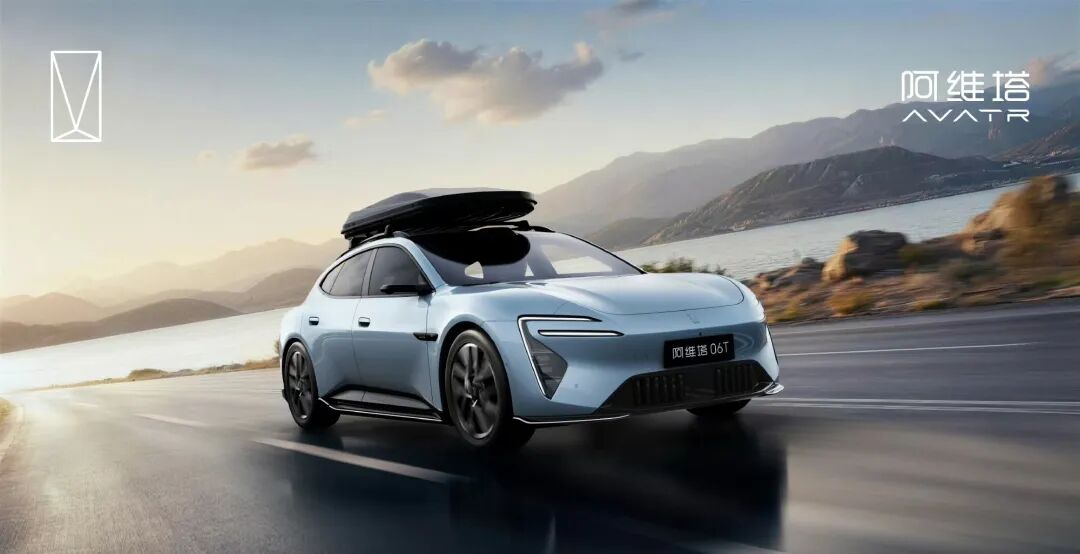
From Changan's perspective, as a strong, established independent brand, it boasts five major advantages: "deep in-house technology R&D, a comprehensive brand matrix, stable manufacturing/quality, active capital operations, and early globalization." In the fuel vehicle market, new energy market, and export market, Changan's performance has been remarkable. In terms of fuel vehicles, Changan's HEV technology has demonstrated strong competitiveness, and its fuel consumption at the 2L level will become a new growth point in the market after subsidies are canceled.
In terms of new energy brands, Changan will launch several refreshed products such as Qiyuan Q06 and Avatr 07L, with many highlights expected in the second half of the year.
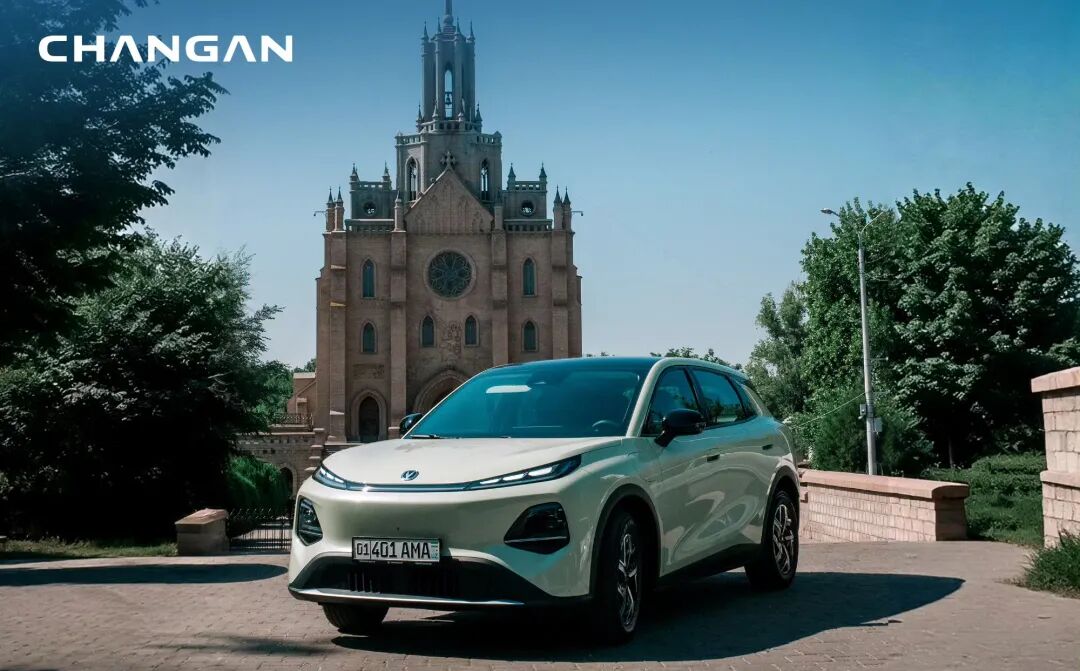
At the same time, Changan Automobile will promote the "All Rivers Run into the Sea" strategy to drive breakthroughs in globalization. Changan Automobile stated that this year, it will shift from a domestic-focused + overseas radiation approach to a global integrated layout. Within the year, several products such as the fourth-generation Eado, the new Qiyuan Q05, Shenlan S09, and Avatr 06 will be launched in various overseas regions, covering markets such as Europe, Southeast Asia, the Middle East and Africa, and Central and South America. By stabilizing the foundation with fuel vehicles, seeking growth with new energy vehicles, and focusing on overseas markets, this is Changan's strategy for the year.
Therefore, this year's performance will mark a new starting point for Changan after its initiation of integration and reform. With the completion of these processes, Changan will enter a new development cycle, showcasing the new strength of a new central enterprise. In the short term, its goal is to stabilize its independent position in the top three, and in the long term, to return to the top and become a new benchmark for the development of central and state-owned enterprises.
-
![]()
Registered Capital Slashed to 372 Million Yuan! Yutong Optical Finalizes Industrial and Commercial Change Registration
-
![]()
Zhuque-3 Successfully Lands, and 'Time Traveler' Secures Another ¥100 Million in Funding: China's Commercial Space Industry Experiences a 'Dynamic August'
-
![]()
Autohome Faces a Shrinking Window of Opportunity
-
![]()
Even a Titan Like Musk Has Faced Setbacks in Fulfilling Promises
-
![]()
AI Office: The End of the Racing Era, Context Becomes the Key to Success
-
![]()
Domestic Vehicle Chassis Revolution ②: The Steering Wheel Remains, But Mechanical Connections in the Steering System Are Decreasing
-
![]()
Exploring MiniMax Design: Can Video Editing Be as Simple as Speaking?
-
![]()
Why Can SenseTime Achieve Profitability While CloudWalk Still Faces Challenges, Despite Both Adopting Large Models?