Is Seres Truly Being 'Bled Dry' by Huawei?
 07/14 2026
 461
461
On July 12, Seres unveiled its performance forecast for the first half of 2026, predicting a net loss attributable to the parent company ranging from RMB 1.5 billion to RMB 1.8 billion. This marks a stark contrast to the profit of over RMB 2.9 billion achieved in the same period last year, signaling a shift from profitability to loss.
As the company's inaugural loss since returning to profitability in 2024, the announcement swiftly fueled skepticism regarding the Seres-Huawei model. Some investors perceived this loss as an indication of the collapse of profit logic in the new energy vehicle sector, suggesting that high-priced electric vehicles still struggle to avoid losses. Meanwhile, another segment of public opinion directly targeted Huawei, Seres' key partner, with a narrative of "Huawei draining resources, automakers serving as contract manufacturers" quickly dominating social media.
From an external standpoint, Seres, a brand with an average vehicle transaction price exceeding RMB 300,000 and consistently ranking among the top in China's domestic premium brand segment, should ostensibly project a profitable image. However, reducing complex business dynamics to a sensationalized "landlord and tenant" narrative may cater to public sentiment but obscures many underlying facts and truths.
Is Seres' renewed loss truly a consequence of being drained by Huawei? Does Seres have the potential to recover from this profit-loss imbalance? What is the true state of Seres Automobile's operational fundamentals, cash flow quality, and growth potential? These fundamental questions are rarely addressed in the market...
Editor|Li Jiaqi
Image Source|Internet
1 The Turmoil of the 800V Transition Behind the RMB 1 Billion Large-Scale Provision
Those familiar with Seres' basic business operations understand that, rather than relying solely on net profit as a metric, Seres' shift from profit to loss is essentially the result of multiple factors, including upstream cycles, terminal competition, and the company's operational rhythm. In particular, the large-scale asset impairment provision in the second quarter is the core variable causing the loss in this quarter's financial report.
According to Seres' Q1 financial report, the company achieved total revenue of RMB 25.746 billion from January to March, with a net profit attributable to the parent company of RMB 754 million, showing a slight year-on-year increase. Based on the projected loss of RMB 1.5 billion to RMB 1.8 billion, it implies that Seres incurred a loss of at least RMB 2.254 billion in the second quarter. If the impact of rising raw material prices were the sole cause, the effects would not have become apparent only in the second quarter.
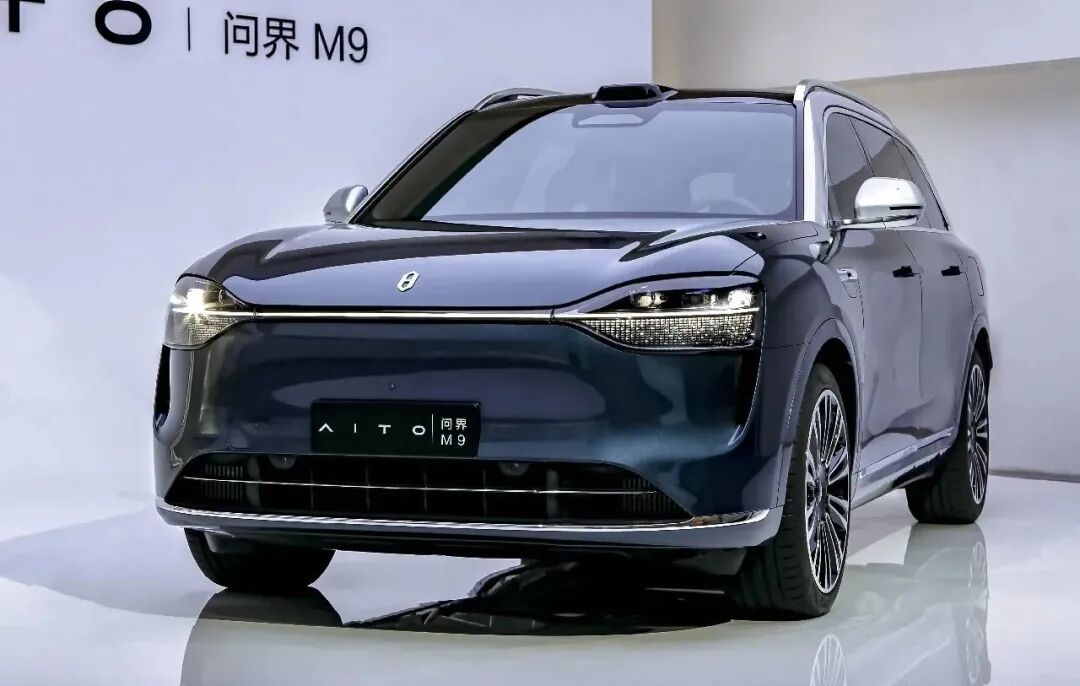
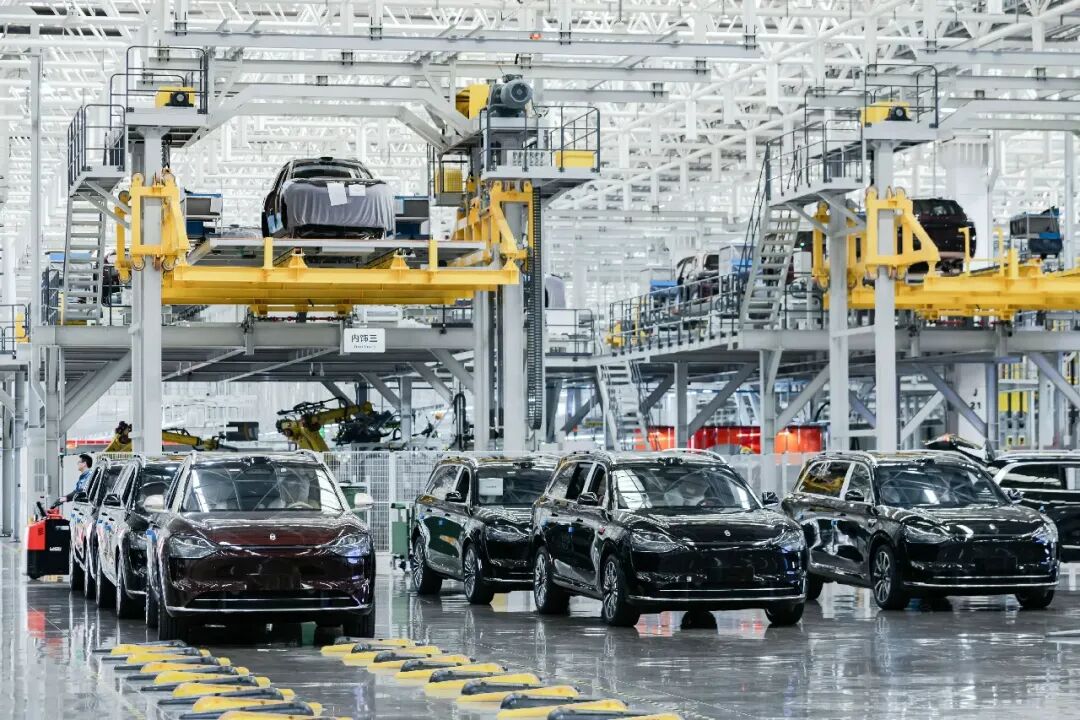
On the contrary, the second quarter marked a critical window for the comprehensive transition of AITO's product architecture, with the M6 and new M9 models launching in a concentrated manner. The entire system adopted the 800V high-voltage platform, rendering the body molds, dedicated production lines, and parts inventory previously suited for older models completely incompatible and nearly valueless for secondary use. Following the principle of financial prudence, Seres chose to fully recognize the value loss of these inefficient assets in the second quarter, which was reasonable in terms of timing and efficiency.
Based on calculations from two old 400V platform-dedicated production lines, for a mainstream new energy vehicle priced between RMB 200,000 and RMB 300,000 with an annual production capacity of 150,000 to 200,000 units, the total investment for a new line ranges from RMB 550 million to RMB 700 million, of which up to 70% can be retrofitted and reused for the 800V platform. According to industry standards for impairment provisions, the corresponding production line equipment impairment would be approximately RMB 200 million to RMB 400 million.
Adding in the full provision for the decline in value of the full set of body die-casting, interior and exterior trim molds for the M5, first-generation M7, and old M9 models, as well as dedicated wiring harnesses, low-voltage electronic controls, and first-generation intelligent driving sensors procured specifically for the 400V architecture with no subsequent digestion channels, the total impairment provision for inventory would be RMB 500 million to RMB 700 million. The overall asset impairment provision for the second quarter is estimated to be at least RMB 1 billion.
In fact, asset impairment is merely an adjustment of book value at the accounting level, involving no cash outflows and not depleting the company's liquidity. For example, consider a production mold worth RMB 1 million with a residual value of only RMB 100,000. The RMB 900,000 difference is the asset impairment loss. In corporate accounting, this would be fully deducted from the current period's profit, but it does not result in an actual cash reduction of RMB 900,000.
In reality, the profit loss was already incurred during the initial construction of the production line and procurement of molds; its appearance in the second-quarter report merely reflects a financial recognition of the loss. This large-scale impairment is a one-time, non-recurring event. After clearing out these old assets, no further impairment losses of this magnitude will appear in subsequent reports. Essentially, it involves concentrating risk release to reflect potential losses over the next few years in advance, paving the way for the launch of new models.
Furthermore, by writing off all low-voltage system assets previously suited for Huawei, Seres is also making a strategic statement through its financial report: it will no longer rely on Huawei's full suite of 400V powertrain components and will instead focus on fully self-developed 800V platforms. According to the plan, starting from the second half of 2026, all new Seres models (M9, M6, M8) will be based on the Magic Cube 2.0 800V platform, while existing 400V models will be discontinued and cleared from inventory. Since these supporting assets will no longer generate revenue, impairment is required under accounting standards.
2 Rising Raw Material Costs by RMB 2.6 Billion Temporarily Compress Seres' Profit Margins
Analyzing AITO's sales in the first half of the year, the M7, as a long-standing volume model, constituted the largest sales base. The new AITO M9 and M6 models formed the core growth drivers. The new-generation AITO M9 series received over 42,000 orders within a month of its launch; the AITO M6 delivered over 30,000 units within 54 days of its launch, creating a dual-wheel drive pattern of "high-end flagship + volume bestseller."
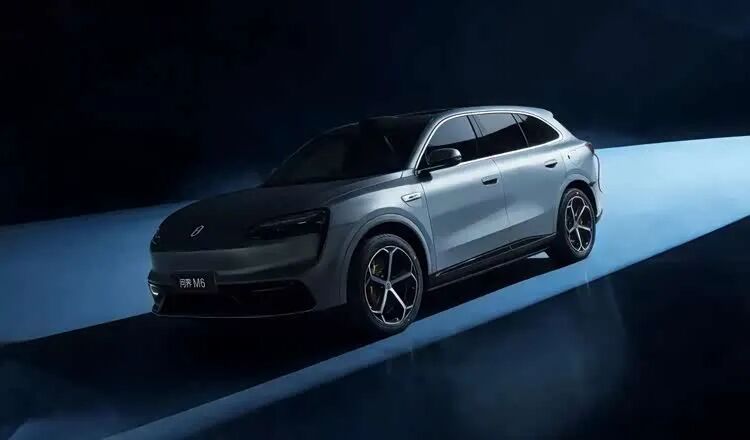
However, the issue lies in the fact that while the M9, positioned as a higher-end model, offers more ample gross profit margins, it only officially launched at the end of May, resulting in a very short full delivery cycle. The profit advantages of high-end, high-margin models were not fully reflected in the mid-year report. Meanwhile, although the M6 achieved concentrated sales growth, continuous price reductions and feature reductions in its low-end versions compressed the gross profit per unit, pulling down the overall weighted average gross profit margin of the model. Compared to the full-year 2025 weighted average price of RMB 386,000, AITO's average selling price per vehicle in the first half of this year was only RMB 319,000.
At the same time, temporary price increases in commodities such as power batteries, lithium, and copper directly raised the variable production costs of vehicles. Public data shows that in the first half of this year, the price of battery-grade lithium carbonate surged by over 160% year-on-year, rising from RMB 80,000 per ton last year to RMB 180,000 per ton this year. Automotive-grade memory chip prices increased by up to 300%, while copper and aluminum, industrial metals, also saw price hikes.
It's important to note that all AITO models come standard with Huawei's advanced intelligent driving systems, multiple LiDAR sensors, and high-computing-power cockpit chips, resulting in electronic component usage per vehicle being 2-3 times that of ordinary electric vehicles. According to Zhang Xinghai, the current manufacturing cost per AITO vehicle has increased by RMB 15,000 to RMB 20,000. Based on the 150,000 units delivered in the first half of the year, the combined price increases in upstream raw materials and components raised total costs by approximately RMB 2.6 billion.
If these factors were excluded, it cannot be ruled out that Seres could still achieve profitability in today's fiercely competitive market. Looking ahead, with increased deliveries of the M9 in the second half of the year, a higher proportion of high-end configurations, the complete clearance of old asset burdens, and a gradual recovery in the industry cycle, Seres' profitability is expected to quickly recover, enabling high-quality and steady growth. During this process, there is no need for the outside world to view such cyclical fluctuations and adjustments as a long-term decline of the brand.
3 De-Huawei-ization for Efficiency Gains Becomes the Main Theme of Seres' Transformation
First, it must be clarified that Huawei's Smart Selection vehicle cooperation model with Seres is not a "profit-sharing" arrangement as misinterpreted by the outside world but rather a typical procurement relationship.
According to Seres' prospectus, there is no profit-sharing agreement between Huawei and Seres. The payments made by the automaker to Huawei primarily consist of three components: 1) hardware procurement costs; 2) technology licensing fees; and 3) channel service fees. This procurement logic is essentially no different from traditional automakers sourcing chassis and braking components from Bosch or Continental. The two parties simply operate at different stages of the industrial value chain. While there is deep collaboration, there is no profit redistribution. Therefore, the conclusion that Seres' losses are directly equivalent to "Huawei draining resources" does not hold.
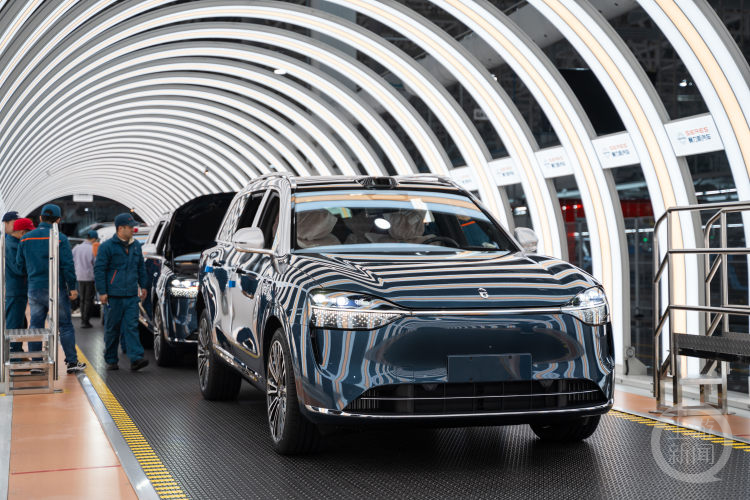
From a quantitative perspective, in 2025, Seres' total procurement from Huawei-related entities was RMB 22.335 billion, accounting for 13.5% of the annual total revenue. Based on the 426,000 units delivered throughout the year, the comprehensive procurement and service cost per vehicle exceeded RMB 50,000. Extending the statistical period, from the first half of 2022 to the first half of 2025, Seres cumulatively procured approximately RMB 75 billion worth of core components from Huawei. Spread over this four-year period, this level of investment is essentially a normalized, rigid expenditure for high-end intelligent transformation.
It cannot be denied that Seres' success is inseparable from its technological and model dependencies on Huawei, and even Seres' inception is closely tied to Huawei. However, the reality is that with the one-time provision and write-off of 400V-dedicated assets, Seres is effectively using financial data to demonstrate that the previous model of fully binding to Huawei's hardware is unsustainable and that it is seeking to proactively divest.
In the first quarter of 2026, Seres' R&D expenditure reached RMB 1.794 billion, up 70.68% year-on-year from RMB 1.051 billion in the first quarter of 2025. This indicates that Seres is gradually reducing its reliance on Huawei for procurement of core components. During the period of deep integration with Huawei, Seres was primarily responsible for assembly, with minimal investment in R&D for core powertrain, battery, and intelligent technologies. However, in the first half of 2026, all incremental R&D investments were directed toward self-developed powertrains, proprietary electronic and electrical architectures, and independent cockpit and intelligent driving systems.
Therefore, interpreting the financial report as a narrative of "Seres incurring huge losses while Huawei profits steadily" essentially oversimplifies the industrial division of labor between the two into a zero-sum game.
In fact, entering 2026, Seres has been focusing on powertrains, branding, and distribution channels to accelerate its departure from Huawei's long-term rigid procurement costs and single-supplier risks.
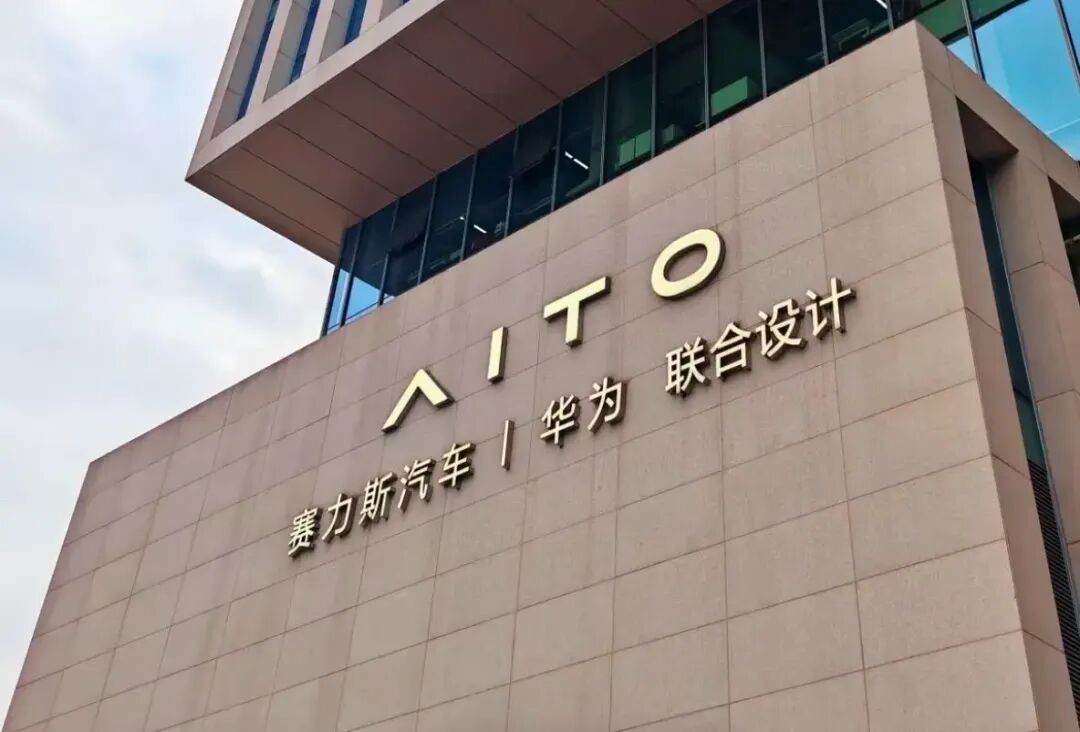
In the first half of the year, Seres opened a large number of self-operated AITO flagship stores in key cities across China, such as Beijing and Shanghai, gradually moving away from the dependent sales model within Huawei's retail stores. This has resulted in a dual-channel parallel model of "Huawei HarmonyOS stores + Seres independently operated stores," reducing reliance on Huawei's traffic and terminal sales control.
Especially after completing the trademark transfer in 2024, with 100% legal brand ownership reverting to Seres, the offline stores opened in 2026 have significantly downplayed Huawei branding, instead emphasizing the "AITO/Seres" proprietary brand.
Additionally, with the recent rebranding of Blue Electric to Saido Technology and a RMB 6.67 billion capital increase involving Chongqing State-Owned Assets and CATL, Seres now holds only a 32.96% stake and no longer consolidates the entity. Operating as a separate legal entity on a product line without Huawei involvement is equivalent to independently establishing a "completely Huawei-independent" second growth engine outside the listed company, aiming to address the pain points of Huawei's high-cost solutions and inability to penetrate lower price segments.
In the future, once Seres secures a dominant position in the vehicle platform arena, Huawei ADS intelligent driving will transition into a premium optional package, rather than being automatically included as part of the entire powertrain and domain control hardware suite. With Seres taking full charge of the vehicle chassis, high-voltage systems, and range extenders through in-house development, and Huawei focusing solely on upper-layer software customization options, Seres will fully cast off the mantle of being perceived merely as a Huawei contract manufacturer.
To summarize, this intentional setback does not signify a collapse of the company's operational fundamentals, nor does it highlight any flaws in the Huawei cooperation model. Rather, it underscores Seres' commitment to establishing an autonomous system to supplant Huawei's all-encompassing hardware solutions. By adopting a strategy that combines consolidation with diversification, Seres is progressively crafting a closed-loop strategy aimed at "decoupling from Huawei's complete powertrain binding at the foundational level." Ultimately, this approach will enable Seres to achieve autonomous transformation by expanding its in-house development capabilities and fortifying its partnerships with third parties.
End
-
Foldable iPhone Set for Mass Production! Who Stands to Gain the Most in the A-Share Supply Chain?
-
![]()
Seres' 'Profit Predicament' and Zhang Xinghai's 'Strategic Calm'
-
![]()
AI Computing Power: From Feast to ‘Leftover Feast’?
-
![]()
AI Computing Power: From Feast to 'Leftover Feast'?
-
![]()
The Stock Competition Era Unveils the True Nature of All Brands
-
![]()
India's New Energy Vehicle Dream: From Tata Leak to Tesla's Exit - A Closing Argument
-
![]()
The 'Last Millimeter' of Interaction Between Robots and the Physical World
-
![]()
Every AITO Sold Contributes 136,000 Yuan to Huawei: Seres Faces Its Compaq Moment