Full-Scale Shift to New Energy: SAIC-GM Secures 20-Year Contract Extension
 08/10 2026
 328
328
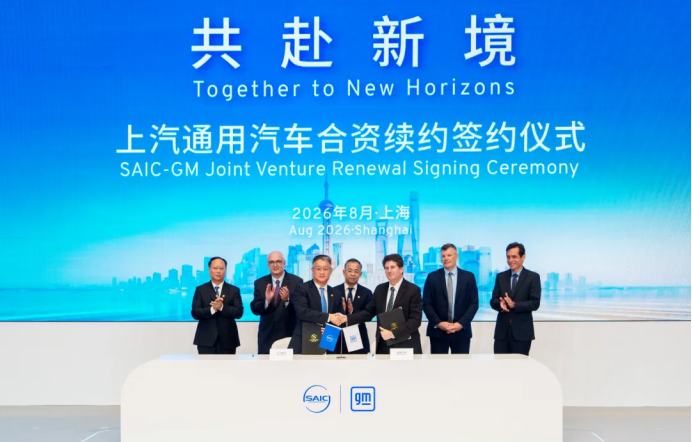
On August 5, SAIC Motor and General Motors formally inked a strategic contract renewal, extending their original SAIC-GM joint venture agreement—set to expire in June 2027—by an additional 20 years through 2047. This announcement effectively dispelled earlier industry rumors suggesting the two parties might not renew their partnership.
Such external speculation wasn't entirely unfounded. In recent years, SAIC-GM's sales performance has indeed experienced fluctuations, peaking in 2017 before entering a sustained decline. By 2023, annual sales had dropped to 1.001 million units, with a sharper fall to 435,000 units in 2024. Although there was a rebound in 2025, sales have dipped again this year, with only 34,773 units sold in July alone, marking a 17.7% year-on-year decrease. From January to July, cumulative sales reached 265,927 units, a 7.45% decline compared to the same period last year. Across the broader automotive market, the market share of joint venture automakers has contracted to 24.5%. Meanwhile, domestic brands are aggressively capturing market share through electrification and intelligent technologies, exerting significant pressure on joint venture automakers. Faced with these internal and external challenges, SAIC-GM's transition to new energy is urgent, and the contract renewal represents a critical step in breaking through the current stalemate.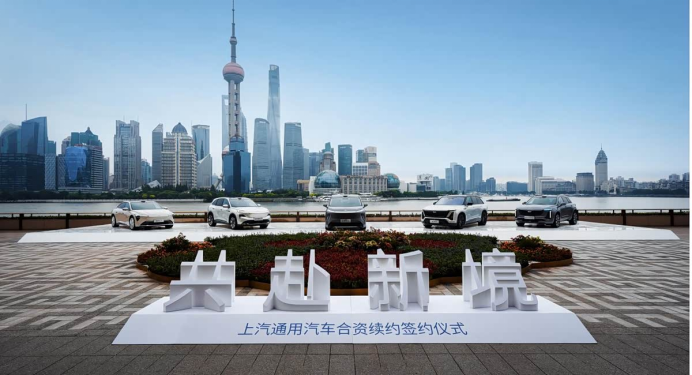
The contract renewal is underpinned by the phased successes SAIC-GM has achieved in its new energy transition. In 2025, the company sold 89,000 new energy vehicles, ranking first in penetration among mainstream joint venture brands. In the first half of 2026, new energy sales surged by 45% year-on-year, demonstrating strong momentum. Over the past two years, SAIC-GM has made significant strides in localization, empowering the Chinese team with full product decision-making authority and allowing local technical forces to spearhead the development of new platforms and models. Last year, the "XIAOYAO Super Integration Architecture," designed by the Chinese team, was unveiled, supporting pure electric, plug-in hybrid, and extended-range technologies. Building on this foundation, the "ZHIJING" new energy sub-brand was launched, offering sedans, SUVs, and MPVs that have performed impressively in the market. Among the ZHIJING series already on sale, the plug-in hybrid SUV ZHIJING E7 stood out, delivering over 10,000 units in its first month and exceeding 20,000 units within three months—a record for the fastest sales breakthrough among joint venture new energy vehicles. The high-end MPV ZHIJING SHIJIA sold 11,332 units in the first half of the year, topping the sales chart for luxury new energy MPVs priced above 400,000 yuan. Overall, sales are steadily rising, and market recognition is gradually improving.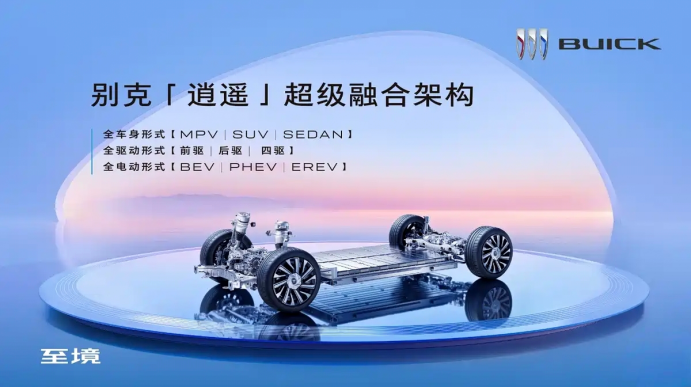
Notably, on the evening of the contract renewal, the Buick ZHIJING L7 opened for pre-sale, signaling the start of SAIC-GM's rollout of 30 new energy vehicles, with the new energy product lines of its three major brands gradually taking shape. SAIC-GM continues to advance in new energy fields such as plug-in hybrids, with sales expected to grow steadily. Beyond the domestic market, SAIC-GM is also expanding overseas. According to the plan, the Buick ZHIJING E7 will be exported to international markets in October this year, followed by expansion into the Middle East, Africa, and other regions. This "China-centric" approach offers numerous tangible benefits. First, local decision-making enables rapid market responses and shortened R&D cycles. Second, leveraging SAIC's industrial chain and General Motors' global technology facilitates smoother resource collaboration. At the same time, overseas market expansion is expected to drive incremental growth, supporting domestic R&D investment and alleviating operational pressures from fierce domestic competition.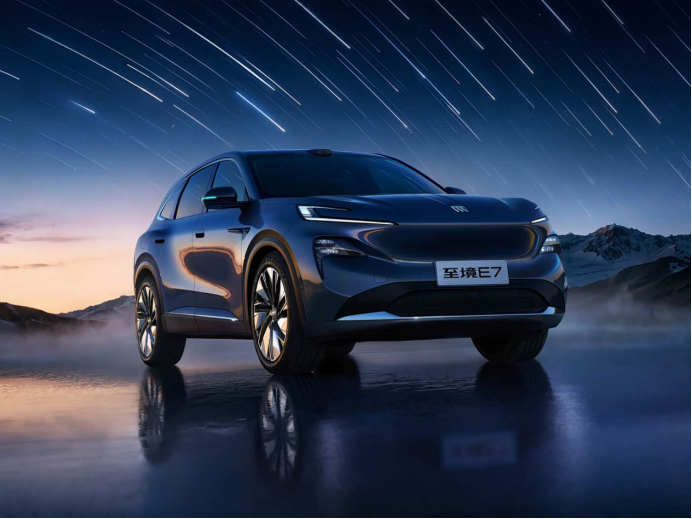
However, the transition road is far from smooth, and multiple challenges remain. Currently, SAIC-GM's overall sales are still in decline, which will inevitably impact revenue and cash flow. Balancing the need to stabilize current operations while investing in new energy is a complex issue requiring careful consideration. Moreover, the domestic market is highly competitive, with domestic brands rapidly iterating new products. SAIC-GM's product and brand recognition still need improvement. While ZHIJING has made a strong start, it must quickly establish a firm foothold and increase its overall share of the new energy segment. Expanding overseas is also no easy feat, as policies, consumer preferences, and competitive environments vary by country. Adapting domestically produced vehicles to local needs without experiencing cultural or environmental mismatches requires gradual exploration.
The 20-year contract renewal underscores SAIC-GM's commitment to a long-term strategy. As Wang Xiaoqiu, Chairman of SAIC Motor, stated at the signing ceremony: "Thirty years ago, the question was whether we had products; now, the question is whether we are strong." Behind these words lies a substantive shift in the joint venture model—from "technology for market access" to "local innovation feeding global markets." This long-term agreement provides a sufficient time window, but achieving true strength will ultimately depend on the actual results of subsequent product launches, technological iterations, and market conversions. (Images sourced from the internet; removal upon infringement notice)
-
![]()
Why I'm Not Optimistic About Meituan?
-
![]()
Tencent Goes All In on WorkBuddy: The Battle for AI Office Entry Points Has Just Begun
-
![]()
950 Million Users Fail to Rescue Gemini
-
![]()
Weekly Stock Review | Auto Industry: Profit Margins Thinner Than Factory Work Pay, Thousands of Investors Caught Unawares
-
![]()
Kimi's Valuation Rockets to $50 Billion Amidst Frenzy of Secondary Share Sales! Who's Exiting, Who's Buying?
-
![]()
SAIC-GM Signs 20-Year Contract Extension, Yet Chevrolet Falters at Third Decade’s Dawn
-
![]()
Charging Costs Climb to Parity with Fueling, Will Electricity Prices Reach European Levels?
-
![]()
Tax and Fee Restructuring: The End of 'Special Perks' for Electric Vehicles?