SAIC-GM Signs 20-Year Contract Extension, Yet Chevrolet Falters at Third Decade’s Dawn
 08/10 2026
 506
506
Chevrolet has embarked on a new mission, transitioning from 'importing' to 'going global'.
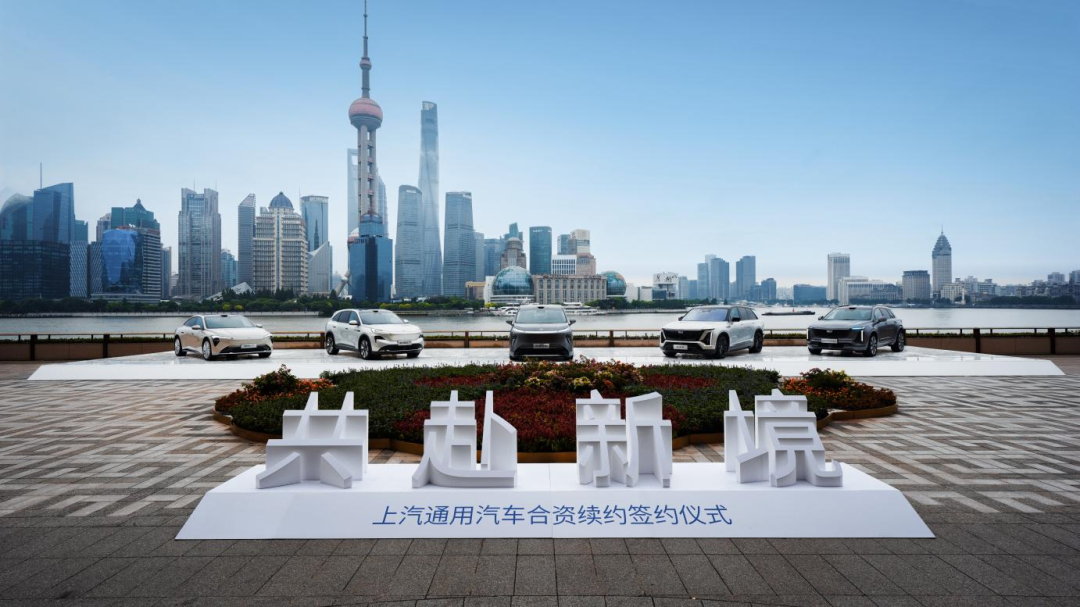
On August 5, General Motors hosted a contract renewal ceremony for SAIC-GM in Shanghai, finalizing the joint venture's renewal just shy of a year before its original expiration.
Perhaps to allay prior market concerns surrounding the SAIC-General Motors joint venture, this renewal directly extended the partnership by 20 years, until 2047, demonstrating a far deeper commitment than GAC Honda's 10-year renewal.
At this much-anticipated ceremony, SAIC-GM also unveiled a tough yet prudent decision: the Chevrolet brand would cease its new car retail operations in China.
The following day, strategies to mitigate the fallout from Chevrolet's withdrawal were disclosed. Buick, another SAIC-GM brand, would fully assume Chevrolet's maintenance services, ensuring all warranty policies, including vehicle, three-electric system, free claims, and recall policies, remained intact.
It's fair to say that, in the consumer market, the Chevrolet brand has bowed out of the competition. Nevertheless, SAIC-GM opted not to let Chevrolet exit the Chinese market entirely; instead, it continues to operate behind the scenes.
From 700,000 to 10,000 Units
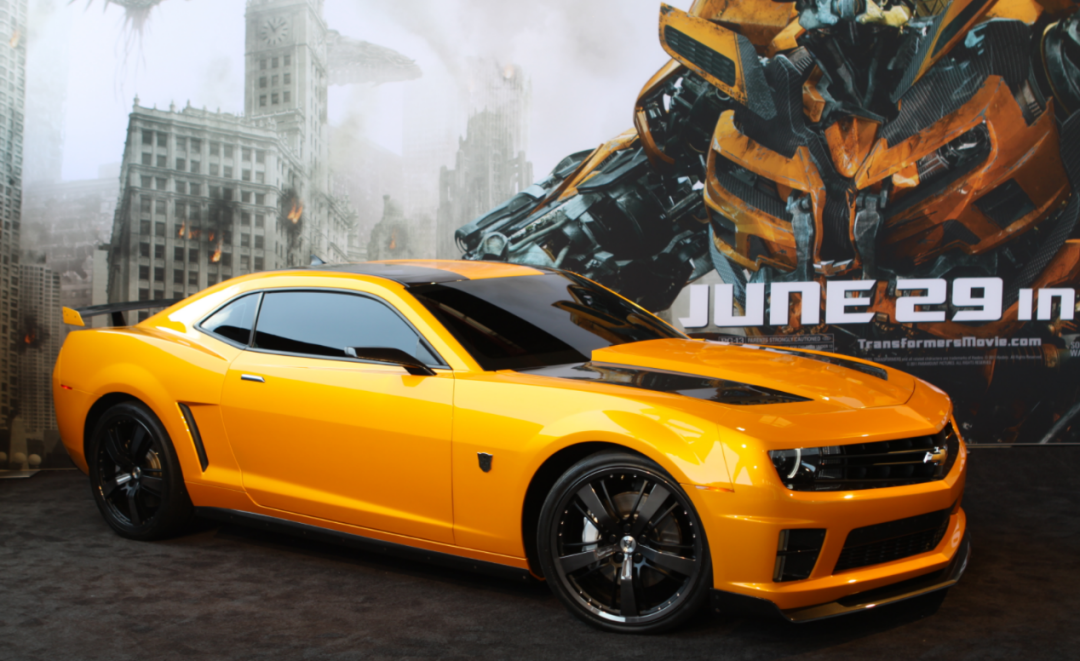
When the Chevrolet brand is mentioned, many likely first think of the Camaro sports car featured in the inaugural live-action "Transformers" movie.
Chevrolet entered the Chinese market two years prior to the film's release. In 2005, SAIC-GM officially introduced Chevrolet to China. Precisely two years later, in 2007, "Transformers" hit theaters, and Hollywood blockbusters dominated the domestic box office. Chevrolet capitalized on this trend perfectly.
Following its entry into China, Chevrolet swiftly gained popularity with models like the Cruze and Malibu. In 2009, monthly sales of the Cruze surpassed 28,000 units, making it a favorite among young people for their first joint venture car. By 2014, Chevrolet's annual sales in China peaked at 767,000 units, with nearly a thousand dealerships nationwide.
Behind this rapid sales growth, in addition to product strength, Chevrolet played a crucial role in helping SAIC-GM fill the market gap in the 100,000-150,000 yuan price range, forming a complete brand matrix alongside Buick and Cadillac.
At that time, Chevrolet's lineup spanned multiple segments, from compact cars to mid-to-large SUVs, with its iconic golden bowtie logo ubiquitous.
Although Chevrolet's sales declined after 2014, it maintained annual sales of 500,000 units until 2018, with relatively stable brand recognition and market position. During this period, General Motors retained a dominant presence in the Chinese market, with joint venture brands accounting for over 60% of the market share.
However, after reaching its zenith, a prolonged decline ensued. 2018 marked a turning point for Chevrolet when General Motors aggressively promoted its three-cylinder engine strategy. Chevrolet's main models were fully equipped with three-cylinder powertrains, sparking strong consumer resistance and causing both reputation and sales to plummet.
Although General Motors' push for three-cylinder engines aimed to reduce fuel consumption and meet emissions regulations, it underestimated the Chinese market's perception of such engines. Moreover, General Motors' three-cylinder engines indeed had reliability issues, as acknowledged by consumers.
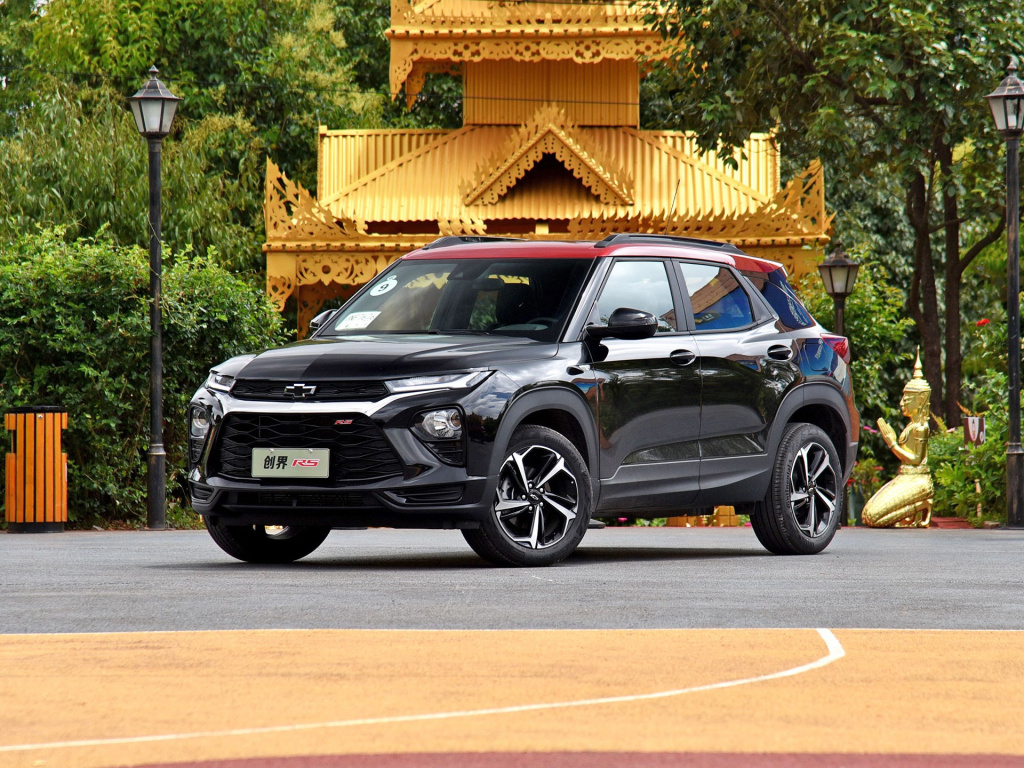
Simultaneously, coinciding with the rise of Chinese brands and the accelerated adoption of new energy vehicles, Chevrolet's sales plummeted and never truly recovered.
Of course, Chevrolet did make efforts, but in the face of market trends, all efforts proved futile.
In 2020, Chevrolet introduced its first pure electric model, the Menlo, in the Chinese market. Equipped with a ternary lithium battery pack and a permanent magnet synchronous motor, it offered an NEDC combined range of 410 kilometers, with subsidized prices starting at 159,900 yuan.
The outcome is self-evident—like most fuel-to-electric conversion models, it sold only about 1,500 units that year and around 7,000 units in its best-selling year of 2022, ultimately being phased out by the market.
Regarding new energy platforms, Chevrolet once had an opportunity, but General Motors ultimately abandoned it. At General Motors' Tech Day in 2022, the company announced plans to launch 15 electric models based on the Ultium platform by the end of 2025, covering its three major brands: Buick, Chevrolet, and Cadillac.
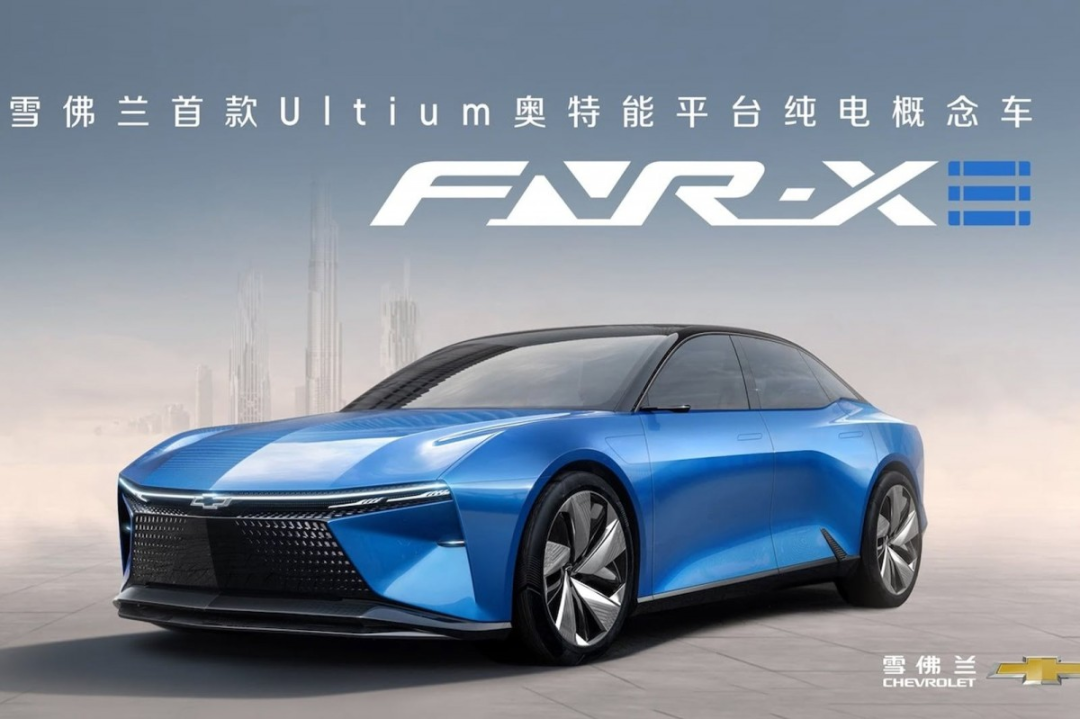
Chevrolet's first Ultium-based pure electric concept car, the FNR-XE, made its global debut, with the first mass-produced pure electric model planned for delivery by the end of 2023.
In 2023, the Chevrolet Equinox EV, built on the Ultium platform, completed its declaration with the Ministry of Industry and Information Technology and debuted at the 2024 Beijing Auto Show, with plans for launch that year.
However, while Chevrolet was still vying for a share of the new energy market in China, the situation at General Motors' headquarters in the U.S. changed. Chevrolet internally and quietly terminated the development of three key new models, and the Equinox EV became a model that would never reach the market.
Also in 2024, Chevrolet's sales in China fell below 100,000 units for the first time, plummeting 70% year-on-year to just 52,700 units, facing a severe existential crisis.
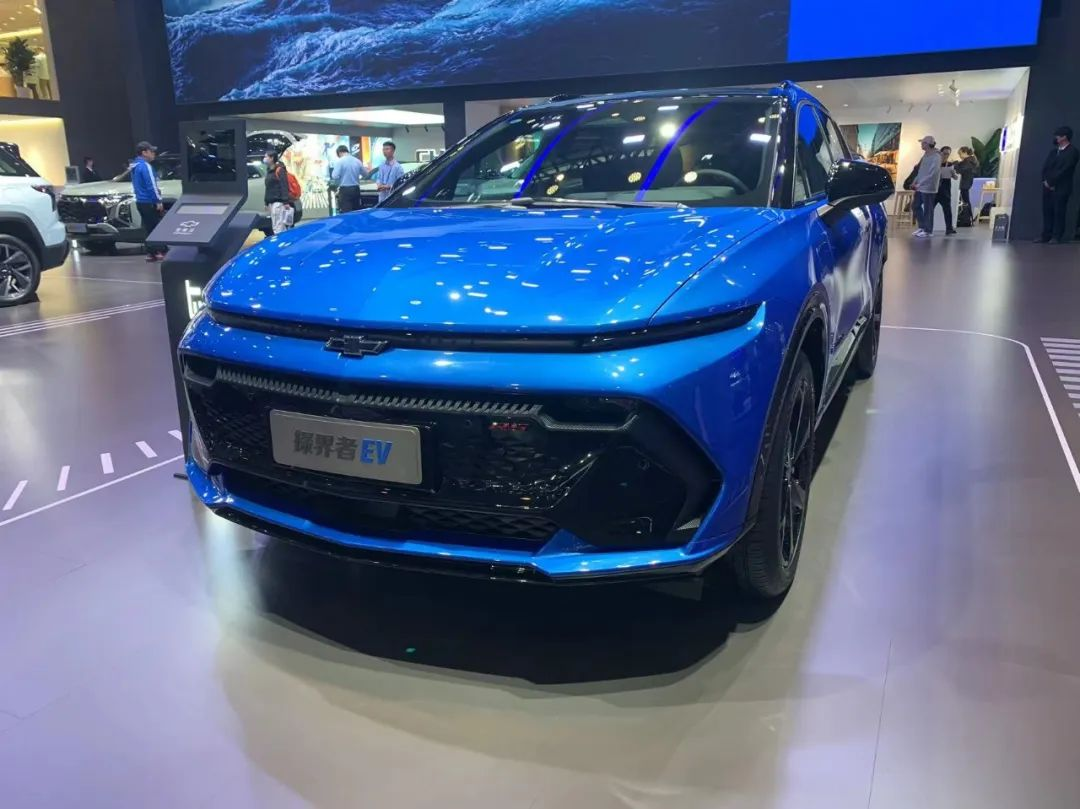
Perhaps having seen the writing on the wall, Chevrolet chose to throw in the towel. Over the past two years, it has not updated any new models or even introduced facelifts for existing models.
As for sales, they fell below 9,000 units in 2025. Third-party data shows sales of only 36 units in the first six months of this year, with just 1 unit sold in June, effectively reaching zero.
It can be said that halting sales marks the end for all involved, allowing this 20-year struggle to come to a close.
Exports and OEM
Of course, General Motors has not abandoned Chevrolet. Although it no longer has sales in the Chinese market, this does not prevent Chevrolet from continuing to thrive in other markets.
Just as the "Transformers" franchise continued to shoot a seventh installment despite poor word of mouth and box office performance in the fifth and sixth films.
Since the Chinese market didn't pan out, Chevrolet turned to overseas markets. After all, not all markets are as fiercely competitive as China's. While Chevrolet has been overshadowed by Buick in China, it remains a major brand in Southeast Asia and Latin America, able to maintain pricing and profits.
For example, selling Chinese-made Chevrolets to the Gulf region can still maintain a 15% gross profit margin after freight and tariffs, far more profitable than in the Chinese market.
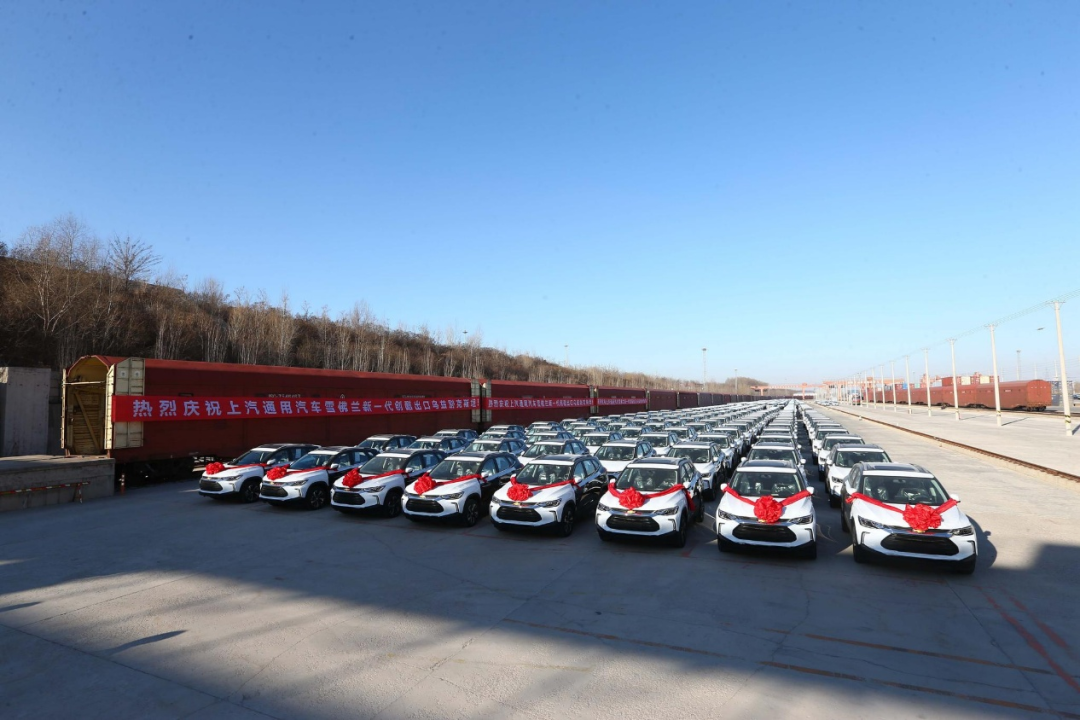
Moreover, even a fallen giant like Chevrolet still holds significance. Although it has struggled in China, as a global century-old brand, it enjoys high brand recognition and a mature dealer network in emerging markets like Latin America, the Middle East, and Africa, allowing it to maintain decent sales.
SAIC-GM has recognized this over the past two years. In 2024 and 2025, Chevrolet's export sales from China reached 17,159 and 15,917 units, respectively, surpassing domestic sales and proving the feasibility of the export model.
This is why, despite nearly zero sales, Chevrolet has not directly exited the Chinese market like Skoda, Mitsubishi, or Suzuki. Its factories can still generate revenue, so it won't give up easily.
In this regard, General Motors understands production better than Trump. While Trump has been advocating for manufacturing to return to the U.S., General Motors knows that China's manufacturing costs are more competitive. For example, producing the Chevrolet Aveo in China costs about $17,000, while local production in Mexico would cost around $22,000.
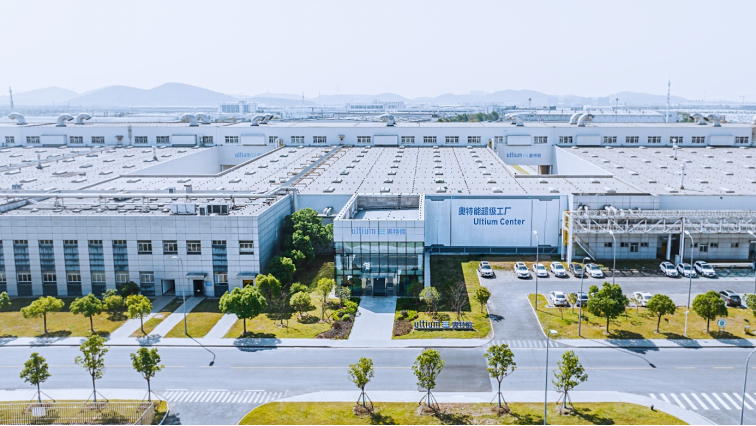
A General Motors insider also pointed out, "Using Chinese factories as the core engine for global exports is far more cost-effective than building factories in the U.S."
General Motors' 2025 global sales release also shows that the U.S., as the core market, contributes 68.95% of sales, China contributes 12%, and other regions account for about 18%. Replacing this production capacity with Chinese factories can maintain capacity utilization while increasing profits, killing two birds with one stone.
On the other hand, General Motors has found a new cooperation model in China by directly exporting Chinese new energy technologies overseas, significantly reducing R&D costs.
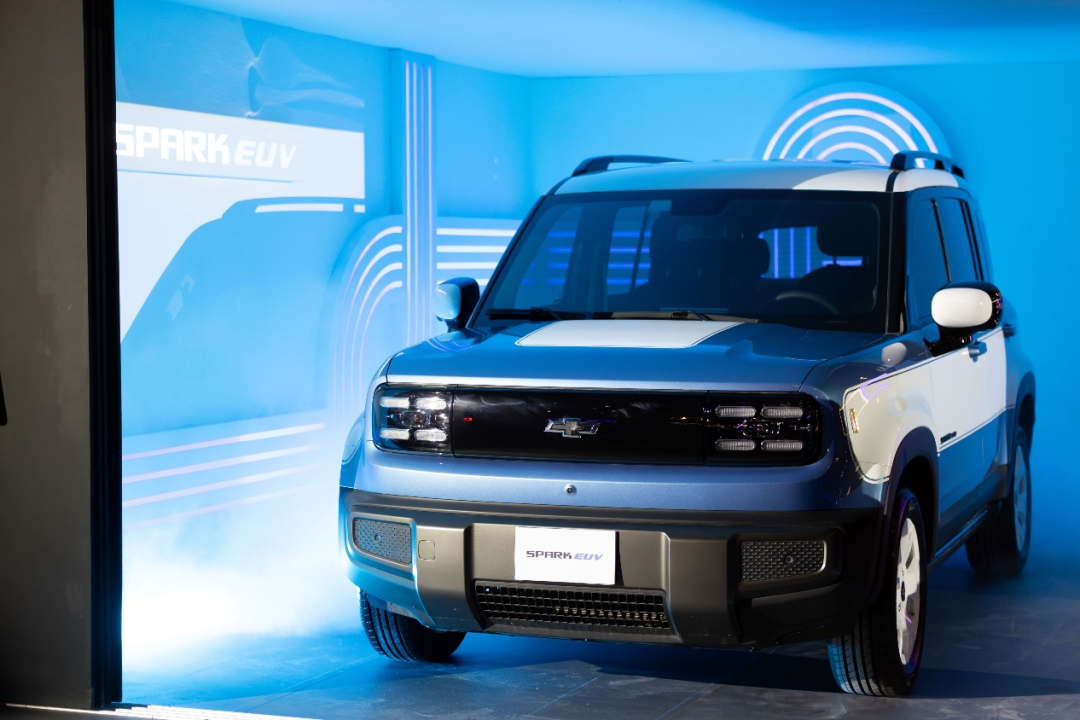
In SAIC-GM-Wuling, in which General Motors holds a 44% stake, Chevrolet has already begun experimenting with rebadged exports. General Motors has rebadged the Baojun Yep Plus as the Chevrolet Spark EUV and the Wuling Starlight S as the Chevrolet Captiva EV, successfully launching these models in Brazil, Mexico, Southeast Asia, and Africa.
More importantly, the rebadging strategy has proven successful. The Spark EUV, rebadged from the Baojun Yep Plus, received over 20,000 orders in Brazil within six months of its launch, priced at around 205,000 yuan locally—three times the original Chinese price—proving the commercial viability of the rebadging model.
Recently, there have also been reports that General Motors is studying the feasibility of rebadging the Wuling Binguo as a Chevrolet for export.
Of course, the export benefits cannot be limited to Chevrolet. At the SAIC-GM contract renewal ceremony, the company announced plans to start exporting the Buick Electra to overseas markets from October this year, targeting the high-end overseas market.
For Chinese consumers, Chevrolet's golden bowtie has become a relic of the past. Over 20 years, 7.5 million owners have witnessed a generational shift.
For Chevrolet, the sales it lost in the Chinese market are being recouped overseas in another way—except the cars are still Chinese-made, just rebadged as Chevrolets.
Note: Some images are sourced from the internet. If there is any infringement, please contact us for removal.
-END-

-
![]()
Why I'm Not Optimistic About Meituan?
-
![]()
Tencent Goes All In on WorkBuddy: The Battle for AI Office Entry Points Has Just Begun
-
![]()
950 Million Users Fail to Rescue Gemini
-
![]()
Weekly Stock Review | Auto Industry: Profit Margins Thinner Than Factory Work Pay, Thousands of Investors Caught Unawares
-
![]()
Kimi's Valuation Rockets to $50 Billion Amidst Frenzy of Secondary Share Sales! Who's Exiting, Who's Buying?
-
![]()
SAIC-GM Signs 20-Year Contract Extension, Yet Chevrolet Falters at Third Decade’s Dawn
-
![]()
Charging Costs Climb to Parity with Fueling, Will Electricity Prices Reach European Levels?
-
![]()
Tax and Fee Restructuring: The End of 'Special Perks' for Electric Vehicles?