BBA Takes a Leap of Faith: No Sales, No Tomorrow
 08/24 2026
 361
361
Lead-in
Introduction
Whether the unforgettable past becomes a heavy burden or an inspiring spark for the journey ahead depends on the choices we make in the present and the future.
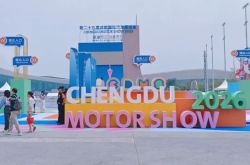
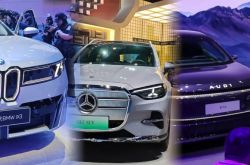
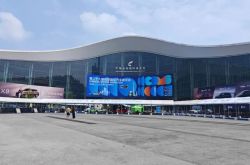
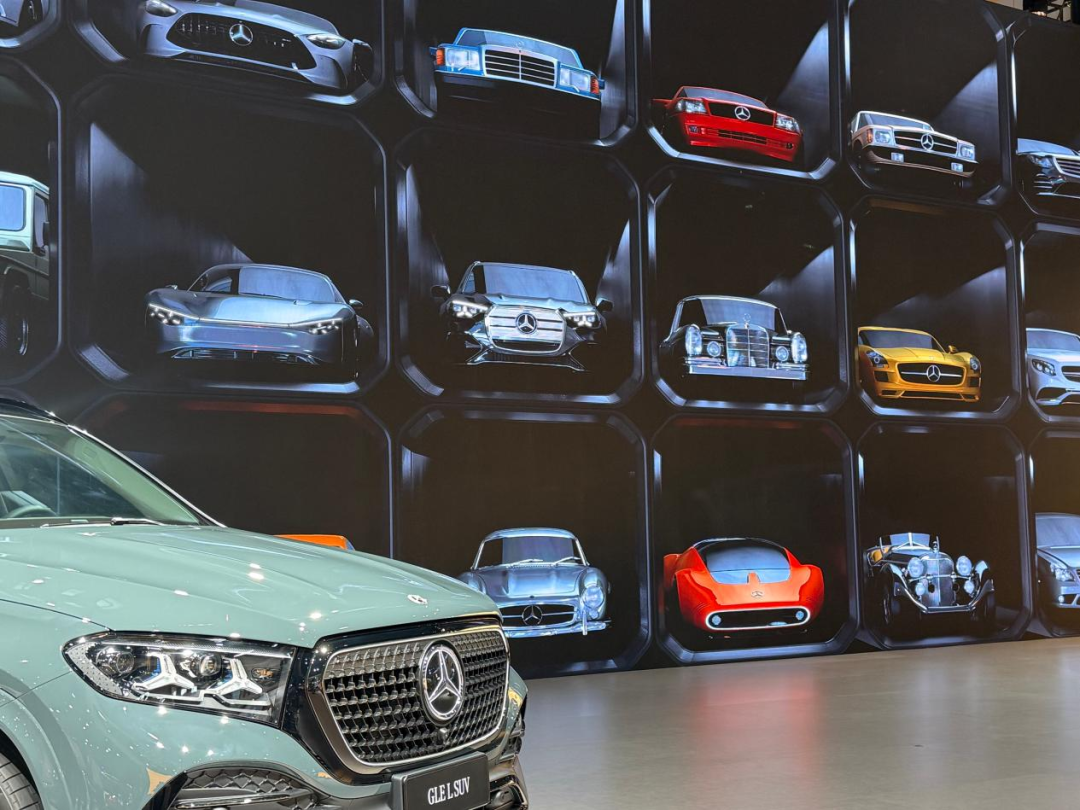
At the Chengdu Motor Show, Mercedes-Benz unveiled two significant models: the first locally produced all-new Mercedes-Benz long-wheelbase GLE, making its global debut, and the all-new Mercedes-Benz electric GLC, launched in July. Mercedes-Benz dedicated an exclusive area at the venue to leverage the auto show's momentum and tap into Chengdu, a thriving hub for luxury car purchases in central and western China.
Two new models, two distinct directions.
The all-new Mercedes-Benz long-wheelbase GLE embodies Mercedes-Benz's hesitant transition from fuel to electric. It merges an electric-inspired exterior, advanced intelligent assistance systems, and a smart cockpit with a traditional fuel-powered engine within the same model. The launch event's theme, "Grace, Has Its Origins," underscores that the Mercedes-Benz GLE still basks in the afterglow of the brand's storied past.
The all-new Mercedes-Benz electric GLC undoubtedly represents Mercedes-Benz's magnum opus in its electric transformation. As the key to unlocking the Chinese market after the electric CLA, it symbolizes Mercedes-Benz's ambition to reshape the current landscape and marks the start of a strong breakthrough in its electric future.
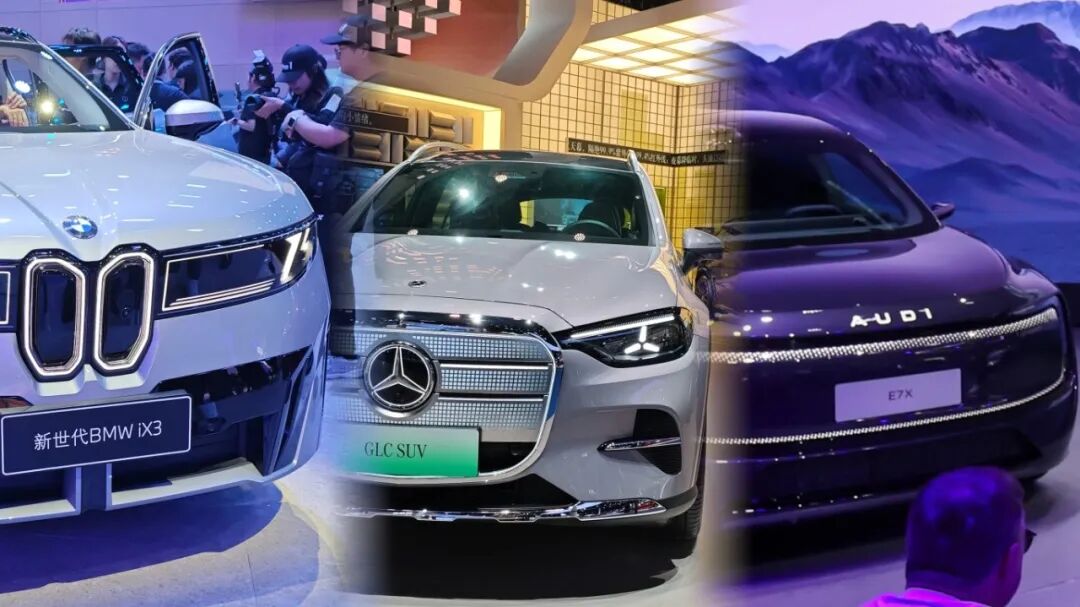
Thus, the past, present, and future converge and intertwine under the lights of the Chengdu Motor Show. The same scene unfolds at the BMW and Audi booths.
After three generations of updates, BBA has finally shed the label of "laggards in the electric era" and begun to compete head-on with Chinese automakers with comparable product strength. However, as they stumble towards an uncertain future, luxury brands still cling to their glorious past, constantly looking back with a mix of nostalgia, shock, and reluctance for bygone days.
01 Unforgettable Glorious Past
Blaming BBA's electric lag solely on laziness or arrogance in "retrofitting electric models onto fuel platforms" is a misinterpretation. Tracing the timeline reveals that their electric enlightenment predates Tesla.
As early as 1972, BMW demonstrated the potential of electric vehicles with the BMW 1602 Electric. By 2008, when Tesla's Roadster was just being delivered, BMW's all-electric MINI E already boasted a 200-kilometer range and a 3-hour fast charge.
In 2013, before the birth of "NIO, XPeng, Li Auto, and Seres," the BMW i3 and i8 were already on the market, while Audi and Mercedes-Benz's first all-electric mass-production models debuted in 2018 and 2019, respectively. Timeline-wise, they are far from latecomers.
However, an early start does not guarantee speed. Tragically, BBA's lag in electric transformation may be an inevitable consequence of their overly robust fuel-car foundation.
Fuel vehicles have always been a significant ballast for BBA. Even today, models like the Mercedes-Benz E-Class, GLC, Audi A6L, Q5L, A3, BMW 3 Series, 5 Series, X3, and X5 contribute significantly to sales. These stable "money-printing" models bring not only substantial profits but also a sense of security. This led them, in the early stages of new energy transformation, to lack the sense of crisis and urgency that Chinese automakers, especially new forces, experienced, driving them to bet on new energy with a do-or-die resolve.
BBA's fuel foundation is too solid, and this scale advantage has paradoxically transformed into strategic conservatism and optimism during the transition. Conservatism lies in wanting to maintain fuel volume while expanding markets with electric models; optimism is reflected in collectively misjudging the pace of electric transformation.
In 2019, when BBA's first batch of "retrofitted electric" products hit the market, they firmly believed that full electrification in the Chinese market would still take time, and with their brand and technological heritage, they could transition smoothly.
At that time, BMW's annual BEV and PHEV sales reached 146,000 units, giving them great confidence. The following year, BMW boldly announced a ten-year plan to launch 7 million electrified vehicles globally by 2030, primarily relying on a strategy of "electrifying all models."
According to BBA's vision, "retrofitting electric" could sustain a sufficient transition period, during which they could gradually transfer the advantages accumulated in fuel vehicles to new energy models, thereby continuing their leading position in the new energy era.
But no one expected that Chinese automakers would achieve such aggressive and rapid progress in new energy vehicles, with pure electric platforms, advanced intelligent cockpits, and autonomous driving technologies quickly becoming widespread. The market's iteration cycle compressed to two or three years, and in the blink of an eye, the fuel vehicle market rapidly shrank, leaving only one stubborn fuel model in the top ten bestsellers.
02 Struggling in the Present
Without time for surprise or reflection, BBA suddenly found that in the world's largest single market, their stable fuel foundation was undergoing devastating blows, with sales and prices plummeting. Meanwhile, their highly anticipated electric vehicles were labeled as "off-brand" by the market, unable to fill the void left by the rapid decline of fuel vehicles.
The situation is already dire. Fortunately, beneath their century-old luxury veneer lies a rapid market response and decisive correction ability. After setbacks in transformation, BBA's electric transition noticeably accelerated. By expanding local R&D teams and deeply integrating with the Chinese supply chain, BBA's third-generation pure electric models now have the hard product strength to compete head-on with leading Chinese automakers.
From the perspective of range and intelligence, which are most concerning to electric vehicle owners, before the Chengdu Motor Show, the new BMW iX3 50L completed an extreme range test of over 1,000 kilometers. Despite speed control and energy management during the test, this achievement is still impressive in a market where actual range often falls short by 20% or even 40%. Currently, few mass-produced pure electric vehicles can achieve a true range of 1,000 kilometers.
Even more "shocking" is the starting price of the BMW iX3 at 269,900 yuan, 50,000 yuan lower than the fuel version's suggested retail price of 318,000 yuan. At the BMW booth, the i3 and iX3 occupy significant display space, with three models of each available for audience experience. However, amid enthusiastic media and consumers speaking in the Sichuan dialect, finding a gap to get in and experience the vehicles requires waiting in line.
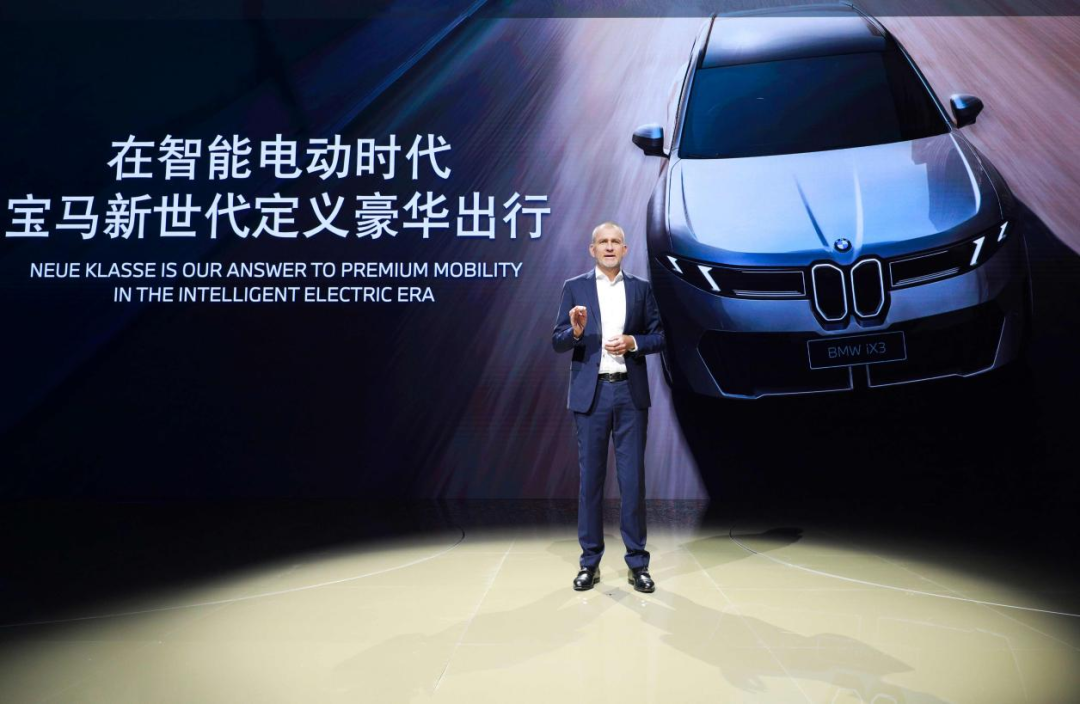
During the wait, nearly everyone repeatedly says two things: "BMW's pricing is ruthless" and "This car is truly BMW." Just like with fuel vehicles, once seated in the highly supportive driver's seat, one cannot resist gripping the steering wheel, eager to experience the thrill of driving. It must be admitted that even as a pure electric vehicle, BMW still possesses an irresistible unique charm that no Chinese automaker has easily replicated.
Pricing also reveals that even if range issues are resolved, BMW still compromises on price to retain users beyond static experiences.
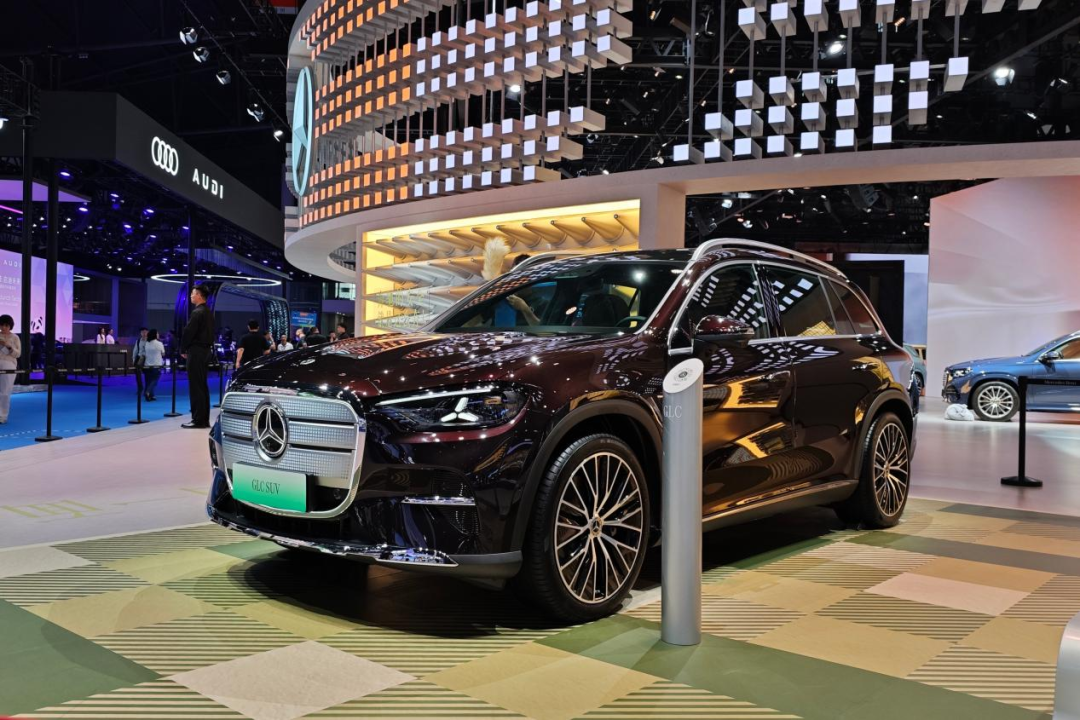
Mercedes-Benz is also rethinking. After the all-new electric CLA, Mercedes-Benz has shown more sincerity with the electric GLC. Not only does it feature the only electric two-speed transmission in its class, but it also upgrades the infotainment system, achieving significant breakthroughs in voice interaction and intelligent assisted driving through deep involvement of local R&D teams and collaboration with Momenta.
This model also reflects Mercedes-Benz's determination, with nearly everything from design language to interior design and S-Class-derived chassis technology included. At the Mercedes-Benz booth, a separately designated area for the electric GLC attracts passersby with its bright yellow color scheme.
Despite addressing product shortcomings, BBA's electric transformation still faces many bottlenecks.
From a sales perspective, the market's response to Mercedes-Benz's two electric models has been lukewarm. The underwhelming performance of the all-new Mercedes-Benz electric CLA can be attributed to its niche appeal, but the electric GLC operates in the mid-size luxury SUV market, which has been BBA's core profit center for decades and the most critical battleground for product appeal. If this model still fails to achieve sales growth, it indicates a more troubling issue: BBA's "user perception" in the new energy era is problematic.
This is also a legacy of BBA's slow initial new energy transformation and retrofitted electric models. Today, even with next-generation products transformed beyond recognition, few young users are willing to include BBA on their new energy lists. Meanwhile, former users either stick with fuel vehicles or switch to Chinese premium brands. Once perception solidifies, reversing it is far more challenging than catching up technically.
Beyond user perception, distribution channels also pose a problem. For cost and efficiency reasons, BBA's new energy models are not sold through separate networks but alongside fuel vehicles. This results in inevitable internal competition between fuel and electric versions of the same model in the same showroom.
Take the electric GLC as an example: in its first month on the market, orders for the fuel-powered GLC fluctuated significantly. Having new and old products compete under the same roof did not bring incremental growth but instead shrunk the overall market. How to let fuel and electric vehicles complement rather than cannibalize each other while retaining existing product sequences is an organizational challenge BBA must confront.
A more severe constraint is pricing. Recently, BBA initiated another round of terminal price cuts, with many new energy models seeing reductions exceeding 100,000 yuan, and some premium models even surpassing 200,000 yuan.
On one hand, Chinese automakers continue to break into the high-end market, eroding luxury brands' premium space, while BBA's high-end positioning for new energy models is also questioned, with consumers unwilling to pay excessive premiums for "BBA electric badges." On the other hand, luxury brands' positioning and brand value limit how far their prices can drop, preventing them from chasing sales through extreme price cuts like Chinese automakers. This leaves BBA's new energy pricing system severely challenged, unable to move up or down.
03 An Uncertain Future
While product strength has been shored up, distribution channels are adjusting, and pricing remains in flux, BBA has yet to find an effective answer on how to reposition themselves to consumers in the electric era.
After the EQ series' failure, Mercedes-Benz abandoned independent sequences and, like BMW, returned to classic naming systems, allowing electrified models to directly inherit the brand equity accumulated by fuel vehicles over decades.
This strategy's advantage lies in faster user recognition and seamless iteration of classic models, making it more acceptable to the market than starting anew. BBA's new energy vehicles are far less recognized than their fuel counterparts, so having electric versions inherit the brand equity and user reputation of fuel models is more advantageous than building an unfamiliar new series from scratch. However, as mentioned earlier, the flip side is unavoidable internal competition.
Audi attempts a broader and riskier path. On one side is the e-tron sequence, electrifying older models; on the other is the newly launched "AUDI" letter-logo brand, a pure electric new entity independent of the four rings.
In July, Audi led the three brands in new energy vehicle sales, with the May-launched Audi E7X selling 3,007 units, breathing life into the AUDI brand. However, sales of other new energy models under the brand remain stagnant.
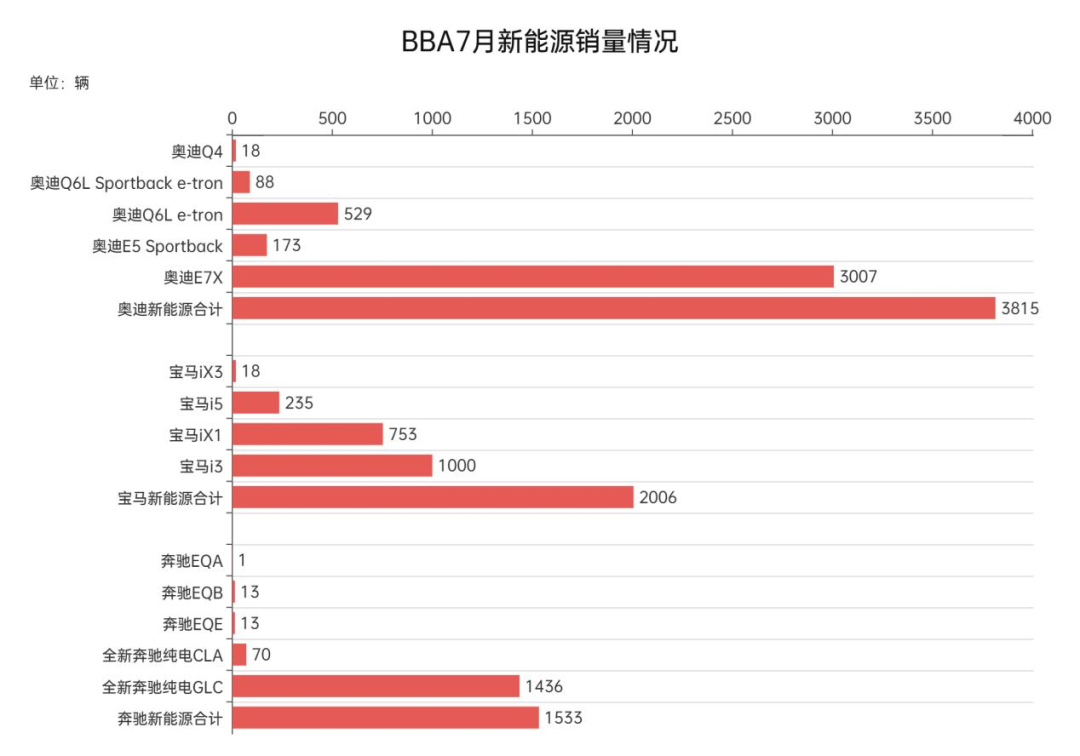
Meanwhile, the all-new Mercedes-Benz electric GLC sold nearly 1,500 units in its first month, barely acceptable but still far from a true market breakthrough. BMW's new-generation iX3 achieved a technical breakthrough in battery standards and has entered mass production, but whether the market will embrace it remains unknown.
Given the current situation, whether reverting to traditional naming systems or creating new sequences, BBA's progress is arduous. Audi attempts to explore both paths, but stepping with both legs lands them in similarly muddy terrain.
BBA has yet to find a suitable narrative logic in the electric era, unable to disrupt without baggage like new forces or define standards through technology like Tesla, caught between heritage and transformation.
But the market and competitors will not wait. The time and space for BBA's trial and error are rapidly shrinking, with their fuel foundation continuously shrinking and Chinese new energy brands relentlessly advancing in the high-end market.
Currently, luxury brands' electric transformation tastes of suffering and pain. Whether the unforgettable past is a heavy burden on the road ahead or an inspiring spark of spirit depends on the choices made in the present and future.
Over the past century, BBA has weathered oil crises, the rise of Japanese luxury brands, and financial storms, each time facing grave crises but relying on deep engineering heritage, keen market insight, and decisive strategic adjustments to regain their peak.
From the electric Mercedes-Benz GLC to the Audi E7X and the BMW iX3, the electric vehicle (EV) counterattack by the BBA (Benz, BMW, Audi) trio is far from lukewarm. Their product prowess and pricing strategies unmistakably reflect their unwavering resolve. Winter, no doubt, is unforgiving, yet it holds no surprise for BBA, who have weathered longer, darker nights and braved fiercer, biting winds. Persistence, in their case, will inevitably pave the way for the arrival of spring.
Editor-in-Chief: Cao Jiadong Editor: Wang Yue

THE END
-
![]()
Can Domestic Autos Still Hold Their Own Against Joint Venture Brands?
-
![]()
Domestic Cars Priced Above 300,000 Yuan Are Gaining Ground in Chengdu
-
![]()
BBA Takes a Leap of Faith: No Sales, No Tomorrow
-
![]()
Chengdu Unfaded: BYD and Geely Vie for Championship While the Weak Exit
-
![]()
3X Salary Poaching, 40 Executives Depart: Autonomous Driving Talent is Batch-Producing Embodied AI Leaders
-
![]()
Apple’s Foldable iPhone and Huawei’s Straightened Pura X: Two Paths, One Vision
-
![]()
Dong Yuhui Departs with Traffic, Yet East Buy Crafts a Profit-Generating Engine
-
![]()
Did Alibaba Say AI Investments Would Pay Off in Three Years, Then Turn Around and Ask Shareholders for HK$80 Billion to 'Tide Over'?