Who is the Imaging King Among 26-Year-Olds? A Head-to-Head Comparison of MiOV's Top Three Ultra Flagships: The Results Will Astound You
 07/13 2026
 514
514
Three flagship phones, three entirely distinct approaches to imaging.

By 2026, smartphone imaging has reached unprecedented heights.
The Xiaomi 17 Ultra Leica Edition boasts a 1-inch large sensor paired with 200MP optical zoom. The OPPO Find X9 Ultra features dual 200MP sensors and a 10x optical zoom 'Sky Eye' telephoto lens. Meanwhile, the vivo X300 Ultra redefines the imaging experience with its 35mm humanistic documentary lens.
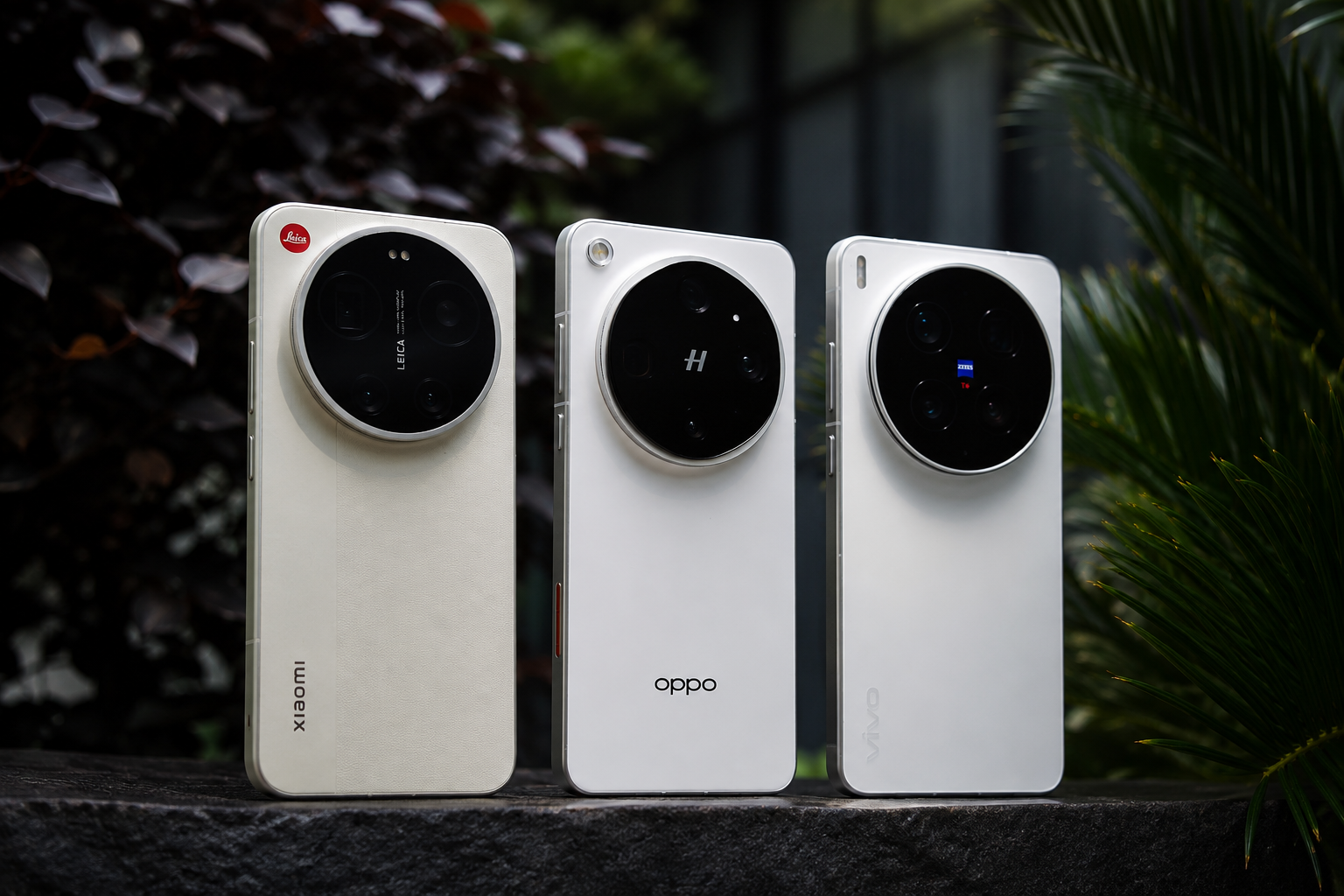
(Image Source: Leitech Photography)
These three devices epitomize the pinnacle of current smartphone imaging technology. Which one delivers the most reliable imaging performance? Which excels in core scenarios such as image quality, telephoto, low-light, and video? Leitech (ID: leitech) put all three through rigorous testing, capturing hundreds of sample shots under identical scenes and compositions. The conclusions may surprise you. (Note: This article contains no paid advertising.)
Diverse Hardware Configurations, Distinct Product Philosophies
Before delving into real-world testing, let's examine the hardware configurations of these three devices. After all, hardware forms the bedrock of the imaging experience—without superior hardware, even the best algorithms fall short.
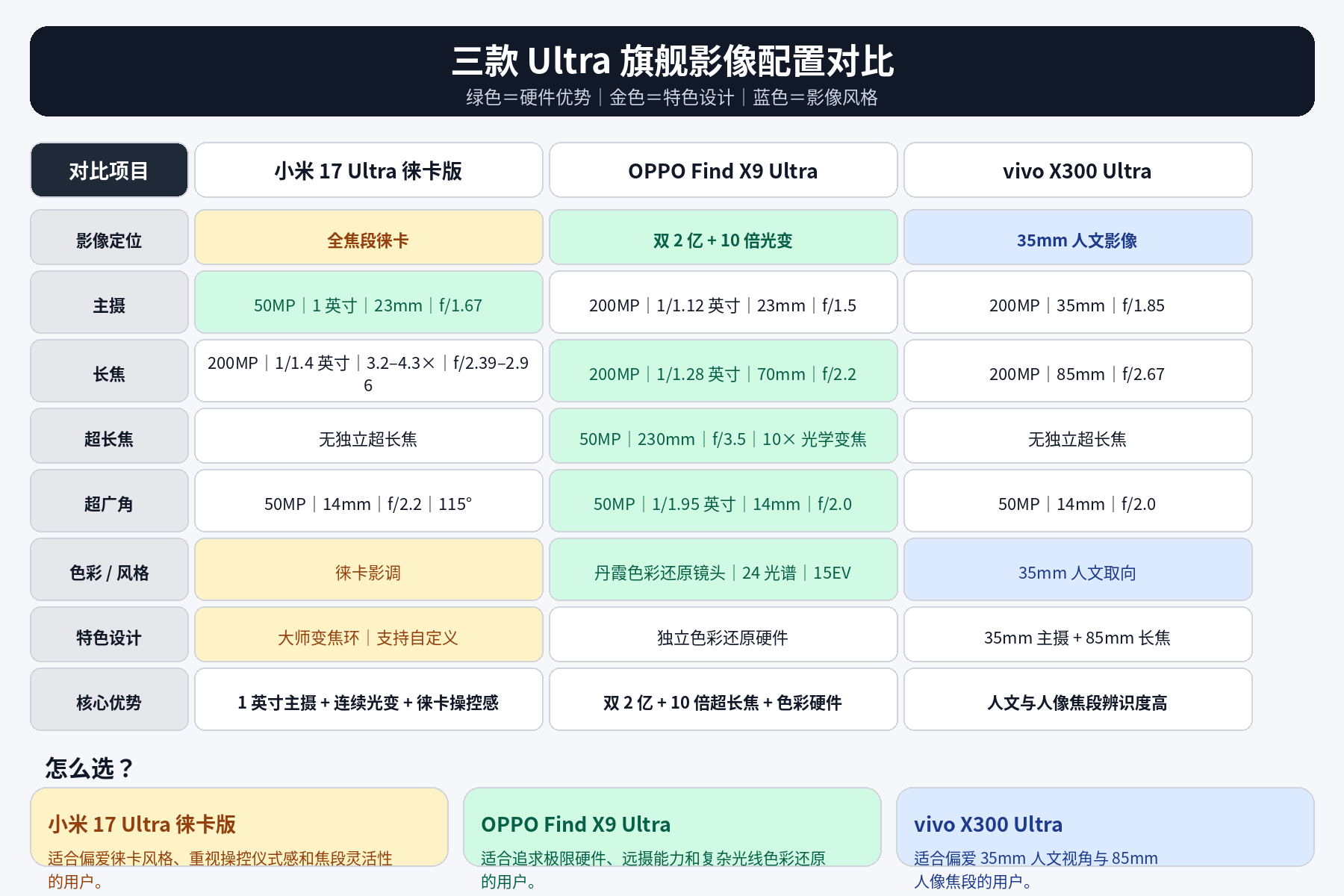
The Xiaomi 17 Ultra Leica Edition's imaging system can be aptly described as 'full-focal-range Leica.' The primary camera features a 50MP Light Master 1050L sensor with a 1-inch large base, an f/1.67 aperture, and an equivalent focal length of 23mm. The telephoto camera utilizes a 200MP 1/1.4-inch large base, supporting 3.2-4.3x optical zoom with an f/2.39-2.96 aperture. The ultra-wide camera offers 50MP resolution, an f/2.2 aperture, an equivalent focal length of 14mm, and a 115° ultra-wide field of view.
Its most distinctive feature is the master zoom ring on the camera Deco, enabling precise manual control akin to a traditional camera, with customizable functions. This design is quintessentially Leica, offering a ceremonial user experience.
(Image Source: Leitech Graphics)
The OPPO Find X9 Ultra's imaging system integrates 'dual 200MP + 10x optical zoom.' The primary camera features a 200MP 1/1.12-inch ultra-large base, an f/1.5 aperture, and an equivalent focal length of 23mm. The telephoto camera employs a 200MP 1/1.28-inch large base, an f/2.2 aperture, and an equivalent focal length of 70mm. The super-telephoto camera offers 50MP resolution, an f/3.5 aperture, and an equivalent focal length of 230mm, supporting 10x optical zoom. The ultra-wide camera provides 50MP resolution, a 1/1.95-inch large base, an f/2.0 aperture, and an equivalent focal length of 14mm.
Additionally, it includes a Danxia color reproduction lens with 24 spectral sampling channels and a 15EV ultra-high dynamic range. This configuration is reminiscent of Hasselblad, prioritizing accurate color reproduction.
The vivo X300 Ultra's imaging system adopts a '35mm humanistic' approach. The primary camera features 200MP resolution, an equivalent focal length of 35mm, and an f/1.85 aperture. The telephoto camera offers 200MP resolution, an equivalent focal length of 85mm, and an f/2.67 aperture. The ultra-wide camera provides 50MP resolution, an equivalent focal length of 14mm, and an f/2.0 aperture.
The unique configurations of these three devices reflect their differing philosophies toward imaging. Xiaomi's Leica Edition transcends mere logo swapping—it establishes a new benchmark from optical design to color tuning. OPPO's Danxia color reproduction lens is no mere gimmick; its 24 spectral sampling channels enable it to 'see' far more color information than ordinary smartphones, crucially aiding in nighttime highlight suppression. Vivo's collaboration with Zeiss leans more toward humanistic photography—its 35mm primary focal length is unique in the smartphone realm, offering a naturally more 'photographic' perspective than 23mm without requiring additional cropping.
By the way, let's touch on the ergonomics of these three phones. While buyers of imaging flagships typically don't prioritize ergonomics, the vivo X300 Ultra's 35mm primary camera results in a much more pronounced lens Deco protrusion compared to the other two. Therefore, we recommend handling these phones in person before purchasing to avoid disappointment in ergonomics.
Daytime Primary Camera Comparison: Significant Differences Only Apparent at 30x+ Zoom
Under ample daylight, none of these three devices outright dominates the others. The real differentiators emerge in color style, focal range coverage, and image quality consistency across different focal lengths. For this section, we'll evaluate the primary and telephoto cameras together to determine which device offers the most comprehensive 'flagship-level' performance from wide-angle to telephoto.
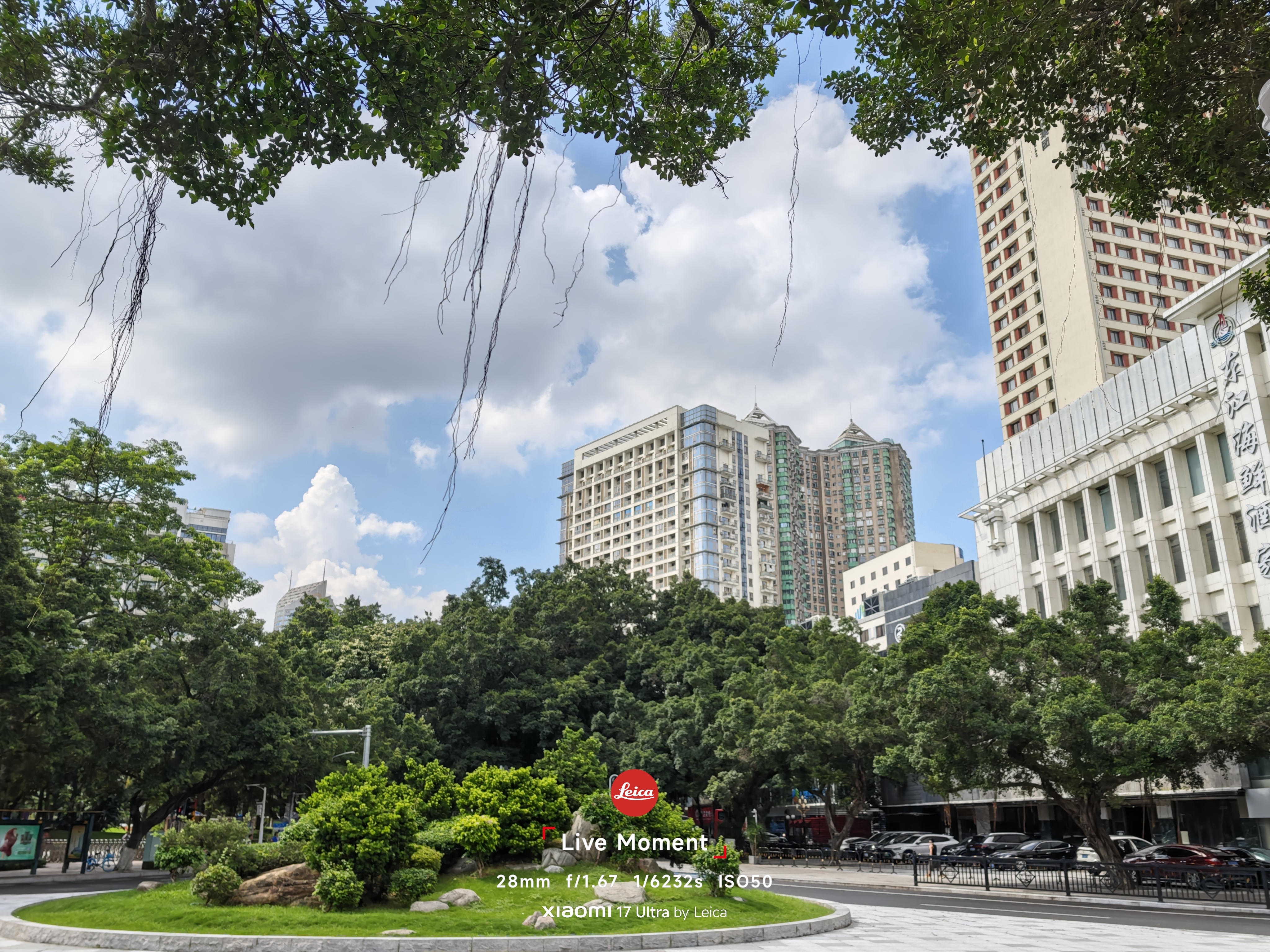
(Image Source: Leitech Photography)
Starting with the primary camera, the Xiaomi 17 Ultra Leica Edition produces images with a distinctly Leica flavor. The overall tone leans dark, but contrast is noticeably higher than OPPO and vivo's offerings, with deeply pressed shadows. This creates a strong 'narrative' feel, particularly suitable for architectural, street, and old town scenes, offering unique texture. The downside is apparent when shooting everyday subjects like food, flowers, or pets—Xiaomi's images appear overly dark and less appealing.
 (Image Source: Leitech Photography)
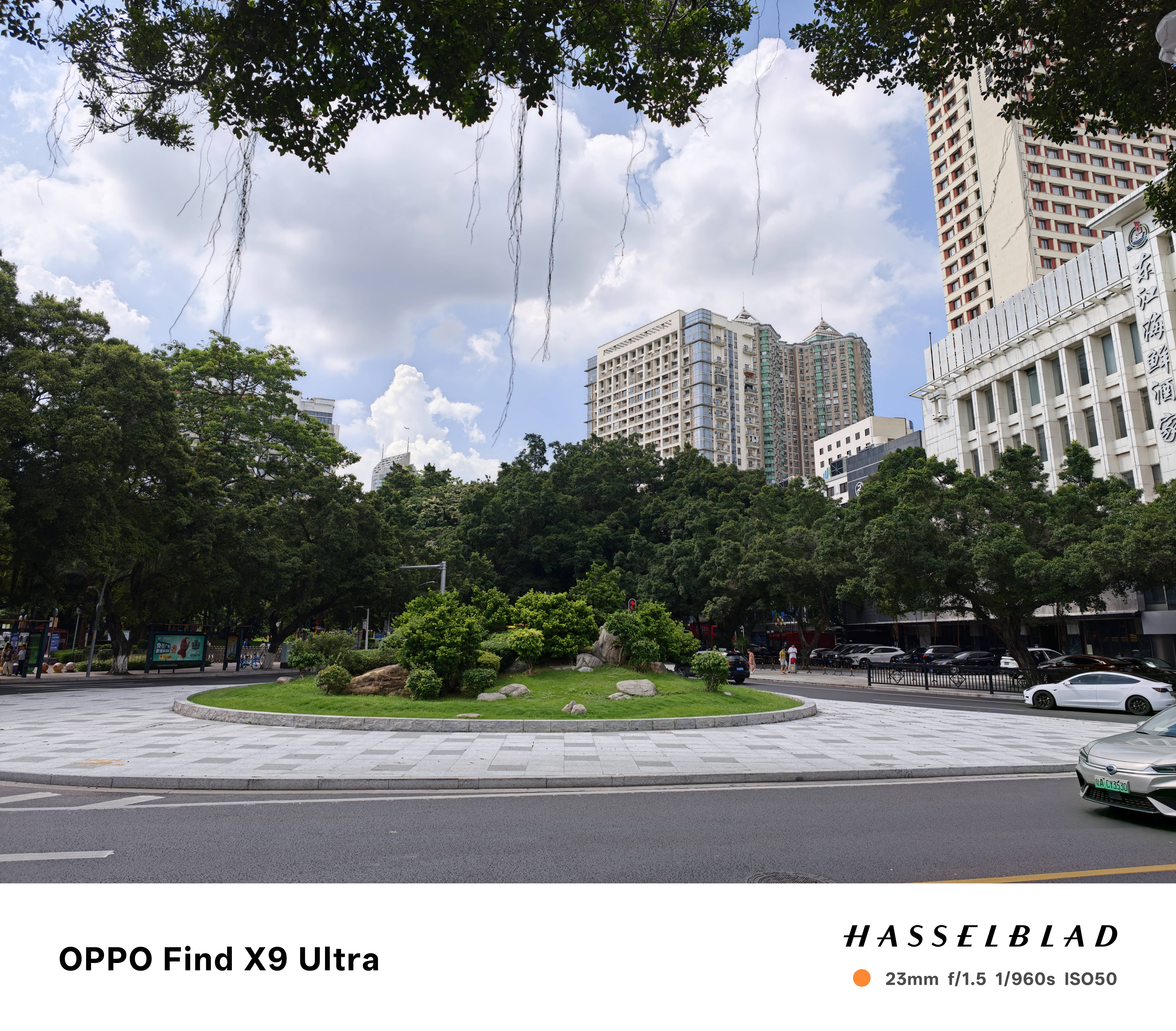
The OPPO Find X9 Ultra takes a completely different approach. Its images appear brighter overall with more vivid colors. After comparing multiple sample shots, OPPO's color reproduction proves the strongest, faithfully representing colors as seen by the naked eye without bias. However, this 'faithful' reproduction results in less stylistic flair—users who prefer bold, dramatic tones might find OPPO's images somewhat 'flat.'
(Image Source: Leitech Photography)
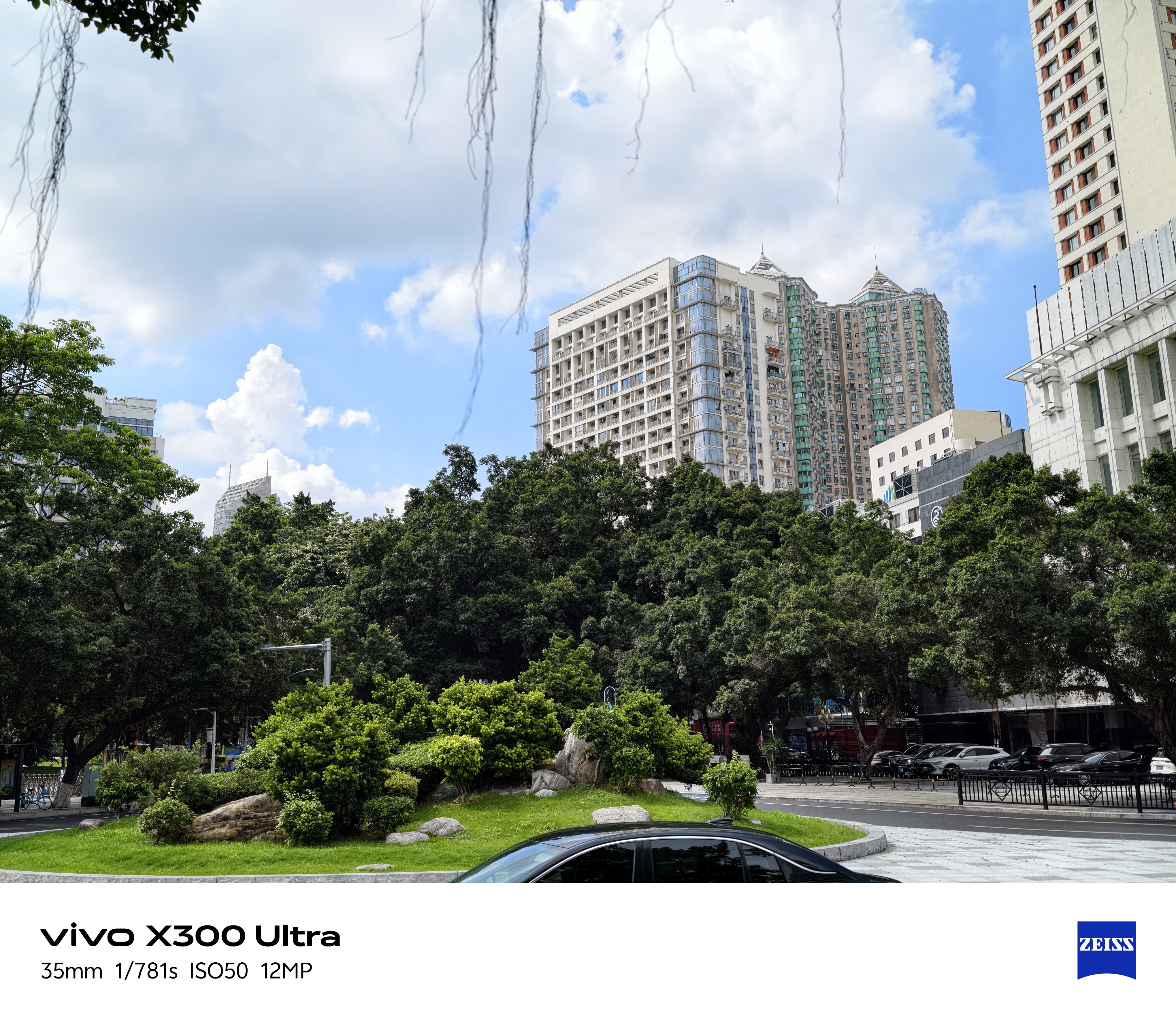
The vivo X300 Ultra lives up to its reputation as a 'saturation warrior.' Images exhibit richer overall colors, with noticeably bluer skies in distant views and higher contrast, making architectural textures and leaf details more pronounced. While the 35mm focal length requires stepping back slightly when shooting city streets, the resulting photos possess a stronger 'narrative' quality, better suited for humanistic subjects.
Next, I tested a more challenging scenario—extreme backlighting. Nailing this creates atmospheric shots; failing results in overexposed, washed-out images.
(Image Source: Leitech Photography)
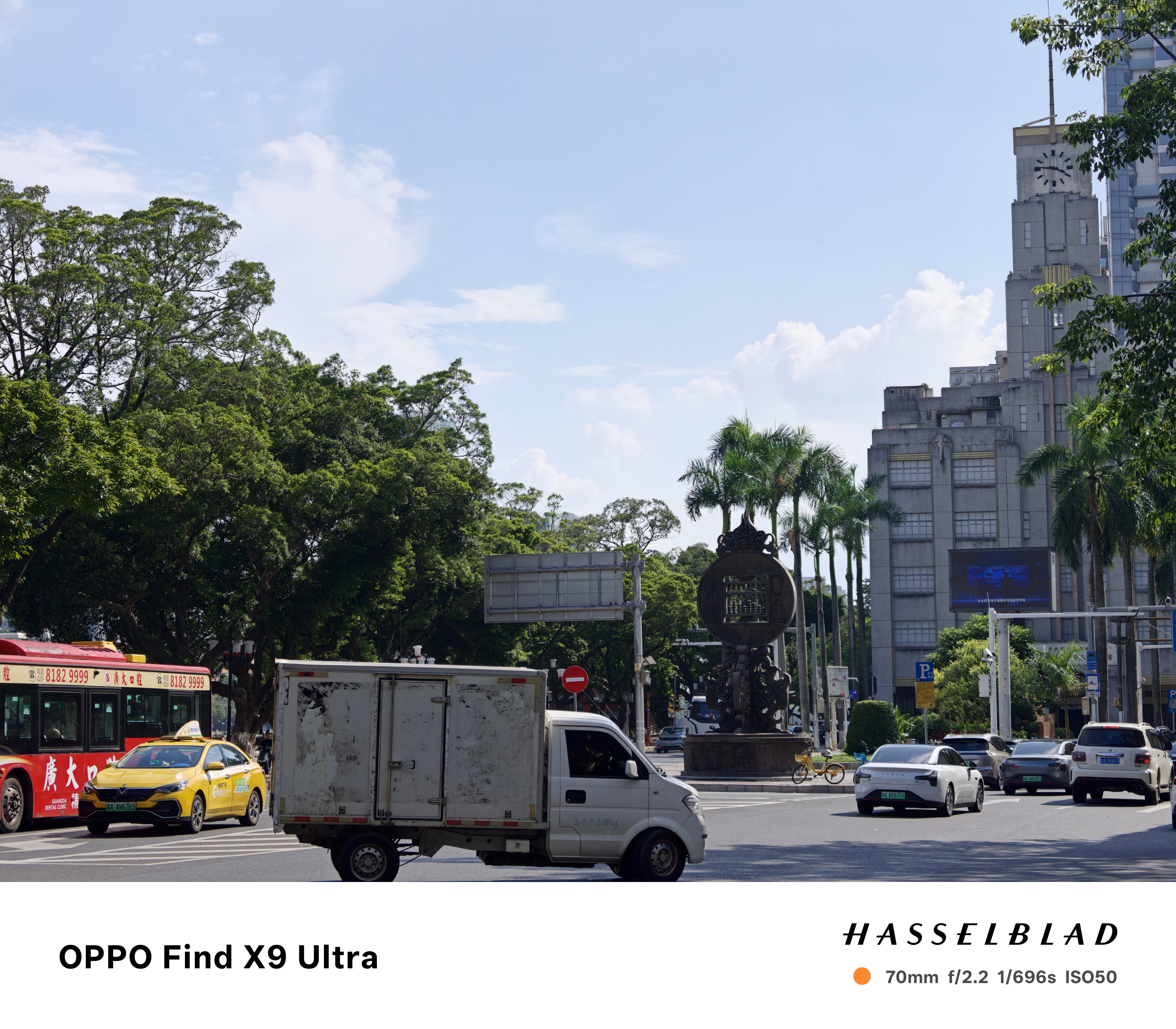
In this round, OPPO performed most impressively. Its HDR algorithm brightened shadows without overexposing the blindingly bright sky, maintaining excellent dynamic range control.
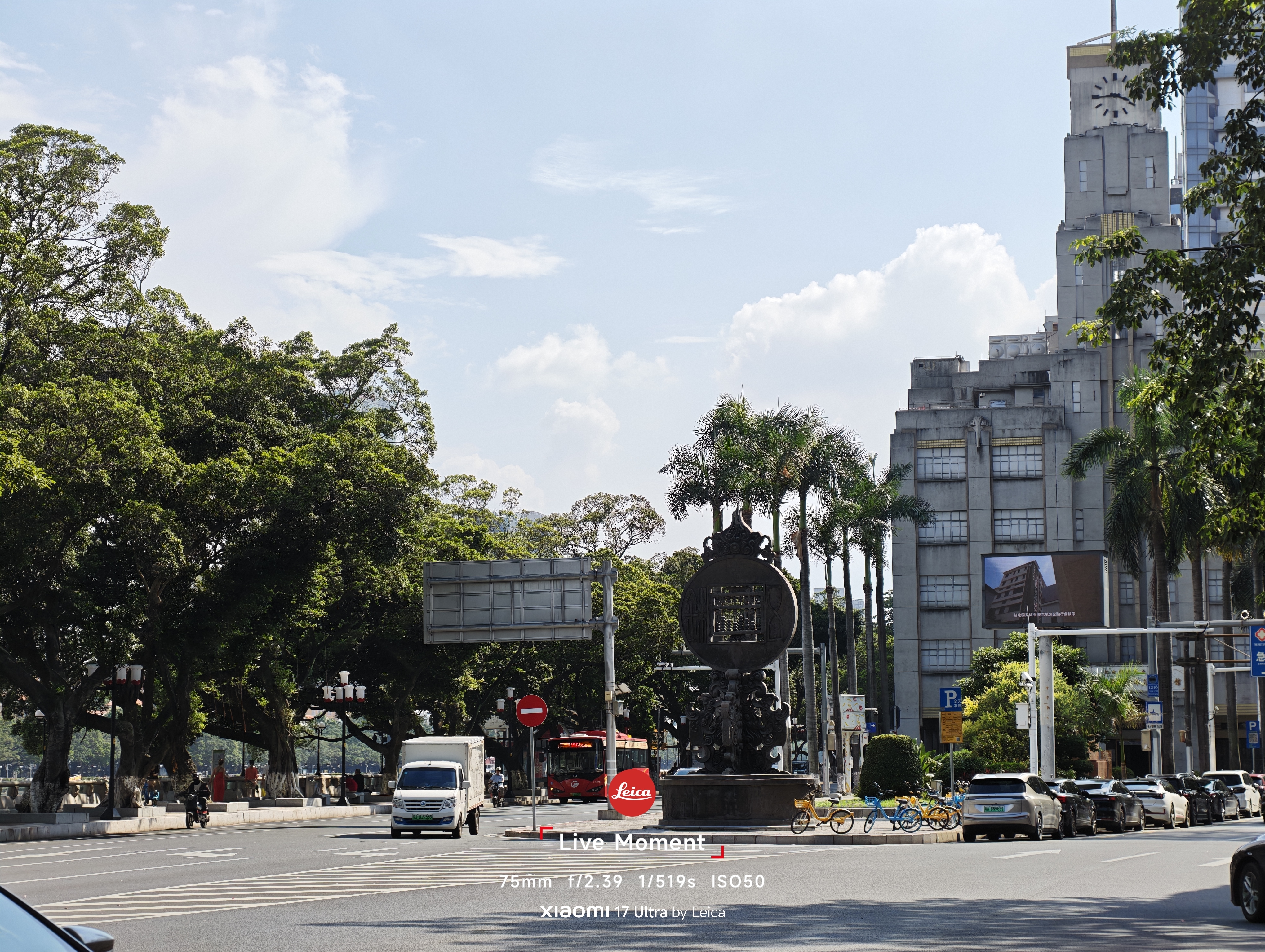
Xiaomi ranked second. While its overall suppression couldn't match OPPO's, it best controlled tree-shadow details among the three—though still not particularly appealing, with strong personal stylistic choices.

(Image Source: Leitech Photography)
Vivo's algorithm seemed to falter here—its image brightness noticeably exceeded the other two phones, with the sky so overexposed that cloud outlines became nearly invisible, also affecting white balance.
Let's discuss telephoto performance based on these samples. Xiaomi offers 3.2-4.3x continuous optical zoom, OPPO provides 10x optical zoom, and vivo uses an 85mm fixed telephoto lens. On paper, OPPO leads by a wide margin.

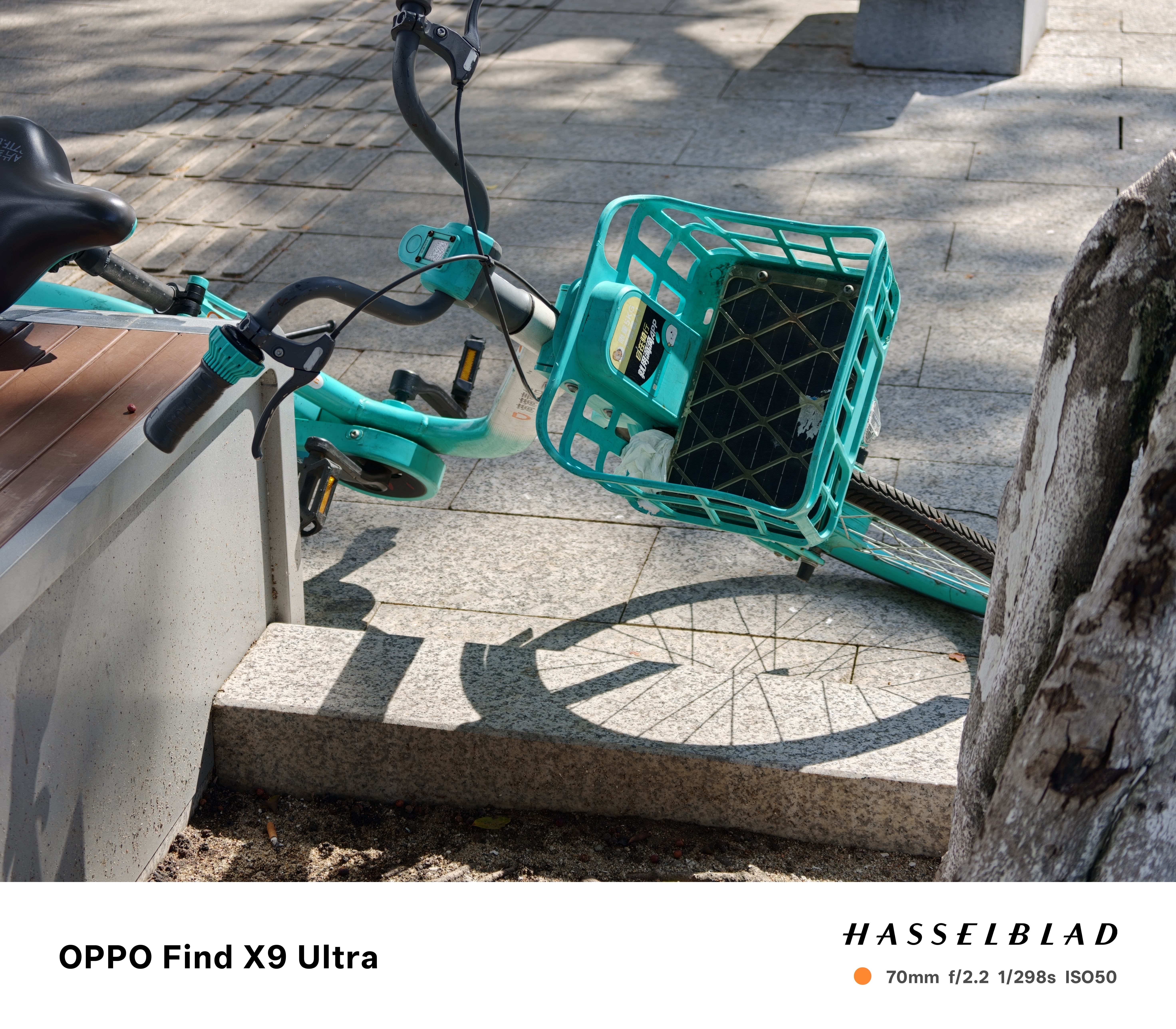
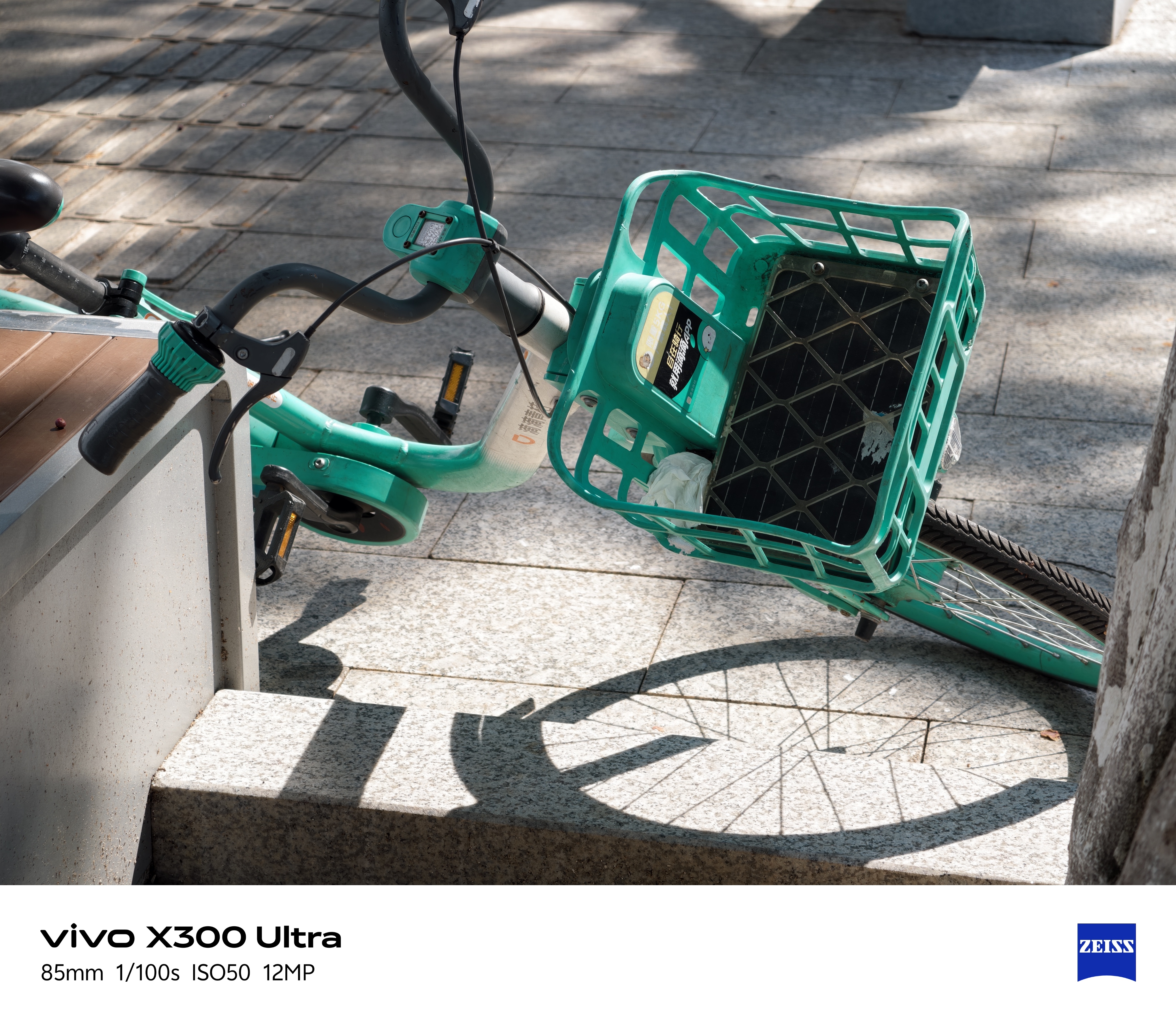
(Image Source: Leitech Photography)
However, in the most commonly used 3-5x telephoto range, all three devices perform similarly. That said, Xiaomi excels in continuous zoom—it seamlessly switches between 75mm-100mm without any image quality degradation, avoiding the 'image quality collapse at non-optimal focal lengths' issue.
(Image Source: Leitech Photography)
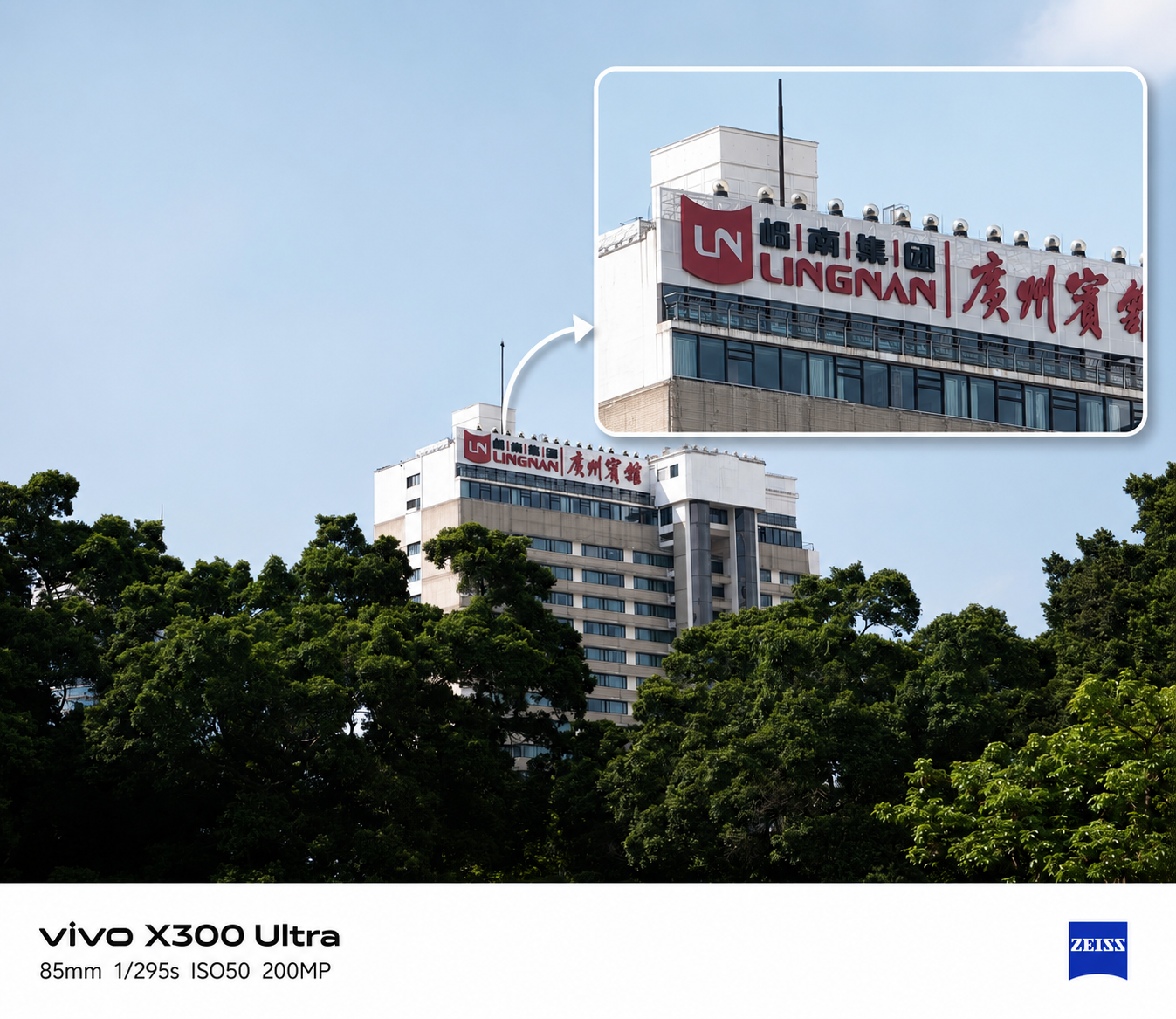
After enabling the telephoto cameras' 200MP modes, differences remain subtle. Even when zooming to 300%, all three retain excellent detail preservation. If forced to rank them: Xiaomi > vivo > OPPO—though the overall difference remains minor.
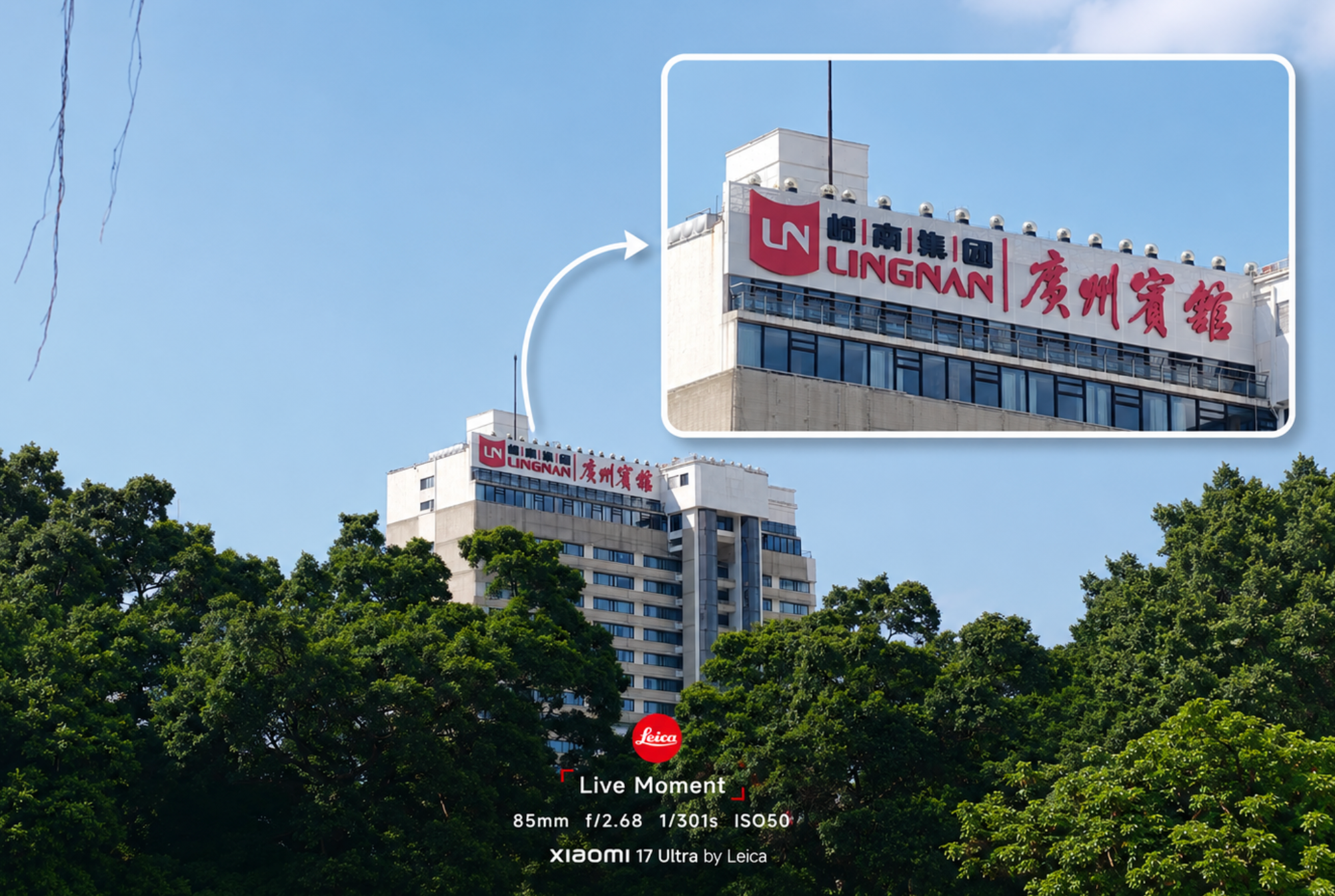
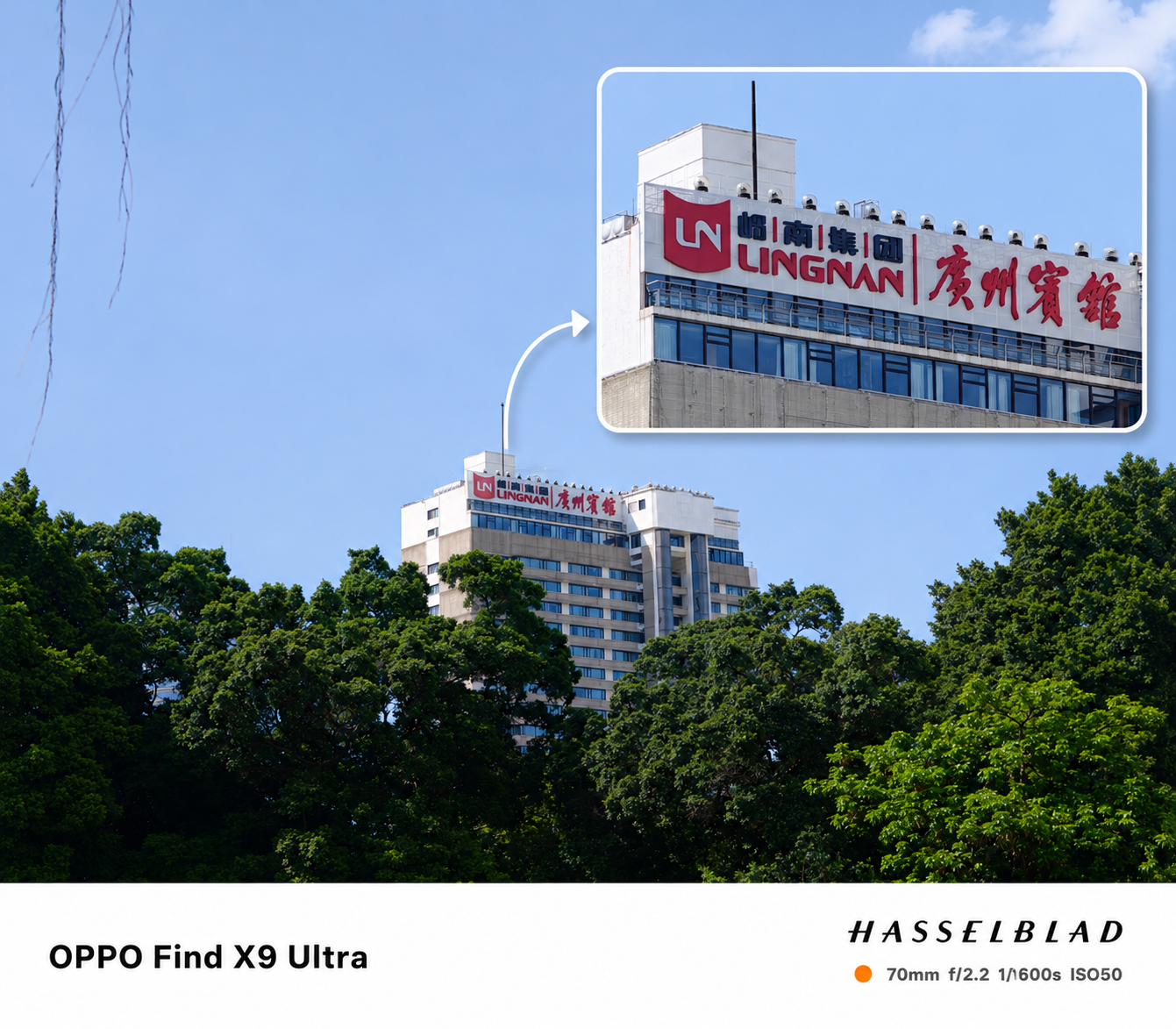
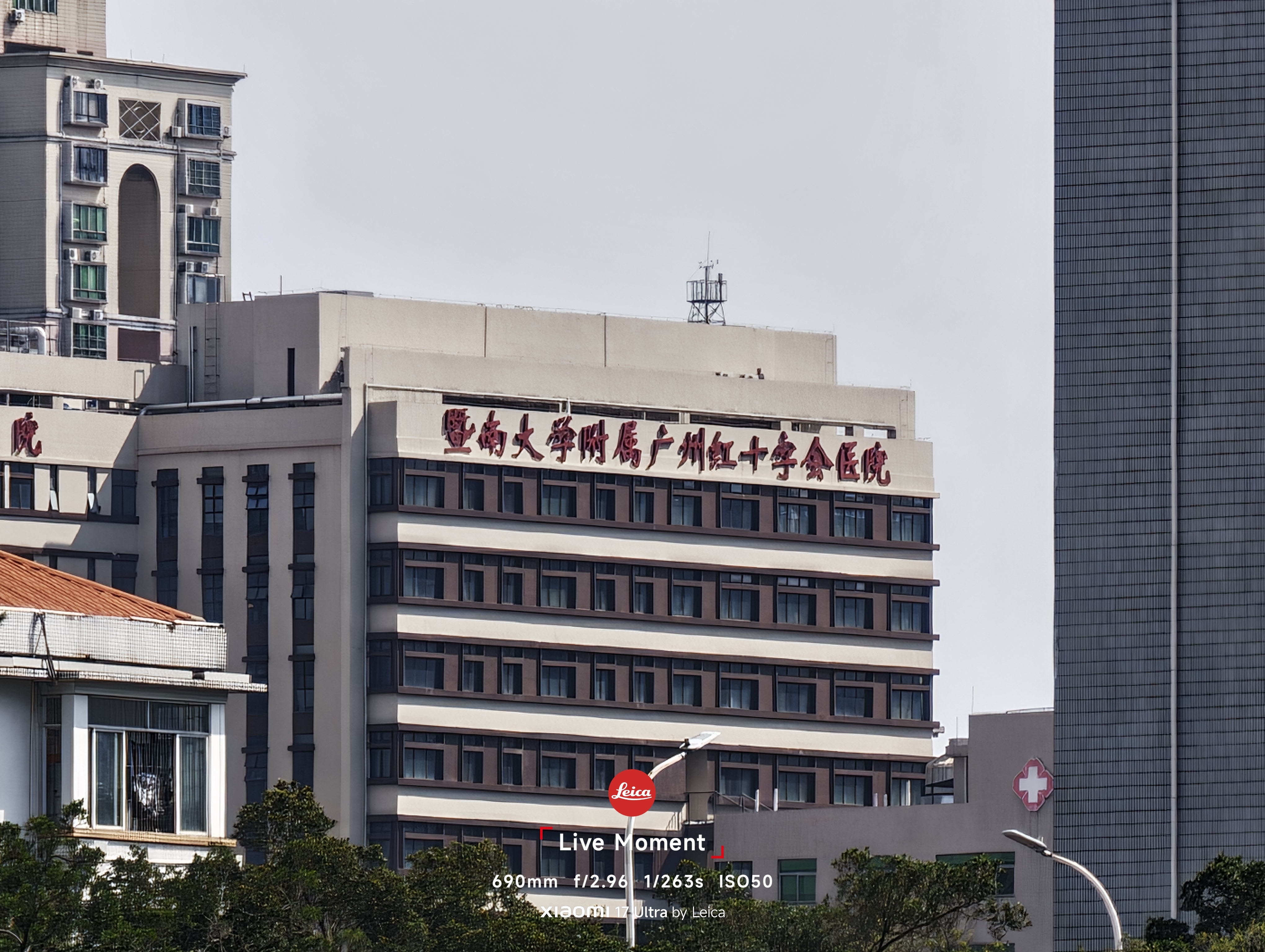
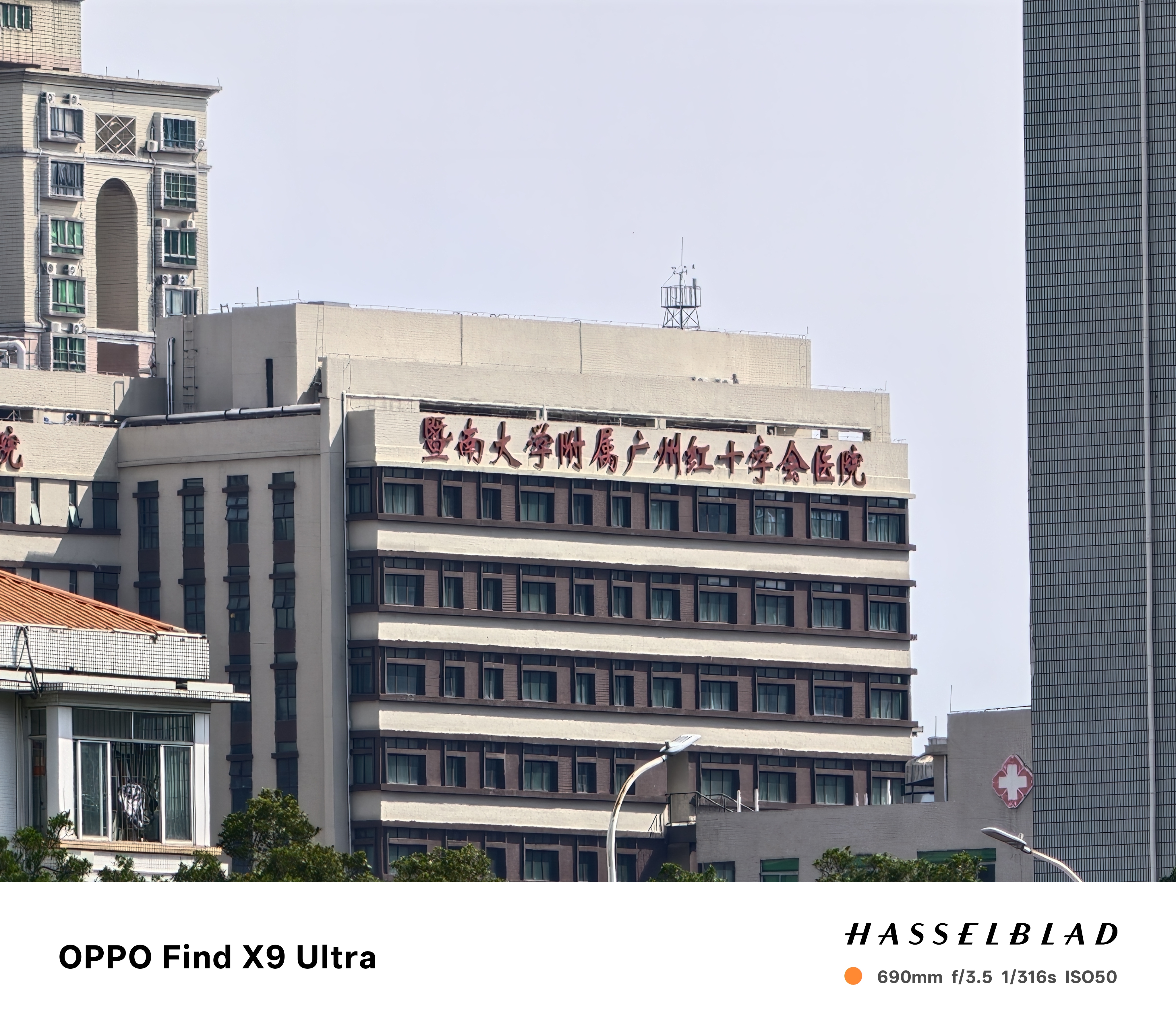
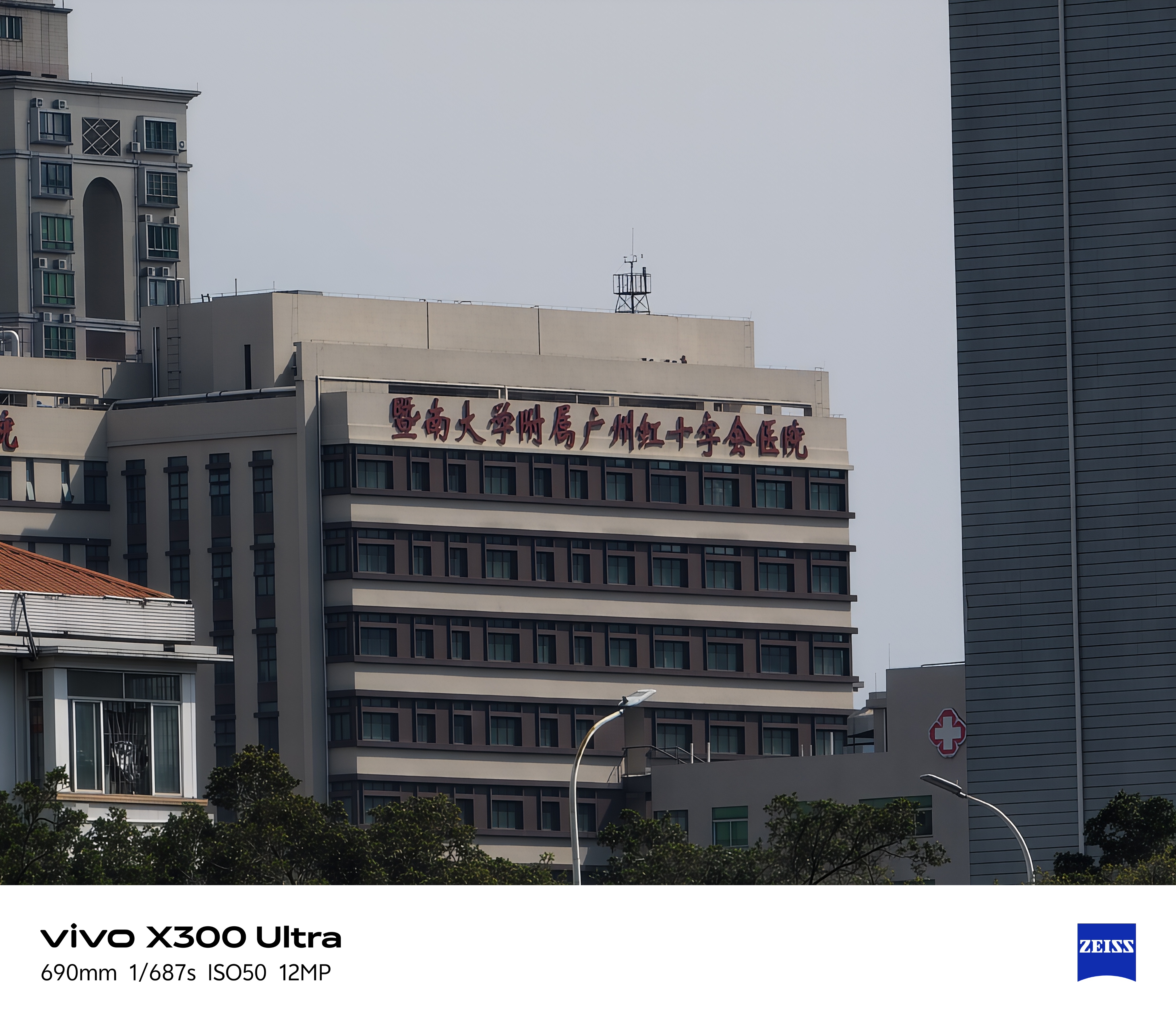
However, once we zoom to 30x, clear distinctions emerge.
(Image Source: Leitech Photography)
Even from the overall images, vivo's frame appears cleaner than the other two. While building surfaces show obvious optimization traces, they don't exhibit the 'warped lines' seen in OPPO and Xiaomi's shots.
Zooming in further reveals even clearer differences. OPPO and Xiaomi's signage appears almost blurred into one mass, with Xiaomi's image completely out of focus and showing the worst smearing. Vivo nearly perfectly reproduces the signage's outlines and tones, earning undisputed first place in clarity.
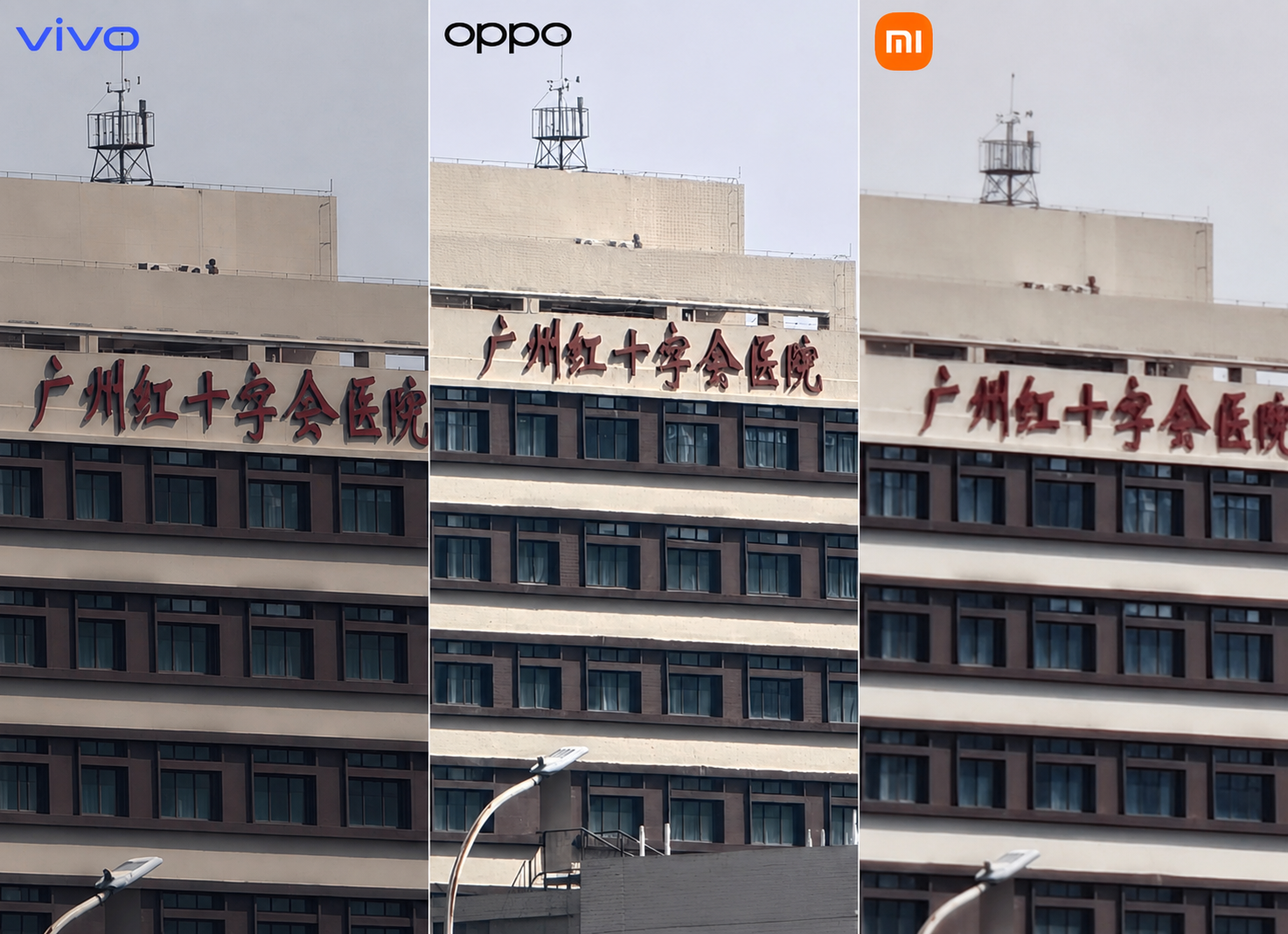
(Image Source: Leitech Photography)
One detail worth noting: both Xiaomi and vivo prompt users to enable 'Ultra-Clear Telephoto' optimization during shooting, while OPPO requires no additional operations—just point and shoot.
Let's briefly discuss autofocus experience. Under ample light, all three devices focus nearly instantaneously thanks to dual-pixel autofocus and laser autofocus. In low-light conditions, however, Xiaomi and vivo occasionally 'hunt' for focus, requiring manual intervention. Vivo performs more consistently here, quickly locking focus even in darkness and achieving noticeably higher success rates when photographing moving subjects like cats and dogs.
Daytime Performance Nearly Equal, Nighttime Reveals True Capabilities
Low-light scenarios create the most significant performance gaps in smartphone imaging.
Our first nighttime scene features urban landscapes with dim streetlights affecting white balance, complex foliage testing resolving power, and building lights in the background—a scenario demanding excellent highlight suppression and shadow detail. (All three devices used night mode with long exposures.)
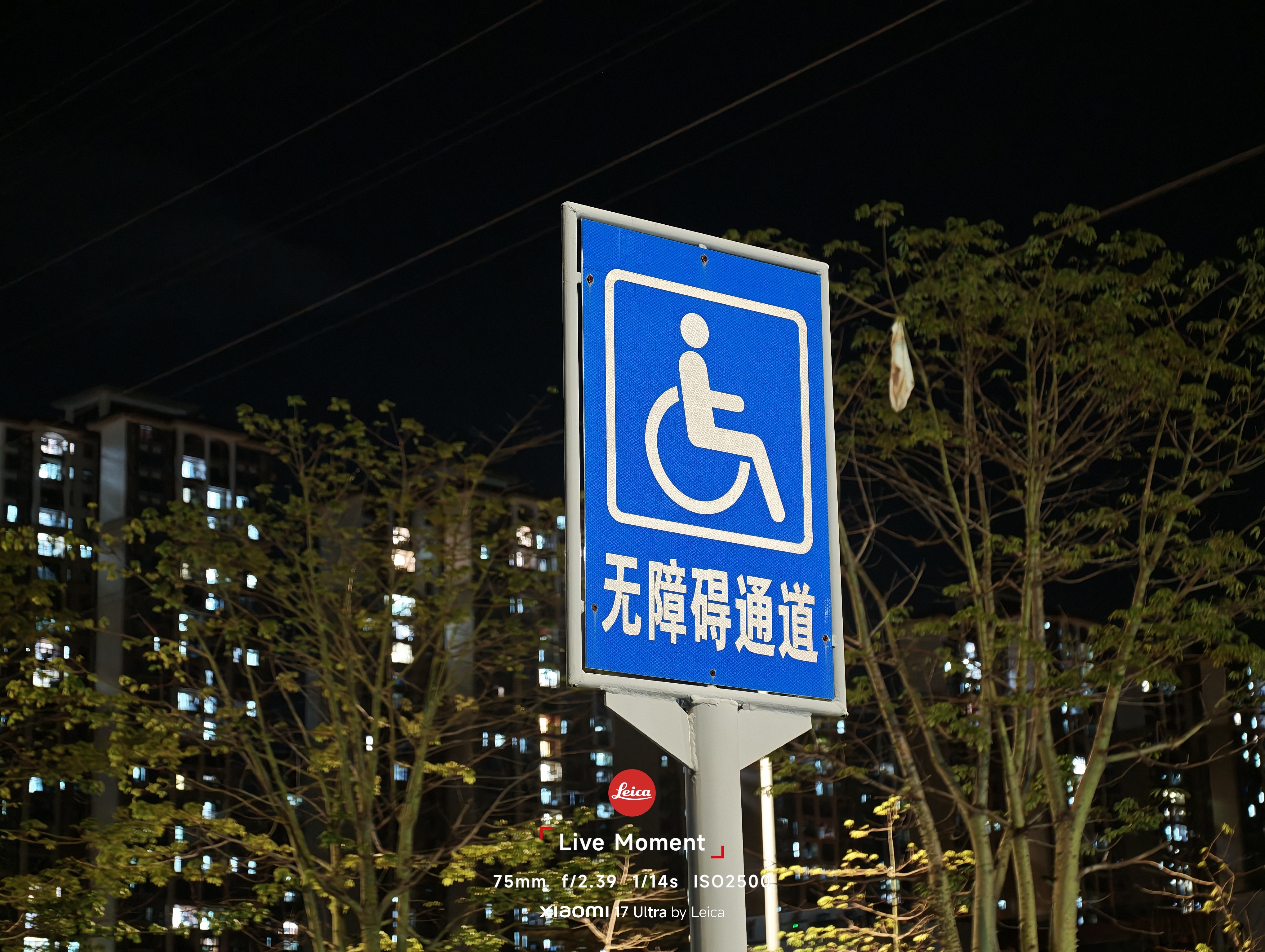
(Image source: Photographed by Lei Technology)
The Xiaomi 17 Ultra Leica Edition remains relatively conservative in its night photography strategy. Unlike the other two brands that aggressively brighten the dark areas, it retains significant contrast between light and dark. However, it is evident that due to the mechanism of long exposure in night scenes, the leaves and building lights in the background are completely blurred, creating a sensation that they are on separate layers.
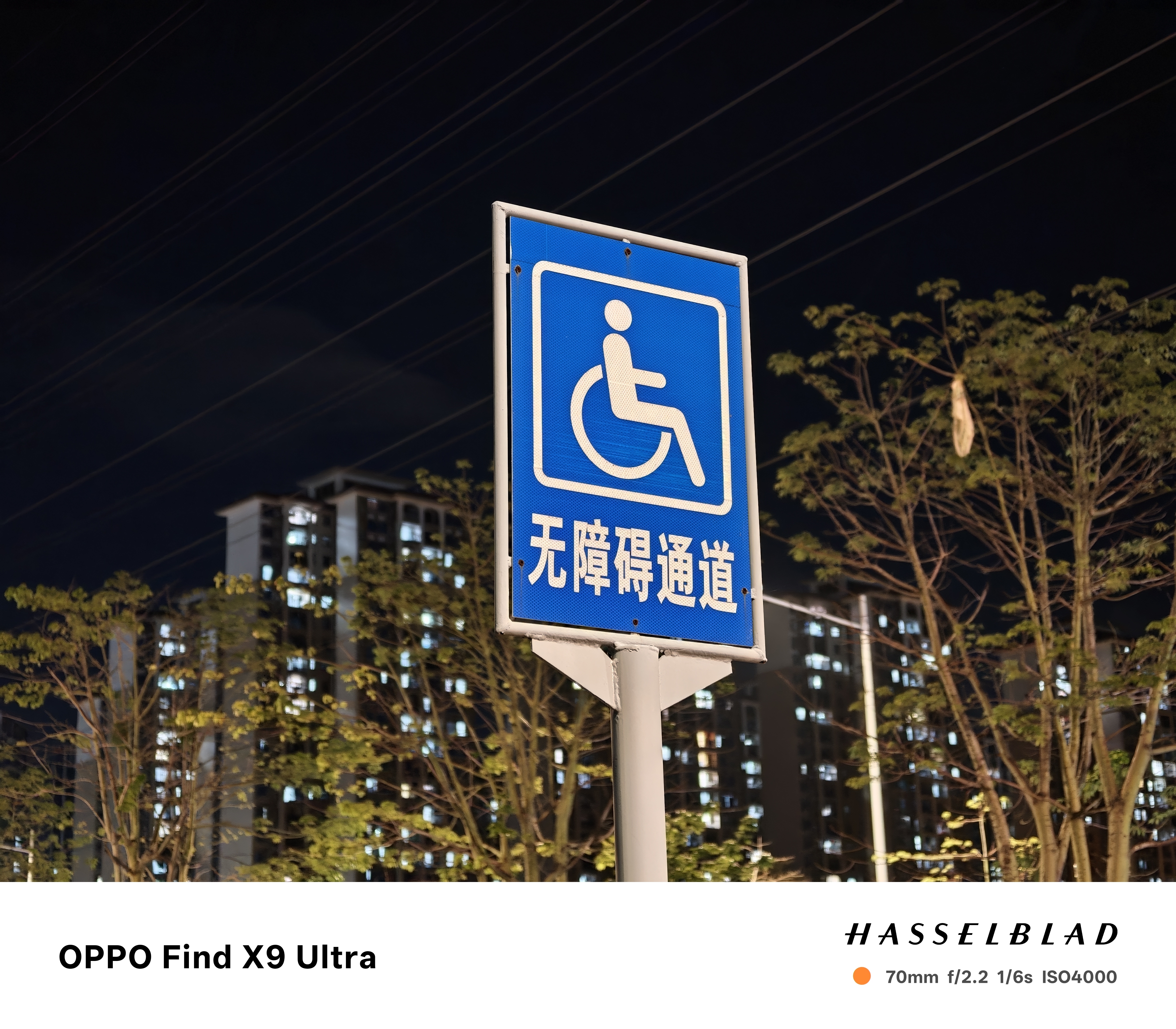
(Image source: Photographed by Lei Technology)
The OPPO Find X9 Ultra adopts a different style for night scenes. It actively brightens the dark areas, resulting in a richer overall image with more information. Enhanced by the Danxia primary colors (Danxia Natural Color) lens, the colors of the signage and lights are accurately reproduced—blue remains blue, and yellow remains yellow, without any orange or whitish tints. However, the background still appears blurred, making
Its main advantage lies in delivering a more natural-looking image, with light and dark relationships that closely mimic what the human eye perceives. The graininess of the wall, the metallic decorative strips, and the texture around the light strips are all well-preserved, avoiding the artificial, plastic-like appearance that can result from excessive noise reduction. However, Xiaomi's white balance tends to skew noticeably warm, with both the wall and lighting displaying a strong yellow tint. Additionally, the dark areas contain relatively little detail, making the image appear less transparent at first glance compared to the other two devices.
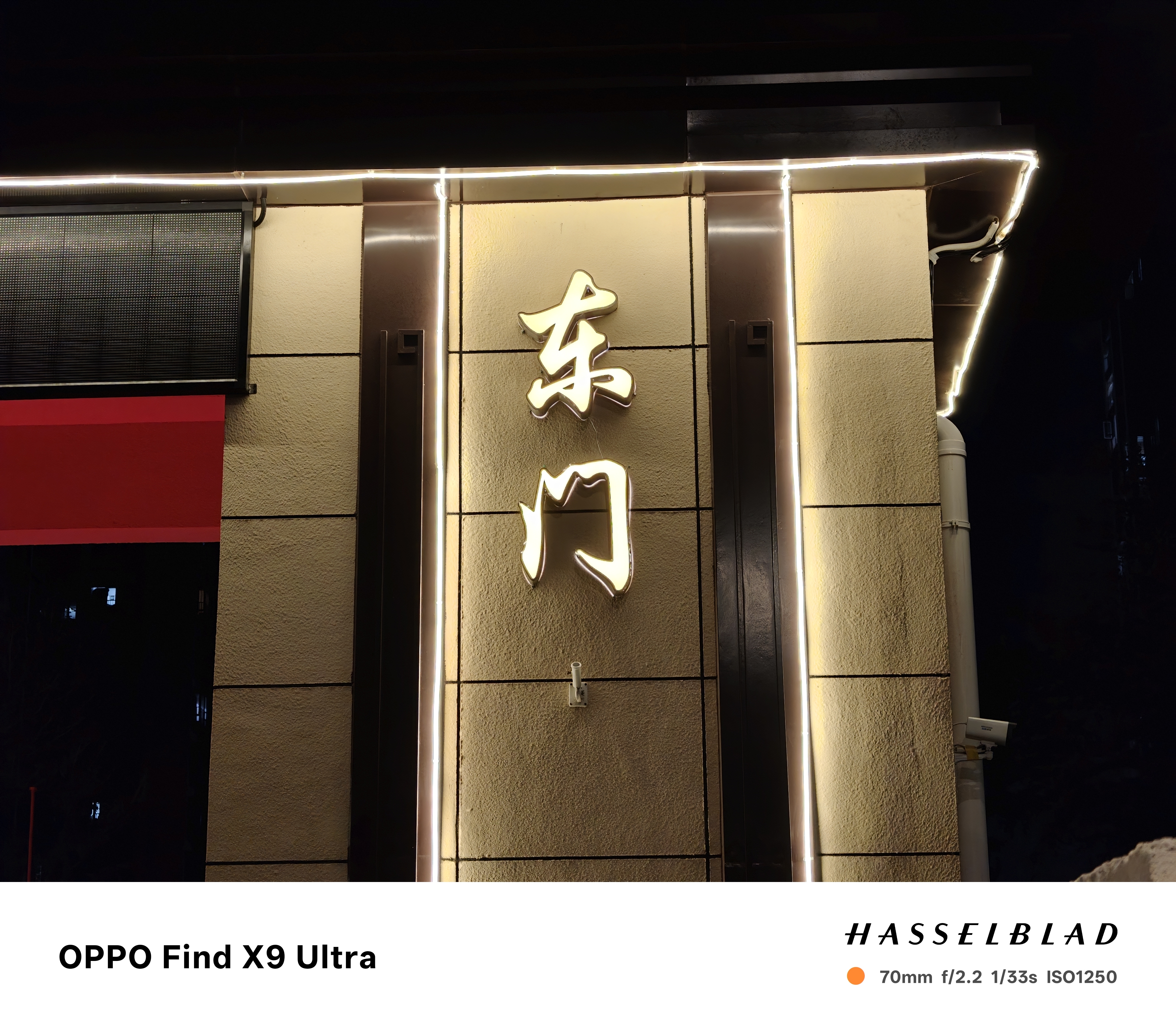
(Image source: Photographed by Lei Technology)
The OPPO Find X9 Ultra stands out as the brightest among the three, with the wall, midtones, and right dark areas significantly brightened. This allows for clearer visibility of architectural structures and surface textures, resulting in the most transparent initial impression.
With higher overall exposure, OPPO's highlight control for the light strips and illuminated characters is relatively average. The two characters "East Gate" (Dongmen) appear noticeably white, and their edge contours are significantly blurred. Fortunately, the warm colors of the wall are relatively naturally rendered, without the excessive yellow of Xiaomi or the grayish tint of Vivo.
While it may not be the most stylistically refined, it offers the most pleasing initial impression and most closely aligns with the common understanding of a "beautiful night scene."
(Image source: Photographed by Lei Technology)
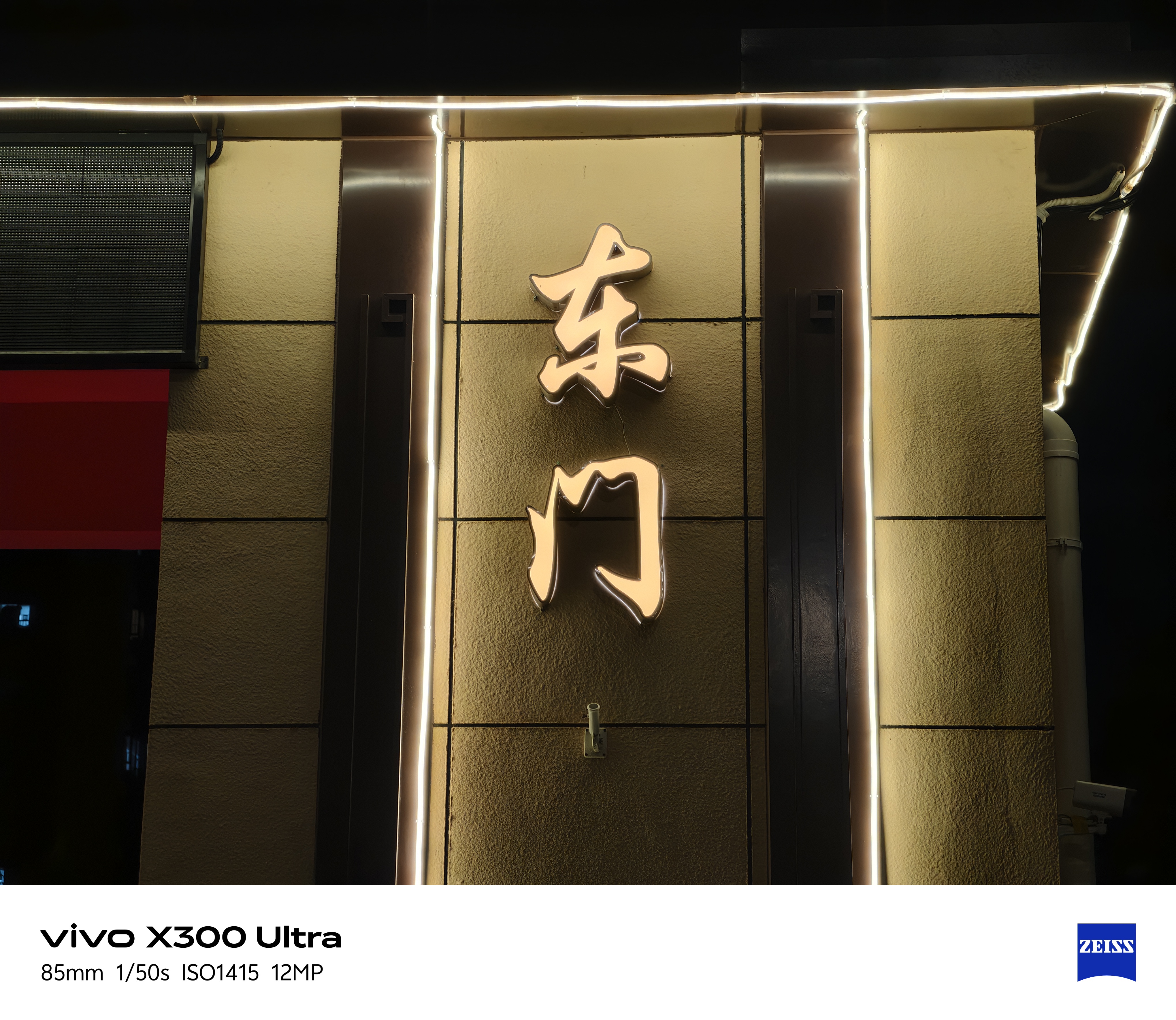
The Vivo X300 Ultra features the most conservative overall exposure among the three. The brightness of the wall is noticeably lower than that of the other two phones, and the top and side dark areas are also significantly darker. Thus, the image retains a certain nighttime atmosphere but appears somewhat gray and lacks transparency.
However, its highlight control for the light strips and the illuminated characters "East Gate" (Dongmen) is decent, without significant overexposure. Nevertheless, the layers of the illuminated characters themselves are flat, and the wall color appears somewhat grayish and yellowish. The algorithm's handling of complex light sources is not natural. Especially near the light strips, the edges of the bright areas are slightly blurred, and some architectural textures are erased by noise reduction.
The issue with Vivo's image is that, while highlight suppression performs well, the loss of dark area details is severe, resulting in an image that is neither transparent nor possesses the distinct atmosphere of Xiaomi's approach.
Finally, let's explore another set of scenes featuring low-light telephoto photography, one of the most challenging aspects of night photography. When photographing a distant reflector with a telephoto lens under the influence of multiple light sources, this tests not only the sensor but also the phone's optical image stabilization and nighttime multi-frame synthesis performance.

(Image source: Photographed by Lei Technology)
The overall brightness of the Xiaomi 17 Ultra Leica Edition is noticeably high, with detailed information on the scaffolding and building surfaces fully brought out. The colors of the yellow steel pipes are rich, and the overall image is warmer, creating a strong visual impact and a very transparent initial impression. However, the brightness of the silver fence at the bottom of the photo and the lighting area in the lower-left corner is noticeably high, with some reflective positions approaching the highlight limit and even slightly overexposed, leading to slight loss of detail. Nevertheless, Xiaomi has enhanced local contrast and sharpness, making the scaffolding lines appear very clear.
Thus, the advantage of Xiaomi's image is that it is eye-catching, with colors and brightness suitable for direct sharing. However, if one is more concerned with highlight layers and material reproduction, it is not the most perfect image among the three.

(Image source: Photographed by Lei Technology)
Compared to Xiaomi, the OPPO Find X9 Ultra's night scene processing is noticeably more restrained. It does not deliberately brighten the entire building; the top sky is darker, and the shadows behind the scaffolding are deeper, resulting in a clearer light-dark relationship and a more natural nighttime atmosphere.
However, the most prominent aspect of this photo is its highlight control. Although the silver fence at the bottom is bright, the grid texture, metal frame, and reflective layers are largely preserved, without turning into a uniformly white bright area.

(Image source: Photographed by Lei Technology)
The overall exposure of the Vivo X300 Ultra is the highest among the three, with the upper protective net, interior of the scaffolding, and lower silver fence significantly brightened. The dark area information is also the richest among the three.
However, compared to the first two, Vivo's image leans cooler; the yellow scaffolding is not as rich as Xiaomi's, and the silver fence appears whiter. This processing makes the photo look clean and reveals more details, but the original "atmosphere" of the night scene is somewhat diminished. Especially in the lower metal area, the highlight reflections are strong, with some positions appearing slightly white, and the material layers are not natural.
Moreover, from the bottom parameters, it can be seen that Vivo used a higher ISO for this shot. Although the overall noise reduction is decent, the fine grid and building surfaces appear slightly smooth, lacking solid texture. It can be said that while Vivo excels at capturing complex night scenes "clearly," it compromises on texture.
How should imaging be approached? The top three brands have vastly different understandings.
In fact, users willing to spend seven to eight thousand yuan on these three imaging flagships not only care about their straight-out-of-camera aesthetics but also pay some attention to their understanding of professional photography. In other words, besides meeting the needs of ordinary users, they must also satisfy professional users.
Xiaomi's approach is straightforward, offering an interactive zoom ring directly from a camera. The Master Zoom Ring can be customized to bind to almost all key parameters: switching focal lengths, adjusting exposure compensation, changing shooting modes, and accessing Leica's classic and vivid dual image quality switches. The segmented feel and damping when turning are very well executed, truly giving a sensation of taking photos with a camera. Moreover, when shooting from a low angle, this Master Ring is much more practical than a touchscreen.
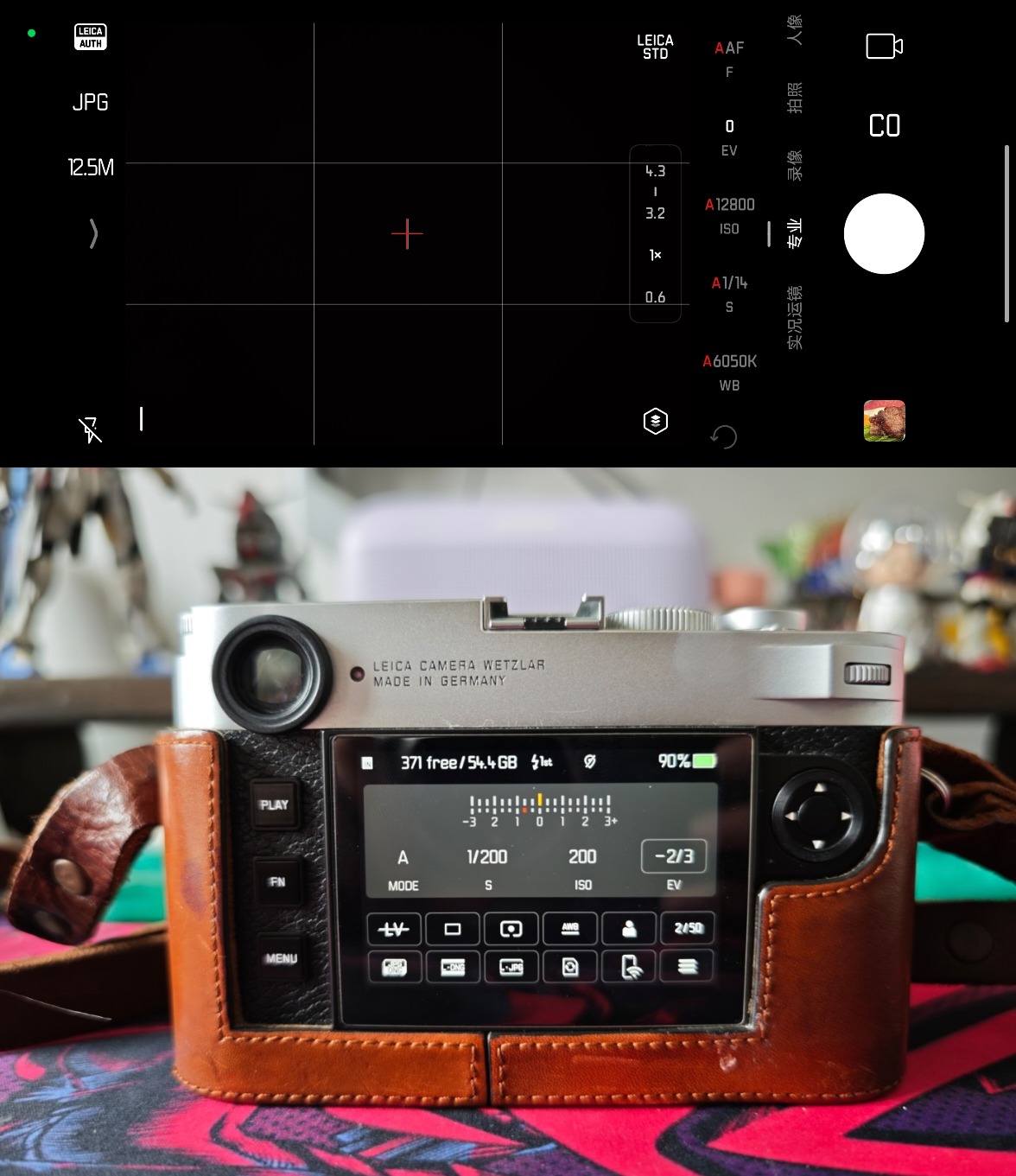
Let's talk about the professional mode. Xiaomi has kept the UI layout quite restrained and simple, with five parameters—ISO, shutter speed, white balance, focus, and exposure compensation—arranged in a row, without flashy aids, just a pure manual panel.
(Image source: Photographed by Lei Technology)
Additionally, it must be said that Xiaomi truly provides ample "emotional value" in this regard. All the fonts in the professional mode interface are identical to those of the Leica M-series cameras. Although this is just a minor change, it serves as a nice little Easter egg for users who truly love Leica.
However, compared to the above two features, Xiaomi's "Leica Moment" is my favorite. It includes two quick presets: Leica M9 Color and M3 Black & White. The reds in the M9 are unreasonably rich, with a hint of Germanic color bias in the blues and greens, creating a strong sense of atmosphere. The M3 Black & White is not just a simple desaturation; the graininess dynamically changes with the image's light and dark areas, instantly giving the photo the layers of an old photograph.
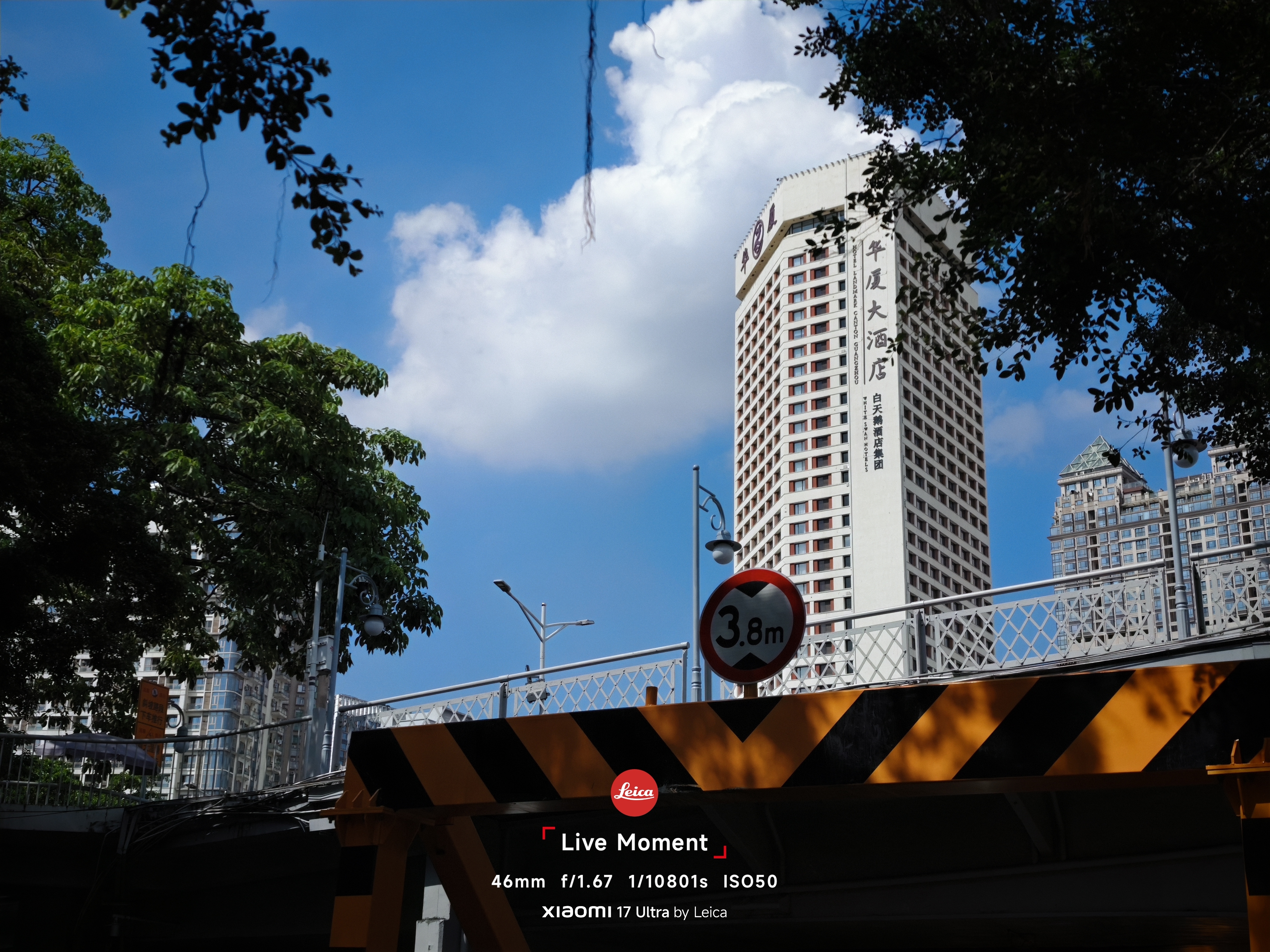
(Image source: Photographed by Lei Technology, Leica Moment M9 Color)
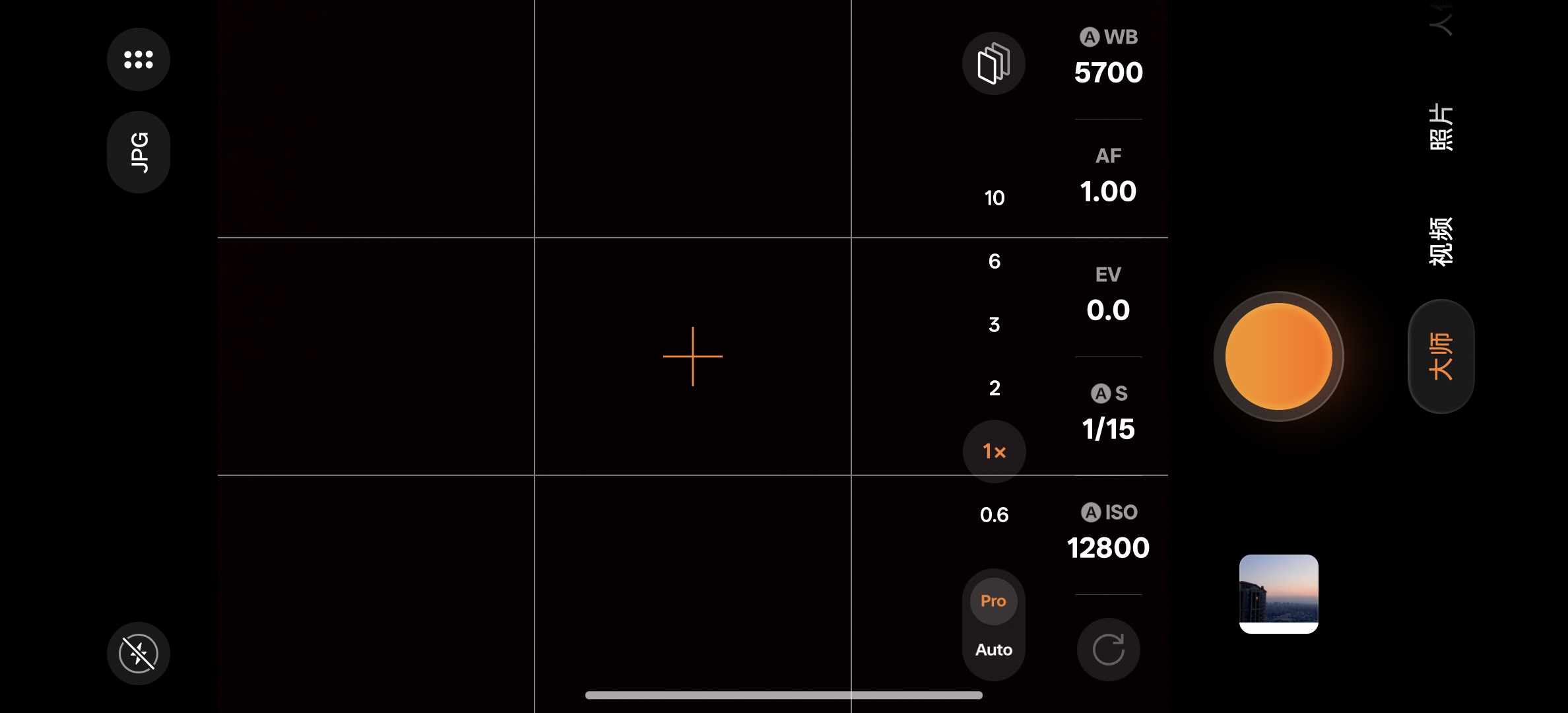
The OPPO Find X9 Ultra, while not making any external modifications, has transformed its professional mode into the more "prestigious" Hasselblad Master Mode. The Master Mode offers two levels: Auto and Pro. The Auto interface adopts a minimalist style, essentially applying Hasselblad's color tone to automatic exposure, suitable for those who want Hasselblad colors without the hassle. After switching to Pro, ISO, shutter speed, white balance, focus, and exposure compensation all pop up, accompanied by a histogram and peak focusing.
(Image source: Produced by Lei Technology)
OPPO's advantage lies in its nine native film presets, which are not mere filters but perform tone and color mapping at the RAW data layer. This means you can retain complete post-processing flexibility while still achieving a film-like atmosphere upfront. More practically, these presets can be custom-saved and generate shareable codes—if someone captures a style you like, you can scan the code to replicate the parameters with one click.
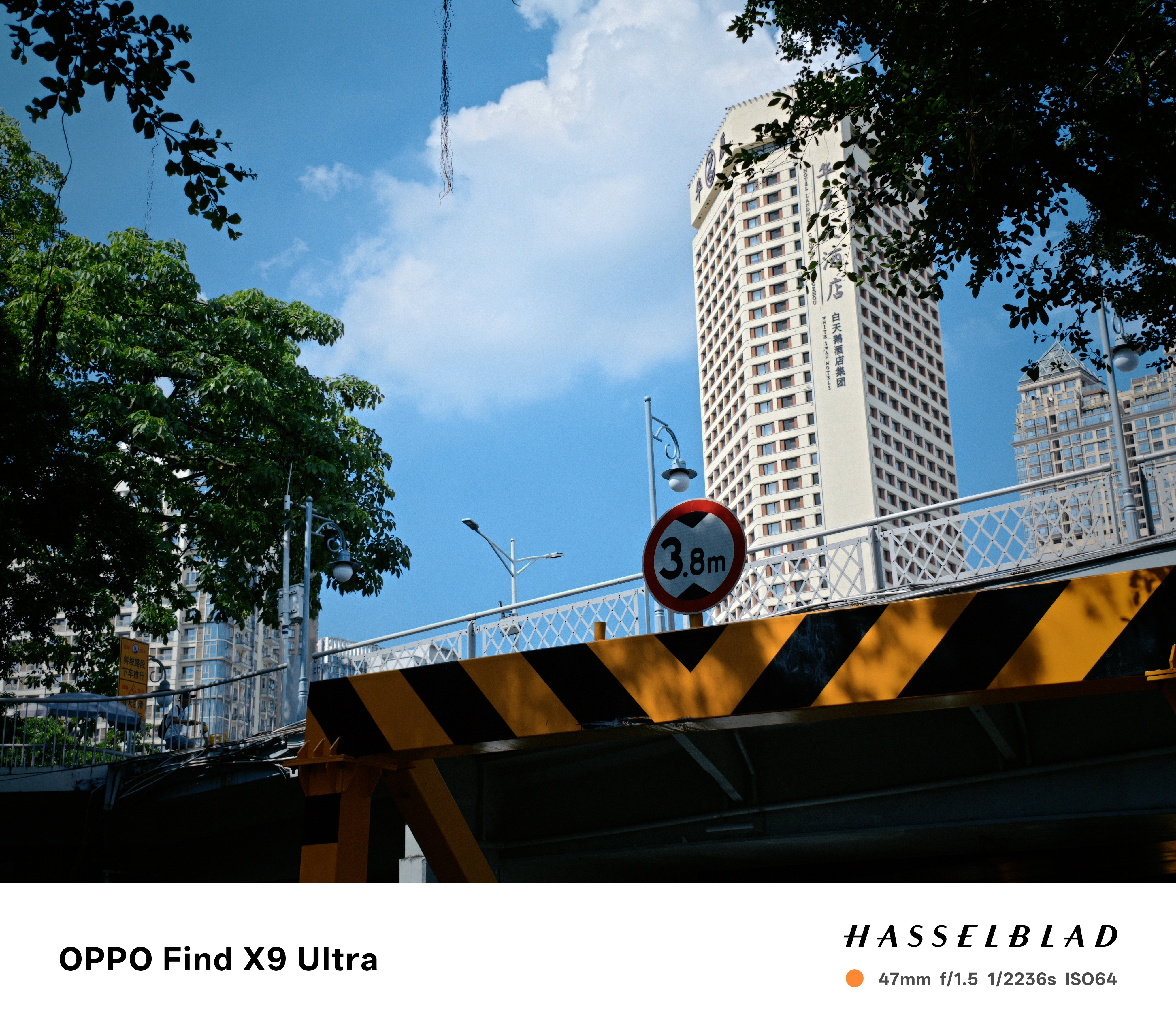
(Image source: Photographed by Lei Technology, Hasselblad Master Mode 800T Film Preset)
However, the most interesting feature is the Hasselblad XPAN Mode, which replicates the XPAN camera's 65:24 ultra-wide aspect ratio on a phone, paired with exclusive shutter sounds, creating an indescribable cinematic feel when shooting landscapes and street scenes.
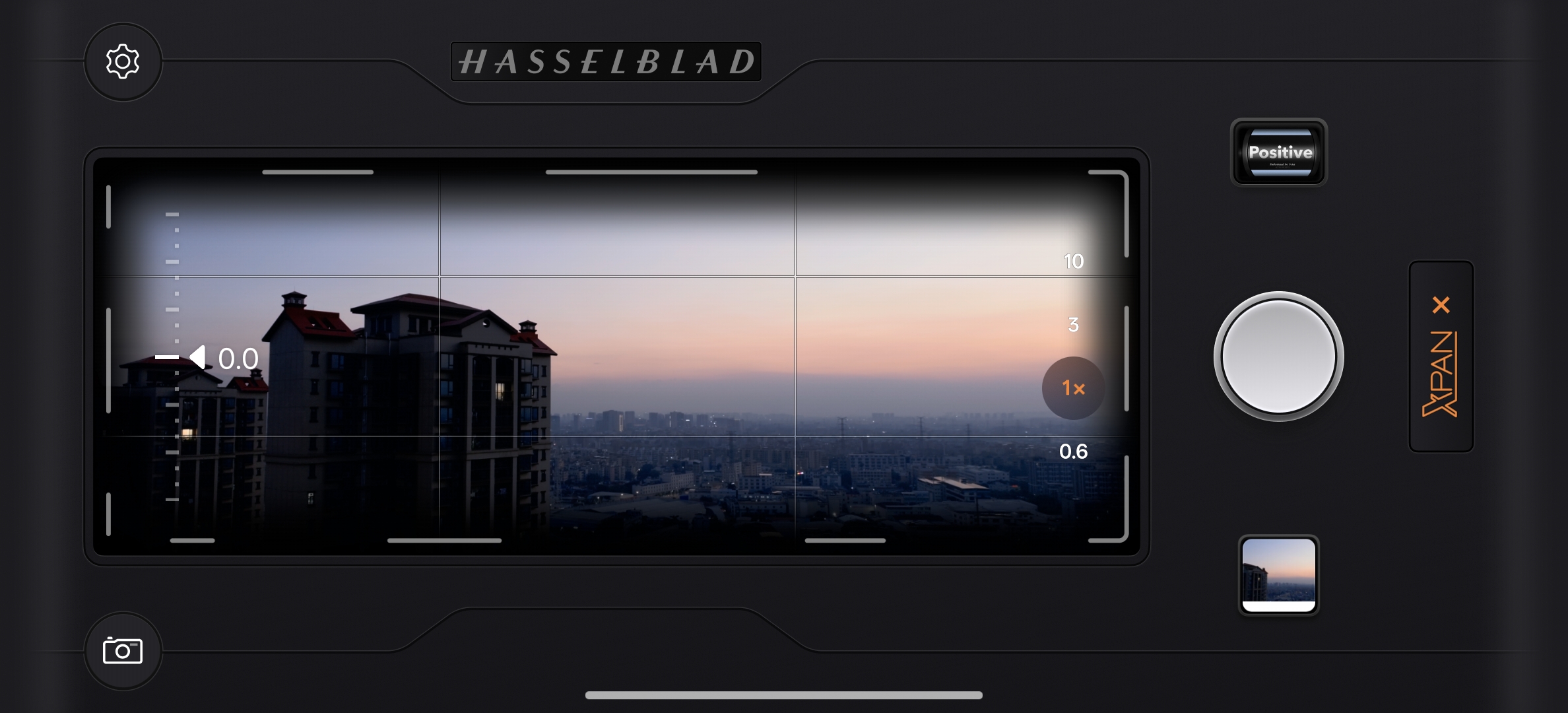
(Image source: Produced by Lei Technology)
Vivo's logic is very similar to OPPO's. Besides the conventional professional mode, it has added a "Humanities Street Photography Mode." From the name alone, it is clear that Vivo hopes users of the X300 Ultra will take it out more often for photography.
Similarly, the Humanities Street Photography Mode offers Auto and Pro levels. AUTO focuses on snapshots, with an EV dial for quick brightening, suitable for street photography. The Pro level adds ISO, shutter speed, EV, aperture simulation for bokeh, manual focus, and white balance, also supporting metering mode switching, including center-weighted and spot metering. However, this results in more interactive elements on the interface, somewhat affecting aesthetics.
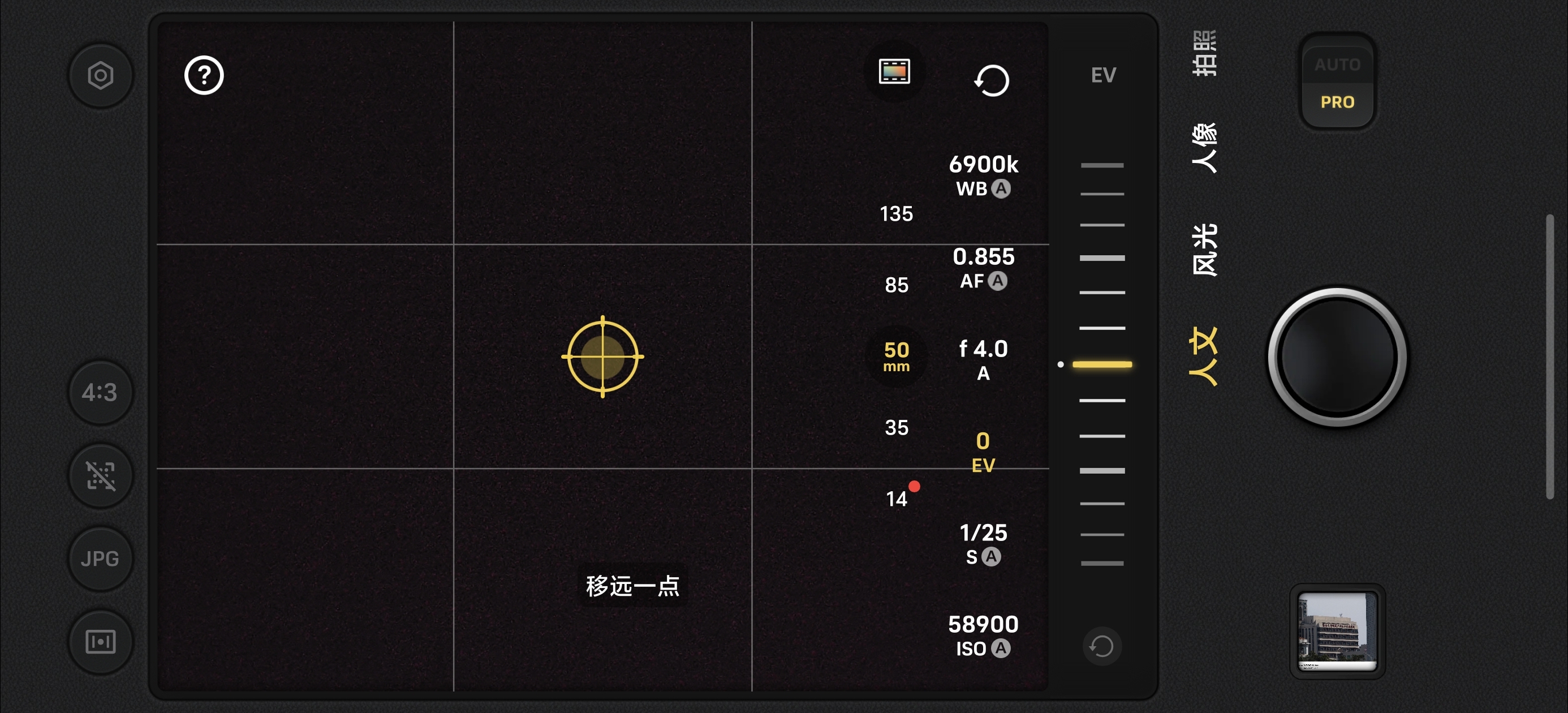
(Image source: Produced by Lei Technology)
Additionally, Vivo provides three color profiles: "Humanities Street" for rich, high-contrast looks with deep blues and strong warm-cool contrasts, ideal for cityscapes resembling film stills; "Humanities Portrait" for understated delicacy; and "Humanities Life" for warm, slightly faded negatives, perfect for daily life and travel photography. These three color profiles are tied to the optical characteristics of Zeiss lenses, not just filters, resulting in a unified and recognizable image style.
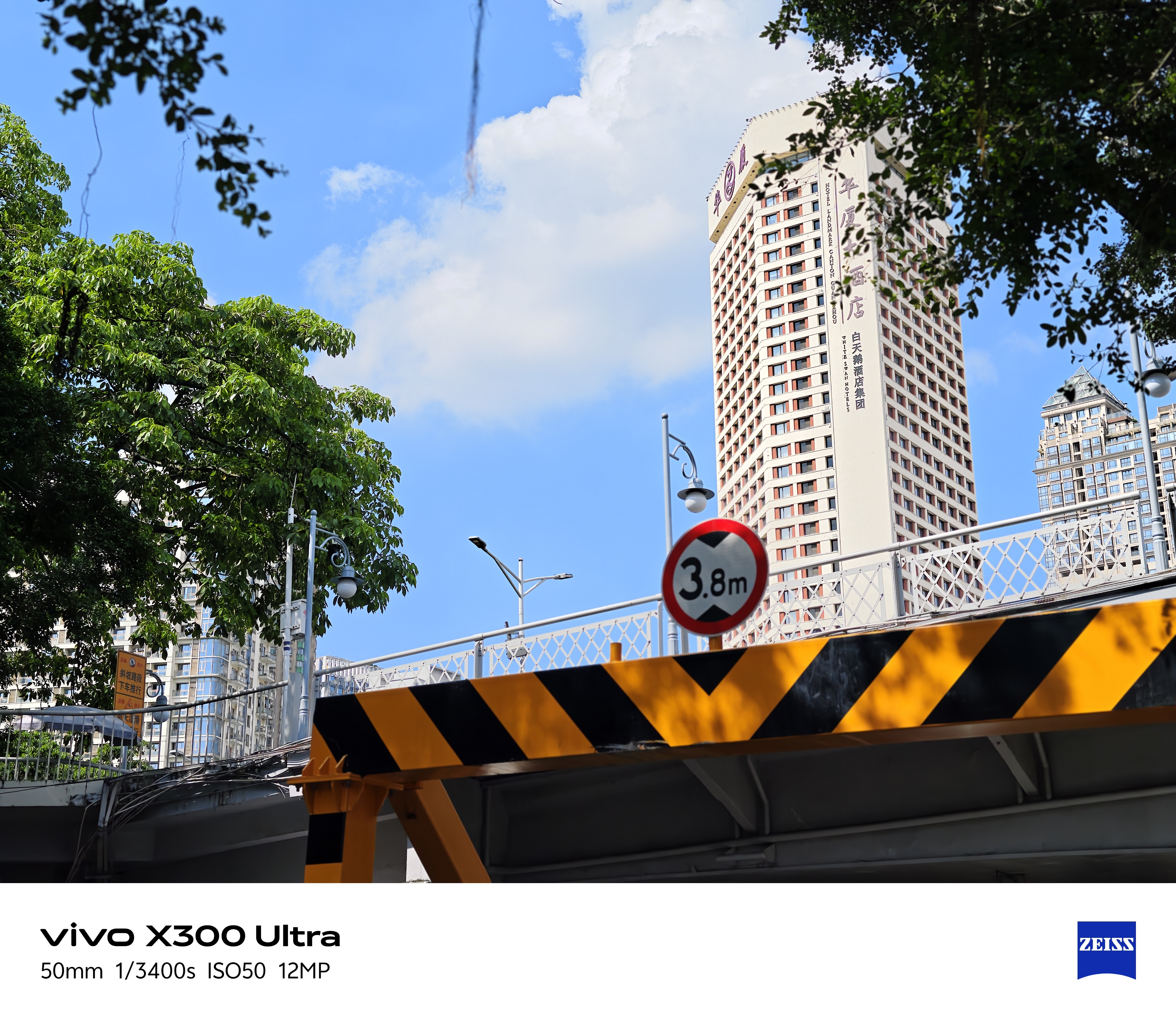
(Image source: Photographed by Lei Technology, Vivo Humanities Street Color)
To be honest, if you ask me which professional mode is "stronger," it's hard to answer. Because these three devices never intended to compete in the same arena.
Xiaomi's approach leans more toward simulating a professional camera. The Master Zoom Ring, fully manual panel, RAW output, and Leica Moment quick presets are all designed for those willing to spend time fine-tuning parameters. If you enjoy having a ring to turn, five parameters to adjust on the screen, and spending time on post-processing afterward, Xiaomi is the most suitable choice.

(Image source: Photographed by Leitech)
OPPO focuses on the darkroom. The Hasselblad Master mode offers you nine film presets, not just filters—these presets modify the image tone starting from the RAW layer. You don't need to adjust the ISO or shutter speed; simply select a preset like "Vibrant" or "Retro," press the shutter, and you're ready to share it on social media. It allows you to achieve near-final results without tedious adjustments. It's convenient, but never half-hearted.
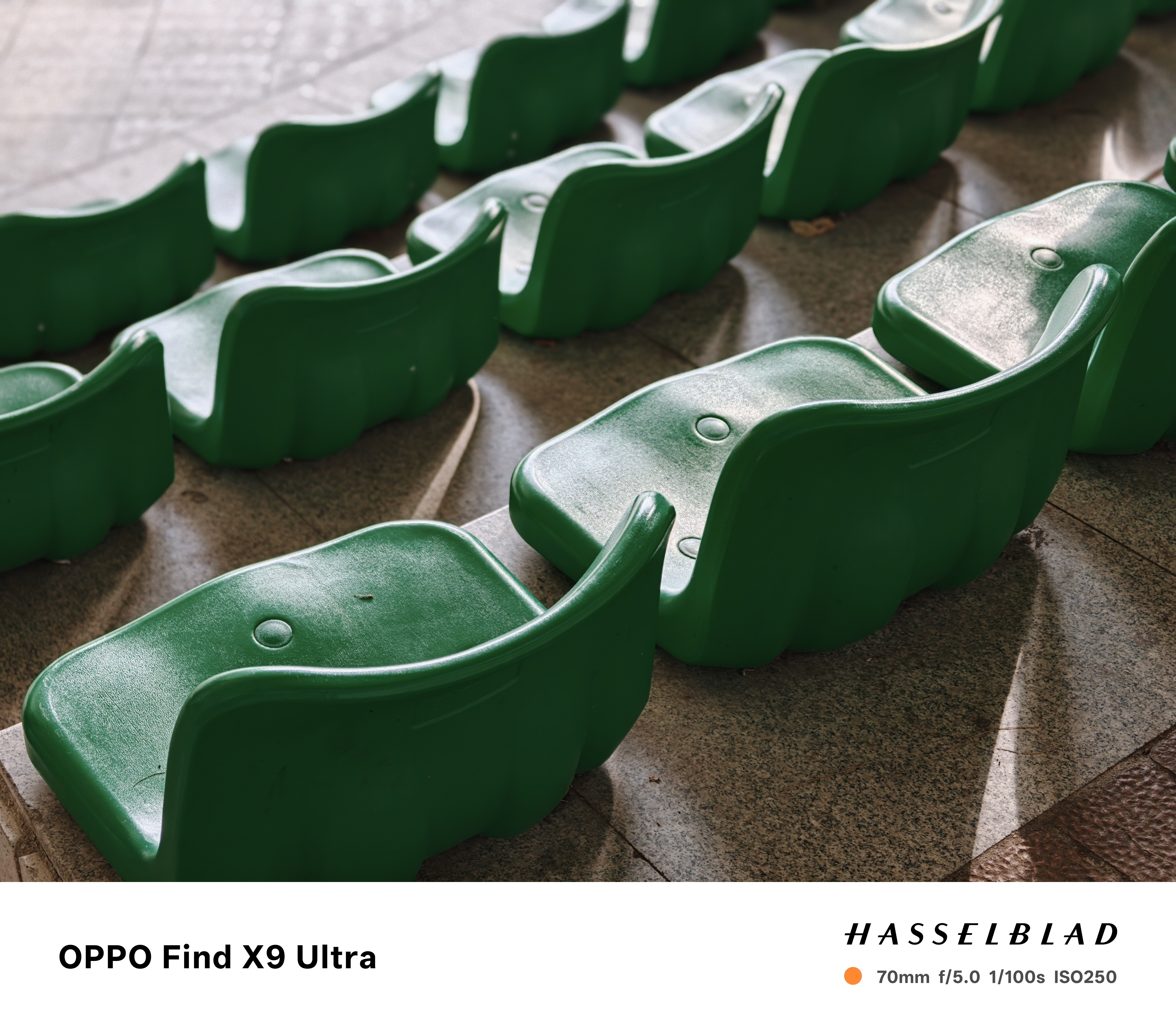
(Image source: Photographed by Leitech)
Vivo leans more toward Ricoh's street photography attributes. When the Humanities mode is activated, its interaction logic perfectly aligns with the need to capture a fleeting moment on the street. It doesn't pursue maximum parameters or film simulation; instead, it focuses on "getting the shot."
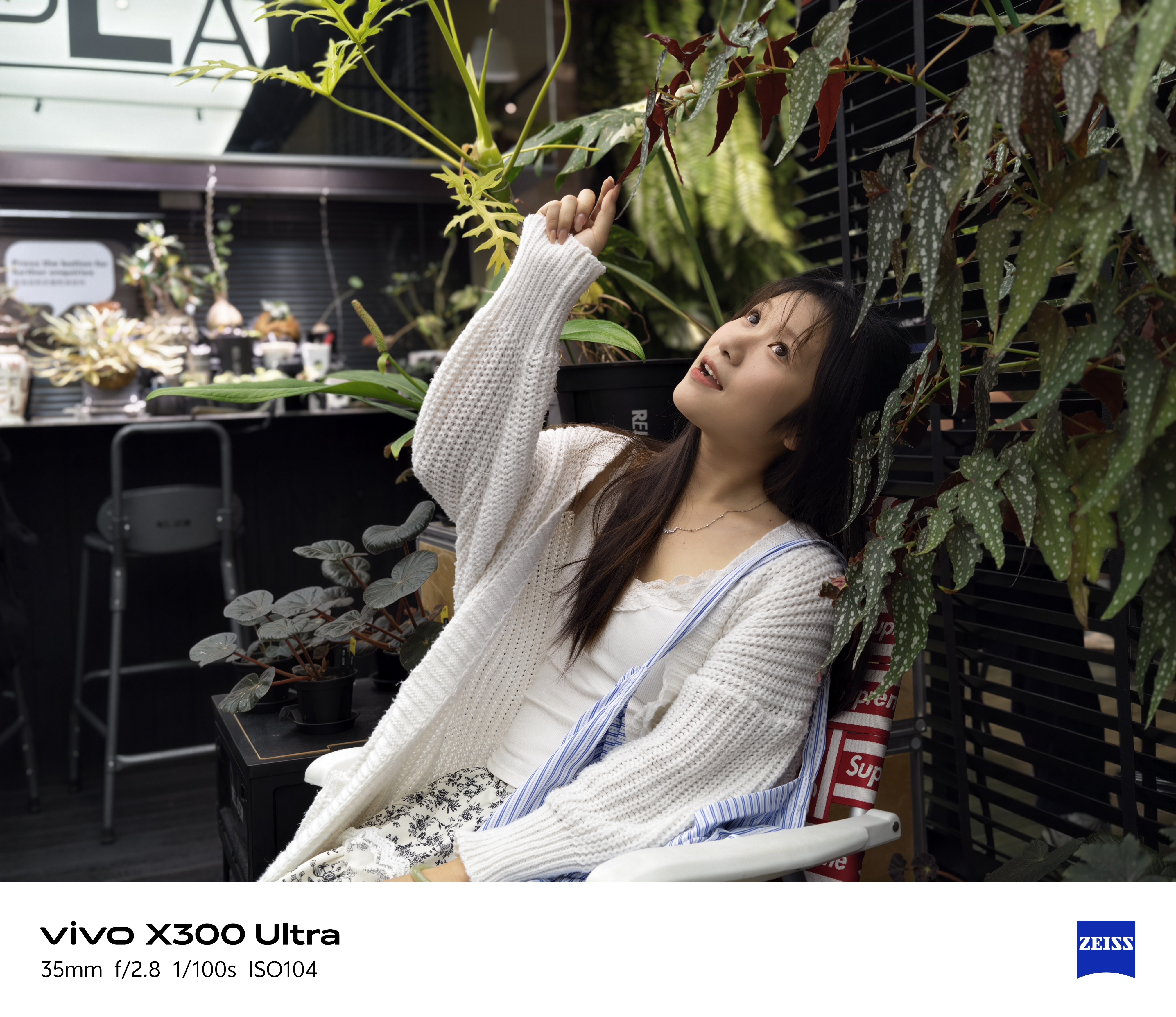
(Image source: Photographed by Leitech)
So, this isn't about which one is better—it's about which photography habits align more closely with your style.
Finally, a brief word on the screens and battery life of these three devices, as these directly impact the photography and editing experience. All three feature top-tier AMOLED screens, but with some differences in specifications: OPPO offers 2K 144Hz on a 6.82-inch display; Xiaomi provides 2608×1200 at 120Hz on a 6.9-inch screen; and Vivo matches OPPO with 2K 144Hz on a 6.82-inch display. On paper, OPPO and Vivo have a slight edge, but the real-world difference isn't that significant. However, if you're accustomed to detailed photo editing on your phone, OPPO and Vivo's 2K screens do reveal more details.
In terms of battery life, all three are equipped with large batteries: Xiaomi has 6800mAh, OPPO has 7050mAh, and Vivo has 6600mAh. After a full day of intensive shooting, all three can hold up, with OPPO having the most comfortable battery reserve. Charging speeds are comparable in daily use, all in the hundred-watt range.
Summary: Vastly different approaches, hard to declare a clear winner
Let's circle back to the initial query: Among the Xiaomi 17 Ultra Leica Edition, OPPO Find X9 Ultra, and vivo X300 Ultra, which one will emerge as the imaging champion of 2026?
Xiaomi 17 Ultra Leica Edition:
Pros: Boasts a distinctive Leica color palette; offers an exceptional tactile experience with its master zoom ring; enables flexible composition through its 3.2-4.3x continuous zoom capability; captures night scenes with a captivating ambiance; features unparalleled physical controls in professional mode.
Cons: Exhibits weaker sharpness at the edges; delivers underwhelming performance in ultra-wide shots; provides only average image quality in ultra-telephoto scenarios.
OPPO Find X9 Ultra:
Pros: Revolutionizes imaging with its 10x optical zoom; the Danxia color reproduction lens ensures the most accurate color rendition; excels in highlight control during night scenes; offers the greatest potential for video color and post-processing; boasts a significant advantage with its large ultra-wide sensor; provides a rich array of Hasselblad Master mode film presets.
Cons: The main camera's style is somewhat plain and lacks a distinct "character"; the design is slightly bulky.
vivo X300 Ultra:
Pros: Delivers the strongest texture and detail in its 35mm main camera; achieves the best edge sharpness with Zeiss T* coating; features the most stable three-lens OIS stabilization; offers the lightest and most ergonomic design; provides an interaction in its humanities street photography mode that closely mimics camera logic.
Cons: Provides only average performance in ultra-telephoto shots; exhibits overly noticeable night scene algorithms; suffers from unstable video white balance.
After in-depth evaluation, it's challenging to declare a clear winner that outperforms the other two comprehensively. They are more akin to top contenders excelling in different domains: Xiaomi adheres to the Leica control and tonal philosophy, OPPO pursues extreme telephoto capabilities and color accuracy, while vivo focuses on humanities documentary and stabilization.
However, if forced to choose one as the primary photography device, I would opt for the OPPO Find X9 Ultra. Not because of any single standout feature, but because it excels across the board: accurate main camera colors, strong telephoto capabilities, excellent highlight control in night scenes, superior video colors, an adequate ultra-wide large sensor, and even slightly better battery performance compared to the other two.
It comes closest to being a "hexagonal warrior" among the three. The only drawback is that its photo style lacks a bit of "character," which might disappoint users seeking a strong sense of individuality.
Of course, if you're fond of Leica's dark tones or are drawn to the 35mm humanities perspective, Xiaomi and vivo remain excellent choices. Especially Xiaomi's master zoom ring—once you start using it, it can become quite addictive. And if you primarily shoot within the 85mm range, vivo's image quality and focusing experience are top-notch.
In 2026, smartphone imaging has reached a stage where there's no absolute winner—and that in itself represents the greatest progress.
Imaging flagships: Xiaomi, vivo, OPPO, smartphone imaging
Source: Leitech
Images in this article are sourced from the 123RF licensed library. Source: Leitech
-
![]()
July "MIIT Auto Show" Unveils Major News: BYD Shark Pickup Makes Debut, Xiaomi Pengcheng Releases Official Images
-
![]()
Who is the Imaging King Among 26-Year-Olds? A Head-to-Head Comparison of MiOV's Top Three Ultra Flagships: The Results Will Astound You
-
Hot Topic | Photonics-Based Technology Teams Up with Dongfang Tiansuan to Engineer Optical Computing for Space Applications
-
![]()
Li Bin Claims, 'Denying the Pure EV Trend is Like Ostrichism.' What's Li Xiang's Take?
-
Lenovo: Liu Jun Turns Left, Yang Yuanqing Turns Right
-
Lenovo: Liu Jun Goes Left, Yang Yuanqing Goes Right
-
![]()
MiniMax Shares Unlock: Cornerstone Shareholders Show Long-Term Optimism, Yet Stock Plummets Nearly 30% in Two Days; Zhipu Also Sees Nearly 20% Drop Today
-
![]()
Single-Day Plunge of 40%: The 'First AGI Stock' Faces More Than Just Share Price Concerns