AI Investment: It’s Time to Change Tracks! When AI Resources Are Widespread, Profits No Longer Flow Only to AI Creators
 09/10 2026
 363
363
Who Will Be the Ultimate Winners in AI Investment?
When discussing AI investment, our mindset must evolve as rapidly as the technology itself.
Previously, the question on everyone’s mind was: “Is the AI revolution real?” The answer is unequivocally yes.
Now, the more pressing question is: Can significant investments in AI deliver proportional returns? Who will ultimately capture the economic benefits? That’s the real challenge.
Looking back at past technological revolutions—railways, electricity, automobiles, the internet, and now AI—they all follow a similar pattern: a disruptive technology emerges first, followed by the development of infrastructure that makes it accessible to the masses. It’s only when this infrastructure truly matures that the long-term winners begin to emerge.

Image Source: Generated by Doubao AI
The core logic of value migration in each cycle is the shift from scarcity to abundance.
This principle applies equally to AI: What happens when today’s scarce and expensive AI becomes a ubiquitous resource tomorrow? Who will be the ultimate beneficiaries?
This is the most critical question for AI investment.
Take the railway boom 200 years ago as a classic example: At the time, what was scarce was affordable and efficient transportation. Once the railway network was established, transportation became a plentiful resource.
Initially, the early dividends went to railway construction and operation companies. However, the long-term value quickly shifted to manufacturers, farmers, and retailers—who could now reach broader markets and reap the most enduring benefits.
Electricity and AI share even greater similarities; both are what economists call general-purpose technologies, capable of permeating every industry and reshaping fundamental operations. After electricity became widespread, the real winners were not power generators and grid companies but enterprises that restructured their operations to leverage electricity.
Merely replacing steam engines with large electric motors was not revolutionary. The true efficiency leap came from equipping each device with a small motor and redesigning factory processes around this new technology. Because the entire system had to be restructured, it took decades for electricity’s productivity benefits to be fully realized.
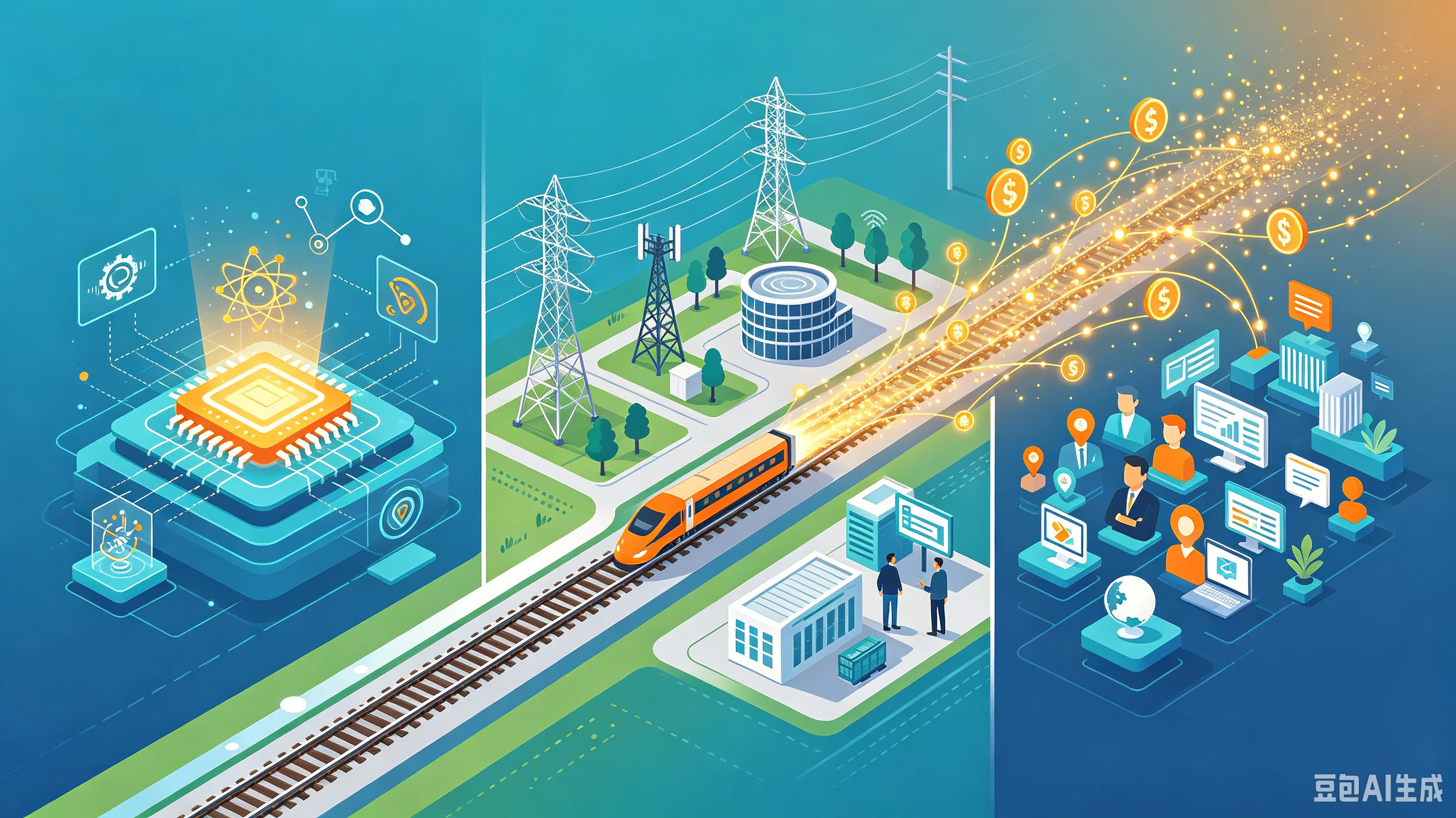
Image Source: Generated by Doubao AI
The same logic applies to AI.
Only when everyone uses tools like Claude and Perplexity and masters methods for transforming their businesses with AI will it truly have a disruptive impact.
At that point, chip manufacturers and data centers will still profit, but an increasing share of economic value will flow to enterprises and individuals leveraging affordable, abundant AI resources.
The story of the internal combustion engine best illustrates the unpredictability of new technology benefits.
The first wave of winners was obvious: automakers like Ford and General Motors, along with oil, tire, steel, and infrastructure companies.
But the widespread adoption of personal transportation fundamentally changed how people lived, consumed, and worked, spawning suburbs, the leisure travel industry, and ultimately the entire mass consumption economy.
Applied to AI, we should ask: What unimaginable new possibilities will emerge when everyone can use AI?
The internet revolution two to three decades ago followed the same pattern. Initially, everyone focused on infrastructure, assuming companies selling network equipment and bandwidth would profit handsomely. This missed the core value.
The investment mistake at the time was assuming that surging demand would only benefit infrastructure suppliers. Like past technological waves, once infrastructure became widespread, bandwidth, computing power, and network connectivity became affordable, shifting the economic opportunity center of gravity from technology suppliers to users.
Affordable networks spawned the first wave of winners, while mobile internet proliferation brought a second wave. Early players like Amazon kept pace, while second-wave companies like Google and Meta also rose successfully.
But many more winners were unforeseen early on: The internet’s inventors never imagined pizza delivery, yet Domino’s transformed into a digital ordering and logistics company, with pizza becoming secondary.
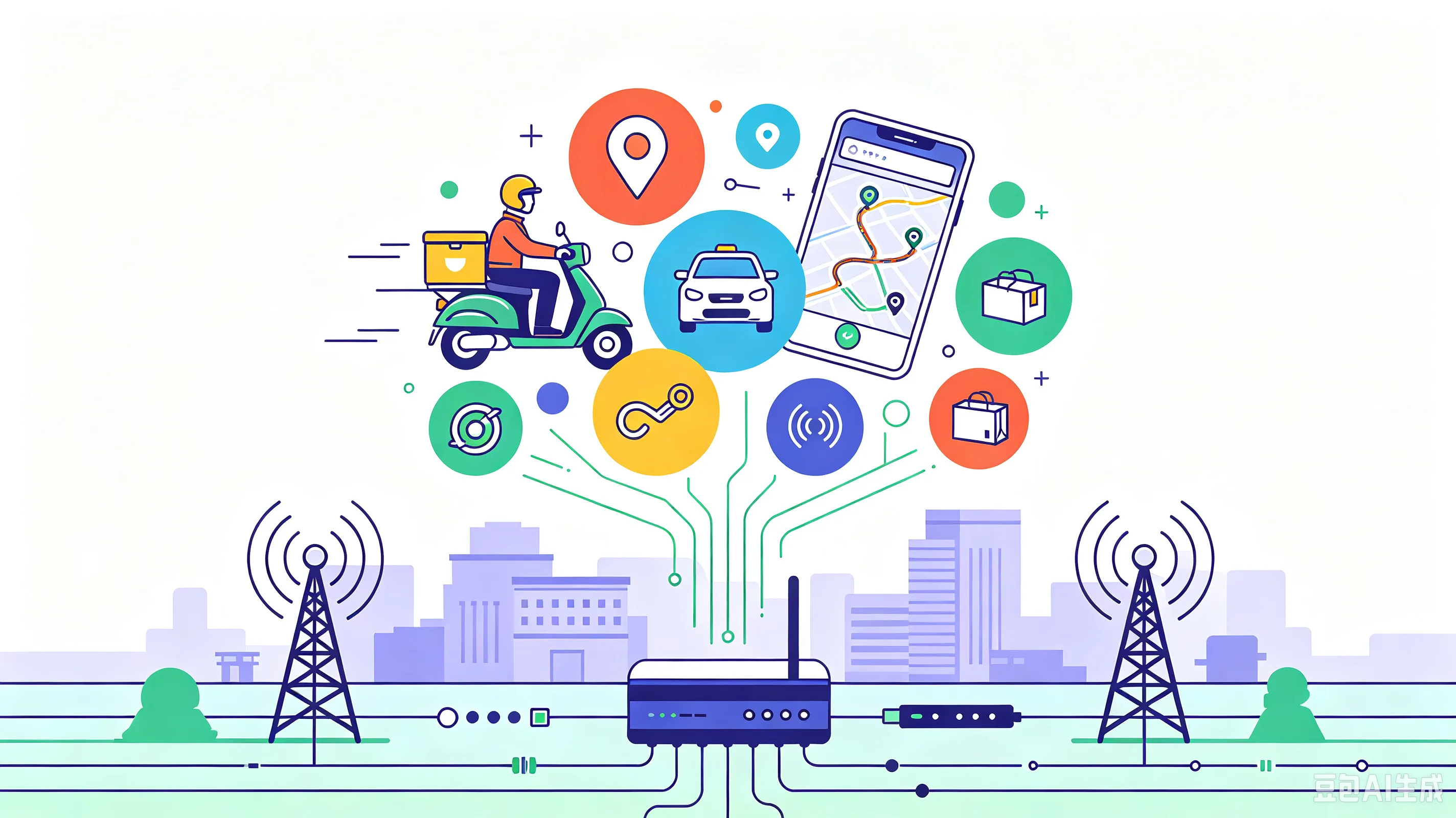
Image Source: Generated by Doubao AI
The closest analogy to AI is GPS. Once a scarce and expensive military technology, it’s now a nearly free basic feature in smartphones.
The biggest winners were not GPS device manufacturers but application companies like Uber, food delivery platforms, Google Maps, and fitness app Strava.
Once-scarce cutting-edge technologies eventually fade into the background as utilities. Replace location data with AI, and the logic of AI investment becomes clear: When AI itself becomes an abundant resource, where should the money go?
I divide the AI value chain into three layers: innovators, enablers, and users. Ordinary investors can gain exposure by buying corresponding thematic ETFs. For example, iShares offers three funds covering AI innovation, AI infrastructure, and AI application implementation.
These three funds are interesting: The further they are from hype-driven speculation and the closer they are to real companies using AI, the lower their entry valuations. Their price-to-earnings ratios are 52x, 44x, and 27x, respectively—the further downstream, the better the cost-effectiveness.
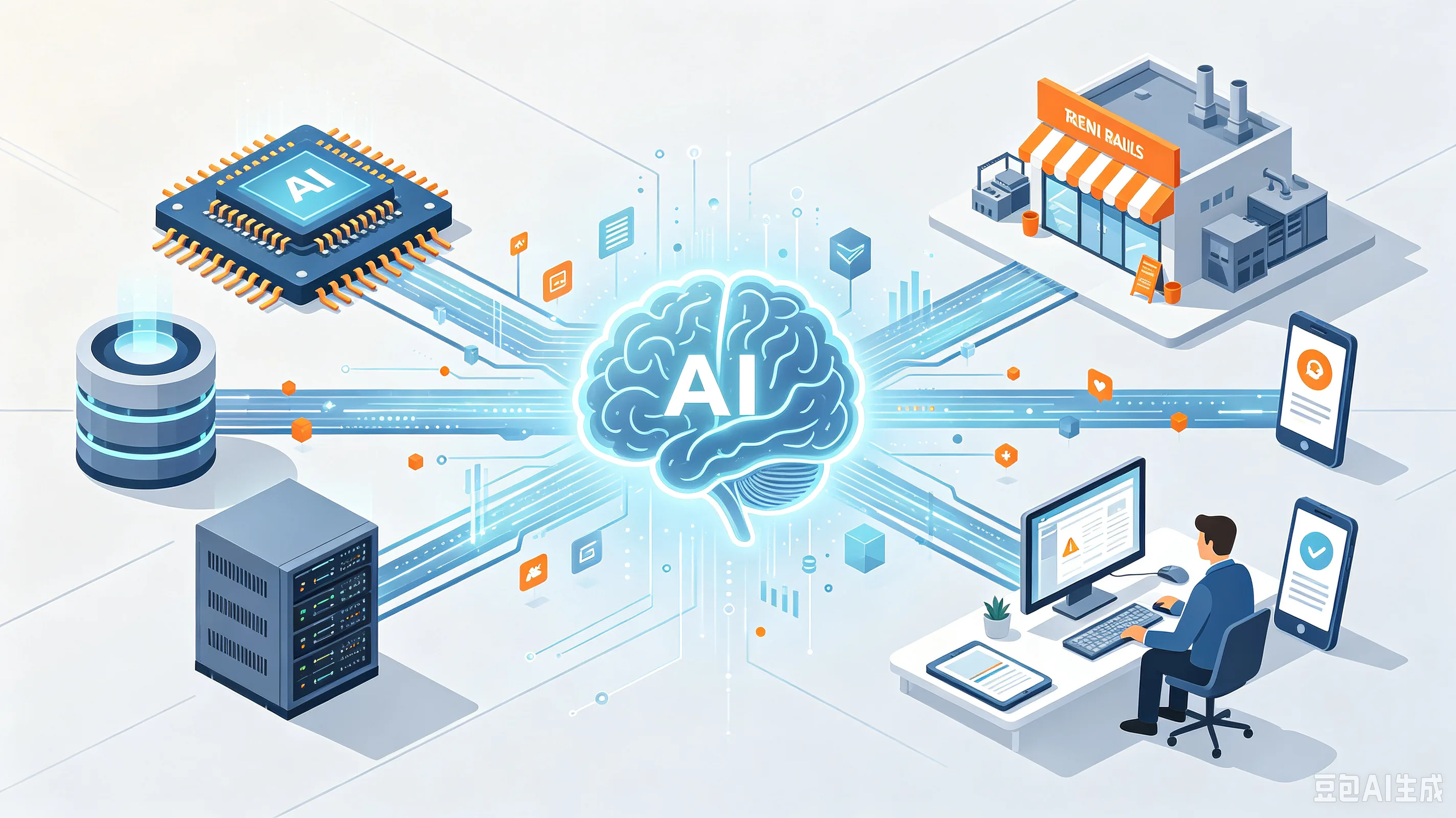
Image Source: Generated by Doubao AI
The biggest risk for today’s AI star companies isn’t AI failing but its opposite—that AI succeeds too well. They currently profit handsomely from AI’s scarcity, but when AI becomes affordable and commonplace, this scarcity benefit will vanish.
If I were to allocate an AI investment portfolio, I wouldn’t distribute positions evenly. The AI application side—with lower valuations and stronger vitality—would be my focus.
The ultimate winners in this sector will likely be companies that leverage abundant AI resources to bind scarce resources.
What remains scarce? Exclusive data, user-trusted brands, deep customer relationships, human judgment and interpretation abilities, and even physical assets—these are things AI cannot mass-produce or commoditize.
This article was compiled by Leikeji from The Telegraph
Original Link: How to Invest in Artificial Intelligence When AI Becomes an Abundant Resource
Source: Leikeji
Images in this article come from: 123RF Licensed Image Library Source: Leikeji
-
![]()
The Loss Conundrum and the High-End Wager: Xiang Xingchu Declares, 'JAC Embarks on Its Third Trailblazing Journey'
-
![]()
'Problematic Stock' Plummets for a Decade, Then Suddenly Surges to Limit Up for Two Straight Days! Is the Auto Sector Making a Resurgence?
-
Value and Cost: Validations from Anthropic and Zhipu
-
![]()
Eliminating Set-Top Boxes: A Panacea for the TV Industry’s Woes?
-
Who Defines 'AGI' Defines the Future
-
![]()
What Unfolded Following Tesla's Substantial Price Reduction?
-
![]()
4-Minute Surge: 10,000 Orders Secured for Xiaomi Pengcheng, Sparking Hot Search Trend. Lei Jun: Extended-Range Vehicles Hold Immense Promise
-
The Future Trajectory of AI Large Models