Still Burning the Midnight Oil After Work? Programmers' Worries Intensified by AI
 10/10 2026
 463
463
AI hasn't just transformed the nature of their work; it's also reshaped their mindset.
In 2024, software engineer Laura Horsh began incorporating AI into her workflow to assist with coding and tackle various tasks. Two years on, she finds herself in a love-hate relationship with the technology. "I've given it a shot for coding, but it's just not my cup of tea," she confessed.
At best, AI can offer some guidance or serve as a 'second set of eyes' for verification purposes. However, it falls short in truly grasping the context needed for effective assistance.
Image source: Generated by Doubao AI
A recent survey conducted by StackOverflow, a well-known Q&A platform for programmers, revealed that 60% of tech professionals are doing their utmost to steer clear of AI.
The survey, comprising 103 questions, gathered responses from 30,000 programmers across 169 countries. The findings were exclusively shared with CNN prior to their official release on Tuesday.
The programming field has long been at the forefront of the AI revolution, being one of the earliest adopters of this technology. Today, both tech giants and startups are increasingly turning to AI for coding tasks. Last year, 'software engineer' topped the list of jobs most vulnerable to being automated by AI.
The survey results echo Horsh's sentiments: while the user base continues to expand, there's a pervasive sense of uncertainty, with no clear consensus on how this technology will ultimately reshape their professions.
StackOverflow's data indicates that 65% of respondents utilize AI programming tools or agents.
Last year, Google surveyed 5,000 tech workers globally, with 90% reporting the use of AI at work, marking a 14-percentage-point increase from 2024.
However, this growth has been accompanied by a rise in dissatisfaction. Nearly one-third of respondents in the survey expressed unhappiness at work, up from 28.4% the previous year. Around 45% admitted to just 'going through the motions,' while only 22.3% felt genuinely 'fulfilled.'
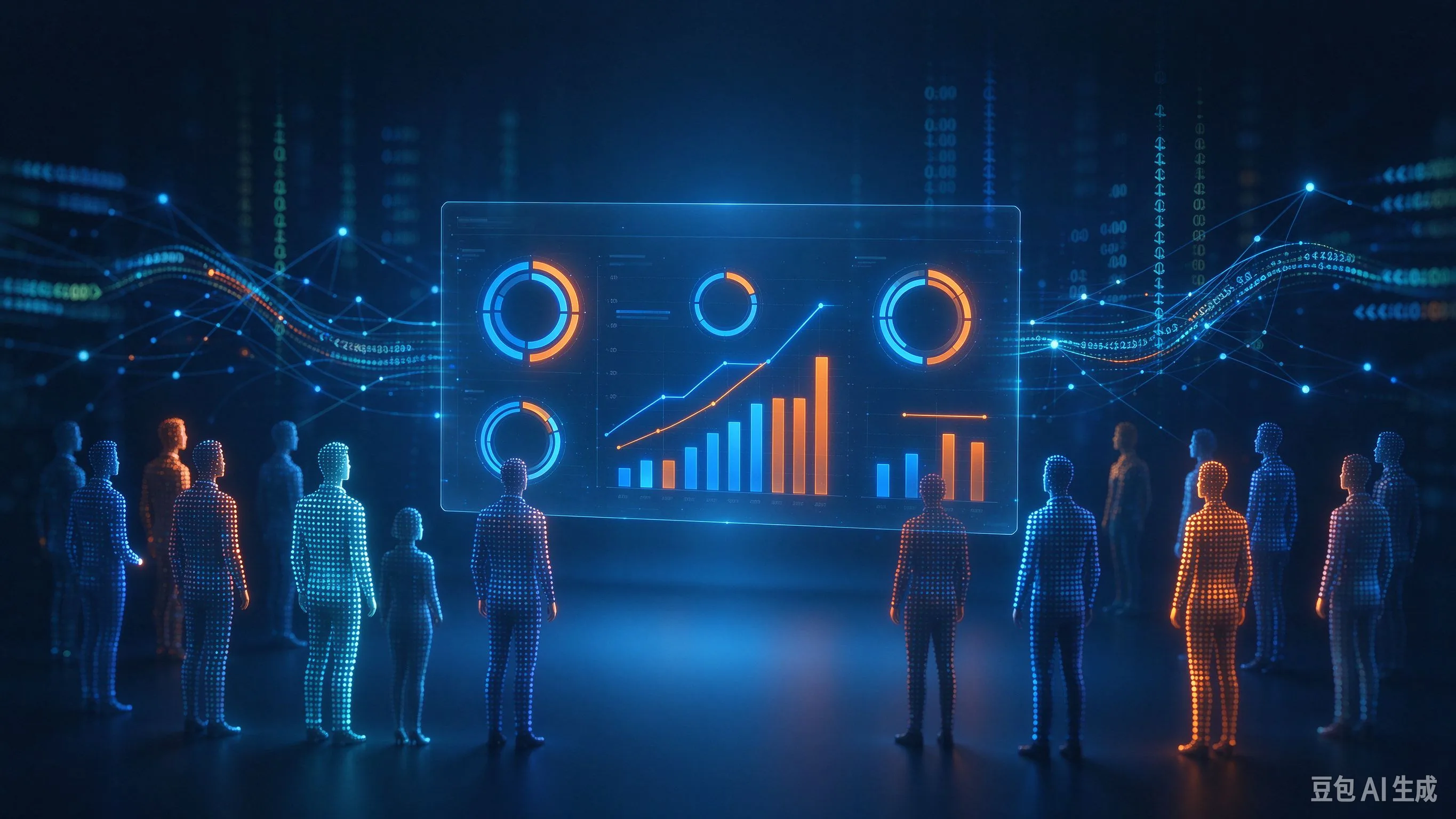
Image source: Generated by Doubao AI
The most frequently cited reasons for feeling unfulfilled or unhappy were fatigue, fierce competition, an uncertain economic climate, and limited advancement opportunities.
These concerns would persist even without AI, but Prashanth Chandrasekar, CEO of StackOverflow, noted that the rapid pace of AI advancement has heightened these anxieties.
Individuals are compelled to constantly update their skills with new tools, and the swift evolution of AI has intensified career-related stress, as no one can predict the extent to which their jobs will be automated.
Nevertheless, Chandrasekar also pointed out that programmers' worries extend beyond mere fear of being replaced by AI.
Seasoned programmers may feel that their hard-earned skills have suddenly become less valuable, while newcomers to the field may find themselves deemed inadequate by companies, as AI has raised the bar, expecting new hires to possess the skills of someone with three years' experience.
Nowadays, programmers must carve out time after work to learn new tools; otherwise, they risk falling behind.
Horsh said she is all too familiar with the pressure to 'keep up with AI.' She spends her after-work hours watching AI-related videos and reading official documentation, yet she still feels drained in her efforts to stay abreast. Everywhere she turns, people are urging her to 'learn this quickly! Get on that quickly! If you don't, you'll be left behind!' It's incredibly stressful, she lamented.
Like Horsh, Audrey Eschreiter, a programmer with two decades of experience, is not averse to embracing new technologies. The issue, she believes, is that AI lacks the depth of experience that seasoned programmers possess and fails to grasp the nuances of her company's specific needs.
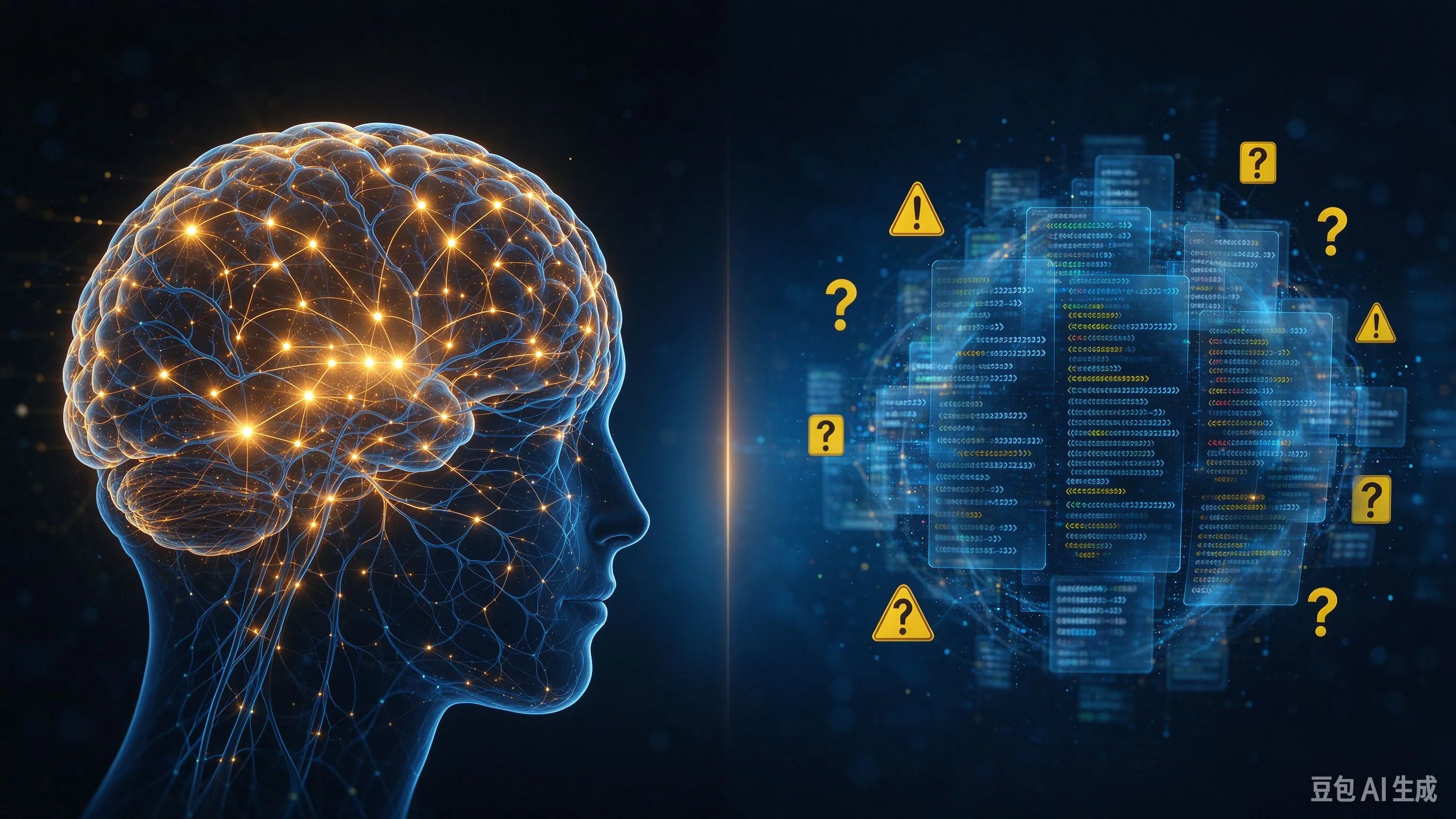
Image source: Generated by Doubao AI
Eschreiter argues that a more critical point is that if AI takes over all coding tasks, people will become disconnected from the system and lose understanding of how it functions. Moreover, coding is a means of problem-solving; the best way to comprehend a system's workings is to modify it oneself.
This perspective is also reflected in the survey data. While 74% of respondents believe AI is useful for assisting with coding and 72% find it helpful for debugging, only 34.4% think AI can be beneficial for more comprehensive tasks like communication and design.
Even fewer, just 6.6%, are willing to entrust important decisions to AI. Additionally, around 78% say they must verify the source and understand the logic behind AI-generated code before using it.
Chandrasekar explained that people are being cautious with AI because many companies have already transitioned from the 'trial' phase to 'real production environments,' where the cost of errors is high.
"I don't like the feeling of 'handing over the reins,'" Horsh said. "I prefer to figure things out on my own and maintain my curiosity. In this era, curiosity is more valuable than anything else."
This article was compiled by Leikeji from CNN.
Original link: These People Were Among the First to Have Their Jobs Transformed by AI, but Now People Are Starting to Avoid It.
Source: Leikeji.
Images in this article are from the 123RF licensed image library. Source: Leikeji.
-
![]()
Still Burning the Midnight Oil After Work? Programmers' Worries Intensified by AI
-
Gathering of Heavyweights Behind the Scenes at Disney: What Exactly is the Background of the World's Largest AI Film and Television Company?
-
Kuaishou’s ‘Kling’ Edges Closer to IPO, Eyeing Hong Kong Listing by 2027
-
Muse One Month After Launch: Personal Agents Have the New BAT Trio Hooked
-
![]()
BAIC New Energy: Double-Legged Progress, But How Far Can It March?
-
![]()
Case Amount Hits 201.085 Million Yuan! Optical Enterprise Faces Charges for Smuggling State-Prohibited Goods
-
![]()
Optical Giant Changes Leadership: Transition and Challenges During a Period of Performance Pressure
-
![]()
Better Not Expect Too Much from the Domestic Muse