Has ByteDance's AI Phone Been Reduced to a Mere Brick? The Mobile Internet Industry Unites Against Doubao Mobile Assistant!
 10/16 2026
 579
579
On October 14th, Beijing time, the 30-day public consultation period for Doubao Mobile Assistant's previously announced "Screen Automation Operation Statement Agreement" came to an end. The platform announced that, following the conclusion of this consultation phase, it would commence granting third-party apps the authorization for screen automation operations in a phased manner.
The Doubao AI phones that are involved include two models: the Nubia M153 and the Nubia Navix Ultra.
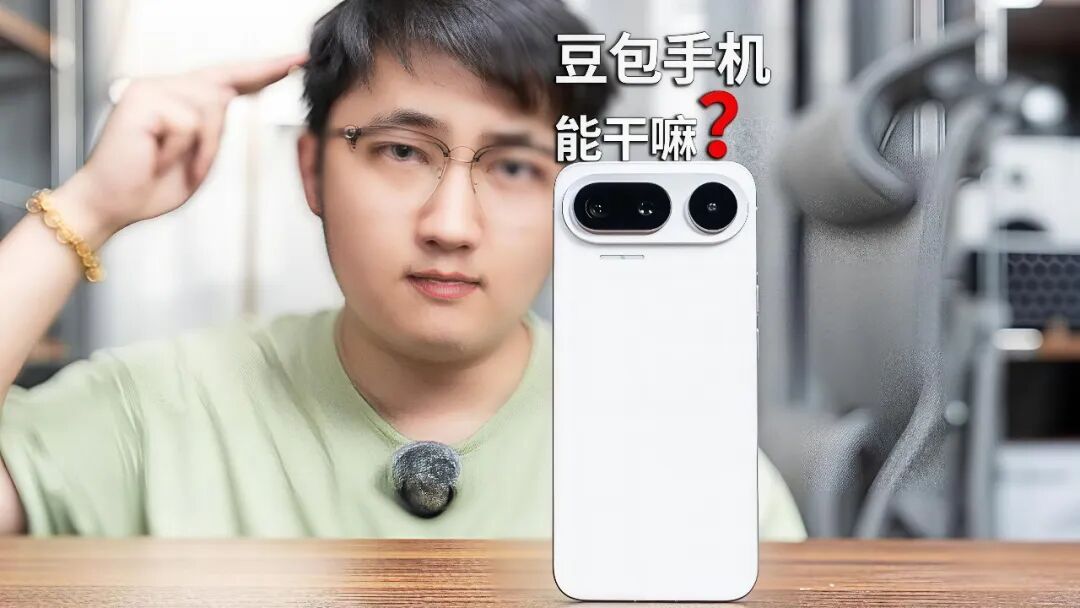
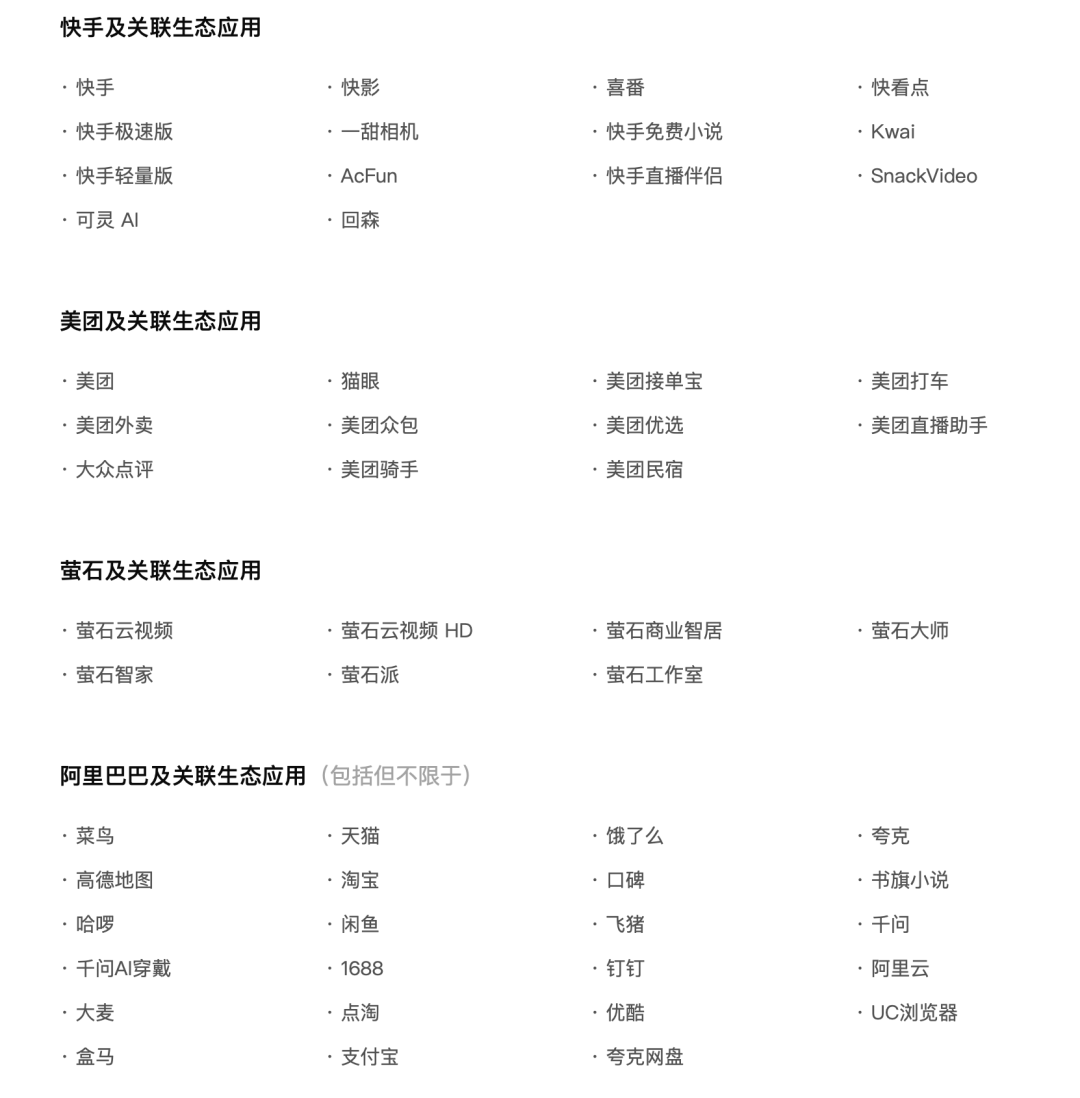
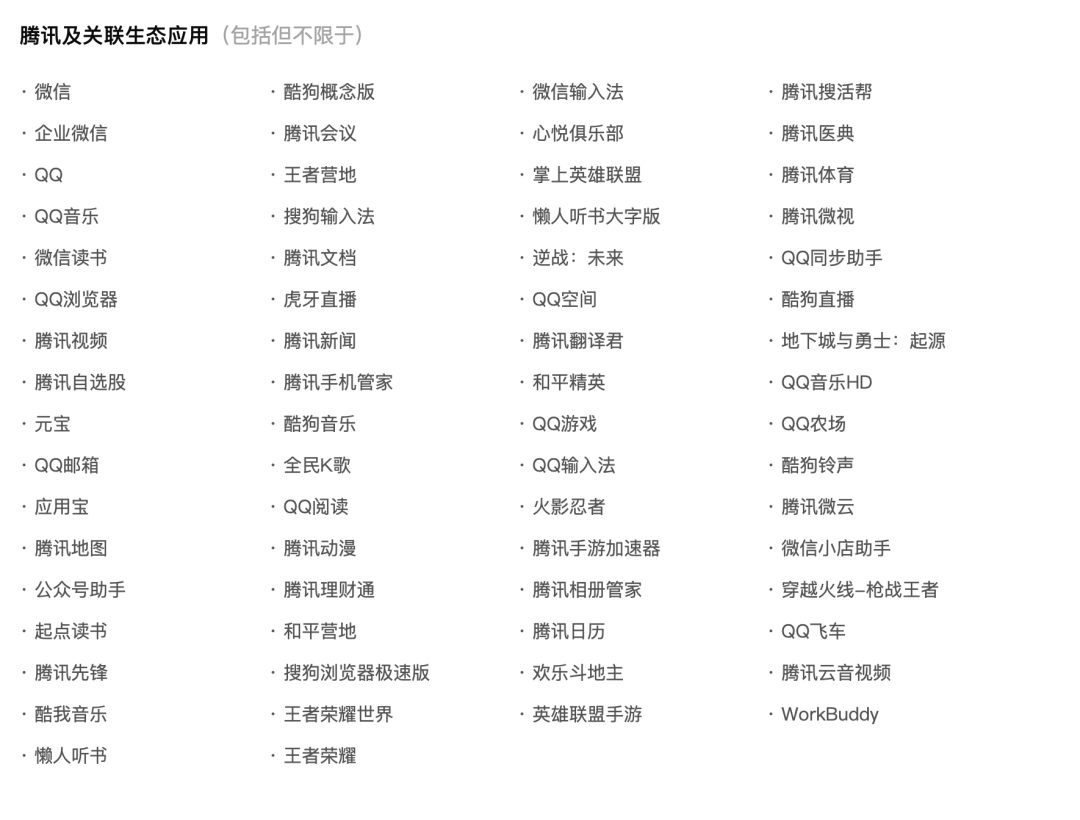
Simultaneously, Doubao Mobile Assistant has released an updated list of apps that have been denied operation permissions. Currently, the list encompasses 151 apps, though it is subject to fluctuations (with additions or deletions, and updates every Wednesday). Here is the latest compilation:
From the list above, it is evident that it predominantly comprises apps from Kuaishou and its affiliated ecosystem, Meituan and its associated ecosystem, EZVIZ and its related ecosystem, as well as Alibaba and its expansive ecosystem (including, but not limited to):
Tencent and its wide-ranging ecosystem apps (including, but not limited to):
In addition to apps from these major internet players, the list also encompasses commonly used daily apps, such as:
Apps from the three major telecom operators: China Telecom, China Mobile, and China Unicom;
Banking apps: Industrial and Commercial Bank of China (ICBC), ICBC Headquarters, ICBC Shenzhen Branch (Rong e Life), China Merchants Bank, Palm Life, ICBC Asia, Chongqing Rural Commercial Bank, etc. No updates have been received yet from the other four major banks: Bank of China, Agricultural Bank of China, and China Construction Bank;
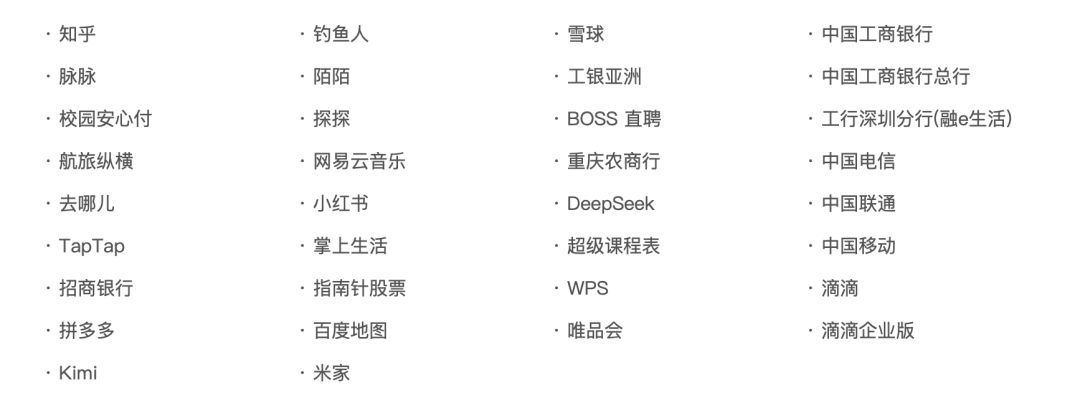
Travel apps: Didi, Didi Enterprise Edition, Qunar, TravelSky, etc.;
E-commerce shopping apps: Pinduoduo, Vipshop, etc.;
Content apps: Zhihu, Xiaohongshu;
Large model apps: DeepSeek, Kimi, etc.;
Social apps: Momo, Tantan, etc.;
Job-hunting apps: Maimai, BOSS Zhipin;
Financial apps: Xueqiu, etc.;
Xiaomi-related apps: Mi Home;
Almost all commonly used mobile apps, excluding those affiliated with ByteDance, have refused to grant Doubao Mobile Assistant permission for screen automation operations. This effectively renders the two Doubao AI phone models as specialized devices for Toutiao, diminishing their utility to a mere brick-like state.
Previously, a prevailing investment rationale in the Hong Kong stock market was that ByteDance was challenging the entire Hang Seng Tech Index. This was based on the observation that ByteDance-affiliated apps were capturing user time from other Chinese internet companies (primarily Tencent), boasting a significantly dominant market share.
Furthermore, ByteDance is also venturing into e-commerce, local services, hotels, and other sectors, directly competing with internet giants such as Alibaba, Meituan, and Pinduoduo for customers.
It can be said that ByteDance's ambitious challenge to the entire internet industry is no exaggeration!
Now, it is only logical that these companies are rejecting Doubao Mobile Assistant.
It is also anticipated that the entire mobile internet industry will continue to reject Doubao Mobile Assistant.
After all, if these mobile internet companies were to grant Doubao Mobile Assistant permission for screen automation operations on their apps, their competitive advantages, user privacy, and business models could potentially vanish overnight, leaving them without a foundation for survival.
AI's attempt to dismantle this barrier is tantamount to threatening the very existence of these companies.
In the past, the isolationist walls between apps and services of internet giants greatly inconvenienced users, forcing them to choose sides and fostering monopolies. Eventually, antitrust policies dismantled these barriers for internet giants.
However, the barrier that AI is now attempting to dismantle could potentially pave the way for new monopolies. From this perspective, it seems like a dilemma with no easy solution!
-
![]()
Thousand-Kilometer Range BMW i3, Ioniq V Priced Under RMB 100,000: Chinese Automakers Must Guard Against Joint Venture Encroachment in Global Expansion
-
![]()
Competition Among Cities Enters the Second Half: The Outcome Lies Beneath the Surface
-
![]()
AI-Generated Comic Drama Concept Stocks Surge: Is ByteDance the Sole Profit-Maker?
-
iPhone 18 Pro Series Sees Price Reductions—Apple Can't Afford to Stay Idle During Double 11
-
![]()
A Whopping 550 Million Yuan Investment! Fanchuangwei’s High-Transparency Optical AR Lens Project Takes Root in Taizhou
-
![]()
Domestic Triumph in Glass Substrate Lithography! Optical Firm Lands Major Orders
-
![]()
AI-Powered Alternatives Offer Free Substitutes, Posing Threat to Adobe's 'All-in-One' Suite
-
![]()
McKinsey Report: AI Inference to Account for 60% of Computing Power by 2030