Seres Prioritizes Long-Term Growth Over Immediate Sales Boosts in Its 'Transition Period'
 09/10 2026
 362
362
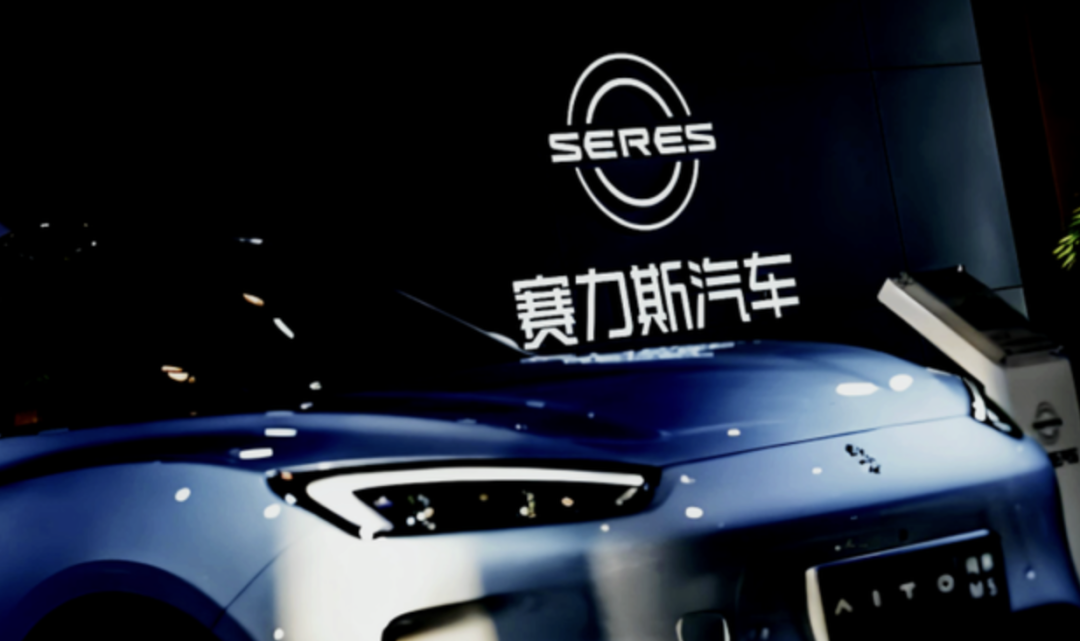
As an increasing number of automakers join Huawei's ecosystem, AITO's strategy of relying on a single hit model appears to be losing its effectiveness. This sentiment has been further reinforced following the decline in Seres' sales in August.
On September 2, Seres released its production and sales report for August 2026. The data revealed that the company sold 24,244 new energy vehicles that month, marking a year-on-year decrease of 43.96%. Among these, Seres automobiles (AITO series) sold 20,652 units, experiencing a sharp year-on-year decline of 49.68%, effectively halving their sales.
Once the sales data was made public, market interpretations quickly diverged. Some analysts believe that with ongoing product iterations and the alleviation of impairment pressures, Seres is showing signs of improvement and recovery. Others, however, point out that compared to the industry as a whole, Seres' market share remains insufficient both year-on-year and month-on-month, making it difficult to declare a reversal of the downturn.
Meanwhile, a core question lingers in the market: As Huawei expands its partnerships and moves towards a certain degree of 'de-exclusivity' in its Harmony Intelligent Driving ecosystem, Seres' unique selling proposition is being diluted. When Huawei is no longer an exclusive competitive advantage, can Seres achieve sustainable development in the future?
Of course, evaluating a company's prospects cannot rely solely on short-term, snapshot data. While Seres' August sales figures are indeed concerning, what truly determines its future direction are the strategic actions and operational adjustments it is currently undertaking.
1. M9 Elevates Brand Prestige, M7 Awaits Its 'Second Act'
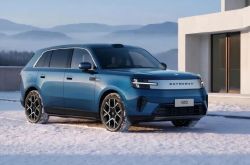
To understand the reasons behind the sales decline, let's first examine the sales structure for August. The AITO M9 sold 10,098 units in a single month, securing the championship in the 500,000-yuan luxury SUV market for the second consecutive month. The all-new M9 delivered over 30,000 units in just 12 weeks. A large SUV with an average price of 600,000 yuan maintaining monthly sales of over 10,000 units indicates that the perception of a high-end Chinese brand has begun to take shape. The AITO M6 sold 7,907 units in the same month. Launched in March, this new model surpassed 30,000 cumulative deliveries in just 54 days and 40,000 in 97 days, firmly establishing itself in the 200,000-300,000 yuan price range.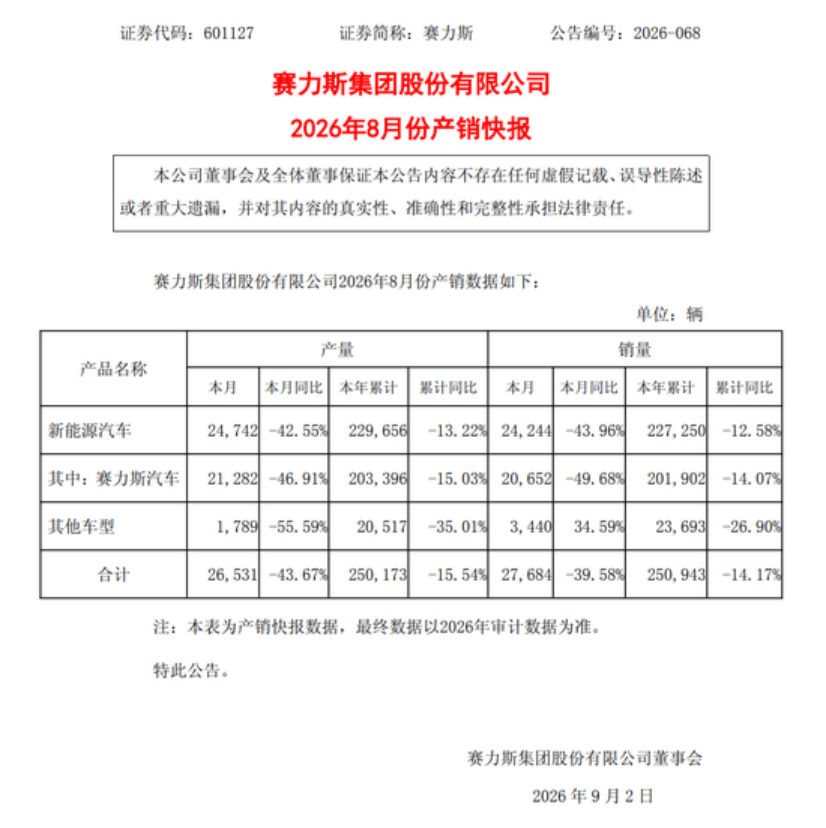
Currently, the M9 and M6 form a clear strategic division within AITO:
The M9 elevates the brand upwards, while the M6 expands its scale downwards. The M9 establishes technological barriers and brand momentum—with an average price of 600,000 yuan and nearly 10,000 monthly sales, it proves that Chinese high-end SUVs can compete in markets traditionally dominated by BBA (BMW, Benz, Audi). The M6 brings core capabilities like advanced intelligent driving and smart chassis into a broader mainstream market, transitioning from a 'technological showcase' to 'technological accessibility.'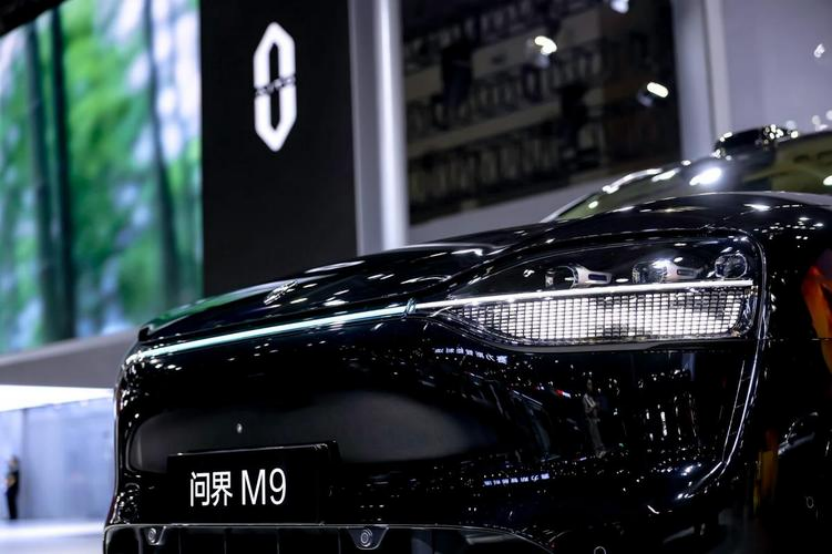
Together, they form a complementary product portfolio covering a vast price range from 200,000 to 600,000 yuan. More importantly, this combination transforms Seres' previous fragile growth structure, which relied on a single blockbuster model. The M9 safeguards the brand's baseline and profitability, while the M6 contributes scale and market coverage, with both engines mutually supporting and buffering each other.
The simultaneous advancement of the M9 and M6 addresses the market's core concern about Seres: In the context of Huawei's 'de-exclusivity,' will Seres' competitiveness be diluted?
The answer is clear: Seres is transitioning from 'relying solely on Huawei's exclusive empowerment' to 'establishing its own product matrix and brand momentum.' The M9 demonstrates Seres' ability to create a 600,000-yuan luxury product recognized by the market; the M6 showcases its capacity to extend core technologies into mainstream price segments and rapidly scale up. These two models are not mere replications of Huawei's technology but precise responses to the needs of different price segments and consumer groups under Seres' 'software-defined vehicle' strategy.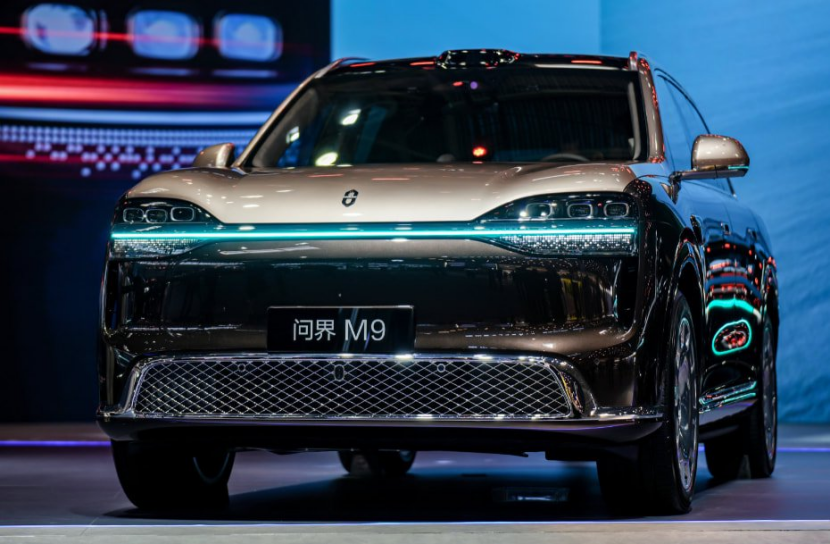
From a product lifecycle perspective, Seres is at the starting point of a strong cycle marked by the transition between old and new models. The 'volume + flagship' dual-engine structure formed by the M6's rapid scaling and the M9's high-end breakthrough is the most critical basis for judging Seres' sustained operational improvement—not relying on a single blockbuster model but on a sustainable product portfolio to drive long-term brand growth.
Meanwhile, Seres' strategy for the first half of the year has been clear: shifting from 'launching new models' to 'launching successful models,' enhancing the sustained operational capabilities of key products. The AITO M5, M6, M7, M8, and M9 now cover the 200,000-600,000 yuan price range. The company's core task is no longer to accumulate model quantities but to deepen and refine existing products.
In the short term, the dual pillars of the M9 and M6 will continue to stabilize the situation. High-value models like the M9 Extended Edition are accelerating deliveries, while the M6 is still in its sales ramp-up phase. From the fourth quarter of this year to the first quarter of next year, with the arrival of the new M8 and M7, AITO's sales performance is expected to undergo a round of recovery.
2. Recovery Takes Time, and Seres Is Streamlining
The sharp sales decline in August was not an isolated event. The interim report released on August 19 had already signaled trouble: In the first half of 2026, Seres' revenue was 57.493 billion yuan, a year-on-year decrease of 7.87%. Net profit attributable to shareholders was a loss of 1.717 billion yuan, compared to a profit of 2.941 billion yuan in the same period last year.
For comparison, in 2025, Seres achieved a record-high revenue of 165.05 billion yuan and a net profit attributable to shareholders of 5.96 billion yuan, maintaining profitability for two consecutive years. From the fourth quarter of 2025 to the second quarter of 2026, the operational decline has gone through a complete cycle.
The reasons for the loss in the first half of this year are primarily threefold:
First, key models were in a transitional phase of product iteration. In Q2, AITO brand sales were 91,000 units, a year-on-year decrease of 15.5%. The M6 rapidly scaled up, accounting for 42.7% of AITO's sales, but the M9 was in a transitional phase in Q2, with deliveries only recovering in June alongside the new model.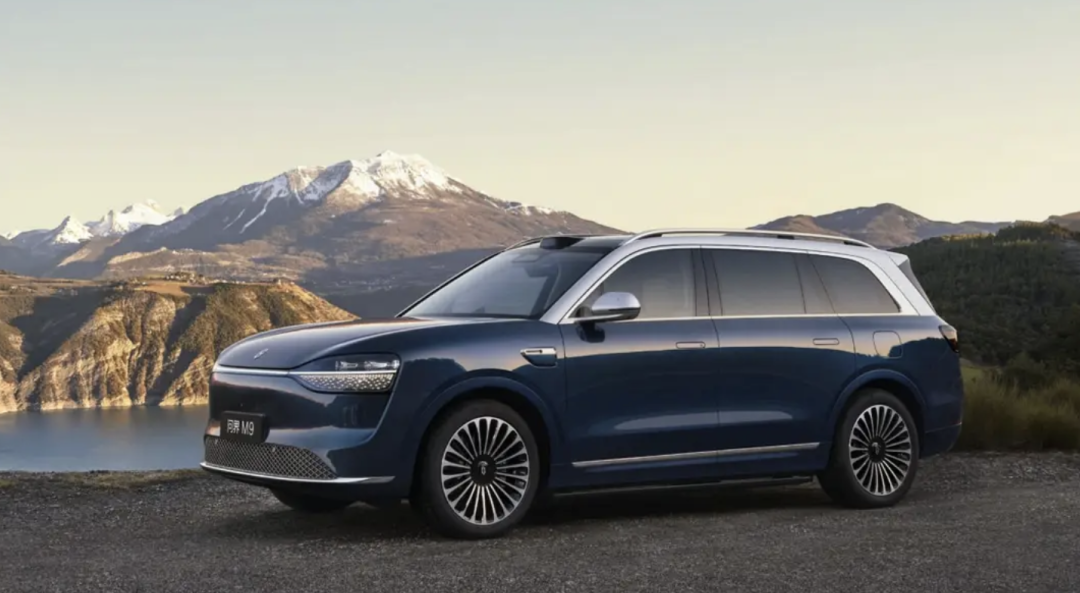
Second, upstream raw material costs surged. The average price of battery-grade lithium carbonate increased by 132.2% year-on-year, while structural shortages of automotive-grade chips drove up prices, directly raising vehicle production costs.
Third, significant one-time asset impairments. The company recorded a total of 1.82 billion yuan in asset impairments in the first half, including 1.57 billion yuan in intangible asset impairments, primarily due to accelerated technological iteration in the smart electric vehicle industry, which reduced the recoverable value of certain existing technology assets. Impairments in Q2 amounted to approximately 1.77 billion yuan, a major contributor to the quarterly loss. However, this was a one-time, non-operational factor concentrated in the annual results and is not expected to recur.
The market generally interprets the 1.82 billion yuan impairment provision as 'clearing the decks'—once these one-time risks are eliminated, financial reports will no longer be burdened by historical baggage. However, clearing the decks does not mean an immediate operational reversal.
Recovery is multidimensional and extends far beyond financial report numbers returning to positive. It also includes rebuilding brand value, restoring channel confidence, and recalibrating user perceptions. In 2025, AITO's average transaction price was 391,000 yuan, generating approximately 164.2 billion yuan in revenue for Seres, accounting for over 90% of total revenue. Once brand value is damaged, rebuilding it takes time. Based on industry experience, such a systemic recovery typically requires 1-2 quarters for a brand to complete the entire process from adjustment to restructuring and revival.
Considering the following dimensions, Seres is worth our patience.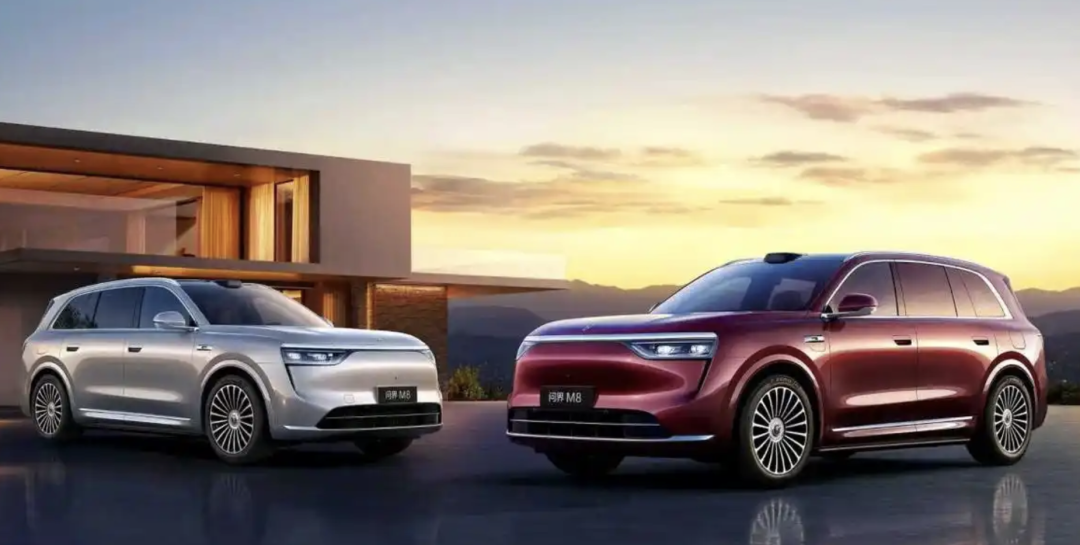
Brand dimension—In 2024, AITO accounted for approximately 87% of Harmony Intelligent Driving's ecosystem. By 2025, this share had declined to 72%, and in the first quarter of 2026, it fell below 70%. With Huawei's growing number of partners and an expected 80 models equipped with Qiankun Intelligent Driving, Seres' uniqueness continues to diminish. Rebuilding brand value will not happen overnight.
User dimension—AITO's user loyalty rate was 40.81% in 2025, but explosive sales growth only began in the second half of 2023. Assuming a five-year repurchase cycle, the first wave of repurchases from existing users is expected to emerge in the first quarter of next year. Accumulating brand equity takes time.
Capacity and scale dimension—Gross margin in the first half was 23.3%, a year-on-year decrease of 5.6 percentage points. Profitability improvement depends on the ramp-up of next-generation model deliveries, an increasing proportion of high-value model sales, and economies of scale reducing R&D and manufacturing costs. Both capacity expansion and scale effects take time to materialize.
The good news is that Seres has clarified its adjustment direction. The company's primary goal for the second half of 2026 is to stabilize operations and strive for a return to profitability. In February, Seres announced the divestiture of inventory (existing) assets related to the Bluemotion brand. Bluemotion sold just over 20,000 units in 2025, averaging less than 2,000 units per month. After divestiture, losses will no longer flow into the consolidated profit statement. Seres has shifted from a controlling stake to a minority stake, fully focusing resources on the AITO brand. R&D investment has increased countercyclically, exceeding 7 billion yuan in the first half. These are all foundational steps for a brighter future.
3. Seres' Future Is Written in Starbucks' Past
Today's Seres bears a striking resemblance to Starbucks in 2008 in terms of underlying logic. In 2008, Starbucks faced its darkest moment.
In the preceding years, under the leadership of two successive CEOs, Starbucks overexpanded, with excessive store openings diluting the consumer experience and eroding the brand's core identity as the 'third place.' In January 2008, founder Howard Schultz returned as CEO after eight years. His top priority was not launching more new products or accelerating store openings but contracting.
Schultz announced the closure of 600 U.S. stores, later adding another 300 closures. He laid off 12,000 employees, drastically cut new store plans, and simultaneously closed all 7,100 U.S. stores for three hours to retrain baristas and refocus on the brand's core essence. He even eliminated non-core businesses like breakfast offerings to refocus on coffee itself.
The results of this reform are now a business classic—Starbucks not only survived the crisis but entered a new phase of growth.
Like Starbucks, Seres is experiencing a post-overexpansion correction. Starbucks faced store proliferation issues, while Seres confronts collapsing sales of older models and disrupted new product rhythms after rapid product matrix expansion.
Both are engaging in strategic contraction. Starbucks closed stores, laid off employees, and cut businesses; Seres divested Bluemotion, focused on AITO, and reduced reliance on short-term new product launches.
Both are returning to their cores. Starbucks refocused on the 'third place' and coffee essence; Seres returned to its product mainline, deepening and refining the AITO business.
Both understand that recovery takes time. Starbucks' reform began in 2008, but true growth only resumed in 2010. Of course, all analogies have limits. The automotive industry is far more capital-intensive than coffee retail, and Seres faces far higher competitive intensity and technological iteration speeds than Starbucks did. However, the underlying logic of transformation remains the same: When a company grows too fast and spreads itself too thin, proactively contracting and returning to the core is often the shortest path to the next growth phase.
August's sales figures indeed look bleak—24,244 units, a year-on-year decline of 43.96%, with Seres automobiles nearly halving. However, judging the company solely based on these numbers risks misreading its true trajectory.
Seres is in a typical corporate recovery cycle: risks have been cleared, strategy is clear, and actions are being implemented. Every step, from product updates to brand rebuilding, financial recovery to channel restructuring, takes time. A 1-2 quarter recovery cycle may sound lengthy, but for a company that has reached great heights and now chooses to 'slow down' deliberately, this may be the necessary path to its next peak.
Understanding Starbucks' 2008 reform helps grasp Seres' current situation. Contraction is not decline; focus is not surrender. Sometimes, taking a step back enables taking two steps forward.
End
With Insights and Knowledge, 'Whoosh'—Let's Go!...
-
![]()
The Loss Conundrum and the High-End Wager: Xiang Xingchu Declares, 'JAC Embarks on Its Third Trailblazing Journey'
-
![]()
'Problematic Stock' Plummets for a Decade, Then Suddenly Surges to Limit Up for Two Straight Days! Is the Auto Sector Making a Resurgence?
-
Value and Cost: Validations from Anthropic and Zhipu
-
![]()
Eliminating Set-Top Boxes: A Panacea for the TV Industry’s Woes?
-
Who Defines 'AGI' Defines the Future
-
![]()
What Unfolded Following Tesla's Substantial Price Reduction?
-
![]()
4-Minute Surge: 10,000 Orders Secured for Xiaomi Pengcheng, Sparking Hot Search Trend. Lei Jun: Extended-Range Vehicles Hold Immense Promise
-
The Future Trajectory of AI Large Models