Final Decision Unveiled: The Importance of FAW and GAC Signing the Letter of Intent
 09/18 2026
 453
453
Core Highlights:
1. The Letter of Intent signifies a capital-level equity partnership between a central government-linked automotive enterprise (FAW Group) and a local state-owned automotive enterprise (GAC Group), rather than a merger or reorganization. There is no question of one entity taking over the other.
2. Upon the transaction's completion, FAW will emerge as the second-largest shareholder in GAC Group's listed entity, while the actual controller of GAC Group will remain the Guangzhou Municipal State-owned Assets Supervision and Administration Commission.
3. This capital-level equity partnership holds immense significance for FAW Group, GAC Group, and Toyota Motor, creating a win-win-win situation for all three parties involved.
4. The transaction is currently just a letter of intent and its outcome remains uncertain. Future developments will hinge on the formal agreement.
Capital-Level Equity Partnership, Not a Merger or Reorganization
On the evening of September 14, GAC Group, which is listed on both the domestic A-share market and the Hong Kong H-share market, announced an asset restructuring. The announcement revealed that Guangzhou Automobile Group Co., Ltd. (abbreviated as "GAC Group") and China FAW Co., Ltd. (abbreviated as "FAW Co.", the core vehicle asset platform of FAW Group) had signed a Letter of Intent that day. To foster the optimization and integration of industrial resources between local state-owned enterprises and central enterprises and to enhance the operational efficiency of listed companies, GAC Group plans to acquire a portion of the equity in a vehicle joint venture held by FAW Co. through the issuance of shares and raise supporting funds.
Following the announcement, various interpretations surfaced. In reality, the Letter of Intent signed by both parties does not entail any changes in organizational structure or subordination. Instead, it primarily focuses on capital-level equity partnership and promotes collaboration in other areas through capital operations.
Post-transaction, the actual controller of GAC Group will remain the Guangzhou Municipal State-owned Assets Supervision and Administration Commission. FAW Co., a subsidiary of FAW Group, will become the second-largest shareholder in the listed GAC Group (A-share code: 601238, H-share code: 02238).
Three Major Implications of the Letter of Intent
The Letter of Intent signed by FAW and GAC carries significant practical implications in the following three areas:
1. It aligns with national policy directives aimed at centralizing, improving quality, and upgrading the automotive industry.
China's automotive industry has entered an era of inventory competition, characterized by being large but not strong, with issues of insufficient concentration, scattered resources, and waste being particularly pronounced.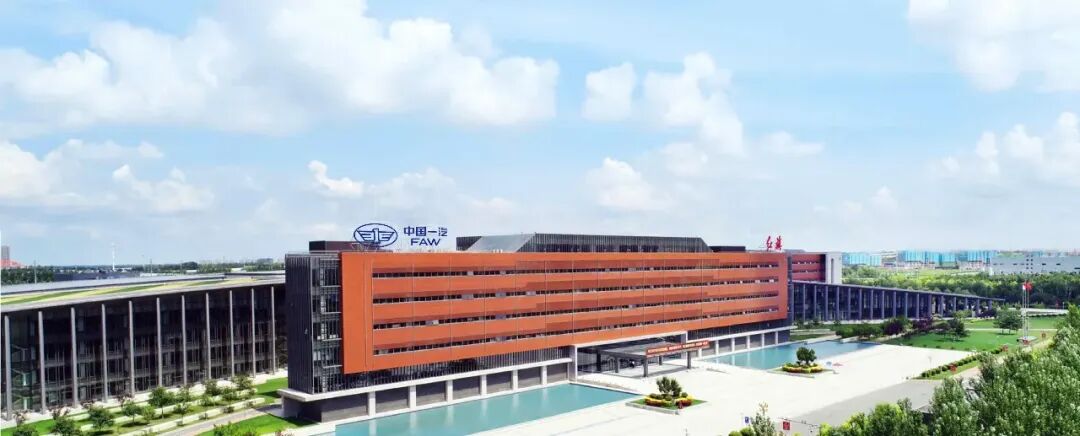
The "15th Five-Year Plan" for the Development of the Intelligent Connected New Energy Vehicle Industry, issued by nine departments including the Ministry of Industry and Information Technology, proposes optimizing the industrial organizational structure, promoting mergers, restructurings, and cross-regional resource integrations among automotive enterprises through market-oriented and legal means, fostering industrial agglomeration, optimizing production capacity structure, and consolidating industrial competitive advantages.
The Letter of Intent signed by FAW and GAC precisely aligns with these national policy directives.
2. It serves as a model for collaborative reform between central and local state-owned enterprises, deepening the reform of state-owned assets and enterprises.
This equity partnership represents the first attempt in the automotive sector between a central enterprise and a local state-owned enterprise, facilitating the optimization of the modern enterprise system with Chinese characteristics and the corporate governance structure of both FAW and GAC, and exploring new models for market-oriented integration of central and local state-owned assets.
Post-transaction, through resource interchange and complementary strengths, it will help strengthen, optimize, and expand state-owned capital, consolidate the core functions of state-owned enterprises, enhance their core competitiveness, and provide an example for deepening reform and coordinated development among central and local automotive state-owned enterprises.
3. It facilitates industrial synergy between the north and south, deepens collaborative integration across the entire industrial chain, enhances scale and strength, and promotes healthy enterprise development.
Post-transaction, FAW Group and GAC Group can aggregate high-quality resources and achieve scalable cost control through technology sharing, supply chain integration, shared channels and logistics, and complementary market strengths, thereby improving their ability to withstand market risks and core competitiveness, enhancing industrial concentration and overall comprehensive competitiveness, and creating a globally influential matrix of Chinese independent automotive brands.
A Win-Win-Win Situation for FAW, GAC, and Toyota
GAC Group stated in its announcement that it plans to acquire a portion of the equity in a vehicle joint venture held by FAW Co. through the issuance of shares and raise supporting funds.
The vehicle joint venture in question is widely believed in the industry to be FAW Toyota Motor Co., Ltd.
FAW has two joint venture vehicle enterprises: FAW Toyota and FAW-Volkswagen. GAC has GAC Toyota and GAC Honda. The only overlapping entity is FAW Toyota.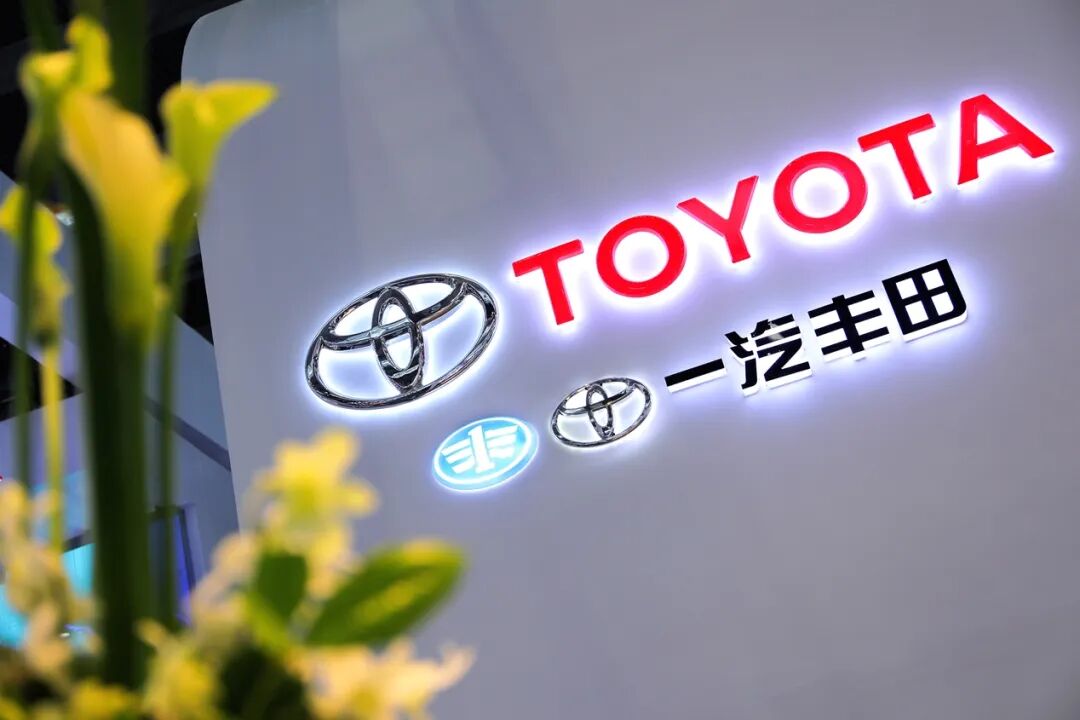
Post-transaction implementation, for GAC Group, it will simultaneously hold equity in both GAC Toyota and FAW Toyota, facilitating the integration of investment returns and internal coordination between the two Toyotas in the north and south.
As a central enterprise, FAW wields stronger influence in national-level projects, supply chain coordination, and major industrial policy areas, which can help GAC secure better conditions for technological investment, overseas projects, and cross-regional capacity allocation.
GAC boasts significant advantages in new energy research and development and product offerings in South China, as well as a successful layout in the overseas Southeast Asian market. FAW possesses a strong dealership network in the north, operational experience with the Hongqi premium brand, and the Jiefang commercial vehicle system. Both parties can penetrate each other's markets, reduce cross-regional expansion costs for new energy vehicle models, and GAC can also learn from Hongqi's experience in building a premium brand to assist its proprietary brands in breaking through to higher levels. The integration of the joint venture system reduces internal friction.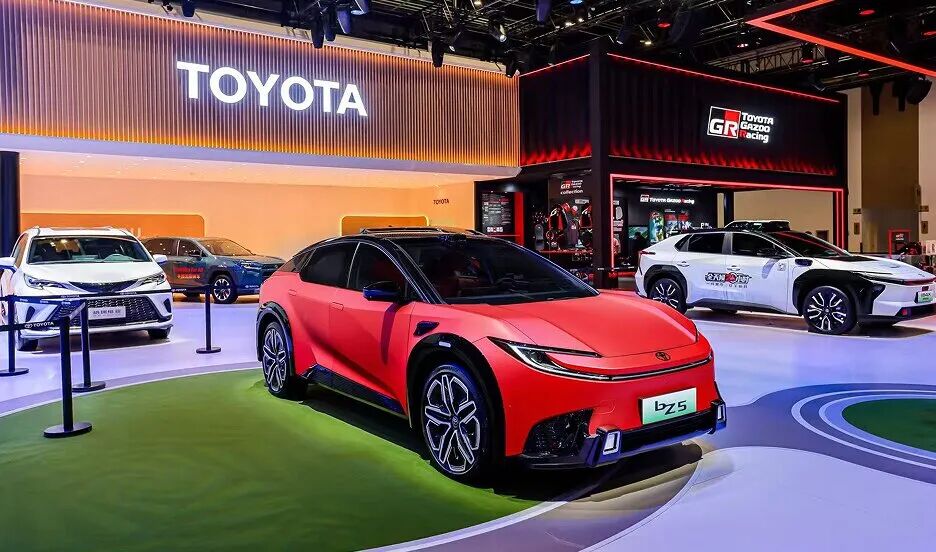
For Toyota, in the past, the two systems of North and South Toyota, with duplicate product lines, sales networks, and price wars, led to internal friction. Post-integration, North and South Toyota can collaborate in product development, channels, procurement, and brand promotion, reducing internal friction and enhancing the overall sales volume and efficiency of the joint ventures.
Currently, other multinational automotive companies with two joint venture vehicle enterprises in China include FAW-Volkswagen and SAIC Volkswagen, as well as Dongfeng Honda and GAC Honda, where the Chinese partners are also central and local state-owned enterprises. How they will be restructured next is also a complex issue. (End)
-
![]()
Final Decision Unveiled: The Importance of FAW and GAC Signing the Letter of Intent
-
![]()
The Latest Statement from the Godfather of AI: Don't Trust Industry Self-Regulation, It Will Be Too Late When You React
-
![]()
Perfect Model, Zero Business Impact - The Last Mile of AI Commercialization | FDE Industry Research Report
-
![]()
Is Liang Wenfeng Set to Become China’s Wealthiest Individual by Appointing a Post-90s CFO?
-
![]()
Stay Alert! Major AI Corporations Are Monopolizing Career Pathways—Universities Must Resist the Trend
-
Surge of Up to 109%! Weichai, the Engine Manufacturer, Reaps AI Dividends
-
Revealed: The Current State of Evergrande Auto—Accumulated Losses Hit 105.3 Billion, Yet There’s a Glimmer of Hope for a Comeback
-
![]()
Total Investment of 2.05 Billion Yuan! Shihua Technology's Optical Film Material Project Aims for Production Commencement