Automakers Band Together to Face Challenges: What’s on the Horizon?
 10/08 2026
 377
377
In November 2008, the U.S. automotive market witnessed an extraordinary event.
For the first time, the CEOs of Detroit’s Big Three—Ford, General Motors, and Chrysler—set aside their long-standing rivalries to pursue a common goal. Their level of collaboration even surpassed that during World War II, when they jointly undertook equipment production tasks. They requested $25 billion in emergency loans from the government. At that time, these companies were not just facing a routine sales slump; they were grappling with a near-freeze in automotive credit, a sharp decline in sales, and a supply chain teetering on the brink of collapse.

Despite being fierce competitors in the market, they adopted the same strategic approach for the first time. The collapse of any one of them could have a domino effect, dragging down the other two through suppliers, dealers, and employment chains.
This is undoubtedly a landmark case in the 140-year history of the automobile industry. A similar scenario is now frequently unfolding in China’s automotive market. As we enter the fourth quarter of 2026, we are likely to witness new historical milestones and numerous turning points.
Is the Era of Solo Ventures Coming to an End?
Internal integration and external cooperation have become the defining themes of the current automotive market.
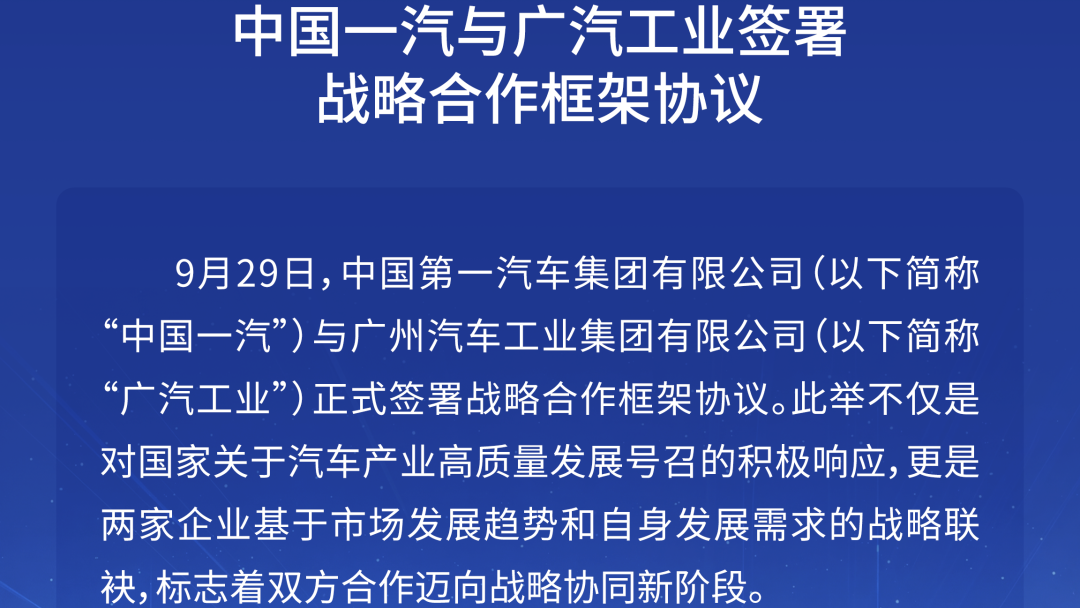
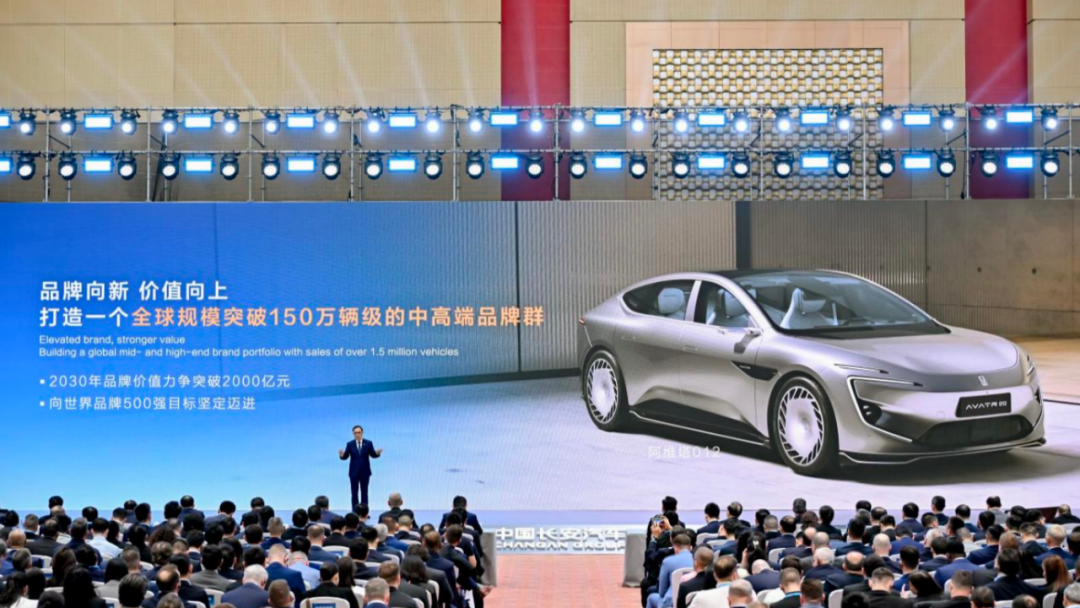
Rumors have circulated about the integration of “One Geely” with Dongfeng and Changan, followed by Changan Automobile’s official announcement of the impending integration of Shenlan and Avita. This was followed by a new round of collaborations between FAW and GAC, central and local state-owned enterprises. Now, there’s the “new joint venture” between NIO and Geely, along with a series of integration news between Toyota’s northern and southern operations.
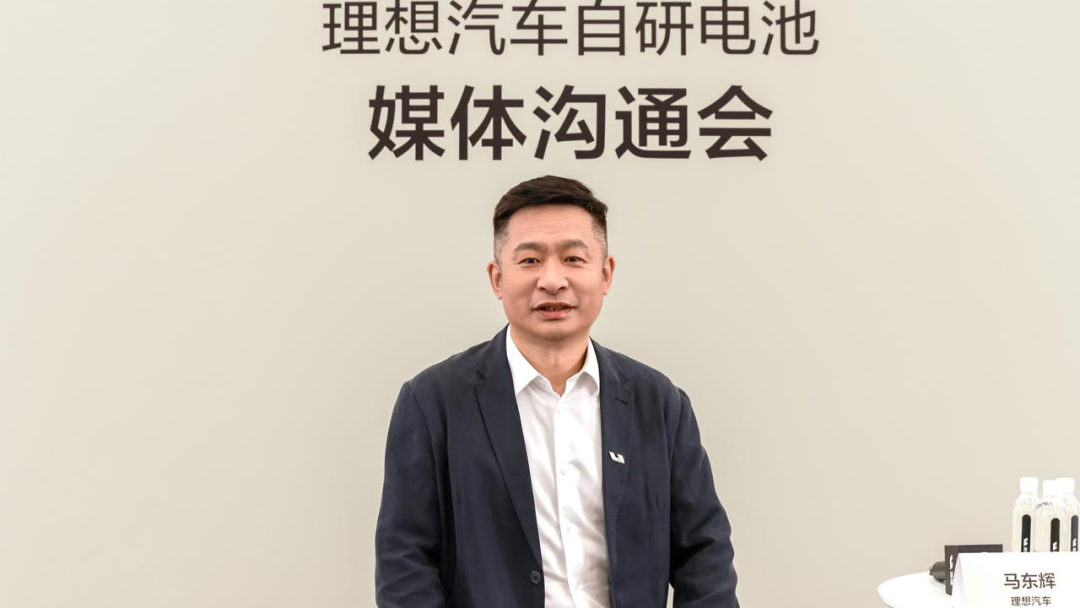
Beyond OEM collaborations, new partnership models are constantly emerging between automakers and suppliers. So far, among the leading new forces, except for NIO, other automakers are either experimenting with or shifting towards in-house research and production of power battery cells. Li Auto has invested 2.65 billion yuan to acquire a stake in Sunwoda and introduced a third supplier, CALB, adopting a model of in-house research with partner contract manufacturing. Xiaomi Pengcheng and CALB are advancing the development of Longjia batteries, while Leapmotor and CALB’s joint venture, Zhongling New Energy, will also focus on in-house research and production of cells. Meanwhile, He Xiaopeng stated in an interview after the Xpeng G9L launch event that Xpeng Motors has even started producing its own batteries this year.
As of now, in addition to the aforementioned news and official announcements, more developments are on the horizon.
In the first year of the 15th Five-Year Plan period, there is much news not to be missed. For instance, on September 9, 2026, nine ministries and commissions, including the Ministry of Industry and Information Technology, jointly issued the “15th Five-Year Plan for the Development of the Intelligent Connected New Energy Vehicle Industry,” with a key focus on “intensifying efforts to promote mergers, acquisitions, and cross-regional integrations of automotive enterprises in accordance with the law, and deepening reforms for group management of automobile production enterprises.”
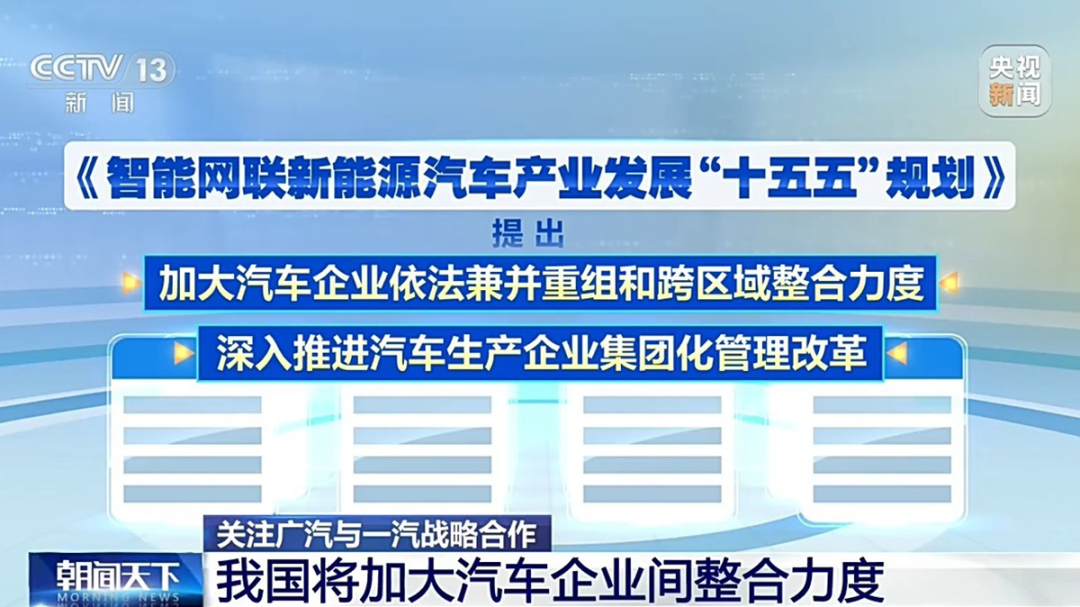
Furthermore, on September 11, the Ministry of Industry and Information Technology held a press conference, where relevant departments explicitly stated their active support for large enterprise groups to carry out reforms, promoting mergers and acquisitions among enterprises through market-oriented and legal means, and supporting leading enterprises to effectively integrate resources such as research and development and production to avoid homogeneous competition in product design and technological research and development.
Drawing on a series of the latest indicators, the new moves by automakers today appear, at least from their starting points, to be undeniably correct.
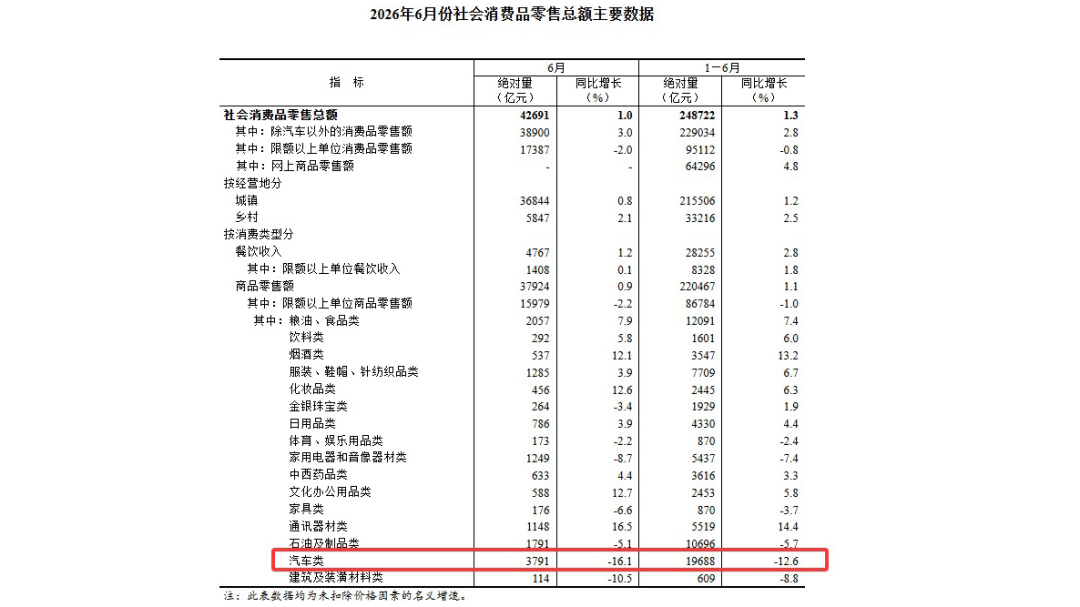
According to the latest data released by Cui Dongshu, the profit margin of the automotive industry from January to August 2026 was 3.6%, with revenue increasing by 2.9%, costs by 4%, and profits decreasing by 16%. Additionally, data released by the National Bureau of Statistics on July 15, 2026, showed that the total retail sales of automobiles in June experienced a year-on-year decline of 16.1% for the single month and 12.6% for the cumulative period from January to June, firmly ranking last.
From a sales perspective, retail sales of extended-range vehicles from January to August reached 606,000 units, a year-on-year decrease of 19.3%, closely approaching the nearly 30% year-on-year decline seen in fuel vehicles.
In the semi-annual financial reports of 16 listed automakers in 2026, 7 reported profits while 9 incurred losses. Only Leapmotor, JAC, NIO, and BAIC BluePark saw year-on-year increases in net profit.
In other words, at the current turning point in the automotive market with multiple transitions, the vast majority of automakers must choose to weather the latest cycle before discussing future development and stories of large-scale profitability.
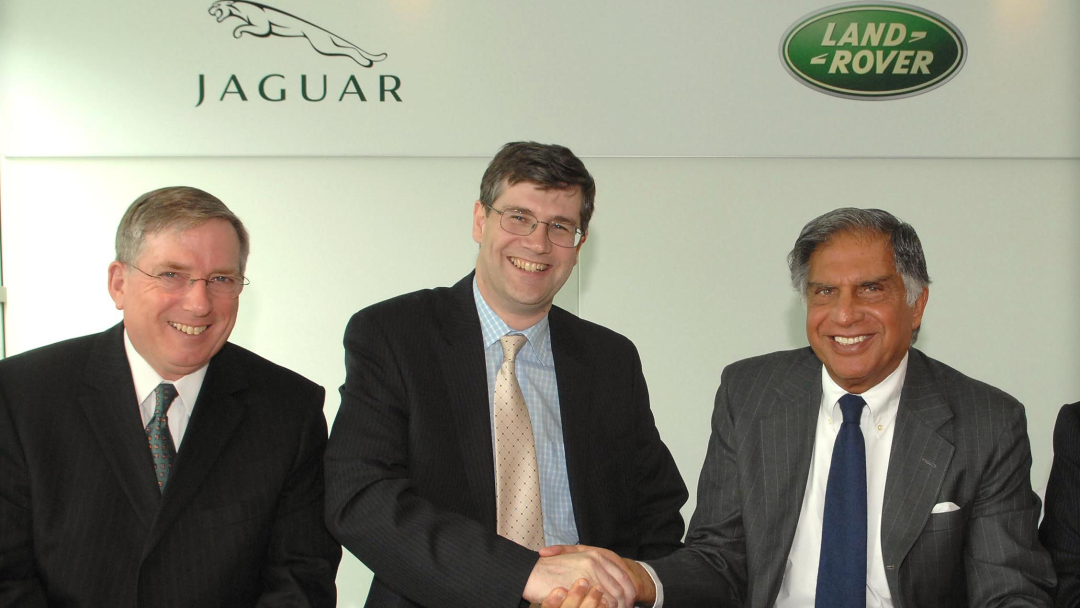
Cooperation, joint ventures, cross-shareholdings, and so on, are naturally the standard answers for navigating this period. However, from the perspective of automotive history, such approaches often result in win-win outcomes for only a minority. This is because, in unequal collaborations, the stronger party tends to absorb resources from the weaker one. Land Rover is a classic example, with BMW and Ford both well aware of the dynamics involved. FCA (Fiat Chrysler Automobiles) even earned the classic nickname “Losers’ Alliance.”
Different companies will undoubtedly make different choices. Some will undoubtedly prioritize going it alone, while others will opt for strategic alliances.
What Changes Will Occur in China’s Automotive Industry?
A brief overview of the current strategic alliances reveals the following landscape:
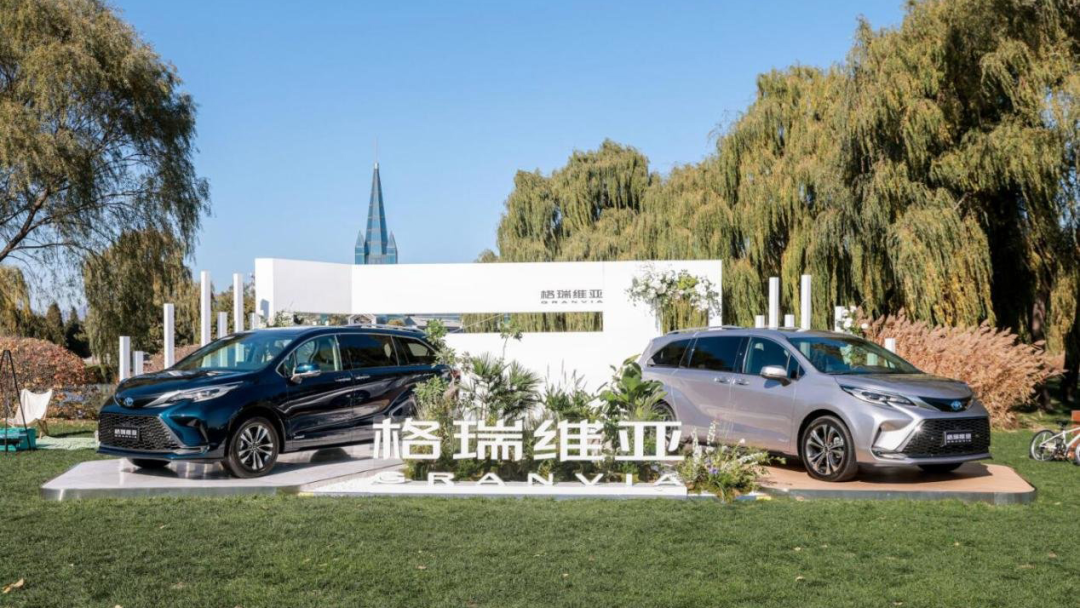
FAW and GAC are beginning to collaborate at both the group and brand levels. The anticipated merger of the two Toyota operations in China is expected to yield several significant changes. Firstly, some of the distinct sister models from northern and southern Toyota may disappear. The number of 4S stores for FAW Toyota and GAC Toyota in the same city is expected to decrease, with speculation suggesting that the sales models may be divided into luxury and mass-market categories.
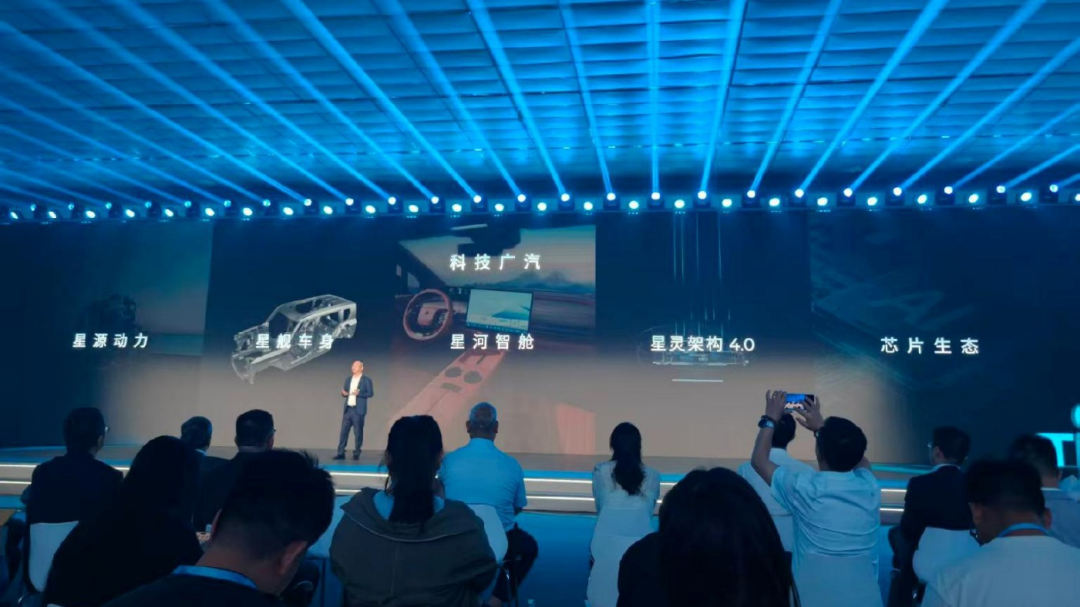
At the group level, FAW and GAC can further complement each other’s strengths. GAC has made better progress in intelligence and new energy, while FAW enjoys better brand recognition, performs better in the fuel vehicle sector, and has successfully established its high-end brand, Hongqi.
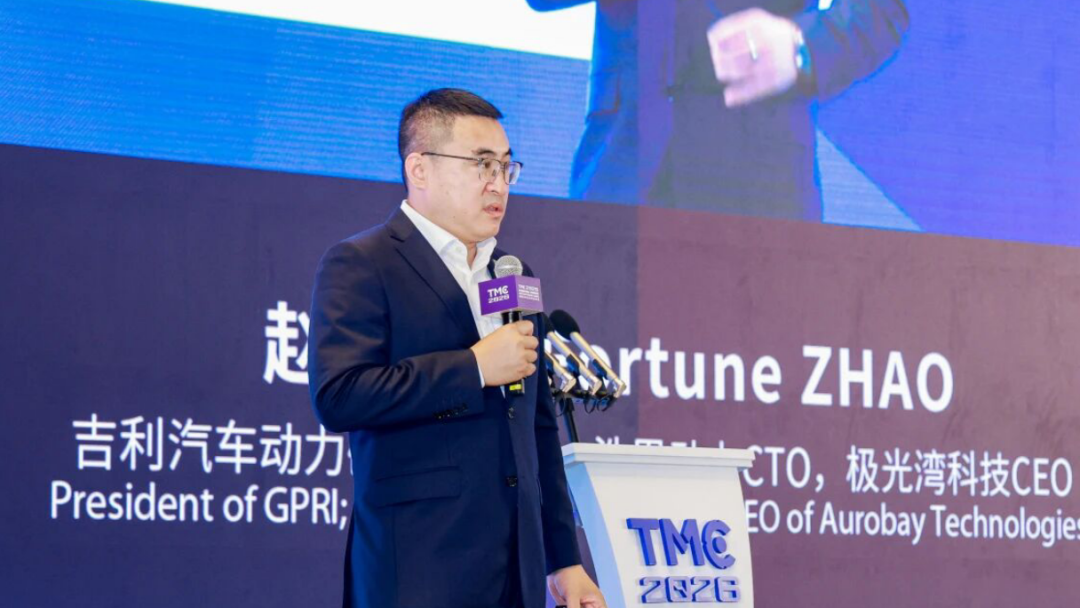
Geely is currently accelerating internal integration while expanding external cooperation. Internal integration involves unifying Geely, including the integration of Lynk & Co and Zeekr, as well as consolidating research institutes and other systems. External cooperation, in addition to its performance in the energy replenishment sector with NIO, includes exporting capabilities in hybrid power, engines, transmissions, and other areas.
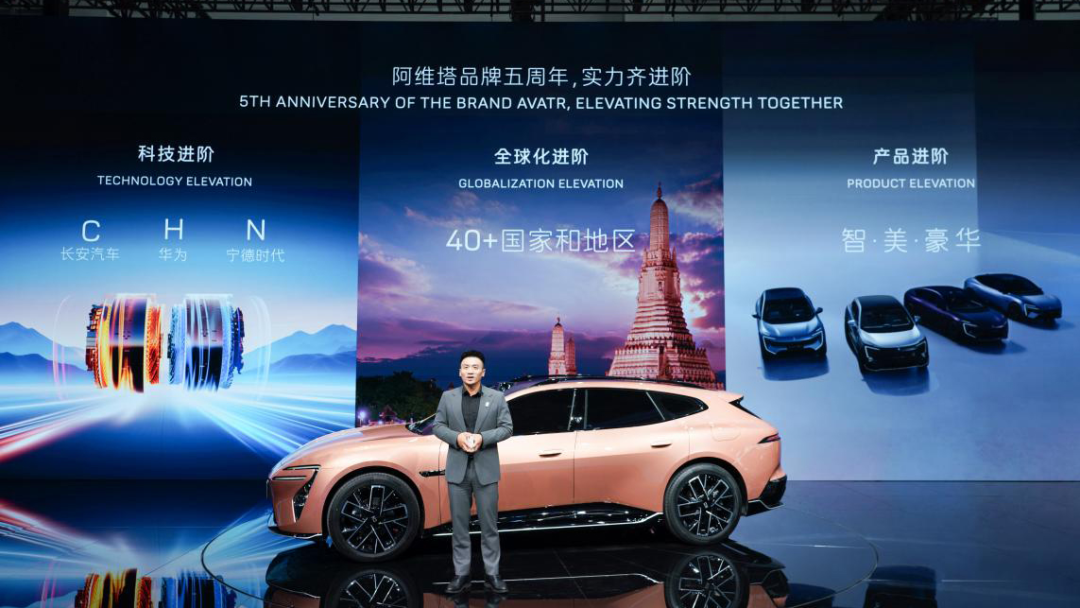
Changan is currently undergoing internal integration, with Shenlan and Avita maintaining independent front-end operations, including brand identity, sales channels, user services, and after-sales support, largely similar to the Lynk & Co-Zeekr model. Whether it will further expand the Changan-CATL, CATL-Huawei joint venture model in the future remains unknown.
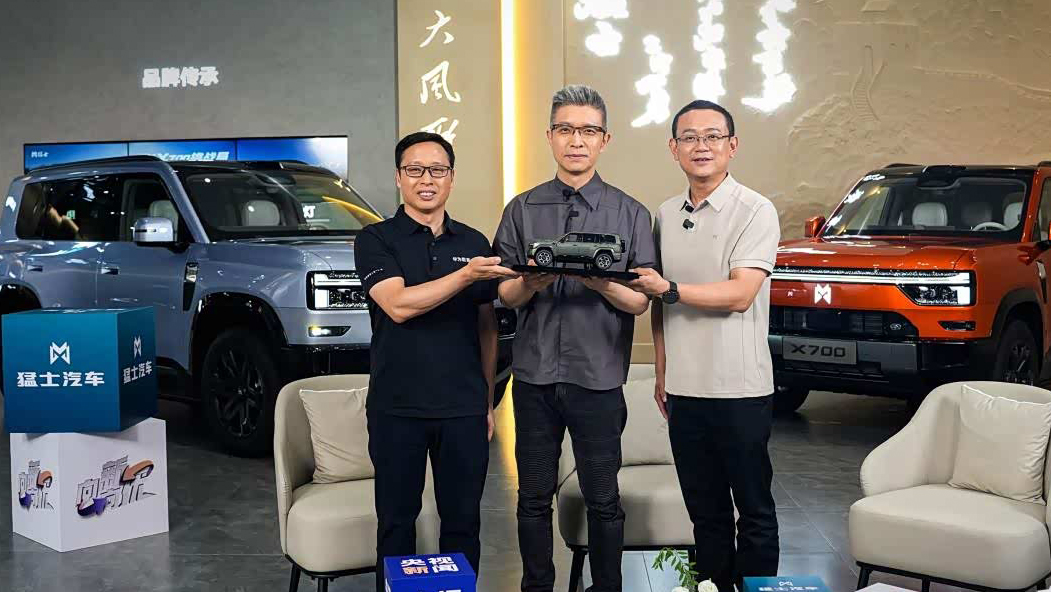
Dongfeng is currently experiencing unprecedentedly high levels of cooperation intensity with Huawei. Mengshi is deeply collaborating with Huawei’s automotive division, with Jin Yuzhi frequently participating in vehicle R&D, testing, and launch events. Yijing has opened up the latest collaborative innovation model with Huawei, while Yipai, Forthing, and others are also ramping up their cooperation with Huawei.
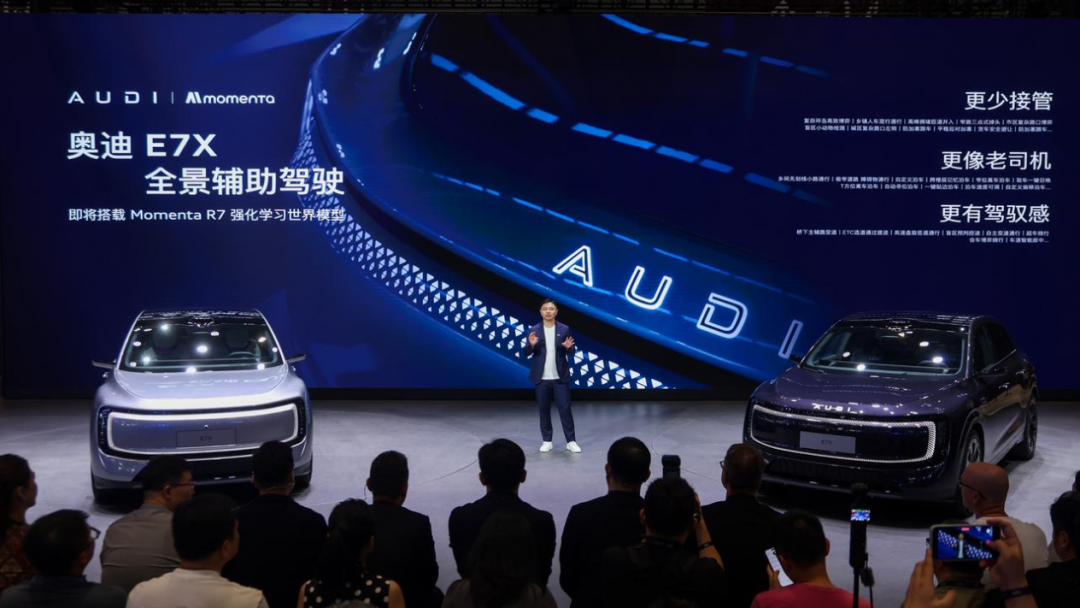
BAIC has partnered with HiMode Intelligent Travel. SAIC has also partnered with HiMode Intelligent Travel and has begun exporting technology to foreign companies, with its main achievements being the technological exports to Volkswagen and Audi, resulting in the launch of a series of new ID. models from SAIC Volkswagen and the AUDI brand. GAC is deeply collaborating with Huawei’s automotive division to create Jing. Additionally, Chery Automobile and JAC have also collaborated with HiMode Intelligent Travel.
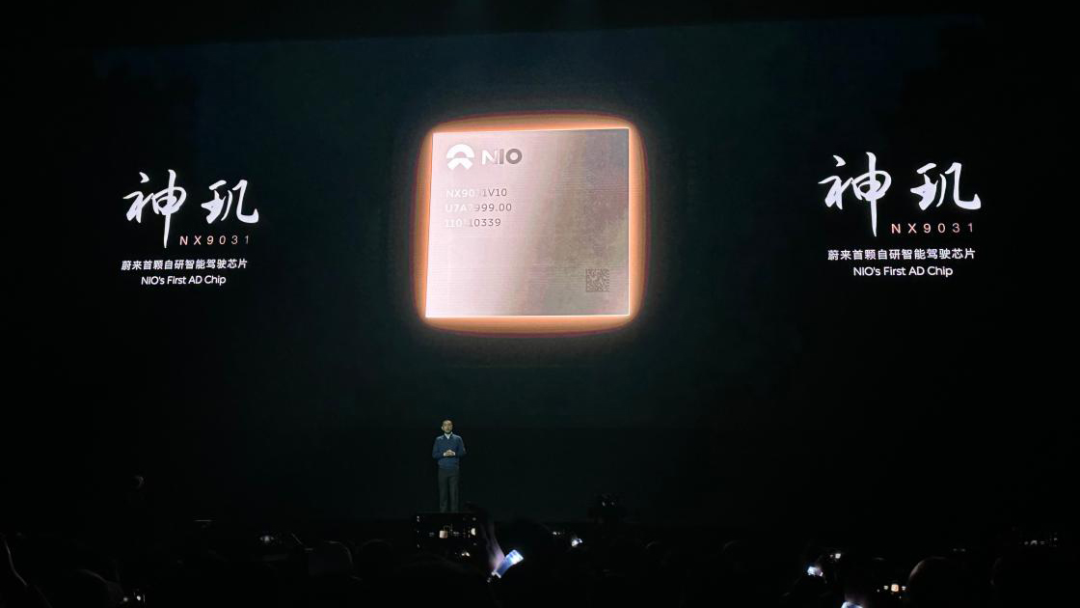
The intensity of cooperation between new automotive forces and external partners is also increasing. In addition to opening up its energy replenishment system for external cooperation, NIO is also selling its Shenji NX9031 externally. XPENG Motors and Leapmotor are respectively exporting their technological capabilities, with the former collaborating with Volkswagen and the latter becoming a lifeline for Stellantis.
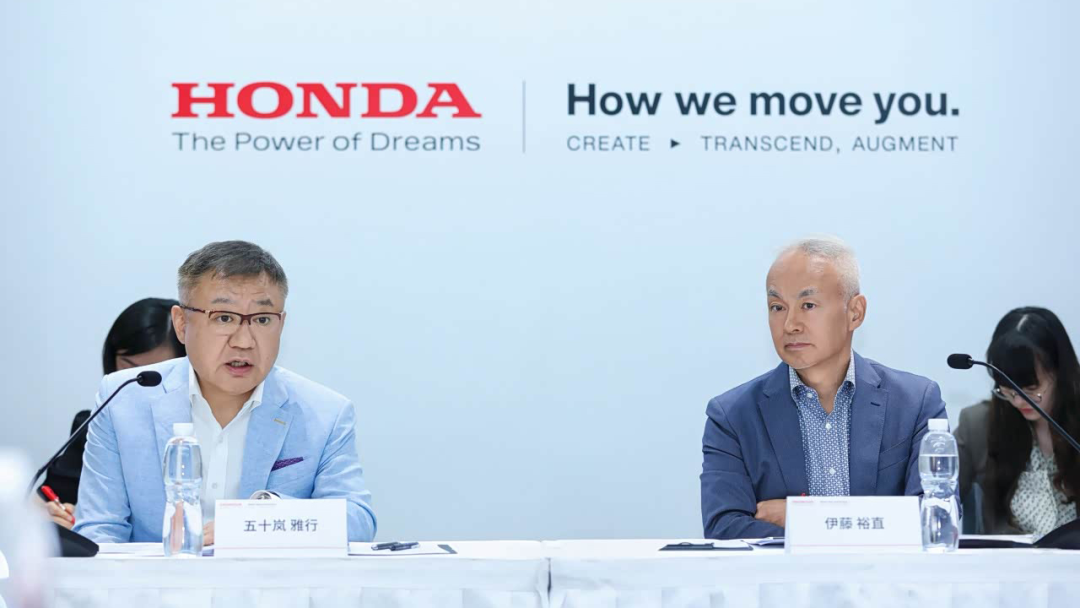
From the perspective of multinational brands, Cadillac has begun using technologies related to SAIC. The two joint ventures under Honda will respectively utilize advanced technologies within their group, especially Honda, which has further extended its intelligent-related collaborations to Huawei and Momenta, and has completed adjustments to its overall R&D progress.
In summary, all the aforementioned collaborations go beyond the level of supplier relationships.
However, in comparison, some companies are still insisting on primarily independent development.
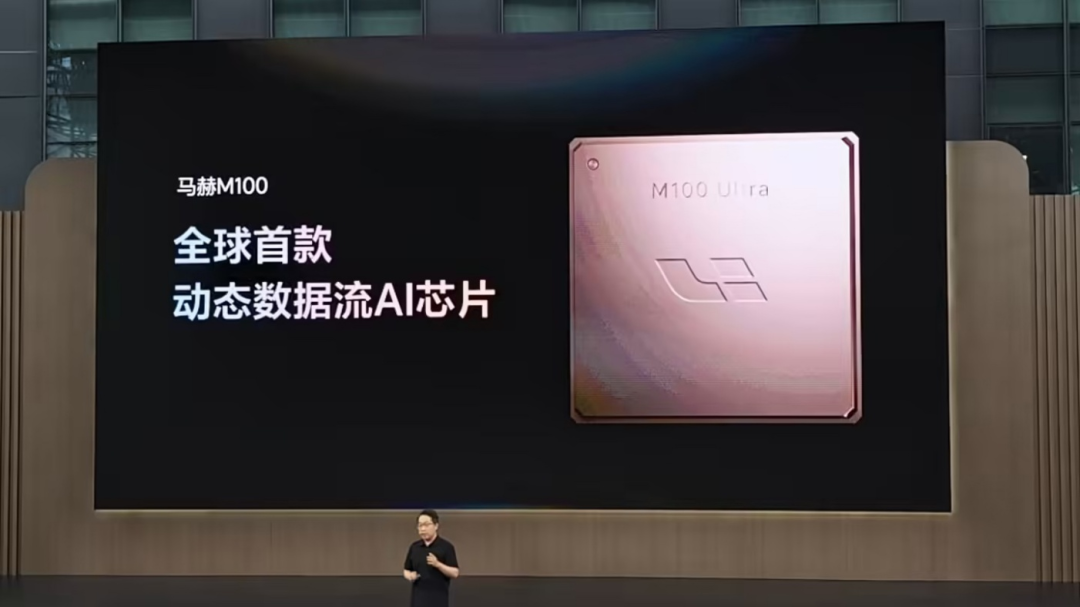
Among independent brands, there are BYD, Great Wall Motors, Chery Automobile, and SAIC’s independent brands; among multinational brands, there are Mercedes-Benz and BMW; among new force brands, Li Auto has recently started seeking to externally supply its core self-researched technologies, including intelligent driving assistance chips, silicon carbide power modules, and complete extended-range systems.
Of course, the quantity of external collaborations cannot be used as an absolute criterion for judging a company’s future competitiveness. However, it can demonstrate how a company’s development strategy is generally progressing.
In conclusion, the good news is that as more and more companies establish new connections, competition will return to a relatively more rational scope, but the intensity of competition will undoubtedly further increase.
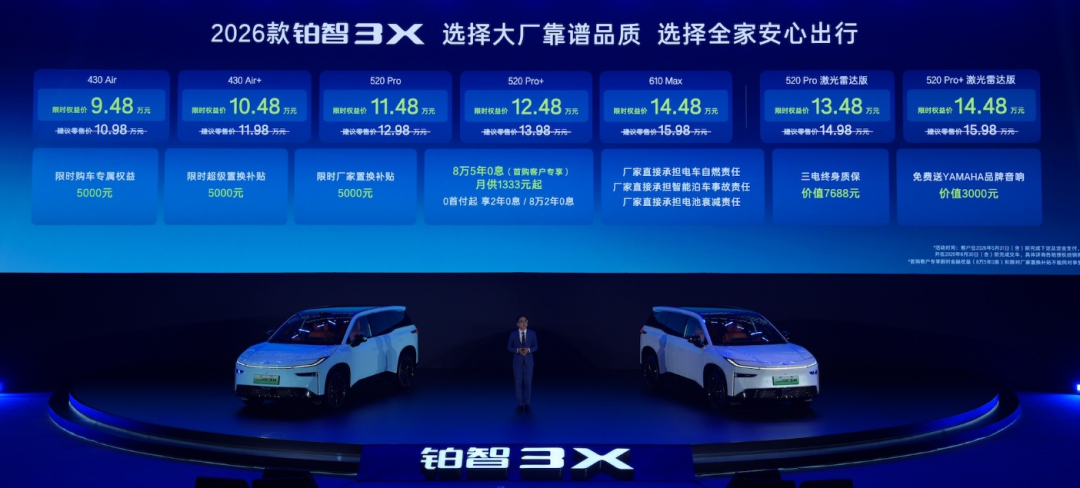
Because the essence of cooperation is to complement each other’s strengths, enhance efficiency, and reduce costs, automakers aim to bolster their competitiveness through such collaborations.
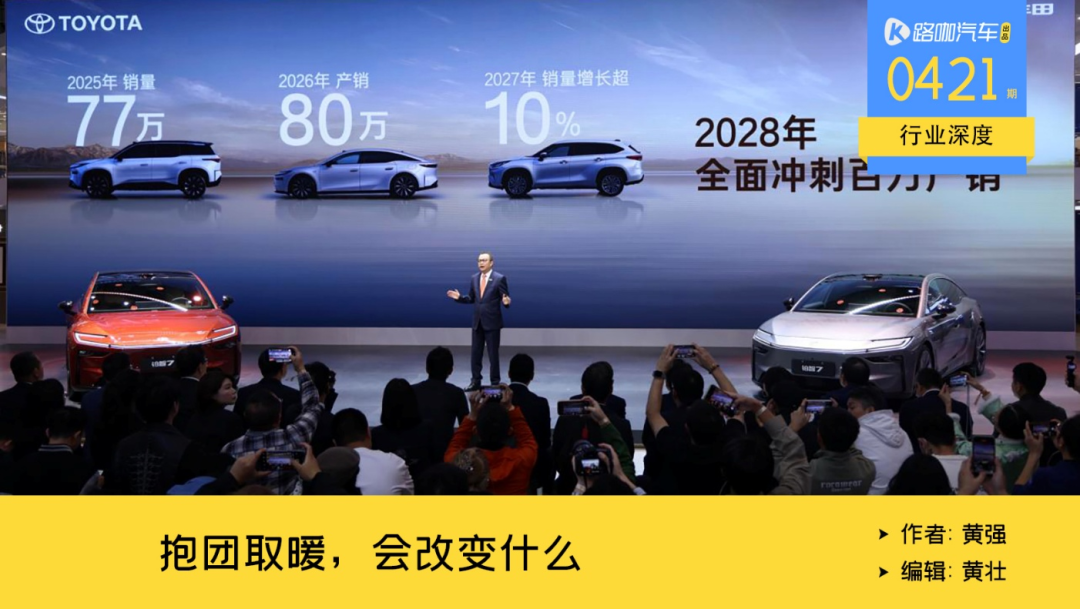
Toyota’s integration strategy exemplifies this approach. After eliminating competing models, it combines the strengths of both entities to upgrade high-selling configurations and unique technological advantages of its vehicles.
In Conclusion
The overall competitive landscape is unlikely to undergo significant changes.
For instance, expecting a substantial drop in vehicle prices is unrealistic. In the current automotive market, without offering strong incentives to specific user groups, the pressure to close deals remains high. However, cooperation is expected to enhance the operational health of automakers by eliminating redundant research and development efforts that occur when companies work independently. For example, between Dongfeng and Huawei’s automotive BU, many components can be reused in subsequent projects, further controlling costs and boosting the competitiveness of new models.
As for companies that choose to pursue independent growth, it cannot be said that their choice is problematic. However, it is evident that their situation is akin to that in the dating market: as more high-quality cooperation opportunities are secured, the difficulty of entering the fray further increases.
-
![]()
Global Market: Fuel Vehicle Sales Share Dips Below 50%. Is BYD Poised to Overtake Toyota Soon?
-
![]()
During Long Holidays, EV Charging Stations at Highway Service Areas Are in High Demand. Should Range-Extended and Plug-In Hybrid Vehicles Give Way?
-
![]()
September Auto Sales: Traditional Powerhouses BYD, Chery, Geely Maintain Lead; Leapmotor Holds onto New Energy Crown
-
![]()
Should Chinese Automakers Establish Factories in the U.S.: A Boon or a Bane?
-
![]()
Navigating the Complexities: A Closer Look at Global Market Access Rules for Chinese Automakers
-
![]()
Can the U.S. Prevent Huawei from Licensing Patents to Qualcomm?
-
![]()
Qualcomm Refutes Paying Huawei, Yet Bloomberg’s Revelation of 680 Patents Can’t Be Overlooked
-
![]()
Automakers Band Together to Face Challenges: What’s on the Horizon?