When Each Car Brings Only 3,000 Yuan in Profit, How Long Can Upstream Auto Parts Suppliers Hold On?
 10/23 2026
 374
Lead
Introduction
A fierce battle is destined to produce no winners.
In September 2026, both dealers and OEMs failed to witness the traditional peak sales season.
According to data released by the China Association of Automobile Manufacturers (CAAM) on October 12, total sales in the domestic auto market for September reached 1.904 million units, marking a 26% decrease year-on-year. Sales of traditional fuel vehicles stood at 652,000 units, down by 45.3%. Retail sales also showed weakness, with the China Passenger Car Association (CPCA) reporting 1.618 million passenger vehicles sold, a 28% decline year-on-year, and retail sales of fuel vehicles dropping by 43%. The comprehensive dealer inventory coefficient rose to 1.68 in September, an increase of 24.4% year-on-year.
The only area of growth was in exports. Auto exports reached 1.053 million units in September, up by 61.4% year-on-year, with a cumulative total of 8.205 million units from January to September, a 65.8% increase. However, these exports did not translate into profits. According to data from the National Bureau of Statistics, revenue in the auto manufacturing sector grew by 2.9% year-on-year from January to August, while costs increased by 4%. Total profits amounted to 253.4 billion yuan, down by 16%, with a revenue profit margin of 3.6%, compared to the average of 5.66% for industrial enterprises above a designated size during the same period.
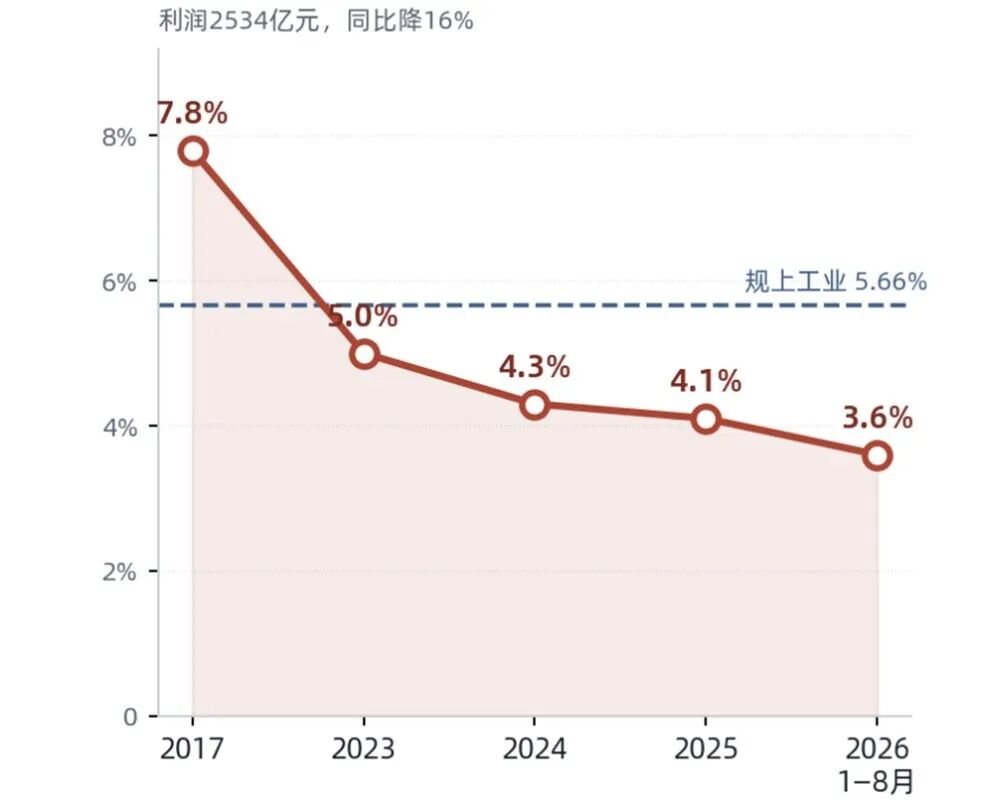
Figure: Trends in Auto Industry Profit Margins from 2017 to Present
Profit margins in vehicle manufacturing have become even thinner, averaging just 1.5% in the first half of the year, marking a new decade low. Capacity utilization in the auto manufacturing sector was 66.2% in the third quarter, a decrease of 7.1 percentage points year-on-year, well below the healthy level of 75%.
According to Chen Shihua, Deputy Secretary-General of the China Association of Automobile Manufacturers, an auto manufacturer can only earn about 3,000 yuan in profit per vehicle priced at 200,000 yuan.
The situation is even more challenging for upstream suppliers. Among the 275 A-share listed auto parts companies tracked by Eastmoney Choice, combined revenue in the first half of 2026 was approximately 822.65 billion yuan, up by 5.3% year-on-year, while net profit attributable to shareholders was about 45.67 billion yuan, down by 9.5%. Net profit declined year-on-year for 157 companies. CPCA data shows that price reductions for new passenger vehicles were 16.1% in August, with new energy vehicles seeing reductions of 17.8%. Although the number of models with price reductions decreased, the average price reduction per model increased.
With contracting demand, idle capacity, and continuously declining prices, OEMs face significant pressure. When profit per vehicle sold is only 3,000 yuan, their hundreds or thousands of upstream parts suppliers encounter similar challenges—pricing, delivery schedules, payment terms, and quality liability all flow downstream.
01 Rising Costs, Falling Prices: Parts Companies Caught in the Middle
In late September, a rumor spread widely within the industry, claiming that an automaker with a 500 million yuan procurement order was flatly rejected by a long-term supplier.
The story was detailed, stating that after careful cost calculations, the parts company's deputy general manager believed that while the order accounted for 12% of the company's annual revenue, the profit margin was too thin, and even breaking even was at risk. Thus, they decided “not to take the order.” The narrative read like an online thriller.
Where there's smoke, there's fire. After some digging by netizens, the information pointed to Ningbo-listed company Kapai Auto Cable.
However, the rumor was later proven partially untrue.
A reporter from CNR Business contacted Kapai Auto Cable, who stated that under current circumstances, company executives would not outright reject a 500 million yuan order.
Kapai's response was nuanced, suggesting that the original claim was likely “taken out of context” during transmission. While the rumor didn't hold up, the underlying issue may be real—just not as dramatic as the online narrative. In fact, recent investigations by Automobile Press also found instances where large orders went unclaimed upstream.
A review of Kapai's own semi-annual report provides insight into the broader environment from a revenue perspective:
In the first half of the year, Kapai's revenue from ordinary cables was 1.883 billion yuan, up by 23.13% year-on-year, with a gross margin of 8.60%, down by 3.44 percentage points. The company noted in its risk disclosure that copper accounts for about 85% of its main business costs, with processing fees relatively fixed. Meanwhile, ordinary cable costs grew by 27.94%, outpacing revenue growth by 4.81 percentage points. More telling was the profit breakdown: fair value changes contributed 70.5 million yuan in profit, accounting for 55.06% of the total, primarily from equity investment fair value changes. Non-core business revenue propped up most of the profit statement.
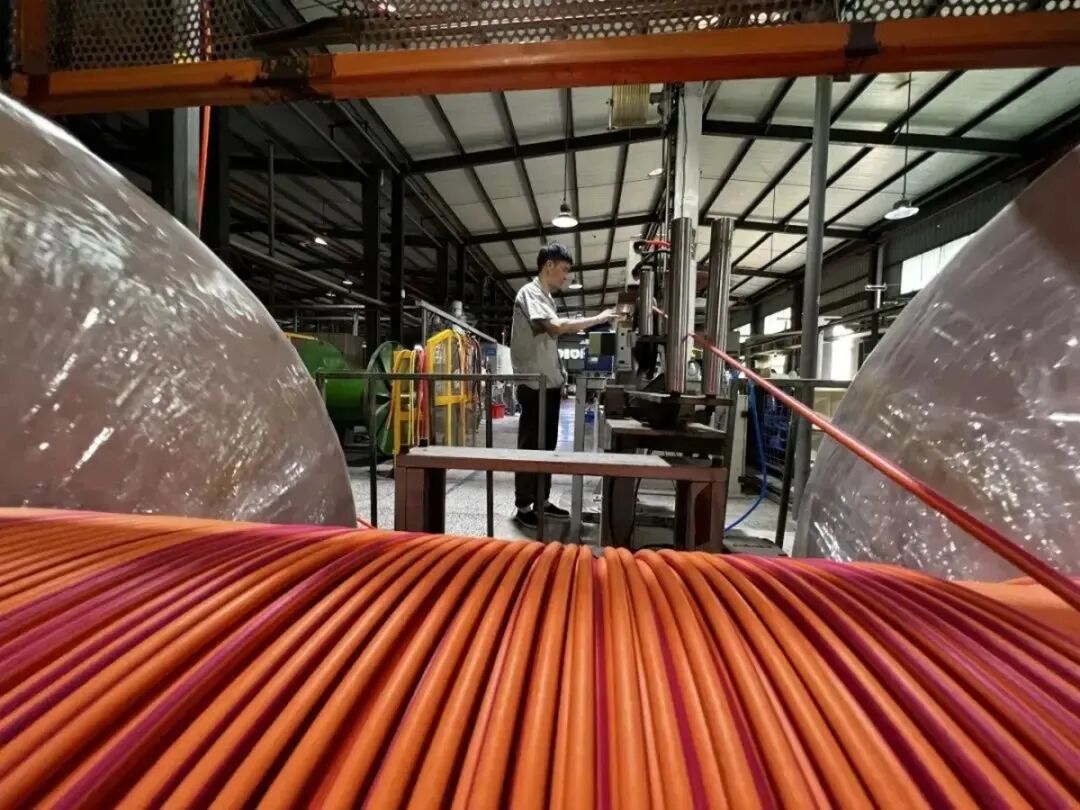
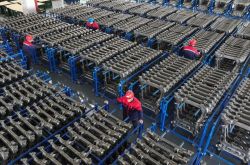
Figure: Auto wiring harness production is essentially labor-intensive, with consistently low profit margins.
Simply put, while orders and scale are growing, profits are not coming from product sales. This aligns with data released by the CPCA earlier this year, which revealed that net profit margins for small and medium-sized parts companies have generally fallen below 2%.
For parts companies, 2026 is undoubtedly a tough year, with pressure coming from both ends.
Costs are rising, with copper prices up about 30% year-on-year. Multiple parts companies noted in their Q1 2026 reports that rising raw material costs, such as copper and natural rubber, continued to squeeze profits, compounded by annual price reductions demanded by OEMs, leading to increased revenue but stagnant profits.
Upstream suppliers have attempted to raise prices, with three major connector giants increasing prices this year.
TE Connectivity raised prices by 5% to 12% across all product lines and regions starting January 5, 2026. Mid-year, Amphenol and Molex followed, with Amphenol raising prices by 5% to 15% and Molex by 5% to 30% across all categories. These price hikes were necessary for survival. However, more often, small and medium-sized parts companies are forced to comply with OEMs' annual price reduction demands.
The industry norm for annual price reductions by upstream suppliers to parts companies is generally 3% to 5%, but after more than three years of price wars, this has gradually increased to over 10%. Suppliers are often asked to offer concessions in exchange for shorter payment terms, effectively a disguised form of price pressure.
The most aggressive demands come from Honda, cornered by Chinese companies. Reuters reported in September that Honda plans to cut costs by approximately $9.4 billion cumulatively by 2030, targeting a 30% cost reduction for three categories: stamped and forged parts, electrical components, and software-defined vehicle-related parts. Previously, its Japanese supply chain typically saw annual reductions of only 2% to 3%. The report did not specify the benchmark for the 30% reduction, but it is a daunting figure regardless. Even more concerning for Japanese parts companies is Honda's simultaneous demand that tier-one suppliers increase the use of Chinese-made parts, pushing Chinese cost standards onto the original supply chain.
The squeeze is evident in semi-annual reports. Among the 275 A-share listed auto parts companies, combined revenue in the first half of 2026 was approximately 822.65 billion yuan, up by 5.3% year-on-year, while net profit attributable to shareholders was about 45.67 billion yuan, down by 9.5%. While 178 companies saw revenue growth, 157 experienced a year-on-year decline in net profit. The median revenue growth rate was 5.9%, while the median net profit growth rate was -10.1%. Only seven companies had net profits exceeding 1 billion yuan, with about 70% earning less than 100 million yuan in the first half.
Take Jiangsu Xinquan Automotive Trim Co., Ltd., which specializes in the design and manufacturing of automotive interior and exterior trim parts and related molds, as an example. Its net profit margin trajectory is as follows: 7.62% in 2023, 7.34% in 2024, 5.18% in 2025, and 5.17% in the first half of 2026. During the same period, revenue was 8.015 billion yuan, up by 7.45% year-on-year, while net profit attributable to shareholders was 414 million yuan, down by 1.9% year-on-year.
Revenue continues to grow, but profits keep declining. However, the issue doesn't stop there—another problem is that while goods are sold, payment is still pending.
02 The Old Issue of Payment Terms: Resolved After a Year?
For suppliers, price is only half the cost equation; the other half is time. A 60-day payment term was a focal point of previous public debate and among the first areas targeted by regulators. Over a year later, the reality is more complex than the promise.
On September 7, 2026, the General Office of the Ministry of Industry and Information Technology (MIIT) and the General Office of the State Administration for Market Regulation jointly issued the Notice on Promoting Standardized Supplier Payment Practices and Optimizing Payment Term Management in the Automotive Industry, Document No. 424. This is the first national-level document addressing payment term management in the industry.
The new regulations set clear procedural timelines. Production materials should be received in the agreed quantity within one working day of the agreed delivery time and inspected within three working days thereafter. Failure to inspect within three working days is deemed as acceptance. For parts requiring on-vehicle verification, inspection must be completed within five working days of receipt. If pricing is not yet finalized, continuous cooperation should involve advance payment of at least 90% based on the most recent effective contract price, while non-continuous cooperation should involve advance payment of at least 70% based on industry average prices or development fixed point unit prices, with final adjustments made later. For small and medium-sized enterprises, payment is encouraged within 30 days of acceptance, with a maximum of 60 days. Additionally, contracts are advocated to have a minimum duration of one year.
The government has identified two core measures to ensure implementation of the Notice.
First, companies must submit semi-annual and annual reports by the end of January and July each year to the MIIT for record-keeping. Second, the MIIT will commission third-party agencies to conduct research, assessments, and publicly release results. Joint interviews will be conducted with companies that have large accounts payable, deliberately extend payment terms, or face frequent complaints, with strict penalties for violations.
An MIIT official self-assessed that, thanks to industry efforts over the past year, average payment terms among key automotive companies have shortened, and cash payment usage has increased significantly, improving overall payment term conditions. However, he added that due to the complexity of payment processes and significant variations among subsidiaries and branches of automotive companies, many issues remain in optimizing payment terms, and some suppliers still feel insufficiently supported. In short, compared to mature multinational automotive companies, China's key automotive companies still have room for improvement in payment terms.
Bai Xuejie, Associate Dean of the Academy of Economic and Social Development at Nankai University, provided more specific insights. According to her research, most automakers now adhere to 60-day payment terms for small and medium-sized suppliers, but further progress is needed in shortening terms for mid-to-large suppliers. Additionally, some companies still have unclear inspection criteria, lengthy inspection periods, and use non-cash payment methods such as commercial acceptance bills to varying degrees. In March, National People's Congress representative Liu Changlai mentioned in a proposal that some companies still have actual payment terms of up to nine months.
Changes are indeed happening. In the first half of 2026, Pengling Auto Parts Co., Ltd. saw its net cash flow from operating activities turn from a net outflow in the same period last year to a net inflow of 247 million yuan. The company attributed this in its semi-annual report to a change in payment methods from commercial acceptance bills to bank acceptance bills for major customers. Approximately 250 million yuan in commercial bills previously classified as accounts receivable had all matured during the reporting period, leaving only 50 million yuan outstanding. Additionally, bill discounting increased by about 100 million yuan year-on-year. A simple adjustment in payment methods transformed the company's cash flow from negative to positive.
However, Pengling's experience also shows that the adequacy of improvements depends on how payments are made. The new regulations stipulate that payment time is based on the issuance date of cash or bank acceptance bills by automotive companies, while commercial bills can have payment terms of up to six months—a duration the new regulations do not shorten. The 60-day rule applies to bill issuance, not when suppliers receive cash, and the cost of early discounting must be clearly specified in contracts. This is why some suppliers still feel unsupported.
This indicates that while payment term issues can be resolved, they are not yet universally addressed. More importantly, payment terms are just one link in the broader transmission chain. Reducing payment cycles to 60 days cannot offset the profit losses caused by annual price reductions rising from 3% to over 10%, nor can it counterbalance the 30% increase in copper costs.
03 Risks Spreading to Product Safety
With pressure squeezing from both price and time, the first to collapse are those with the weakest risk resistance.
Liuzhou Jielong Auto Parts Manufacturing Co., Ltd. has now completed judicial proceedings. According to an announcement by the Liuzhou Intermediate People's Court, the company was declared bankrupt after it was confirmed that it could not repay matured debts, its assets were insufficient to cover all debts, and there was no possibility of restructuring or settlement.
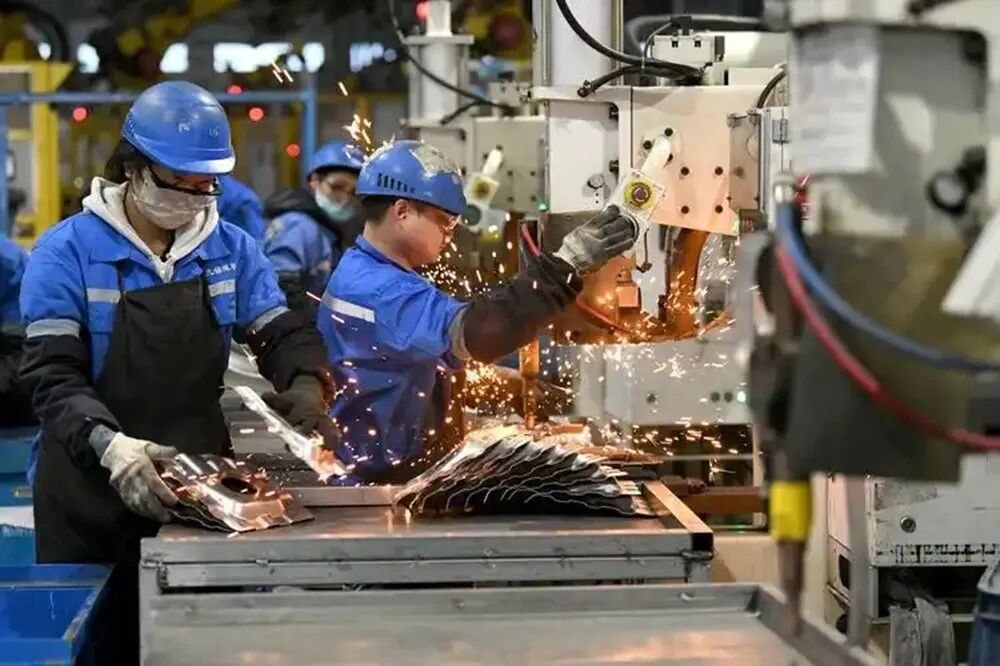
Figure: One key reason why officials place high value on small and medium-sized parts companies is their significant contribution to employment.
While cases as severe as Liuzhou Jielong remain isolated at this stage, upstream parts companies are facing challenges as OEMs encounter difficulties. According to incomplete statistics, out of 275 A-share listed auto parts companies, 50 incurred losses in the first half of the year, with 45 experiencing widened losses or incurring losses for the first time. The reasons for their predicament are diverse: customer shutdowns, debt structures, and transformation investments often coincide, and not all can be attributed to the “intense competition” among downstream OEMs. However, in an industry with a net profit margin of just 2%, there is little room for error.
Company closures are just the tip of the iceberg. More concerning is that pressure is now manifesting in product defects, particularly through large-scale recalls.
On July 24, the State Administration for Market Regulation announced that Zhaoqing Xiaopeng New Energy Investment Co., Ltd. would recall 33,473 Xiaopeng X9 vehicles produced between August 8, 2023, and August 11, 2025, starting from August 28. The recall number is S2026M0082V. The announcement cited variations in the manufacturing process leading to decreased airtightness in the front air springs, which could result in slow gas leaks during prolonged use in high-temperature, high-humidity environments, potentially affecting vehicle handling in extreme cases. As of late June, global cumulative deliveries of the X9 had just surpassed 60,000 units, meaning the recall involved more than half of the total deliveries.
Another recall on a much larger scale is of a fundamentally different nature.
On August 21, the State Administration for Market Regulation issued nine recall filings in a concentrated manner, covering a total of 4,275,743 vehicles from Tesla, Xiaomi, XPeng, Geely, Leapmotor, Chery, Dongfeng, BAIC BluePark, and China FAW Group, setting a historical record for the scale of a recall in China due to a single common issue. The defect is highly consistent: the emergency mechanical handle inside the vehicle is similar in color to the interior trim, making it difficult to identify and operate, which affects escape in extreme scenarios where a collision causes the low-voltage system to fail. Most companies simply added labels and performed an OTA upgrade.
Notably, not a single fuel-powered vehicle is among the 4.27 million recalled. Cui Dongshu's comment on this incident is quite incisive—this trend, which began with a design focus on aesthetics, has collided with the upcoming new national safety standards, revealing systemic risks in the industry. However, the question remains: how many similar systemic risks remain unexposed at present?
One issue involves process fluctuations in the manufacturing link, and the other involves compromising safety redundancy in the design link. Despite their different paths, both point to the speed at which products are rushed to the market. The traditional development cycle for vehicles in the industry is no less than 36 months, typically exceeding 48 months. However, some automakers have significantly compressed their development cycles to seize market opportunities, with individual projects even shortened to just over a year or less.
Intense industry competition has given rise to the chaotic phenomenon of so-called 'quick-fix vehicles' that have skipped certification and testing processes, which urgently need to be addressed. A standardized vehicle development process requires thorough validation under diverse conditions, including extreme cold, extreme heat, and various road conditions. The industry's generally accepted classification is as follows: a major redesign involving a complete reconfiguration of the powertrain and chassis has a standard cycle of 36 months, a medium redesign involving modifications to the lower body has a cycle of 24 months, and a minor redesign involving only adjustments to the interior and exterior styling has a minimum cycle of 18 months.
This is also why regulators have shifted their focus from pricing to consistency this year.
On August 27, four departments launched a year-long special campaign on production consistency. On October 10, new regulations on innovative design and R&D testing validation management were opened for public comment, while the draft for reliability test procedures for new energy vehicles proposed raising the required mileage for reliability driving tests of pure electric vehicles to no less than 30,000 kilometers, bringing them in line with fuel-powered vehicles. These actions all underscore the same point: the validation cycle cannot be infinitely compressed.
From the perspective of late October 2026, the current regulatory approach is no longer focused on just a single point.
From February 12, when the State Administration for Market Regulation issued the Compliance Guidelines for Pricing Behavior in the Automotive Industry, with 28 detailed rules targeting collusive pricing and sales below cost, to July 17, when the Equipment Industry Department I of the Ministry of Industry and Information Technology held a symposium with key automotive manufacturers, demanding a firm rejection of irrational competition and strengthening product testing, validation, and safety assessments, and then to August, when four departments launched the special campaign on production consistency. Even the notice on account period management issued by two departments in September and the solicitation of comments on new regulations for innovative design and R&D testing validation management in October all indicate that regulation is shifting from single-point governance to full-chain governance.
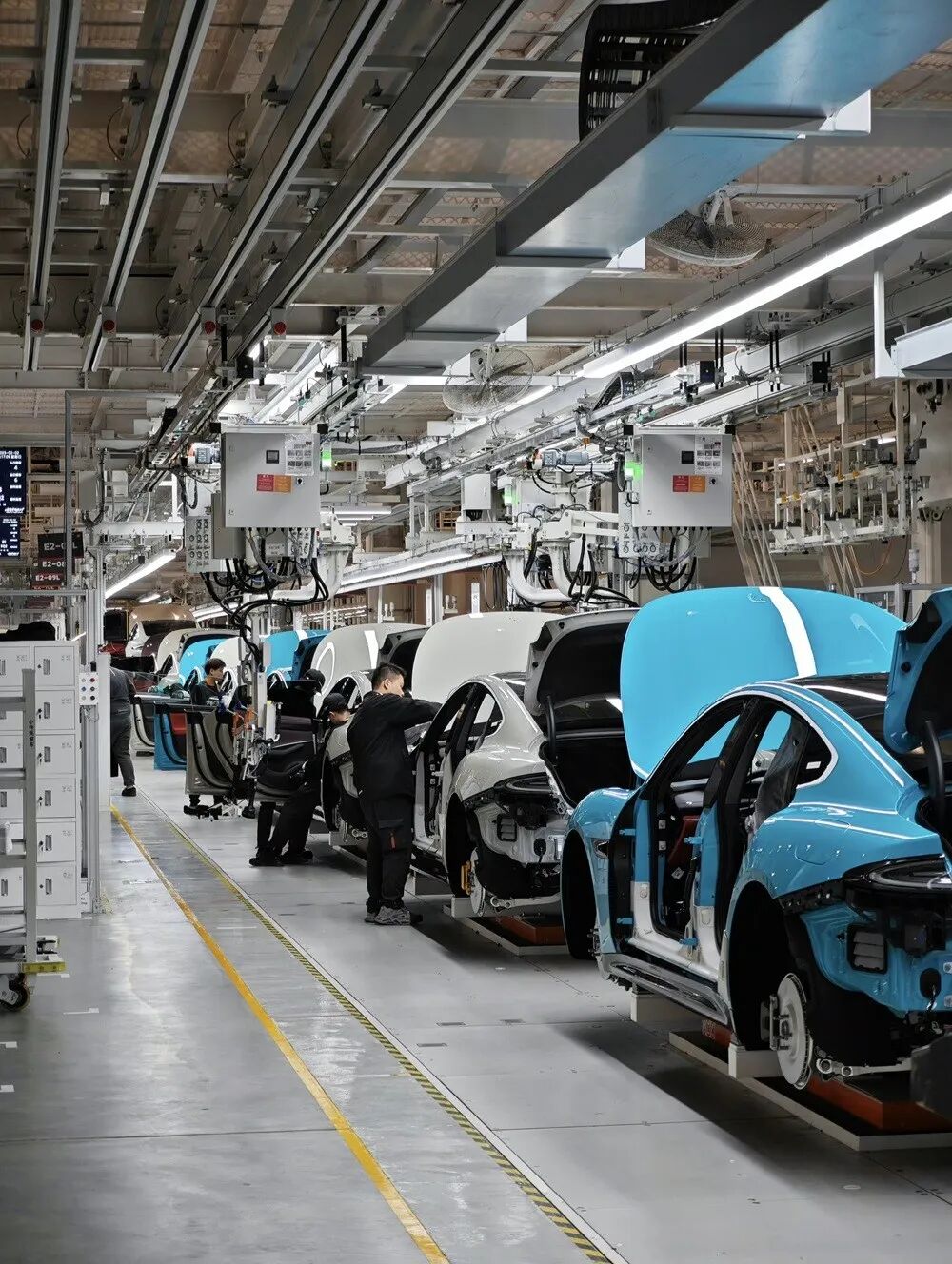
Figure: The stability and health of the automotive industry are crucial for China's overall economy to smoothly navigate the current downturn.
The reason is straightforward: if only the account period is shortened, automakers can recover cash flow by lowering procurement prices, increasing claims, and transferring development costs. If only prices are restricted, companies can still manipulate account periods and bills. If quality is managed without regard for profit, companies will lack the capacity to ensure quality. Pressure does not disappear; it merely shifts along the chain and continues to accumulate.
Data from the first half of 2026 has already issued a warning: if the trend of extreme intense competition is not fundamentally reversed, what will be depleted next are R&D investment, the stability of the supply system, and product consistency—these are precisely the most difficult aspects to rebuild in the automotive industry.
By that time, the cost will not be borne by just a few automakers and a few batches of suppliers, but by the entire Chinese automotive industry.
Editor-in-Chief: Yang Jing Editor: He Zengrong

THE END
-
![]()
Japanese Car Companies' Local Alliance Faces Disintegration Amid Emulation of China's Rapid Development
-
![]()
When Each Car Brings Only 3,000 Yuan in Profit, How Long Can Upstream Auto Parts Suppliers Hold On?
-
![]()
Net Profit Tumbles! Musk Persists in Investing, Tesla Faces a ‘Crucial Challenge’ in 2027
-
![]()
Post-National Day Sales of Xiaomi Revealed, Netizens: Pengcheng's Sales Take a Dive!
-
![]()
Understanding NVIDIA GTC Berlin at a Glance: AI in Manufacturing, Physical AI, and Three Key Strategies
-
![]()
Final Verdict: Can Battery Swapping Become the Mainstream Energy Replenishment Approach for Electric Vehicles?
-
With a 350,000-Yuan Budget for a Luxury Off-Road SUV, Is the 2027 Tank 500 a Wise Purchase?
-
![]()
Why Are Interpersonal Relationships Emerging as a Business Superpower in the AI Era?