Toyota’s Hybrid Models Are Selling Like Hotcakes, GM Panics and Pours $2 Billion into Factory Upgrades for Mass Hybrid Production
 10/28 2026
 493
Kuaikeji, October 28 – General Motors (GM) announced on Tuesday that it will be investing in its Lansing Delta Township Assembly Plant in Michigan to kickstart hybrid model production. This move represents a major pivot towards hybrids, following setbacks in GM’s all-electric vehicle strategy.
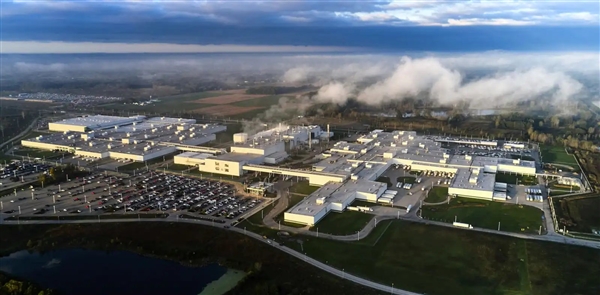
Currently, the Lansing Delta Township plant manufactures three three-row SUVs: the Chevrolet Traverse, Buick Enclave, and GMC Acadia. According to reports, GM plans to invest around $750 million (Note from Kuaikeji: approximately RMB 5 billion) at this facility to produce hybrid versions of these three-row crossovers. Sources close to the matter have indicated that hybrid iterations of the Traverse, Enclave, and Acadia are slated for production at the plant. However, GM has yet to confirm this, stating only that "details regarding models and timing will be released closer to production."
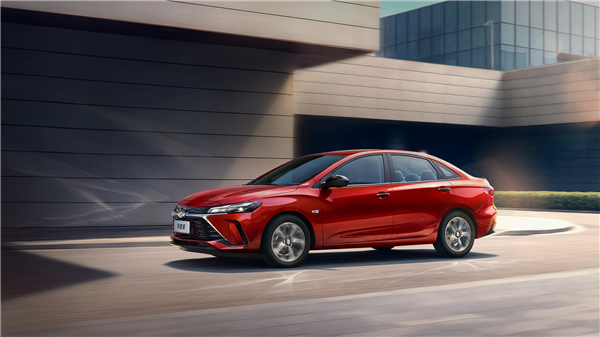
GM is in discussions with the U.S. Department of Energy to repurpose previously approved subsidies intended for local manufacturing transformation. In July 2024, the Department of Energy allocated $500 million to GM for converting the nearby Lansing Grand River plant into a production line for all-electric models. However, GM later scrapped electrification plans for the Grand River plant and, in October of the previous year, announced a $1.25 billion investment to produce the next-generation, fuel-powered Cadillac CT5 at the facility. This $500 million subsidy will now be redirected to the Delta Township plant to support hybrid production.
GM has stated that its total investment in the Lansing area over the next few years will surpass $2 billion (approximately RMB 13.3 billion), which includes the $1.25 billion allocated for the Grand River plant. The Delta Township plant, celebrating its 20th anniversary this year, is projected to exceed 291,000 units in production by 2025, setting a historical record. All three SUVs are currently being produced at full capacity, with the 2027 models having already commenced production on July 20.
Mike Trevorrow, GM's senior vice president of global manufacturing, commented that the team is "leveraging existing strengths to prepare for future customer demands."
During the third-quarter earnings call on October 20, Mary Barra, GM’s CEO, clearly stated, "From a hybrid perspective, we will introduce hybrid products across multiple segments." She also disclosed that hybrid models are already factored into GM’s existing plans and will not necessitate additional capital expenditures or engineering R&D costs.
GM’s pivot towards hybrids comes amid ongoing financial losses in its all-electric business. Since last year, GM has accrued $11.2 billion in impairment and restructuring charges related to electric vehicles. In January of this year, GM announced approximately $7.1 billion in special charges for the fourth quarter, of which about $6 billion was tied to the contraction of its electric vehicle strategy, including $4.2 billion in cash impairments from canceling contracts with certain suppliers. An additional $1.6 billion in electric vehicle-related expenses was incurred in the third quarter of this year.
Meanwhile, Toyota and Honda are continuing to chip away at GM’s market share with their hybrid models. In the first three quarters of this year, GM’s share of the U.S. market declined to 16.6% from 17.4% year-on-year. The U.S. hybrid market is currently dominated by Toyota, Hyundai Motor Group, and Honda, collectively holding about 86% of the market. GM’s only hybrid model currently available is the hybrid version of the Chevrolet Corvette.
Honda is also boosting its hybrid production capacity, with a $2.5 billion hybrid plant in Ohio set to begin production soon, following the abandonment of its all-electric plans in the U.S.
-
Could the Three-Row, All-Electric Flagship SUV BMW iX7, Equipped with an 8K Giant Screen and Produced in North America, Become a Bestseller?
-
![]()
WorkBuddy Ignites the AI Office Ecosystem Battle
-
![]()
Second Working Conference on Drafting the Group Standard “Test Method for Optical Parameters of Optical Waveguide Sheets” Held in Suzhou!
-
![]()
Q3 Net Profit Rises by Just 6%! Has Lante Optics Hit the Zenith of Prism-Driven Profits?
-
Hurun Rich List Released: AI Starts Creating Wealth - 1 in Every 10 Billionaires Owes Their Fortune to AI
-
![]()
Top 10 Provinces by GDP in the First Three Quarters of 2026: Diverging Growth Models
-
![]()
Why Is Mobile Phone RAM Shrinking?
-
![]()
Who is Investing in Anthropic?