Modern China's Predicament: Hard to Break Through by Merely Changing the General Manager
 11/02 2026
 573
A general manager without real power cannot break the deadlock of a joint venture.
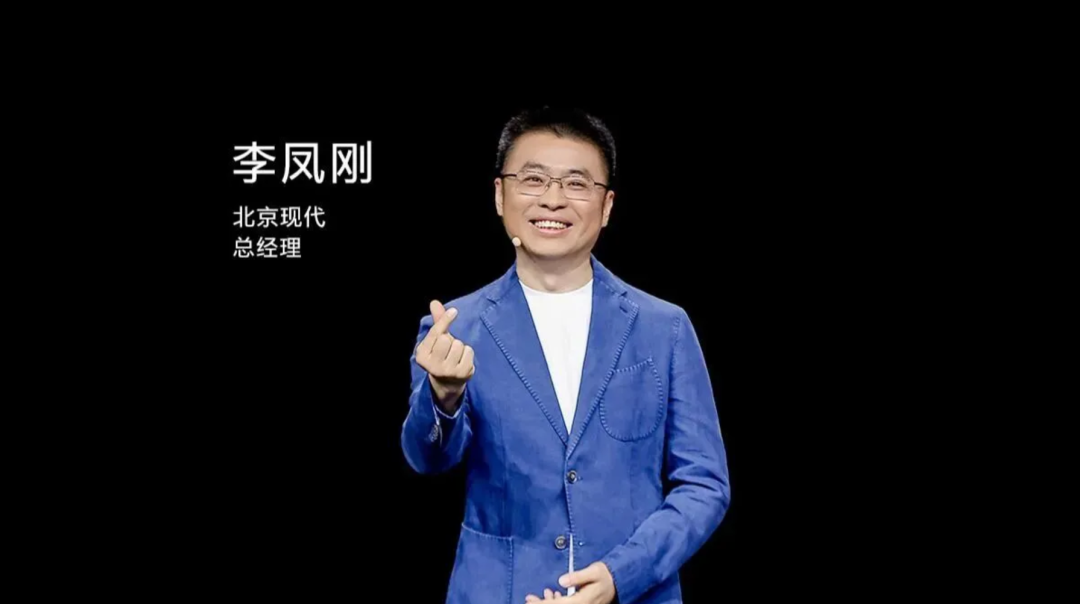
Shortly after Volkswagen China declared it would "deepen roots in China and win globally together," Beijing Hyundai—whose market share had fallen to 0.5% following the appointment of Audi China's first Chinese president—was reported on October 30 that its first Chinese general manager, Li Fenggang, would officially step down on November 1.
From taking office on November 10, 2025, to November 1 this year, Li Fenggang's tenure as Beijing Hyundai general manager lasted a mere 355 days. Although Beijing Hyundai said internally that it recognized his performance during his tenure, this less-than-one-year term is enough to show that Beijing Hyundai's localization transformation ultimately ended in failure.
On the surface, Beijing Hyundai's sales decline and electrification failure required someone to take responsibility, but at a deeper level, Li Fenggang—lacking real power—was destined to find reform at a joint venture automaker an impossible task.
Sales Predicament
Rewind to a year ago: before Li Fenggang took office, Beijing Hyundai was already in deep contraction. In the first three quarters of 2025, terminal sales were only 80,800 vehicles, and market share shrank to about 0.5%. For reference, full-year sales in 2024 had fallen to 154,000 vehicles—less than one-seventh of the 1.14 million peak in 2016.
In September 2025, monthly sales once rebounded to 17,871 vehicles, achieving four consecutive months of month-on-month growth, but this was more a short-term fluctuation caused by a low base and inventory clearance, and did not change the overall direction of year-on-year decline in the first three quarters.
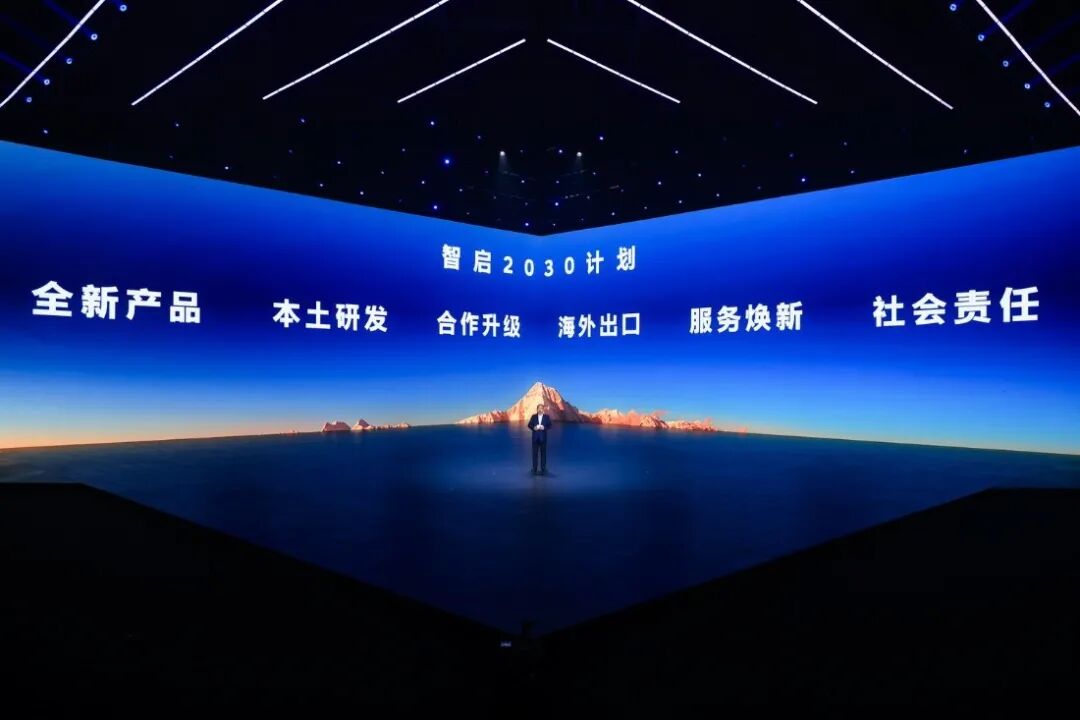
In October 2025, Beijing Hyundai released the "Smart Start 2030 Plan," proposing to launch 20 new products in the next four to five years and achieve annual sales of 500,000 vehicles within five years. The core of the plan was the strategic positioning of "in China, for China, toward the world," attempting to reverse the decline of Korean-brand cars in the Chinese market through localized operations.
Li Fenggang's appointment took place against this background, marking that Beijing Hyundai had broken the traditional structure of "Korean general manager + Chinese deputy general manager" in its 24-year history and, for the first time, appointed a Chinese representative as general manager to comprehensively coordinate the three core businesses of production, sales, and planning.
Hyundai Motor Global CEO José Muñoz once publicly stated, "Let people who better understand the local market operate the local market." Beijing Hyundai Chairman Wu Zhoutao said this move was "a major breakthrough in the history of Beijing Hyundai Motor Co., Ltd."
At the beginning of his tenure, Li Fenggang said he would lead Beijing Hyundai to "revitalize the Chinese market" and promote localized measures such as the "integrated direct sales" model and the "Xingchi Plan."
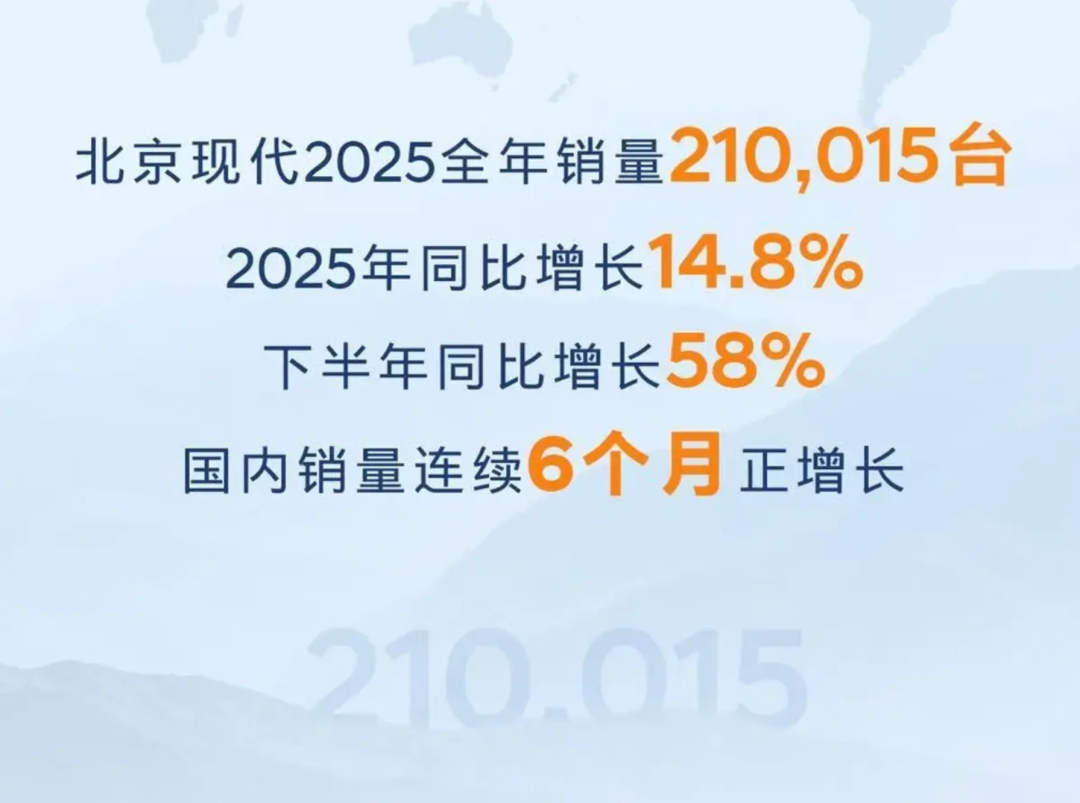
Two months after Li Fenggang took office, Beijing Hyundai delivered its 2025 scorecard: full-year sales of 210,000 vehicles, a year-on-year increase of 14.8%, with sales growing 58% in the second half in particular—which could be considered a good start for the reform.
Facing declining sales and low new energy vehicle penetration, Li Fenggang also launched vigorous reforms after taking office. After the old project EO Yio failed to achieve a sales breakthrough, Li Fenggang abandoned the previous indirect new energy strategy and gave Beijing Hyundai a strong dose of medicine.
At the 2026 Beijing Auto Show, Beijing Hyundai displayed its first electric model, the Ioniq V, led by a Chinese R&D team and assembled by a team of more than 1,500 people. It introduced CATL batteries and Momenta assisted driving solutions, creating a Hyundai car with Chinese blood.
To achieve a breakthrough for this model, Beijing Hyundai used almost every marketing method: it invited a popular celebrity for the pre-sale, and even set a limited-time price of 99,900 yuan at its launch on September 29.
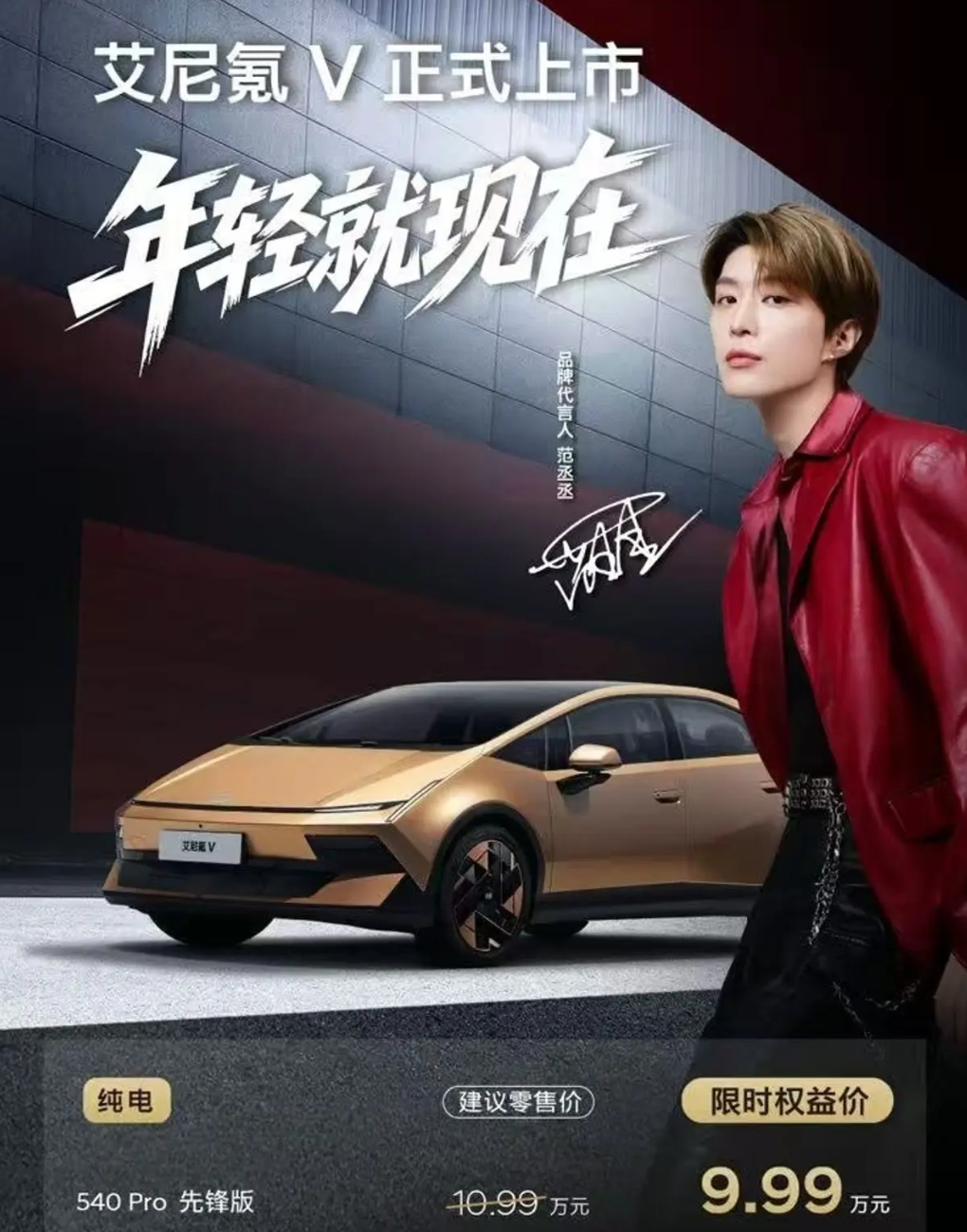
But behind this series of operations, there was no change in sales. According to third-party statistics, the Ioniq V's first-month insurance registrations were only 135 vehicles. As for October sales, as of November 1, Beijing Hyundai officials had not provided any sales-related information.
While the Ioniq V failed, Hyundai also delivered a result in September with a sharp drop of 47%, with monthly sales of only 4,000 vehicles. Beijing Hyundai's cumulative sales in the first half of the year were only 94,697 vehicles, down another 5.3% year-on-year. By this point, the market share of Korean-brand automakers was only 0.6%.
One year after taking office, Li Fenggang failed to deliver a scorecard that satisfied both Chinese and Korean shareholders and could only choose to leave.
A General Manager in Name Only
On the surface, Li Fenggang took the blame for Beijing Hyundai's sales decline, but in reality, this joint venture reform experiment was doomed to fail from the beginning.
As joint venture automakers' market share in China fell to 28.2%, almost all joint venture automakers launched localization reforms. As mentioned at the beginning, Volkswagen Anhui not only delegated model decisions to the Chinese team but also moved core components to China.
Even Toyota, regarded as centralized, has implemented the RCE system in China, with Chinese chief engineers taking the lead, achieving extensive localization from product definition to the supply chain, and bringing Chinese suppliers into products on a large scale.
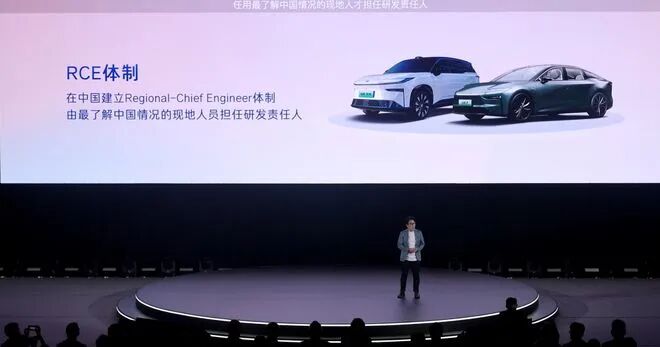
Compared with these automakers, Beijing Hyundai's structure is still Korean-led. Although Li Fenggang was nominally general manager, decisions were still constrained by Hyundai headquarters, and he did not obtain real decision-making power.
Li Fenggang himself once admitted, "A considerable part of my energy was spent on 'taking the Korean R&D team to dinner.'"
Behind this is actually the disconnect in Beijing Hyundai's core governance. Although Hyundai Motor CEO José Muñoz proposed the "in China, for China, toward the world" strategy, in practice it remained difficult to bring the Chinese supply chain into products.
Take the key model Ioniq V: although it introduced cooperation with Chinese local suppliers such as CATL and Momenta, core components such as motors and electronic control systems still relied on the Korean headquarters and Kia suppliers, with Korean suppliers accounting for as much as 70%.
Moreover, due to the Korean side's protection of the existing supplier system, cost-reduction targets were difficult to achieve, causing the cost of new energy models to be 15%–20% higher than that of domestic cars.
Even for fuel vehicle facelifts, a lengthy approval process was required. The facelift of the Hyundai Elantra was finally launched in April 2026 after a long approval process on the Korean side, nearly a year later than competitors in the same period.
In addition to decision-making difficulties on products, Li Fenggang remained caught between Chinese and Korean shareholders in daily management. Reports revealed that when conflicts intensified in July 2026, the company was unable to issue policies and promotion plans to dealers because sales targets could not be finalized, supplier payments were once suspended, and the sales system was nearly idling.
Behind this is the difficulty for both shareholders to reach consensus on core opinions: the Chinese side needs sales and market share, while the Korean side needs profit. Under such conflict, the board of directors found it difficult to make real decisions.
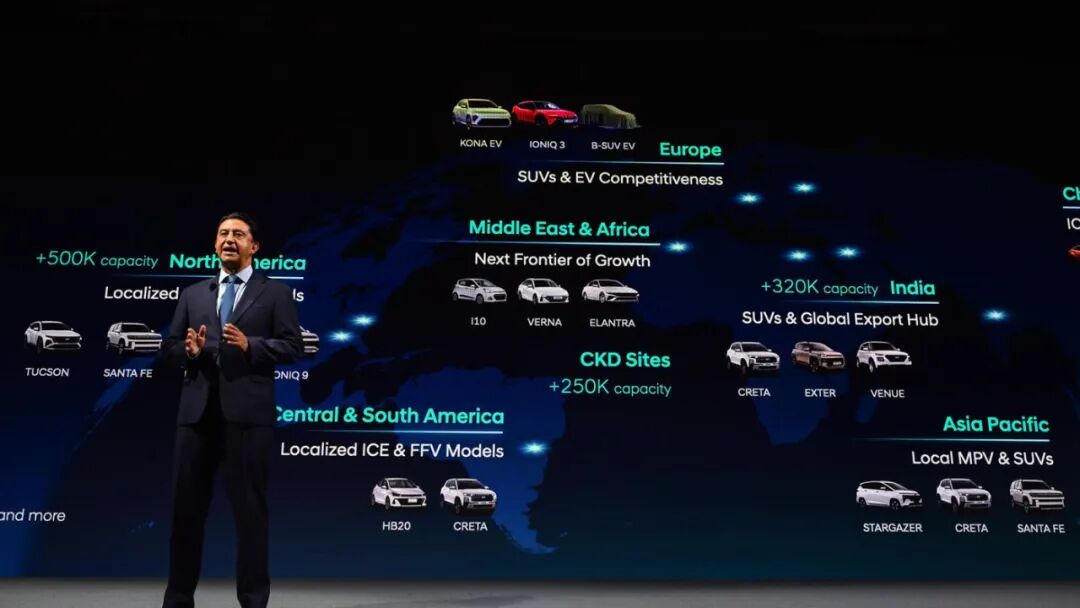
Although the Korean side said it would not give up the Chinese market, its true intention was to maintain a relatively stable situation in China with limited and controllable capital investment. For example, in product planning, the North American market planned to launch 58 models, Europe 41, and China only 22—even fewer than the Indian market.
On the other hand, although Beijing Hyundai sold 210,000 vehicles in 2025, exports accounted for 82,000 of them—nearly 40%—becoming Hyundai Motor's main revenue in China. The Hyundai Group regarded China more as an export base than a truly core market.
Li Fenggang's departure was essentially an outward manifestation of Beijing Hyundai's deep-seated contradictions. In a joint venture where there are fundamental differences in shareholders' strategic priorities and the governance mechanism is nearly stalled, localized personnel arrangements lack the institutional conditions for implementation. Anyone placed in this position would face the same boundaries of power and find it difficult to make a difference.
For Beijing Hyundai, which is already under pressure simultaneously in channels, brand, and product rhythm, what it truly needs is not another general manager "filled with high expectations," but an environment in which any general manager can work effectively.
Note: Some images are from the internet. If there is any infringement, please contact us for deletion.
-END-
-
![]()
AI Office Track Head-to-Head: After the Battle for Entry Points, the Renewal Period Is the Real Test
-
![]()
Why Is the Eyebox Always "Bright in the Center, Dark at the Edges"? — The Polarization Multiplexing Solution
-
![]()
Why Can't the Smartest Coding Assistant Reply to Your Messages Instantly?
-
![]()
Half of Domestic Tokens Used to Make Wish-Fulfillment Dramas? Large Models Face a Compute Bloat Bubble
-
![]()
Apple Picks Qwen — and There's More to It Than Meets the Eye
-
No Blackening, No Fanning—Xiaomi Auto's Goal of Delivering 550,000 Vehicles This Year Is Easier Said Than Done
-
![]()
Automakers' KPI Collapse
-
![]()
The All-New Xiaomi SU7 Ultra Laps the 'Ring Undisguised — Can Chinese Performance Cars Earn a 'Seat at the Table'?