Xiaomi Spends 1.7 Billion Yuan to De-CATL-ize: Is Lei Jun Content to Be a "Worker" for the Ning King?
 11/02 2026
 456
Xiaomi has finally made its move against CATL—but Lei Jun is by no means content to remain just a "worker" in the auto industry.
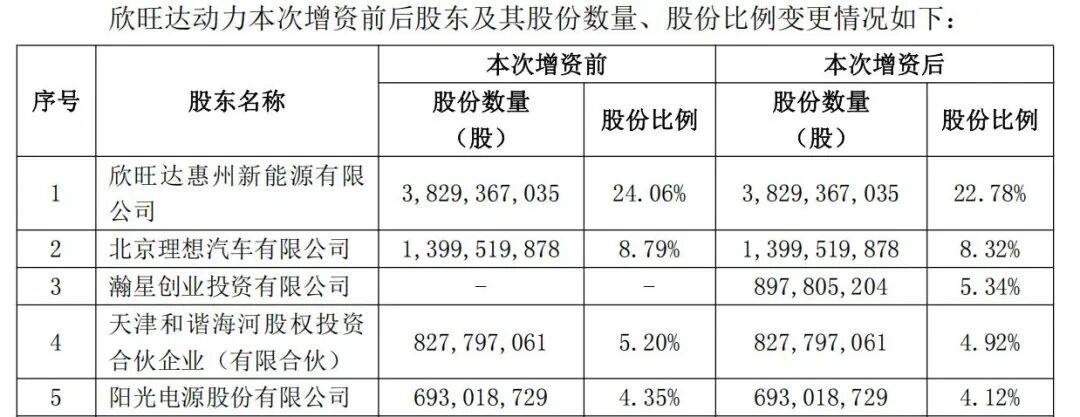
On the evening of October 29, Sunwoda issued an announcement: Xiaomi, through its wholly owned subsidiary Hanxing Venture Capital, invested 1.7 billion yuan to acquire a 5.34% stake in Sunwoda Power, becoming its third-largest shareholder. The news had barely broken before many were calling it a milestone in "de-CATL-ization." But if you seriously believe Xiaomi is about to "break up" with CATL, you are being far too naive. This is not "de-CATL-ization" at all—it is an open conspiracy of "wanting both."
First, what Xiaomi wants is CATL's "face" and Sunwoda's "substance." CATL remains the primary supplier for Xiaomi's main pure-electric models; Xiaomi simply cannot cast off this technical endorsement of the "world's No. 1" in the short term. But high-end is high-end: for the volume-driving extended-range "Pengcheng" series, Xiaomi turned directly to Sunwoda and CALB. Use the Ning King for the high end to protect reputation, and second-tier manufacturers for the mid- and low-end to protect profits—that is Xiaomi's calculation. Second, the real driving force is the profit account that keeps automakers awake at night.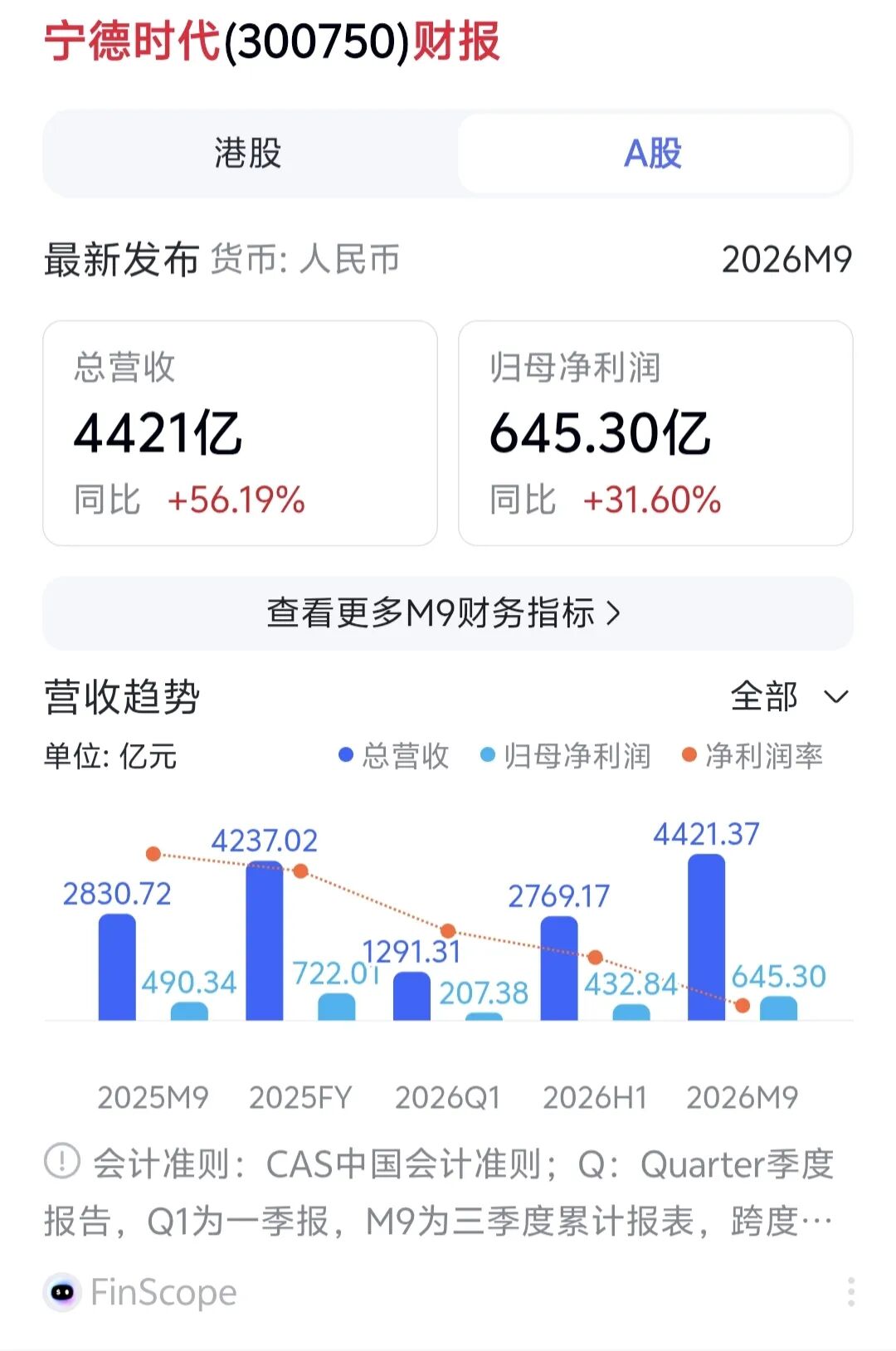
In the first half of 2026, CATL alone earned 43.284 billion yuan, while 23 major listed automakers combined earned only 25.1 billion yuan. Automakers work themselves to the bone selling cars, yet their profits are less than half those of battery makers. Why should car manufacturers work for battery sellers? According to Caixin and industry estimates, CATL's battery cells are about 5% more expensive than those of second-tier manufacturers—a difference of roughly 1,800 yuan per vehicle. At annual sales of 500,000 units, simply switching to a second supplier could generate 800 to 900 million yuan more in profit. Any automaker still struggling near the edge of losses can calculate this account more clearly than anyone. Third, what Xiaomi wants is not just cheaper prices, but "bargaining power."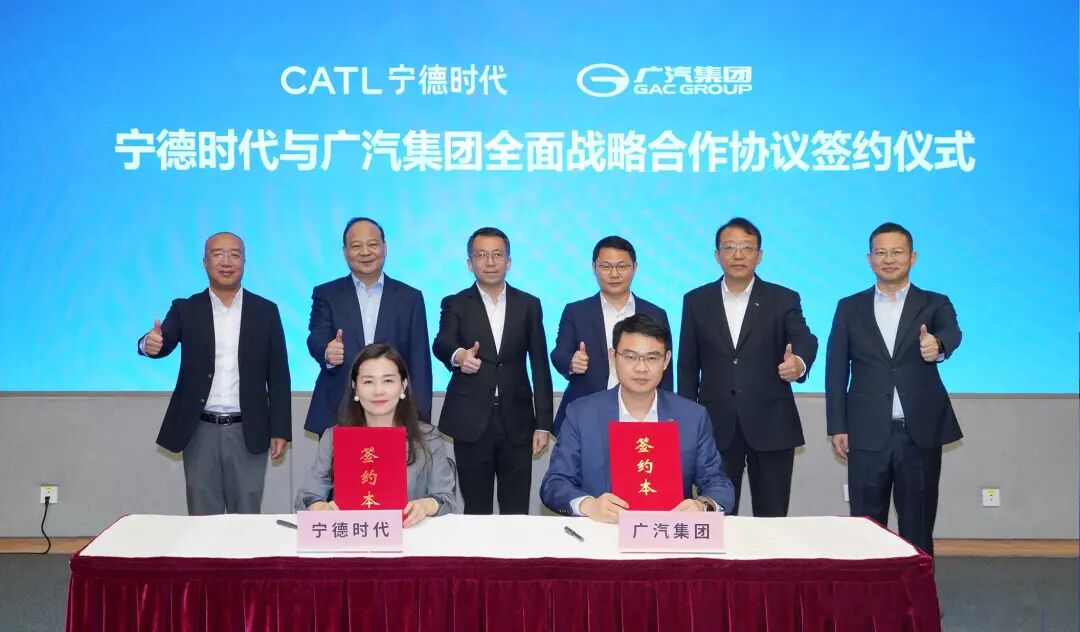
In September this year, Xiaomi already worked with Sunwoda and CALB on the "Longjia Battery," and even set up more than 8,000 quality inspection points on the production line. This share purchase is equivalent to upgrading the "procurement relationship" into a "capital binding." What Lei Jun wants is to change from "buying battery cells" to "defining battery cells." Moreover, Sunwoda Power's asset-liability ratio is as high as 84%, so Xiaomi's 1.7 billion yuan is itself a "blood transfusion" of cash—both timely help and a way to firmly lock production capacity in its own hands. But no matter how loudly "de-CATL-ization" is chanted, it cannot conceal one reality: in the short term, no one can truly replace CATL. Li Auto's L8 fully switched to Sunwoda, but the MEGA still uses CATL first and switches later.
Xiaomi itself is the same: its main pure-electric models still cannot do without CATL. So-called "de-CATL-ization" is essentially automakers, under profit anxiety, trying to claw back a bit of pricing power from the mouths of battery giants. As for whether CATL can really be kicked out, first ask whether your own high-end cars agree. Do you think Xiaomi's move can force CATL to cut prices? Let's talk in the comments.
#Mao Qiying AI Circle #Xiaomi invests in Sunwoda #de-CATL-ization #CATL #power batteries Data and image sources: Economic Observer, Jiemian News, Caixin, etc.
-
![]()
AI Office Track Head-to-Head: After the Battle for Entry Points, the Renewal Period Is the Real Test
-
![]()
Why Is the Eyebox Always "Bright in the Center, Dark at the Edges"? — The Polarization Multiplexing Solution
-
![]()
Why Can't the Smartest Coding Assistant Reply to Your Messages Instantly?
-
![]()
Half of Domestic Tokens Used to Make Wish-Fulfillment Dramas? Large Models Face a Compute Bloat Bubble
-
![]()
Apple Picks Qwen — and There's More to It Than Meets the Eye
-
No Blackening, No Fanning—Xiaomi Auto's Goal of Delivering 550,000 Vehicles This Year Is Easier Said Than Done
-
![]()
Automakers' KPI Collapse
-
![]()
The All-New Xiaomi SU7 Ultra Laps the 'Ring Undisguised — Can Chinese Performance Cars Earn a 'Seat at the Table'?