Long Gone From View, These New Forces Are Still Fighting to Come Back
 11/04 2026
 410
In today's new energy shakeout, many stories appear to have already been settled. Neta, WM Motor, HiPhi, Jiyue, and the veteran automaker Zotye—brands once familiar to the public—have gradually slipped out of view. Yet the curtain rarely falls cleanly in the auto industry. After production halts, bankruptcy reorganization became their lifeline: core assets were preserved, and production resumption plans are being pushed forward at varying paces.
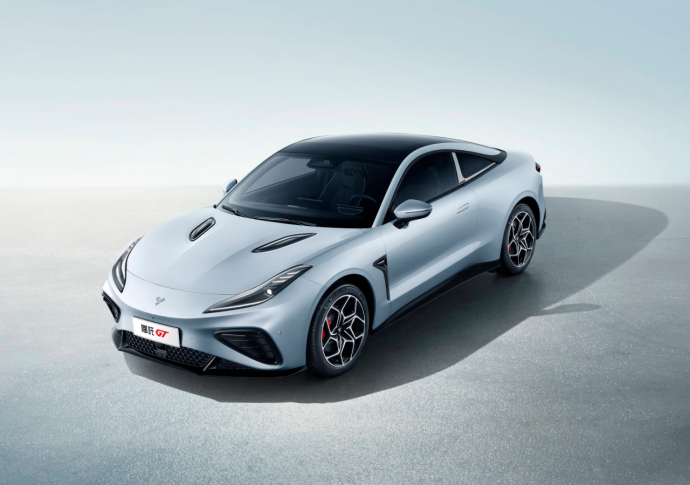
Neta Auto, once firmly entrenched in the first tier of new-force sales, quickly gained volume with affordable models and was long regarded as a benchmark in the lower-tier market. But as the price war kept intensifying, its low-price strategy could barely cover costs. Coupled with the capital drain of expansion, cash flow came under rapid pressure, and the company entered bankruptcy reorganization proceedings.
On October 19 this year, the fourth creditors' meeting of Neta Auto's parent company, Hozon New Energy Automobile Co., Ltd., completed voting on the Draft Reorganization Plan, with both the secured claims group and the ordinary claims group passing it smoothly. Only the investors' group has yet to vote, and the rollout of the 3 billion yuan investment is stuck at this step.
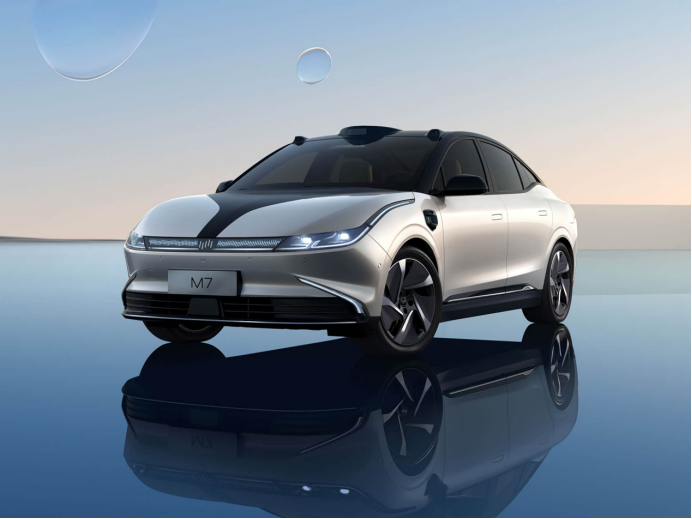
As another standard-bearer of the early new forces and one of the former "Four Little Dragons," WM Motor's road back to production has been equally tortuous. In September 2025, the company officially released a white paper announcing the resumption of production, stating that more than ten vehicles had rolled off the line for the market. Since then, however, its production and sales figures have remained at zero.
In February this year, its official Weibo account stopped updating; at the end of May, the Xiaoma Suixing app suffered widespread outages. All signs suggest that WM Motor's actual progress in resuming production is far slower than originally announced.
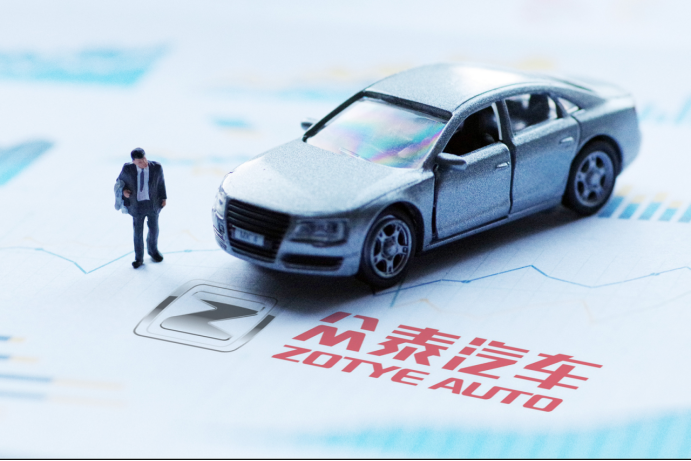
Zotye Auto's revival began even earlier, with its reorganization legal procedures completed as far back as 2021. Yet years on, its main business has still made little headway. On September 9 this year, the company officially announced that its new A0-class pure electric compact car, the Win Y01, had entered the trial production stage. The new model is planned to adopt KD (knock-down) assembly, focus mainly on overseas markets, and is not intended for large-scale sales in China for the time being.
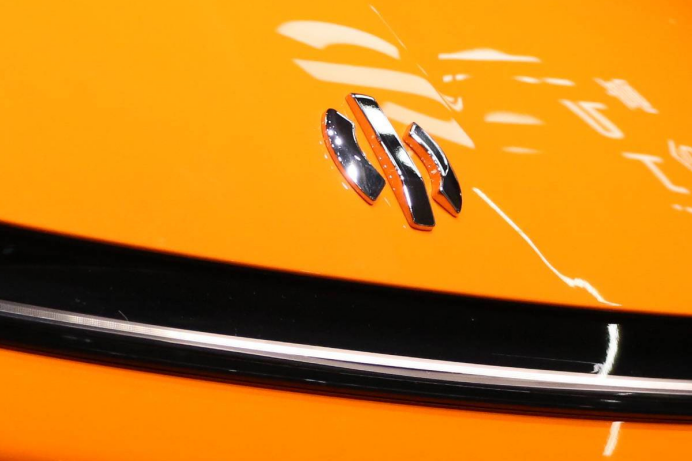
HiPhi Auto, for its part, once carved out a distinctive niche in the high-end pure electric market with its NT intelligent wing architecture and signature wing-door design. Many customers bought in precisely because of that distinctive design. In April this year, the local court ruled to approve its reorganization plan and simultaneously terminated the reorganization proceedings. Under the public plan, Middle Eastern capital EV Electra intends to invest and take over the brand's subsequent operations, but follow-up funding and capacity recovery are still underway and have yet to be fully delivered.
Compared with other new forces, Jiyue Auto—backed by two heavyweights, Baidu and Geely—moved at a blistering pace from incorporation to the launch of its first model, almost as if born with a silver spoon. But its actual market performance after launch fell far short of expectations. It later slid into an operating crisis in 2024, with large numbers of suppliers demanding payment and employees demanding unpaid wages, and its operations ground to a halt.
In May this year, the Shanghai Third Intermediate People's Court ruled to accept the substantive consolidated reorganization application of Shanghai Jidu Automobile Co., Ltd. and its five affiliated companies. This means Jiyue Auto has officially moved from the pre-reorganization stage into a court-led substantive consolidated reorganization procedure, and where it goes from here remains to be seen.
Five automakers, five different progress bars. Qualifications have been retained, production lines still exist, and some have even rolled trial-production vehicles off the line—but none has truly sold cars back to consumers.
Still, the fact that these brands have reached the stage of reorganization and restart is actually far better than complete bankruptcy and liquidation. They all hold inherent advantages—ready-made qualifications, existing production lines, and accumulated past customers—without needing to build systems from scratch like entirely new brands.
But turning revival from an official announcement into reality is no easy feat.
The reason is that the new energy market is no longer the blue ocean it was a few years ago when new forces rushed in. Head brands such as BYD, Geely, and Xiaomi have essentially locked up markets across price bands, and the price war has been fought round after round. For latecomers to seize a stable market share, the difficulty is several times greater than it was a few years ago.
Moreover, whether starting a business or reviving one, carmaking requires enormous capital. At present, the capital reserves of these new forces remain unknown. As is well known, recent years have seen new technologies emerge endlessly, with frequent and rapid technological iteration. The technological reserves of these reviving players already show an obvious gap compared with current mainstream market products.
It should also be noted that the trust rift between brands and consumers is very difficult to repair to its original state. Production halts and after-sales interruptions are common negative labels for this batch of automakers. After experiencing an operating crisis, consumers will inevitably worry that the brand may stall again. This trust cannot be repaired merely by a reorganization announcement.
More critically, even if these automakers that once fell into operating difficulties successfully revive, consumer acceptance remains an open question. After the previous standstill turmoil, how many consumers will still be willing to cast trust votes for their products and services—and actively pay for them?
The reshuffle in the new energy industry is still ongoing, and there is no shortcut to rebirth. As for which of these new forces can truly come back to life, only more time will tell.
(Images are from the internet and will be deleted if infringing)
-
Capturing Over Half of the AI Server ODM Market: Foxconn Industrial Internet's Stellar Performance, But Can It Shed the Contract Manufacturer Label?
-
Embarrassing: Apple Paid an Extra 16.7 Billion Yuan in "Memory Tax" This Quarter!
-
![]()
Musk and Gates's Feud Escalates!
-
![]()
ZTE Rumored to Sell Phone Business at 40 Billion Yuan Valuation, with a Major Internet Company Set to Take Over? Official Response Arrives
-
![]()
Prompt Engineering in Practice: Giving Six AI Characters Distinct Speaking Styles
-
![]()
Xingyu Co., Ltd.'s Q3 Net Profit Falls Nearly 40%: Chinese Automotive Lighting Has Won on Styling, but the Profits Are Gone
-
![]()
More like twins: the growth paths of these two automakers are strikingly similar
-
![]()
Chinese Automakers Go Global: Entering the "Export Quota Competition" Phase