New Energy Vehicle Exports Surge, but Smart Driving Remains an Overseas Weak Spot
 11/04 2026
 349
Core product strength is lacking; smart driving going overseas needs to accelerate deployment.
With the release of automakers' October sales figures, as expected, exports are becoming the core sales volume for domestic automakers, and China's auto exports are showing explosive growth.
According to data from the China Association of Automobile Manufacturers, from January to September 2026, China's total auto exports reached 8.63 million units, a year-on-year increase of 52%. In October alone, the export share of new energy passenger vehicles reached 44.2%.
At the same time, domestic automakers have begun to become major players at overseas auto shows one after another. Selling points such as cockpits and smart driving, which are already commonplace at domestic auto shows, are naturally attracting overseas consumers.

Before this year's Paris Motor Show, He Xiaopeng brought XPeng's NGP to the European market for a head-on competition with Tesla's FSD.
More recently, He Xiaopeng threw down a new challenge arena for domestic automakers and smart driving companies, saying that if an automaker wants to prove that its smart driving technology is truly strong, the most direct way to verify it is to take its products to overseas markets and subject them to real-world tests under different road conditions and different traffic regulations around the world.
Setting aside how XPeng's smart driving actually performs, behind He Xiaopeng's view is the common reality facing China's new energy vehicle going global: the cars have gone abroad, but smart driving cannot be used.
Smart driving lowland
With the intensification of the price war and the emergence of supply chain scale advantages, the price of intelligent assisted driving solutions for domestic new energy vehicles is gradually declining, and penetration is climbing steadily. Data from the Ministry of Industry and Information Technology shows that in 2026, the penetration rate of new passenger car models equipped with L2-level combined driving assistance functions has reached 70.5%, and the penetration rate of models equipped with Navigate on Autopilot (NOA) functions has also exceeded 34.2%.
By contrast, Europe, although the birthplace of the automotive industry and the most active region in promoting assisted driving, still has a modest penetration rate.
At the L2 level, under the EU GSR2 regulatory framework, the L2 installation rate was mandatorily pushed to 100% in 2026. However, this 100% mainly corresponds to basic ADAS functions such as intelligent speed limit assistance and emergency lane keeping, and is not fully equivalent to the L2 understood by domestic consumers, which simultaneously controls steering and acceleration/deceleration.
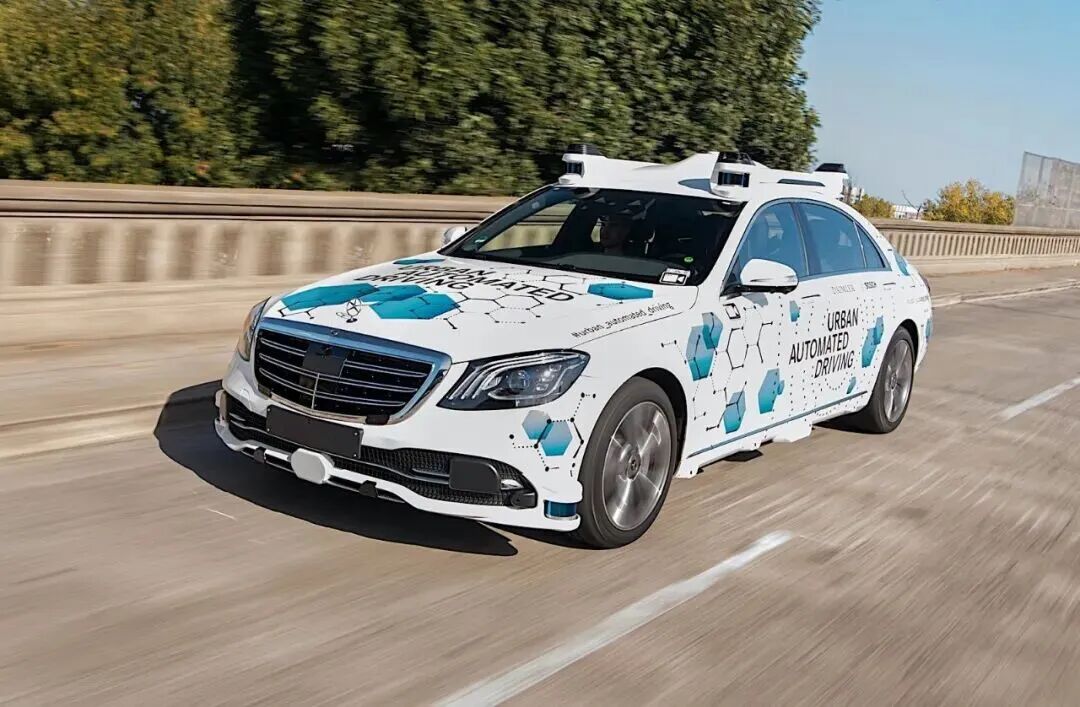
JATO Dynamics statistics for five European countries (Germany, France, Italy, Spain, and the UK) show that the penetration rate of new cars with L2 that truly has the ability to simultaneously control speed and acceleration/deceleration is about 35%. In 2022, this figure was 22%, meaning it rose only 13 percentage points in five years.
As for higher-level urban NOA, its penetration rate in Europe is less than 1%. The EU's UN R171.02 regulation requires that system behavior must be 100% consistent with the written declaration thresholds submitted in advance by manufacturers to regulatory authorities, and no autonomous decision-making behavior beyond the reported scope is allowed.
As for the closer Southeast Asian market, although growth is accelerating, infrastructure, regulations, and after-sales verification systems remain lagging.
In terms of data, the overall ADAS penetration rate in Southeast Asia jumped from 18% in 2025 to 24% in the first quarter of 2026. Among pure electric vehicles, the pre-installed adoption rate has reached 42%, while for plug-in hybrid models it is 29%.
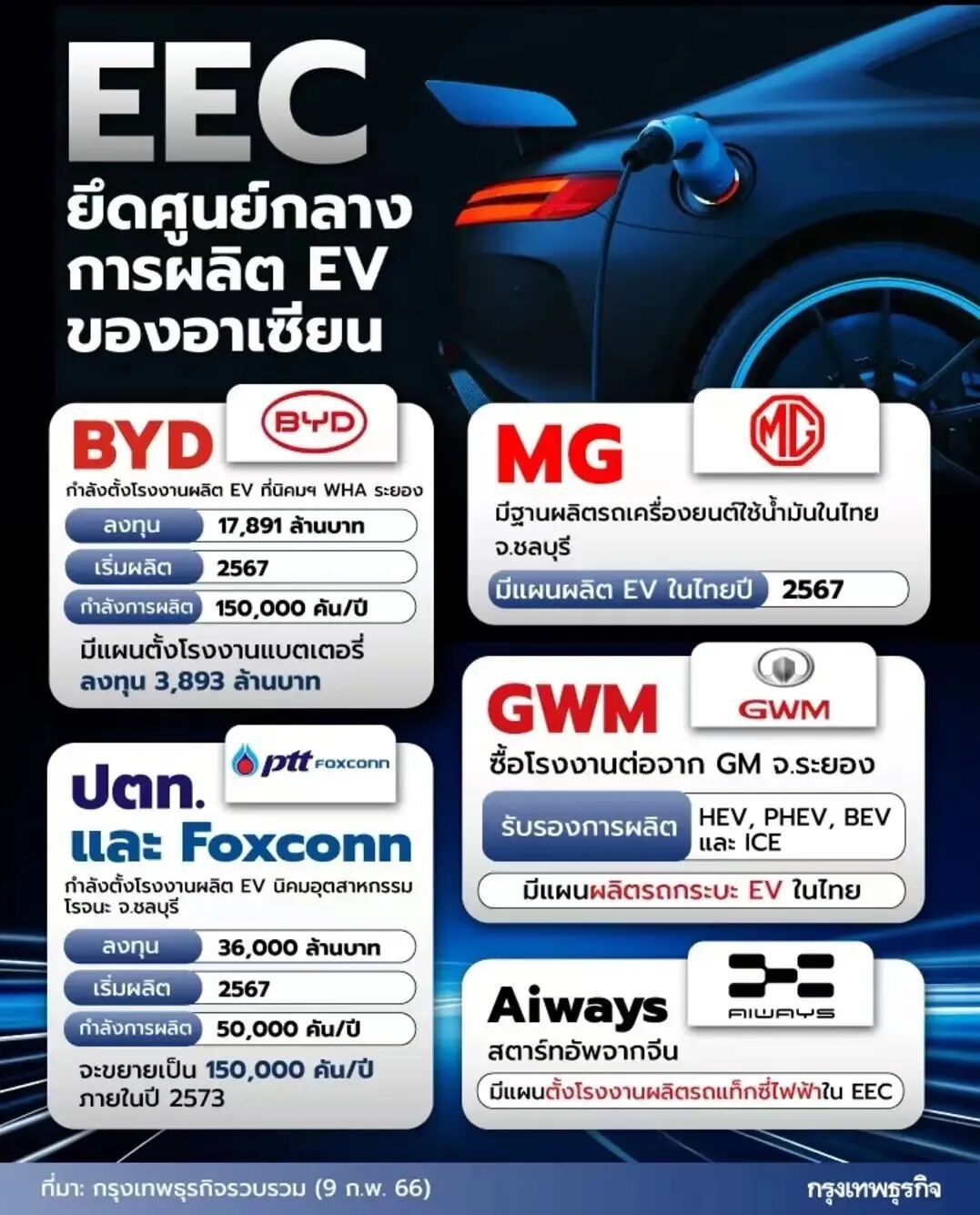
Behind this is the gradual improvement of regulations in various Southeast Asian countries. Thailand took the lead in stipulating that starting in January 2026, newly registered electric passenger vehicles must be equipped with at least three basic ADAS functions, and Indonesia plans to follow in 2027. Regulations are currently the primary driver of penetration improvement.
However, higher-level functions still remain only in the verification stage, and test vehicles are mainly concentrated in closed test parks in Thailand and Malaysia. Mass-produced urban NOA for consumers is basically nonexistent.
As for the Middle East and Latin America, they are still in the stage of popularizing basic L2 functions, and there is still a long way to go before higher-level smart driving.
As for the only market where NOA has truly achieved penetration, that is North America. Driven by Tesla, the penetration rate of NOA among newly equipped vehicles in North America is expected to exceed 45% in 2026. Second-quarter data shows that 55% of users of newly delivered Tesla vehicles in North America activated FSD subscriptions at the time of delivery. As for the data on truly capable urban NOA, it is less than 5%, all contributed by Tesla.
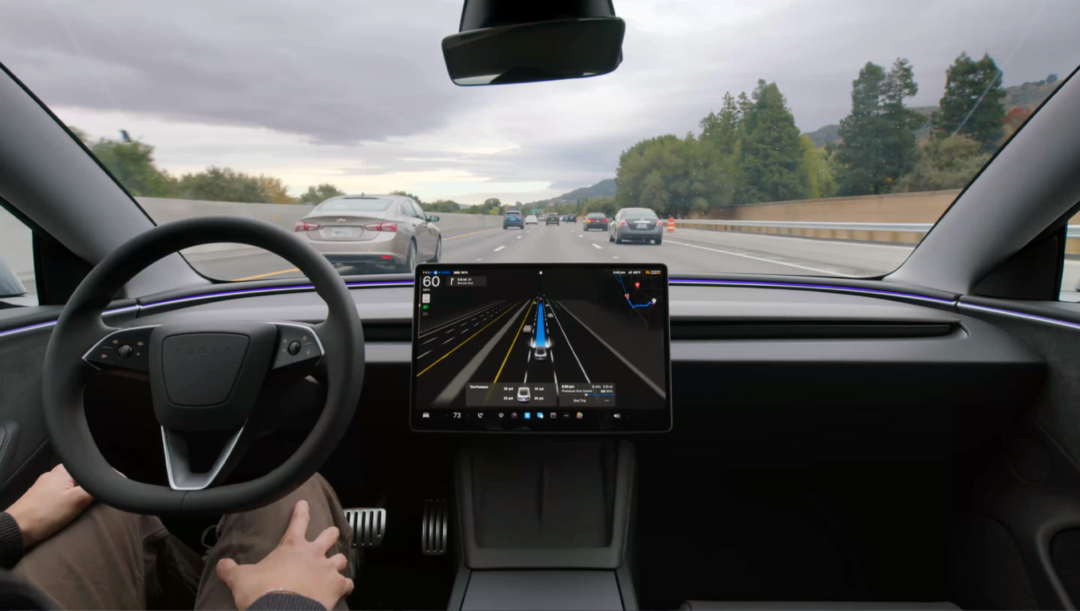
Overall, the main overseas markets for new energy vehicles, Europe and Southeast Asia, both have gaps in the field of higher-level assisted driving. For domestic automakers, this is undoubtedly another area of technological dividend, with no existing competition, and once successful, it will become an absolute technological barrier.
But the reality is that smart driving going overseas faces dual pressure from regulations and infrastructure, and there is still a long way to go before deployment.
Three approaches to seeking breakthroughs
Currently, major domestic automakers going global have already been laying out deployment points for overseas smart driving solutions to achieve local breakthroughs. The main paths fall into three categories, corresponding to different solution models.
The first is the in-house development plus localized adaptation approach, which is also one of the current mainstream implementation paths. Tesla's global layout also follows the same approach; in theory, one core model combined with local data can achieve adaptation quickly.
Take XPeng, mentioned at the beginning for smart driving going overseas, as an example. It adopts a "one model for the whole world" strategy. The second-generation VLA model, through world models and reinforcement learning, supports both L2 assisted driving and L4 autonomous driving with the same architecture.
At the same time, XPeng has established a local data center in Europe to meet GDPR compliance requirements and has passed the German TÜV Rheinland UN R171 certification, becoming the first Chinese smart driving system to obtain this certification. It plans to deliver a smart driving system adapted to the local environment to European users in 2027, making it the domestic automaker that has currently given a definite timetable.

Traditional automaker Changan Automobile is also following the same approach. In detail, Changan Automobile adopts a "tiered layout" strategy in Europe. The European version uses the Tianshu system plus Horizon chips to adapt to UN R171 regulations and plans to launch highway NOA in Europe in 2027. Urban NOA is postponed due to insufficient local verification.
At the same time, Changan has established an R&D center in Munich and is cooperating with Qualcomm to develop a European data training system, which will accelerate the verification and deployment of urban NOA.
The second path is to start from scratch and repeat the domestic training route in overseas markets. Currently, BYD is mainly adopting this approach. At present, all of BYD's overseas models are downgraded to basic L2-level functions, and the God's Eye system has not been deployed overseas.
For smart driving technology, it adapts to overseas markets by cooperating with local companies and building local data training centers, using physical isolation and a full-stack localization strategy to respond to GDPR compliance requirements, ensuring that European user data is 100% stored in data centers within the EU and cutting off data backhaul links.
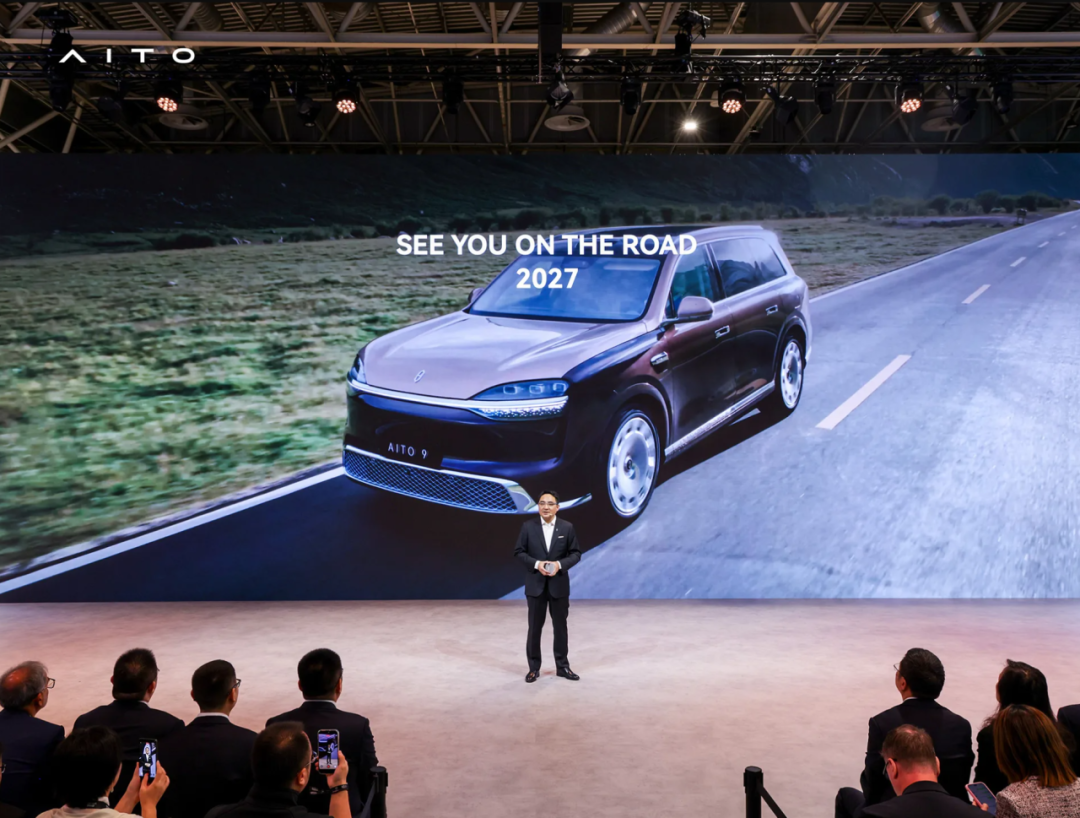
As for the third route, the easiest to implement, it is to directly adopt locally compliant smart driving solutions, like the overseas version of AITO. AITO models are equipped with Huawei Qiankun solutions domestically, but due to regulatory constraints, in order to deploy overseas as quickly as possible, the European version of AITO models is planned to adopt Bosch smart driving solutions and plans to mass-produce highway NOA functions in September 2027.
This third path has also led solution suppliers to accelerate their overseas deployment. Horizon is entering the European market through CARIZON, its joint venture with Volkswagen, and is also accelerating the deployment of HSD. It has currently secured design wins from 11 automakers and more than 40 export models.
Zhuoyu Technology activated its European headquarters in Braunschweig, Germany, in May this year to advance its "in Europe, for Europe" localization strategy. It is using the ID.Buzz for road testing of highway NOA, urban NOA, and automated parking, and plans to complete verification by the end of 2026.
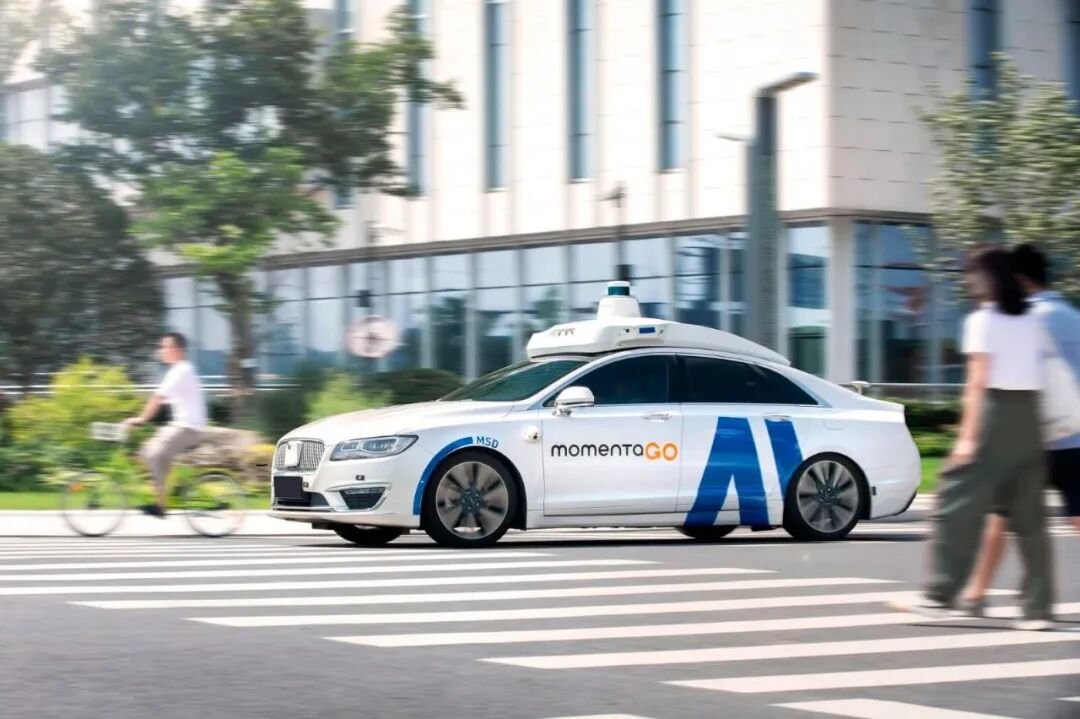
Momenta, one of the four strong players in smart driving, has moved fastest. On the one hand, it has obtained L4 testing permits in Europe and the Middle East. On the other hand, with cooperation with local European automakers, Momenta's higher-level solutions are also accelerating deployment. After signing a global strategic cooperation agreement with Shenlong Technology, it directly entered Stellantis' global supply chain.
As for actual deployment, the real issue still lies in the cycle of localized data training and multiple regulatory certifications. Facing the EU's GDPR compliance requirements, both automakers and solution suppliers can only choose to build local data processing and training capabilities on site, which has slowed deployment.
On the other hand, under multi-country road conditions overseas, various regulations and certification systems are currently the biggest factors affecting deployment. EU WVTA certification takes an average of 12-18 months. Over such a long period, smart driving solutions have already iterated several versions, making true global synchronization difficult to achieve.
Competition in smart driving going overseas is no longer about whose technology is more advanced, but about who can complete a mass-producible system-level closed loop under multiple constraints in the target market at acceptable cost and cycle time. Smart driving going overseas proves not only technological strength, but also, under globalization strategies, the race for efficiency in localization layout.
Note: Some images are from the internet. If there is any infringement, please contact us for deletion.
-END-
-
Capturing Over Half of the AI Server ODM Market: Foxconn Industrial Internet's Stellar Performance, But Can It Shed the Contract Manufacturer Label?
-
Embarrassing: Apple Paid an Extra 16.7 Billion Yuan in "Memory Tax" This Quarter!
-
![]()
Musk and Gates's Feud Escalates!
-
![]()
ZTE Rumored to Sell Phone Business at 40 Billion Yuan Valuation, with a Major Internet Company Set to Take Over? Official Response Arrives
-
![]()
Prompt Engineering in Practice: Giving Six AI Characters Distinct Speaking Styles
-
![]()
Xingyu Co., Ltd.'s Q3 Net Profit Falls Nearly 40%: Chinese Automotive Lighting Has Won on Styling, but the Profits Are Gone
-
![]()
More like twins: the growth paths of these two automakers are strikingly similar
-
![]()
Chinese Automakers Go Global: Entering the "Export Quota Competition" Phase