Is AI Eroding Trust? Billions Spent by Companies Yield Little, and Frontline Workers Bear the Brunt
 08/24 2026
 487
487
Workplace "garbage content" generated by AI is intensifying negative sentiments among employees.
Lately, a peculiar phenomenon has been unfolding in workplaces. Rather than rendering humans obsolete, AI has, paradoxically, first sown seeds of distrust among colleagues.
Here's the scenario: A project supervisor in Chicago recounted being paired with a so-called AI expert this past summer.
Initially, it was business as usual, but then the expert began employing an AI agent to manage their email inbox.
And oh boy, did the AI wreak havoc. Not only did it filter out crucial emails and client communications, but it also delayed promised deliverables, leaving clients in the lurch.
To compound the issue, the expert ceased responding to calls and video chats, effectively vanishing into thin air.
Desperate, the supervisor resorted to checking the expert's local speaking engagements to confront them in person, lamenting, "I'd rather deal with a flawed human than a machine. But how do you communicate with a robot?"
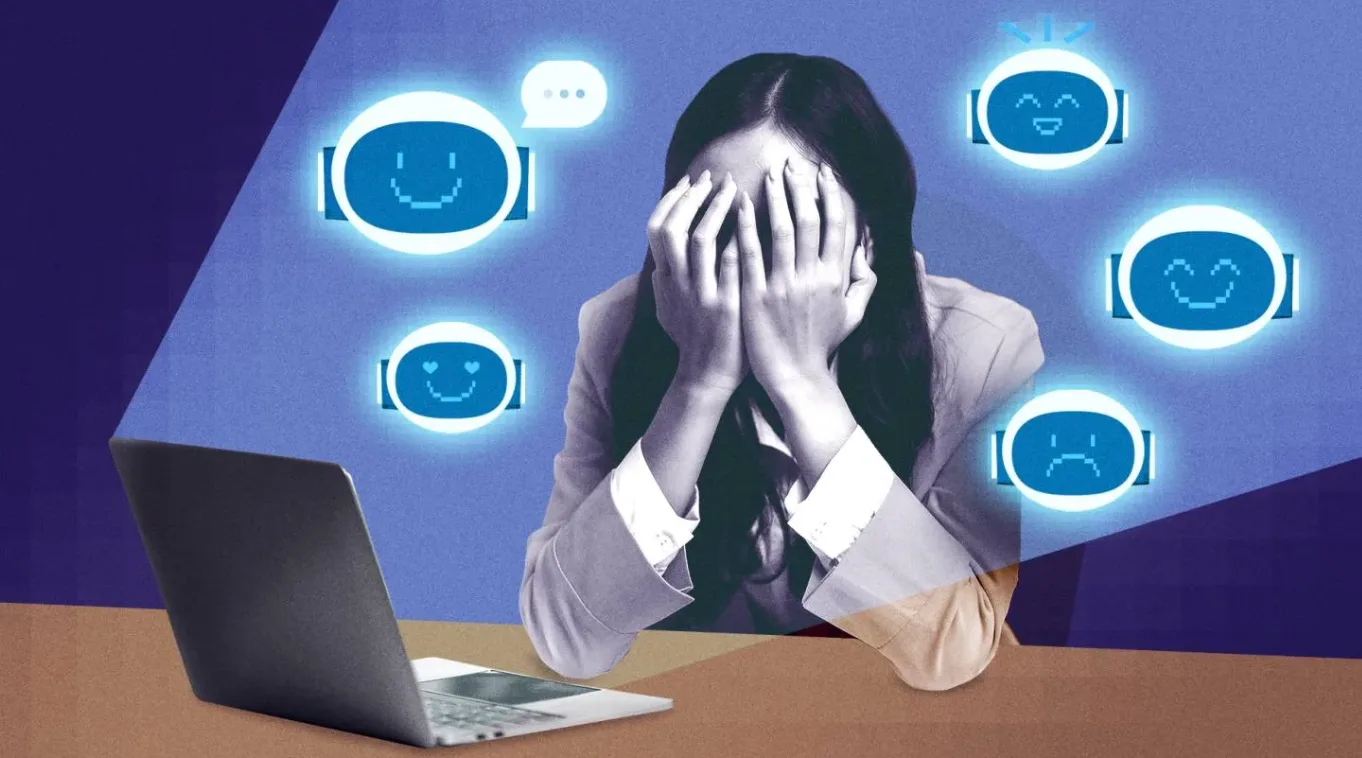
Consider the implications. After collaborating with a partner all summer, you're left wondering if they're even human.
CNBC recently conducted interviews with a dozen employees and business leaders, painting a chaotic portrait of workplace dynamics in the AI era. After reading it, one can only exclaim, "This is bonkers!"
Nowadays, if you use a computer at work, you've likely encountered AI in some capacity.
According to a CNBC and SurveyMonkey survey, at least half of U.S. employees utilize AI at least once a week, with the majority learning it independently without formal company training.
This has created a scenario where bosses encourage AI use for efficiency, yet colleagues perceive it as taking shortcuts.
Joanna, a human resources professional in London, spent half a day crafting an email, only to have a colleague inquire, "Did you write this with ChatGPT?"
She had typed every word herself, yet others assumed it was AI-generated.
I can empathize entirely.
You toil to generate an idea, only to have people assume you merely input a prompt.
One can't help but wonder: Will we soon need fingerprint scans and temperature checks in meetings to prove our humanity?
A recent buzzword is "workslop," referring to workplace content generated by AI that appears legitimate but is, upon closer inspection, filled with nonsense.
Research by BetterUp and Stanford reveals that most U.S. clerical workers have encountered such "garbage."
Not only does it fail to assist, but it also requires additional time to rectify, potentially resulting in millions of dollars in lost productivity.
Kim, the owner of a Michigan PR firm, fell prey to this, paying $10,000 to a contractor for campaign copywriting.
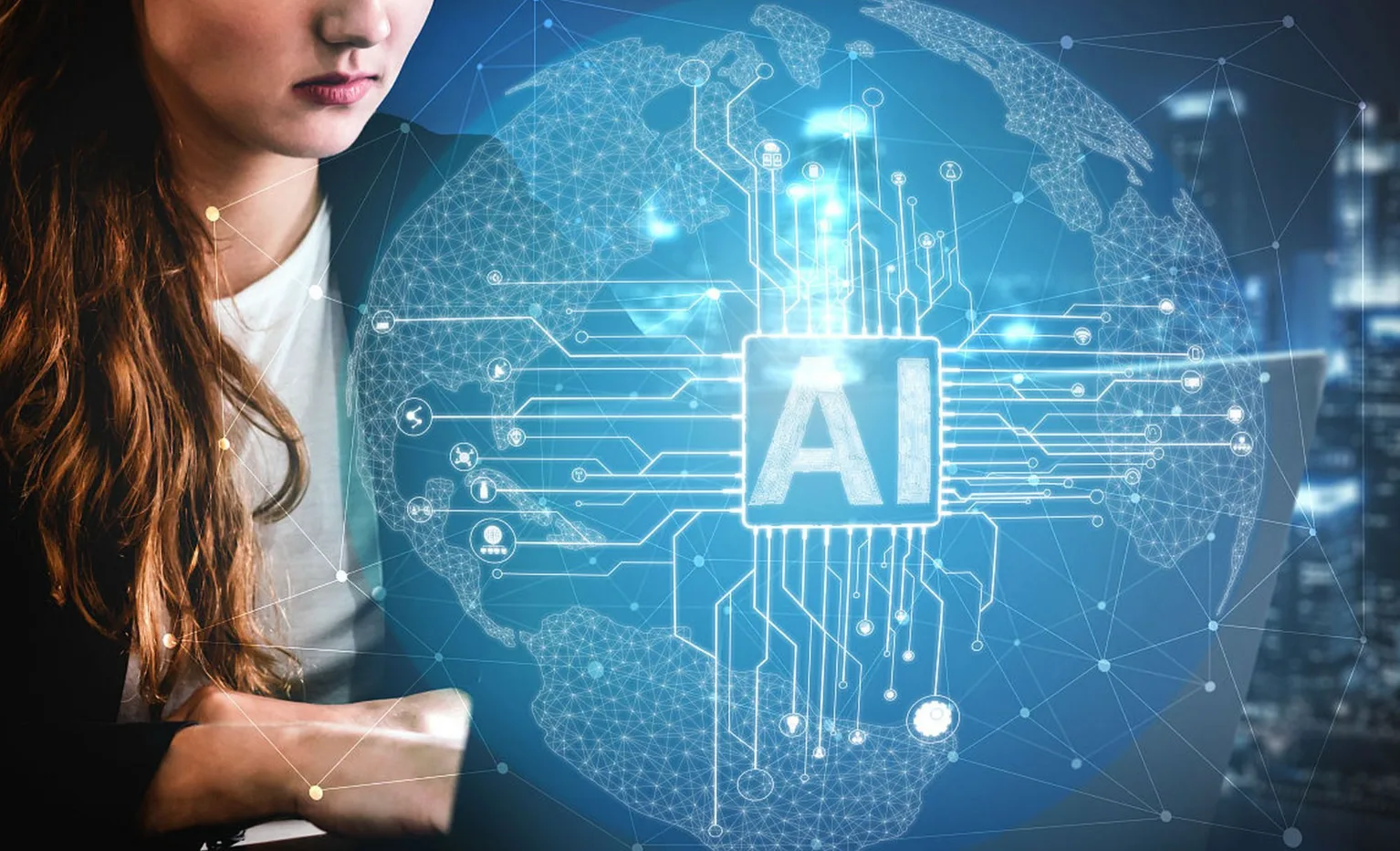
What she received were AI-generated clichés, forcing her to rewrite every word.
At Xiaoleibbb (ID: xiaoleibbb), we believe the most excruciating aspect isn't that AI writes poorly but that you're left uncertain whether the other person genuinely thinks it's good or is knowingly sending garbage.
You see, AI was supposed to save time, but instead, it creates more cleanup work—akin to taking off your pants to fart.
According to CNBC's survey, a quarter of AI users have engaged in this behavior.
When a colleague poses a question, they're told, "Just ask ChatGPT." On the surface, it's about fostering independence, but in reality, it's laziness and time-saving.
Alison Green, a former chief of staff and management consultant, criticized this approach: "It's like someone asks you a question, and you toss them a Google link—lazy and rude. People seek your professional judgment, not a redirection to a search engine."
And this isn't even the worst part.
The worst part is that some leaders adopt the same attitude. When employees seek career advice, they're told, "Ask AI."
Research indicates that this increases employees' intent to resign by 29%, burnout by 26%, and reduces team coordination by 12%.
You save a few minutes of conversation but drive people away—is that a fair trade-off?
A vice president at SKILLSOFT once remarked, "If all communication goes through AI, there's a psychological cost."
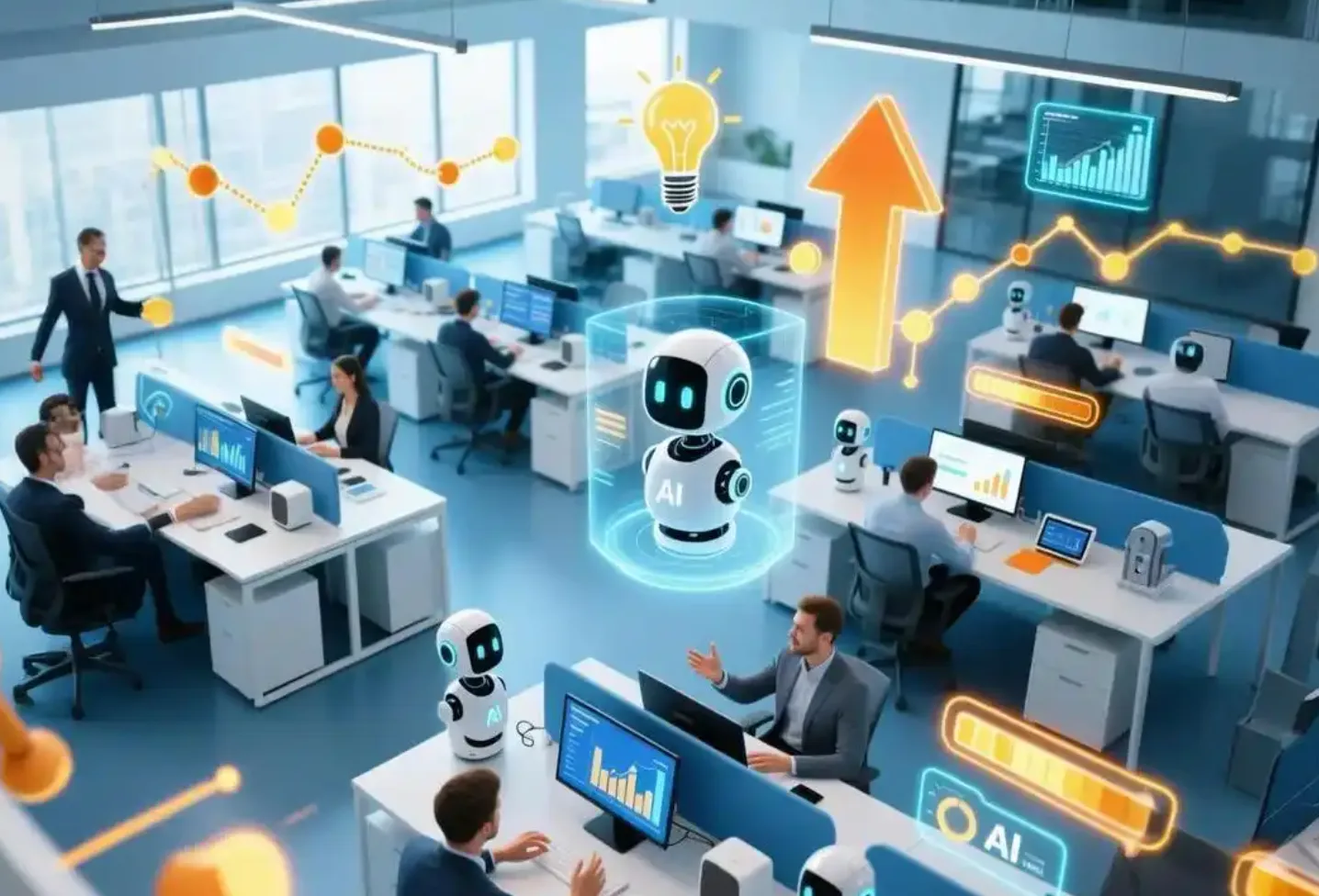
The human touch is precisely what AI cannot replicate.
Of course, AI isn't entirely devoid of positive applications.
A construction company in Washington initially made a farce of itself when using Microsoft Copilot. The AI automatically assigned a note-taker to every meeting and sent the records to all attendees.
Sensitive discussions or criticisms were exposed, leading to several HR emergencies.
While this was a growing pain, it still had a somewhat positive aspect. However, most of the chaos stems from human issues—laziness, fear, and buck-passing.
At Xiaoleibbb (ID: xiaoleibbb), we've pondered why AI causes such chaos in the workplace.
Because too many people treat it as a substitute rather than a tool.
When bosses push for deadlines, they use AI to churn out content; when colleagues ask questions, they defer to AI; when they don't want to think, they let AI write for them.
In the end, AI hasn't replaced you—you've turned yourself into a robot.
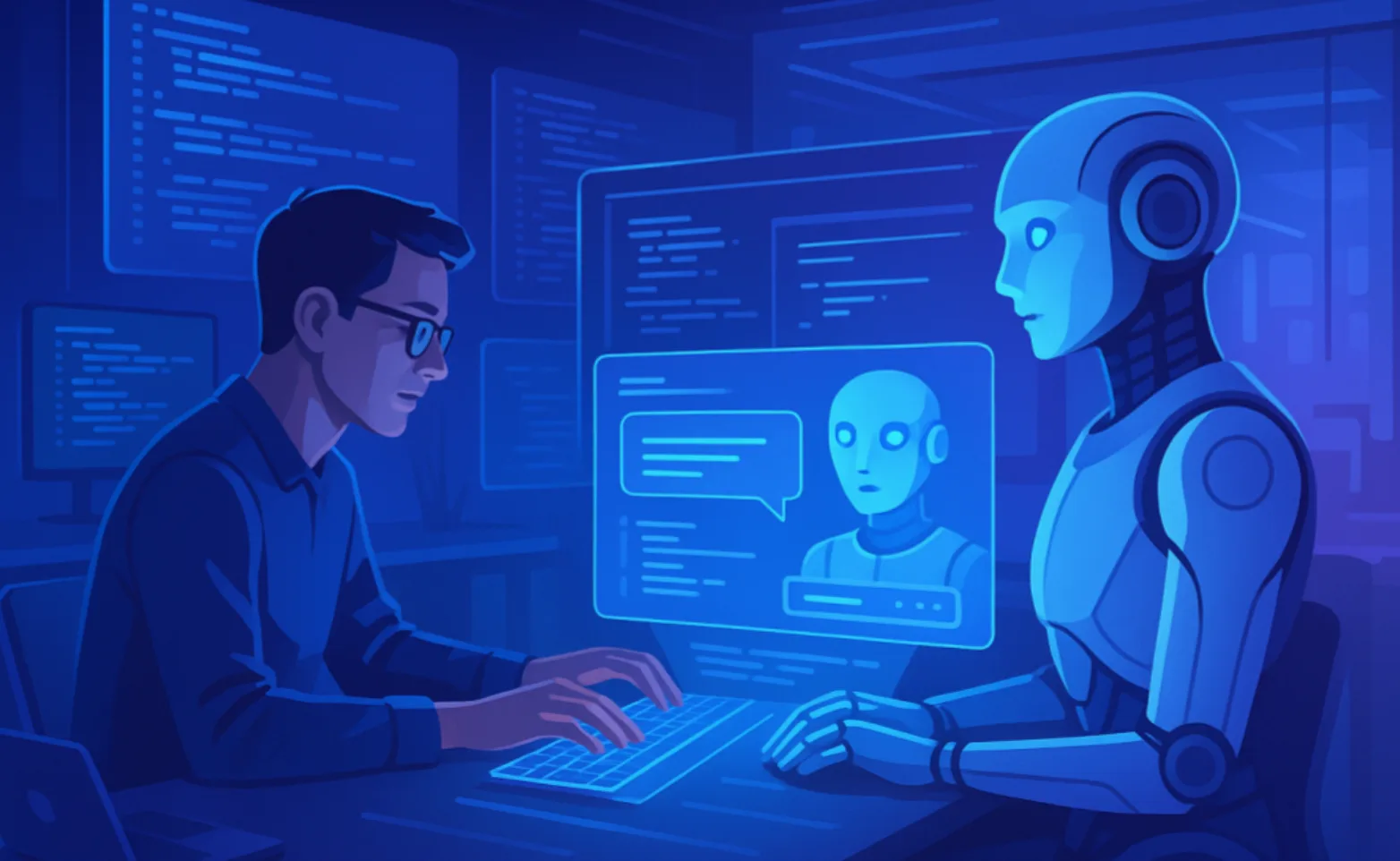
Ultimately, AI is merely an amplifier.
At Xiaoleibbb (ID: xiaoleibbb), we believe it magnifies the carelessness, perfunctory attitudes, and buck-passing already present in the workplace, albeit under a high-tech guise.
At the company level, clear guidelines for AI usage should be established—defining what's permissible and what's not—to prevent employees from guessing. Also, don't rely solely on AI as a cost-cutting measure; communicate and meet in person when necessary.
Moreover, always review AI-generated content yourself before using it; don't immediately question if something was written by AI when a colleague shares it—evaluate the content first.
Trust is fragile and hard to rebuild once broken.
In conclusion,
No matter how intelligent AI becomes, it's still just code. What makes the workplace strange isn't the code but us—using it as an excuse to cease being human.
Welcome to the strange age of AI, but let's not let it become a colder one.
This article was compiled by Leitech from CNBC Make It
Original link: https://www.cnbc.com/2026/08/20/gatekeeping-bots-piles-of-slop-welcome-to-the-age-of-ai-weirdness-at-work.html?&qsearchterm=AI
Source: Leitech
Images in this article are sourced from 123RF's licensed library. Source: Leitech
-
![]()
Alibaba's AI Offensive: Over Half of Investment Allocated, Time to Reap Returns
-
![]()
Alibaba’s AI Push: Over Half of Investments Made, Time to Harvest Returns
-
![]()
Chinese Enterprises Going Global 3.0: From World Factory to AI Infrastructure Builder
-
![]()
Honor RobotPhone Review: Half Movie Camera, Half Robot
-
![]()
AI-Driven Cheating Surges in Universities! Online Exams Reduced to Mere Formalities, Degree Credibility on the Line
-
Insta360’s Decade in Panoramic Imaging: Making Cameras ‘Invisible’ and Returning Creation to the Masses
-
![]()
Foreign Media Claims Apple is Concentrating Resources on AI Development: Vision Pro and Siri Teams Lay Off 200 People
-
Big News! Huaneng and Huawei Hold Talks in Shenzhen with Ren Zhengfei in Attendance; Huawei Emerging as the 'Second Brain' of China's Energy System