AI-Driven Cheating Surges in Universities! Online Exams Reduced to Mere Formalities, Degree Credibility on the Line
 08/24 2026
 541
541
Cheating is steadily undermining the credibility and value of academic degrees.
A recent report highlights a growing crisis in universities: an increasing number of students are resorting to generative AI tools to cheat, rendering unproctored online exams ineffective as reliable assessment tools.
Relevant educational bodies are sounding the alarm for universities: unproctored exams offer little resistance against AI-powered cheating, with students exploiting loopholes with relative ease.
AI-powered tools, such as ChatGPT, can effortlessly generate complete essays based on minimal prompts, and are now widely employed by students, posing a significant threat to the integrity of university education.
The report, issued by the British think tank Policy Exchange, urgently calls on UK universities to immediately halt unproctored remote exams, citing the escalating risk of AI-facilitated cheating.
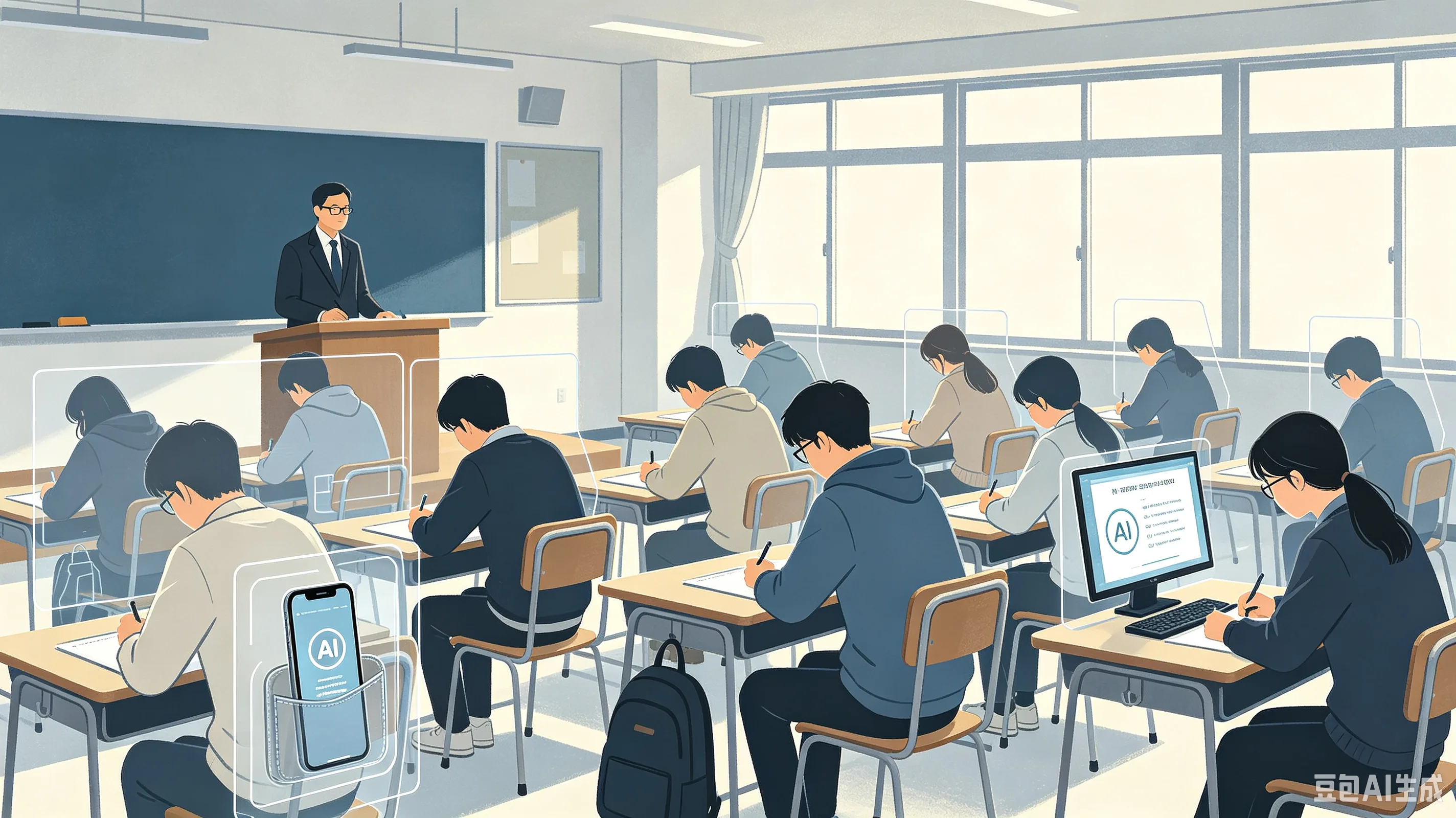
Image Source: Generated by Doubao AI
Sir Vince Cable, former UK Secretary of State for Business, penned the foreword to the report, emphasizing the need for universities to swiftly and decisively reform their assessment systems to counter the challenges posed by AI.
Sir Vince cautions that AI-driven cheating is gradually eroding the value of university degrees, creating an unfair environment for honest students who adhere to the rules and placing them at a significant disadvantage.
The report's author, Professor Phil Newton, a neuroscientist at Swansea University Medical School, discovered through research that UK universities have been slow to adapt to the AI era, with assessment methods remaining outdated. They heavily rely on modes susceptible to cheating, such as take-home assignments and unproctored remote exams, while rarely implementing supervised in-person assessments.
In 2024, Professor Newton submitted Freedom of Information requests to all UK universities and found that 78% of them were conducting online remote exams for students, yet only 10% had implemented online proctoring.
Online proctoring typically requires students to activate their cameras and record their screens during exams to deter cheating.
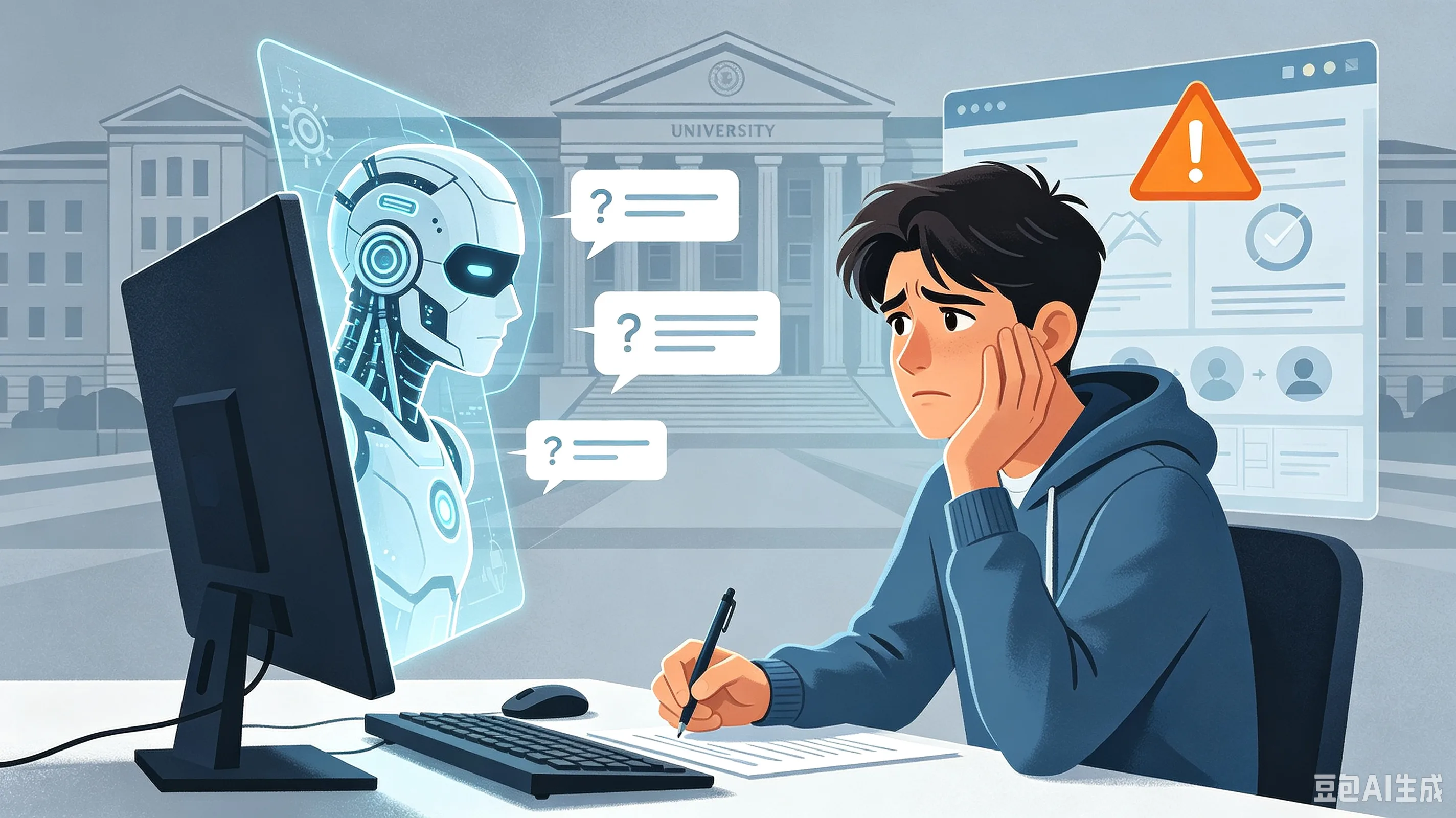
Image Source: Generated by Doubao AI
Data from that time also indicated that 70% of universities intended to continue using online assessments. Many university websites openly advertised online exams without mentioning any proctoring measures.
Multiple studies have now confirmed that the use of AI by university students to complete assignments and exams has become widespread.
A survey conducted by the UK's Higher Education Policy Institute in March of this year revealed that 94% of students admitted to utilizing generative AI for course assessments.
Professor Newton asserts in the report that if universities wish to maintain their autonomy and value in the AI era, they must fundamentally overhaul their assessment methods. He recommends the immediate suspension of unproctored online exams and prioritizing assessment methods that are resistant to AI manipulation.
He writes, "Whether conducted in-person or online, in written form or otherwise, assessments must be supervised face-to-face—this should be the standard practice."
Additionally, he proposes two key strategies: First, universities must thoroughly train educators in designing reliable and effective assessments; second, they should provide employers with more detailed and transparent information about the assessment methods used to award degrees to graduates.
As the former leader of the Liberal Democrats, Sir Vince described the report as "high-quality and timely." In his foreword, he writes, "Too many universities' assessment systems are vulnerable to circumvention by AI, leading to a devaluation of degrees and the gradual erosion of the educational role of universities."
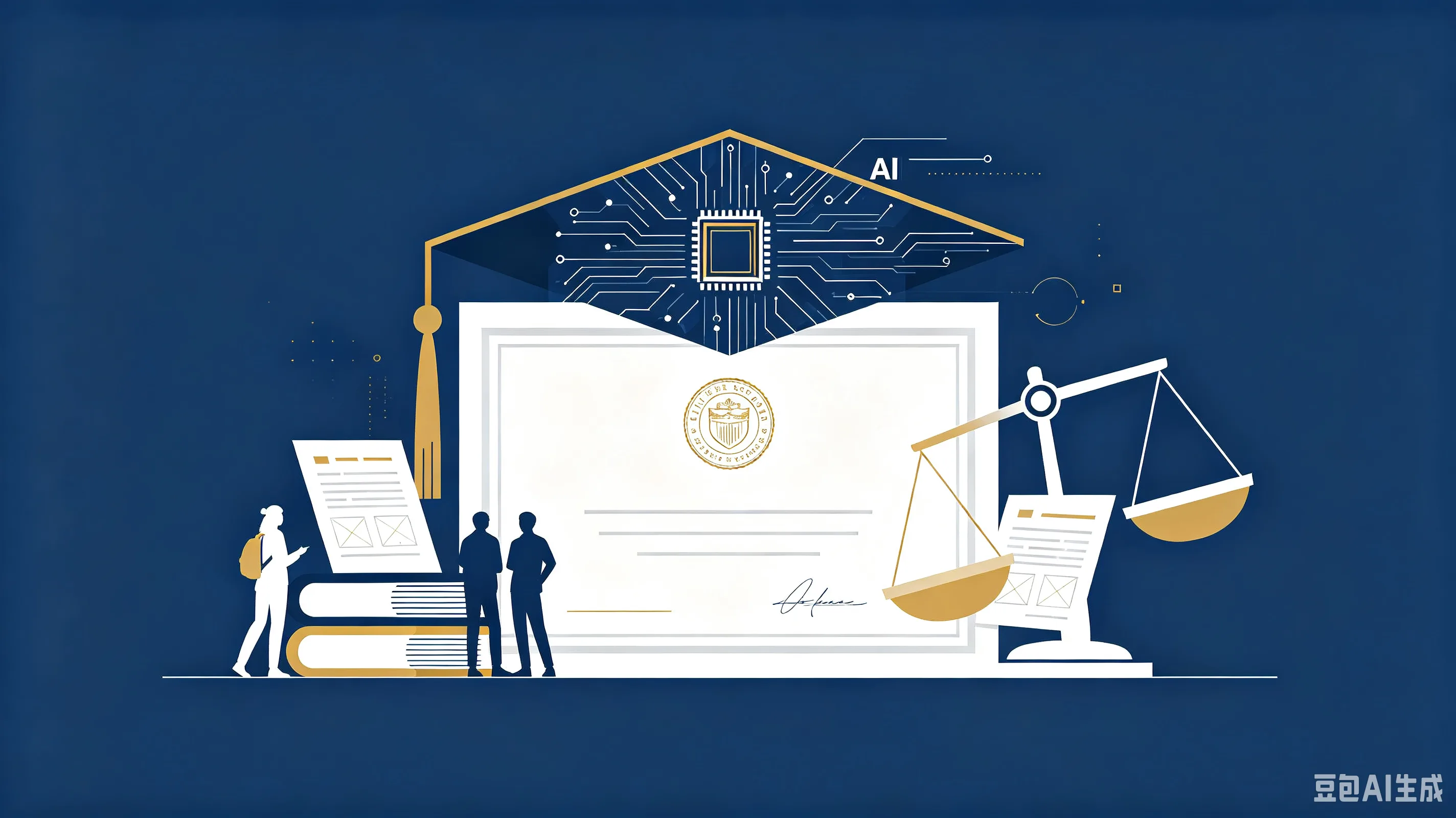
Image Source: Translated by Doubao AI
"More critically, students who refuse to cheat with AI and study diligently are at a significant disadvantage compared to those who take shortcuts. While diligent study is challenging and rewarding, its benefits are now being overshadowed by the prevalence of cheating."
"To maintain public trust in the value of degrees and the social value of higher education, universities must urgently revamp their assessment methods. Unless remote exams can be made completely secure, they should revert to in-person exams."
Lord Mendoza, Provost of Oriel College, Oxford University, also supports the report, stating that it sheds light on "a major new threat to the fairness of degree standards."
He writes, "The heavy reliance on unproctored online exams and take-home essays for final assessments essentially encourages students to cheat using AI. This is both unfair and disheartening for honest students and educators."
In response to the report, a spokesperson for Universities UK, representing 142 UK universities, said, "It is crucial that students, employers, and the public have confidence in the degrees awarded by universities. Universities are actively engaging with students to promote responsible use of AI and have robust policies in place to address rule violations."
Compiled by Leikeji from The Telegraph
Original Link: Using AI to 'Bypass' Online University Exams
Source: Leikeji
Images in this article are from the 123RF licensed library. Source: Leikeji
-
![]()
Alibaba's AI Offensive: Over Half of Investment Allocated, Time to Reap Returns
-
![]()
Alibaba’s AI Push: Over Half of Investments Made, Time to Harvest Returns
-
![]()
Chinese Enterprises Going Global 3.0: From World Factory to AI Infrastructure Builder
-
![]()
Honor RobotPhone Review: Half Movie Camera, Half Robot
-
![]()
AI-Driven Cheating Surges in Universities! Online Exams Reduced to Mere Formalities, Degree Credibility on the Line
-
Insta360’s Decade in Panoramic Imaging: Making Cameras ‘Invisible’ and Returning Creation to the Masses
-
![]()
Foreign Media Claims Apple is Concentrating Resources on AI Development: Vision Pro and Siri Teams Lay Off 200 People
-
Big News! Huaneng and Huawei Hold Talks in Shenzhen with Ren Zhengfei in Attendance; Huawei Emerging as the 'Second Brain' of China's Energy System