Why Does Vivo, Ranked Top, Still Pursue an Alliance with ByteDance?
 02/10 2026
 622
622
Produced by | Zhige Insights
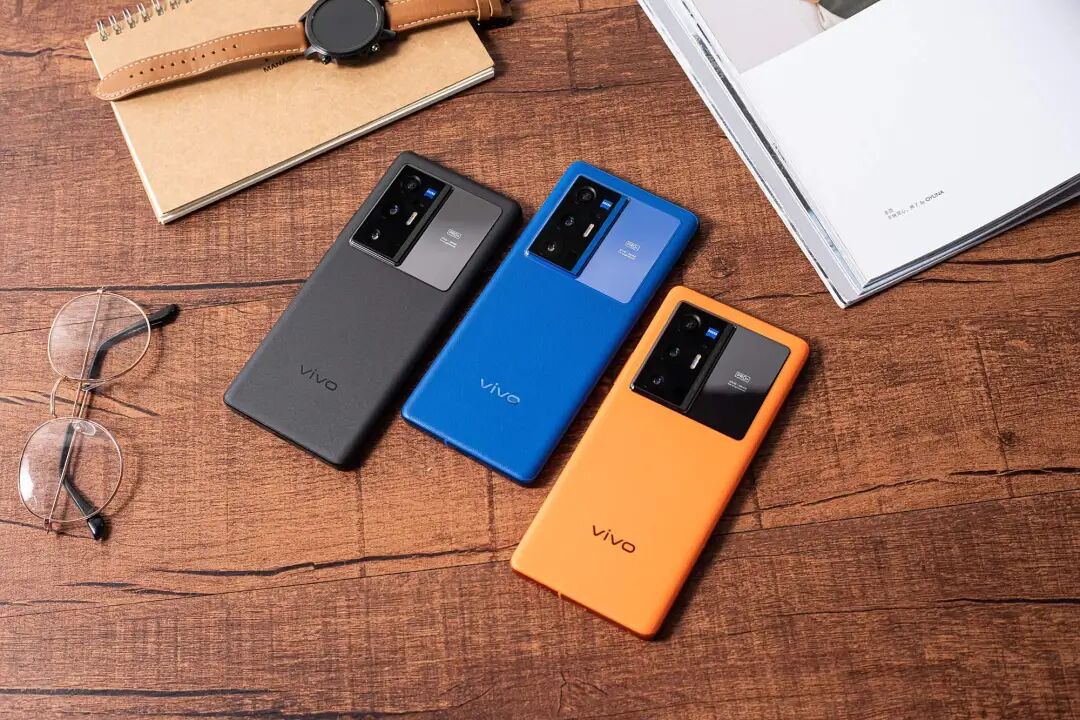
Vivo finds itself at a critical juncture.
According to the latest IDC data, in the year 2025 that just concluded, Vivo reclaimed its leading position in domestic smartphone shipments in the third quarter, securing a 17.3% market share and overcoming competitive pressures from the first two quarters.
Logically, as the market leader, Vivo should not need to take risks or venture out of its comfort zone. It can maintain its top position simply by continuing its current strategy.
Almost simultaneously, an announcement rocked the industry: Vivo is advancing its AI phone collaboration with ByteDance by pre-installing the Doubao mobile assistant. Multiple Vivo employees confirmed that both sides have confirmed their cooperation intentions, though specific plans are still under discussion.
This move is quite unusual. While brands like Nubia and Lenovo partner with ByteDance to seek breakthroughs, Vivo, already leading with a 17.3% market share, seems to have little need for such collaboration. So, why does Vivo choose to team up with ByteDance? Is this a strategic breakthrough or a risky gamble?
1. On-Device AI: The Key Differentiator
To understand Vivo's decision, we must first examine the challenges faced by Doubao Mobile Assistant.
On December 1, 2025, ByteDance launched the technical preview version of Doubao Mobile Assistant, featuring cross-app operations as its core capability. Users can simply issue a command, and Doubao can automatically complete tasks such as ordering food, booking flights, and replying to WeChat messages.
However, shortly after its release, Doubao Mobile Assistant encountered API call restrictions from apps like WeChat, Taobao, Alipay, and Pinduoduo.
The blockade faced by Doubao Mobile Assistant highlights that in the era of cloud-based AI, internet giants wield absolute control.
Vivo sees a different path—on-device AI as the key differentiator for its future competitiveness. 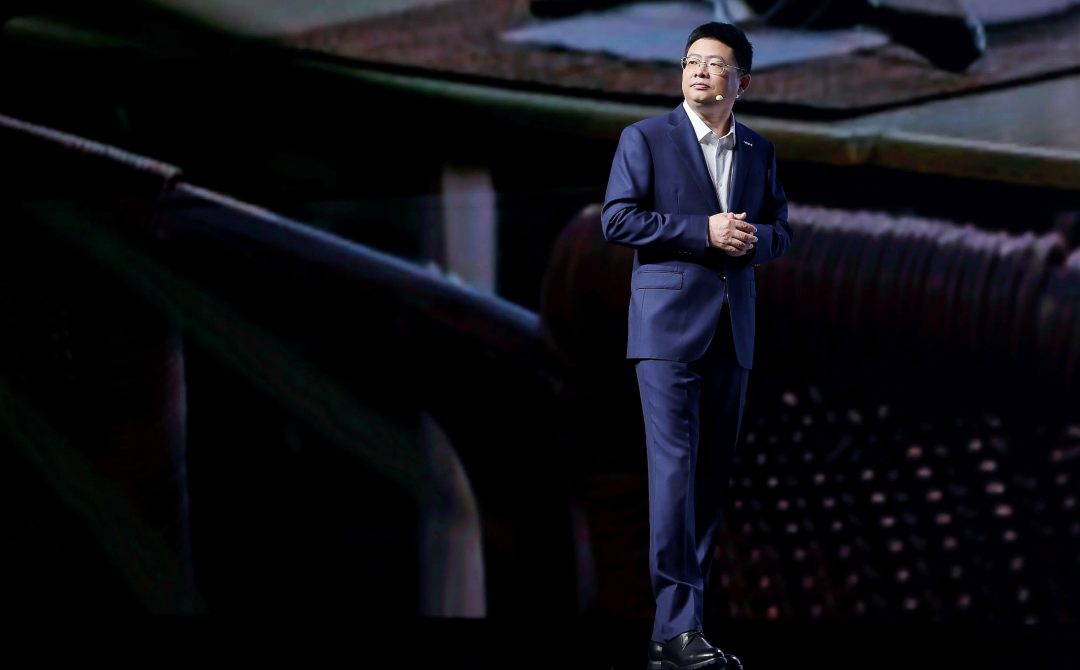
Vivo's Vice President, Zhou Wei, once pointed out that the quality of AI service experience depends not solely on model scale but on a deep understanding of users and scenarios. In fragmented, privacy-sensitive scenarios, on-device models hold a distinct advantage.
The simplest logic is that, without an internet connection, on-device capabilities determine the hardware's AI performance, thereby influencing the user experience.
On October 10 of the previous year, Vivo officially released the world's first 3B model specifically designed for on-device agents at its Developer Conference (VDC), along with an on-device model training engine. If an agent is like hiring a "butler" for the phone, then the on-device training engine equips this butler with a "growing brain."
This is precisely the fundamental logic behind Vivo's collaboration with ByteDance: Doubao Mobile Assistant's cross-app operation capabilities align closely with Vivo's on-device AI strategy.
2. The Inevitable Alliance Between Vivo and ByteDance
Why does Vivo choose on-device AI, while Xiaomi opts for a "human-vehicle-home" ecosystem?
This stems from the fundamental difference between user-driven and ecosystem-driven approaches. Xiaomi relies on cloud-based large models to coordinate the synergy between phones, cars, and home devices, driven by its ecosystem. In contrast, Vivo's products revolve around users' wearable devices, giving it a stronger incentive to understand users. 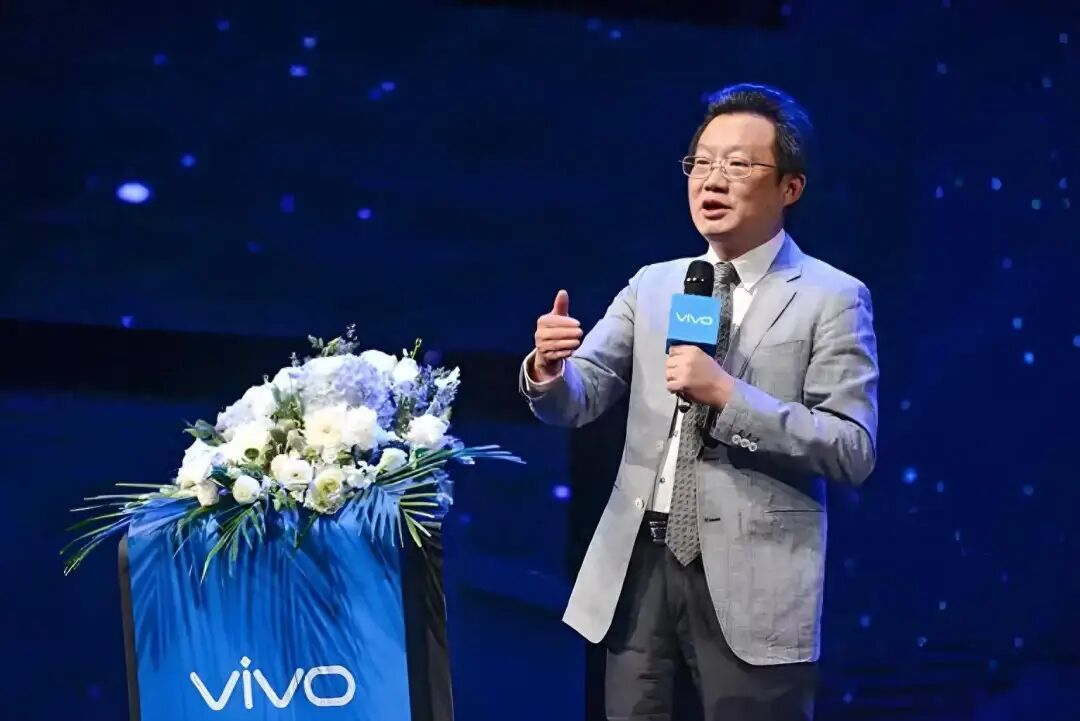
On September 18 of the previous year, Vivo's founder, Shen Wei, reiterated the company's "integrity" culture during its 30th-anniversary internal speech, explicitly stating: Integrity means keeping technology user-centric.
On-device AI does not require an internet connection or data uploads, making it closest to users' genuine needs. When elaborating on "true AI phones," Zhou Wei also emphasized: "Only when AI stops demanding data will users truly trust it." This reflects Vivo's user-driven logic.
Despite its clear strategic intent, Vivo faces a critical "information silo" problem. No matter how powerful its agent capabilities are, without cooperation and authorization from app developers, it cannot deliver a truly remarkable user experience.
This is why Vivo has sought collaborations with Tencent and ByteDance. Compared to Tencent, where disagreements over commercialization approaches hindered progress, ByteDance appears more sincere.
Insiders reveal that ByteDance's strategy is not merely for business growth but to create new paths for traffic monetization, even willing to share secondary traffic revenue with phone manufacturers. Only with ByteDance's willingness to compromise could Vivo find room for cooperation.
More importantly, ByteDance owns a vast ecosystem, including Douyin and Toutiao, which can significantly expand the capabilities of Vivo's agents.
Vivo needs ByteDance's ecosystem, while ByteDance needs Vivo's user base. This is a win-win collaboration aimed at breaking silos and jointly competing for AI-era traffic entry points.
3. A Differentiated Path to Survival
Vivo's collaboration with ByteDance is essentially about competing for a new ecological niche.
Once users form the habit of executing tasks through agents, decision-making power is partially transferred to the agents. This ecological niche transcends any single hardware device, serving as a definitive anchor for Vivo's future development.
Zhou Wei once predicted that phones might eventually be replaced by other mobile devices. Vivo, still primarily reliant on phones, needs the certainty provided by on-device agents.
The reason is simple: hardware will eventually be replaced, but entry points will always exist, albeit in different forms. 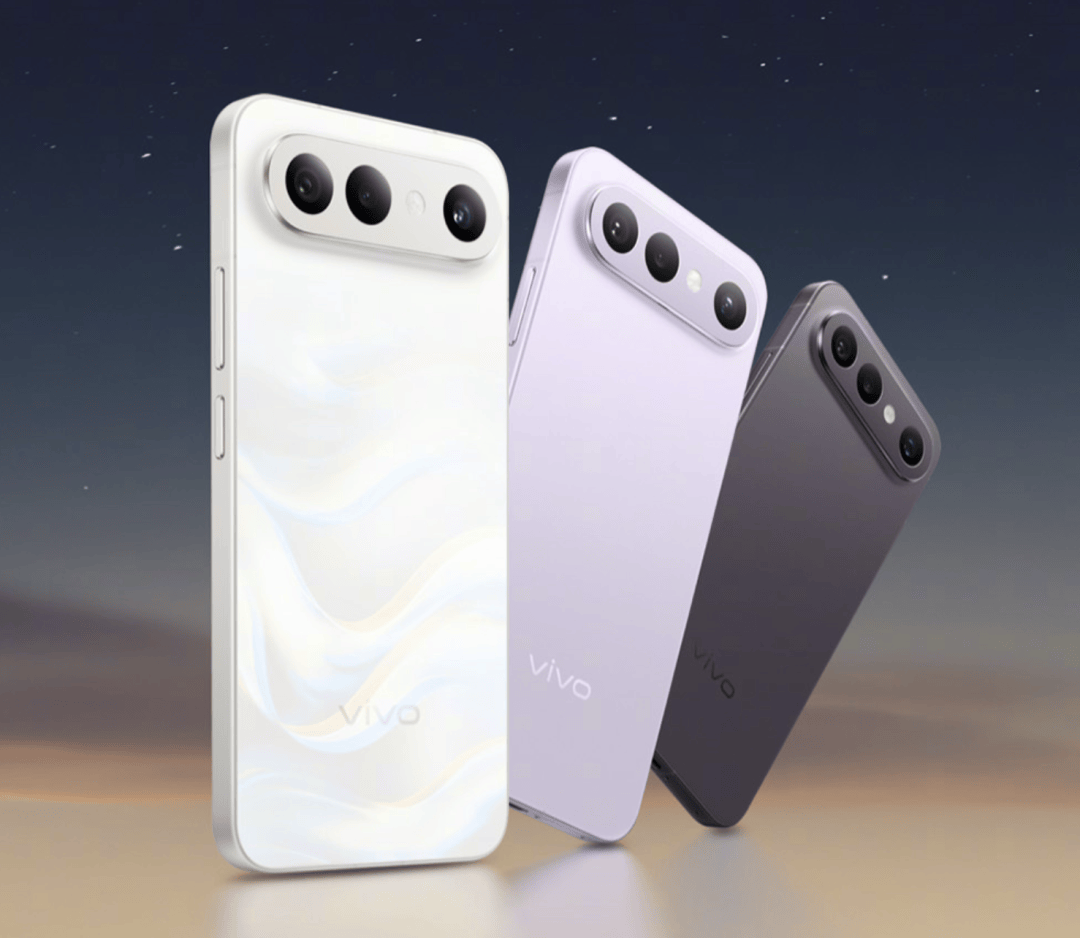
If Vivo can secure the entry point for user-device interaction in the AI era, it can achieve an ecological shift from a hardware manufacturer to an AI entry point controller, regardless of how terminal forms evolve.
In the AI phone arena, brands have chosen vastly different survival strategies. Huawei relies on the Pangu large model and HarmonyOS, pursuing a route of autonomy, soft-hard-chip-cloud synergy, supported by a strong Harmony native app ecosystem and Ascend AI cloud services.
Xiaomi builds its "human-vehicle-home" ecosystem based on HyperOS, focusing on cloud-based synergy and cross-device intelligent scheduling, achieving interconnectedness through Xiao AI, Xiaomi HyperAI, and its smart hardware ecosystem.
OPPO focuses on on-device computing and the PersonaX memory engine, emphasizing localized perception and user memory symbiosis, constructing an AIOS system and Agent Matrix ecological framework. Meanwhile, Honor also delves deep into on-device AI and scenario-based services, prioritizing privacy and exploring new terminal experiences like naked-eye holography through strategies like "Any Door."
In contrast, Vivo firmly chooses a unique path combining on-device agents with user-driven logic. Through the world's first 3B on-device model, an on-device training engine, and open collaboration with BlueLM, it seeks to leverage synergies with ByteDance's ecosystem to build differentiated competitiveness in a market dominated by giants.
Epilogue
Returning to the original question: Is Vivo's move a breakthrough or a gamble? The answer is both.
The breakthrough lies in Vivo's opportunity to dominate AI entry points through on-device agents, forming clear differentiated competition and enhancing user stickiness with on-device training engines.
The risks are equally apparent. API blockades from giants like WeChat and Taobao pose substantial barriers. The generalization capabilities and multimodal interaction maturity of on-device agents remain unproven, and the collaboration plan with ByteDance has yet to be finalized.
Vivo clearly has patience. Zhou Wei expressed confidence that the moment when phone manufacturers and the internet industry "click" will arrive. This patience stems from Vivo's understanding of users and its profound insight into the AI era.
Shen Wei said, "Integrity means keeping technology user-centric." This explains why Vivo chooses to be a pathfinder. Because the ultimate form of AI is not stronger computing power or larger models but services that better understand users.
Vivo's choice is not for adventure but to return to its roots. Despite the thorny path ahead—resistance from the app ecosystem, technological bottlenecks, and uncertainties in collaboration—may cause the strategy to falter.
Throughout business history, technological progress has always been accompanied by turbulence and competition. This is the power of technology and the inevitability of history.
-
![]()
Registered Capital Slashed to 372 Million Yuan! Yutong Optical Finalizes Industrial and Commercial Change Registration
-
![]()
Zhuque-3 Successfully Lands, and 'Time Traveler' Secures Another ¥100 Million in Funding: China's Commercial Space Industry Experiences a 'Dynamic August'
-
![]()
Autohome Faces a Shrinking Window of Opportunity
-
![]()
Even a Titan Like Musk Has Faced Setbacks in Fulfilling Promises
-
![]()
AI Office: The End of the Racing Era, Context Becomes the Key to Success
-
![]()
Domestic Vehicle Chassis Revolution ②: The Steering Wheel Remains, But Mechanical Connections in the Steering System Are Decreasing
-
![]()
Exploring MiniMax Design: Can Video Editing Be as Simple as Speaking?
-
![]()
Why Can SenseTime Achieve Profitability While CloudWalk Still Faces Challenges, Despite Both Adopting Large Models?