iPhone 17e Set for February 19 Launch: Dynamic Island Featured, But High Refresh Rate and Dual Cameras Still Missing
 02/10 2026
 578
578
The price tag remains its Achilles' heel.
The iPhone 17 series, which hit the market last September, enjoyed considerable success, with over 20 million units activated in China within six months of its debut. Now, the iPhone 17 lineup is about to welcome a new member—the iPhone 17e.
According to the latest reports from foreign media outlets such as Mac World and several accessory manufacturers, the iPhone 17e is slated for release on February 19. Additionally, Apple may forgo a dedicated launch event for the iPhone 17e, opting instead to release it directly for sale.
It is clear that the iPhone 17e will succeed the iPhone 16e, positioned as a more affordable option compared to the iPhone 17, thus aiding Apple in further penetrating the 4,000-yuan smartphone market.
Powered by the A19 Chip, Yet Still Lacking High Refresh Rate and Dual Cameras
The iPhone 17e has once again been leaked by the well-known Bloomberg reporter Mark Gurman, whose revelations have proven to be largely accurate.
Specifically, the iPhone 17e will be equipped with the same A19 chip as the iPhone 17 and will continue to use an in-house baseband, likely an upgraded version of the C1 from the iPhone 16e. The iPhone 17e will not feature a high-refresh-rate screen, maintaining a 60Hz display, but it may include the Dynamic Island feature. In terms of cameras, the iPhone 17e will, as anticipated, sport a single rear camera, with the ultra-wide lens from the iPhone 17 omitted.
From this, it is evident that the iPhone 17e is designed to economize on the iPhone 17's screen, camera, and features while preserving its core performance. Consequently, the iPhone 17e's price is significantly lower, starting at around 4,499 yuan, and could potentially be reduced to 3,999 yuan with domestic subsidies, making it slightly more appealing to users.
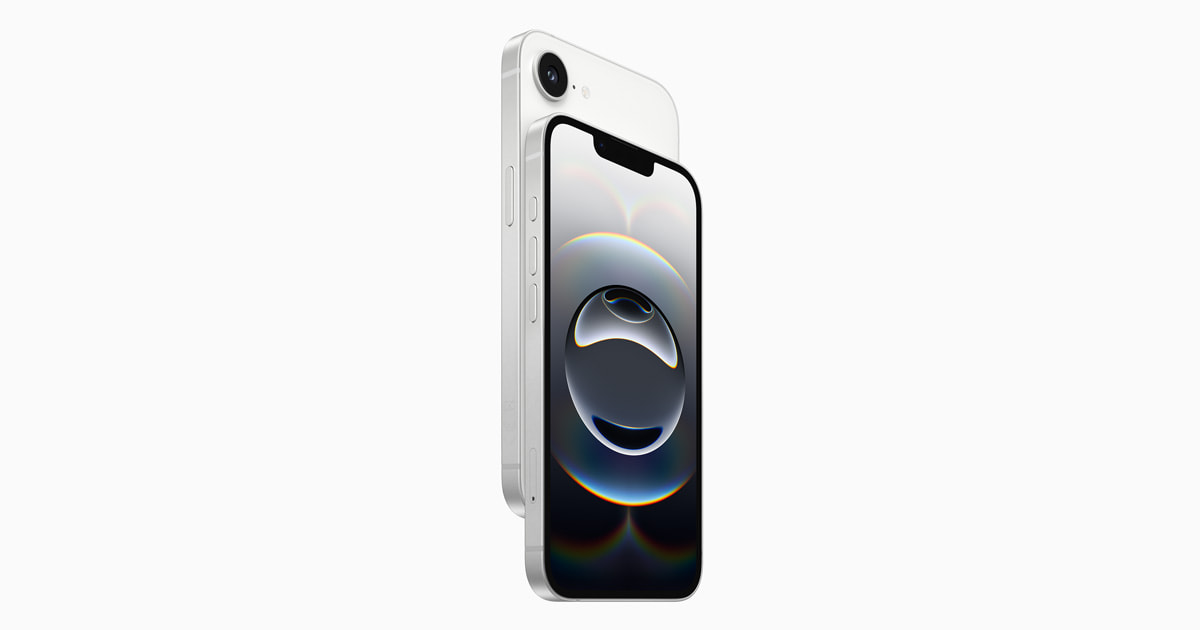
(Image source: Apple)
Moreover, the iPhone 17e brings a pleasant surprise—support for MagSafe. The removal of MagSafe from the iPhone 16e was seen as a significant oversight by many, as magnetic charging not only enhances the wireless charging experience but also facilitates the development of a robust accessory ecosystem for iPhones, including magnetic phone stands, card holders, and gimbals. The iPhone 16e's omission of magnetic charging was primarily aimed at cost control and market positioning. For the iPhone 17e, the return of magnetic charging represents a significant upgrade over the iPhone 16e.
The iPhone 17e will continue to utilize Apple's in-house baseband, rather than Qualcomm chips like other iPhone 17 series models. It appears that Apple's digital 'e' series smartphones will continue to serve as a testing ground for the reliability of its in-house basebands. Once the technology matures, Apple is likely to implement it across all iPhone models.
Currently, the iPhone 16e, which is equipped with an in-house baseband, shows no significant degradation in communication performance compared to other models and offers relatively better power efficiency. Coupled with its larger battery, the iPhone 16e delivers outstanding battery life. Unsurprisingly, the iPhone 17e is expected to maintain the same signal performance as the iPhone 16e.
In summary, the iPhone 17e's core strengths lie in its A19 chip, delivering flagship-level performance, future hardware support for Apple Intelligence, and the addition of the highly practical MagSafe feature. Its shortcomings remain the absence of key camera focal lengths and a low-refresh-rate screen.
The iPhone 17e's role is still to help Apple solidify its position in the 4,000-yuan market. According to Mark Gurman's leaks, the iPhone 17e, as a modestly upgraded product, will not have a dedicated launch event but will instead be directly updated and listed on the official website.
iPhone 18 Delayed, Will the 17e Step Up?
Typically, Apple releases the iPhone 18 series in September this year, which will be the primary sales driver from autumn 2026 to the first half of 2027. However, based on various leaks, there are significant changes this year. First, the iPhone 18 Pro and iPhone 18 Pro Max will be released as scheduled. However, the standard iPhone 18 will not debut this year and will be delayed until 2027.
Another major change is that Apple will introduce its first foldable product, the iPhone Fold, at this year's autumn launch event as a flagship product for the company's 50th anniversary. Of course, its pricing will reach an unprecedented 17,000 yuan, replacing the Pro Max models as the most expensive iPhone. Apple is significantly behind Android brands in entering the foldable market, and due to current technological limitations in screens and other areas, the iPhone Fold will not be able to deliver a product form or experience that exceeds expectations.
However, given Apple's brand appeal and system advantages, its first foldable smartphone will undoubtedly attract immense attention and generate significant discussion, likely becoming the hottest new smartphone product this year.
Additionally, along with these three iPhone models, the iPhone Air 2 will also be introduced. From today's perspective, the iPhone Air was undoubtedly a commercial failure. As early as late last year, there were reports of weak sales and production halts for the iPhone Air. Early this year, its official price was slashed by 2,000 yuan, and with an additional 500 yuan domestic subsidy, it dropped to 5,499 yuan, putting it in the same price range as the iPhone 17. Xiaolei also noticed that some carriers offered additional subsidies to clear inventory, bringing the price down to as low as 5,099 yuan.
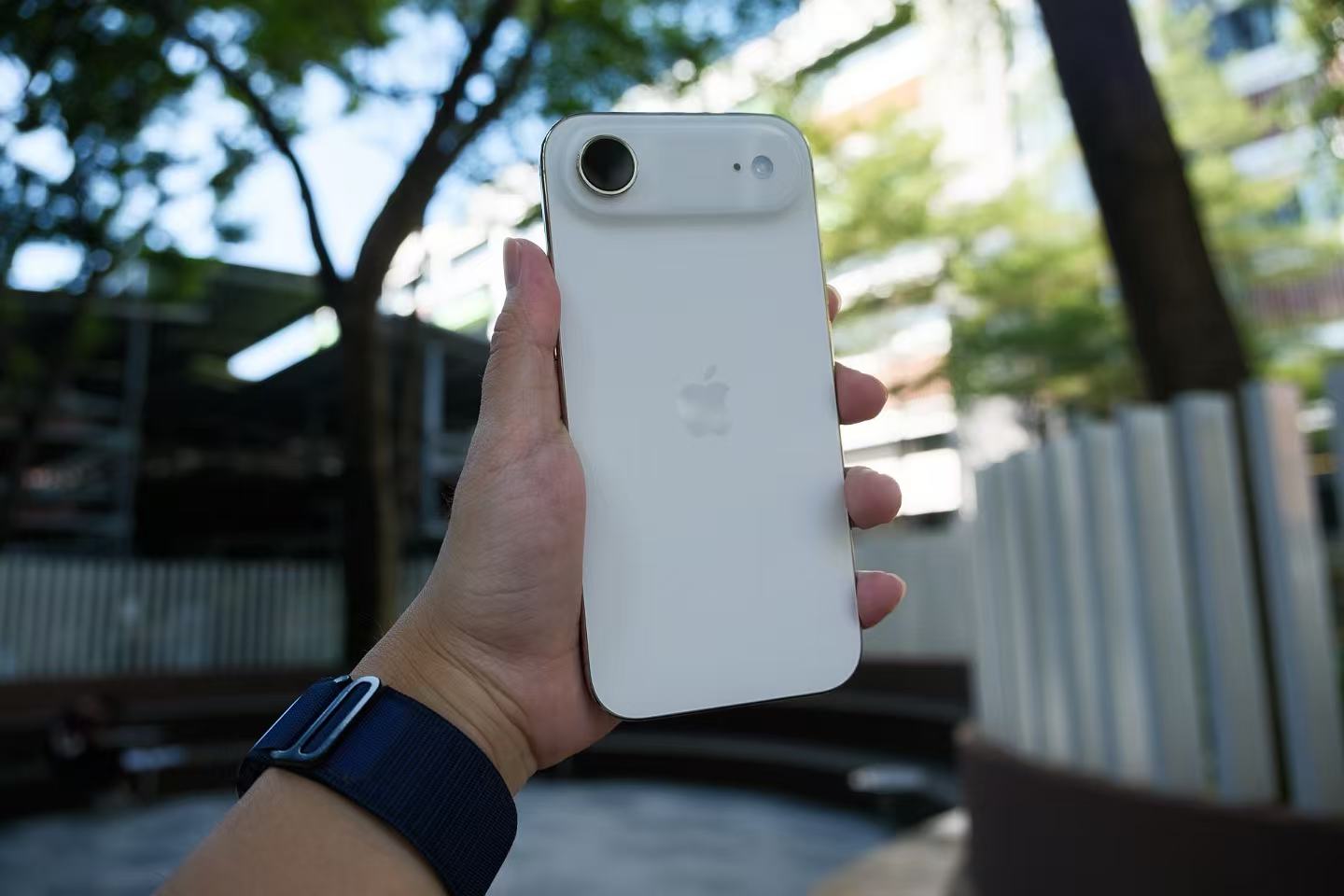
(Image source: Leitech)
The iPhone Air's failure stemmed from its lack of product strength, sacrificing too much for its ultra-thin design. Its single camera, single speaker, and eSIM all became pain points in actual use. More critically, the iPhone Air's positioning was close to that of the iPhone 17 Pro, with a starting price of 7,999 yuan, which the market simply did not embrace.
Now, with the iPhone 18 delayed until next year, the iPhone Air 2 will effectively take on the sales responsibilities previously held by the standard digital series models. Compared to the iPhone Air, it must undergo significant changes. Xiaolei believes that the iPhone Air 2 needs at least a substantial improvement in imaging, including a dual rear camera setup, along with a significant price reduction to maintain a clear price distinction from the iPhone 18 Pro. Considering that the standard digital iPhone models have historically contributed massive sales volumes, if the iPhone Air 2 is still not accepted by the market, Apple will face a significant setback in smartphone sales.
As for the iPhone 17e, released this spring, it will shoulder more sales responsibilities due to the absence of the iPhone 18 and the discontinuation of the iPhone 17 (which, as per tradition, will be withdrawn from the market after the autumn launch event). Clearly, the iPhone 17e will be a typical value-for-money product, offering strong performance, good battery life, and a decent core experience. However, its lack of a high-refresh-rate screen, outdated design, and inferior imaging capabilities will keep it out of the high-end market.
Moreover, in the 4,000-yuan price segment, the iPhone 17e will face a horde of "aggressive" Android rivals. At 3,999 yuan, users can buy many of the latest Android flagships that outperform the iPhone 17e in terms of performance, imaging, charging, and battery life. Unless users are die-hard Apple fans, many will likely switch to the Android camp.
Therefore, in Xiaolei's view, the iPhone 17e will struggle to truly fill the void left by the iPhone 18. This task will require the combined efforts of the iPhone 17e and the iPhone Air 2. The actual outcome will depend on the final performance of the iPhone Air 2.
Can a Budget iPhone Succeed? Price is Key
In addition to the conventional trio of iPhone models in the digital series (standard, Pro, and Pro Max), Apple has been experimenting with new series for years. For example, the mini series: Apple released the iPhone 12 mini in 2020 and the iPhone 13 mini in 2021. The mini seemed to well respond to user expectations for a "small-screen" flagship at the time, but both generations underperformed in sales. The advantages of a small-screen iPhone are its portability, while its disadvantages include poor battery life and mediocre performance.
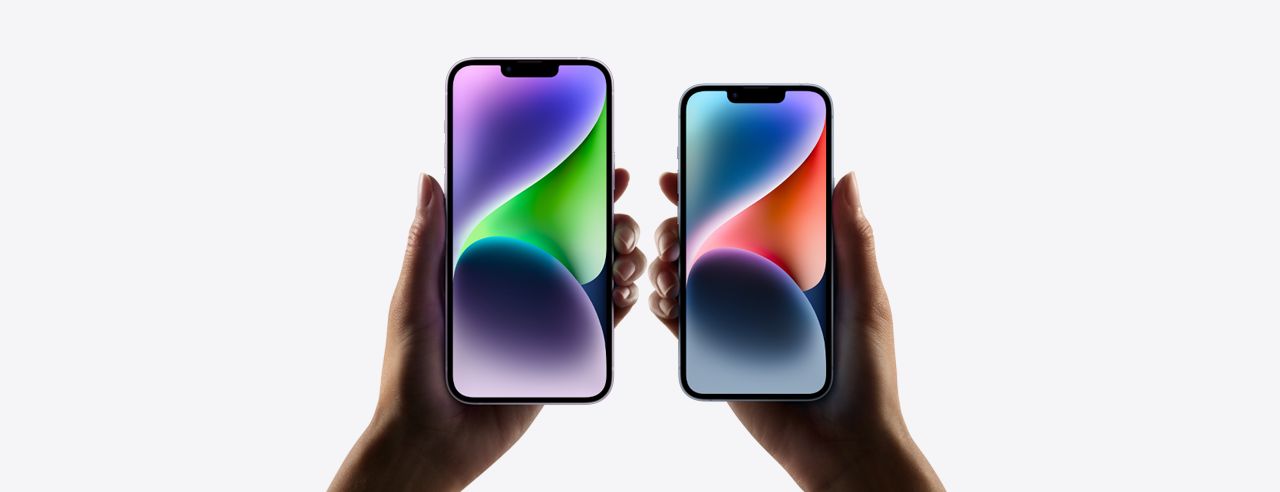
Starting in 2022, Apple abandoned the mini series and adopted a reverse strategy: "Since no one is buying small-screen models, large-screen iPhones must be popular." The iPhone 14 series introduced the iPhone 14 Plus, which was essentially a scaled-up version of the iPhone 14 with a larger screen and battery.
(Image source: Apple)
However, the iPhone 14 Plus still underperformed in sales. Price-sensitive users preferred the iPhone 14, while those seeking new features and capabilities were more inclined to buy the iPhone 14 Pro. The iPhone 14 Plus, stuck in the middle, became a model that failed to satisfy either segment. Undeterred, Apple continued to release Plus models in the iPhone 15 and iPhone 16 series, but the market remained unimpressed. By the iPhone 17 series, the Plus model was finally discontinued.
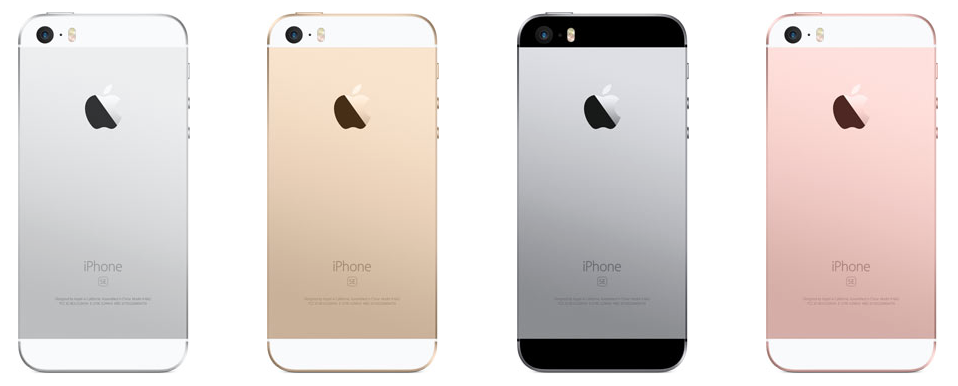
In fact, in addition to the mini and Plus models, Apple has also been experimenting with an "E" series, which Xiaolei prefers to call the budget iPhone, including the earlier SE models and the more recent digital 'e' variants. The first-generation iPhone SE was released in spring 2016, largely adopting the design of the iPhone 5s but featuring the same A9 chip as the iPhone 6s. As a retro 4-inch small-screen smartphone, the iPhone SE performed surprisingly well in sales, exceeding 30 million units, primarily due to its attractive pricing at just over 3,000 yuan.
(Image source: Apple)
Surprisingly, the iPhone SE2 did not arrive until spring 2020. Xiaolei believes the four-year gap was due to Apple's temporary fixation on the ultra-premium market and excessive profits following the success of the iPhone X in 2017. The iPhone XR/XS series released in 2018 were priced very ambitiously, leading to poor sales and forcing Apple to initiate unprecedented price cuts, with third-party channels seeing price drops exceeding 1,000 yuan. In 2019, the iPhone 11 series adopted a more pragmatic pricing strategy, with the iPhone 11 becoming a massive hit. In spring 2020, Apple revived the SE series with the iPhone SE2.
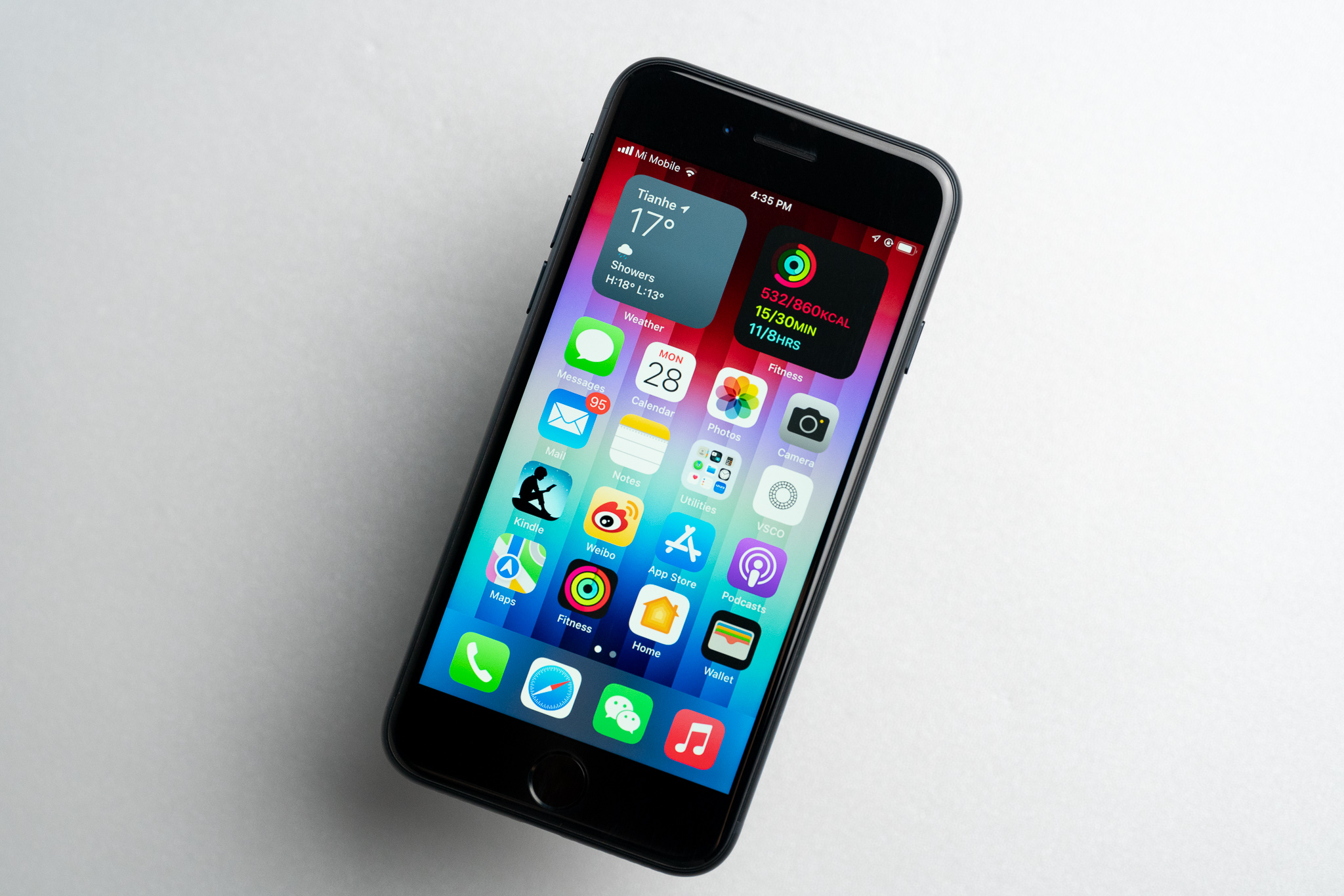
The iPhone SE2 used the iPhone 8's design, featured the same A13 chip as the iPhone 11 series, and was priced at 3,299 yuan. Its 4.7-inch non-full-screen display and physical home button with fingerprint unlock made it a very retro iPhone. The iPhone SE2's sales remained strong, with 24.2 million units sold in 2020 alone, second only to the iPhone 11.
In 2022, the iPhone SE3 was released, still using the same mold as the SE2 but with an upgraded A15 chip from the iPhone 13 series, priced at 3,499 yuan. However, the iPhone SE3 struggled in sales. After all, by this point, Apple's full-screen smartphones had been on the market for five years, and expecting users to buy a non-full-screen model reminiscent of ancient technology was asking too much. Nevertheless, the iPhone SE3 still managed to sell over 10 million units due to its low price.
(Image source: Leitech)
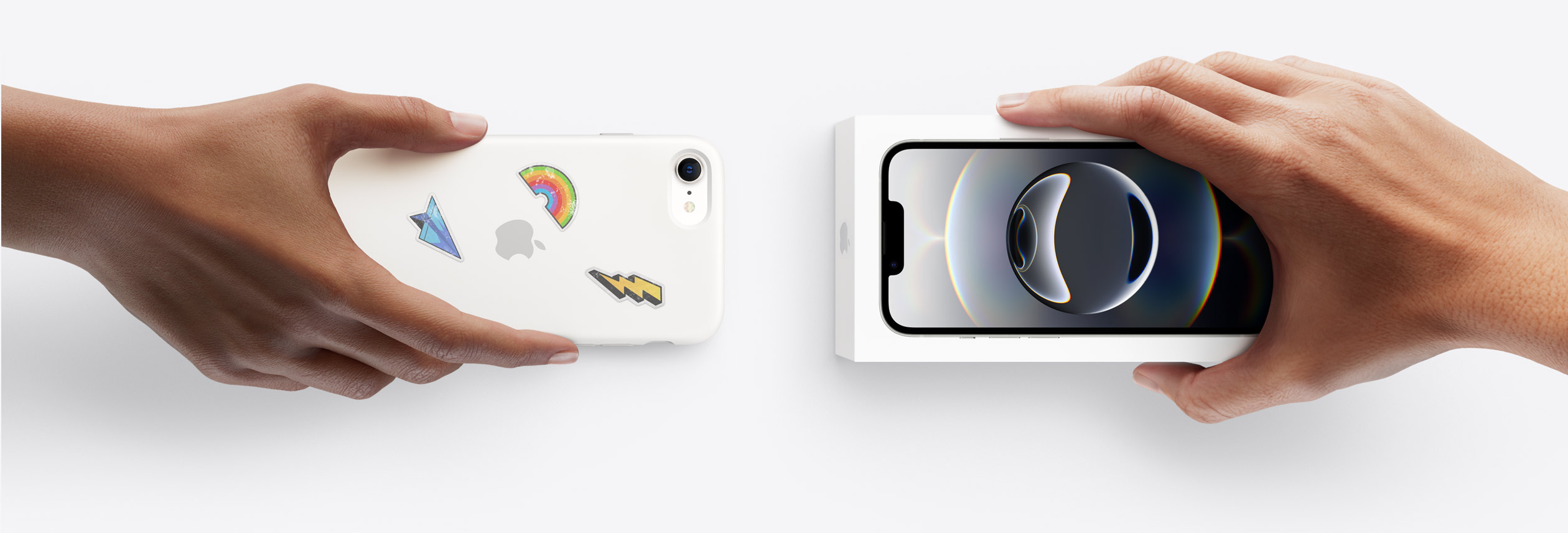
Apple has only released three generations of the SE series, but the iPhone 16e, released in 2025, is seen by Xiaolei as its continuation, similarly positioned as a budget iPhone. Based on its name, one might assume the iPhone 16e is a modified version of the previous year's iPhone 16, but that's not the case. The iPhone 16e uses the iPhone 13's mold, lacks the Dynamic Island and retains the notch display, features a downsized A18 chip, and has a single rear camera. Its starting price increased to 4,499 yuan, a roughly 1,000 yuan increase.
The iPhone 16e's sales fell short of expectations, largely due to its pricing. After all, by spring 2025, when the iPhone 16e was released, the iPhone 16 was already available on third-party e-commerce platforms for 5,000 yuan or even less, offering better value. After the autumn launch event, the iPhone 17, with a high-refresh-rate screen and starting at 256GB of storage, was priced at just 5,499 yuan with domestic subsidies, making it even more competitive. The iPhone 16e's price on e-commerce platforms quickly dropped to 3,000 yuan, only then gaining a slight competitive edge.
(Image source: Apple)
A review of past "E-series" iPhone models makes it clear that the success of a budget iPhone hinges on its price. The reason is simple: if it's a "budget" iPhone, then its price must be sufficiently "budget-friendly."
Ultimately, the target users of the low-priced iPhone have always been more price-sensitive. However, for a model positioned as a low-priced iPhone, if its price does not create a significant gap with the standard version, the disadvantages in terms of configuration and functionality will be amplified, and the cost-effectiveness advantage it originally had will vanish.
The soon-to-be-released iPhone 17e currently does not seem to have many product highlights and is basically a simple upgrade from the iPhone 16e. Due to Apple's sudden change in product update rhythm, the iPhone 17e will need to shoulder more sales responsibilities.
However, if the iPhone 17e does not make more price concessions to highlight the advantages of the low-priced model, it is highly likely to remain a new product with mediocre market performance. The disastrous sales failure of the iPhone Air has already fully demonstrated that when faced with unreasonable pricing, users will vote with their feet, forcing the product price back to a reasonable level.

Apple iPhone 17e
Source: Leikeji
All the images featured in this article are sourced from the 123RF licensed image library, ensuring high-quality and legitimate visual content.
-
![]()
Registered Capital Slashed to 372 Million Yuan! Yutong Optical Finalizes Industrial and Commercial Change Registration
-
![]()
Zhuque-3 Successfully Lands, and 'Time Traveler' Secures Another ¥100 Million in Funding: China's Commercial Space Industry Experiences a 'Dynamic August'
-
![]()
Autohome Faces a Shrinking Window of Opportunity
-
![]()
Even a Titan Like Musk Has Faced Setbacks in Fulfilling Promises
-
![]()
AI Office: The End of the Racing Era, Context Becomes the Key to Success
-
![]()
Domestic Vehicle Chassis Revolution ②: The Steering Wheel Remains, But Mechanical Connections in the Steering System Are Decreasing
-
![]()
Exploring MiniMax Design: Can Video Editing Be as Simple as Speaking?
-
![]()
Why Can SenseTime Achieve Profitability While CloudWalk Still Faces Challenges, Despite Both Adopting Large Models?