Meizu Mobile Phones: Have They Faded into Obscurity?
 02/27 2026
 586
586
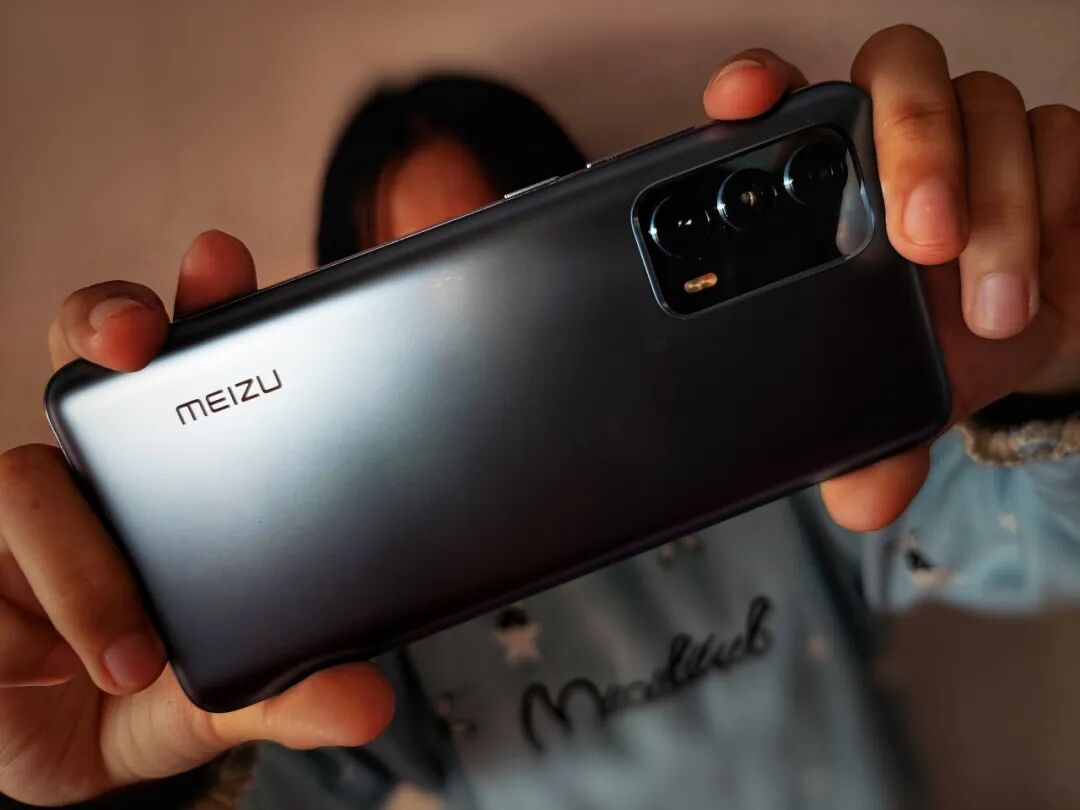
On the evening of February 25, media outlets reported that Meizu's mobile phone operations had largely come to a halt. The planned launch of the Meizu 22Air had been officially scrapped, fueling speculation about layoffs and production line closures. Industry experts predict that the company may ultimately face bankruptcy.
If these reports hold true, it would signify the downfall of yet another Chinese mobile phone brand. Despite being acquired by Geely, which pledged significant investment to propel Meizu into the high-end smartphone market, no turnaround materialized. Meizu's sales remained stagnant, consistently placing it in the 'Others' category in smartphone rankings.
Once, Meizu phones carved out a unique position in the market by emphasizing design excellence and adhering to a product-focused philosophy. However, they now find themselves in this challenging situation.

The Meizu Model
Meizu mobile phones are likely familiar to those who came of age in the 1980s and 1990s. As the domestic smartphone industry emerged, Meizu cultivated a dedicated following with its compact yet sophisticated products, later known as 'Meizu Fans'.
Originally an MP3 player manufacturer in Zhuhai, Meizu Technology was founded by Huang Zhang in 2003 after he left Aihai Electronics. Focusing on the MP3 market, the company pursued product quality with almost obsessive dedication. Its debut MP3 product outperformed competitors, and the subsequent M6 model became the first in the industry to surpass one million sales, marking a significant milestone.
Adhering to its product quality philosophy, Meizu Technology flourished in the MP3 market. By 2006, its annual sales exceeded 1 billion yuan, establishing it as the industry leader and a key player in China's consumer electronics sector.
Huang Zhang's initial financial success came from MP3 products, which also built a substantial user base. More importantly, the concept of integrating hardware and software in MP3s became ingrained in Meizu Technology's DNA.
Over two decades ago, most MP3 players sold nationwide were assembled from off-the-shelf hardware components. However, under Huang Zhang's leadership, Meizu's MP3s gradually achieved hardware-software synergy, enhancing the user experience.
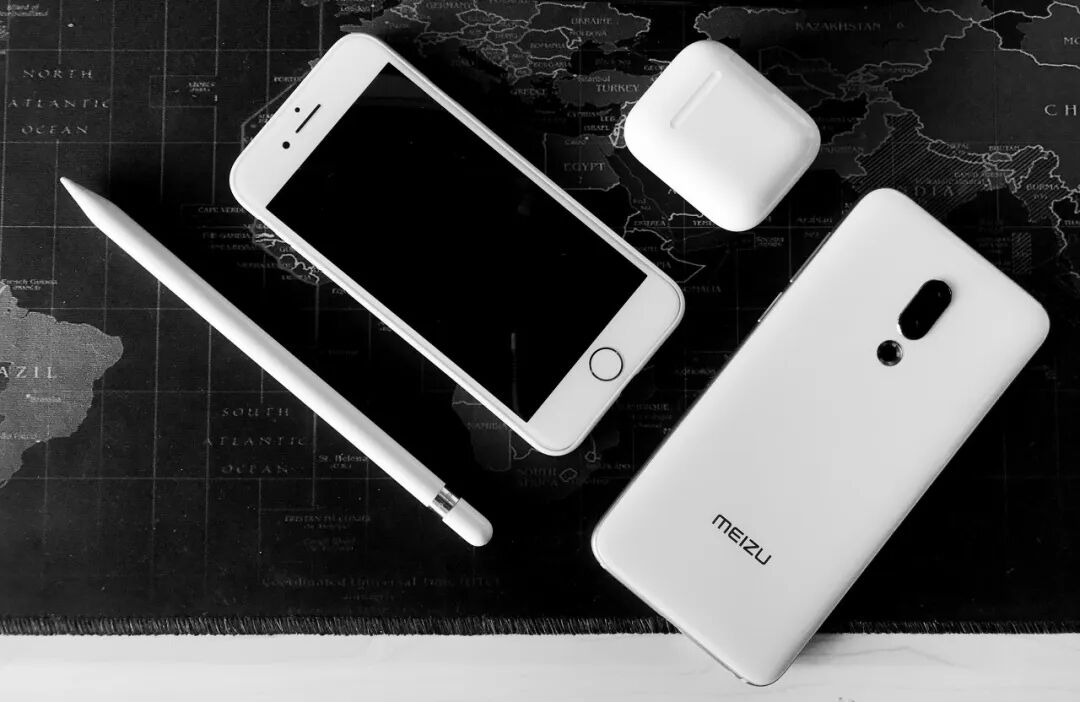
In 2007, the Apple iPhone transformed consumer perceptions of mobile phones. Huang Zhang keenly sensed the opportunities in the smartphone era and decided to abandon MP3s and venture into smartphones. The concept of hardware-software synergy became Meizu's core principle and laid the foundation for the later introduction of the Flyme system.
In retrospect, Huang Zhang's foray into smartphones was a bold gamble. Without prior industry experience, Meizu launched its first smartphone, the Meizu M8, in 2009 after two years of research and development.
This product not only continued the pursuit of product quality from the MP3 era but also won market favor with its full-touchscreen design and affordable price. Upon release, the Meizu M8 was in high demand and difficult to obtain.
Meizu established itself in the smartphone market with the M8 and subsequently launched products like the M9 and MX2, along with the self-developed Flyme OS system, deepening its competitive edge.
In terms of distribution, the company built important social hubs for Meizu Fans through a combination of direct-sales and franchise stores. By the end of 2015, Meizu Technology had over a thousand offline stores, achieving synergistic development across online and offline channels.
Constant Struggles
Under founder Huang Zhang's influence, Meizu mobile phones adhered to a strategy of producing compact yet sophisticated, few but high-quality products. However, under pressure from Huawei, Xiaomi, and OV, this strategy began to waver after years of strict adherence.
In 2014, Huang Zhang returned, and the company secured 2 billion yuan in its first round of financing, transitioning its product strategy from niche to mass-market. That year, it launched the sub-brand 'Meilan' targeting young consumers, capturing the mass market with cost-effective products priced around a thousand yuan.
In 2015, the company introduced the sub-brand PRO, primarily targeting high-end business users. Under this one-main, two-sub brand strategy, the company released 14 products throughout the year, increasing sales eightfold and reaching its peak of development.
However, Meizu Technology's troubles soon followed. Pursuing scale and diversifying products plunged the company into fierce mobile phone competition.
Losing its original focus, Meizu Technology faced direct consequences: scattered resources and energy, homogenized products leading to a declining user experience, and various issues with the self-developed Flyme system, causing loyal Meizu Fans to turn against the brand.
While mobile phone product quality and experience could be improved in the short term, the company's erratic strategy reflected a failure in the decision-making layer's judgment of market trends.
Meizu's strategy sometimes reverted to niche, sometimes aimed for sales scale, and sometimes fluctuated between high-end and low-end markets, causing internal chaos and preventing the company from uniting towards a common goal.
This chaotic situation resulted from internal struggles. Alibaba's significant investment in 2015 provided ample funds but also sparked conflicts. Disagreements between Huang Zhang's team and Alibaba over product strategy and system selection became increasingly apparent, leading to erratic strategies and slow market deployment.
Especially under pressure from investors to deliver results, Meizu Technology's focus on product reputation, user experience, and product quality began to waver.
In 2022, Meizu Technology was acquired by Xingji Era, a subsidiary of Geely Group, with each party having its own agenda. Geely hoped to leverage Meizu Technology to create a human-vehicle-home ecosystem, while Meizu Technology pinned its hopes on leveraging Geely's financial strength to restart its glory. In reality, disagreements were already brewing at the time of acquisition. Meizu's product-centric approach clashed with Geely's ecological needs, leading to scattered R&D resources and blurred product positioning during the constant struggles, accelerating the decline of Meizu's mobile phone business.
Shedding the 'Burden'?
On February 26, news of several Chinese mobile phone manufacturers collectively raising prices trended on Baidu Hot Search, marking the largest collective price hike in the mobile phone industry in five years. Rooted in the soaring memory costs in smartphones, the industry faced overall pressure, exacerbating the already disadvantaged position of Meizu mobile phones.
In January 2026, Wan Zhiqiang, CMO of Xingji Meizu Group's China region, announced that the launch plan for the Meizu 22Air had been canceled due to rising memory prices.
In September 2025, the company released the Meizu 22, equipped with the fourth-generation Snapdragon 8s processor, while contemporaries like the OnePlus 15 and Xiaomi 17 featured the fifth-generation Snapdragon 8 Supreme processor. During the launch event, Wan Zhiqiang explained that using a high-spec processor would significantly increase product costs, leading to a thousand-yuan price hike for the Meizu 22. Out of caution, the current configuration was chosen.
Using a high-end processor would require a price increase, but whether the market would accept it remained uncertain. Due to multiple strategic adjustments, the brand's influence was limited, weakening the company's bargaining power in the supply chain and distribution channels.
Meizu mobile phones had entered a vicious cycle: lack of initiative in the mobile phone supply chain market weakened product strength, limited sales, declined market share, diminished brand influence, and reluctance from the supply chain to cooperate, further eroding Meizu's initiative.
According to public data, Meizu mobile phones sold less than a million units in 2025, capturing only about 1.27% of the market share, becoming a truly marginalized brand.
The sharp rise in memory prices made it even harder for Meizu mobile phones to survive. According to TrendForce research, in Q1 2026, contract prices for 8GB+256GB memory surged nearly 200% year-on-year. This is expected to result in a 10%-15% year-on-year decline in global smartphone shipments this year, with domestic mobile phone manufacturers already lowering their shipment expectations.
With rising memory prices and intensifying market competition, Meizu's survival space is shrinking. Its decline essentially stems from a disconnect between its products and market demand, lacking competitiveness in the market, leading to declining sales and an inability to generate stable cash flow, becoming a 'burden' within the Geely system.
Now, this 'burden' may have reached the point of being shed.
-
![]()
Registered Capital Slashed to 372 Million Yuan! Yutong Optical Finalizes Industrial and Commercial Change Registration
-
![]()
Zhuque-3 Successfully Lands, and 'Time Traveler' Secures Another ¥100 Million in Funding: China's Commercial Space Industry Experiences a 'Dynamic August'
-
![]()
Autohome Faces a Shrinking Window of Opportunity
-
![]()
Even a Titan Like Musk Has Faced Setbacks in Fulfilling Promises
-
![]()
AI Office: The End of the Racing Era, Context Becomes the Key to Success
-
![]()
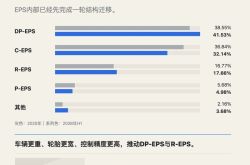
Domestic Vehicle Chassis Revolution ②: The Steering Wheel Remains, But Mechanical Connections in the Steering System Are Decreasing
-
![]()
Exploring MiniMax Design: Can Video Editing Be as Simple as Speaking?
-
![]()
Why Can SenseTime Achieve Profitability While CloudWalk Still Faces Challenges, Despite Both Adopting Large Models?