Why Can’t Vivo Bridge the High-End Perception Gap Despite Support from Authoritative Media?
 06/18 2026
 448
448
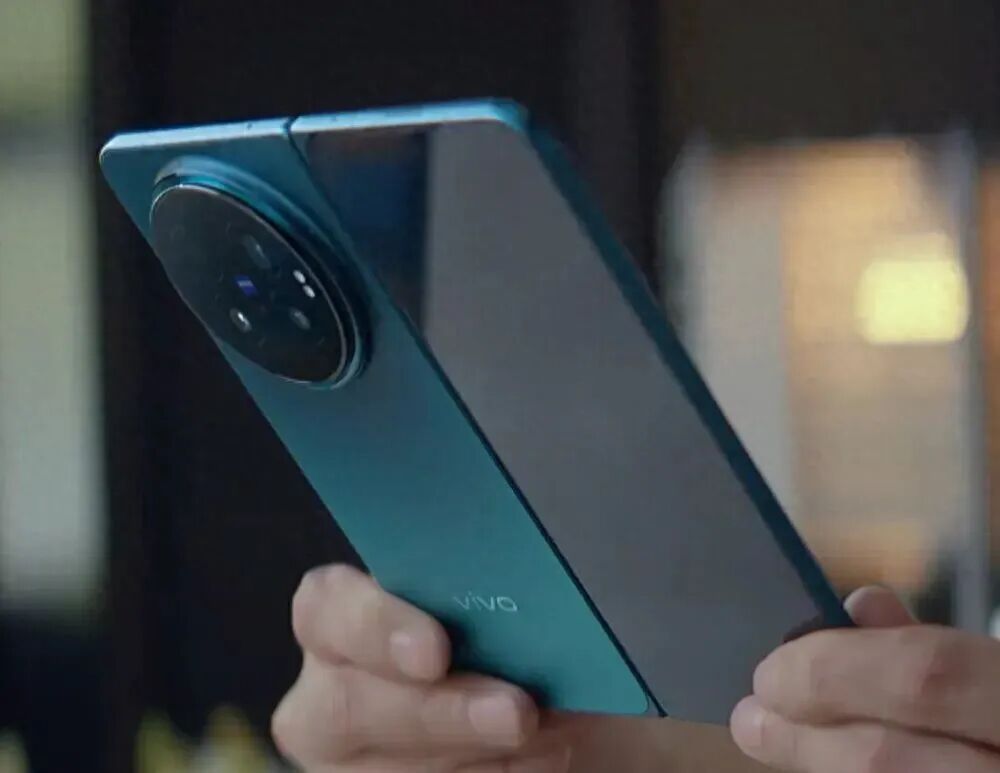
The Vivo X Fold6 is set to launch on June 26th. Just over ten days ago, Vivo secured the 'Xinhua News Agency Integrated Media Designated Device' certification. With this endorsement for professional use, can the brand effectively overcome the high-end market’s cognitive barriers?
Vivo has recently gained a significant advantage.
2026
In May, at the 10th 'China Brand Day' event held during the World Brands Moganshan Conference, Vivo signed a strategic cooperation agreement with Xinhua News Agency. This partnership officially designates Vivo phones as the preferred devices for Xinhua’s integrated media operations.
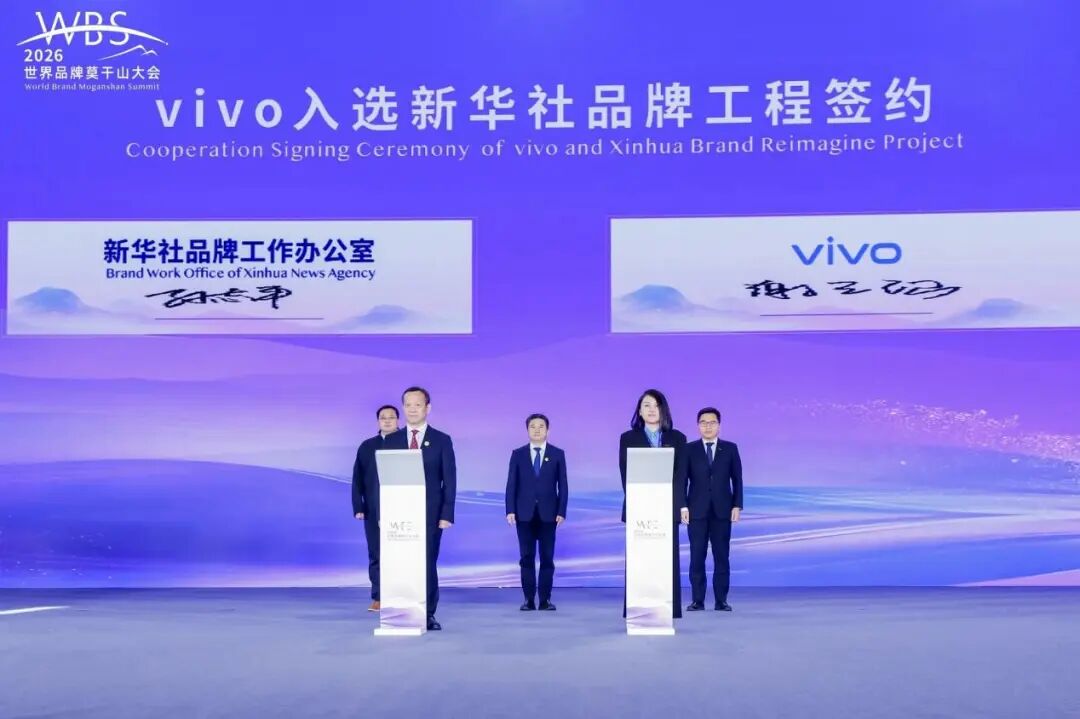
This collaboration is far more than a simple naming arrangement. According to official disclosures, the partnership has been in development for six years, encompassing activities ranging from early photography contests showcasing China's beauty to later projects documenting snow leopard guardians on the plateau, telling stories of technology adaptation for the elderly, and culminating in Xinhua News Agency reporters using Vivo’s X-series imaging flagship for comprehensive coverage and live broadcasting during the Boao Forum for Asia.
In other words, Vivo has achieved a notable milestone.
However, the core challenge remains: Can success at the tool level naturally translate into triumph in the high-end market?
A phone used by journalists in a conference is not the same as one brought into a high-society gathering by affluent individuals; the ability to conduct news broadcasts does not equate to fulfilling expressions of identity. B-end (business-end) recognition addresses 'usability and reliability,' while C-end (consumer-end) high-end consumption focuses on 'why one should pay a premium and why one is proud to be seen using it.'
This is the delicate balance Vivo must strike in its high-end push. While its product capabilities are improving, brand perception has yet to fully catch up.
01
After Reaching the Hardware Summit, Vivo Faces the 'High-End Perception Gap'
Over the past few years, Vivo has made significant strides in imaging, display, battery life, and system performance. The X series has maintained its status as an imaging flagship, while the X Fold series has propelled Vivo into the more expensive and technologically demanding foldable screen market.
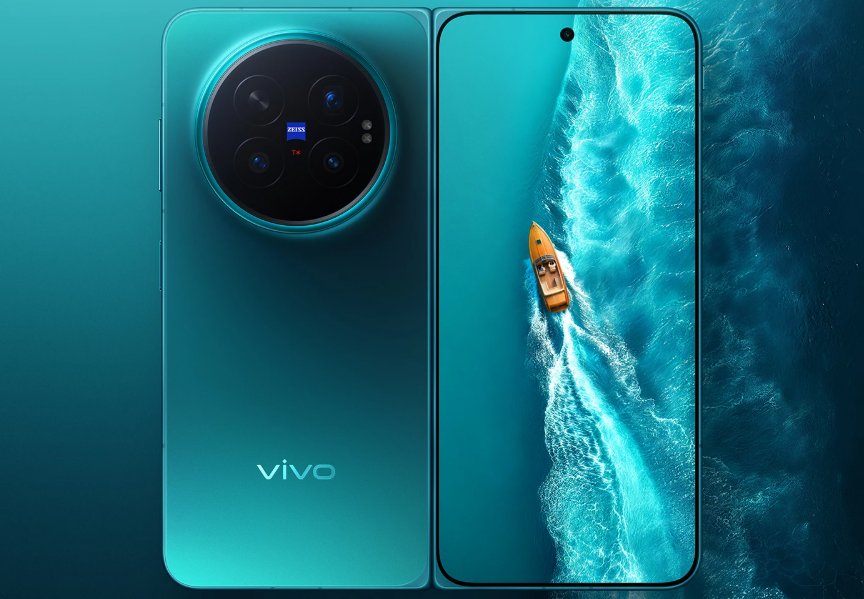
The upcoming Vivo X Fold6
Moves beyond traditional hardware-focused approaches, emphasizing the deep integration of foldable large screens and AI productivity. It will feature a custom Blue Crystal × Dimensity 9500 Ultra Edition chip co-developed by Vivo and MediaTek, a 200-megapixel primary camera with a large sensor, and a Zeiss APO super telephoto periscope lens (a first for foldable screens). It will also include a silicon-carbon anode battery, offering extended performance through higher energy density (specific parameters and specifications will be officially announced at the launch event). OriginOS 6 Fold is tailored for foldable large screens, enhancing the 'Atomic Workbench' and on-device AI capabilities, breaking free from the limitations of single-app operation, and creating a new task-flow-centered interactive experience. Huang Tao, Vivo's Vice President of Products, stated: 'Foldable screens will evolve from simply unfolding large screens to unfolding large tasks. The X Fold6 will drive mobile interaction from being App-centric to task-flow-centric.'
This vision is more significant than the technical specifications.
Because the primary issue with foldable screens has not been their size but their failure to introduce new ways of working.
Many users of foldable screens end up treating them as thicker, more expensive alternatives to traditional phones. If Vivo can effectively organize tasks like meetings, business trips, investments, content creation, and cross-device collaboration into a savable, callable, and transferable workbench, it has the potential to transform foldable screens from flashy hardware into productivity powerhouses.
However, a practical challenge remains: high-end consumers consider more than just functionality.
Some tech enthusiasts may argue that Vivo’s imaging capabilities are already strong, the foldable screen is sufficiently lightweight, and the battery and system experience are even more balanced than some competitors. Yet, in the market above 8,000 yuan, consumer decisions are often influenced not by rational parameter comparisons but by a blend of brand narrative, technological innovation, and social status.
Different brands cultivate high-end perceptions through distinct strategies. Apple relies on its long-established, unified software and hardware ecosystem, creating a deeply ingrained identity. Huawei leverages its self-developed Kirin chips, leading communication technologies, and stories of technological breakthroughs to build a unique brand image. These core brand attributes, even if not frequently utilized, remain印象深刻 (which means 'deeply impressed') in consumers' minds for extended periods.
Exceptional imaging performance is a strength shared by many mainstream flagships and is difficult to use as an exclusive brand differentiator for high-end pricing. Currently, most domestic flagships boast top-tier imaging hardware, and the industry's imaging capabilities are gradually converging.
Balanced parameters are basic product requirements, not unique technological beliefs that set a brand apart. The 'Xinhua News Agency Designated Device' certification adds credibility for professional scenarios, favoring official and professional fields, but it is challenging to translate directly into a symbol of identity that resonates with young, affluent consumers.
A deeper factor restricting Vivo’s high-end perception breakthrough lies in the ingrained (same as above) user mindset. Vivo has long been entrenched in the offline market, and its youthful, inclusive, and people-friendly brand image is deeply rooted. Even with the launch of its 10,000-yuan-level foldable flagship products, reversing this established brand impression among mass consumers remains difficult. In contrast, Huawei emphasizes hardcore self-developed technology, while Apple highlights an integrated high-end ecosystem, both with clear brand communication themes. Vivo’s past brand promotions have covered multiple dimensions, such as imaging, lightness, fluidity, and AI. Amid these diverse strengths, a unified and highly recognizable core high-end identity has yet to emerge.
02
B-End Endorsement is Valuable, But C-End Enthusiasm Cannot Be Outsourced
Official media endorsement certainly holds value for Vivo.
It can create opportunities for government and enterprise procurement, strengthen brand reliability, and enhance Vivo's trustworthiness in high-end business scenarios. This is particularly crucial for foldable screens, which naturally appeal to business professionals, conference attendees, and mobile office users.
However, B-end endorsement has inherent limitations. It proves trustworthiness but does not automatically guarantee desirability.
Some dealers may share similar sentiments: explaining the selling points of Vivo’s high-end machines is not difficult. The challenge lies in persuading consumers to choose Vivo over Apple, Huawei, Honor, and Xiaomi, especially when budgets approach 10,000 yuan. Consumers are not just purchasing a device; they are buying an identity. Am I an efficiency-focused user or a tech-enthusiast? Am I a business professional or an imaging aficionado? Am I part of the Apple ecosystem or a supporter of domestic high-end products?
Vivo has excelled in creating quality products, deepening channel distribution, and ensuring stable user experiences. These strengths have helped it maintain a leading position in the Chinese smartphone market. However, the high-end market operates under different rules. Success requires not just showcasing what you have but also defining what you represent. Many industry observers have raised similar concerns. While Vivo’s overall smartphone shipments have consistently ranked among the top domestically, its market scale advantage relies heavily on mid-range mass-market sales and a well-established offline channel network. Whether this scale advantage can effectively translate into brand premium for high-end products remains unclear within the industry.
IDC’s domestic foldable smartphone market data for Q1 2026 provides insight. Huawei dominates with a 60% share, Honor ranks second with 21%, and OPPO, Vivo, and Xiaomi follow with 6%, 5%, and 4%, respectively. This data reflects the industry’s current state: in the high-end core track of foldable screens, Vivo has yet to establish a leading position based on its overall market scale.
This is precisely where the X Fold6 warrants close observation.
If the new product focuses solely on promoting traditional hardware strengths like lightness, imaging, battery life, hinges, and screens, it may struggle to quickly alter Vivo’s user perception in the high-end foldable market. However, if it can articulate the AI productivity of foldable screens into a clear standard through OriginOS 6 Fold, helping users realize that large screens are not just bigger but better at organizing tasks; AI is not just a chatbox but embedded in workflows; folding is not just a form change but an efficiency gateway...
...then Vivo may transition from making quality products to defining new product categories.
The capital market will also respond sensitively to this shift. Hardware advantages can be quickly replicated by the supply chain, while a task-flow interaction system built on the system level is more likely to foster long-term user loyalty.
03
Epilogue:
By examining the 'Xinhua News Agency Designated Device' certification and the X Fold6 together, Vivo’s ambitions become clearer.
The former enhances credibility in professional imaging scenarios, while the latter attempts to standardize AI productivity for foldable screens. One targets content production, and the other targets mobile offices. On the surface, they are two product lines, but fundamentally, they share the same goal: Can smartphone manufacturers redefine high-end beyond Apple and Huawei?
This also offers insights for China’s smartphone industry chain.
In the past, domestic high-endization often devolved into parameter competitions: larger sensors, brighter screens, faster charging, and thinner bodies. However, as supply chain capabilities mature, the window for parameter leadership narrows. A hardware advantage held by one manufacturer today may become an industry standard tomorrow.
The next phase of competition will shift from hardware prowess to the ability to organize hardware, systems, AI, scenarios, and brand values into a cohesive narrative.
Vivo now faces both opportunity and risk.
The opportunity lies in the fact that foldable screens have yet to be redefined by Apple, and AI phones have not yet established a stable interaction paradigm. If the X Fold6 can make large-screen multitasking, on-device AI, and cross-device collaboration perceivable as efficiency improvements, Vivo may secure a cognitive position among high-end business and professional creative users.
Currently, Vivo’s general impression among mass-market consumers often remains (same as above) at a well-rounded and comprehensive product experience but lacks a distinct and differentiated brand value expression. What it needs is not just functional demonstrations at product launches but a continuous output of a value proposition: Why should future high-end phones be mobile workbenches? Why are foldable screens not toys for a few but the next-generation productivity gateway? Why can Vivo represent this change?
Xinhua’s recognition is an important admission ticket.
But an admission ticket is not a seat, nor is it the main table.
Domestic high-endization is a marathon. Vivo has already proven its ability to create reliable tools, professional imaging solutions, and mature foldable screens. The next, more challenging step is to translate these capabilities into brand perceptions that consumers are willing to believe in, show off, and remain loyal to over the long term.
The market value of the X Fold6 depends not just on terminal sales performance.
It depends more on whether it can demonstrate to the industry that the next phase of domestic smartphone high-endization is not about continuing to stack hardware but about shifting from relying on external scene endorsements to autonomously establishing industry reference standards for segmented scenarios.
If Vivo can cross this threshold, it will compete not just for foldable screen market share but for the explanatory power over future mobile imaging and AI office solutions.
Disclaimer: This article is based on public market data and industry analysis. The views expressed are for reference only and do not constitute investment or consumption advice. If there are disputes over authenticity, event copyright, or image infringement, please contact for deletion.
-
![]()
Alibaba's AI Offensive: Over Half of Investment Allocated, Time to Reap Returns
-
![]()
Alibaba’s AI Push: Over Half of Investments Made, Time to Harvest Returns
-
![]()
Chinese Enterprises Going Global 3.0: From World Factory to AI Infrastructure Builder
-
![]()
Honor RobotPhone Review: Half Movie Camera, Half Robot
-
![]()
AI-Driven Cheating Surges in Universities! Online Exams Reduced to Mere Formalities, Degree Credibility on the Line
-
Insta360’s Decade in Panoramic Imaging: Making Cameras ‘Invisible’ and Returning Creation to the Masses
-
![]()
Foreign Media Claims Apple is Concentrating Resources on AI Development: Vision Pro and Siri Teams Lay Off 200 People
-
Big News! Huaneng and Huawei Hold Talks in Shenzhen with Ren Zhengfei in Attendance; Huawei Emerging as the 'Second Brain' of China's Energy System