Chinese New Energy Vehicle Design: Stepping Out of the Shadows
 06/18 2026
 630
630
Introduction
Living in the shadows of others means one can never be the protagonist of their own narrative.
"No trailblazer in any industry wishes to remain in the shadows of others." Lately, automotive executives have consistently emphasized "original design" as a key topic. Li Bin underscored this point passionately at a press conference, with the Chairman of Avatar directly urging the entire industry to "embrace originality and shun shortcuts." Wei Jianjun firmly declared during a livestream that "Chinese design must be original," and even the typically calm Li Shufu stressed at the Chongqing Forum that technological advancements must be "transparent and above reproach."
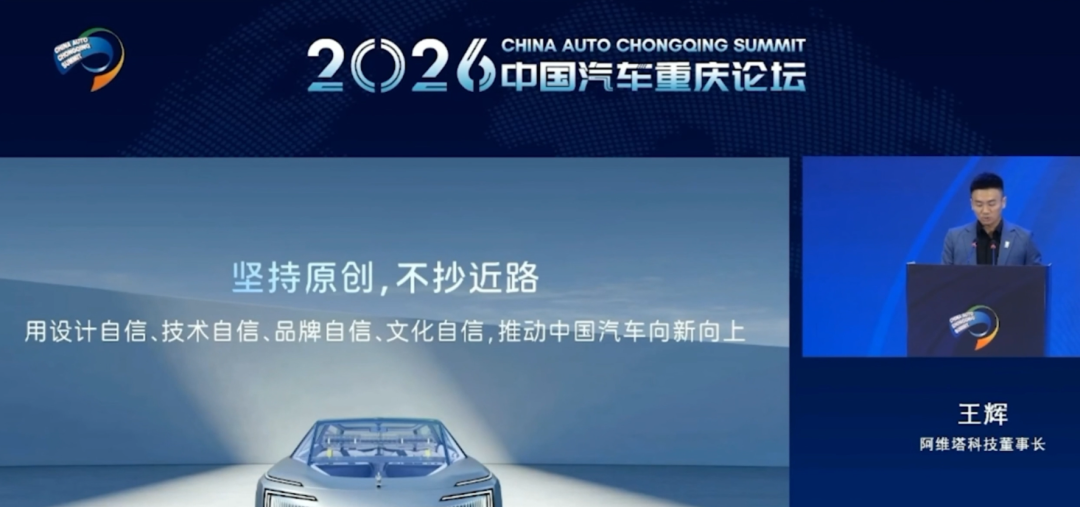
The unified stance of these industry leaders is truly thought-provoking. To put it candidly, the industry's homogenization has reached a level that even top executives are restless.
Have you ever felt this way: when you attend auto shows or stroll down the street nowadays, new energy vehicles are becoming increasingly appealing, yet they all seem to blend together upon closer inspection. Closed-off front grilles, continuous light strips, sloping rooflines, hidden door handles—once these design elements are combined, distinguishing one brand from another without the logo becomes a challenge.
On the surface, this might be seen as the popularization of a unified design language. In reality, it signifies that everyone is confined to the same aesthetic framework, merely tweaking lights and adjusting waistlines, and simply swapping logos to create a "new" model.
Of course, we cannot entirely fault designers for their perceived laziness. Electric vehicles must minimize drag to enhance range, and with the constraints of aerodynamics—a physics problem with limited optimal solutions—design choices are inherently restricted. Moreover, as supply chains become more concentrated, automakers may rely on the same platform and mold suppliers, leading to inevitable similarities in the final products. These objective factors are undeniable and cannot be overlooked.
However, regardless of the number of objective reasons, some have gone too far. Design elements refined over decades, such as Porsche's frog-eye headlights, Land Rover's boxy silhouette, and Rolls-Royce's waterfall grille, have become commonplace in our market, with minor modifications passed off as a "new family design language."
What's even more intriguing is that after imitating foreign designs, some have started copying domestic ones. Whenever a new player in the industry introduces a popular design, similar versions are sure to emerge on several other models within six months. This is often rationalized as a tribute to classics or catering to user preferences, but in reality, it's about avoiding the costs and risks associated with trial and error by taking the easy way out.
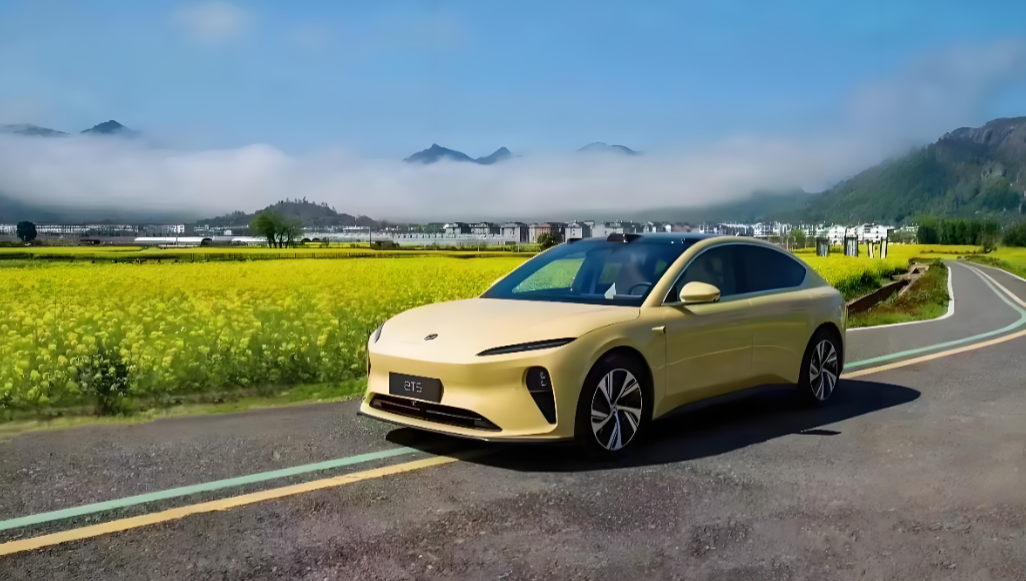
The calculation here is straightforward: original design demands significant investment, sleepless nights, and substantial risks to transition from sketch to production. Copying, on the other hand, is much simpler. By slightly modifying a market-tested popular design, automakers can save money and reduce risks, while consumers may even find the familiarity appealing. Amidst intense price wars, the temptation to take shortcuts is indeed strong.
But the issue is that continuing down this path will ultimately harm the entire industry. In the past, we could recognize cars like BMW's kidney grilles, Mercedes' hood ornaments, and Audi's big mouth grille from afar—these were intangible brand assets. Now? If consumers can't recall your car's distinctive features, they'll only compare prices and features, leading to relentless cutthroat competition. You sell for 150,000 RMB, I'll sell for 120,000 RMB; you have an 8-megapixel camera, I'll upgrade to 10 megapixels. In the end, no one makes a profit, and there's even less investment in original design, creating a vicious cycle.

And let's be frank: Chinese cars are now being sold globally, so we cannot afford to carry the label of "inspired designs" overseas. When foreigners see our cars and think they look familiar, we've already lost credibility. Li Shufu said, "Respecting intellectual property rights is a fundamental value," and while his words were diplomatic, the message is clear: copying will never elevate you to the top.
Of course, it's undeniable that Chinese automakers have progressed from outright copying in the early days to at least having their own ideas and adjustments now. Many domestic brands are genuinely pursuing original design and gradually developing their own styles, which are all positive signs. The collective call from industry leaders also indicates that everyone recognizes the problem and aspires to move in a better direction.
But this path is indeed arduous. Originality isn't just a slogan; it requires substantial investment and the willingness to let designers make mistakes and the market reject certain ideas. Only when automakers stop fixating on others' blueprints and aren't afraid of being judged for doing things differently will Chinese automotive design truly shine. After all, those who live in the shadows of others can never be the protagonists of their own stories.
-
![]()
Silicon-Based OLED Pioneer Unveils Financial Results: H1 Shipments Outpace Entire 2025 Volume
-
![]()
AI's First "Lost Summer"
-
![]()
Zeiss Makes Another €2.2 Million Bet: Will Eye Tracking Be the Next Big Thing in the Smart Glasses Industry?
-
![]()
RUNTO Ranking | Global Top TV ODM Factories' Shipment Figures for July 2026
-
![]()
Dealer Service Operational Prowess | How After-Sales Managers Can Harness Efficiency and Expertise to Secure Trust in the New Energy Era
-
![]()
Xiaohongshu: Navigating Through the AI Anxiety Storm
-
The Foundation of AI is Being Built
-
![]()
Huawei and Apple Embrace Change, Samsung Steps Back: Is Variable Aperture Technology a Game-Changer?