Memory Price Surge Weighs on Smartphone Sales! Global Smartphone Sales in Week 20: Huawei and Apple Buck the Decline, While Others Struggle
 06/18 2026
 598
598
Kuaikeji, June 18 – The recent sharp increase in global memory chip prices has set off a ripple effect throughout the smartphone industry downstream, squeezing profit margins for numerous manufacturers and dampening overall shipment figures across the sector.
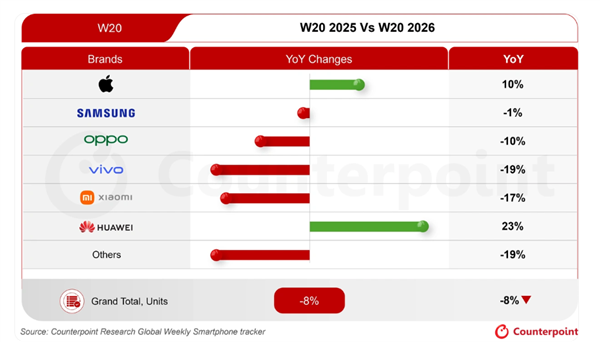
Based on the latest industry report from the esteemed market research firm Counterpoint Research, global smartphone sales for Week 20 of this year experienced an 8% year-on-year decrease, marking the ninth consecutive week of negative growth. The industry is facing mounting downward pressure.
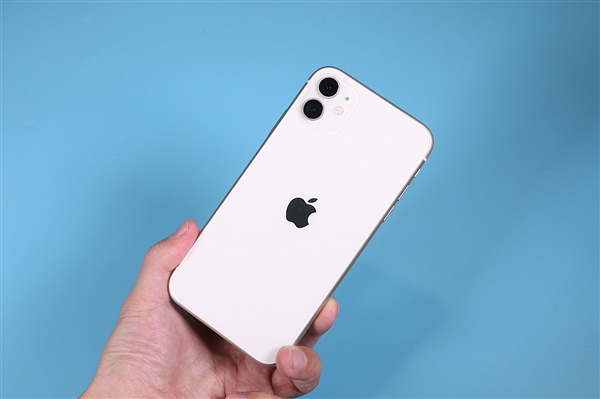
Amidst this general market downturn, there has been a clear divergence in performance among various manufacturers. The majority of brands have been unable to withstand the knock-on effects of rising memory prices, with only Apple and Huawei, the two market leaders, achieving positive year-on-year growth in weekly sales.
Apple saw its weekly sales increase by 10% year-on-year, while Huawei's growth rate surged to 23%, making them stand out in a market that is otherwise experiencing a downturn and widening the gap with their competitors.
In the Android camp, Samsung showed notable resilience, with only a 1% year-on-year decline in weekly sales, effectively maintaining its market position. In contrast, most other Android smartphone brands saw double-digit year-on-year declines in weekly sales, significantly increasing their operational challenges.
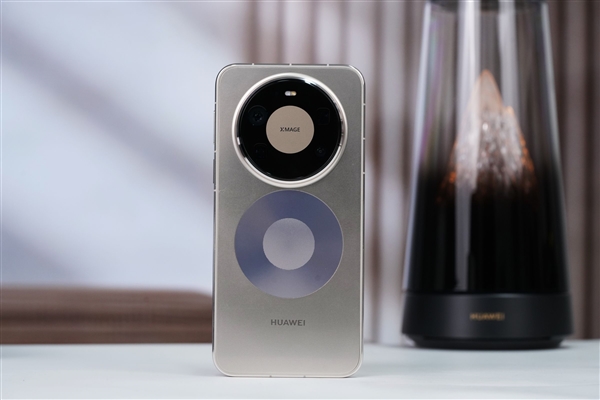
The report points out the key factors driving the counter-trend growth of these two brands. Huawei benefits from domestic industrial policy support and a fully localized supply chain system, demonstrating strong resilience in its core domestic consumer market and avoiding being easily affected by sudden fluctuations in overseas supply chains.
In contrast, Apple leverages its long-standing robust control over the supply chain, along with its proven flexible pricing and tiered promotional strategies in the consumer market, to stabilize its sales base during the memory price hike cycle and even capture market share released by competitors.
From an industry-wide perspective, the ongoing volatility in the memory supply side has directly driven up upstream procurement costs for all downstream smartphone manufacturers.
Many manufacturers have faced supply shortages for core components, significantly reducing the pricing flexibility and promotional options that most manufacturers originally had, ultimately further dragging down overall end-user sales performance.
-
![]()
Alibaba's AI Offensive: Over Half of Investment Allocated, Time to Reap Returns
-
![]()
Alibaba’s AI Push: Over Half of Investments Made, Time to Harvest Returns
-
![]()
Chinese Enterprises Going Global 3.0: From World Factory to AI Infrastructure Builder
-
![]()
Honor RobotPhone Review: Half Movie Camera, Half Robot
-
![]()
AI-Driven Cheating Surges in Universities! Online Exams Reduced to Mere Formalities, Degree Credibility on the Line
-
Insta360’s Decade in Panoramic Imaging: Making Cameras ‘Invisible’ and Returning Creation to the Masses
-
![]()
Foreign Media Claims Apple is Concentrating Resources on AI Development: Vision Pro and Siri Teams Lay Off 200 People
-
Big News! Huaneng and Huawei Hold Talks in Shenzhen with Ren Zhengfei in Attendance; Huawei Emerging as the 'Second Brain' of China's Energy System