SpaceX’s $1.25 Trillion IPO Approaches: Musk’s Final Gamble on a Comprehensive Space AI Ecosystem
 04/30 2026
 754
754
From a $2 Billion Acquisition to the Final Chapter Before a Trillion-Dollar IPO
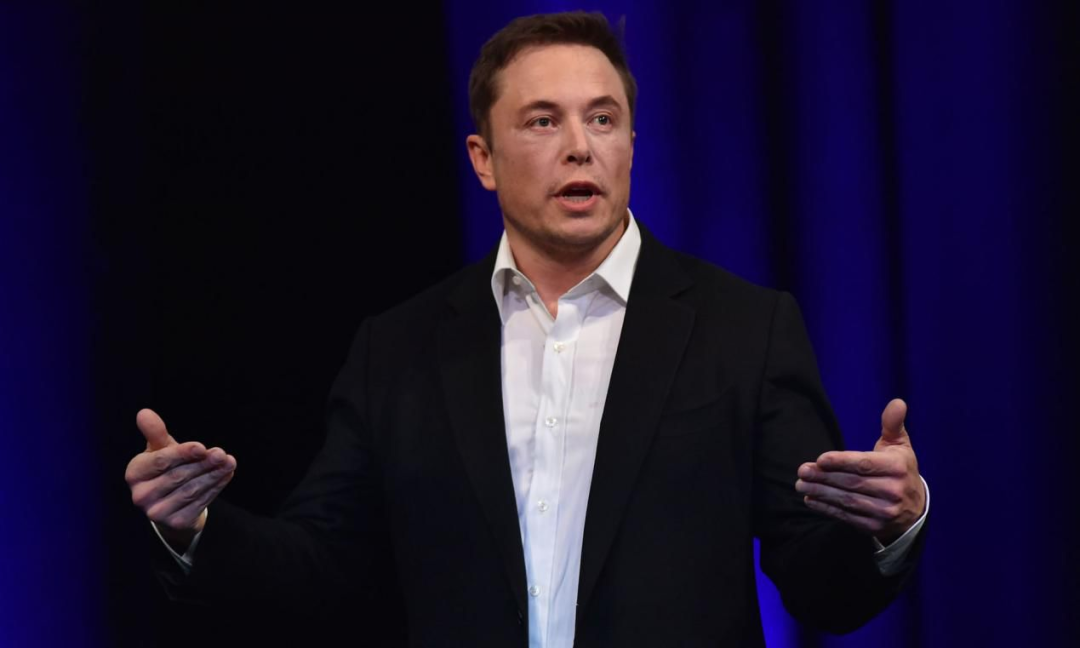
On the evening of April 23, 2026, Tesla submitted its quarterly report to the SEC. Hidden in a footnote on the last page, in less than two lines of text, a deal was disclosed: Tesla agreed to acquire an AI hardware company for up to $2 billion, with payment made entirely in common stock and equity incentives. Approximately $1.8 billion of this sum was contingent upon achieving specific technical milestones.
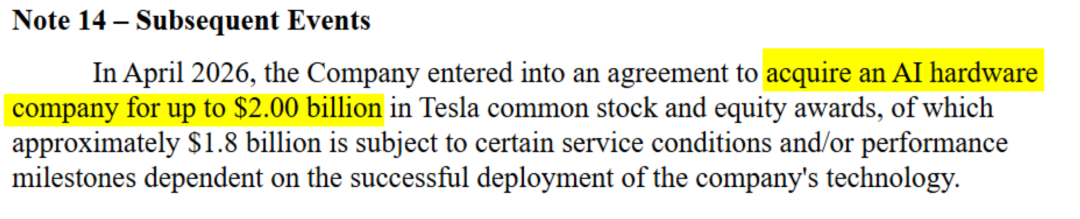
Image Source: Internet
This filing came just hours after Tesla released its Q1 earnings. The report revealed a year-over-year decline in revenue, profits falling short of expectations, and the stock dropping over 3% in after-hours trading.
However, the market’s attention was entirely focused on those few lines buried at the end of the footnotes.
This wasn’t Tesla’s first subtle integration of Musk’s AI assets. In January 2026, Tesla had already invested approximately $2 billion to acquire shares in xAI. In February, SpaceX announced its acquisition of xAI, with a merged valuation of $1.25 trillion. On April 22, SpaceX secured an option to acquire AI programming unicorn Cursor for $60 billion.
Image Source: Internet
Combined with the March 21 announcement of the Terafab chip factory plan, multiple Musk tweets on X, and the impending mass production timeline for Optimus Gen3, this strategic capital allocation—spanning from Earth to space, from electric vehicles to humanoid robots—can no longer be dismissed as mere expansion. It resembles one man preparing for the ultimate test.
01
Who Exactly Is the Acquired AI Hardware Company?
As of now, Tesla has not disclosed the name of the acquired target. Major media outlets have described it as “unnamed” or “unclear” in their reports. This is highly unusual—typically, mergers and acquisitions exceeding $1 billion reveal the names of both parties in announcements or at least provide sufficient information in filings for the market to speculate, even under confidentiality agreements.
Tesla’s decision to remain silent suggests only two possibilities: either the target’s shareholder structure is overly complex, or the transaction itself carries high uncertainty.
However, given the context, several avenues of speculation are worth exploring:
Direction One: Inference Chip Companies. Tesla’s self-developed Dojo supercomputer is primarily used for training, while inference still relies heavily on NVIDIA GPUs. Providing local inference capabilities for Optimus and FSD requires customized inference chips. Current reasonably valued targets with technology in AI inference chips include Groq (partially integrated by NVIDIA), Cerebras, and some smaller startups.
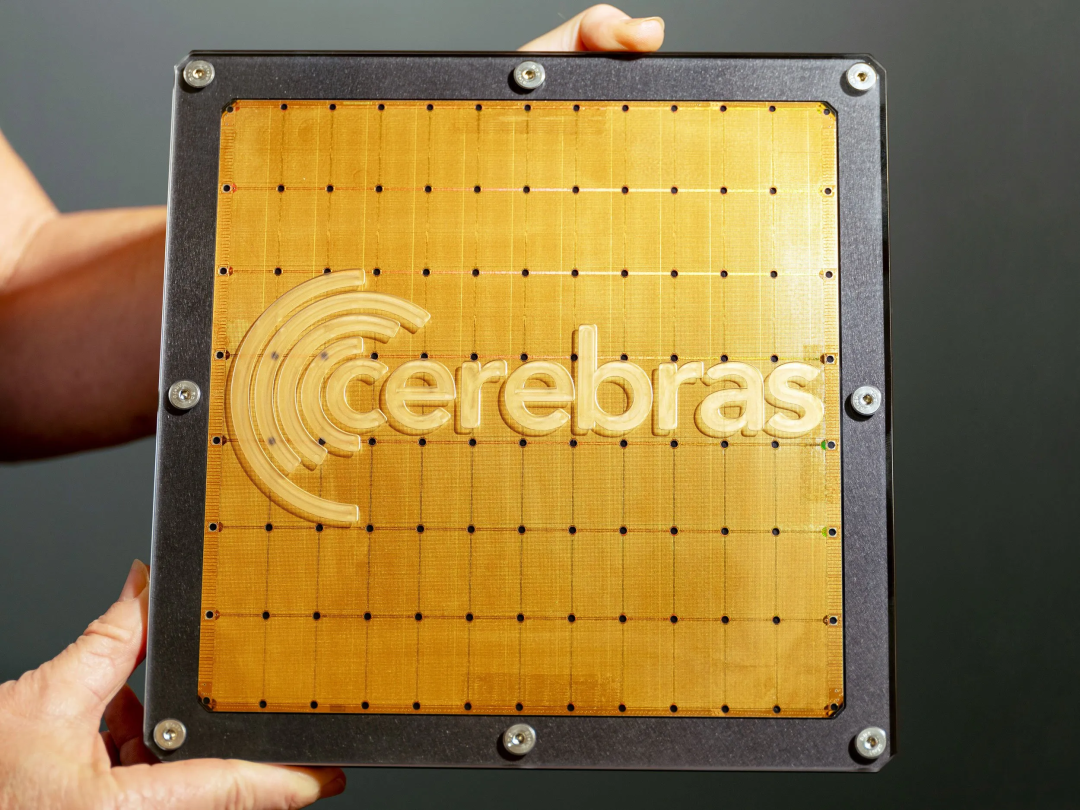
Image Source: Internet
Direction Two: Network Interconnect Hardware Companies. Communication bandwidth between chips is a critical bottleneck for AI cluster performance. If Tesla is to build large-scale computing clusters (such as Terafab), high-speed network switching chips and optical modules are indispensable.
Direction Three: Sensor/Actuator-Related Hardware. Mass production of Optimus requires large quantities of high-precision sensors and joint actuators, which are also the most scarce links in the current supply chain.
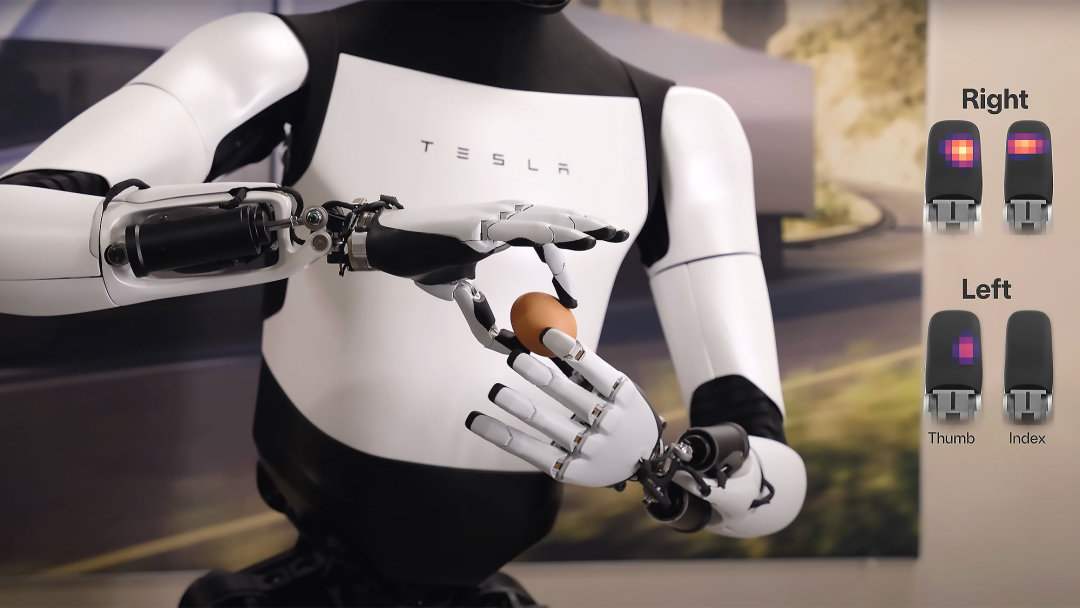
Image Source: Internet
Regardless of the target’s identity, the $2 billion valuation implies the company already possesses significant scale and productization capabilities, rather than being a pure early-stage startup.
02
What Did Musk Say on X?
Around the time of Tesla’s quarterly filing, Musk’s posts on the X platform provided the most direct clues to the acquisition’s intent.
March 11: Musk confirmed that Tesla and xAI’s joint project “Macrohard” (translated as “Microsoft” by Chinese media) officially entered full-scale development. Led by Tesla’s VP of AI Software, Ashok Elluswamy, the project aims to simulate the complete functions of a software company using AI—with Grok serving as the high-level decision-maker, and Tesla’s AI agents handling real-time screen, keyboard, and mouse operations to execute specific software development tasks.
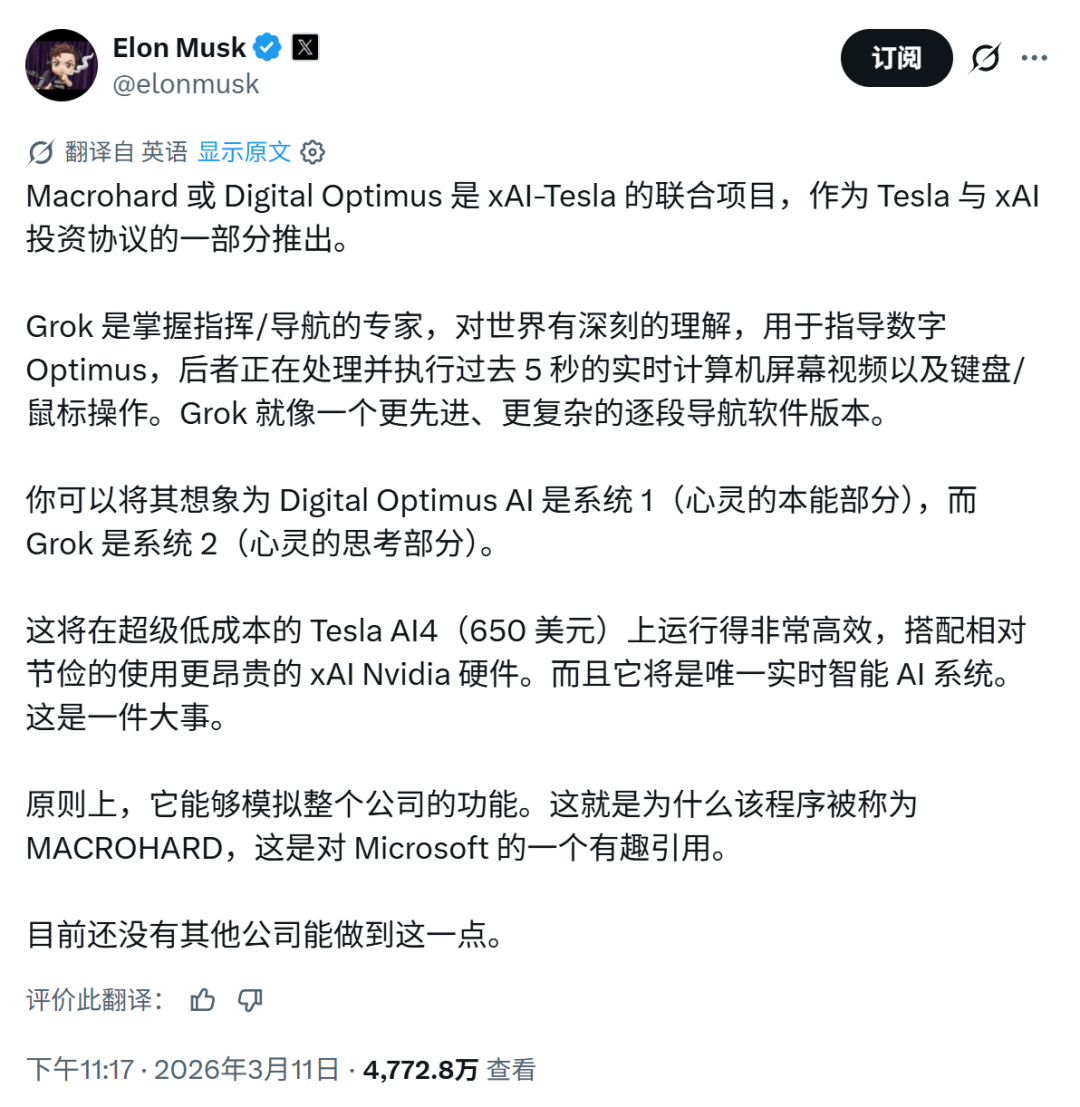
Image Source: Internet
March 21: Musk announced the Terafab plan—a joint venture by Tesla, SpaceX, and xAI to build the world’s largest chip manufacturing facility in Austin, Texas, targeting annual production of 1 terawatt (1TW) of AI computing power, roughly half of the current global total capacity.
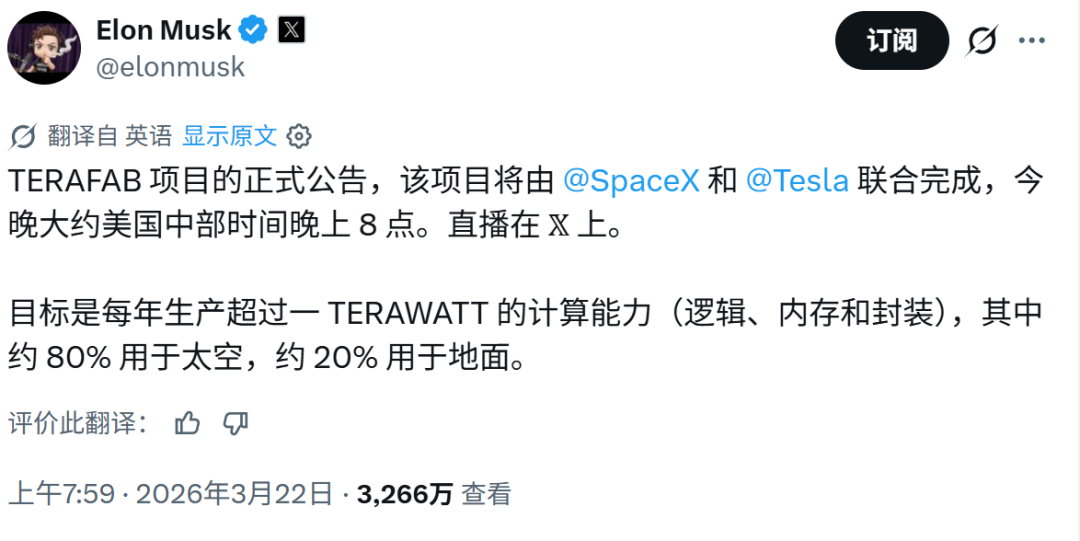
Image Source: Internet
Mid-April: Musk posted on X, claiming, “Tesla will be one of the companies to achieve AGI, and likely the first to embody AGI in a ‘humanoid + atomic-level shaping’ form.” This tweet was widely cited by the industry as a clear signal of Musk directly linking humanoid robots with artificial general intelligence (AGI).
April 23: After the earnings release, Musk did not directly mention the $2 billion acquisition on X but reposted multiple promotional contents about the impending mass production of Optimus Gen3, adding the comment, “Tesla is building the most important product on Earth.”
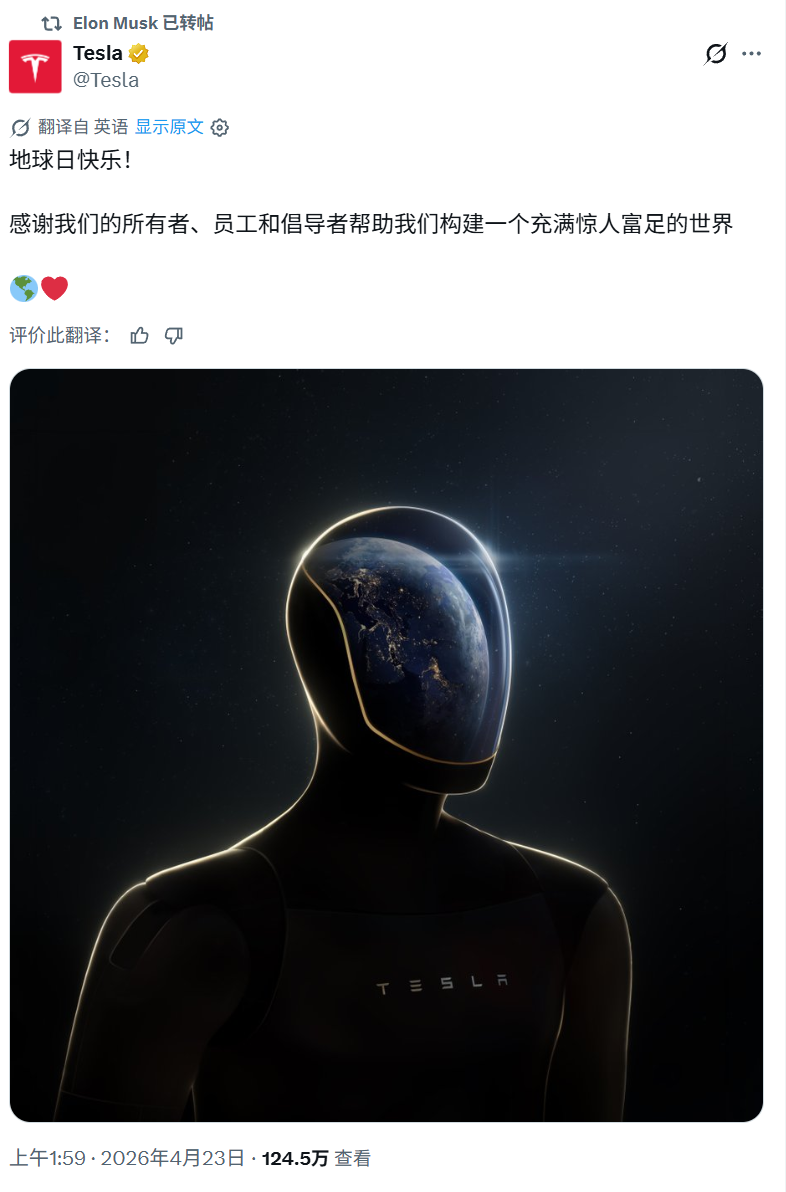
Image Source: Internet
These posts share a common narrative thread: Tesla is not just an electric vehicle company but an AI + hardware company, with the humanoid robot Optimus as the ultimate carrier of its AI capabilities. The $2 billion acquisition is the latest piece of this narrative—providing more autonomous computing power support for Optimus’s scaled production.
03
Optimus Gen3 Mass Production Imminent: The Real Progress of Humanoid Robots
On April 23, Tesla announced via its official Weibo account that the third-generation Optimus (Gen3) is expected to officially debut by mid-year, with plans to initiate large-scale production at its Fremont, California factory between July and August 2026, targeting an annual output of 1 million units.
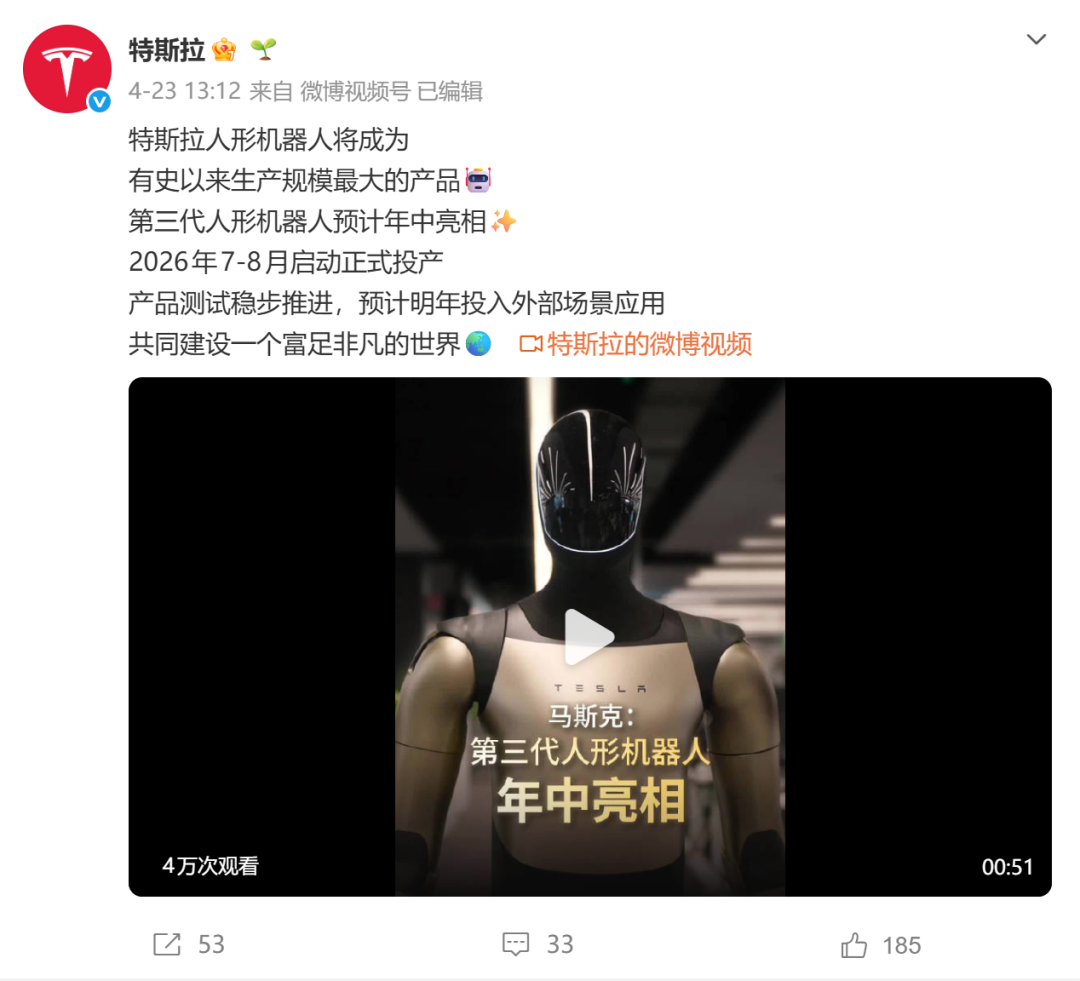
Image Source: Internet
This marks Tesla’s first explicit timeline for humanoid robot mass production. Previously, the planned production of 5,000 Optimus units in 2025 had been delayed multiple times. The Fremont factory is undergoing production line modifications, with Model S and Model X lines halted in the first half of this year to make room for robot production.
Key upgrades in Gen3: A newly designed robotic hand with significantly improved precision and degrees of freedom; fully upgraded joint motors throughout the body, with maximum torque output exceeding Gen2 by approximately 40%; equipped with an inference version of Tesla’s self-developed FSD chip for real-time local environmental perception.
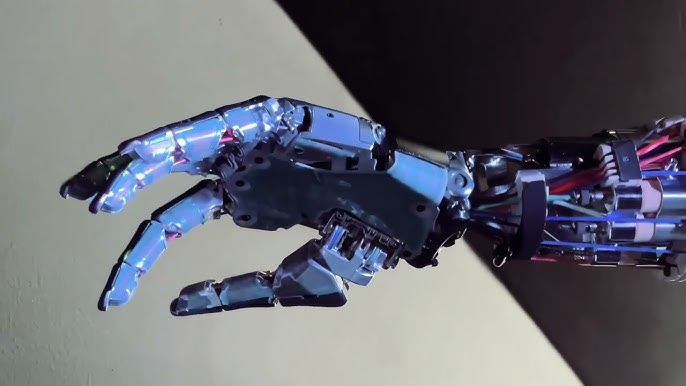
Image Source: Internet
Meanwhile, the advancement of the Macrohard project opens a new usage scenario for Optimus—robots in factories not only perform manual labor but also knowledge-based tasks like “software testing” and “data entry.” This means Optimus’s target market expands from “manufacturing labor replacement” to “white-collar work assistance and replacement.”
04
SpaceX Merges with xAI and Acquires Cursor: The Narrative Sprint Before IPO
On February 2, 2026, SpaceX published a statement signed by Musk on its official website, formally confirming its merger with xAI. The statement claimed the merged company would integrate artificial intelligence, rocket technology, satellite internet, and communication services to create a “comprehensive innovation engine.” The new company was valued at approximately $1.25 trillion, making it the world’s highest-valued unlisted company.
On April 22, SpaceX struck again, announcing it had reached an agreement with AI programming unicorn Cursor: SpaceX secured an option to acquire Cursor for $60 billion or choose to pay $10 billion to advance deep collaboration. Cursor is one of the world’s fastest-growing AI programming tools, seen as the strongest competitor to Microsoft’s GitHub Copilot.
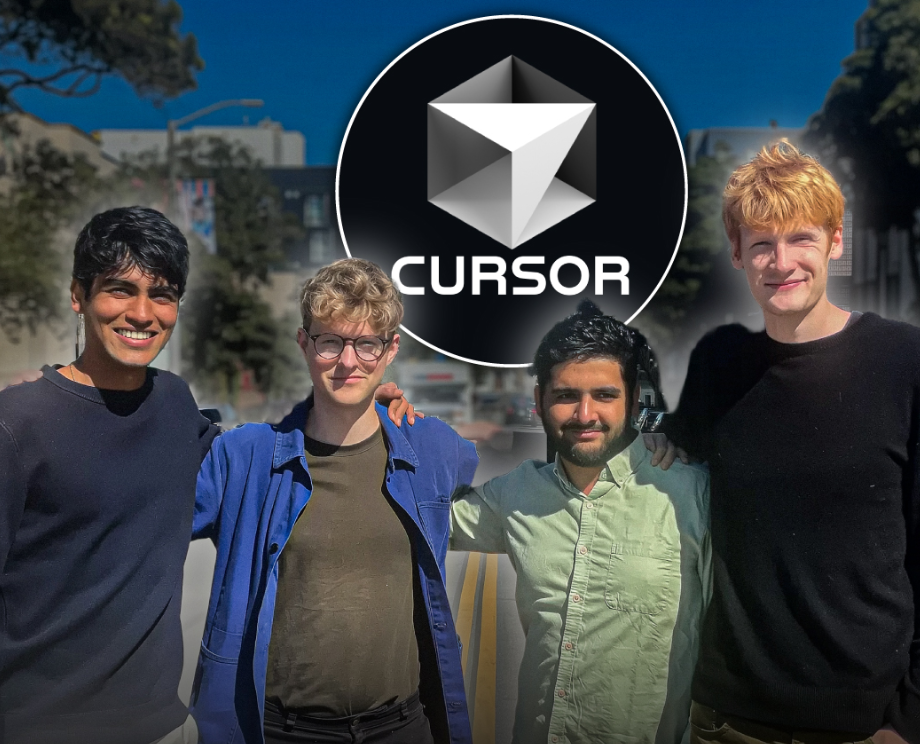
Image Source: Internet
The logic behind these two deals is highly consistent: paving the way for SpaceX’s IPO.
SpaceX plans to go public later in 2026, with its valuation estimated by multiple investment banks to exceed $1.5 trillion. During this critical pre-IPO window, Musk needs to make one thing clear to secondary markets: SpaceX is not just a rocket company but a next-generation infrastructure platform with AI as its foundation and space as its scenario.
xAI’s Grok large model, Cursor’s programming tools, Terafab’s computing power—injecting these assets before the IPO transforms SpaceX from a “space transportation company” into an “AI + space infrastructure company,” fundamentally elevating its valuation logic.
Image Source: Internet
05
The Endgame of Empire Integration: An Earth AI Closed Loop or a Space Data Empire?
When all these moves are placed on the same map, a complete picture begins to emerge.
Musk currently oversees four main business lines: Tesla (electric vehicles + robots), SpaceX (rockets + satellite internet), xAI (AI large models), and X (social media). Deep technological and capital integration is occurring among them:
Tesla invests in xAI, gaining exclusive rights to use the Grok model in vehicle infotainment systems and humanoid robots.
SpaceX acquires xAI, integrating AI model capabilities into its satellite communication and space data center businesses.
SpaceX acquires Cursor, injecting AI programming capabilities into its software ecosystem.
Terafab serves the chip needs of Tesla, SpaceX, and xAI simultaneously, achieving computing autonomy.
Tesla acquires an AI hardware company, filling gaps in inference computing power for Optimus and FSD.
These four business lines are forming a complete closed loop spanning energy collection (solar) to power conversion (electric vehicles) to computing power manufacturing (chips) to AI models (large models) to application terminals (robots, cars, satellites).
So the question arises: What is the ultimate endgame of all this—AI hegemony on Earth or preparation for space expansion?
From a commercial logic perspective, the two are not mutually exclusive and likely serve as simultaneous answers.
The Earth AI market is valued in the trillions of dollars. Tesla, SpaceX, and xAI first establish competitive advantages on Earth, gaining sufficient revenue and valuation support; the narrative of space data centers provides even greater imaginative space for long-term valuation—Starlink’s satellite network can offer low-latency data return channels for space AI computing; if humanity needs to establish communication infrastructure between Earth and the Moon in the future, SpaceX’s competitive edge will be unparalleled.
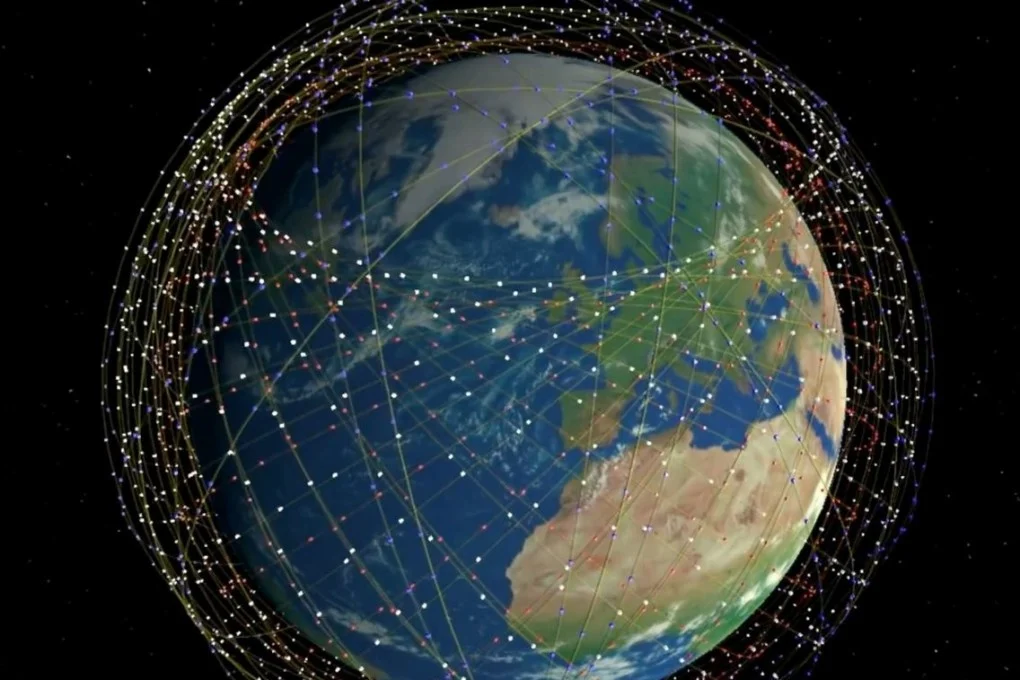
Image Source: Internet
The pre-IPO “narrative sprint” essentially sells a story about the future to secondary markets. The core of this story is not “rockets are cheap” but “Musk’s AI empire will cover the entire physical world from Earth to the Moon in the next decade.”
06
A Question Worth Asking
Musk’s capital integration is accelerating at an increasingly rapid pace, with ever-larger moves. Yet behind each acquisition and merger lies a common underlying tension: When these companies operate independently, can they truly achieve a synergistic effect of 1+1>2, or are they merely propping up valuations with capital narratives?
SpaceX’s acquisition of xAI highlights stark cultural differences—SpaceX is hyper-pragmatic and engineering-driven; xAI is fast-iterating and product-centric. Post-merger, cultural clashes and resource allocation battles will pose long-term risks.
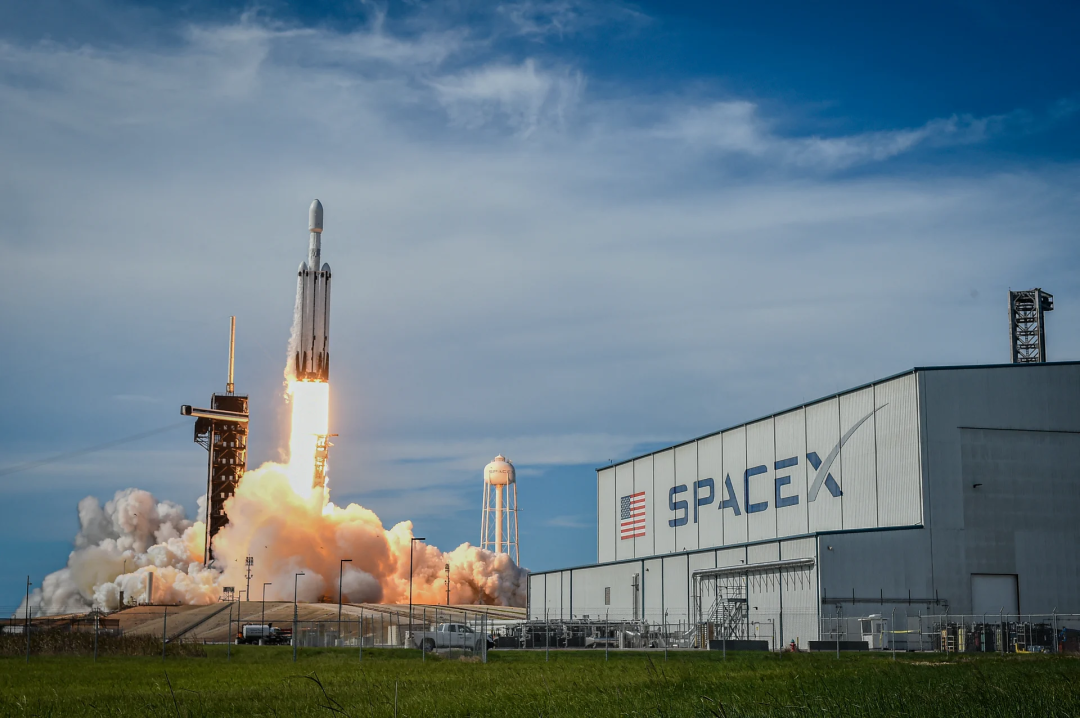
Image Source: Internet
Terafab’s $20 billion chip factory plan represents an ambitious goal, but chip manufacturing success requires more than just capital—process refinement, yield control, and supply chain management demand over a decade of accumulation. TSMC’s decades-built moat won’t be replicated overnight in Austin.
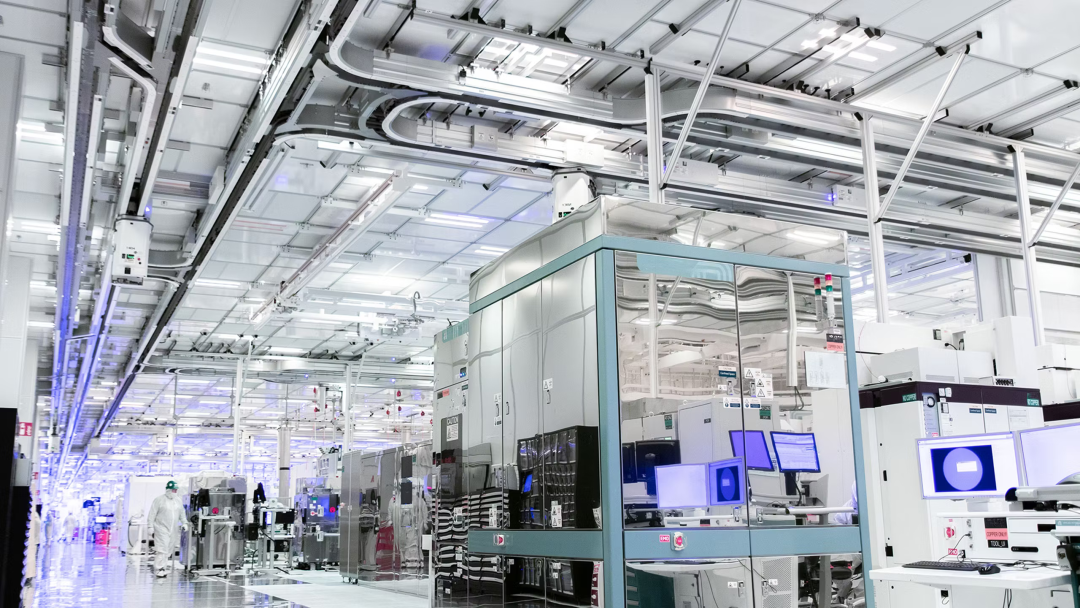
Image Source: Internet
Optimus Gen3’
Whether this empire will ascend to become the "Microsoft of the AI era" or crumble in a manner reminiscent of SpaceX's early setbacks—metaphorically speaking, facing its next "explosion"—the answer may only partially reveal itself when SpaceX eventually goes public.
Primary Sources: Tesla's Q1 2026 10-Q Report (filed with the SEC on April 23, 2026); Official Statements from SpaceX (dated February 2, 2026); Media Coverage from Wall Street See, Caijing Eleven, Jiemian News, Sina Finance, among others, regarding Musk's strategic capital integration maneuvers.
- THE END -
-
![]()
Which Brands Will Be the First to Skip the Next Chengdu Motor Show?
-
![]()
Walmart: Steady Performance Marred by Overvaluation Concerns
-
![]()
Can Domestic Autos Still Hold Their Own Against Joint Venture Brands?
-
![]()
Domestic Cars Priced Above 300,000 Yuan Are Gaining Ground in Chengdu
-
![]()
Sedans Face an Uphill Battle in Sales
-
![]()
BBA Takes a Leap of Faith: No Sales, No Tomorrow
-
![]()
Chengdu Unfaded: BYD and Geely Vie for Championship While the Weak Exit
-
![]()
3X Salary Poaching, 40 Executives Depart: Autonomous Driving Talent is Batch-Producing Embodied AI Leaders