2026 Beijing International Auto Show: Navigating the Future of Smart Driving
 04/30 2026
 629
629
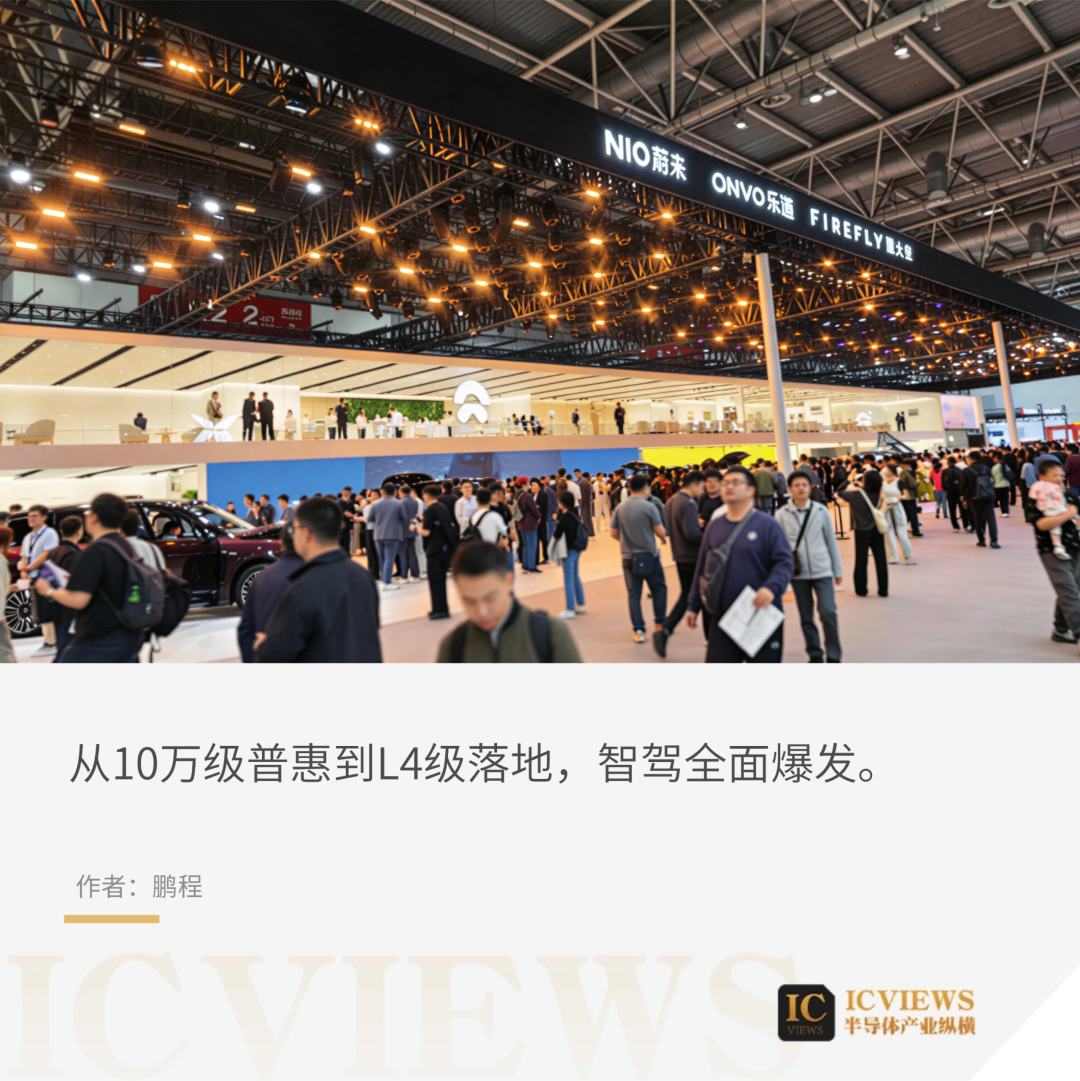
Recently, the 2026 Beijing International Automotive Exhibition made its grand debut at the China International Exhibition Center (Shunyi Pavilion). Spanning an impressive 380,000 square meters and uniting nearly a thousand automakers from 21 countries and regions, this year's auto show has emerged as the largest and most eagerly anticipated event in the global automotive industry for 2026.
A tour through the entire auto show leaves one with a profound impression: "intelligence" has become the fundamental prerequisite for new cars at this exhibition. Amidst the backdrop of overseas suppliers' long-standing dominance in high-end intelligent driving chips, self-reliance is not only a vital strategy for automakers to achieve cost efficiency but also a crucial pathway to forge differentiated product competitiveness. From the technological showdown among flagship models to the widespread integration of intelligent driving capabilities across all price segments, and further to the exploration of L4 autonomous driving, this year's Beijing Auto Show has fully showcased the imminent large-scale proliferation of self-developed intelligent driving technologies in China's automotive sector.
01
Flagship SUV Showdown: Self-Developed Chips Propel Intelligent Driving to New Heights
In the premium flagship SUV market, priced above 400,000 yuan, flagship offerings from leading brands have made their mark. These vehicles not only redefine industry benchmarks in terms of space, comfort, and chassis performance but also elevate advanced intelligent driving experiences to unprecedented levels, centered around self-developed chips.
Li Auto L9 Livis
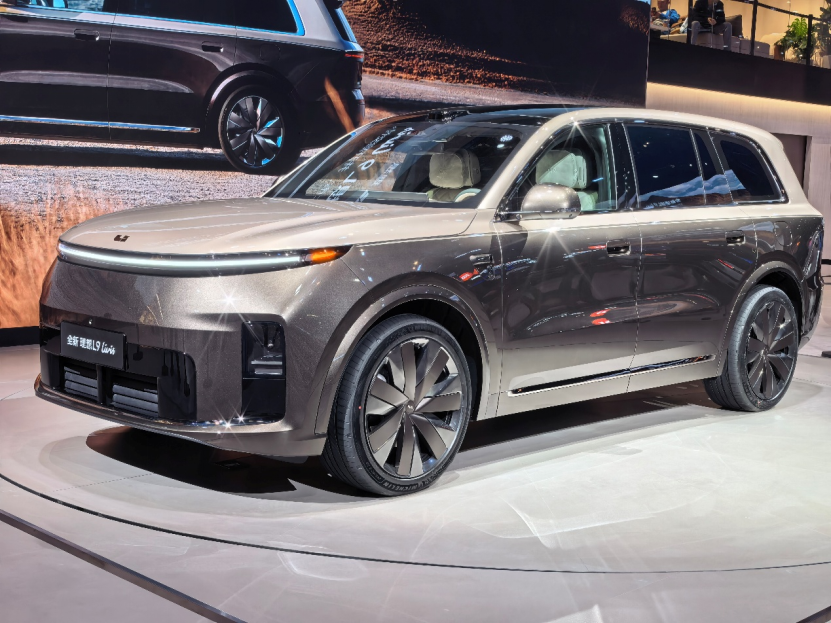
As Li Auto's flagship benchmark, the L9 Livis sets a premium standard with its hardware: it boasts the world's first 800V active suspension and a full-line control chassis tailored for full-size SUVs. Line-control steering, rear-wheel steering, and an EMB full-electric braking system elevate the chassis handling specifications of full-size SUVs to industry-leading standards.
In terms of intelligent driving, the vehicle is equipped with four LiDAR sensors for 360-degree omnidirectional perception, paired with the AD Max intelligent driving system. The end-to-end algorithm is meticulously optimized for high-frequency family travel scenarios, such as parking, highway cruising, and congested following. Moreover, leveraging next-generation UWB near-field sensing technology, traditional ultrasonic radars are eliminated, achieving a qualitative leap in environmental perception accuracy and breadth.
The cornerstone of these intelligent driving experiences lies in the two self-developed 5nm Mach 100 chips installed in the vehicle, delivering a total computing power of 2560TOPS and enabling low-latency responses across the entire perception-decision-planning chain. The car is set for an official launch in the second quarter of 2026.
AITO M9 Ultimate Extended Edition
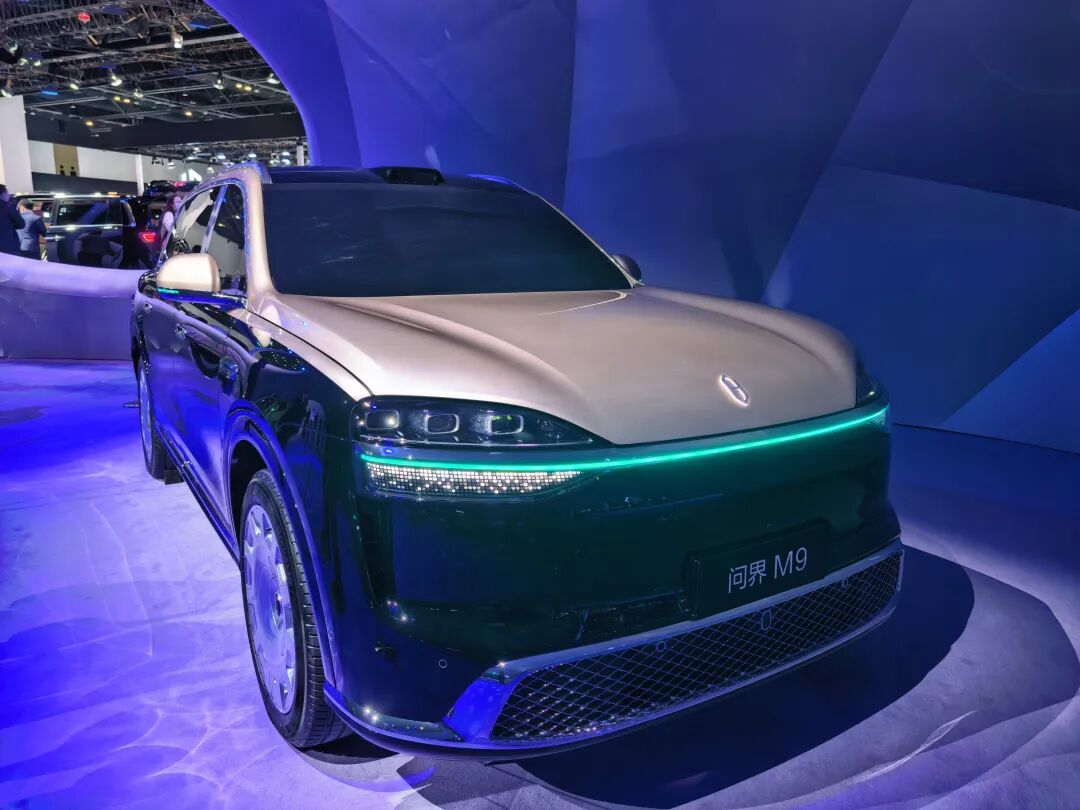
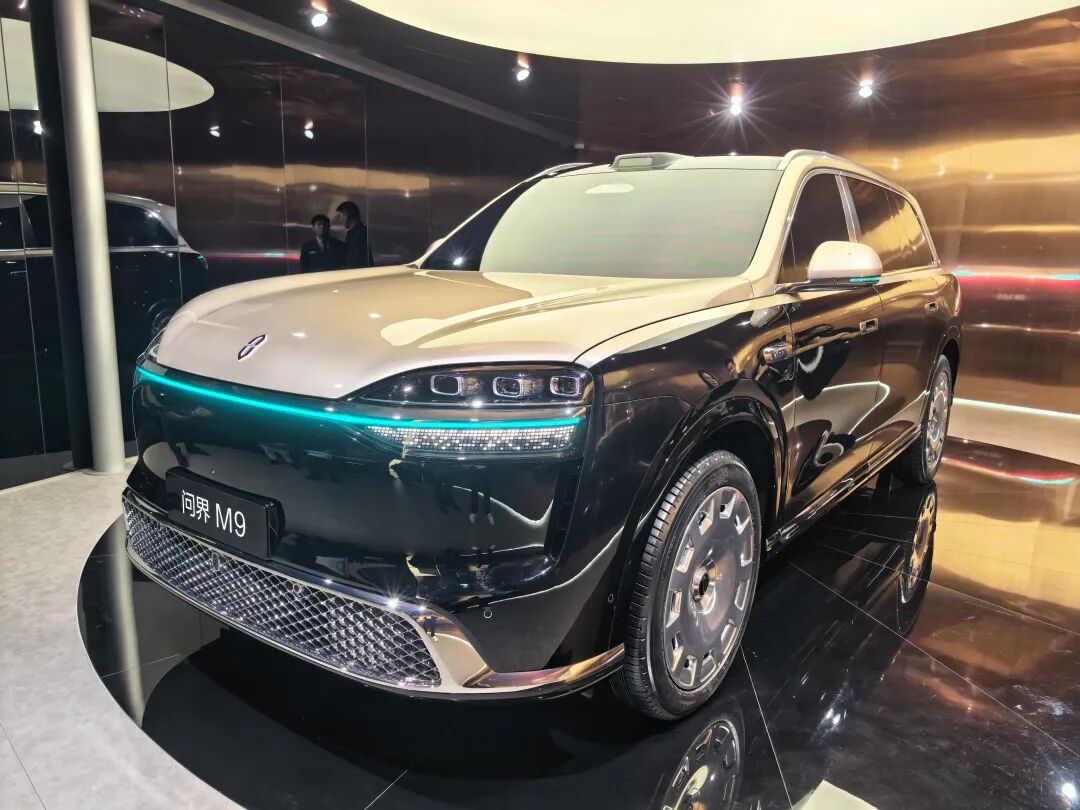
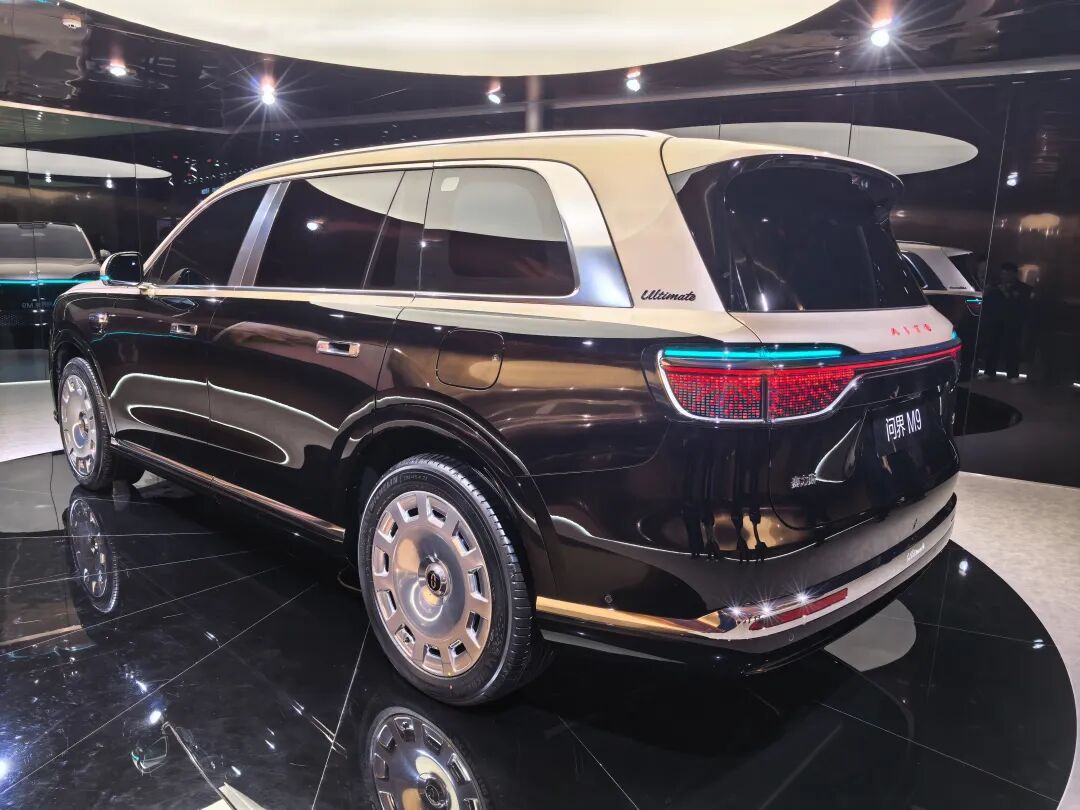
The AITO M9 Ultimate Extended Edition represents the pinnacle of Huawei's full-stack intelligent automotive technology. With a length of 5402mm, surpassing even the Rolls-Royce Cullinan, and powered by a 2.0T range extender + triple-motor combination, the car excels in both space and performance.
In terms of intelligent driving hardware, it features six LiDAR sensors, including a forward-facing 896-line LiDAR (with cleaning port), the world's highest-specification mass-produced model, and an additional cabin LiDAR. Paired with radar layouts on the grille, both sides of the body, and the rear, it forms a comprehensive, all-scenario perception matrix. Supplemented by five 4D millimeter-wave radars, 12 cameras, and 16 ultrasonic radars, it constitutes an omnidirectional sensing system capable of accurately identifying vehicles, pedestrians, traffic signs, and barriers, as well as complex obstacles like blind-spot steps and suspended charging piles, laying a solid hardware foundation for advanced intelligent driving.
This hardware suite will debut with Huawei's ADS 5.0 system, coupled with the all-new HarmonyOS cockpit, the new Xiaoyi AI assistant, and Huawei's Gigawatt battery platform, achieving a comprehensive technological upgrade. In terms of active safety, the car is fully optimized based on the intelligent driving sensing system, expanding the AEB operating range to 120Km/h, introducing ESA emergency steering assistance, and upgrading the eAES 2.0 anti-pinch rear-end collision avoidance function, elevating driving safety to new heights. All these seamless and stable intelligent driving experiences are underpinned by Huawei's full-stack self-developed chip, algorithm, and data closed-loop system.
NIO ES9
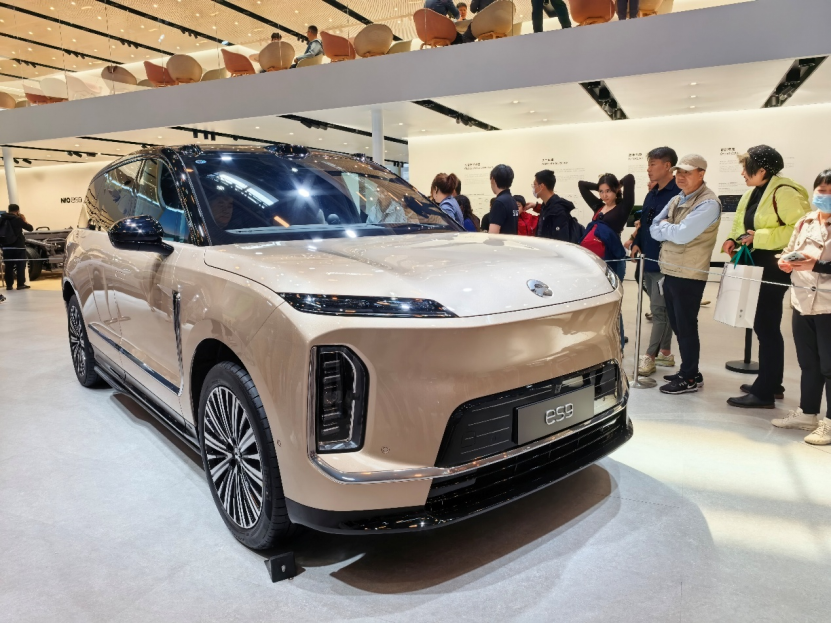
Built on a 900V high-voltage platform, the NIO ES9 offers a luxurious interior space with a length of 5.37 meters and a wheelbase of 3.25 meters. It features the world's only mass-produced electro-hydraulic integrated Tianxing fully active suspension and retains NIO's iconic 3-minute rapid battery swap capability, delivering both exceptional refueling experience and handling quality.
In terms of intelligent driving, the vehicle is equipped with the NAD advanced intelligent driving system, supporting all-scenario autonomous parking. It also introduces a dedicated automatic parking in-and-out function for battery swap scenarios, enabling fully unmanned refueling. The core of this intelligent driving system is the self-developed Shenji NX9031 automotive-grade chip, natively integrated with NIO's SkyOS all-domain operating system. Using a 5nm process, the chip achieves deep synergy with the vehicle's battery swap system and electronic electrical architecture. Unlike the simple "chip-on-board" model prevalent in the industry, NIO has reconstructed its entire vehicle system around the self-developed chip, featuring two Shenji NX9031 chips, three LiDAR sensors, and world model capabilities. This chip technology is now gradually being extended to the LeDao series models, achieving large-scale technological deployment.
XPENG GX
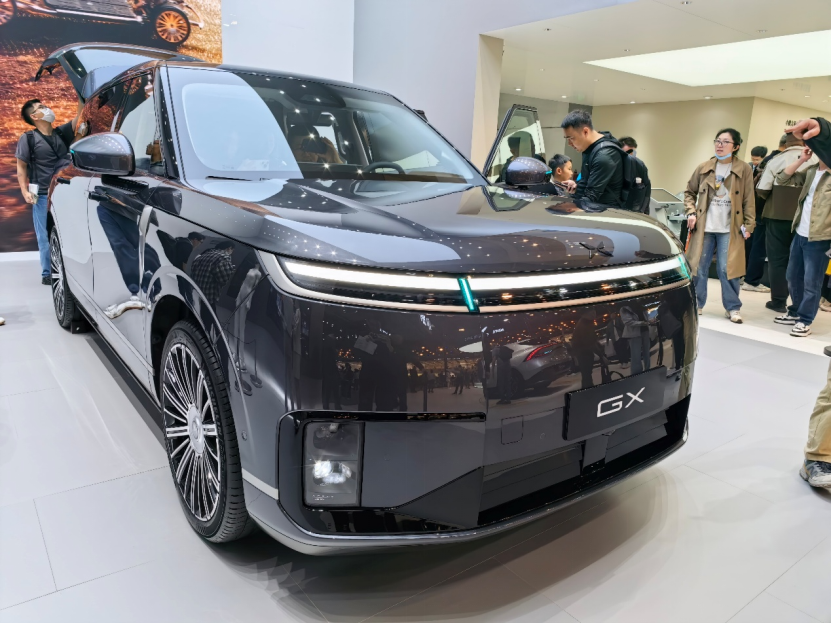
The XPENG GX brings full-size flagship experiences within reach for young tech enthusiasts. This 5.2-meter full-size SUV achieves the smallest turning radius of 5.1 meters in its class, boasting flexibility comparable to B-class cars, thanks to the globally debuted Bosch next-generation line-control steering system. The tri-folding seat design allows the third row to lay flat, instantly transforming into a spacious four-seater, balancing handling agility and spatial practicality.
In terms of intelligent driving, the vehicle is equipped with the XNGP 4.0 map-free urban NOA system, completely eliminating reliance on high-definition maps. It also pre-installs L4-level hardware capabilities, enabling the technological descent of Robotaxi prototypes. Supporting the continuous evolution of this advanced intelligent driving system are four self-developed Turing AI chips installed in the vehicle, delivering a total computing power of 3000TOPS, sufficient to smoothly run large models with 30B parameters on-board. The ample computing redundancy also reserves ample space for future OTA upgrades, perfectly aligning with the needs of young users pursuing ultimate computing power and future travel experiences.
02
Huawei Empowerment Matrix: A Comprehensive Intelligent Driving Layout Across All Segments
If the flagship models from various brands represent "single-point breakthroughs" in self-developed technology, then at this auto show, Huawei has completed a full-category layout across all price ranges from 200,000 to 700,000 yuan, spanning sedans to SUVs and MPVs, through its full-stack technological empowerment, truly achieving "Huawei Inside everywhere."
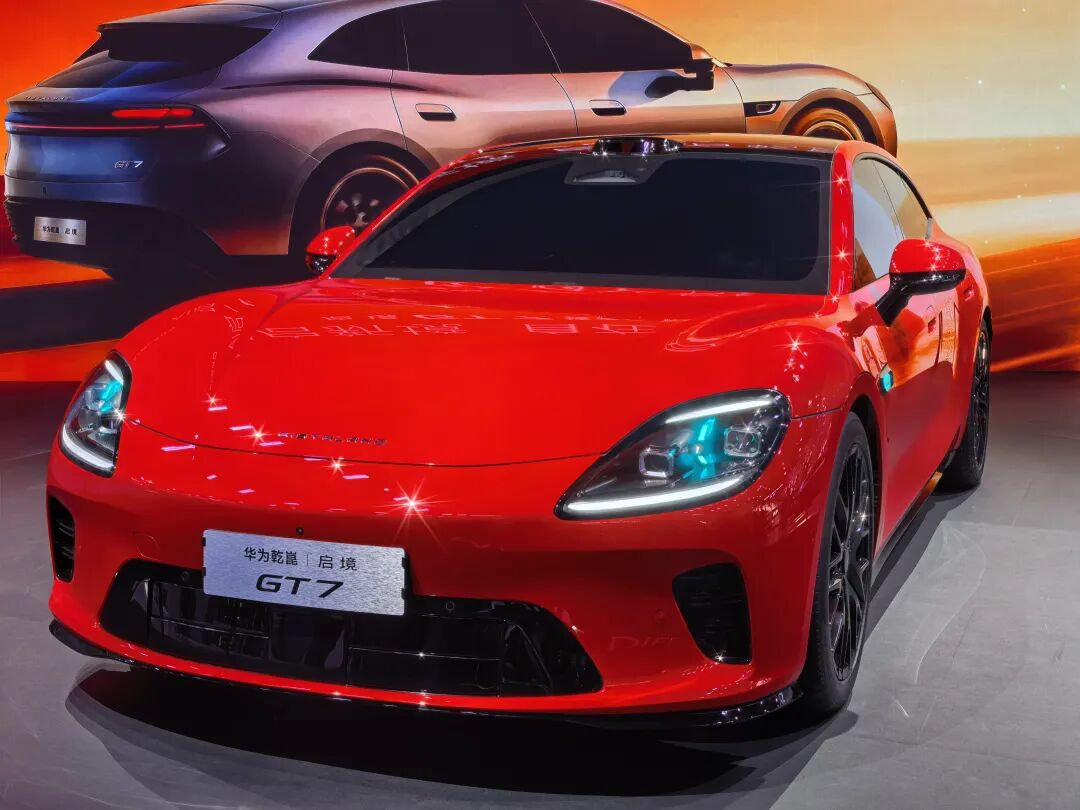
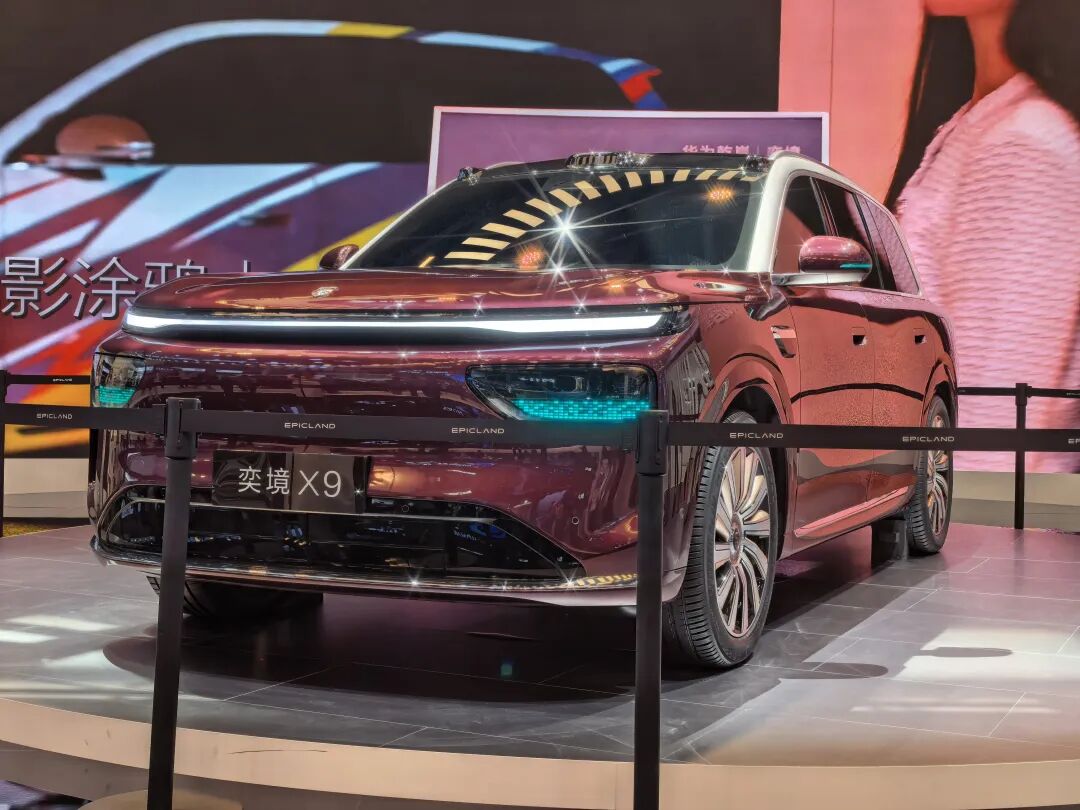
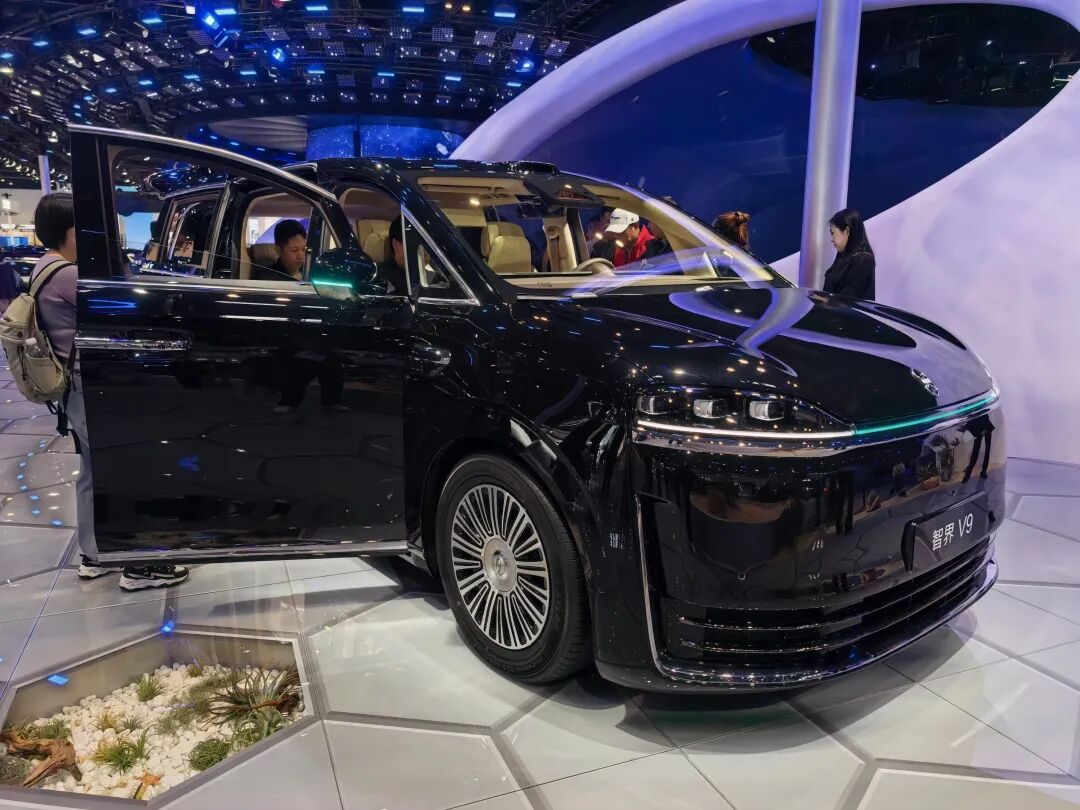
Qijing GT7 (Huawei × GAC)
Co-created by Huawei and GAC, the Qijing GT7 offers a fresh choice for users seeking differentiation. This 5050mm-long intelligent shooting brake coupe achieves a perfect balance between aesthetic design and practical attributes with features like projection headlights and active suspension.
In terms of intelligent driving, the vehicle is among the first to be equipped with Huawei's ADS 5.0 system, adopting a full-link redundancy architecture and obtaining L3-level autonomous driving road test permission in Guangzhou. Unlike common aftermarket adaptation schemes in the industry, Huawei's Qiankun next-generation intelligent driving chip, as the core of the ADS 5.0 full-stack solution, has undergone joint pre-research with the vehicle from the underlying architecture, achieving deep hardware-software integration and precisely matching the needs of elite users seeking a balance between personalized design and advanced intelligent driving.
Yijing X9 (Huawei × Dongfeng)
Co-created by Huawei and Dongfeng, the Yijing X9 positions itself as a full-size family flagship six-seater SUV and one of the models with the highest degree of Huawei technology integration at this auto show. Huawei has been deeply involved in the entire product lifecycle, from definition to R&D and manufacturing, bringing the full support of the HarmonyOS cockpit HarmonySpace 6 and the XMC Qiankun digital chassis, elevating comfort and intelligence for family travel to new heights.
Relying on Huawei's full-stack self-developed intelligent driving chip and algorithm system, the Yijing X9 achieves comprehensive deployment of advanced intelligent driving capabilities, becoming the top choice for users seeking the most complete Huawei ecosystem experience.
Seres V9 (Huawei × Chery)
As the first flagship MPV under Harmony Intelligent Mobility, the Seres V9 directly addresses the core pain points of traditional MPVs, such as "bulky body and limited handling." Despite its 5359mm length, it achieves a turning radius of 5.35 meters, even more agile than most compact sedans. The vehicle is equipped with second-row wrap-around airbags and zero-gravity seats, meeting both business and family travel needs for safety and comfort.
In terms of intelligent driving and handling, the vehicle brings the flagship SUV-level ADS 5.0 intelligent driving system, dual-chamber air suspension, and rear-wheel steering to the MPV segment, enabling this full-size flagship MPV to offer both a spacious experience and far superior agility and advanced intelligent driving capabilities compared to its peers.
03
Wave of Intelligent Driving Democratization: Advanced Intelligent Driving for All
The most heartening industry signal at this auto show is that "good intelligent driving doesn't have to be expensive." Advanced intelligent driving capabilities, once exclusive to models priced above 300,000 yuan, are now rapidly descending to the entry-level market through the large-scale reuse of chips and algorithms, truly achieving "intelligent driving equality."
Leapmotor A10
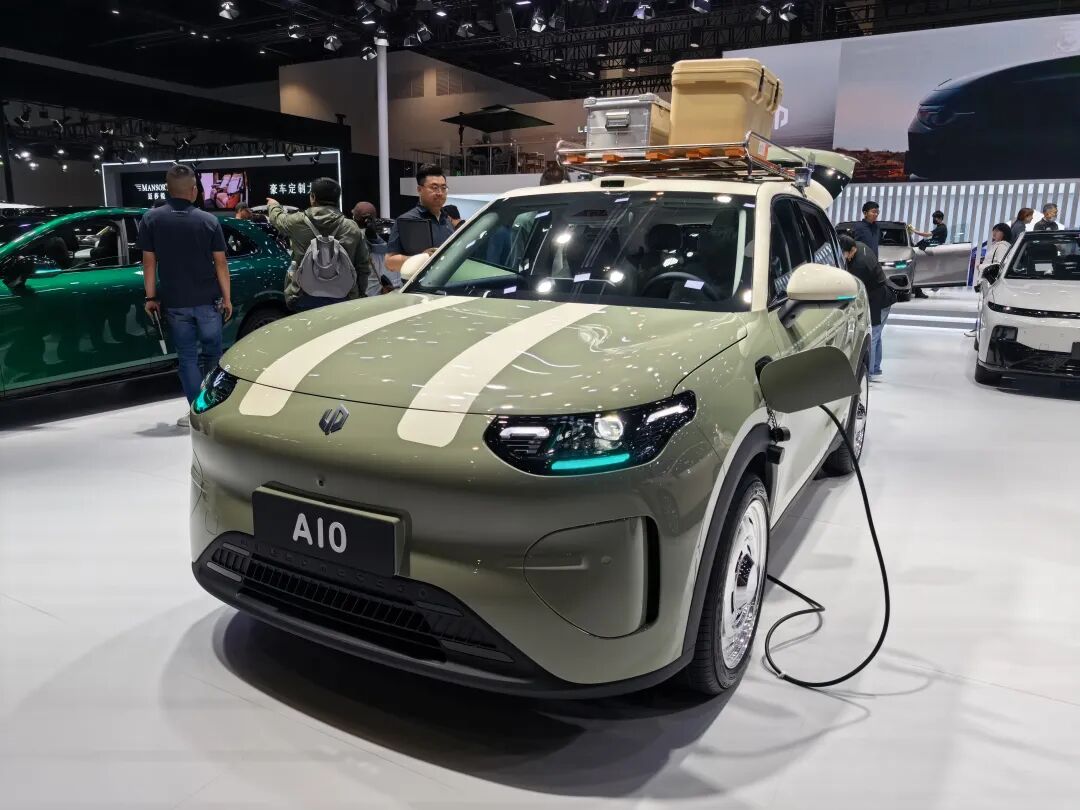
The Leapmotor A10, released this year, also made its debut at the Beijing Auto Show. The Leapmotor A10 directly brings core configurations previously found only in 200,000-yuan-level models, such as LiDAR, Qualcomm 8295+8650 dual flagship chips, and full-scenario navigation-assisted driving from parking spot to parking spot, into the mass market below 100,000 yuan. As the first model under 100,000 yuan to achieve "parking spot-to-parking spot" navigation assistance, its emergence epitomizes the large-scale development of the intelligent driving industry. By standardizing sensing hardware and scaling up computing platforms, the landing cost of advanced intelligent driving has been significantly reduced.
BYD Tang Dynasty
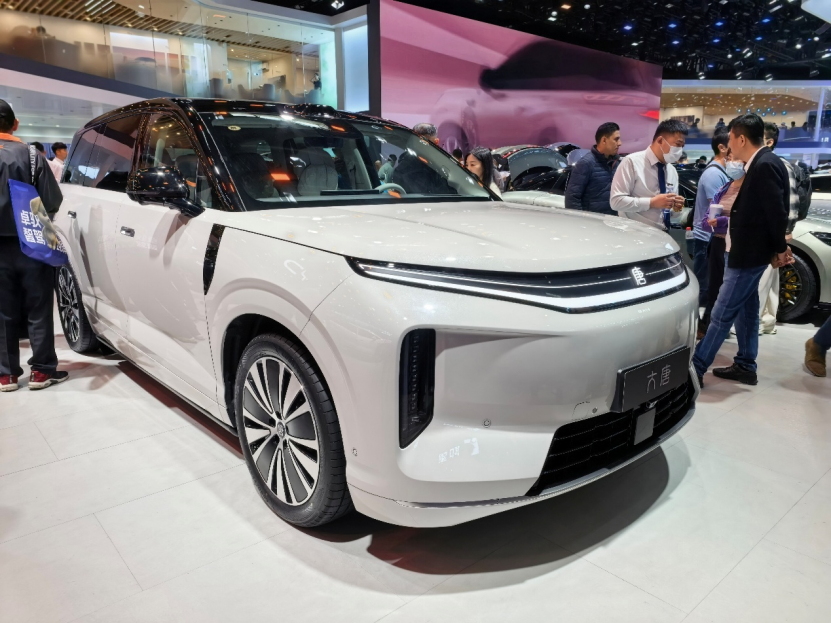
The BYD Tang Dynasty brought double surprises in performance and intelligent driving at this auto show. The new vehicle is equipped with megawatt flash-charging technology, enabling a 400km range replenishment in just 5 minutes, with a maximum CLTC range of 950km. Meanwhile, the Yunlian-A air suspension + rear-wheel steering come standard across all variants, elevating flagship-level chassis and refueling experiences to new heights.
In terms of intelligent driving, the Tang Dynasty EV is equipped with the Divine Eye B intelligent driving system featuring LiDAR, supporting all-scenario intelligent driving functions such as highway NOA, urban NOA, automatic parking, and remote parking. It is powered by the NVIDIA Orin X intelligent driving chip, delivering a computing power of 254 TOPS.
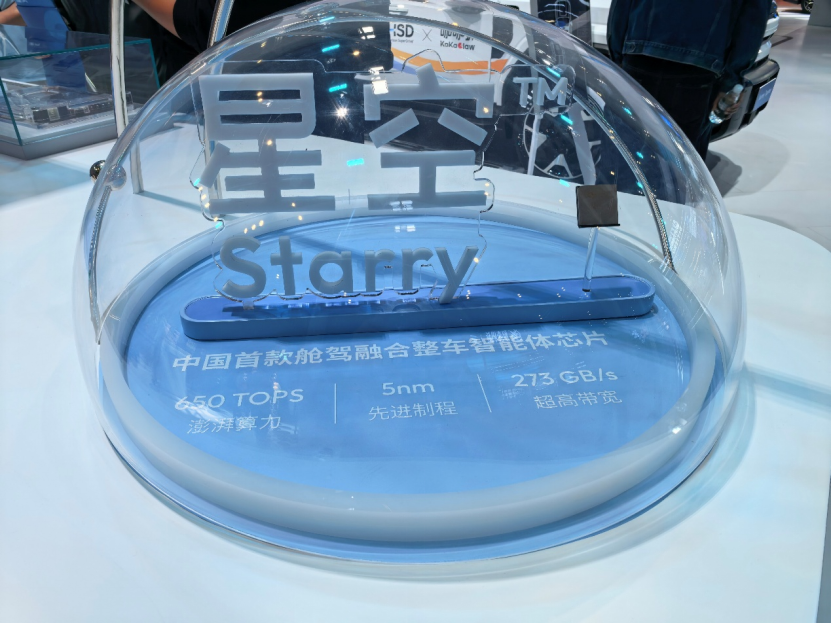
Notably, during the auto show, BYD Chairman Wang Chuanfu led his executive team to visit the Horizon Robotics booth, engaging in in-depth discussions on cockpit-driving fusion technology, fueling market expectations for enhanced future collaboration between the two sides. In fact, since 2021, multiple mainstream BYD models have been equipped with Horizon Robotics' Journey series chips to achieve L2-level ADAS functions. In 2025, BYD extensively adopted Horizon Robotics' Journey 6 series chips (including J6M, J6E, J6P, etc.) in its "Divine Eye C" intelligent driving solution, covering multiple models from entry-level to mid-range and high-end, such as the Seagull, Qin series, and Seal, achieving large-scale deployment of intelligent driving functions like highway navigation, urban memory navigation, and intelligent parking.
04
Concentrated Debut of Robotaxis: L4 Autonomous Driving Approaches Large-Scale Deployment
Beyond the fierce competition in intelligent driving among mass-produced passenger cars, another significant highlight of this auto show is the collective unveiling of Robotaxi-related products by a multitude of manufacturers. These companies showcased their latest advancements in L4 autonomous driving across various domains, including technological R&D, cost management, and commercial deployment, providing consumers with a glimpse into the future of transportation.
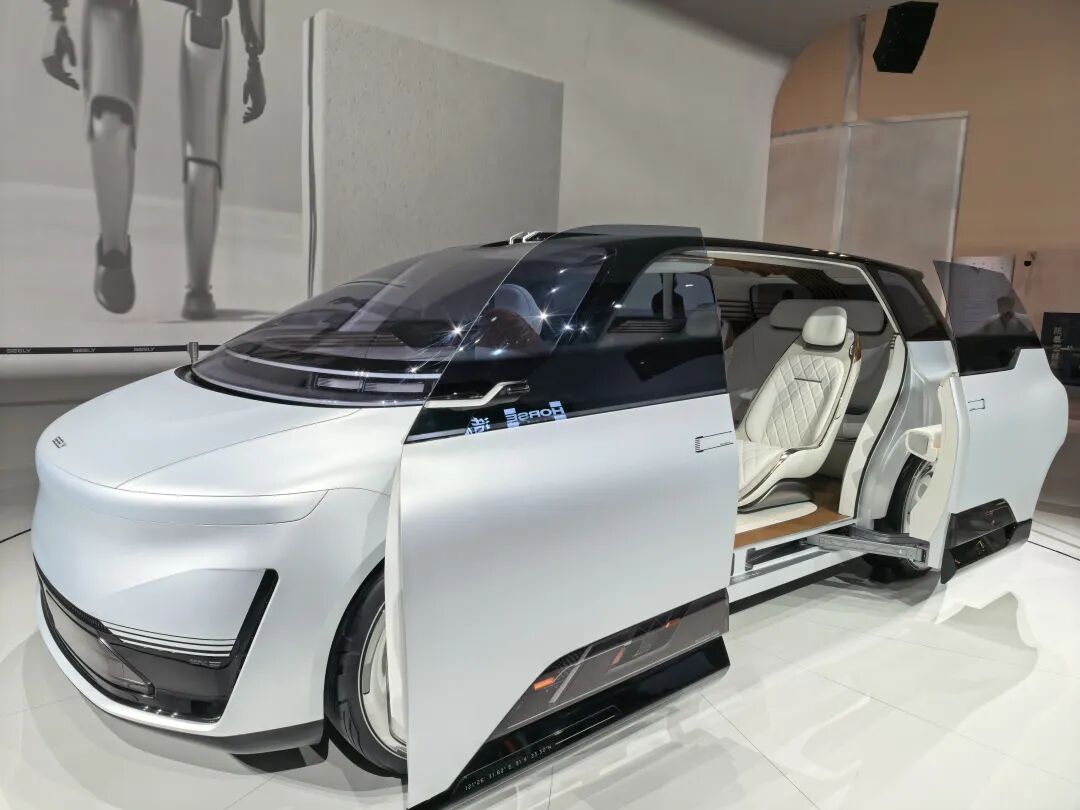
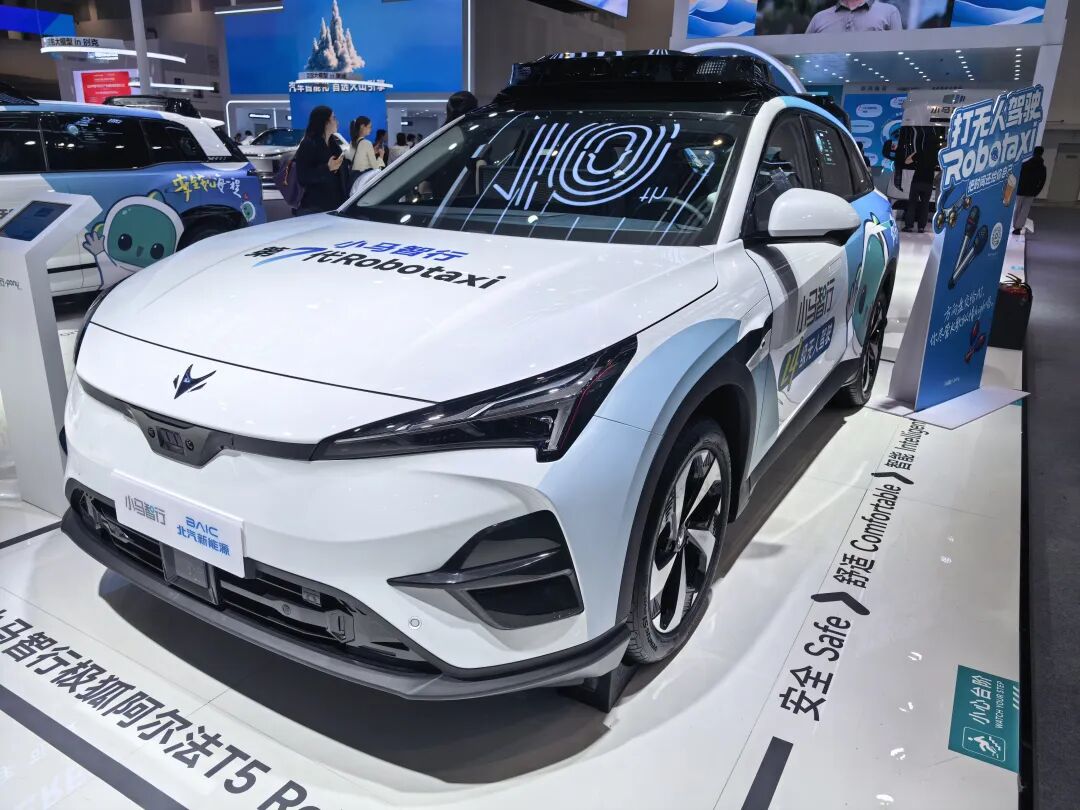
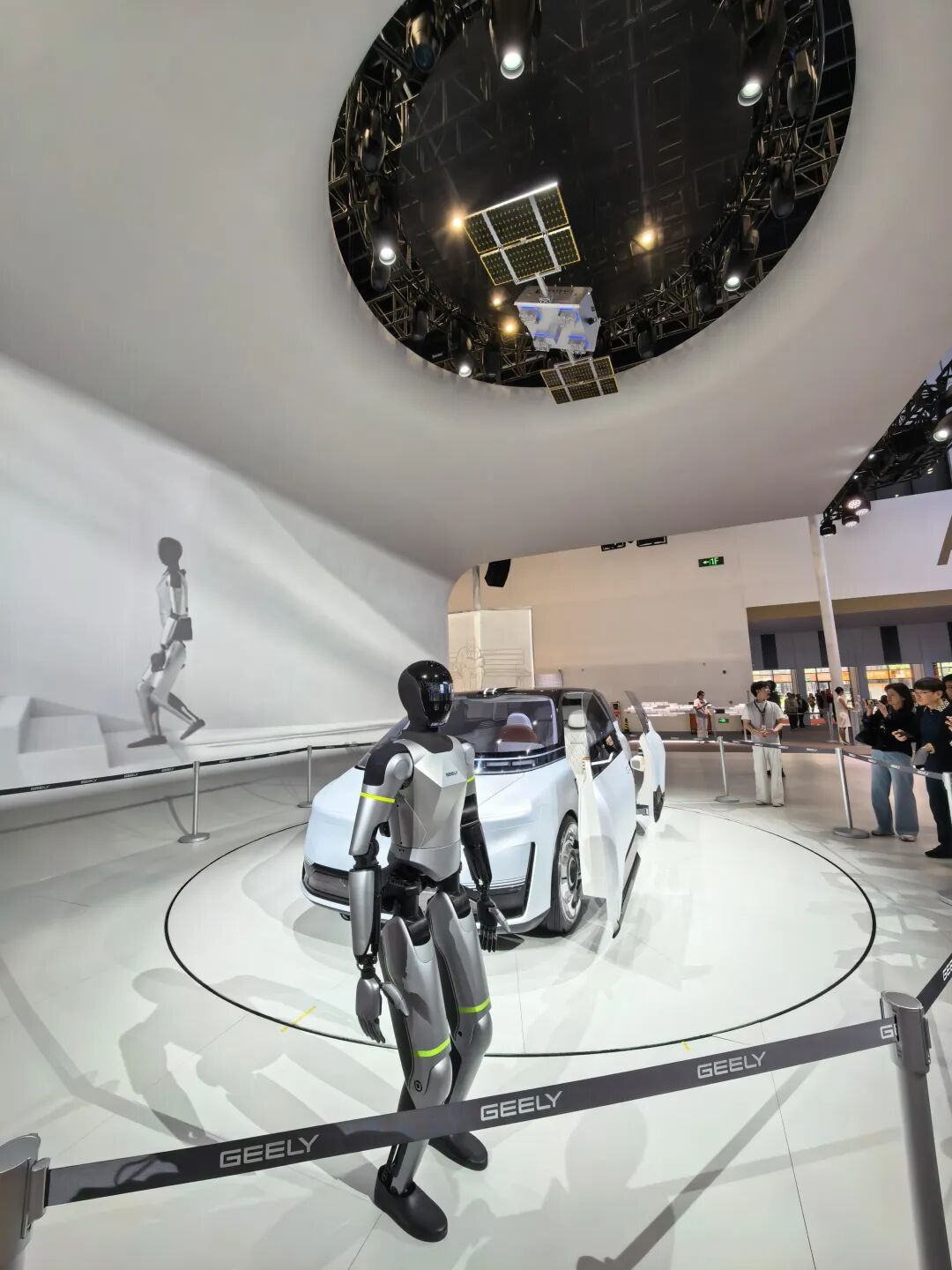
At this auto show, Geely unveiled its native-developed Robotaxi prototype, the Eva Cab. Built on the global AI 2.0 technology framework, the vehicle was designed from the ground up for L4 autonomous driving scenarios. It boasts the world's first 2160-line digital LiDAR and is equipped with the L4 autonomous driving software solution, 'Qianli Haohan G-ASD L4,' aiming to provide unmanned shuttle services on fixed-route public roads. According to the plan, the Cao Cao Mobility custom version of the Eva Cab will be officially launched and enter mass production in 2027. As a commercial operation vehicle, Cao Cao Mobility intends to deploy a cumulative total of 100,000 units of this model by 2030.
Pony.ai showcased its 2027 version Robotaxi, reducing the total vehicle cost to under RMB 230,000. It also introduced the industry's first fully certified and fully redundant L4 autonomous light truck and shared its latest insights on autonomous driving technology and the PonyWorld world model. Notably, the total vehicle cost of Pony.ai's 2027 L4 Robotaxi, including the vehicle, battery, and autonomous driving kit, will be less than RMB 230,000, which is lower than the price of the base model of a Tesla Model 3 with L2 autonomous driving. Furthermore, Pony.ai will launch an overseas version of this model, tailored to local regulatory compliance, infrastructure, and user needs, to facilitate deployment on a scale exceeding a thousand units in overseas markets.
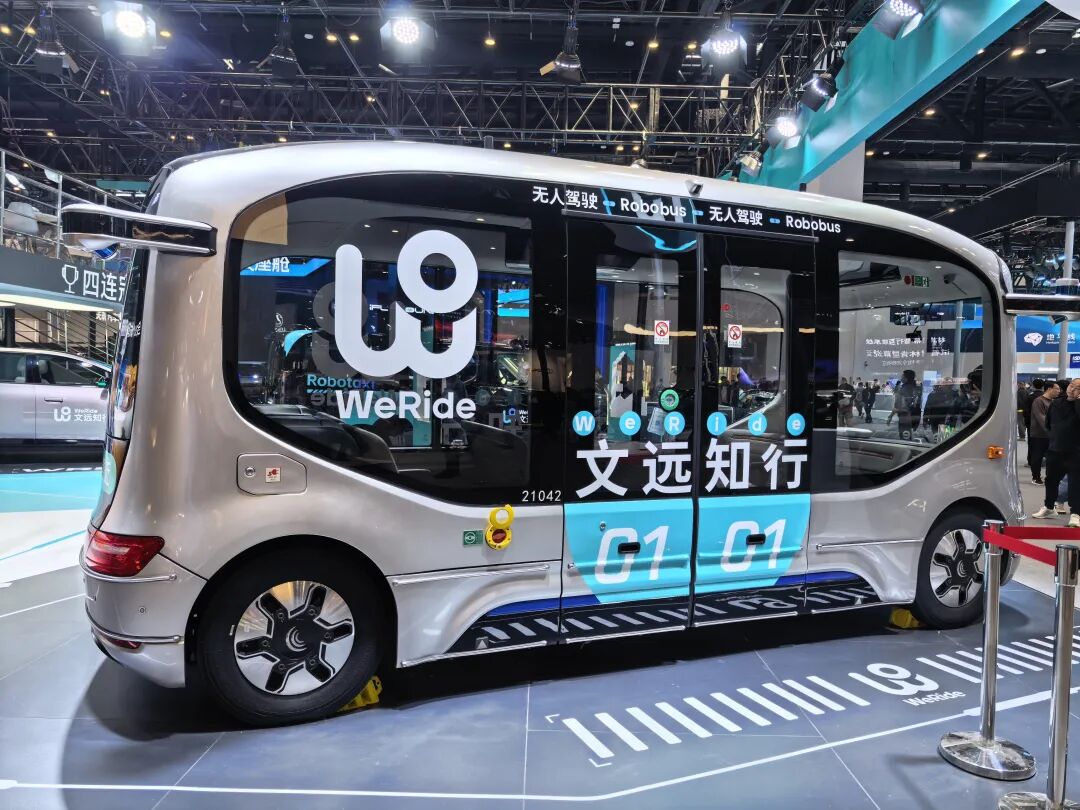
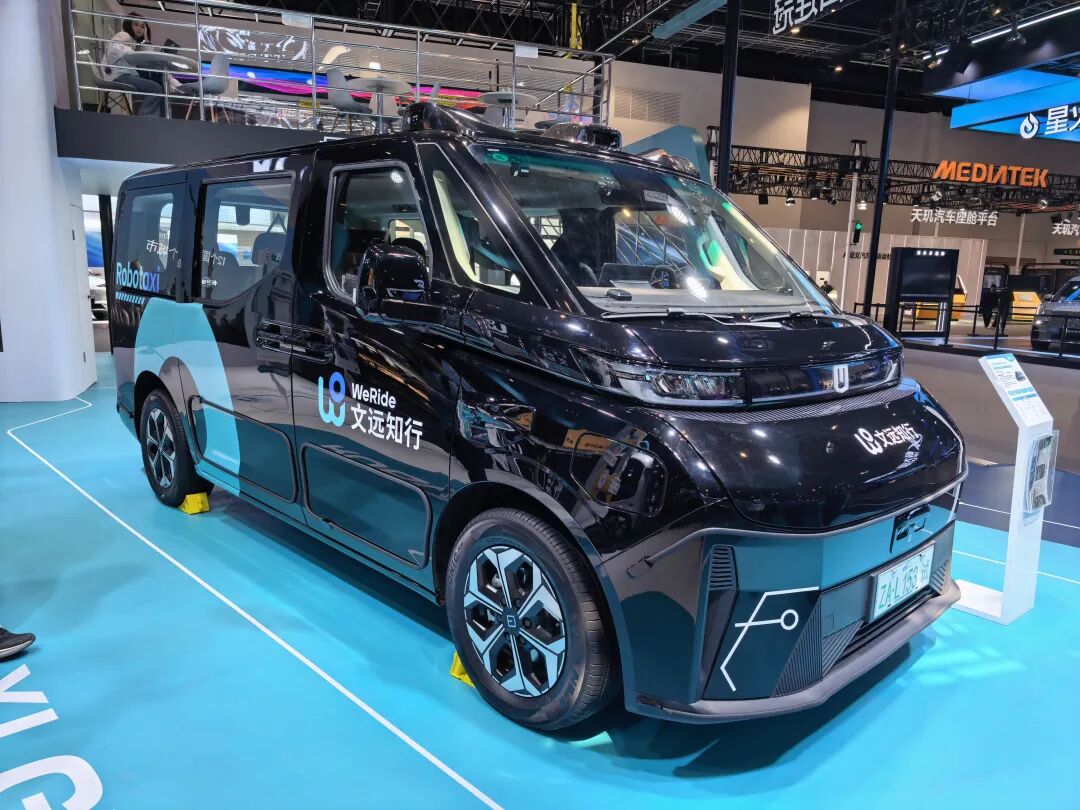
WeRide displayed its next-generation mass-produced Robotaxi, the GXR, and the autonomous minibus Robobus.
Among these, the WeRide autonomous minibus Robobus stands out as the world's first front-integrated mass-produced autonomous minibus and the first intelligent driving vehicle to win the Red Dot Award. It features a fully driverless design, devoid of a steering wheel or cockpit, and can reach a maximum speed of 40 km/h. Equipped with WeRide's self-developed full-stack software and hardware solutions, it can safely and efficiently navigate various complex urban traffic conditions.
The Robotaxi--GXR represents the world's most spacious mass-produced Robotaxi model to date. Built on WeRide's over six years of public Robotaxi operation experience and the remote super VAN drive-by-wire intelligent architecture, the GXR integrates innovative R&D achievements, including WeRide's self-developed full-scenario L4 autonomous driving software and hardware systems, an open mobile travel space design concept, and the new-generation Sensor Suite 5.6 sensor kit, redefining the autonomous driving travel experience. The WeRide GXR is the world's first Robotaxi equipped with the NVIDIA DRIVE Thor X chip. The 100% automotive-grade HPC3.0 computing platform helps reduce the cost of the GXR's autonomous driving kit by 50%, expediting its large-scale commercial application.
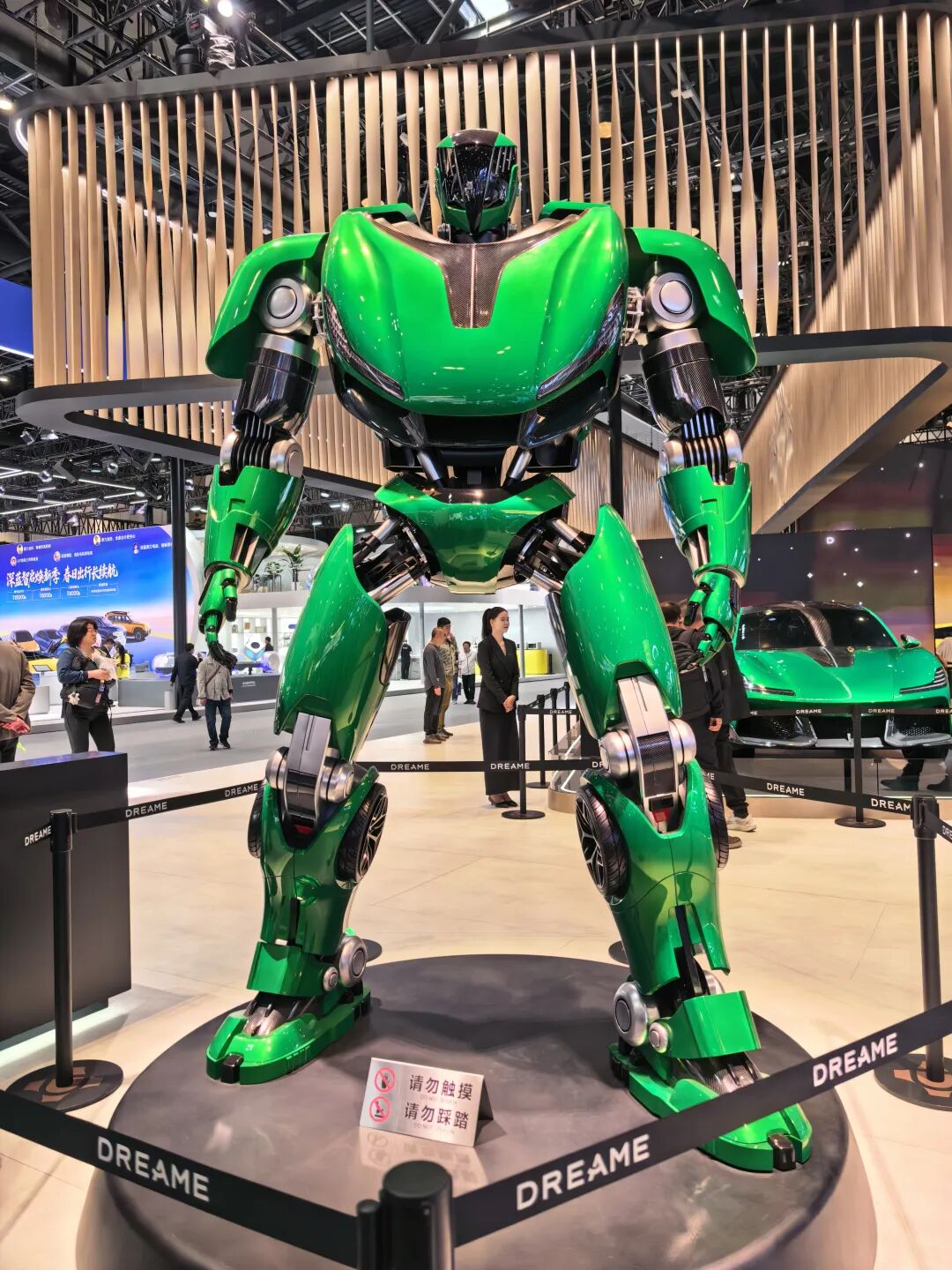
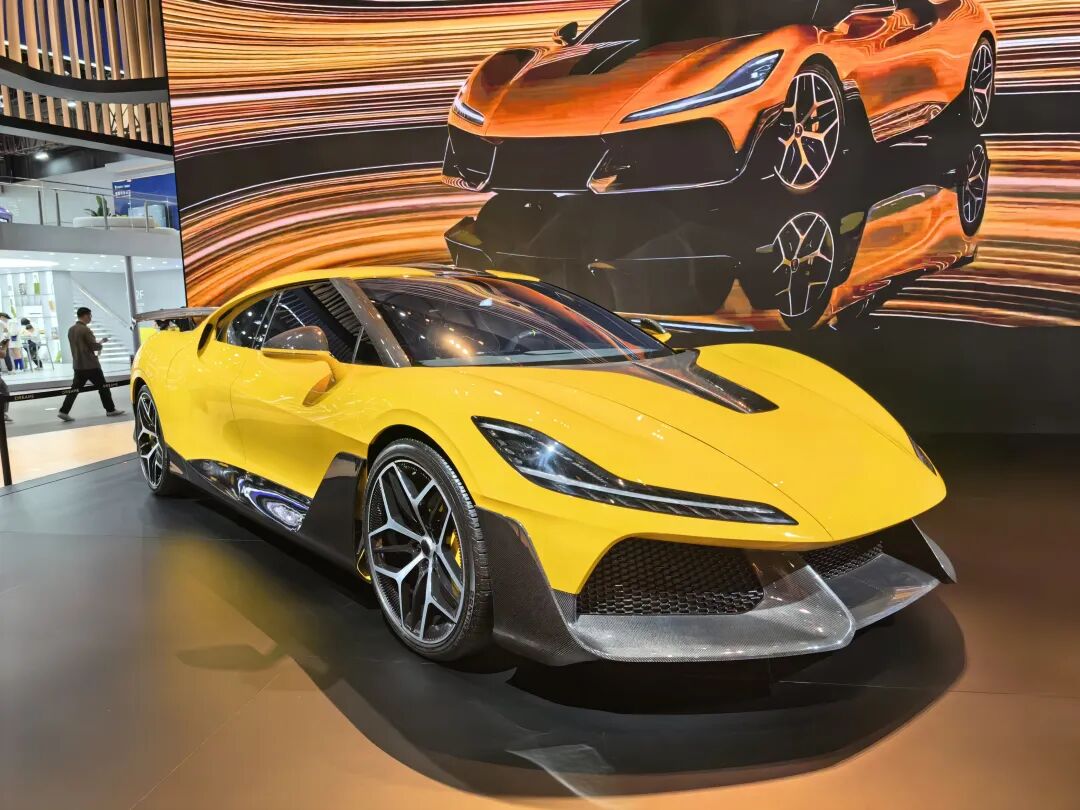
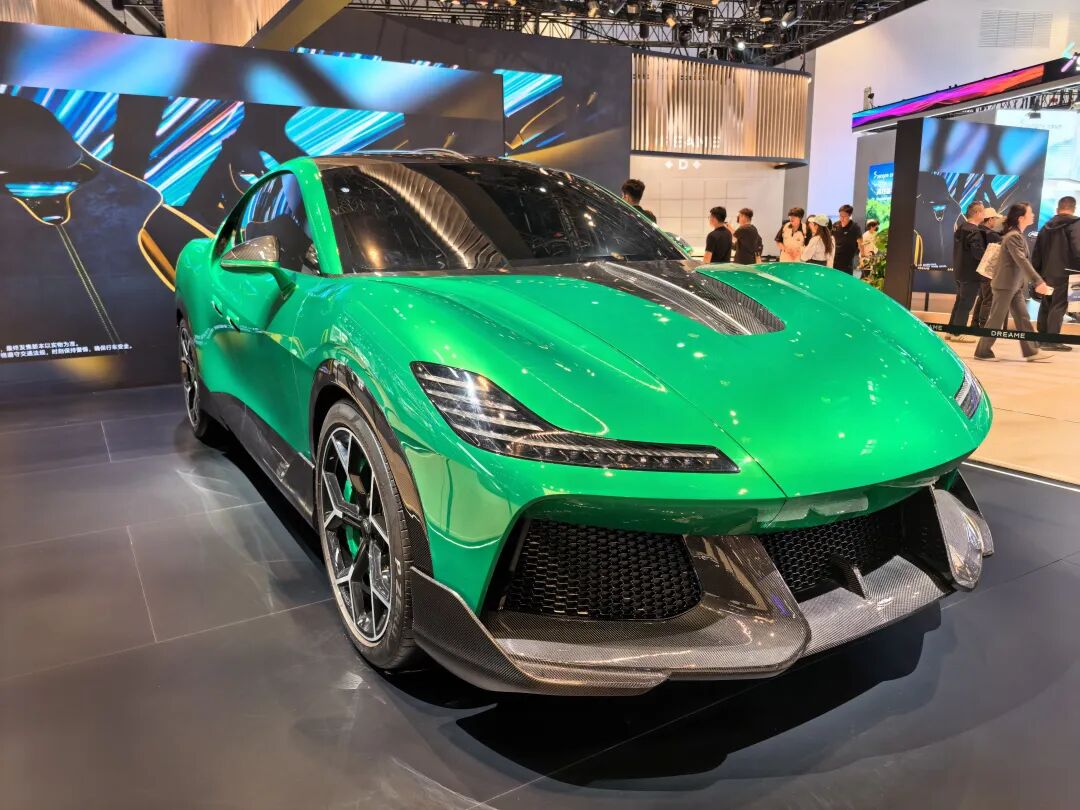
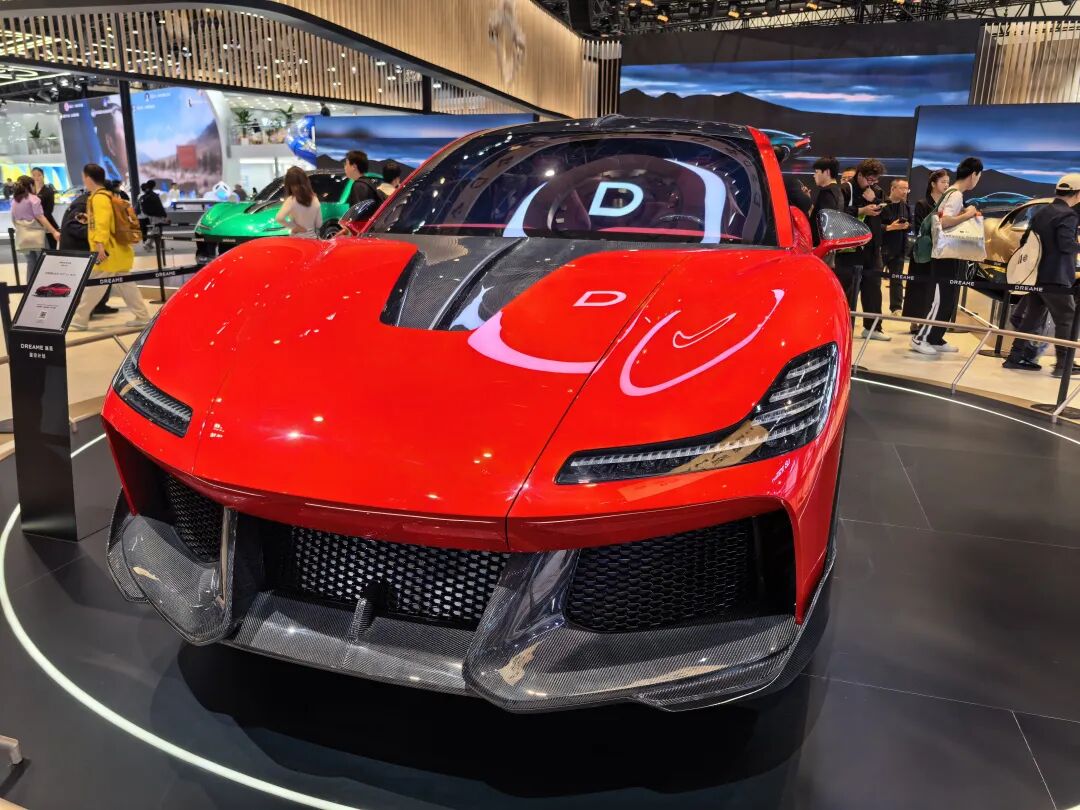
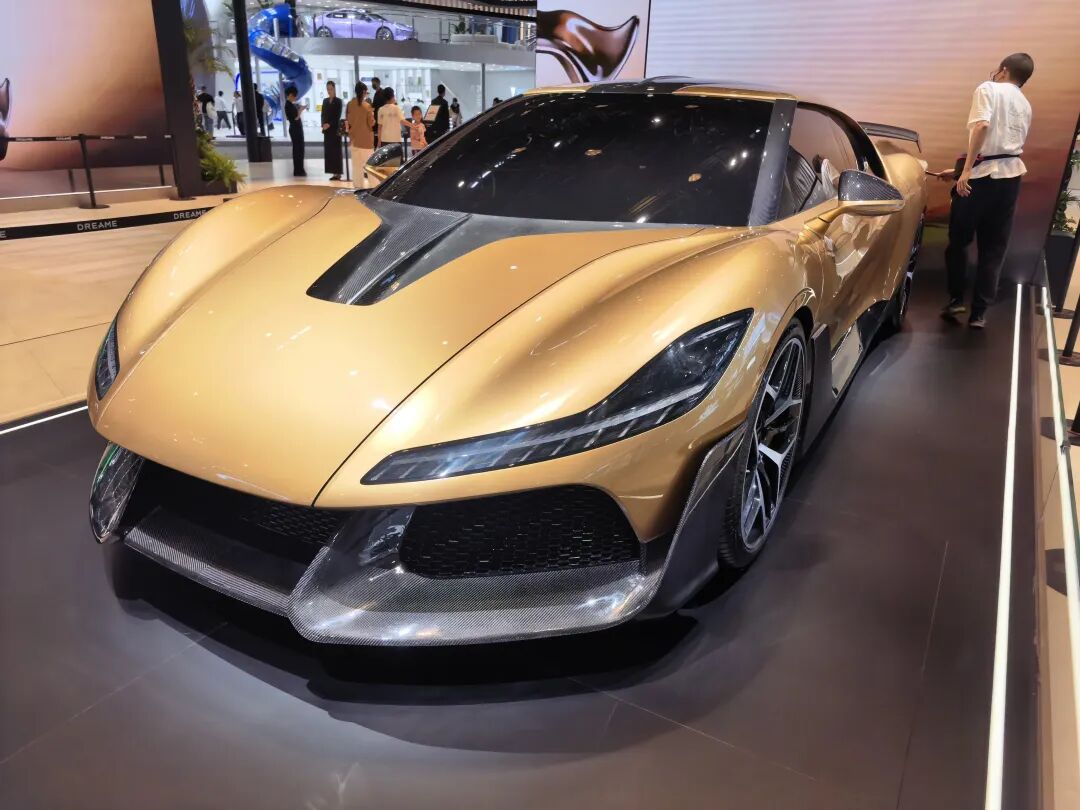
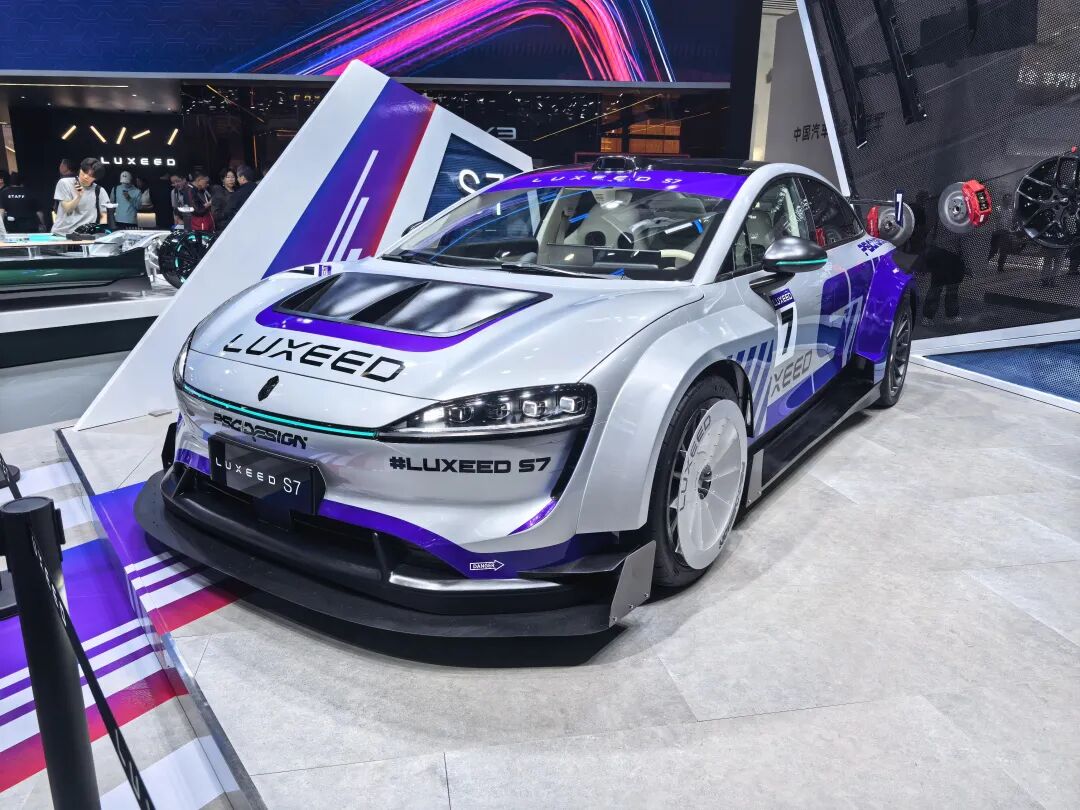
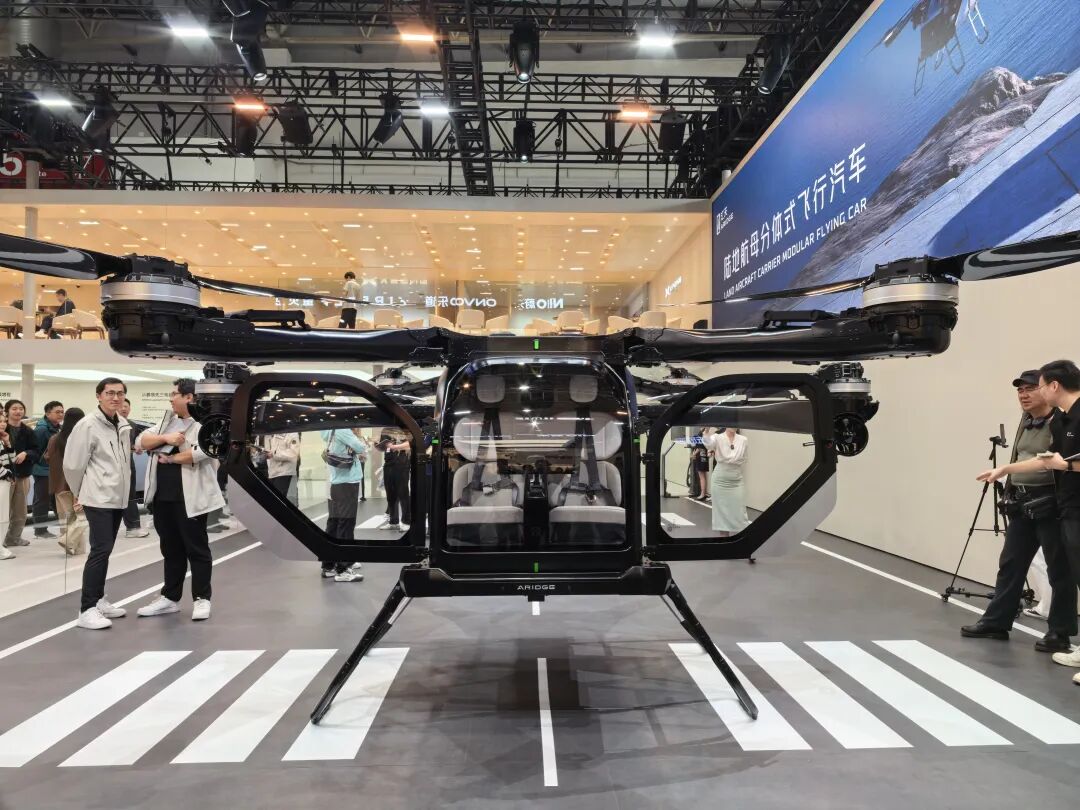
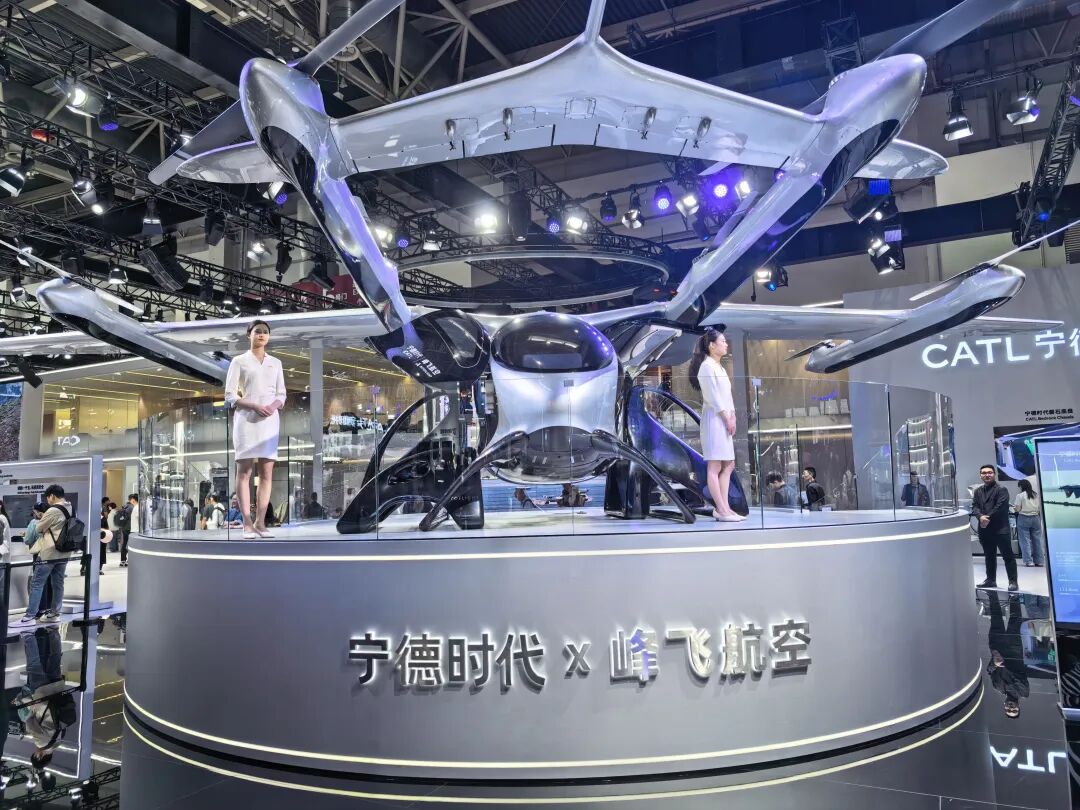
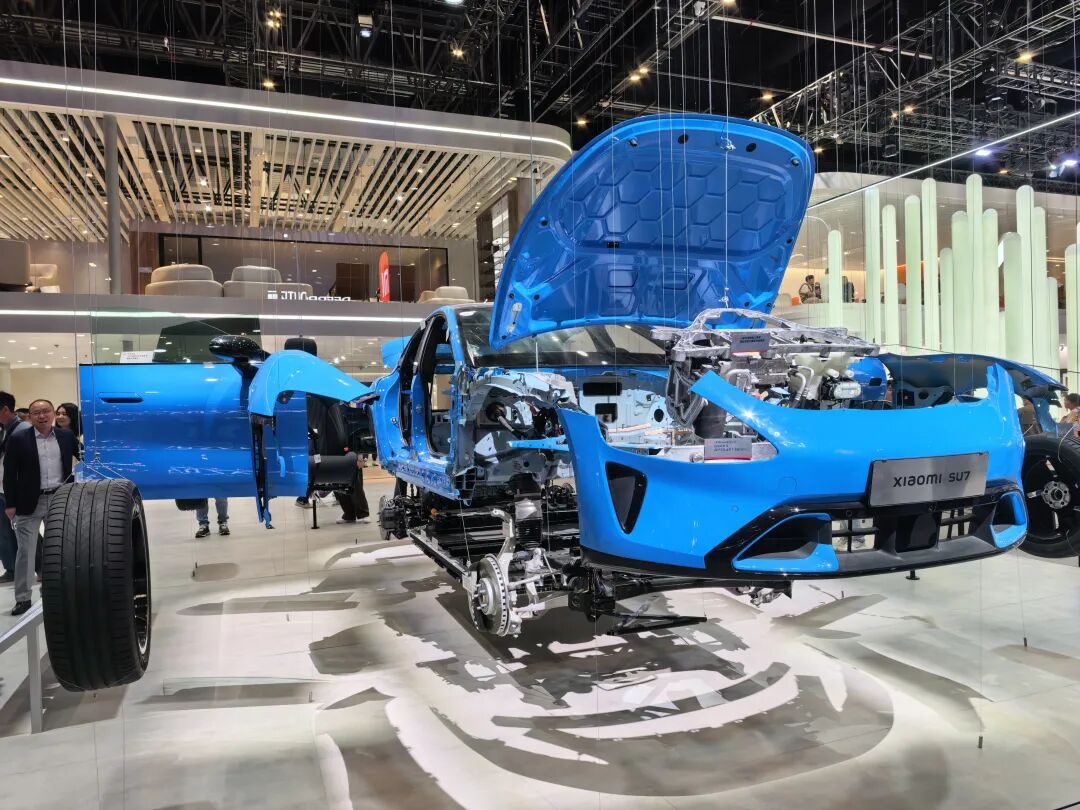
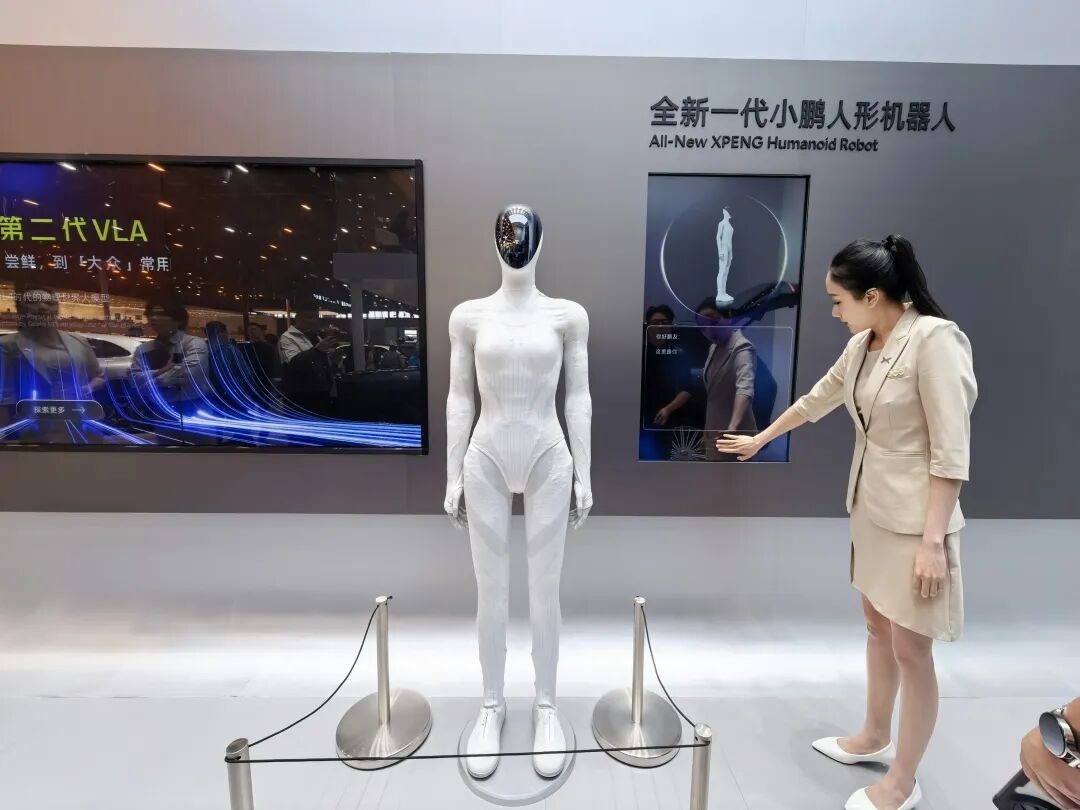
Notably, this auto show also marked the entry of new players in vehicle manufacturing. Dreame Space made a significant debut with its high-performance super coupe, the Dreame Nebula NEXT 01, the luxury large SUV, the Dreame Nebula NEXT 01X, as well as its intelligent chassis system and conceptual robots.
Observing this year's Beijing Auto Show, it is evident that intelligent driving has become a central competitive arena in China's automotive industry, spanning from high-end flagship models to entry-level family vehicles, and from mass production to future exploration. Self-developed chips, full-stack algorithms, and data loops are emerging as core strengths for automakers to achieve breakthroughs. As advanced intelligent driving is no longer confined to high-end models and the commercialization of L4 autonomous driving continues to accelerate, China's automotive industry is entering its own golden era of intelligent electrification.
-
![]()
The Allure of 'Acquisition Spree': Li Shufu's Left Turn, Xu Jiayin's Right
-
![]()
Strategic Transformation Yields Results: Phoenix Optics Reports 10.9% YoY Rise in Core Net Profit for H1 2026
-
![]()
Three Key Growth Trajectories Synergize! Crystal-Optech Reports 3.478 Billion Yuan in Revenue for H1 2026
-
![]()
Semi-Annual Report Sparks XPENG Motors Buzz
-
![]()
1.6 Billion Big Order Secured! SeeYA Technology's Revenue Soars by 287.87% in the First Half of the Year
-
![]()
Baidu's Profits Plunge by 68%: Unraveling the Mystery Behind the Numbers
-
![]()
Baidu’s Profits Tumble by 68%! Where Has All the Money Gone?
-
![]()
Hynix’s Taobao Store Shuts Down Abruptly: What Should Customers Do About Warranty Services for Memory Modules?