DingTalk: At a Crossroads
 06/11 2026
 569
569
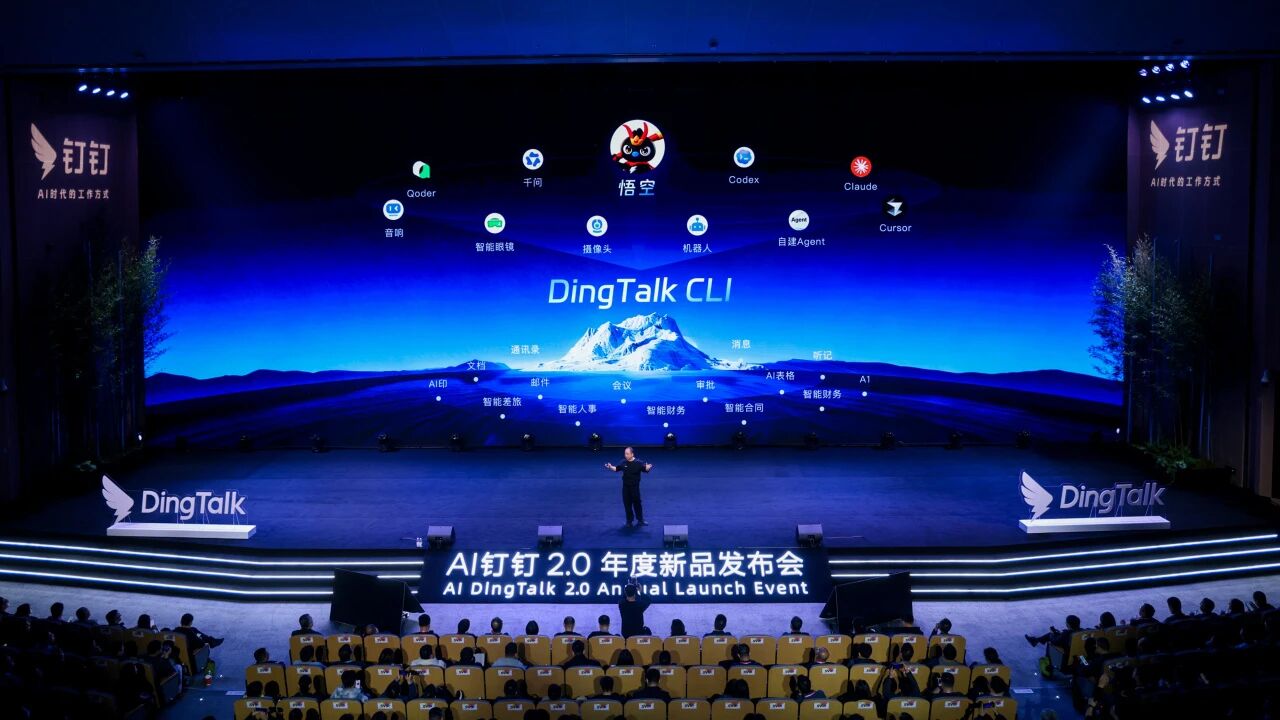
The world isn't solely about conflict; it's also about human connections.
However, in the realm of tech giants, sometimes even these human connections must take a backseat to Key Performance Indicators (KPIs).
On June 11th, Alibaba announced a leadership transition at DingTalk.
Chen Yusen, a tech enthusiast born in 1992, assumed the helm, while the former CEO, Chen Hang, known as "Wu Zhao" within the industry, stepped down.
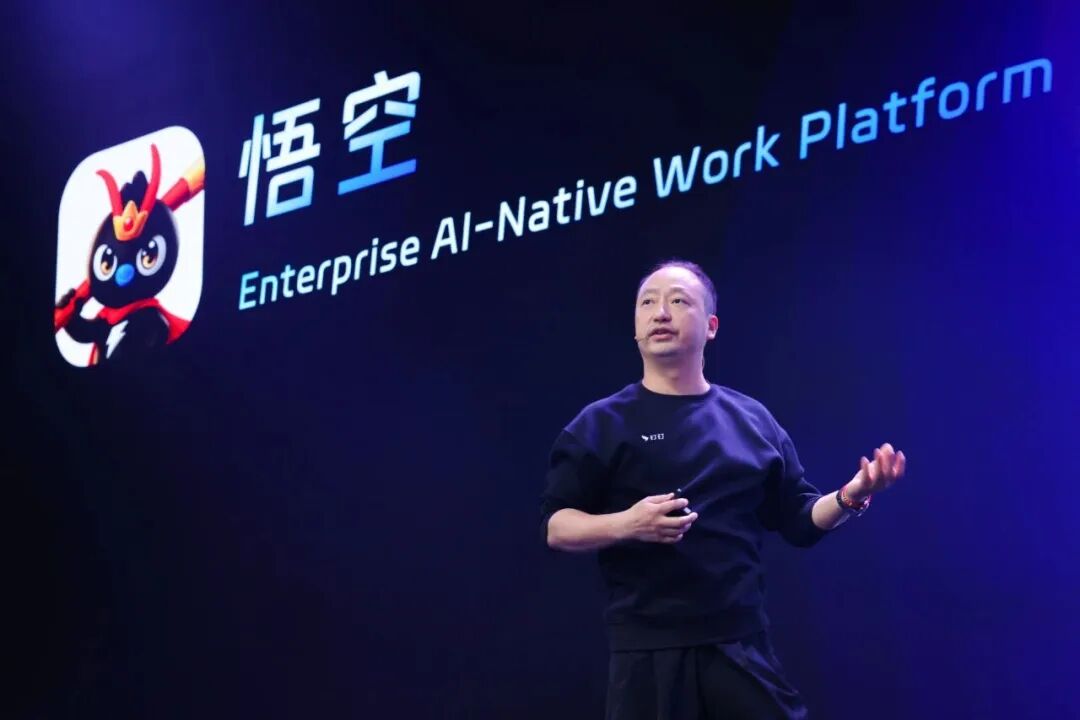
(Former DingTalk CEO Chen Hang, Image Source: DingTalk Official Weibo)
The news didn't come as a total shock.
The day before, the Alibaba Partnership Committee posted an article on the internal network with a seemingly warm title: "Growth with Compassion and Loyalty Defines Alibaba's Culture."
Yet, the content was far from warm, directly criticizing the management style of the DingTalk team as "not in harmony with Alibaba's culture."
After delivering these harsh words, swift action followed the next day.
It was evident to all that this was a well-planned "targeted move."
The target wasn't an individual but rather DingTalk's outdated strategies and the organizational culture they embodied.
01
Let's first discuss the new leader.
Chen Yusen, born in 1992.
At an age when many in the tech industry are still grappling with mortgage payments and school district choices, he has already ascended to become Alibaba's youngest business unit CEO.
A prodigy, a tech enthusiast, and a serial entrepreneur.
During his university years, he clinched numerous championships in top computer science competitions both domestically and internationally. At 22, he founded Chaitin Technology, a cybersecurity firm, which was later acquired by Alibaba Cloud.
In 2025, he embarked on an internal venture at Alibaba Cloud, leading a team to develop an AI Agent product named MuleRun.
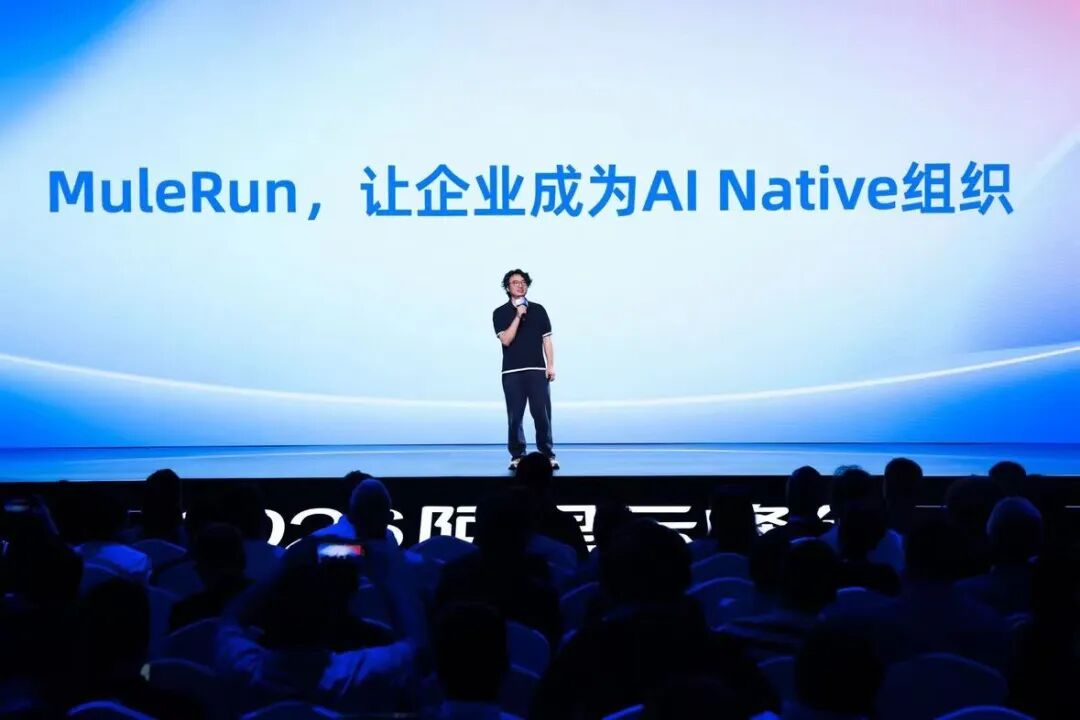
(New DingTalk CEO Chen Yusen)
His resume is impressive, but those familiar with the inner workings of big tech companies understand that for an internal venture to succeed, it requires not just skill but also strong support.
Looking deeper, Alibaba has recently established a series of new organizations with innovative names:
Alibaba Token Hub (ATH), Token Foundry. These are small teams dedicated to fostering AI innovations. Happy Horse, Happy Oyster, MuleRun, Qoder... a steady stream of new projects continues to emerge.
The rationale behind this is clear:
Traditional methods for established players, innovative approaches for newcomers. Alibaba is betting on young talent who haven't been "immersed" in big-company bureaucracy to lead the charge in the AI era.
DingTalk is the first test case.
02
Now, let's turn our attention to the outgoing leader.
Chen Hang, alias "Wu Zhao." The alias is apt—"no flashy moves" but outmaneuvering all.
Under his leadership, DingTalk indeed blazed a trail to success in recent years. During the pandemic, it became an essential app for students checking in and office workers clocking in, briefly surpassing WeChat in downloads and topping the App Store charts for an extended period.
Although the app store was inundated with one-star reviews, the numbers spoke volumes.
Credit is due, but problems surfaced.
The catalyst was a lengthy post by a former employee titled "Inside DingTalk."
We haven't seen the full text, but judging by the Alibaba Partnership Committee's response, it must have been quite critical.
Phrases like "severe criticism" and "not in harmony with Alibaba's culture" from the partners amounted to a public internal rebuke.
What management style could have incited such anger from the Partnership Committee?
It wasn't explicitly stated, but it's not difficult to surmise: high pressure, a burnout culture, treating people as expendable.
Internet companies excel at this—preaching "employees are family" while demanding 996 workweeks.
But times have changed. The burnout culture that once led to billion-dollar valuations now only results in resignation letters and public shaming by the Partnership Committee on the internal network.
Embarrassing, isn't it?
03
In fact, Alibaba's leadership shakeup isn't surprising when viewed in a broader context.
The company has been restructuring its organization for years. From "1+6+N" to various mergers and splits, the core objective has been clear:
Teach the elephant to dance.
But the challenge is that the elephant's legs are old and stiff.
Veterans who helped build the company are execution powerhouses with impressive track records, but their mindsets and habits are deeply ingrained.
Asking them to innovate for the AI era is like asking old soldiers to shoot down drones with rifles—not impossible, but highly unlikely to succeed.
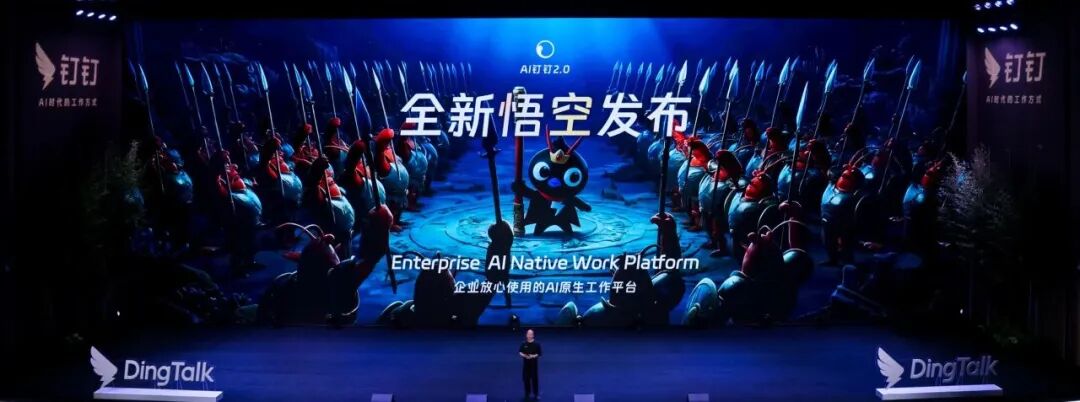
(Image Source: DingTalk Official Weibo)
Thus, change was inevitable.
Chen Yusen and his peers, born in the 90s or even 95s, grew up with computers and possess a fundamental understanding of technology.
They carry no historical baggage, free from the mindset of "how we've always done things." They approach problems with a fresh perspective: "How should this be done?"
A key line from the Alibaba Partnership Committee's post encapsulates it: "Innovation in the AI era relies on passion and creativity. Only by fully respecting individual value can we truly create customer value."
Stop treating employees as mere cogs in a machine—cogs don't drive innovation.
04
Leadership changes may seem exciting, but their effectiveness remains to be seen.
As a tech enthusiast turned CEO, Chen Yusen's biggest risk is perceiving every problem as a nail because he's holding a hammer.
Product development, management, and business strategy require more than just technical thinking.
DingTalk isn't just about solving a few tech puzzles—it's about managing a behemoth with hundreds of millions of users, including government and enterprise clients, SMEs, and educational users, each with unique and complex needs.
Can a young leader (in career terms) handle this? It's hard to say.
Moreover, is Alibaba's leadership shakeup a genuine commitment to transformation, or just a symbolic move to project a progressive image? That's another question.
Big tech leadership changes can sometimes be like changing phone cases—the exterior looks new, but the old battery remains inside.
Still, one thing deserves recognition: Alibaba is at least willing to take action.
A common issue in Chinese tech companies is that veterans cling to power, blocking young talent and stifling innovation. By promoting a young leader to business unit CEO, Alibaba has broken this cycle, regardless of the outcome.
Epilogue
The name "DingTalk" was meant to embody the spirit of "hammering things in"—getting things done with persistence.
Now, with a new leader at the helm and "Wu Zhao" gone, a young tech enthusiast has taken over.
Whether this new leader can "hammer" out a new path for DingTalk in the AI era remains to be seen.
But one thing is clear:
If big tech companies continue to hoard positions for veterans and cling to management styles that treat people as expendable, it won't just be "DingTalk" that becomes "loose"—the entire Chinese tech industry will follow suit.
Loose and flabby, that is.
-
![]()
Alibaba's AI Offensive: Over Half of Investment Allocated, Time to Reap Returns
-
![]()
Alibaba’s AI Push: Over Half of Investments Made, Time to Harvest Returns
-
![]()
Chinese Enterprises Going Global 3.0: From World Factory to AI Infrastructure Builder
-
![]()
Honor RobotPhone Review: Half Movie Camera, Half Robot
-
![]()
AI-Driven Cheating Surges in Universities! Online Exams Reduced to Mere Formalities, Degree Credibility on the Line
-
Insta360’s Decade in Panoramic Imaging: Making Cameras ‘Invisible’ and Returning Creation to the Masses
-
![]()
Foreign Media Claims Apple is Concentrating Resources on AI Development: Vision Pro and Siri Teams Lay Off 200 People
-
Big News! Huaneng and Huawei Hold Talks in Shenzhen with Ren Zhengfei in Attendance; Huawei Emerging as the 'Second Brain' of China's Energy System