"Explosive Risks" in the Trunk: The Unauthorized Battery Modifications in New Energy Vehicles Fuel a Shadowy Industry
 06/11 2026
 601
601
On June 11, Kuaikeji reported that the power battery, a pivotal component of new energy vehicles (NEVs), is often likened to the vehicle's heart. Its actual service life consistently ranks among the top concerns for consumers when purchasing a new car. Under standard industry warranty terms, automakers typically offer an 8-year warranty for power batteries in family cars.
Now, the first wave of domestically mass-produced NEVs is gradually entering an aging phase, with many models surpassing their official battery warranty periods. After years, or even a decade, of frequent use and wear and tear, the capacity degradation of power batteries in numerous older vehicles has become pronounced, leaving many owners grappling with a sharp decline in driving range.
Seizing on the demand from owners of aging vehicles to extend their driving range, numerous third-party vendors are marketing seemingly cost-effective solutions disguised as range extender kits and battery upgrades. By directly connecting an additional battery in parallel within the trunk or an unused space in the chassis, these modifications promise to boost the vehicle's range by 100 to 200 kilometers, all for a cost slightly exceeding ten thousand yuan.
According to vendors' public quotes, the unit price for these third-party aftermarket battery packs ranges from 500 to 800 yuan per kilowatt-hour. For an average family car, installing an extra 20-kilowatt-hour battery pack, costing around 15,000 yuan, can directly enhance the range by approximately 160 kilometers. If the entire old battery is replaced outright, the cost is only between 20,000 and 30,000 yuan.
When promoting these products, vendors frequently cite online ride-hailing vehicles as prime examples. Many operational vehicles with mileage exceeding 300,000 kilometers have seen their original batteries degrade to just 60-70% of their initial capacity. However, the overall condition of these vehicles remains adequate for normal operation. After spending one to two ten thousand yuan on modifications, the range can be restored to near-new levels, making the return on investment appear highly attractive.
In stark contrast to the low prices of these third-party modifications, officially authorized after-sales channels refuse to accommodate any requests for unauthorized aftermarket battery installations. Even if the original battery is replaced through proper channels with a battery of the same specifications, the cost is often more than double that of third-party modifications. Owners seeking a bargain are easily enticed by the low prices to proceed with the modifications.
Safety experts caution that most third-party-installed batteries are placed directly in the trunk area. In the event of a rear-end collision, the aftermarket battery is susceptible to being squeezed and igniting, posing significant safety risks to both the vehicle's structural integrity and the occupants' personal safety.
While these third-party modifications may seem economically appealing, they harbor countless hidden dangers. Firstly, the origin of the battery cells used in these aftermarket installations generally lacks public traceability. A multitude of old cells with varying production dates and usage cycles are haphazardly assembled together, making it impossible to ensure the consistency of the entire battery pack.
Furthermore, for vehicles still under the original warranty period, any unauthorized modification to the power battery's structure will result in the complete forfeiture of the entire vehicle's warranty rights. The manufacturer will not be held responsible for any subsequent issues.
According to current laws and regulations, no unit or individual is permitted to privately assemble motor vehicles or unauthorizedly alter the structure, construction, or key characteristics of motor vehicles already registered and filed with the vehicle management office. Unauthorized modification of the power battery in NEVs is, in itself, an illegal act. If a traffic accident occurs subsequently, the person responsible for the modification will bear full liability, making it a risk not worth taking.
-
![]()
Doubao Work Unveiled! Domestic AI Leaders Fully Commit to the 'Work' Sector
-
![]()
Who’s Sounding the Alarm on ‘Rushed Vehicles’?
-
![]()
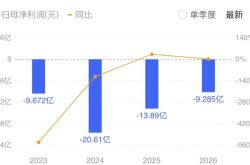
Over 5.3 Billion Yuan in Losses Over Three and a Half Years! Can Yonyou Reverse Its Fortunes Through Streamlining and AI Transformation?
-
![]()
Baidu AI Adopts Free Model: A Strategic Maneuver in Traffic and Monetization
-
![]()
Silicon-Based OLED Pioneer Unveils Financial Results: H1 Shipments Outpace Entire 2025 Volume
-
![]()
AI's First "Lost Summer"
-
![]()
Zeiss Makes Another €2.2 Million Bet: Will Eye Tracking Be the Next Big Thing in the Smart Glasses Industry?
-
![]()
RUNTO Ranking | Global Top TV ODM Factories' Shipment Figures for July 2026